
Every time a new mega-bridge opens or a record-breaking skyscraper pierces the sky, we like to think we’re at the peak of human engineering. Then you stand in front of an ancient monument, built with nothing digital, no CAD software, no modern cranes, and something quietly shatters in your sense of progress. How did they do this with bare hands, simple tools, and math scratched into clay or carved into stone?
What’s even more unsettling is not just that they did it, but that in many cases we still don’t fully understand how. Some techniques are lost, some materials can’t be reproduced the same way, and some alignments are so precise they make modern surveyors sweat. This isn’t about romanticizing the past or pretending they were magical; it’s about recognizing that a lot of what we call “advanced” is, at best, a different flavor of genius. Let’s walk through some of the most mind-bending ancient feats that modern engineers still debate, admire, and sometimes quietly envy.
The Pyramids of Giza: Precision at a Baffling Scale
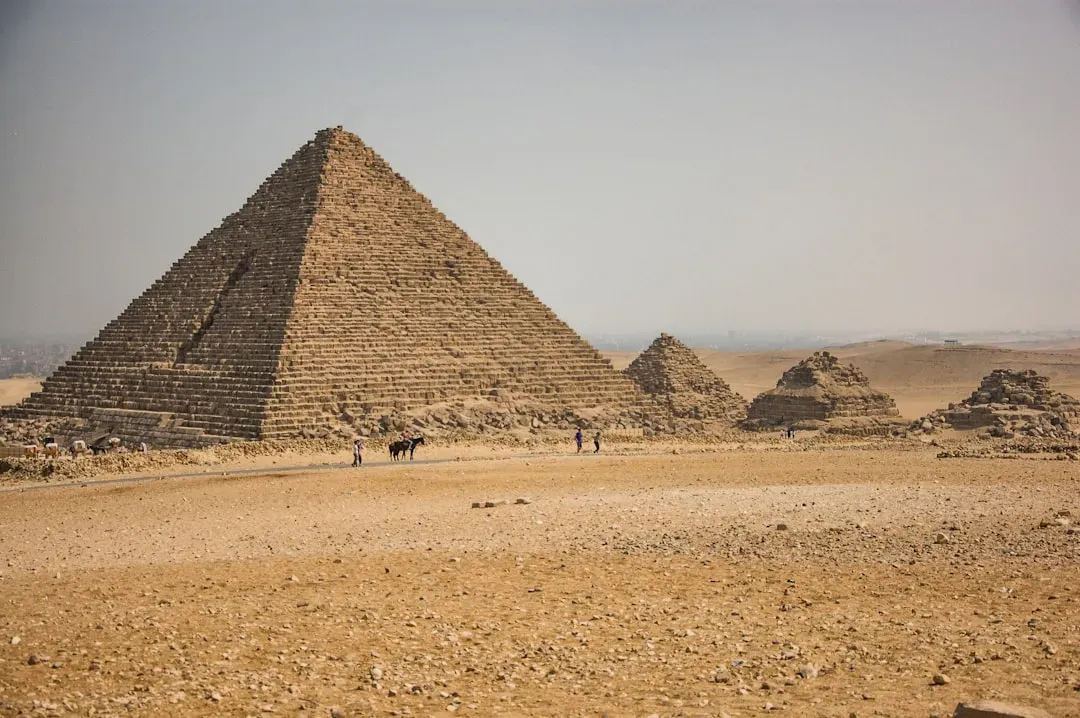
Stand at the base of the Great Pyramid, and the first shock is not just its size – it’s the order. Millions of limestone blocks, some weighing several tons, fitted together so tightly that in many places you can’t slip a razor blade in between. The base is almost perfectly level, the sides astonishingly straight, and the whole structure is aligned with the cardinal directions to a precision that rivals modern instruments. Try doing that without laser levels, GPS, or powered machinery.
Modern experiments with ramps, sledges, and labor forces show it’s physically possible, but the logistics are still staggering. Coordinating tens of thousands of workers for decades, organizing quarries, river transport, food, housing, and safety, all without modern management theory, is an organizational miracle by itself. Engineers today can model how it might have been done, but if you asked a modern contractor to reproduce the Great Pyramid with only ancient tools and methods, the honest answer would be a nervous laugh and a long silence.
Stonehenge and Megalithic Alignments: Monumental Without Mortar
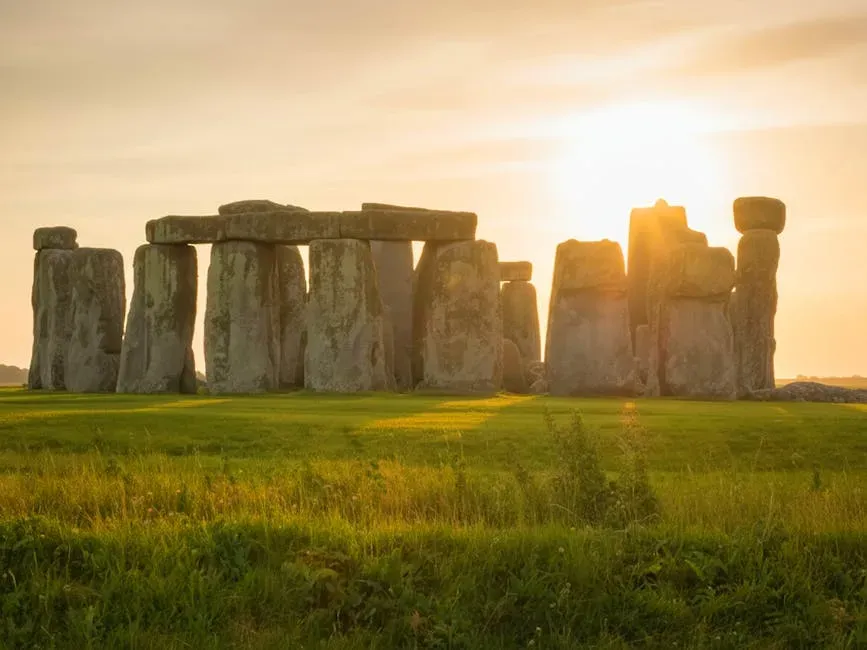
Stonehenge often gets treated like a tourist cliché, but the engineering behind those weathered stones is quietly brutal. Some of the largest stones weigh as much as loaded trucks, hauled from quarries many miles away over rough terrain, then stood upright and topped with precisely shaped lintels. This all happened in a world without wheels for heavy hauling in that region, metal cranes, or steel cables. When you picture the muddy fields, wooden rollers, ropes, and human muscle, the simplicity becomes terrifying.
And it’s not just about moving rocks; it’s about aligning them. The site is carefully tuned to astronomical events like the summer solstice, suggesting that builders understood long-term solar patterns and embedded that knowledge in stone. All over Europe and beyond, megalithic structures show similar sky-aware precision, stacked and balanced without mortar, relying purely on weight, shape, and gravity. Today we can model these alignments with software in minutes, but actually constructing a stone calendar that still works thousands of years later? That’s another level of commitment.
Roman Concrete and Aqueducts: Materials That Refuse to Die
Modern concrete crumbles in a human lifetime if you mistreat it. Ancient Roman concrete, especially in marine environments, has survived for nearly two millennia while taking direct punishment from waves and saltwater. What’s wild is that Roman builders leveraged volcanic ash, lime, and aggregate in a way that creates a self-healing chemistry; seawater actually helps form new mineral crystals inside the cracks. Only in the last decade or so have modern scientists started to reverse-engineer that recipe seriously, and even now, reproducing it at scale is not trivial.
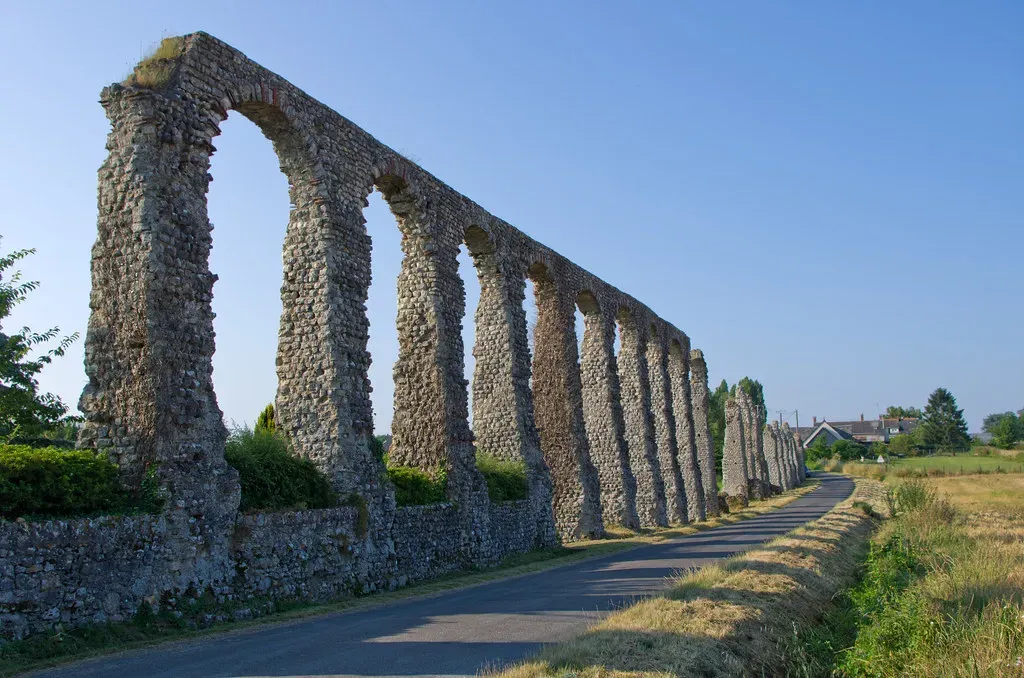
Then there are the aqueducts: elegant stone and concrete channels carrying clean water over vast distances with almost no mechanical pumping. Romans relied on gravity, tuned slopes extremely carefully, and built viaducts that still stand today. When you realize some of these systems quietly worked for centuries, feeding entire cities, it’s humbling. Many modern water systems, with all their electronics and pumps, need constant maintenance and massive energy just to keep up; Rome did it with arches, stone, and geometry.
Machu Picchu and Inca Stonework: Earthquake-Ready Without Rebar
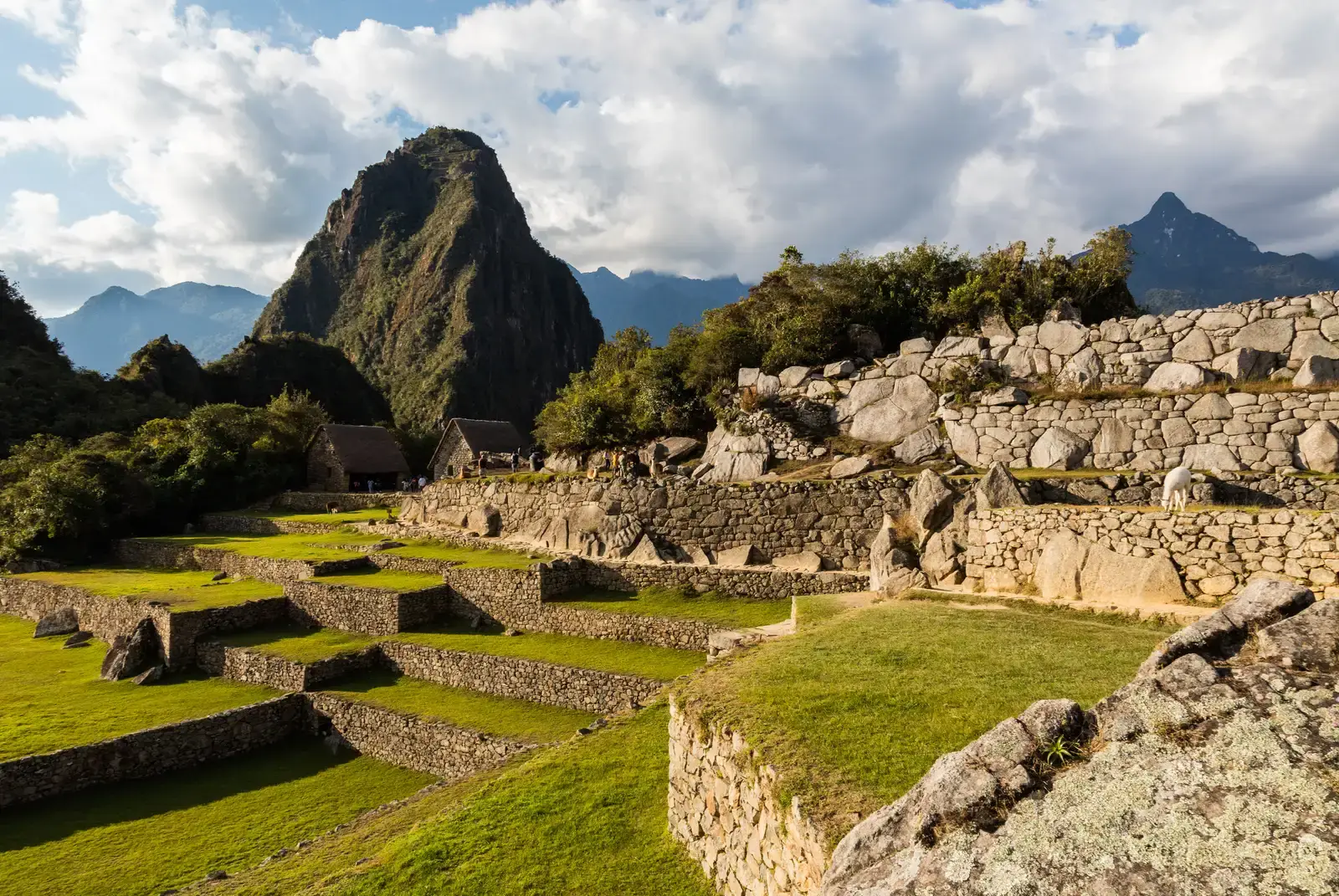
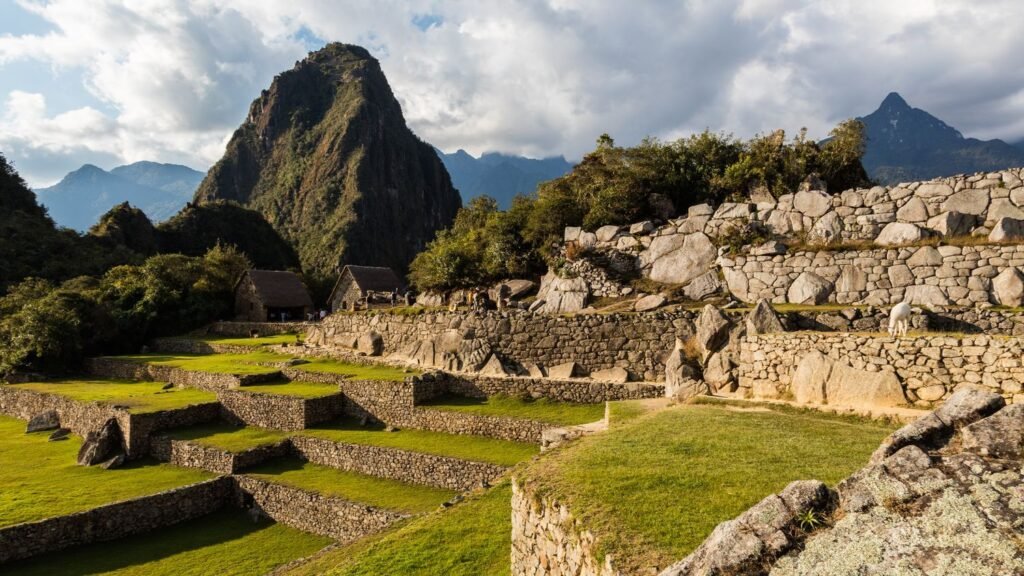
High in the Andes, Machu Picchu looks like a stone city delicately placed on mountain ridges – but the real genius is in what you don’t see. The Incas built terraces that stabilize the slopes, using layers of gravel and soil to manage water and prevent landslides. Their walls often use massive stones carved to interlock like a puzzle, fitted so precisely they don’t need mortar. When you press your fingers into those joints and can’t find even a sliver of a gap, you start to question what “primitive” really means.
Crucially, those interlocking stones also act like a flexible skeleton during earthquakes, moving slightly and settling back instead of shattering like rigid concrete. Modern engineers in seismic zones still study these patterns, because the Incas achieved resilience through geometry and material behavior, not steel bars and high-tech dampers. Standing there, you realize they weren’t just building pretty walls; they were reading the land, the climate, and the risks, then encoding that knowledge into every terrace and staircase.
Angkor Wat and Khmer Hydraulics: A City Built on Water Mastery

Angkor Wat is often admired for its soaring towers and detailed carvings, but the real backbone of the Khmer Empire was water engineering. The landscape around Angkor was transformed into a network of canals, reservoirs, and moats that captured monsoon rains and redistributed them for rice cultivation. Enormous man-made reservoirs, called barays, were excavated and kept level over large areas, which is a nightmare-level surveying challenge even with modern tools. This wasn’t decoration; it was survival infrastructure.
Researchers using satellite imagery and lidar have revealed just how extensive this water grid was, connecting temples, fields, and settlements in a coordinated hydraulic system. Managing flow, preventing floods, and storing enough water for the dry season required a deep, practical understanding of hydrology and soil behavior. In modern cities, water management still regularly fails under extreme weather, despite advanced modeling and sensors. The Khmers built a city in the jungle that thrived for centuries largely because they understood that water is both a threat and a currency – and they engineered accordingly.
Greek Temples and Optical Tricks: When Perfection Meant Bending Reality
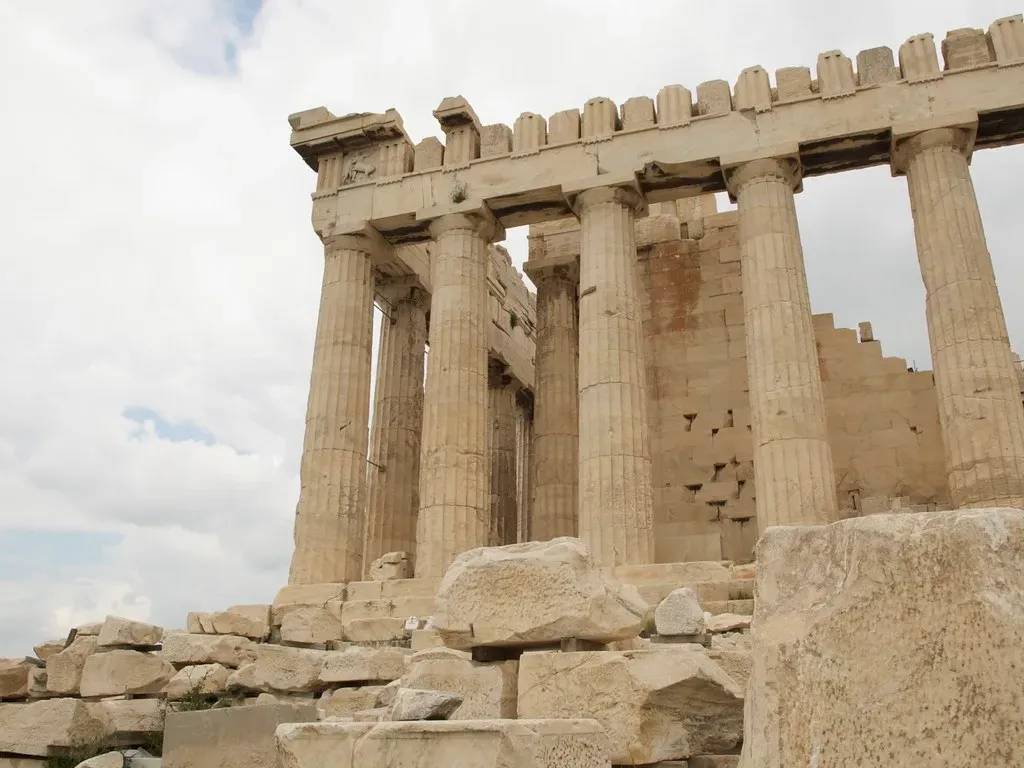
Walk up to the Parthenon in Athens and your eyes tell you it’s all straight lines and right angles, clean and perfect. But that’s an illusion, deliberately engineered. The columns swell slightly in the middle, a feature called entasis, so they don’t look thin or bowed from a distance. The floor isn’t flat; it curves gently upward. The columns lean inward a bit. Everything is very slightly “wrong” so that, from a human vantage point, it feels visually right. That’s not a simple design tweak; it’s an embodied understanding of how human perception works.
Ancient Greek builders pulled off these corrections with hand tools, sightlines, and mathematics we’d call basic, but they turned it into an art of perception-based engineering. If you tried to lay it out in a modern CAD program, you could, of course – but you might still end up chasing tiny distortions when the real building goes up. The idea that the ancients not only worried about how a temple worked structurally but also how it felt optically, from specific viewing angles, pushes their work into a territory that feels almost cinematic in its planning.
The Nazca Lines and Massive Geo-Layouts: Design at a Scale You Can’t See
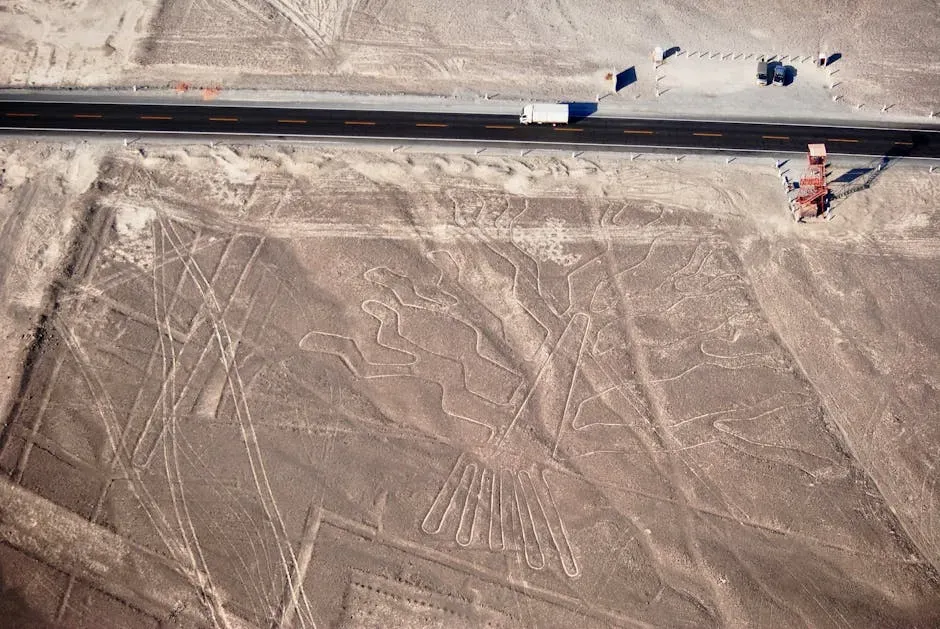
The Nazca Lines in Peru are one of those things that sound simple – lines and figures scratched into the desert – until you realize how hard it is to plan something that only makes sense from the sky. Giant animals, geometric shapes, long straight paths, all laid out across a landscape without drones, planes, or even hills tall enough to see the full design properly. It’s like drawing a picture on a football field while standing only a few yards away from the turf and never getting the aerial view.
Archaeologists have shown that with ropes, stakes, and patient surveying, it’s possible to design and execute these figures from the ground. But the idea itself – thinking at that scale, organizing labor, and maintaining consistent proportions – requires a mindset that treats the landscape as a canvas. Modern engineers build highways, power lines, and pipelines visible from space, yet we rely heavily on aerial imaging and digital models. The Nazca culture did something similar with essentially no technology, just geometry, coordination, and an ability to trust an invisible picture in their minds.
Ba’albek and the Monster Stones: When Size Defies Explanation
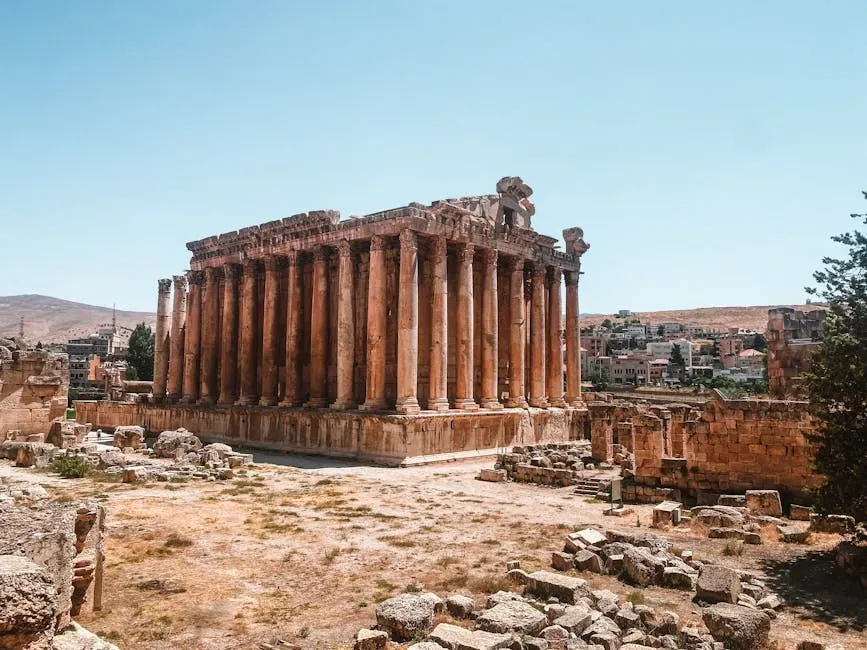
In Ba’albek, in modern-day Lebanon, there are stone blocks so big they almost feel like a joke. The so-called megaliths in the temple platform include stones weighing hundreds of tons, cut and moved from nearby quarries. One unfinished block, still partly attached to the bedrock, is estimated to be heavier than many modern locomotives combined. Just picturing the logistics – lifting, dragging, positioning, and precisely aligning stones of that size – scrambles the brain.
Engineers and historians have proposed ramps, rollers, levers, lubricated paths, and vast labor forces, and on paper, these solutions are plausible. But there’s still a gap between a plausible sketch and the gritty, real-world execution of hauling a stone the size of a small house into place. Modern construction usually avoids blocks this big because they’re impractical to transport and lift, even with cranes and heavy machinery. The fact that ancient builders not only attempted it but succeeded suggests a willingness to wrestle with gravity in ways we mostly sidestep today.
Conclusion: Rethinking What “Advanced” Really Means
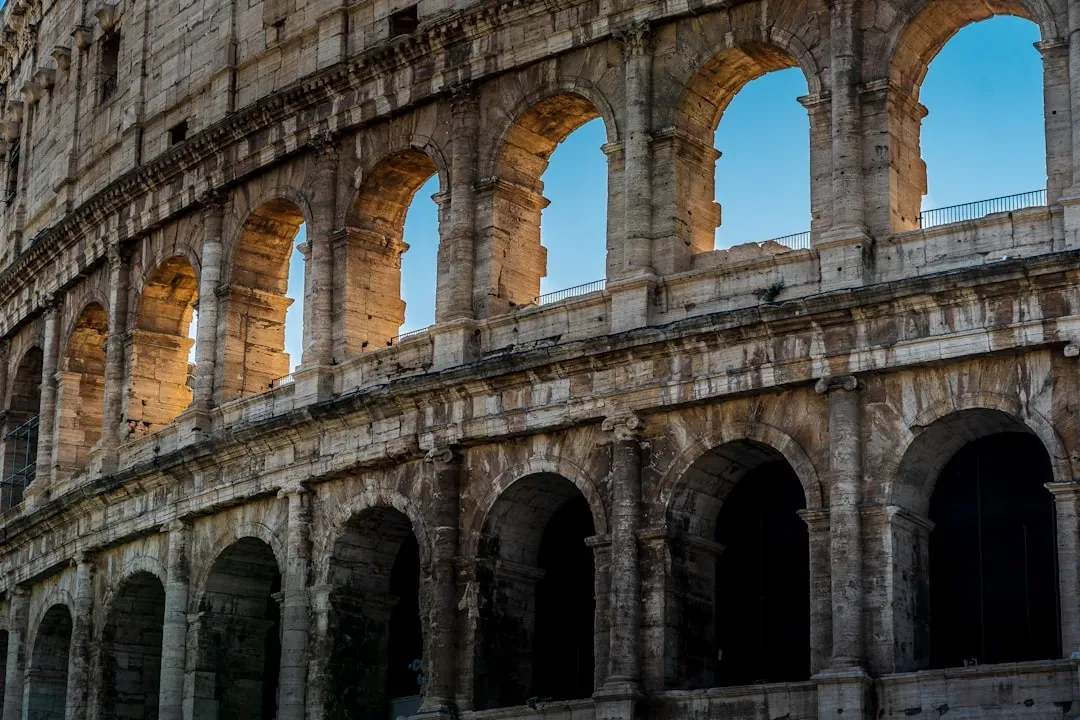
Looking across all these examples, a pattern emerges that’s as humbling as it is inspiring. Ancient engineers were not magicians, but they were relentless problem-solvers who learned to read their environment, exploit local materials, and coordinate human effort at scales we rarely attempt without machines. Their successes were rooted in patience, experiment, and a tolerance for long timelines that makes our fast-paced building cycles look almost impatient.
Maybe the most surprising realization is that “advanced” doesn’t always mean newer or more digital; sometimes it means deeper understanding, more time, and a closer relationship with the land and sky. We can simulate almost anything now, but that doesn’t mean we can easily recreate everything they built, especially under their constraints. Standing in front of these ancient feats, you’re forced to accept a simple, slightly unsettling truth: we’re not the first humans to push engineering to the edge of the possible. How different would our future look if we treated their work not just as history, but as a set of lessons we still haven’t fully learned?