A Startling Find Beneath the Desert (Image Credits: Imgs.mongabay.com)
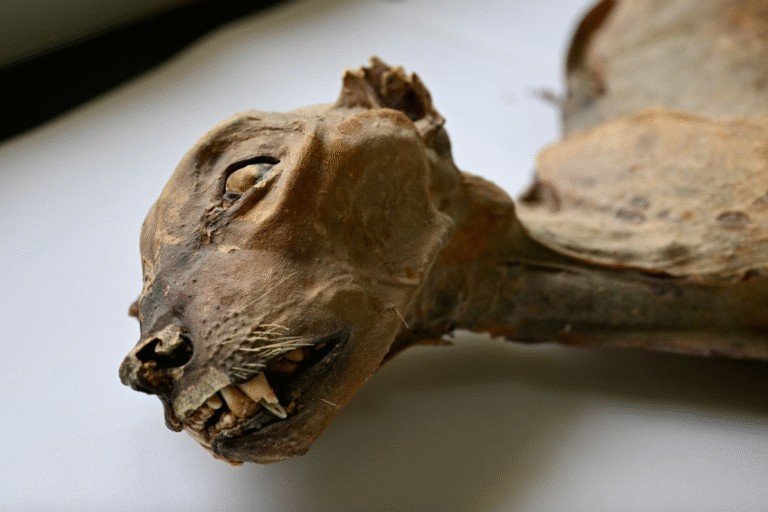
Northern Saudi Arabia – Researchers unearthed seven naturally mummified cheetahs and the skeletal remains of 54 others in a remote cave network, revealing a hidden chapter in the species’ history that could inform modern conservation strategies.[1][2]
A Startling Find Beneath the Desert
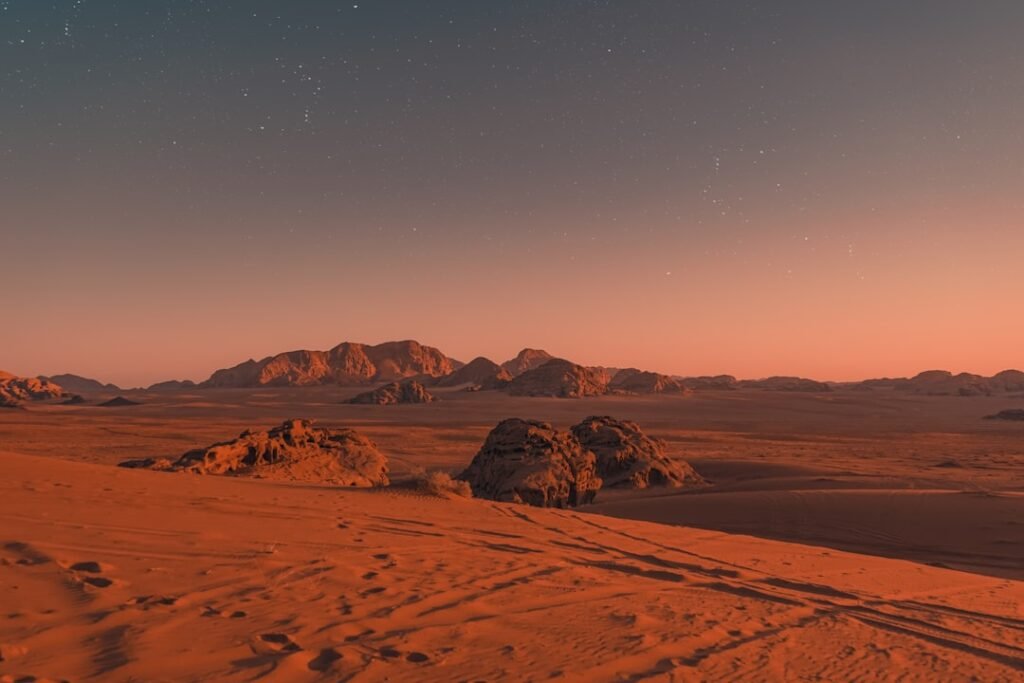
Teams from Saudi Arabia’s National Center for Wildlife explored limestone caves near Arar in 2022 and 2023, initially targeting bats and insects. Instead, they discovered the cheetah remains across five caves in the Lauga network.[1] The arid conditions preserved soft tissues, skulls, and bones remarkably well, with some mummies showing fangs and claws intact.
Lead author Ahmed Al Boug called the discovery highly surprising. “This finding represents the first documented case of natural mummification in cheetahs,” he stated.[2] Radiocarbon dating placed the oldest skeletal remains at about 4,000 years and the youngest mummy at roughly 130 years old.[1]
Genomic Insights into Lost Lineages
Scientists extracted DNA from three mummies for the first time from naturally mummified big cats. The youngest sample aligned closely with the Asiatic cheetah (Acinonyx jubatus venaticus). Older specimens showed stronger ties to the Northwest African cheetah (A. j. hecki).[3][4]
This evidence confirmed multiple cheetah subspecies once roamed the Arabian Peninsula. The remains included cubs, subadults, and adults, suggesting established populations rather than transients.[1] Prey bones, like those from 164 gazelles, hinted at hunting activity nearby.
Nature’s Preservation Vaults
The caves’ hot, dry microclimates – averaging 29–35 degrees Celsius with 22–28% humidity – inhibited bacterial decay, enabling desiccation over millennia.[1] Cheetahs ventured deep inside, averaging 127 meters from entrances, possibly using them as dens from desert heat.
Surveys covered 1,211 square kilometers and 134 caves, with 80% of cheetah finds concentrated in four sites. Other mummified animals, including foxes and wolves, underscored the caves’ role as natural archives.[5]
| Specimen Type | Number Found | Age Range (years BP) |
|---|---|---|
| Mummified Cheetahs | 7 | 127–1,870 |
| Skeletal Remains | 54 | Up to 4,223 |
| Total Cheetah Remains | 61 | 130–4,000+ |
Rewilding Informed by the Past
Saudi Arabia launched cheetah reintroduction efforts in 2023, breeding prey species like Arabian oryx and gazelles in protected areas. The genetic data guides sourcing from suitable subspecies, prioritizing A. j. hecki for its abundance and historical match.[2]
Experts like Laurie Marker of the Cheetah Conservation Fund emphasized the ecosystem role of cheetahs. The findings bridge historical ecology with current plans, proving the region once sustained thriving populations.[5]
- Multiple subspecies confirm diverse historical presence.
- Cave dens indicate long-term habitat use.
- DNA aids precise genetic matching for releases.
- Prey restoration aligns with ancient patterns.
- Preserved remains offer ongoing research potential.
Key Takeaways
- Northern Saudi caves hold 61 cheetah remains spanning 4,000 years, the first natural big cat mummies documented.
- Genomes reveal Asiatic and Northwest African lineages, expanding rewilding options.
- Arid preservation unlocks ancient biodiversity for modern conservation.
These mummified relics not only rewrite cheetah history in Arabia but also equip conservationists with evidence-based tools to restore balance to desert ecosystems. What steps should Saudi Arabia prioritize next in cheetah rewilding? Share your thoughts in the comments.