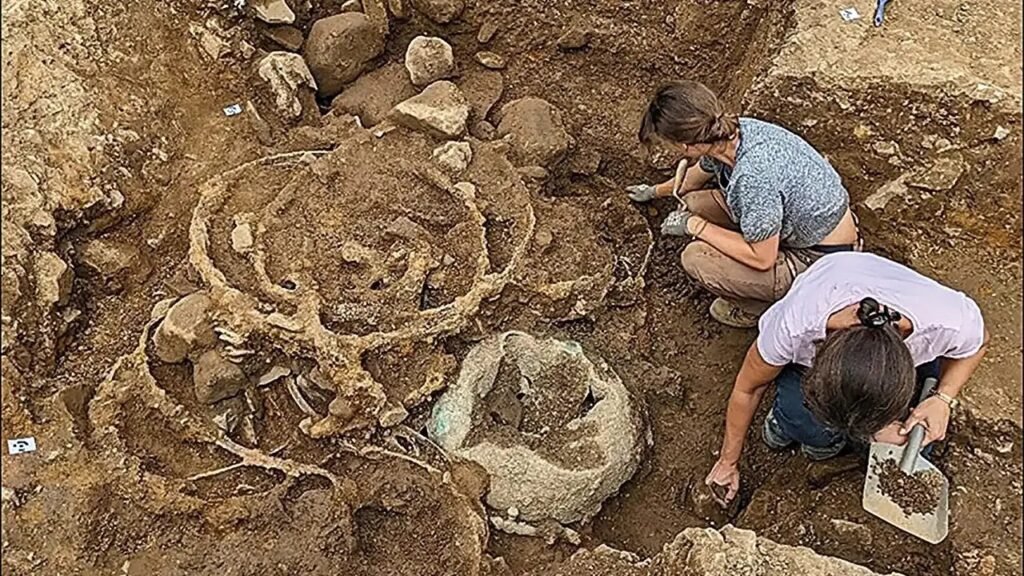

Few things captivate the imagination quite like buried treasure. But what if the real story behind those ancient hoards wasn’t about wealth at all – it was about something far more practical, and honestly, far more fascinating?
Archaeologists studying Iron Age hoards across Europe have been quietly piecing together a puzzle that rewrites how we think about prehistoric economies. The findings point to sophisticated recycling systems, deliberate metalworking strategies, and community behaviors that feel surprisingly modern. Let’s dive in.
The Hoards That Sparked the Discovery
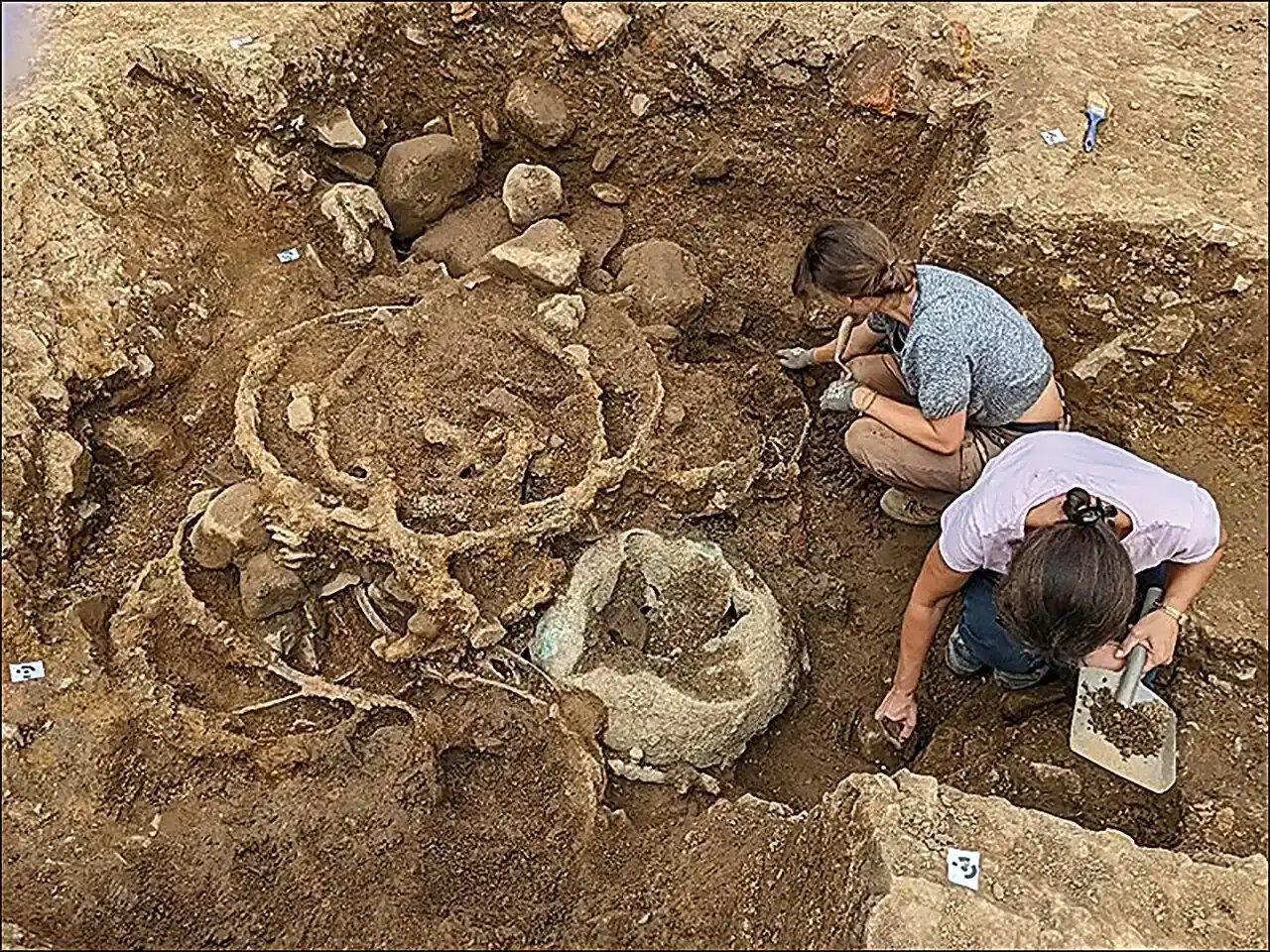
Here’s the thing about Iron Age hoards – for decades, researchers assumed they were primarily ritual deposits or emergency savings stashed away during conflict. That assumption is now being seriously challenged. Recent analysis of multiple Bronze Age and transitional Iron Age hoards, particularly across Britain and Central Europe, reveals patterns that suggest something far more systematic was going on beneath the surface.
The objects found within these hoards aren’t random. Researchers noticed that broken, fragmented, and worn-out bronze objects appeared together in remarkably consistent groupings. That kind of patterning doesn’t happen by accident – it suggests intentional sorting and collection for a very specific purpose.
Bronze in the Age of Iron: Why It Still Mattered
You might wonder why anyone in the Iron Age would still care about bronze. Iron was newer, sharper, and in many ways superior for tools and weapons. Yet bronze didn’t disappear – it was actually treated like a precious raw material worth collecting, transporting, and reprocessing.
Think of it like recycling aluminum cans today. The material still has value even when the original object is broken or outdated. Metalworkers of that era understood that melting down old bronze could produce entirely new, functional objects without needing to source fresh copper and tin separately. That kind of resource awareness is genuinely impressive for communities operating thousands of years ago.
Chemical Analysis Changes Everything
What really cracked this case open was modern scientific analysis. Researchers applied lead isotope analysis and trace element studies to objects within these hoards, allowing them to essentially fingerprint the metal and trace its geographic origins. The results were eye-opening.
Many of the bronze objects within a single hoard came from entirely different regions, sometimes hundreds of miles apart. This strongly implies that bronze was being actively collected, traded, and funneled into centralized stockpiles before being recycled. It’s less like a treasure chest and more like an ancient scrap metal depot – which, honestly, is somehow even cooler.
Evidence of Deliberate Sorting and Staging
The physical condition of the objects tells its own story. Researchers found that items within these hoards were often intentionally broken, bent, or cut into smaller pieces before being deposited. This isn’t the result of damage over time. It’s pre-processing.
That detail is significant. It suggests these deposits weren’t spontaneous or panicked. Someone was preparing this material for the next stage of production – likely smelting and recasting. The hoards, in this reading, functioned more like raw material inventories waiting to be used than treasures waiting to be retrieved.
What This Tells Us About Iron Age Communities
Let’s be real – this discovery reshapes our understanding of social organization during this period. Running an effective bronze recycling network requires coordination. You need collectors, traders, metalworkers, and probably some form of oversight or community agreement about how the material flows.
That level of organization implies Iron Age communities were far more economically sophisticated than older narratives give them credit for. These weren’t isolated groups just scraping by. They were participating in what looks very much like a regional supply chain, managing resources across considerable distances with apparent efficiency and purpose.
The Ritual Theory Isn’t Dead, Just Complicated
It’s worth noting that the recycling interpretation doesn’t completely erase the possibility of ritual significance. It’s hard to say for sure, but both motivations could absolutely coexist. Some hoards may have served dual purposes – economically practical and spiritually meaningful at the same time.
Certain deposits still show characteristics that lean toward votive offerings rather than material stockpiles. The distinction between the two may have been fluid in the minds of the people making these deposits. Sacred and economic value aren’t mutually exclusive, and that nuance is actually one of the more intellectually satisfying parts of this research.
A New Framework for Understanding Ancient Metal Economies
This research is pushing archaeologists toward building entirely new models for how prehistoric metal economies functioned. Rather than treating hoards as isolated events, researchers are beginning to map them as nodes in a larger, dynamic network of resource management and exchange.
The implications stretch well beyond Britain or Central Europe. Similar hoard patterns have been documented across Scandinavia, the Iberian Peninsula, and parts of the Near East. If the recycling interpretation holds across those regions too, it would suggest a remarkably widespread and culturally consistent approach to metal resource management during this transitional period in human history. These Iron Age communities weren’t just surviving – they were strategizing. And the buried bronze they left behind is finally telling us exactly how.
Conclusion: Old Metal, New Meaning
What began as buried treasure has turned into something far richer – a window into the economic intelligence of Iron Age people. The idea that they were systematically collecting, sorting, and recycling bronze challenges every dusty assumption about “primitive” prehistoric societies.
Honestly, there’s something almost humbling about it. We congratulate ourselves today for building circular economies and sustainable resource systems, yet people were doing something remarkably similar more than two thousand years ago without spreadsheets or supply chain software. The hoards weren’t just saved metal – they were saved knowledge. What does it make you think about who we consider “advanced”? Drop your thoughts in the comments below.