
There is something deeply unsettling about standing next to a stone block that weighs more than a jumbo jet, knowing it was placed there thousands of years ago without a crane in sight. Ancient American megaliths have baffled explorers, archaeologists, and curious travelers for centuries. From the fog-draped highlands of Peru to the dense forests of New England, massive stone structures quietly defy easy explanation.
The more you dig into this topic, the stranger and more fascinating it becomes. You start to realize that mainstream history has barely scratched the surface of what actually happened on this continent before Columbus ever set sail. So let’s dive in.
The Overlooked Megalithic Legacy of the Americas
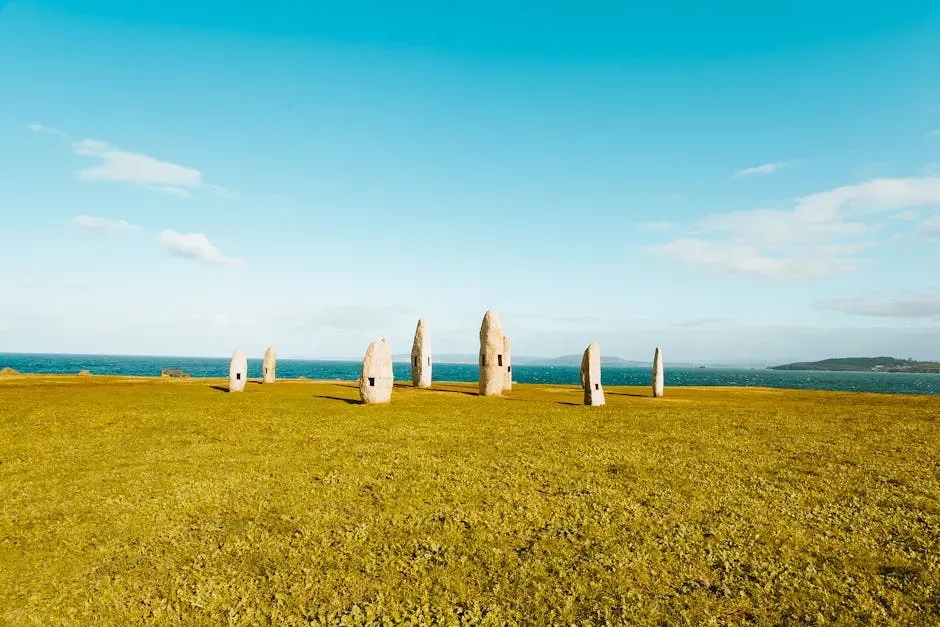
The study of ancient cultures’ large rock constructions has primarily been focused on Europe, but megalithic architecture also abounds on the American continent and merits far deeper study. History and archaeology have often portrayed megalithic architecture as a cultural phenomenon specific to ancient European peoples, focusing on mortuary and ritualistic constructions dating back to the beginnings of the Neolithic Era. Honestly, that’s a little embarrassing when you consider how much is sitting right in America’s own backyard.
In reality, megalithic structures have been found all over the globe, including the American continent, where different pre-Columbian cultures erected large stones to commemorate gods, represent religious symbols, or build sacred or mortuary spaces. Think of it like discovering that a quiet neighbor has been quietly building cathedrals for millennia, and no one bothered to look over the fence.
Sacsayhuaman: The Zigzag Giant Above Cusco
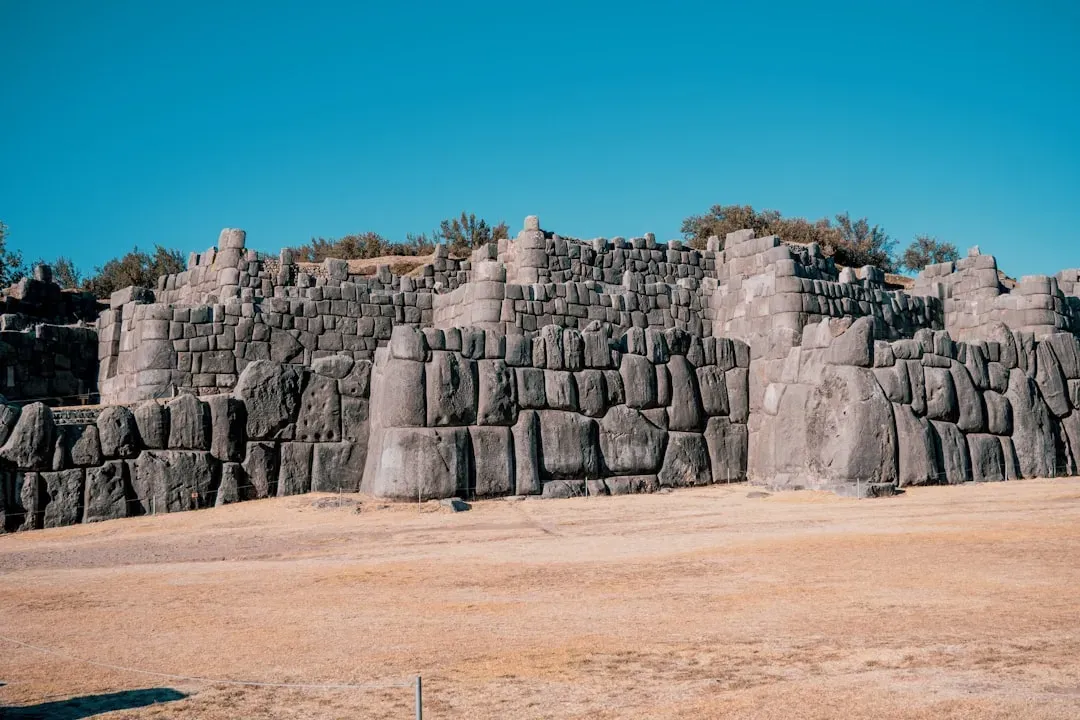
Sacsayhuaman is a citadel on the northern outskirts of the city of Cusco, Peru, the historic capital of the Inca Empire. The iconic main wall of Sacsayhuaman, built in a zigzag design, features colossal stones reaching up to 5 meters in height and 2.5 meters in width, with a weight that varies between 90 and 125 tons. Let that sink in. Ninety to one hundred and twenty-five tons. Per stone.
The stones are so closely spaced that a single piece of paper will not fit between many of them. This precision, combined with the rounded corners of the blocks, the variety of their interlocking shapes, and the way the walls lean inward, is thought to have helped the ruins survive devastating earthquakes in Cuzco. The construction of Sacsayhuaman lasted 77 years, starting in the mid-15th century under Inka Yupanqui’s reign in 1431 and concluding in 1508. Seventy-seven years of pure, back-breaking human labor. That alone should leave you speechless.
Tiwanaku and Pumapunku: Bolivia’s Impossible Precision
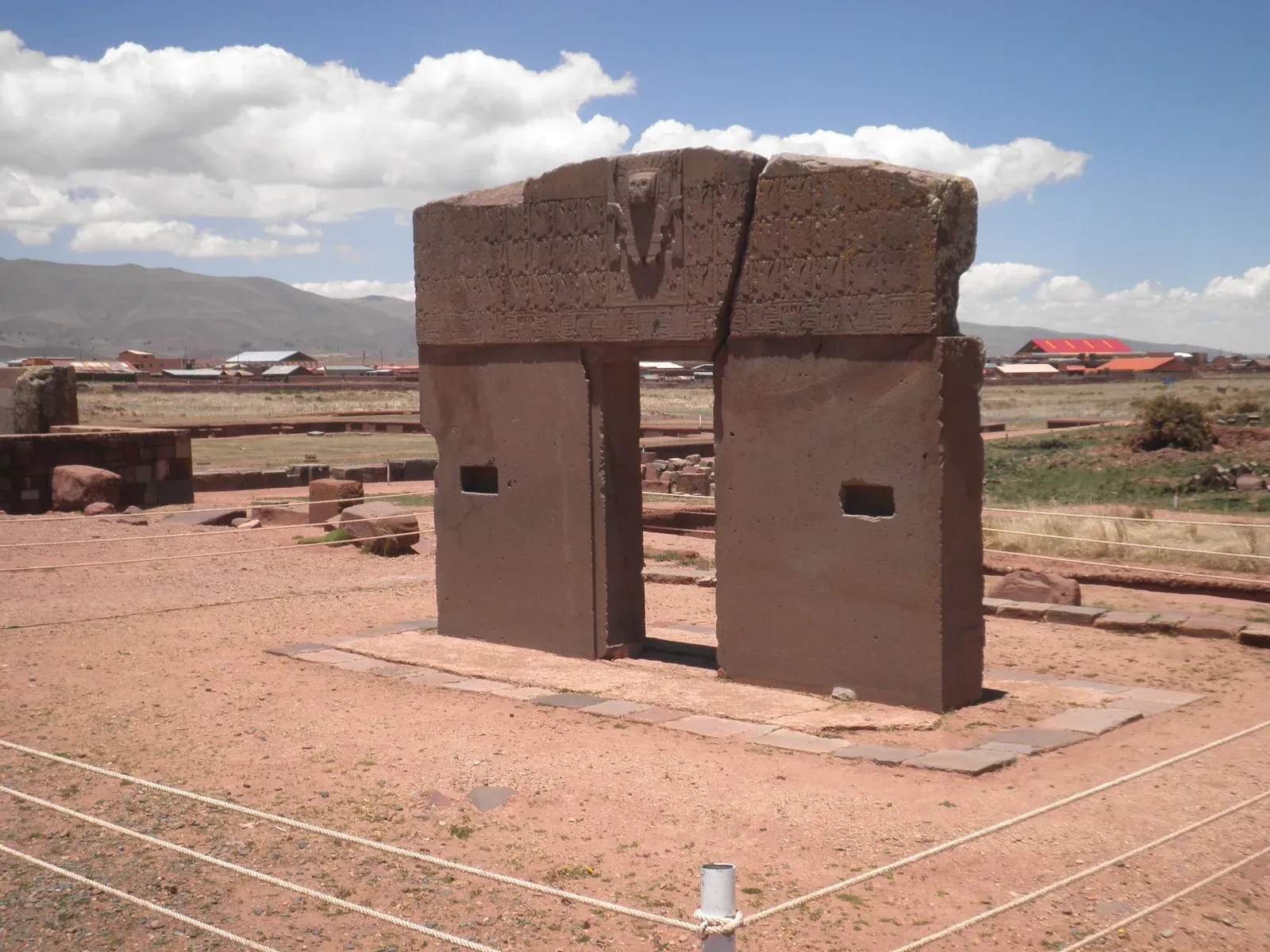
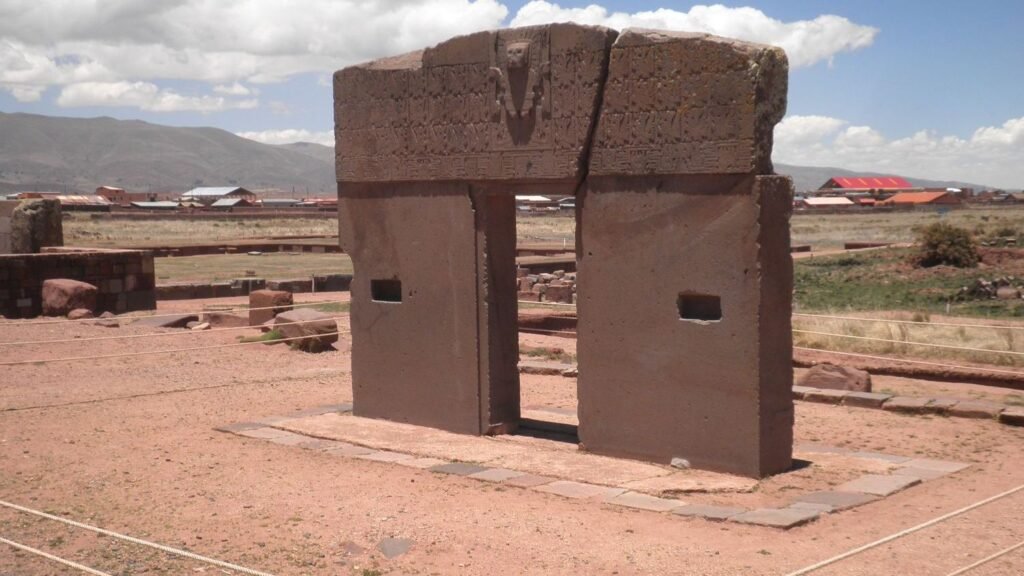
Tiwanaku is a pre-Columbian archaeological site in western Bolivia, near Lake Titicaca, about 70 kilometers from La Paz, and it is one of the largest sites in South America. Surface remains currently cover around 4 square kilometers and include decorated ceramics, monumental structures, and megalithic blocks. The sheer scale of this place is staggering when you visit it for the first time. It feels less like a ruin and more like a riddle carved in stone.
The Pumapunku is a man-made platform built on an east-west axis, and it is a T-shaped, terraced earthen platform mound faced with megalithic blocks. According to researchers, the largest block found within Pumapunku is estimated to weigh 131 metric tonnes, and the second-largest stone block found within the site is estimated to be 85 metric tonnes. Some structures were constructed so that they were aligned with specific astronomical peaks, and others, like Kalasasaya, are positioned to provide optimal views of the sunrise on the Equinox, Summer Solstice, and Winter Solstice. The builders knew their skies, that much is certain.
The Ancient Callacpuma Plaza: Older Than You Think
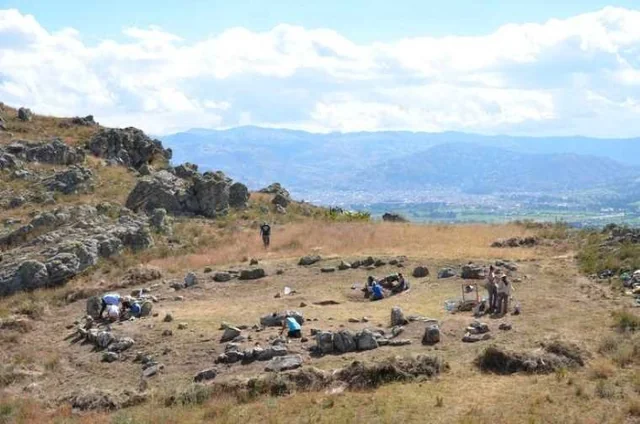
A century or so before the pyramids graced the Egyptian horizon, around the same time as the erection of Stonehenge, hunters and gatherers half a world away were building megalithic stone structures to rival those of farmers. One of the earliest examples to date is an 18-meter wide circular plaza made from large upright stones, recently excavated in a valley of northern Peru called Callacpuma. I know it sounds almost too dramatic to be true, but the radiocarbon dating doesn’t lie.
Findings from the ancient site now suggest that the plaza is around 4,750 years old, making it one of the oldest monolithic structures found in all of the Americas. Not only was the monumental structure built before the true rise of farming in this region, it also predates technology like ceramics. Researchers suggest that monuments like these may have marked claims to resources, such as local fertile lands or pasturage, and as people began settling down, making these very visible claims may have been more and more important. Repeated events at plazas like this may also have acted to further develop local social and group identities, tying people to a place.
Mystery Hill: America’s Stonehenge in New Hampshire
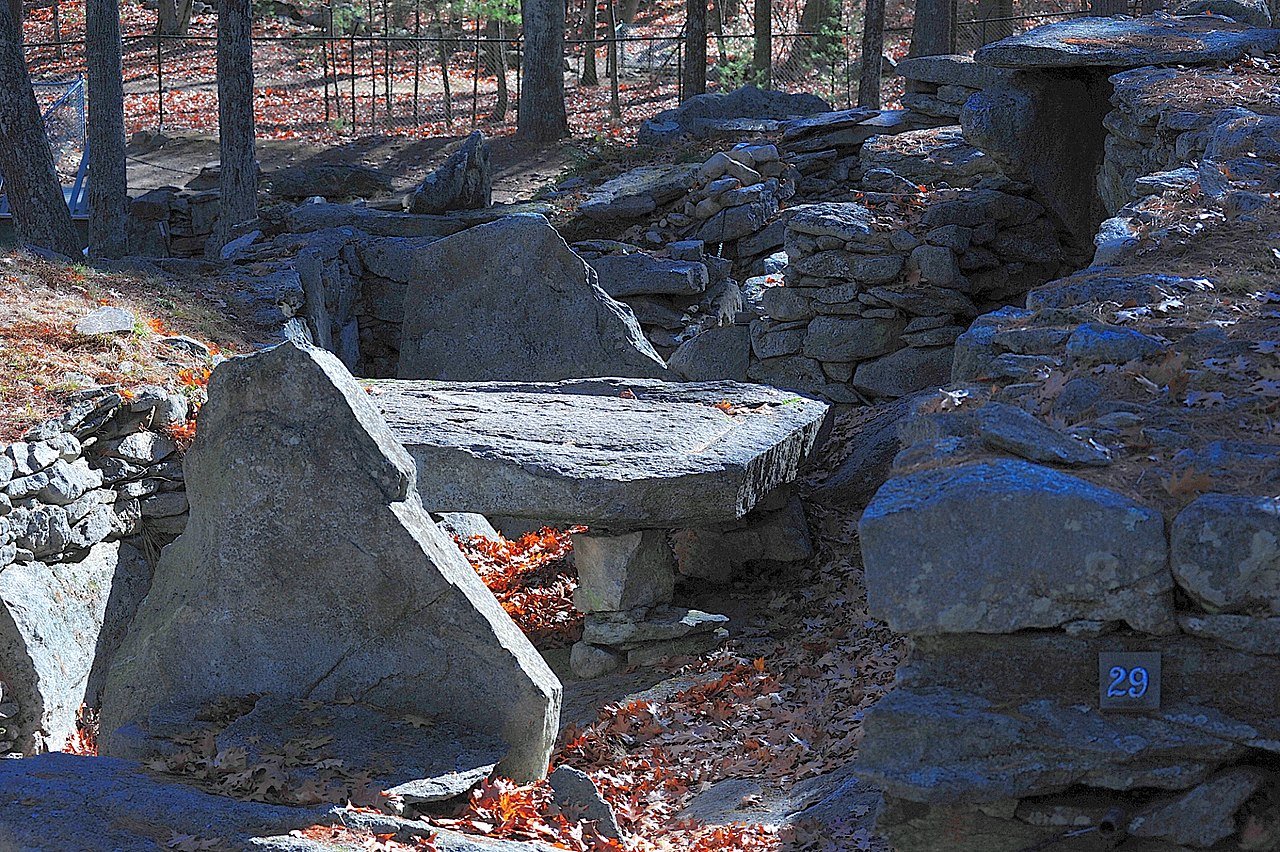
When the Europeans colonized today’s New Hampshire, they discovered traces of an unknown civilization. The Spaniards paid little attention to the purpose behind the stone circles and other curious megaliths they witnessed. It took 300 years before the ancient stones of New Hampshire were noticed and examined by scientists. Here’s the thing: a whole civilization built something extraordinary, and people just shrugged at it for three centuries.
The altar stone, known as the Sacrificial Stone, was most likely a place of sacrifice to appeal to the gods. The altar is a 4.5-ton grooved slab, and it bears a striking resemblance to altar stones found at megalithic sites in Europe. Beneath the sacrificial table is the Oracle Chamber. It is an elaborate web of hallways and carved-out spaces that are thought to have been used during rituals upon the altar. It contains a bed, bench, closet, and a tube that allows a person inside the lower chamber to speak to congregants above at the altar. The monoliths are astronomically aligned, leading to the conclusion the stones were used as a prehistoric calendar. Mystery Hill was renamed America’s Stonehenge and as a result gets roughly fifteen thousand visitors a year.
San Agustín: Colombia’s Mysterious Stone Giants
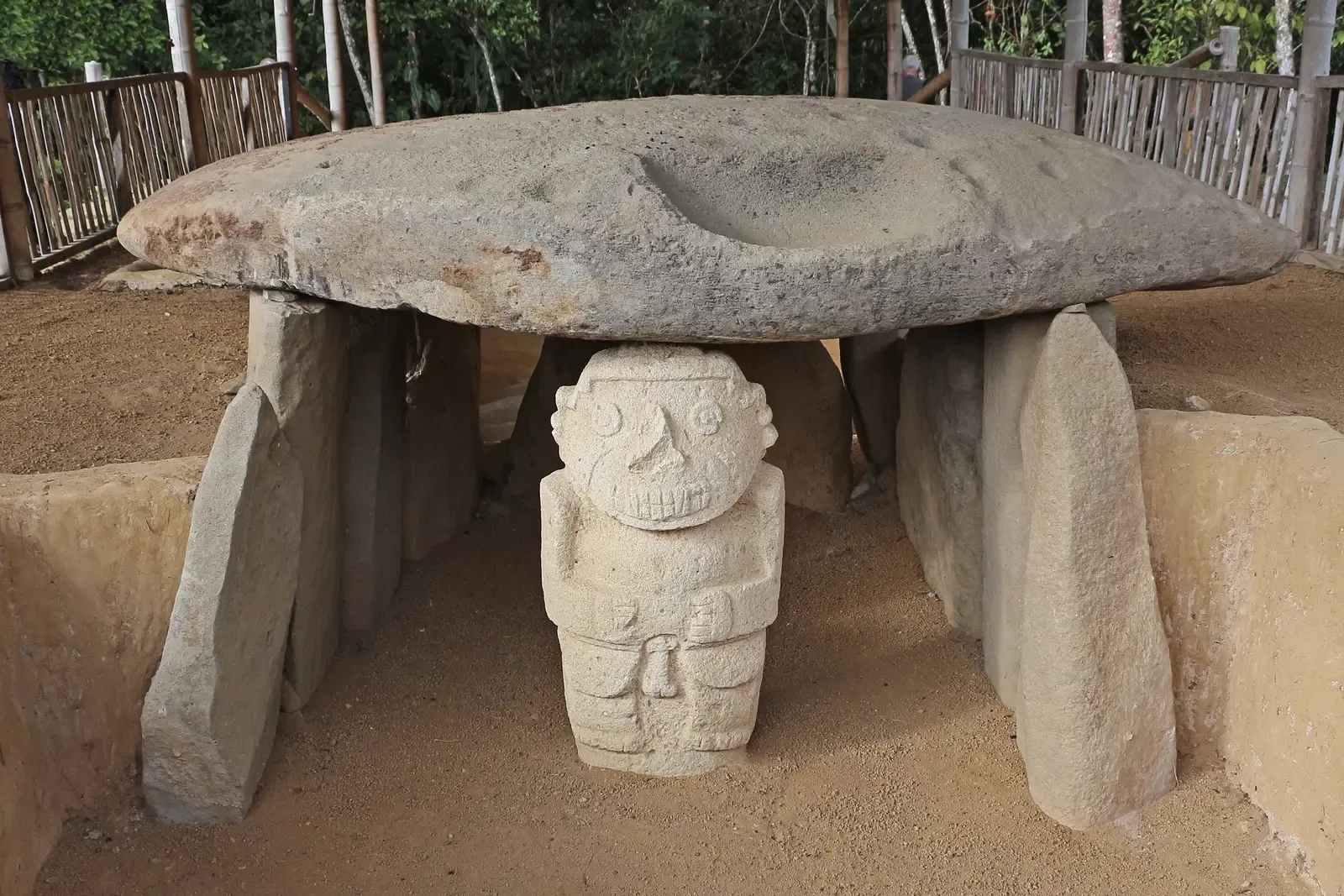
Colombia’s most famous megalithic complex is San Agustín, an archaeological park home to carved vertical monoliths representing anthropomorphic figures and mortuary dolmens. These constructions are attributed to an ancient culture that has remained mysterious for local and international archaeologists, and no one knows how or why they disappeared. That last part is what makes it genuinely haunting. Not just how they built these things, but where they went.
The first historical account of archaeological structures in San Agustín was recorded in 1758 by Franciscan monk Juan de Santa Gertrudis, who condemned the statues as the devil’s work. Later, in the early 19th century, the Italian geographer Agustín Codazzi made them famous after completing the so-called Expedición Corográfica, an expedition to create the first record of the region’s biodiversity. It’s hard to say for sure what drove their creators, but the emotional intensity carved into those stone faces suggests these were not casual construction projects.
How Were They Actually Built? Human Hands, Ingenious Minds
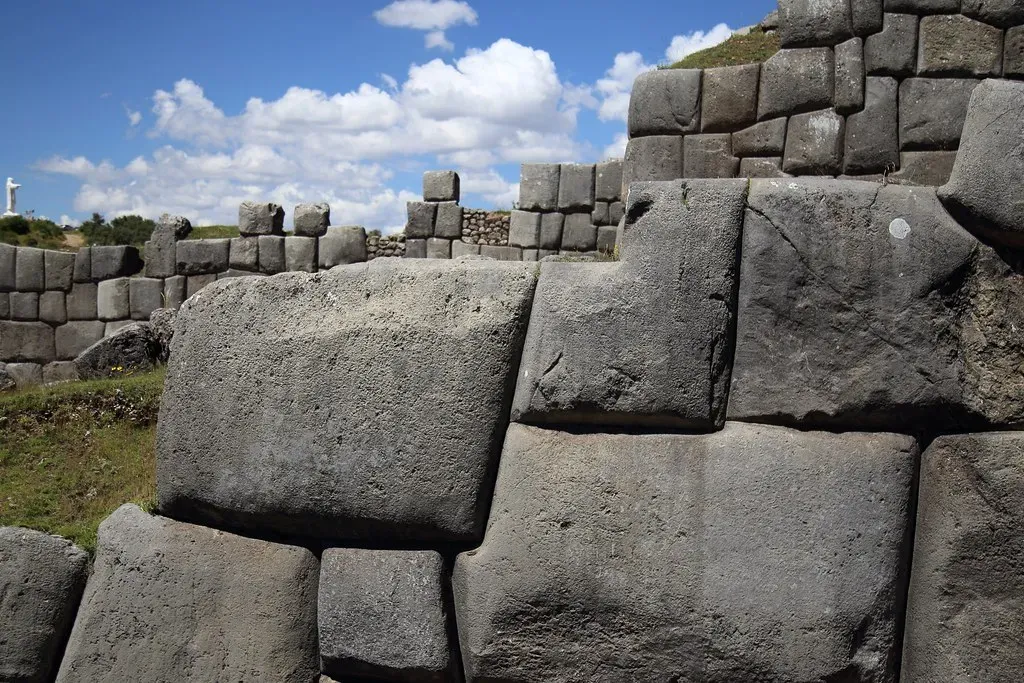
Carefully collected evidence makes it clear that all construction tasks by the ancient Andeans were accomplished using human labor. Archaeologists have recovered ancient stone tools left in quarries and construction sites, they have studied the accounts of 16th century writers who watched the Incas building Spanish Colonial structures, and they have performed stone-cutting experiments in Inca quarries. Difficult as it is for some to believe, this research clearly indicates that simple tools and highly labor-intensive methods were the construction techniques employed by the Incas and their ancestors.
One of their key techniques was ashlar masonry, which involved cutting stones with remarkable precision. This allowed them to create tightly interlocking blocks, providing structural stability to their constructions. In addition, the Incas employed a method known as dry stone masonry, which eliminated the need for mortar or cement. Instead, they relied on the precise alignment of the stones, which further contributed to the resilience and durability of their structures. The dry stone technique also made the buildings resistant to seismic activity, a common threat in the region. Let’s be real: that is the kind of engineering that still impresses structural architects today, thousands of years later.
Conclusion: The Builders Were Human, and That’s the Most Remarkable Thing
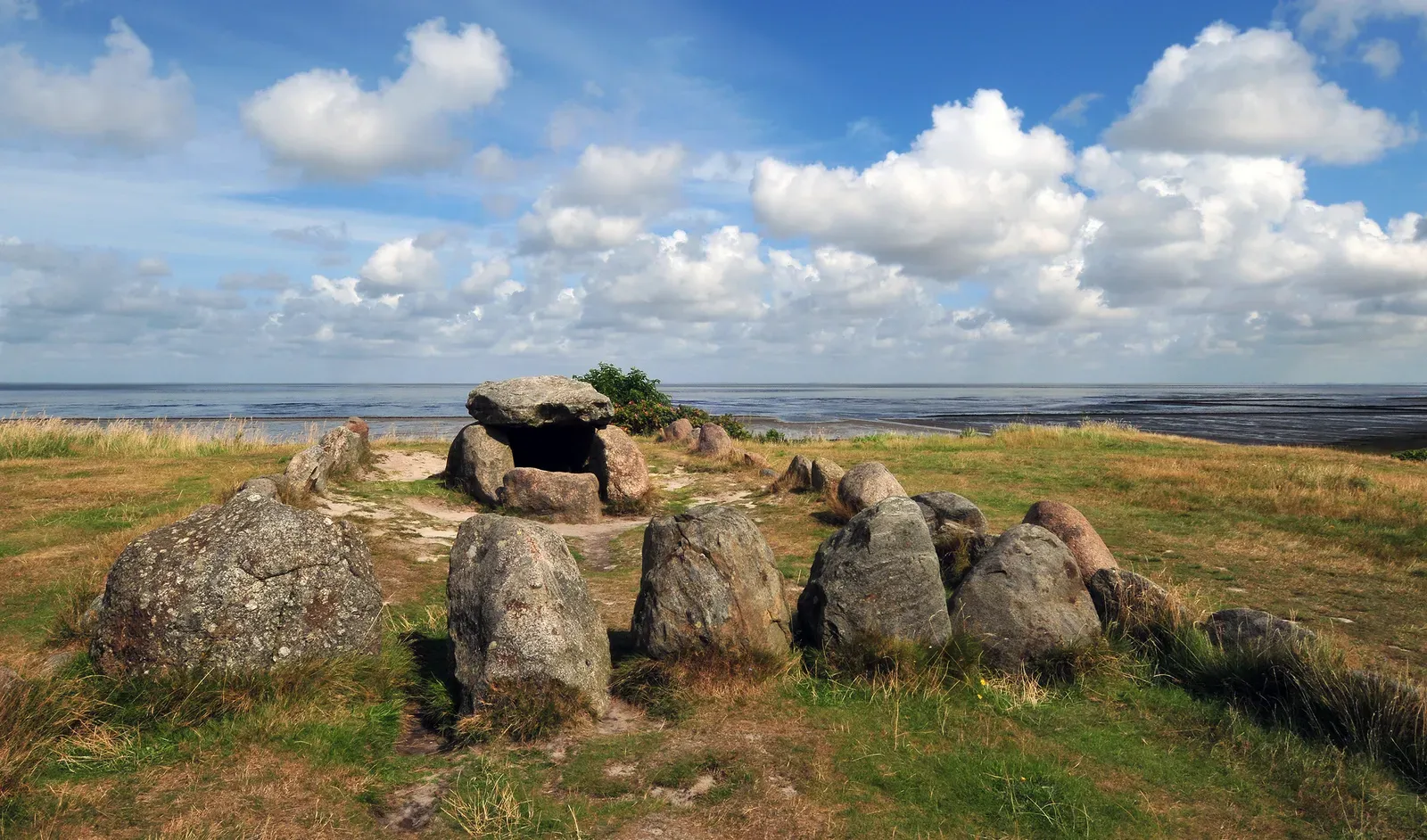
You might walk away from all of this wondering whether ancient aliens or lost civilizations deserve the credit. Honestly, that impulse is understandable but unnecessary. Megalithic constructions demonstrate how the materialization of cultural symbols reflects high intellectual and technical development that needs to be studied to advance knowledge about peoples’ origins in this part of the world. The real story is far more inspiring than any extraterrestrial shortcut.
The people who built these structures were driven by something deeply human: a need to honor their gods, mark their territory, bury their dead with dignity, and leave a permanent mark on the world. The discovery of ancient sites like Callacpuma supports the emerging idea that farming is not necessarily required for human societies to build permanent, megalithic structures. To assume that nomadic hunters and gatherers lack the incentive or skill to accomplish such feats is an outdated perspective that is facing growing scrutiny. Ultimately, what is most surprising is not the weight of the stones themselves, but the depth of the human will that moved them. What would you have guessed was behind it all?