
Imagine stepping outside your door in Anchorage and feeling the thrum of history humming beneath your feet. This isn’t just any city—it’s a place where skyscrapers stand atop ancient secrets and the ghosts of giants linger in the soil. Picture a land where mammoths once thundered across icy plains and saber-toothed cats prowled the forests, all in the very spot where today’s Alaskans sip coffee and watch the northern lights. Anchorage, Alaska’s vibrant urban hub, is perched on land that was once the stomping ground of legendary megafauna. It’s a collision of time and place that’s as thrilling as it is humbling. If you’ve ever wondered what lies beneath the city’s streets or what stories are fossilized in its valleys, you’re about to embark on a journey through time, science, and the wild heart of Alaska.
The Birth of Alaska’s Prehistoric Wilderness
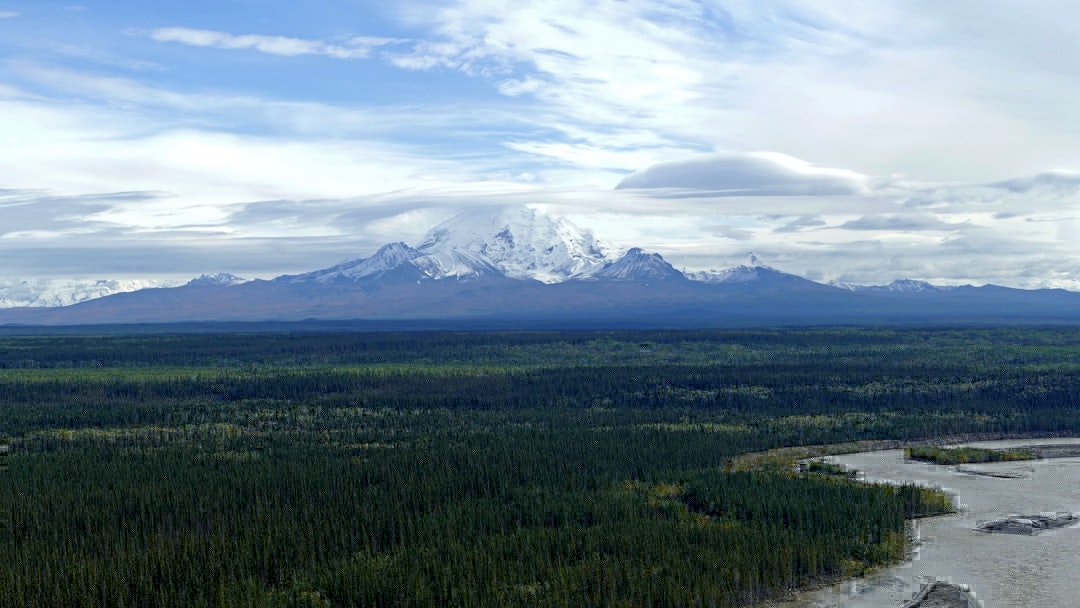
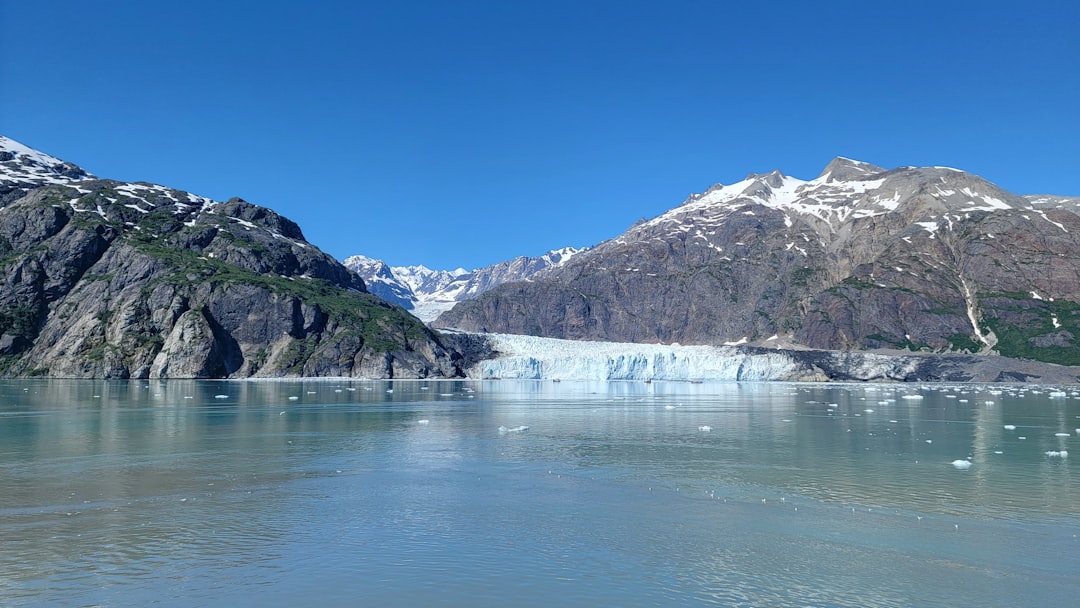
Long before Anchorage saw its first building, Alaska was a vast, untamed wilderness sculpted by glaciers and shifting continents. About 20,000 years ago, the last Ice Age’s frigid grip shaped the land, carving valleys and creating a mosaic of habitats. Massive ice sheets crept across the terrain, leaving behind rich, fertile ground when they receded. This icy transformation set the stage for one of the most astonishing menageries the world has ever known. The environment was harsh, yet teeming with life—towering spruce forests, sprawling tundra, and crystalline rivers all collided here. It’s almost unimaginable: a wild place where survival meant braving the cold and making the most of every fleeting summer. Alaska’s prehistoric wilderness was not just a backdrop but an engine, driving the evolution of giants.
Beringia: The Lost Land Bridge

Few places have shaped the course of history like Beringia, the legendary land bridge that once connected Alaska to Siberia. During the Ice Age, sea levels dropped dramatically, exposing a vast expanse of grassland and steppe that animals and people used as a migration superhighway. This ancient corridor was bustling with life, from gigantic mammoths to hardy bison and even the first human settlers. Walking across Beringia would have felt endless—an open plain under a sky that stretched forever. The land bridge is more than a footnote in history; it’s the reason Alaska became a crossroads for prehistoric migration and evolution. Even now, the soil beneath Anchorage holds echoes of those ancient journeys, with fossils whispering tales of continents joined and then separated by rising seas.
Mammoths on the Move: Giants of the Tundra

It’s almost impossible not to be awestruck by the thought of mammoths roaming where Anchorage now stands. These colossal creatures, with their shaggy coats and curving tusks, were the true kings of the Ice Age steppe. They migrated in massive herds, searching for grass and water as the seasons changed. Their migration routes often crossed the very ground beneath today’s bustling city streets. Standing up to 13 feet tall and weighing as much as a school bus, mammoths shaped the land with every step, trampling vegetation and digging through snow for food. Scientists have found mammoth bones and tusks in the Anchorage area, offering a haunting glimpse into a world where giants were real and survival was a daily battle. Their extinction, as sudden as it was mysterious, still leaves experts guessing—and locals dreaming.
Saber-Toothed Cats: The Apex Predators

Imagine a cat, but one the size of a modern lion and with dagger-like teeth protruding from its jaws. Saber-toothed cats, often called Smilodons, were the terror of Alaska’s prehistoric wilderness. These predators stalked the snowy forests and open plains, using stealth and power to bring down prey much larger than themselves. Fossil evidence suggests that they once prowled the Anchorage region, turning it into a dramatic stage for predator-prey showdowns. Their elongated canine teeth, some over seven inches long, made them both fascinating and fearsome. Unlike anything alive today, saber-toothed cats were masters of ambush, relying on explosive bursts of speed to surprise mammoths, bison, and even early humans. The idea that such powerful hunters once called Anchorage home adds a wild, thrilling edge to the city’s hidden past.
Woolly Rhinoceroses: Armored Survivors of the Ice

It’s hard to picture a rhinoceros trudging through snow, but that’s exactly what the woolly rhinoceroses did in ancient Alaska. These formidable animals, covered in thick fur and sporting massive horns, were built for survival in the coldest climates. They browsed on tough grasses and shrubs, using their horns to sweep aside snow and reach the food buried beneath. Fossils found near Anchorage show that woolly rhinos were once common in the area, coexisting with mammoths and other megafauna. Their thick hides offered protection from predators and the bitter cold, making them one of the hardiest animals of their time. The presence of woolly rhinoceroses reminds us just how diverse and surprising Alaska’s prehistoric ecosystem really was.
Giant Ground Sloths: The Gentle Titans
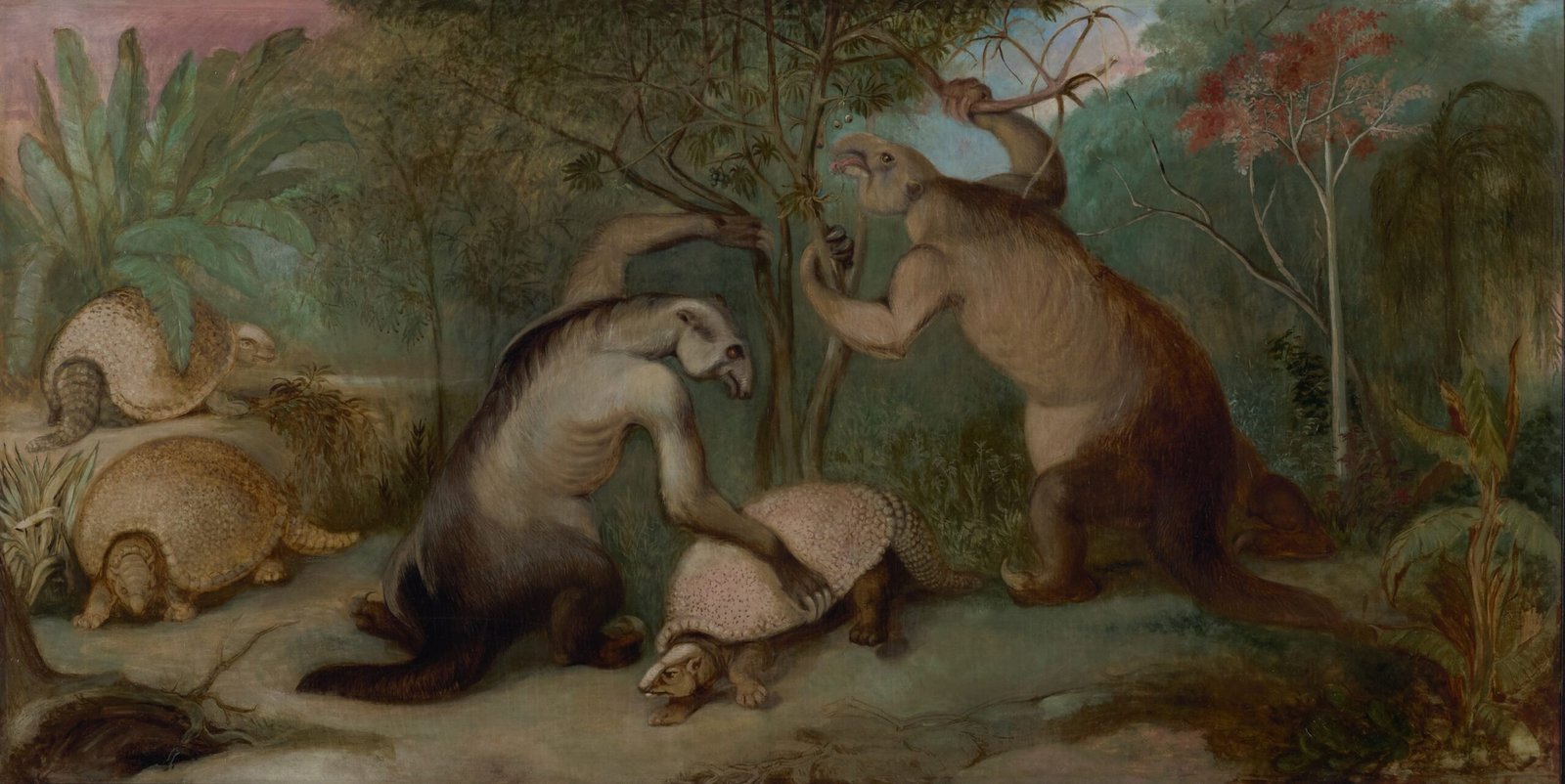
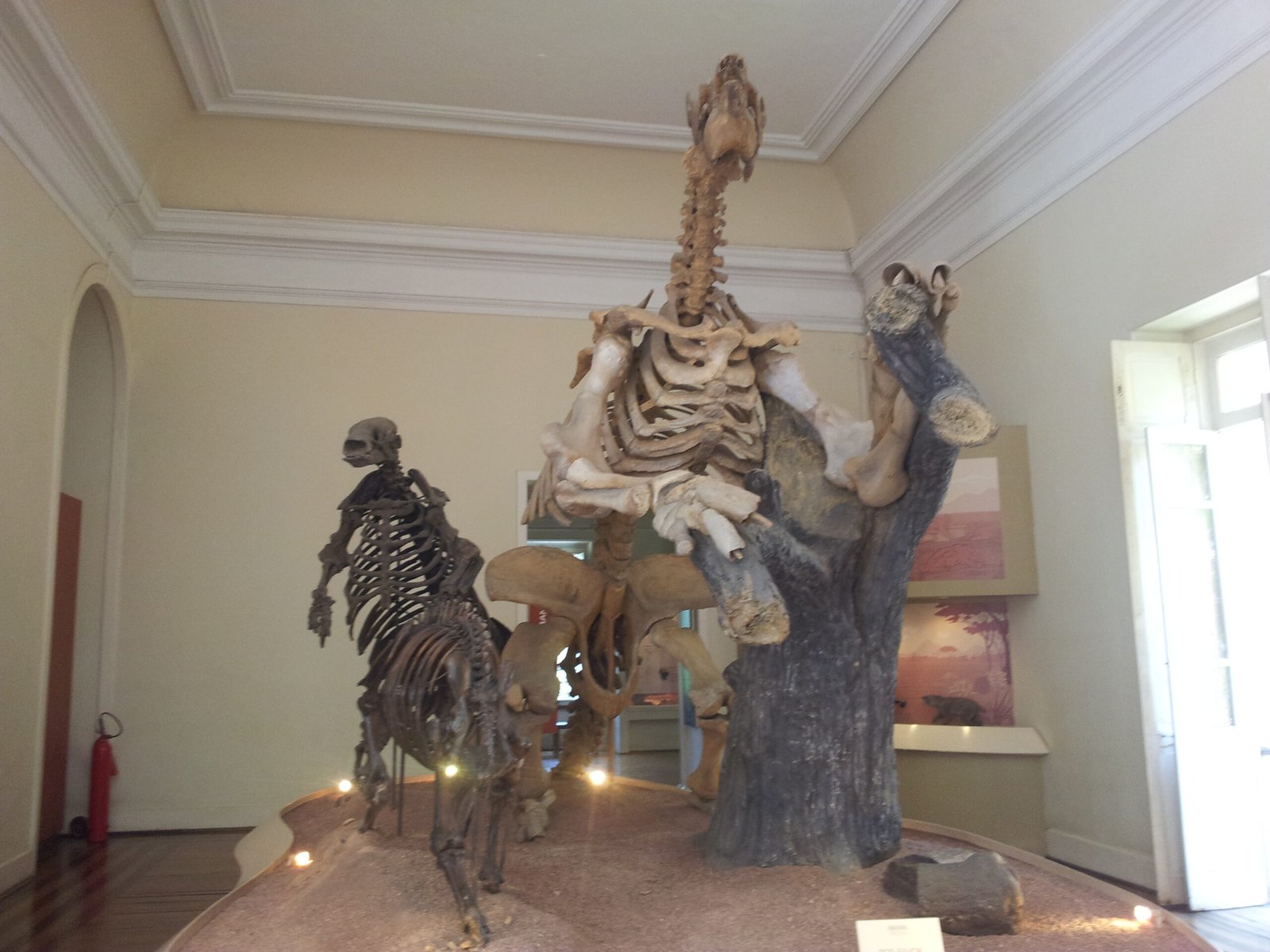
If there’s one animal that defies expectations, it’s the giant ground sloth. Unlike their slow-moving tree-dwelling descendants, these prehistoric sloths could tower over an adult human and weighed as much as a car. They lumbered through ancient forests, using their massive claws to dig for roots and strip bark from trees. Evidence suggests giant ground sloths roamed parts of ancient Alaska, including the region that would become Anchorage. These gentle titans were surprisingly adaptable, able to eat a wide variety of plants in a constantly changing environment. Despite their size, they were slow-moving and vulnerable to predators like saber-toothed cats. The idea of encountering a creature that was both gigantic and surprisingly peaceful is one of the many wonders hidden beneath Anchorage’s modern skyline.
Short-Faced Bears: The Towering Carnivores
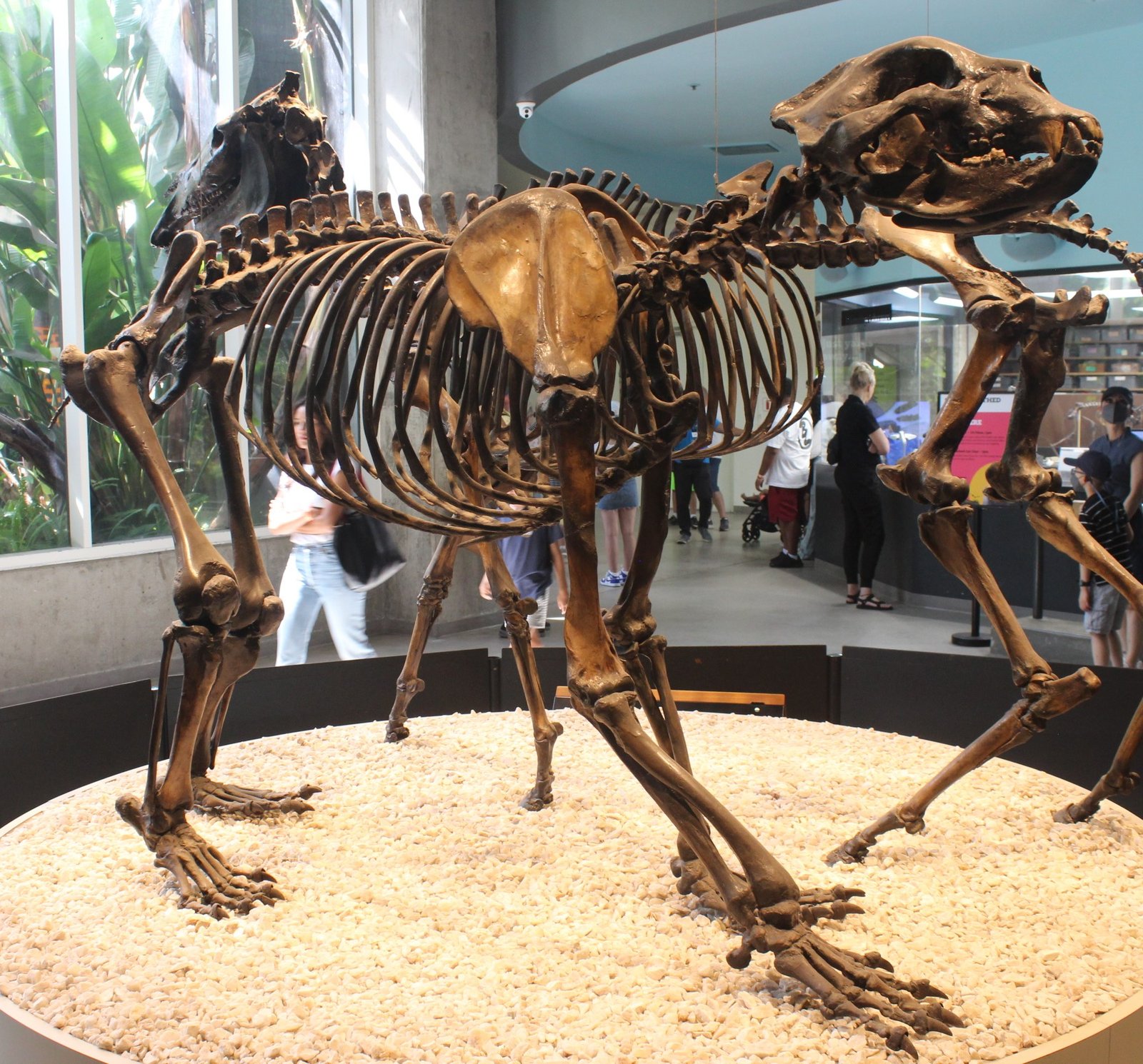
Not all of Alaska’s megafauna were gentle—some, like the short-faced bear, were downright terrifying. Standing up to 12 feet tall on its hind legs and built for speed, this bear was possibly the largest land carnivore of its time. Fossil discoveries indicate that short-faced bears lived in the Anchorage area, preying on anything they could catch. Unlike today’s bears, they had long legs and a powerful stride, making them excellent hunters capable of chasing down prey over open ground. Their presence added a constant danger to life on the Ice Age tundra. The short-faced bear’s reign was short-lived, but its legacy lingers in the bones found in Alaska’s soils and the awe it still inspires among scientists and locals alike.
Bison Antiquus: The Prehistoric Herds
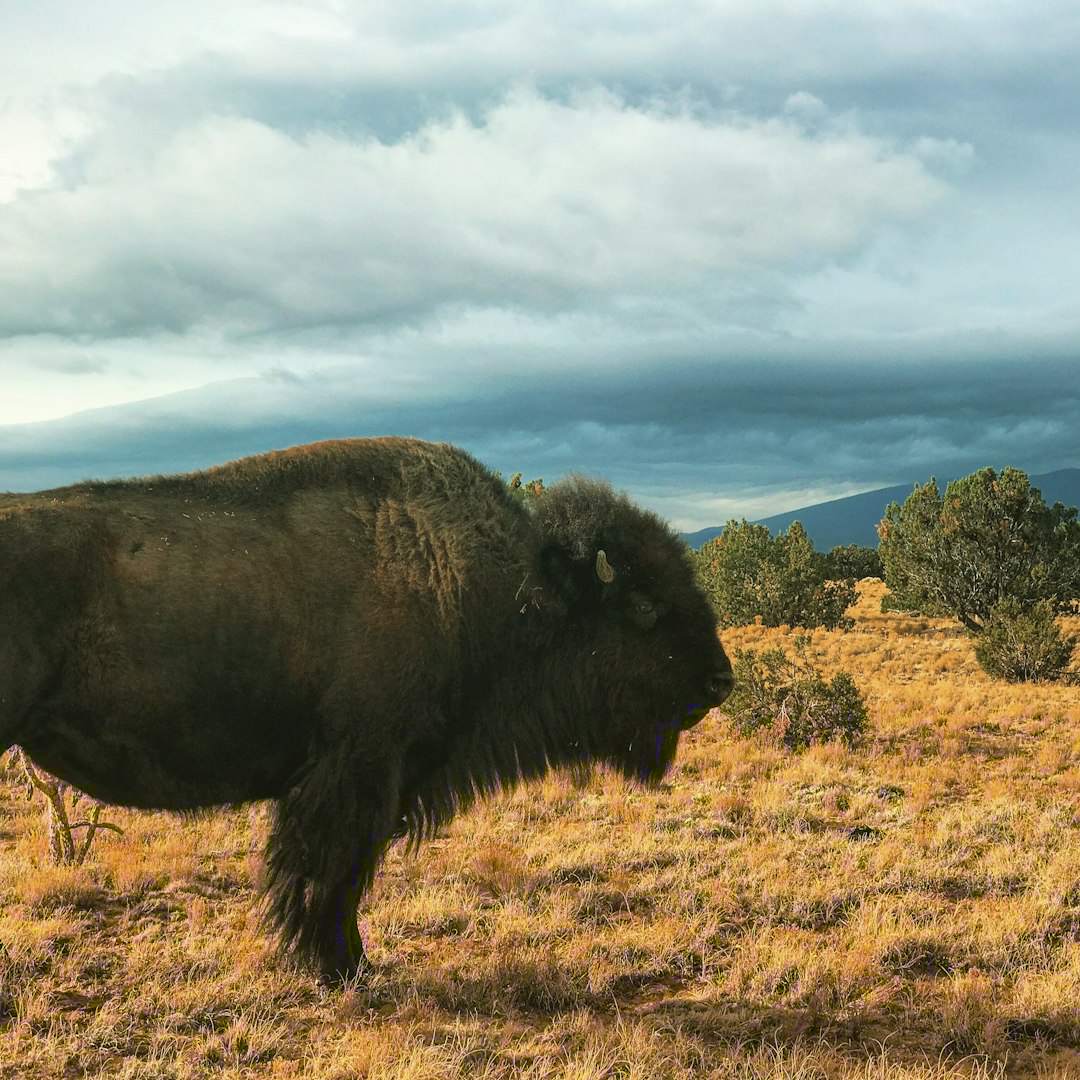
Before modern bison roamed the plains, their ancient relatives, Bison antiquus, thundered across Alaska’s open spaces. These massive herbivores gathered in herds that could number in the hundreds, shaping the landscape with their constant grazing. Fossils of Bison antiquus have been found near Anchorage, painting a vivid picture of a land filled with movement and life. Their migrations followed the cycles of the seasons, and their bones were often used by early humans for tools and shelter. The story of Bison antiquus is one of endurance—a species that survived through ice and fire, only to vanish as the climate warmed and human hunting increased. Their echoes can still be felt in the wild bison that roam Alaska today.
Prehistoric Horses: Alaska’s Forgotten Stallions
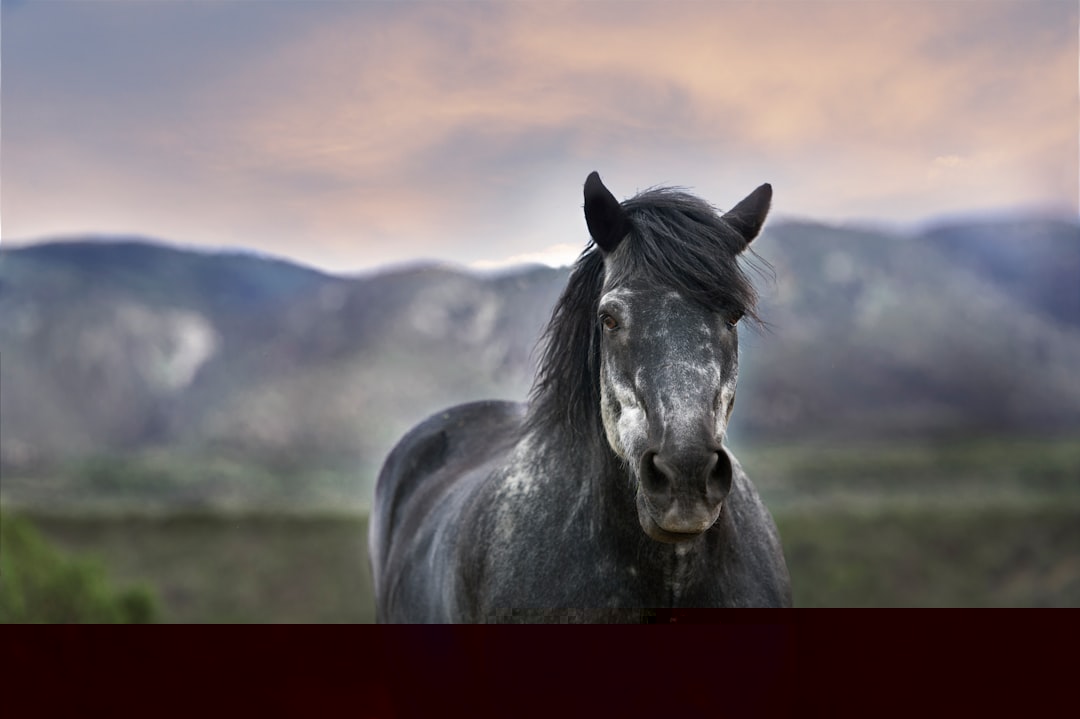
Few people realize that horses are actually native to North America, including Alaska. Ancient species of horse once galloped across the grasslands and tundra, leaving hoofprints in the very places now crisscrossed by Anchorage’s roads. These prehistoric horses were smaller than those we know today, yet incredibly hardy and adaptable. They grazed alongside mammoths and bison, forming an integral part of the ecosystem. Fossilized remains tell the story of their rise and sudden disappearance—a mystery that still puzzles scientists. When horses finally returned with European settlers, it was like a homecoming millions of years in the making. Anchorage’s prehistoric horses remind us how easily even the most familiar animals can vanish from a landscape, only to return in unexpected ways.
Dire Wolves: The Real-Life Legends

If you think dire wolves belong only in fantasy novels, think again. These powerful predators once prowled the wilds of Alaska, including the lands beneath Anchorage. Larger and more robust than today’s gray wolves, dire wolves hunted in packs and relied on teamwork to take down giant prey. Their fossils reveal massive jaws and teeth built for crushing bone—a necessity when facing creatures like mammoths and bison. Dire wolves were social animals, and their pack behavior made them some of the most successful hunters of their era. Despite their prowess, they vanished at the end of the Ice Age, leaving only tantalizing clues for paleontologists. The presence of dire wolves adds yet another layer of wildness to Anchorage’s ancient ground.
Human Arrival: Alaska’s First Pioneers

The arrival of humans in Alaska marks one of the most dramatic chapters in prehistory. Following herds of mammoths and bison across Beringia, these intrepid pioneers adapted quickly to the harsh landscape. Archaeological sites around Anchorage show evidence of early human camps, tools, and even ancient fire pits. These people hunted, fished, and gathered, learning to survive in a world dominated by megafauna. Their presence altered the ecosystem, introducing new pressures and strategies for survival. The story of Anchorage’s first inhabitants is one of ingenuity and resilience, a testament to the human spirit in the face of daunting odds. Their footprints may be buried, but their legacy endures in the traditions and stories of Alaska’s indigenous peoples.
Fossil Discoveries Beneath Anchorage

Anchorage may look modern, but its foundations are layered with prehistoric secrets. Over the years, construction crews and scientists have unearthed everything from mammoth tusks to ancient bison bones within city limits. Each fossil is a puzzle piece, helping to reconstruct the world that existed before humans arrived. These discoveries aren’t just relics—they’re windows into a time when Anchorage was wild and untamed. Local museums display some of these finds, sparking curiosity and wonder in visitors of all ages. Every new fossil unearthed is a reminder that Anchorage’s true history is far older, and far wilder, than most people realize.
Climate and Landscape: Shaping Life and Extinction
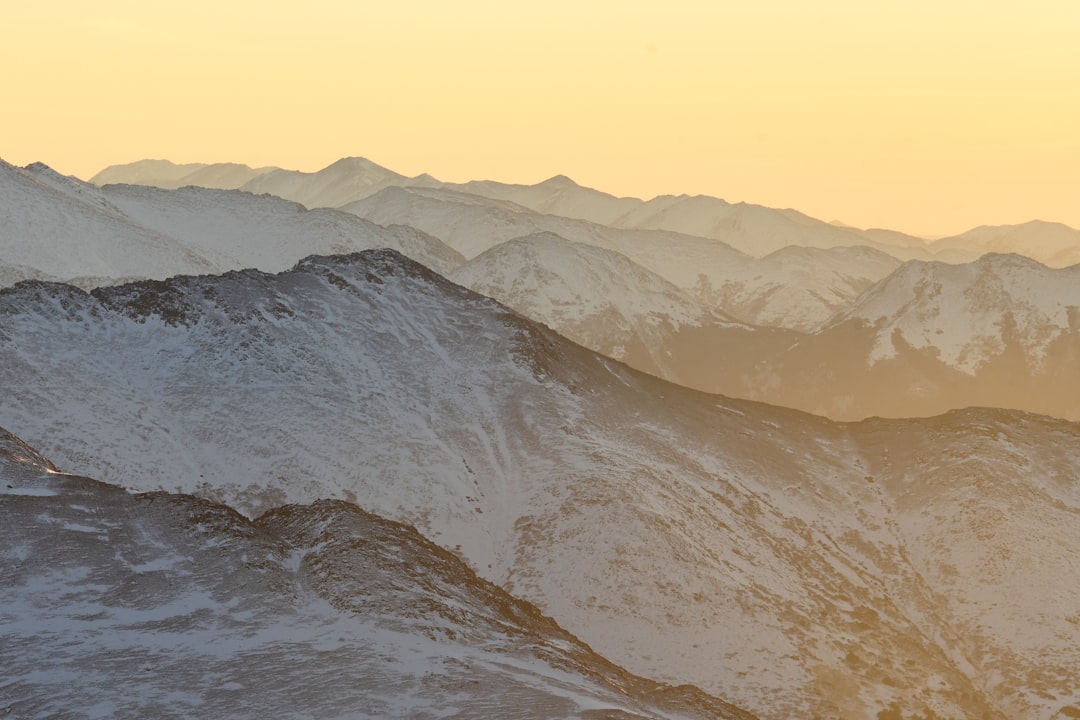
The dramatic shifts in Alaska’s climate over thousands of years have played a crucial role in shaping its prehistoric life. As glaciers advanced and retreated, habitats changed, forcing animals to adapt or die out. Warm periods brought new plants and animals, while ice ages wiped out entire species. Anchorage sits at the crossroads of these powerful environmental forces, making it a natural laboratory for understanding extinction and survival. Modern scientists use fossil pollen, bones, and even ancient DNA to piece together how climate shaped the destinies of megafauna. The lessons learned are not just about the past—they offer warnings and insights for our changing world today.
Legends and Lore: Megafauna in Alaskan Cultures
The memory of Alaska’s megafauna lives on not just in bones, but in stories. Indigenous peoples have passed down legends of giant animals roaming the land, shaping rivers, and even teaching humans how to live. These tales are more than just folklore—they’re rooted in real encounters with the bones and remnants of ancient creatures. Stories of giant bears, thunderbirds, and mammoths blend myth with memory, connecting present-day Alaskans with their distant ancestors. Visiting Anchorage, you can feel the resonance of these stories in the landscape itself. The blending of science and legend gives the city’s prehistory a depth and richness that goes beyond any textbook.
From Prehistoric Ground to Urban Frontier
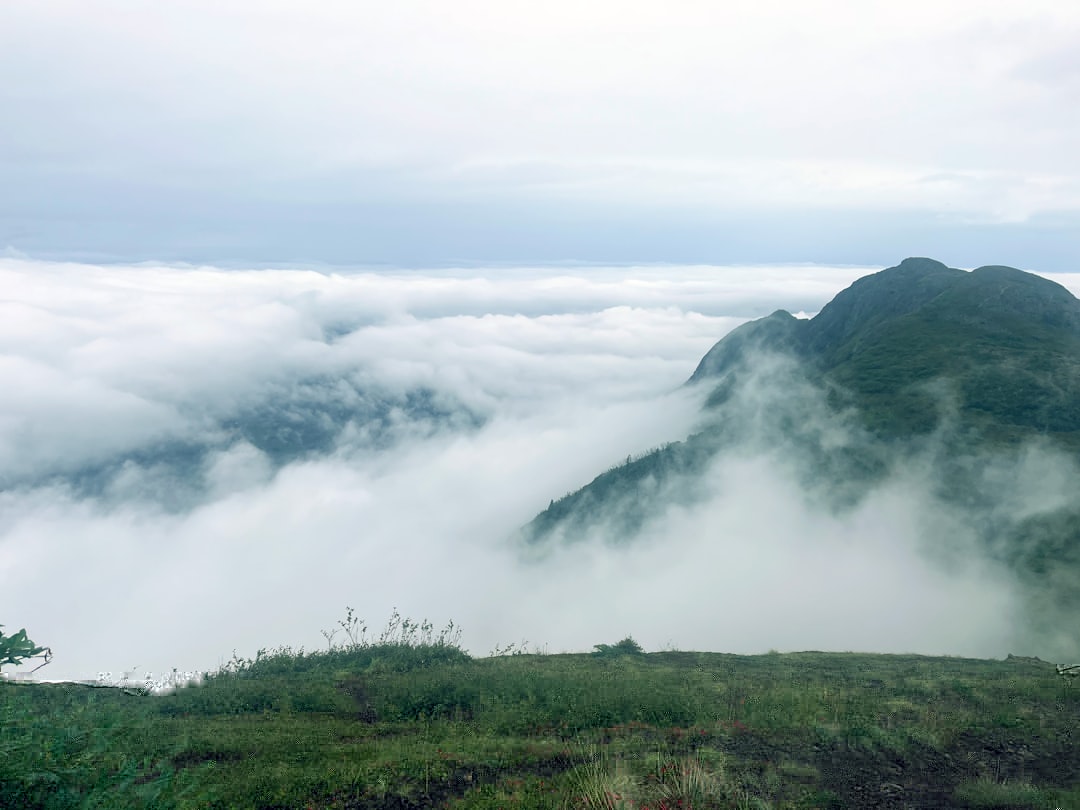
Today, Anchorage stands as a bustling metropolis, but its roots are intertwined with the wild past beneath its streets. Skyscrapers rise where mammoths once grazed, and highways cut across ancient migration routes. The city’s parks and greenbelts are sprinkled with reminders of the Ice Age, from interpretive signs to fossil displays. This unique blend of urban life and ancient wilderness creates a sense of wonder and possibility. Every time you walk through Anchorage, you’re treading on history—sometimes literally. The connection between past and present is part of what makes the city so special, a place where every step is a brush with prehistory.
Modern Science Uncovers Ancient Mysteries

The work of paleontologists and archaeologists in Anchorage is far from over. New techniques like radiocarbon dating, DNA analysis, and 3D scanning are revealing secrets locked in ancient bones and sediments. Recent discoveries have challenged old assumptions about which animals lived here, how they interacted, and why they disappeared. Science is not just about cataloguing the past—it’s about bringing it to life, one discovery at a time. For residents and visitors alike, these breakthroughs turn Anchorage into a living classroom, where every fossil is a lesson in adaptation, survival, and change.
Preserving the Past: Anchorage’s Role in Megafauna Conservation
Anchorage is not just a city built on prehistoric ground—it’s also a guardian of that history. Local museums, universities, and community groups work tirelessly to preserve fossils and share their stories with the public. Educational programs bring the wonders of the Ice Age to new generations, inspiring curiosity and stewardship. There’s a growing movement to protect the sites and artifacts that tell Anchorage’s unique story, ensuring that these treasures aren’t lost to time or development. By honoring its prehistoric past, Anchorage helps us all remember that the world was once wilder, stranger, and more connected than we can easily imagine.
What Lies Beneath: Anchorage’s Living Legacy

Anchorage’s story is one of contrasts—a modern city alive with energy, yet rooted in a landscape shaped by mammoths and saber-toothed cats. It’s a place where every sidewalk and hillside has a secret, where the past is never far beneath the surface. The city’s living legacy is a reminder that history is not something tucked away in museums, but a force that shapes who we are and how we live. To stand in Anchorage is to stand at the crossroads of worlds, ancient and new, wild and urban. The next time you walk its streets or gaze at its mountains, pause to wonder: what giants walked here before you?