
Across the United States, entire species have come terrifyingly close to disappearing forever. Just a few decades ago, many Americans quietly assumed that bald eagles, gray wolves, or California condors might simply become stories we told our grandkids, like mythical creatures that once existed and then slipped away. Instead, something remarkable happened: people stepped in, laws changed, and against the odds, some of these animals started to come back.
The stories below are not fairy tales; they are proof that extinction is not always a one-way road. They’re also a reminder that recovery is fragile, complicated, and sometimes controversial. I still remember the first time I saw a bald eagle in the wild as an adult and realized my parents had grown up when seeing one was almost unheard of. It felt like seeing a rumor come to life. These five stories show how much can be saved when we decide not to give up.
Bald Eagles: From Poisoned Symbol to Soaring Comeback
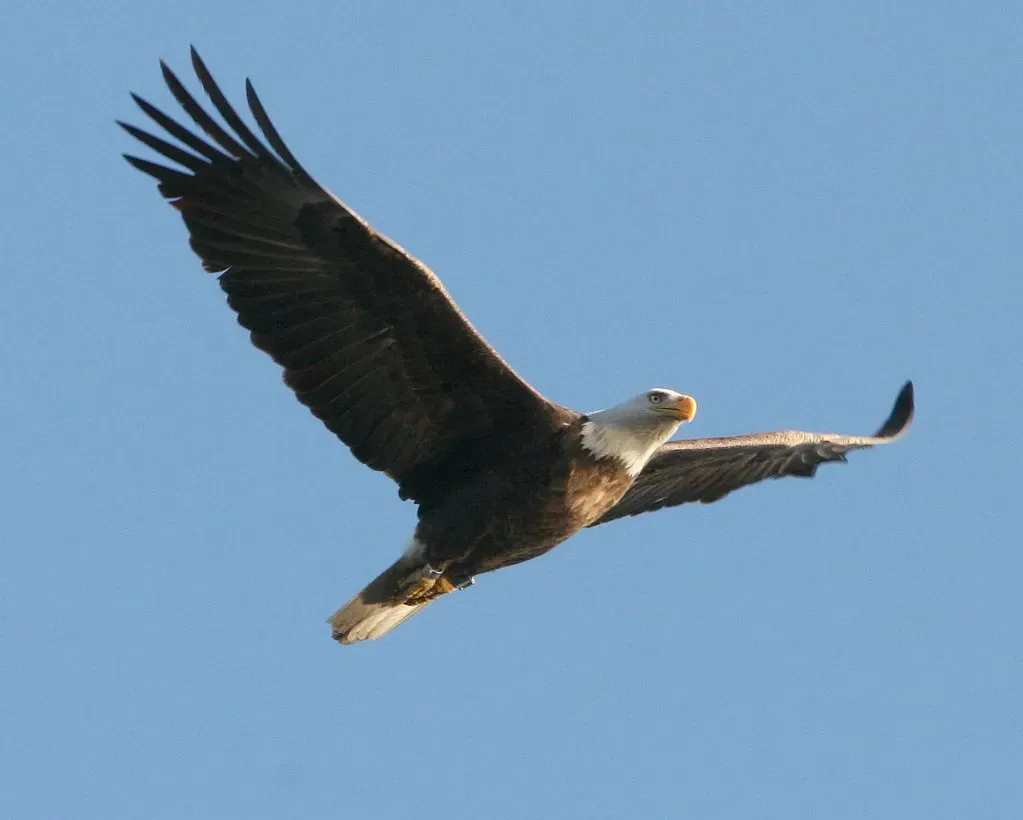
It’s hard to imagine now, but there was a time when the national bird of the United States was circling the drain toward extinction. By the early 1960s, there were only a few hundred breeding pairs left in the lower forty-eight states, largely because of the pesticide DDT, which thinned their eggshells so badly that they often broke before hatching. The image of a majestic eagle had become painfully ironic, because in real life, they were crumbling under the weight of our chemical shortcuts.
What changed was a combination of tough decisions and stubborn effort: DDT was banned nationally in the early 1970s, key habitats were protected, and eagles were listed under the Endangered Species Act. Over the following decades, rehabilitation centers raised injured birds, biologists monitored nests, and power companies even worked to reduce electrocution risks on power lines. Today, there are many thousands of breeding pairs in the lower forty-eight, and in many regions you can spot eagles near lakes and rivers if you simply remember to look up. Their story shows that when we stop poisoning the environment and give nature a bit of room, it often races to fill the space.
Gray Wolves: Controversial Recovery in the American West
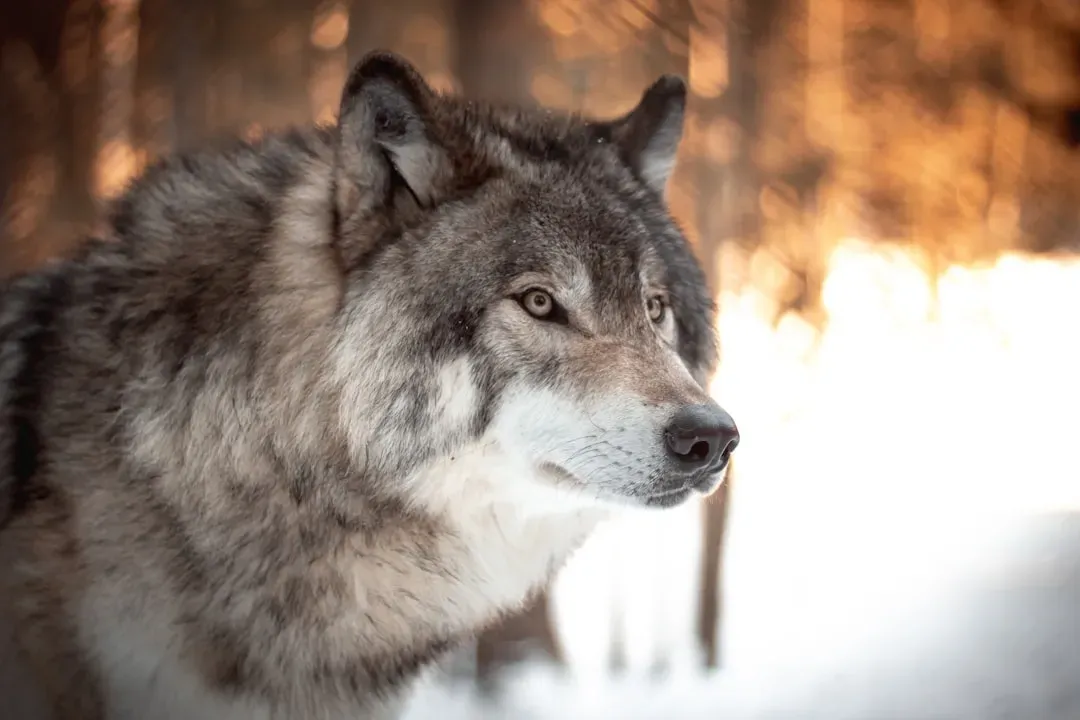
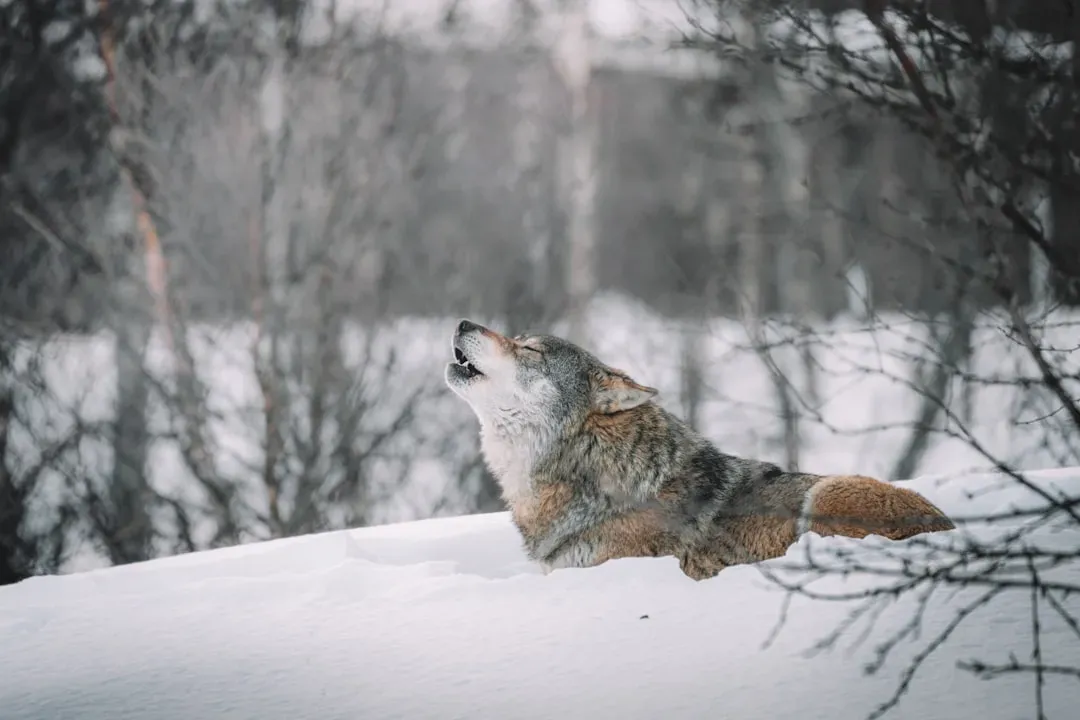
Gray wolves were once so common across North America that their howls were a normal part of the nighttime soundscape. By the mid twentieth century, relentless trapping, poison campaigns, and bounties had wiped them out from most of the lower forty-eight, leaving only a tiny remnant population in the northern Great Lakes. Many ranchers and government programs had treated wolves as vermin to be eliminated, not as a vital part of ecosystems. It was a brutal, calculated erasure, driven more by fear and anger than by science.
In the 1990s, a controversial and deeply emotional experiment began: wolves were reintroduced into Yellowstone National Park and central Idaho. The move triggered major backlash from some ranchers and hunters, but it also kicked off one of the most famous ecological recoveries in modern history. In Yellowstone, the return of wolves helped reshape elk behavior, which allowed forests and willow stands along streams to recover, indirectly helping beavers, songbirds, and even fish. The story is far from smooth – wolf management is still a political battle in many states – but the simple fact that packs now roam again in parts of the Rockies and Midwest shows how quickly an ecosystem can begin to heal when a top predator is allowed back in.
California Condors: Hauling a Giant Bird Back from the Brink
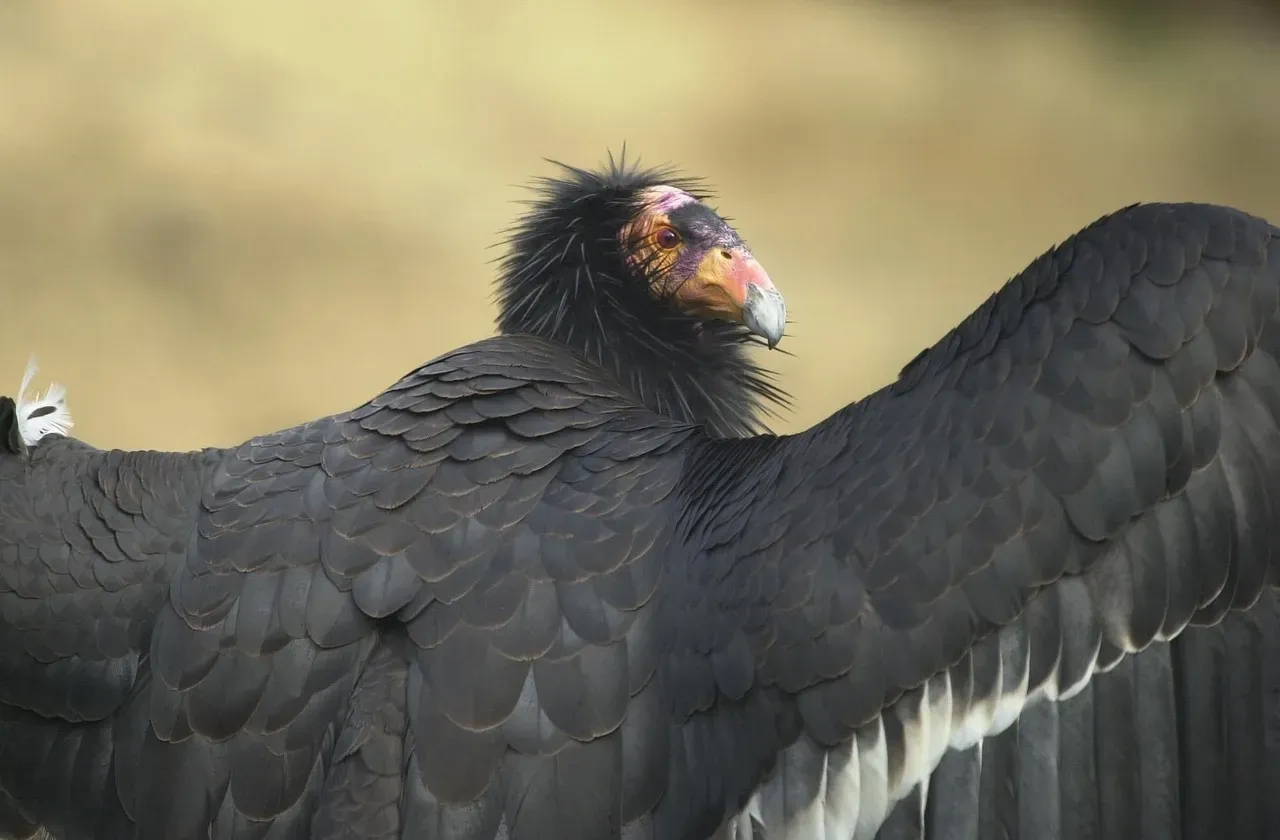
California condors are enormous, almost prehistoric-looking birds, with wingspans that can stretch longer than the height of an adult human. By the 1980s, there were only a couple dozen left in the entire world. Most remaining birds were poisoned by lead fragments in animal carcasses, as well as affected by habitat loss and past persecution. It was such a desperate situation that biologists took a wildly risky step: they captured every last condor from the wild, leaving none flying free.
Bringing the entire species into captivity could easily have been the beginning of the end, but instead it turned into a last-chance lifeline. Zoos and conservation centers developed captive breeding programs, carefully raising chicks and later releasing them back into the wild, while pushing to reduce lead ammunition in key condor areas so that carcasses would be safer food. Today, there are several hundred condors alive, with multiple populations flying wild in California, Arizona, Utah, and Baja California. Seeing a condor soaring over canyon cliffs feels like watching a lost chapter of natural history being written back into the sky, even though every step of their recovery still depends on intense, hands-on management.
American Alligators: From “Nuisance” to Southern Success Story
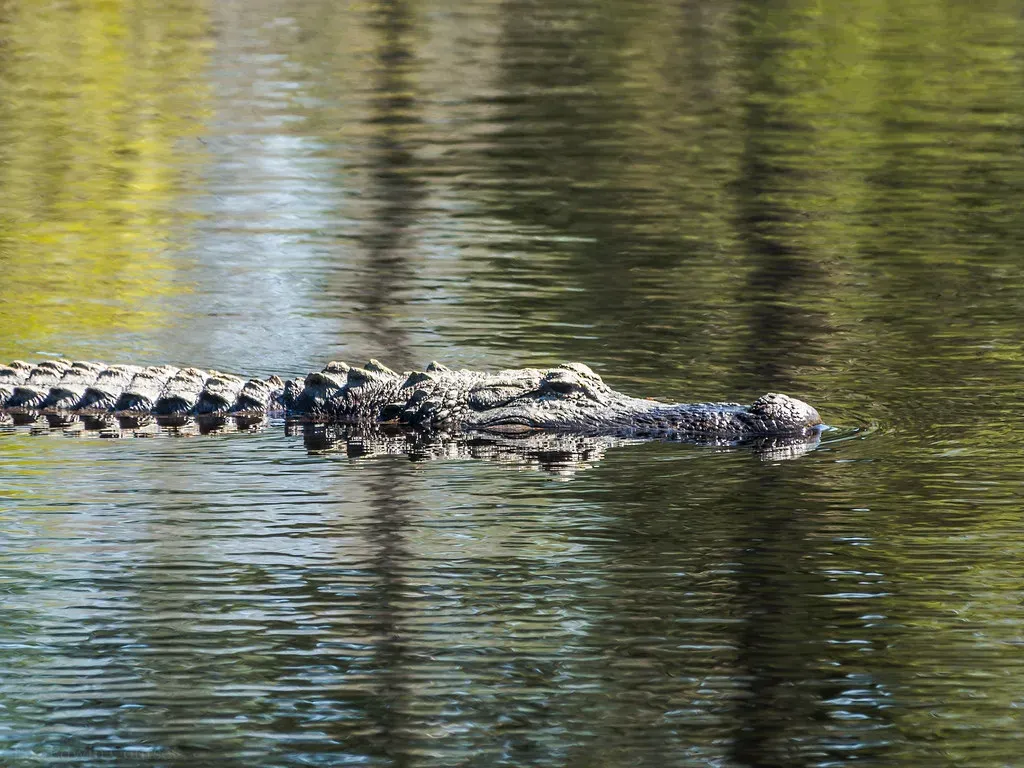
For a lot of people in the southeastern United States, alligators were once viewed mostly as dangerous pests to be killed on sight. Unregulated hunting and habitat loss pushed the species into serious decline by the mid twentieth century. In some states, it became genuinely rare to see a big alligator in the wild, even in swamps and marshes that once teemed with them. The idea that they might vanish entirely was not as far-fetched as it sounds now.
Listing alligators under the Endangered Species Act and cracking down on hunting changed the trajectory dramatically. Wetland protections and better regulation allowed populations to rebound so strongly that in many places, they’ve been considered a conservation success for decades, and regulated harvests are now used to manage numbers. Walk through a Southern wildlife refuge today and you might see a sizable gator lounging like a prehistoric log along a marsh edge, a sight that would have been far less common a few generations ago. Their comeback is also a reminder that protecting a single charismatic species often safeguards entire wetland systems that countless fish, birds, and plants depend on.
Black-Footed Ferrets: Ghosts of the Prairie Return
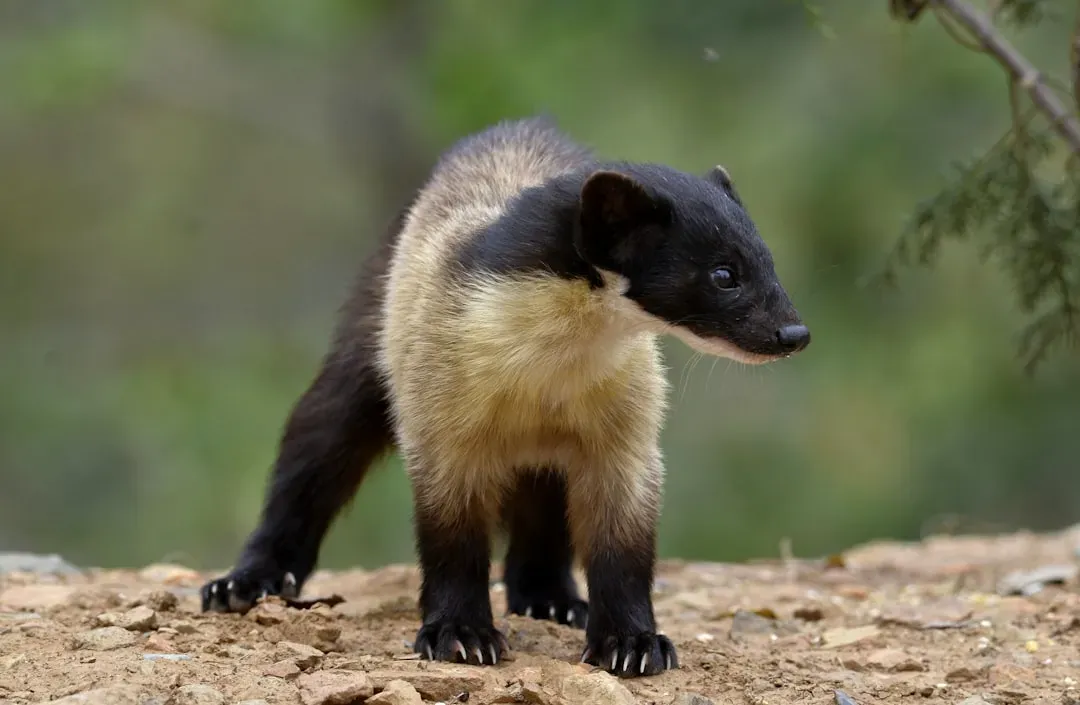
Black-footed ferrets are small, masked predators that rely almost entirely on prairie dog colonies for food and shelter. By the late twentieth century, they were thought to be completely extinct, victims of prairie dog eradication campaigns, disease, and widespread habitat loss across the Great Plains. Then, in a twist that sounds almost like the plot of a nature documentary, a tiny surviving population was discovered in Wyoming in the early 1980s. It was like finding a ghost of the prairie hiding in plain sight.
Conservationists launched an emergency rescue effort, bringing the remaining ferrets into captivity to start a breeding program. Over the years, biologists have reintroduced thousands of ferrets into carefully selected prairie dog colonies across several states, while also working to manage diseases like plague that can wipe out both species. Their recovery is still fragile and heavily dependent on constant monitoring and occasional reintroductions, but black-footed ferrets now live again in the wild instead of only in history books. Their story highlights how saving a single species can mean rethinking how we treat an entire landscape, especially one as heavily used and altered as the American prairie.
What These Recoveries Really Tell Us
These five stories are not just about animals; they are about choices. In each case, humans pushed a species to the edge, then chose – sometimes late, sometimes clumsily – to pull it back. The tools we used were not mysterious: better laws, less poison, more protected land, careful science, and relentless persistence. What makes them powerful is not magic, but the simple fact that people refused to accept permanent loss as inevitable.
At the same time, none of these successes are guaranteed forever. Wolves still face political battles, condors still ingest lead, ferrets still fight disease, and eagles still depend on clean water and intact habitat. Recovery is not a finish line; it is more like a long, rough trail that needs constant maintenance. The encouraging part is that we now know, beyond doubt, that it is possible to bring species back from the brink when we decide they matter. Which of these animals did you think was closest to being gone for good?