
Some of the rarest mammals in the United States are so secretive that even people who live right next to their habitat have no idea they exist. They’re not the charismatic headliners like wolves, bison, or grizzlies; they’re the quiet survivors hanging on in tiny pockets of forests, deserts, and oceans, often with fewer individuals than the number of seats on a small airplane. Yet they carry entire ecosystems on their backs, shaping forests, coasts, and even rivers in ways most of us never see.
When I first started digging into these species, I expected to find a handful of obscure bats and rodents. Instead, I discovered stories of animals that have come terrifyingly close to vanishing, then clawed their way back through a mix of science, stubborn conservation work, and sheer luck. Some are still right on the edge, with fewer than a few hundred known individuals left in the wild. Others are slow-motion tragedies in progress, slipping away so quietly that most people will only hear their names when it’s too late.
Vaquita: The Ghost Porpoise of the Gulf of California
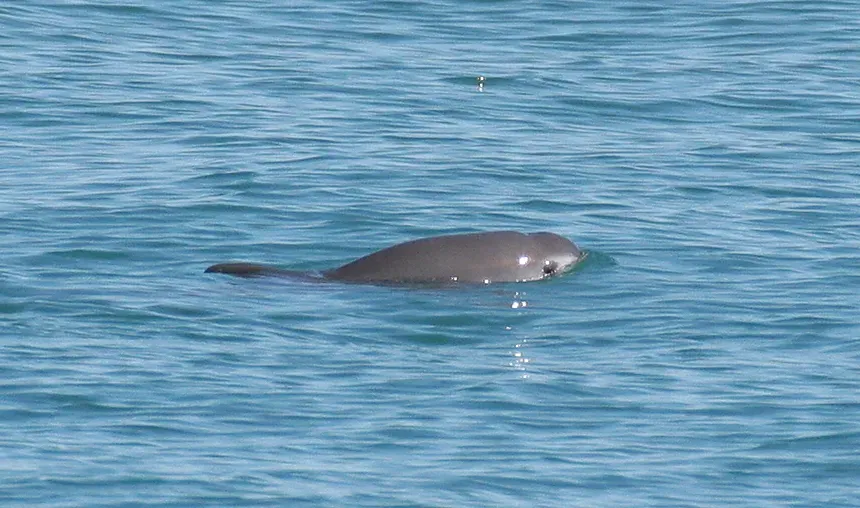
The vaquita is often called the world’s rarest marine mammal, and it lives just south of the U.S. border in the northern Gulf of California, sharing an ocean system that directly affects American waters. Today, experts estimate there are likely only a few dozen vaquitas left, maybe even fewer, making them perilously close to disappearance in our lifetime. This small porpoise grows to about the size of a human adult and is recognized by the dark rings around its eyes and lips, giving it a permanently startled expression. Unlike dolphins that leap and splash, vaquitas are shy and elusive, surfacing quietly and avoiding boats, which is one reason they went unnoticed by science until the mid‑twentieth century.
Their main killer isn’t pollution or climate change, but illegal fishing nets known as gillnets, set to catch another species altogether: the totoaba fish, whose swim bladder is sold on the black market. Vaquitas get tangled and drown, invisible collateral damage in a lucrative trade. The heartbreaking part is that we already know how to fix this: switching to vaquita-safe fishing gear and strictly enforcing existing bans. Yet weak enforcement and high profits keep the danger in the water. It’s as if we’re watching a slow-motion shipwreck, fully aware of the hole in the hull, but still arguing about who should grab the bucket.
Island Fox: Tiny Dog of California’s Channel Islands
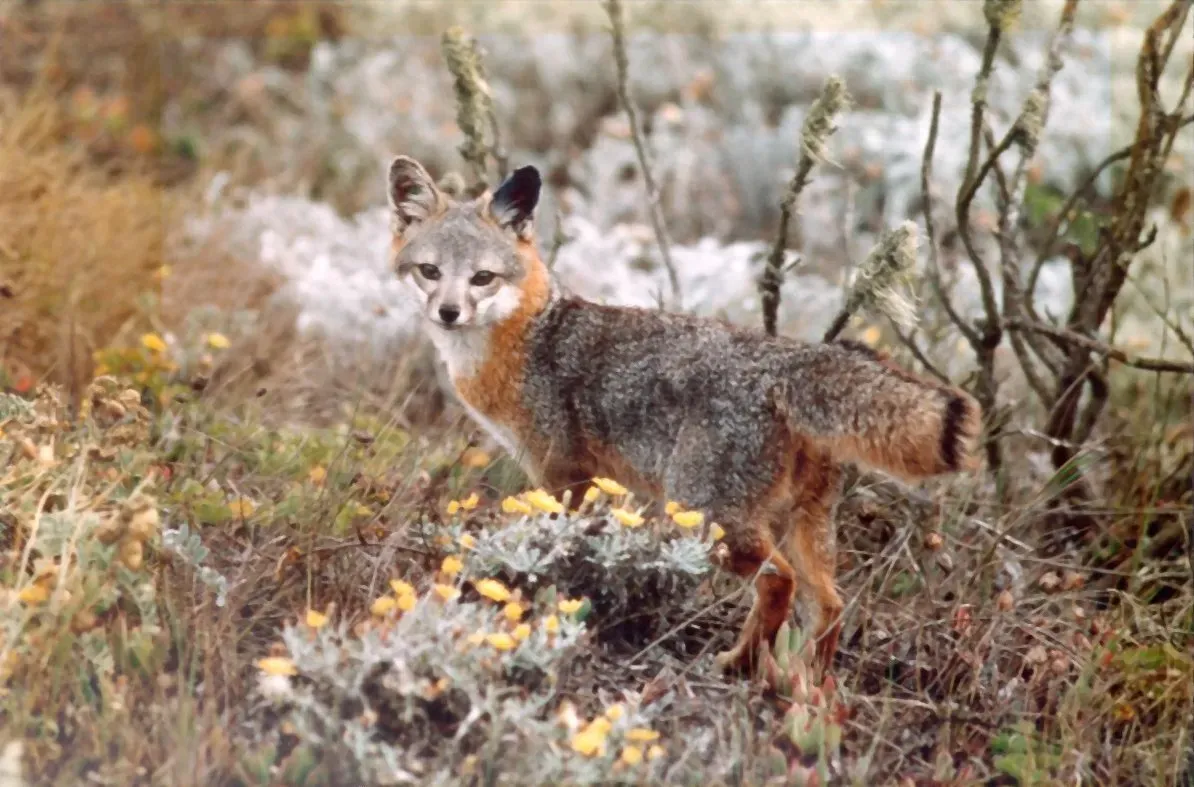
Off the coast of Southern California, on the Channel Islands, lives a fox that looks like it’s been shrunk in the wash. The island fox weighs about as much as a house cat and evolved in isolation on six of the eight main Channel Islands, each island hosting its own unique subspecies. By the late 1990s and early 2000s, several of these subspecies were pushed to the brink, with some island populations crashing to fewer than one hundred animals. A mix of disease, habitat changes, and especially predation by golden eagles nearly erased them from the map in just a few years.
Conservationists decided to intervene aggressively: they vaccinated foxes, bred them in captivity, removed golden eagles, and reintroduced bald eagles to push the goldens away by competition. In many ways, it worked beyond expectations, and some island fox populations have rebounded dramatically, becoming a rare conservation success story. Still, the total numbers remain small, and their entire world is limited to a few rocky islands, making them incredibly vulnerable to new diseases or sudden environmental shocks. Thinking about them feels like imagining a village that exists only on six tiny mountaintops, with no way to leave if something goes wrong.
Red Wolf: The Phantom of the American Southeast
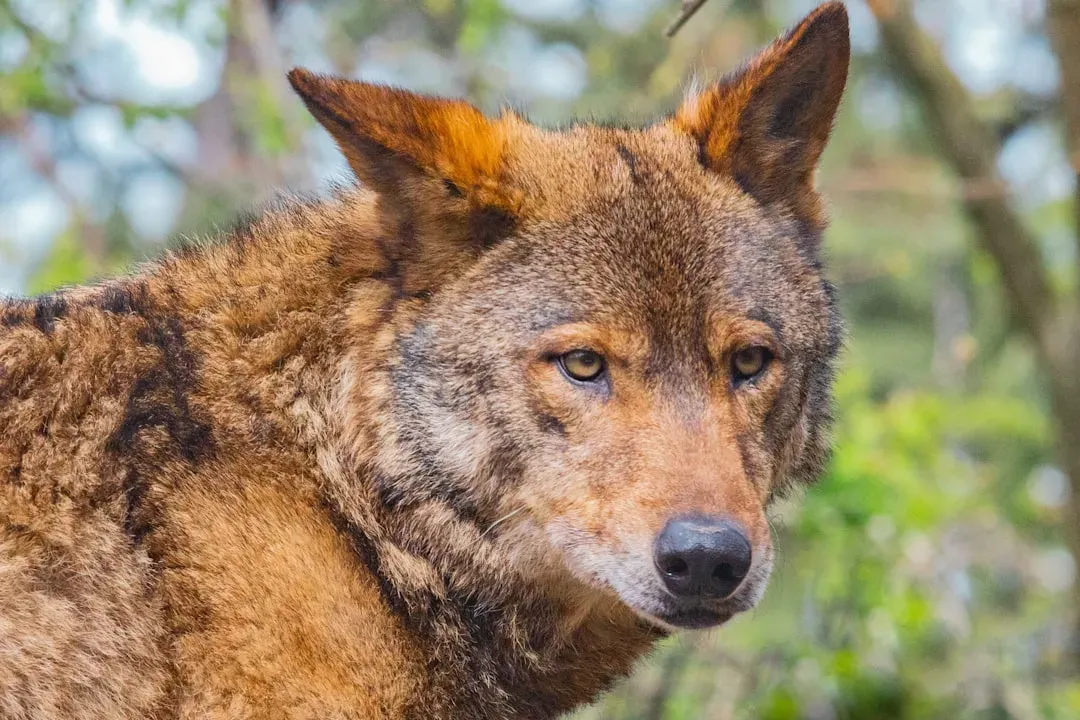
The red wolf is one of the world’s most endangered canids and one of the least known, even among Americans who live near its last wild stronghold. Native to the southeastern United States, red wolves once roamed from Texas to the Atlantic coast, but by the late twentieth century they had been wiped out in the wild by persecution, habitat loss, and hybridization with coyotes. Every wild red wolf alive today descends from a tiny group of survivors that were captured and bred in captivity, then carefully reintroduced into eastern North Carolina. For a time, there were over a hundred red wolves roaming free in that region.
Over the last decade or so, though, the population has crashed again due to illegal killings, vehicle strikes, and faltering political support for the program. At certain points, the number of confirmed wild red wolves dropped to only a few dozen, scattered across farms, forests, and federal lands. Many locals have never seen one, and if they did, they might mistake it for a large coyote. Yet red wolves play a crucial role in controlling prey and smaller predators, subtly reshaping the landscape in ways that benefit many species. Their fate now depends on whether we treat them as a nuisance, a neighbor, or a piece of living history we’re not willing to lose.
Florida Bonneted Bat: The Night Flier on the Edge
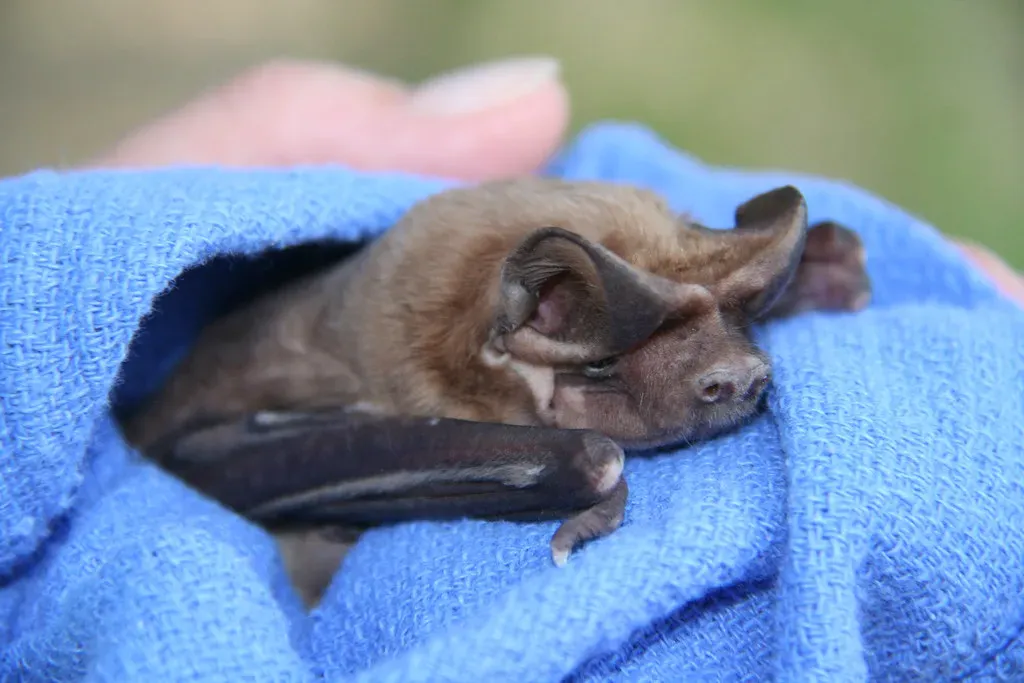
The Florida bonneted bat is one of the largest bats in North America, yet almost no one in Florida has ever heard of it, let alone seen it. It flies high above the treetops, using low-frequency calls that pass right through the microphones of most standard bat detectors, which is partly why it stayed largely overlooked for so long. This bat is found only in a small portion of southern Florida, mostly around Miami and nearby areas, where it roosts in tree cavities, bat houses, and sometimes even buildings. Its entire global population is thought to be tiny, likely in the low hundreds, making every roost and every individual important.
Urban sprawl, hurricanes, and the loss of old trees all chip away at the places these bats need to rest and raise their young. As new housing developments and roads push deeper into remaining green spaces, the bat’s habitat becomes more fragmented and risky. There’s also the looming threat of stronger storms and rising sea levels in South Florida, which could wipe out roost sites in a single season. To me, the Florida bonneted bat feels like a living test of whether a species can survive in the cracks of a busy, growing city, or whether even the night sky is becoming too crowded for it to endure.
American Pika: A High-Altitude Specialist Under Pressure
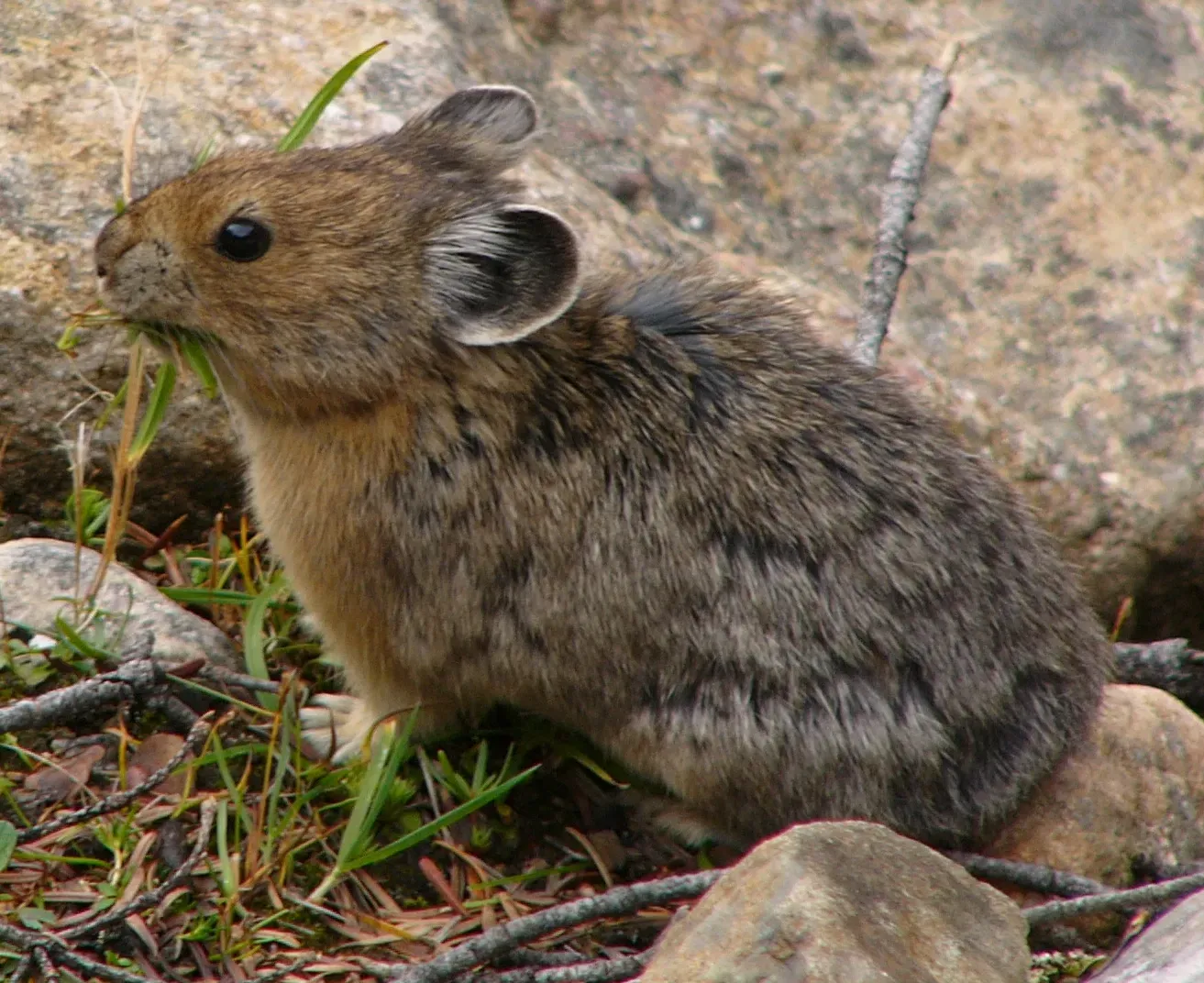
The American pika looks like a cross between a rabbit and a plush toy, but its life is anything but soft. Found in rocky, high-elevation talus slopes across the western United States, pikas depend on cool temperatures and deep rock piles that act like natural air conditioners. They spend summers frantically gathering mouthfuls of plants and drying them into hay piles to get through harsh winters, a behavior that makes them feel almost like tiny alpine farmers. Some of the southern and lower-elevation populations in the U.S. have shown worrying declines, as warmer temperatures creep up mountain slopes.
Unlike many mammals, pikas overheat easily and can die from prolonged exposure to moderate heat, so as climate warms, their safe zones shrink. In some areas, scientists have found that pikas have disappeared from sites where they were once common, while higher, cooler spots still hold small populations. Not every population is collapsing, and some seem surprisingly resilient, but the overall trend paints a picture of a species running out of room to climb. It’s like watching the ocean rise around someone standing on a rock; sooner or later, there may be nowhere left to stand.
Sea Otter (Southern Population): The Comeback That’s Still Fragile
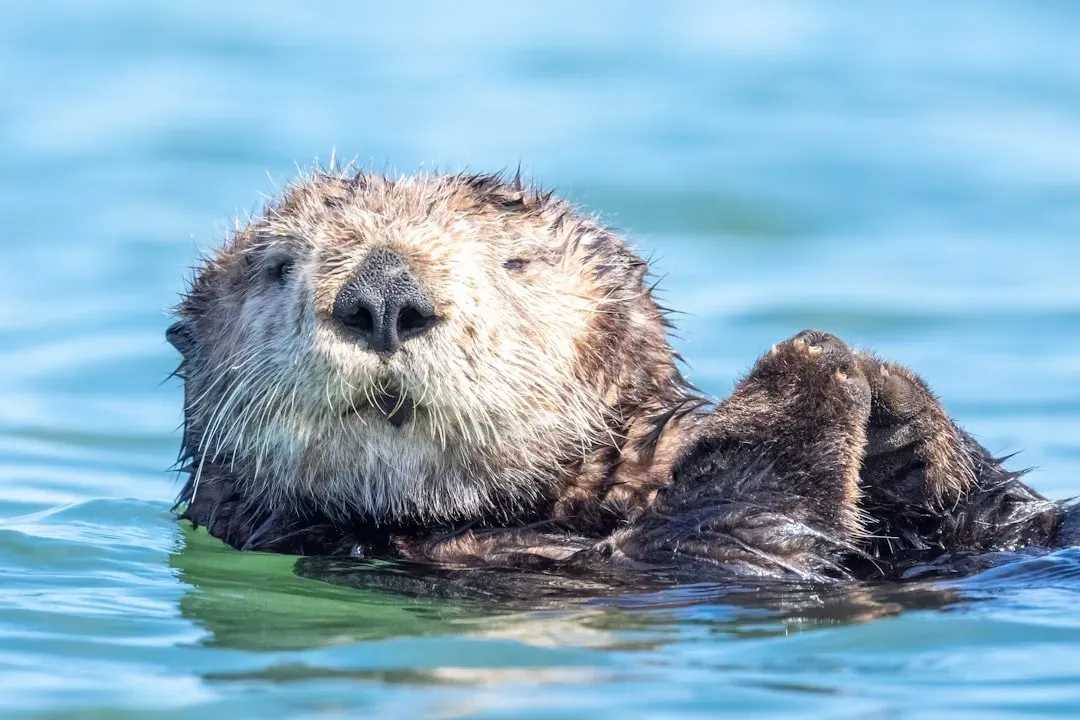
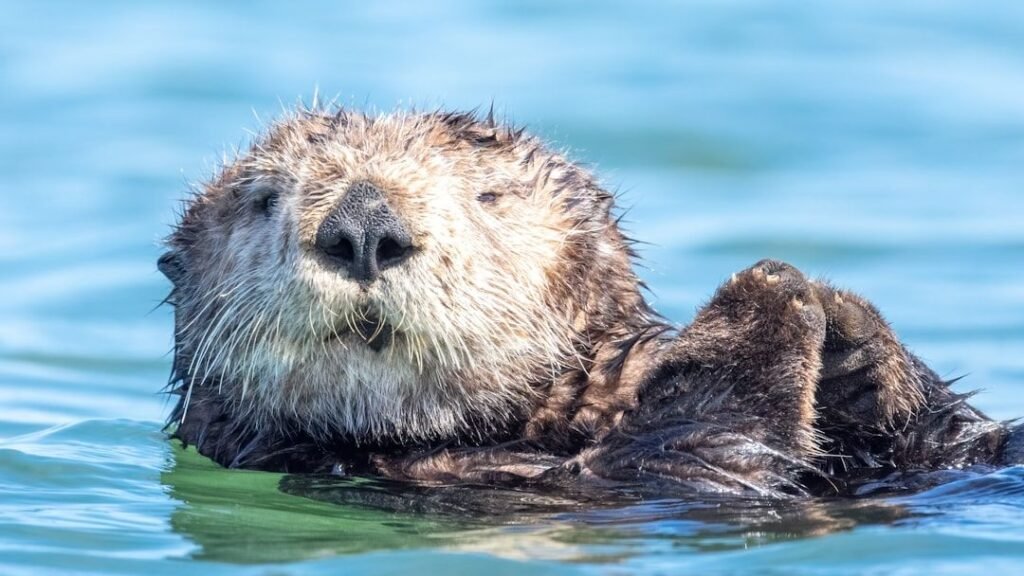
Most people know sea otters from photos of them floating on their backs, holding hands or cracking shellfish on their chests. Fewer realize that the southern sea otter population along the California coast is still considered threatened and remains one of the rarest marine mammals in American waters. Hunted almost to extinction in the fur trade, sea otters vanished from much of their historic range and survived only in a few small pockets. Rebounding from that low point has taken decades, and even now the California population numbers only in the thousands, stretched along a relatively narrow coastal band.
Sea otters are a classic example of a keystone species: their appetite for sea urchins keeps kelp forests from being eaten to rubble, and those kelp forests in turn shelter fish, absorb carbon, and soften storm impacts. When otter numbers crash, coastal ecosystems unravel in ways that affect everything from fisheries to erosion. Despite protections, sea otters still face threats from oil spills, disease, shark bites, and entanglement in fishing gear. Watching their recovery feels a bit like watching someone walk a tightrope over a canyon; yes, they’re moving forward, but one big slip could send them plunging back toward disaster.
Wolverine: The Solitary Survivor of the Northern Wilds
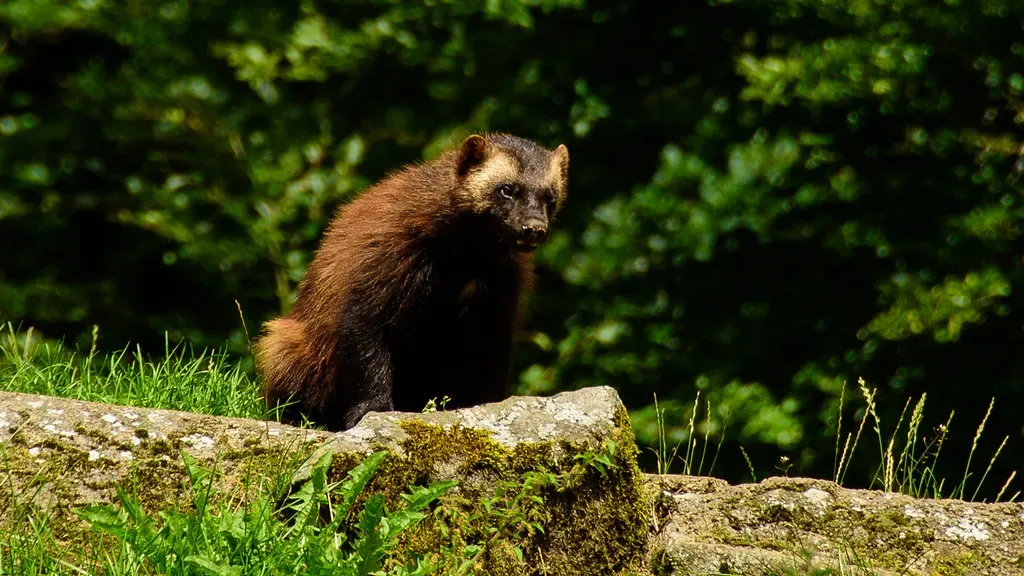
The wolverine is one of those animals that feels half myth, half legend, but it is very real and incredibly rare in the lower forty‑eight states. These stocky, powerful carnivores roam huge territories in the remote mountains of the northern Rockies and parts of the Pacific Northwest. They need deep snowpack for denning, where females raise their kits in snow caves that protect them from predators and weather. Because wolverines avoid people and live in such rugged terrain, even scientists struggle to find and study them, relying on camera traps and genetic samples from hair snares.
In the United States, the number of wolverines south of the Canadian border is believed to be extremely small, likely only in the low hundreds at most, scattered across vast landscapes. Their future is closely tied to long-term snow patterns, which are shifting as winters warm and snowlines creep higher up the mountains. Conflicts over trapping, infrastructure projects, and winter recreation add extra pressure on an already fragile population. The wolverine’s story is not just about one rare mammal, but about whether the lower forty‑eight will still have truly wild, snow-bound places in fifty years, or whether these animals will exist only as stories from colder times.
The Rare Neighbors We Almost Never See
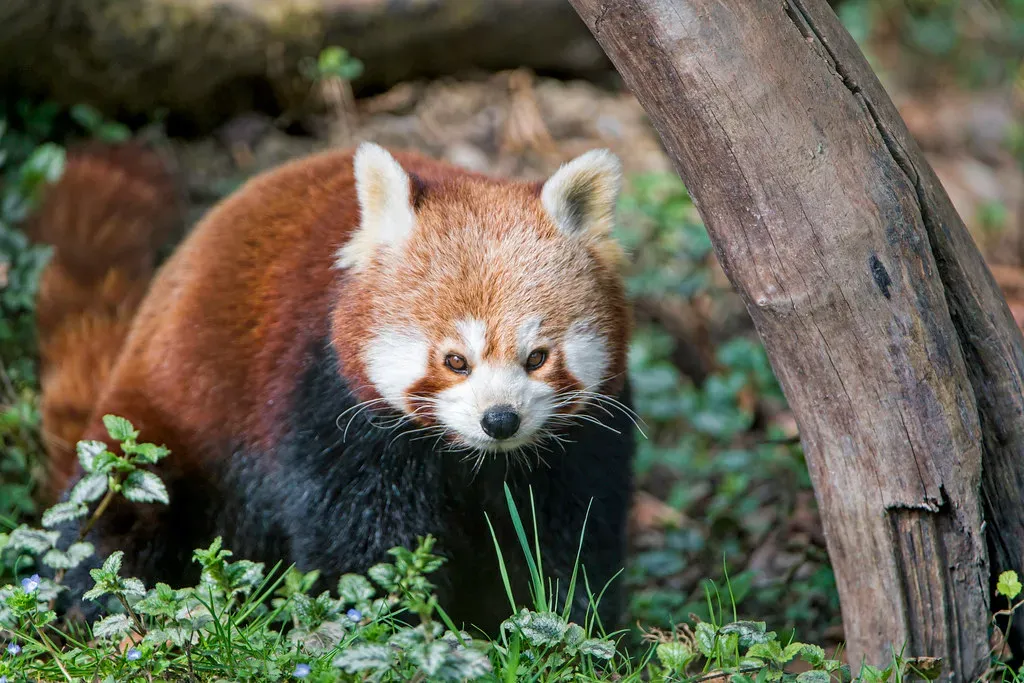
All of these mammals share a few striking traits: they’re rare, they’re deeply tied to specific habitats, and most people living in the United States could go their entire lives without realizing they exist. Some, like the island fox and sea otter, show that intense, focused conservation can pull a species back from the cliff edge. Others, like the vaquita and red wolf, are still teetering dangerously, their futures depending on decisions being made right now in coastal villages, courtrooms, and local communities. It’s unsettling to realize how many of our rarest mammals are disappearing in the background of everyday life, like a song playing quietly in another room that suddenly stops.
Once you learn their names, though, it’s hard to un-know them. The Florida bonneted bat riding the humid night air over Miami, the pika stacking hay on a broken slope of rock, the wolverine carving a path through deep mountain snow – each is a reminder that the United States is wilder and stranger than the familiar postcard version. Knowing they exist is a small first step, but it’s also a powerful one; you can’t care about what you’ve . Now that you’ve met them, which one would you miss the most if it quietly vanished?