
Have you ever stood beneath the night sky and wondered where all of this came from? The stars, the galaxies, your own beating heart. For decades, scientists have pointed to the Big Bang as the starting line for everything. Yet a growing number of researchers are now suggesting something far stranger. What if the universe didn’t actually begin with a bang at all? What if, instead, we’re all living inside a black hole that exists within another, even larger universe? It sounds like science fiction, sure, but the evidence behind this radical idea is starting to pile up.
The notion challenges some of our most fundamental beliefs about reality itself. It forces you to reconsider not just the origin of the cosmos, but your place within it. So let’s dive in.
The Glaring Problems with the Big Bang
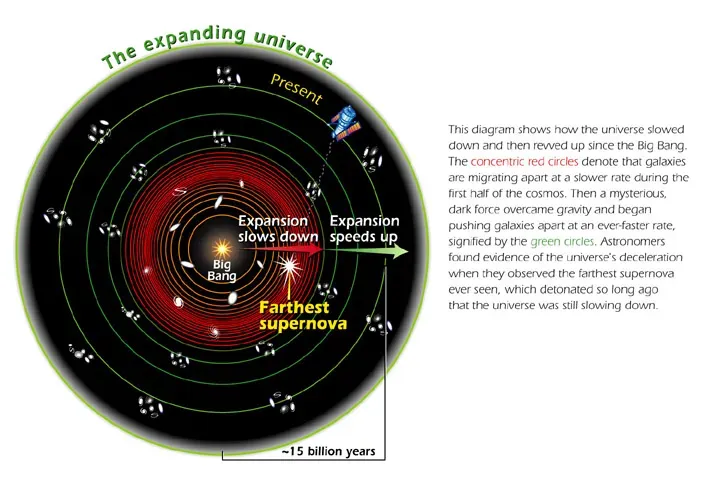
The Big Bang theory has successfully explained major cosmological phenomena, but fundamental problems remain with this theory, such as the unexplained nature of dark energy and dark matter, the singularity at the Big Bang, and inconsistencies between general relativity and quantum mechanics. Here’s the thing that keeps cosmologists up at night. The Big Bang model begins with a point of infinite density where the laws of physics break down, and this is a deep theoretical problem that suggests the beginning of the Universe is not fully understood.
Imagine trying to solve a puzzle where the most crucial piece doesn’t fit. That’s essentially what physicists have been dealing with. The standard model works beautifully once the universe gets going, describing how galaxies formed, how stars ignited, and how planets came to be. Yet the moment of creation itself remains deeply mysterious.
When Galaxies Spin in the Same Direction
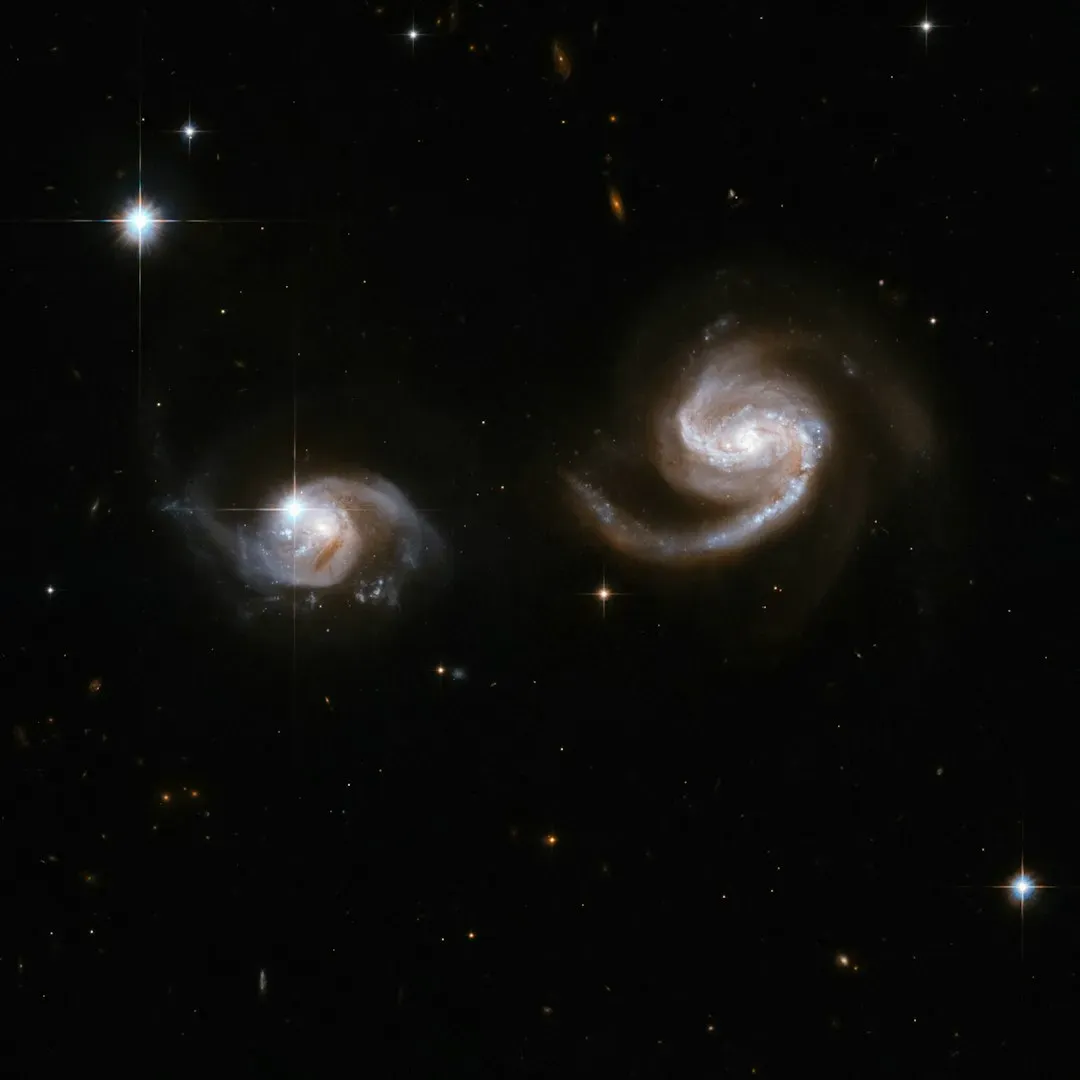
The James Webb Space Telescope has found that the vast majority of deep space and early galaxies it has observed are rotating in the same direction, with around two thirds of galaxies spinning clockwise while the other third rotates counter-clockwise, yet in a random universe, scientists would expect to find half of galaxies rotating one way and half rotating the other, suggesting there is a preferred direction for galactic rotation. I know it sounds crazy, but this is genuinely weird. Let’s be real: if you toss a bunch of coins in the air, you’d expect roughly half to land on heads and half on tails, right?
One explanation is that the universe was born rotating, which agrees with theories such as black hole cosmology that postulates the entire universe is the interior of a black hole. This asymmetry in galactic rotation is one of the strongest pieces of observational evidence that something unusual shaped our universe from the very beginning. It’s the kind of clue that makes scientists question their basic assumptions.
The Strange Symmetry Between Black Holes and the Big Bang
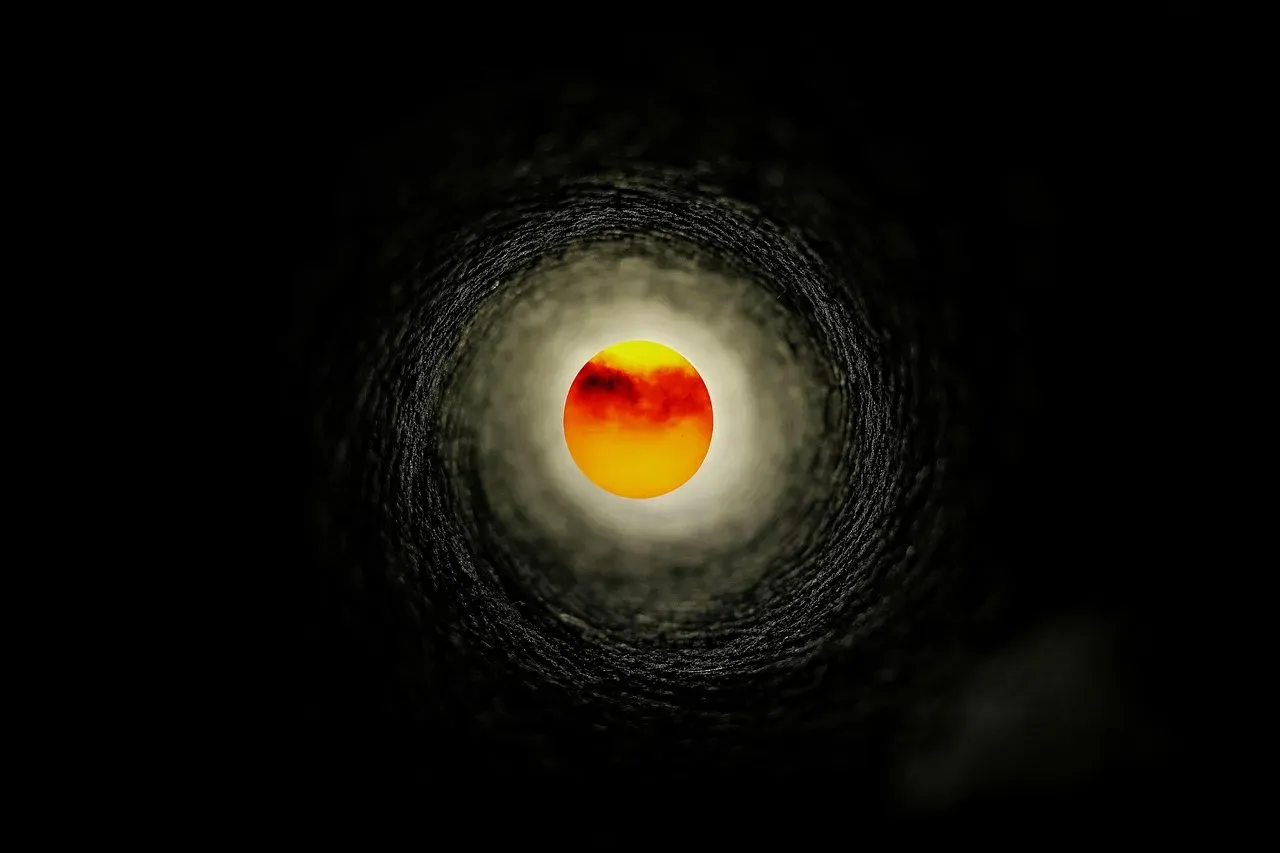
When running the Universe’s expansion backwards, it’s clear that it began with a singularity, the Big Bang, a point in time when densities, temperatures and energies were so extreme that the laws of physics break down, and this is mathematically the same as the singularities in black holes. Think about that for a second. Two of the most extreme phenomena in the universe share the exact same mathematical blueprint.
Black holes also have event horizons beyond which all light and matter is trapped, while the Universe has something similar, the cosmological event horizon, beyond which we can’t see because light from there can’t reach us, and mathematically speaking, the properties of space outside of a black hole’s event horizon are simply an inversion of those within.
This isn’t just a curious coincidence. It’s like discovering that two seemingly unrelated machines use identical parts. When nature repeats itself in this way, it’s usually telling us something profound about how reality is constructed. The parallels run so deep that physicists have been unable to ignore them.
Inside a Black Hole, a Universe is Born
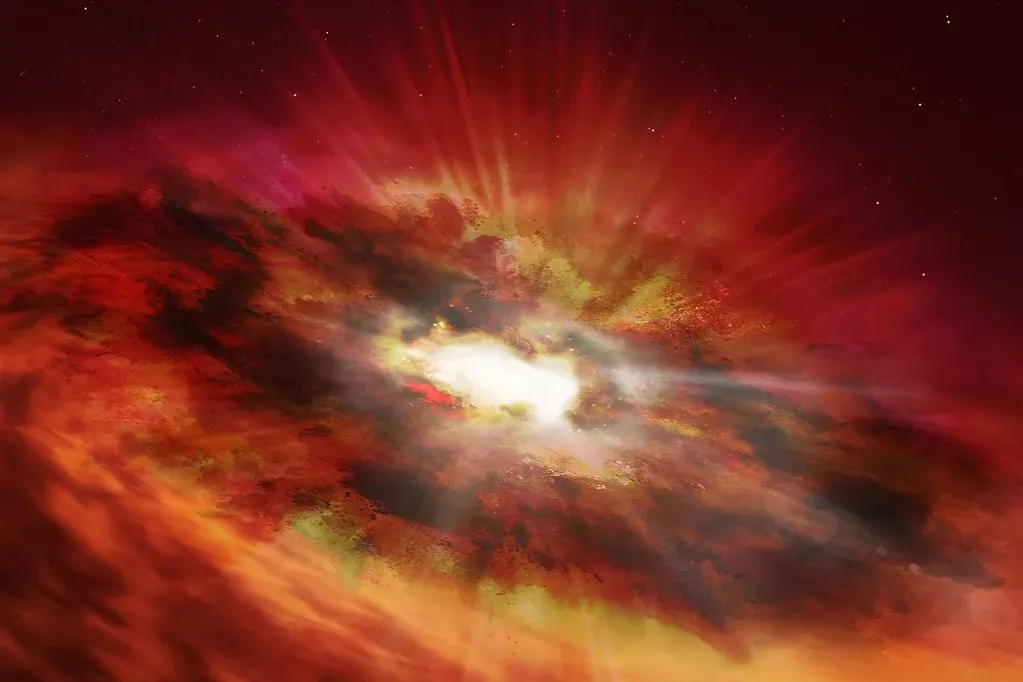
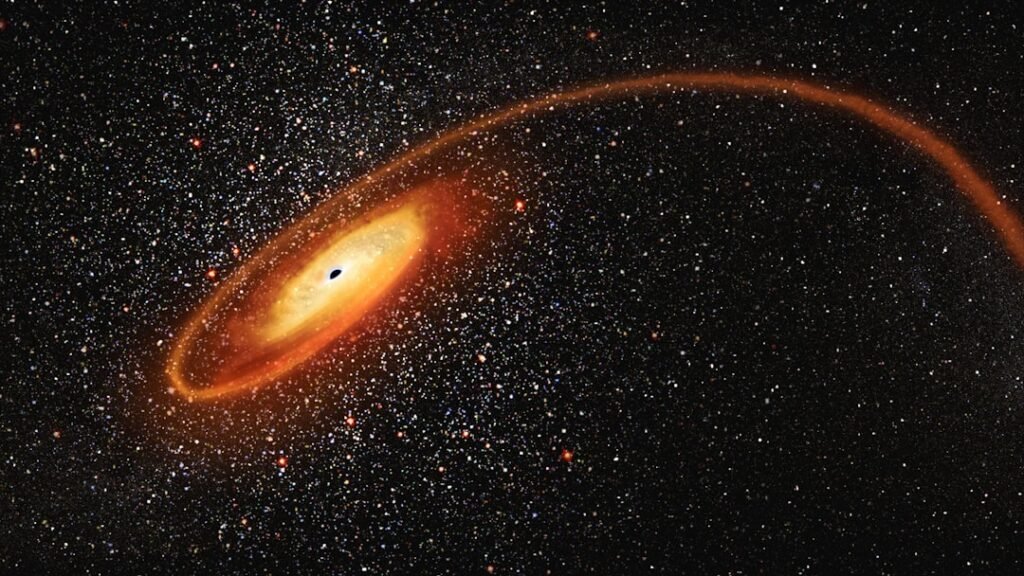
When a black hole forms upon the collapse of a dying star, theoretical physicist Nikodem Poplawski conjectured that a universe is born at the same time from the white hole on the other side of the wormhole, suggesting our universe could have itself formed from inside a black hole existing inside another universe. Honestly, this is where things get properly mind-bending. Imagine every black hole you’ve ever heard about, from the stellar ones formed by collapsing stars to the supermassive monsters at the centers of galaxies, potentially harboring entire universes within them.
Although a black hole forming from a star the size of our sun would only be about 2 miles wide, it does not mean that a universe which might originate from a black hole would stay that small, as the universe was small a long time ago and expanded, and from the other side, one would not see our expansion, meaning a black hole could seem bigger on the inside than how it looked to someone outside. It’s a bit like Doctor Who’s TARDIS, except grounded in actual physics equations. The universe inside wouldn’t look cramped or confined. It would expand just as ours has.
Avoiding the Singularity Through Quantum Bounce
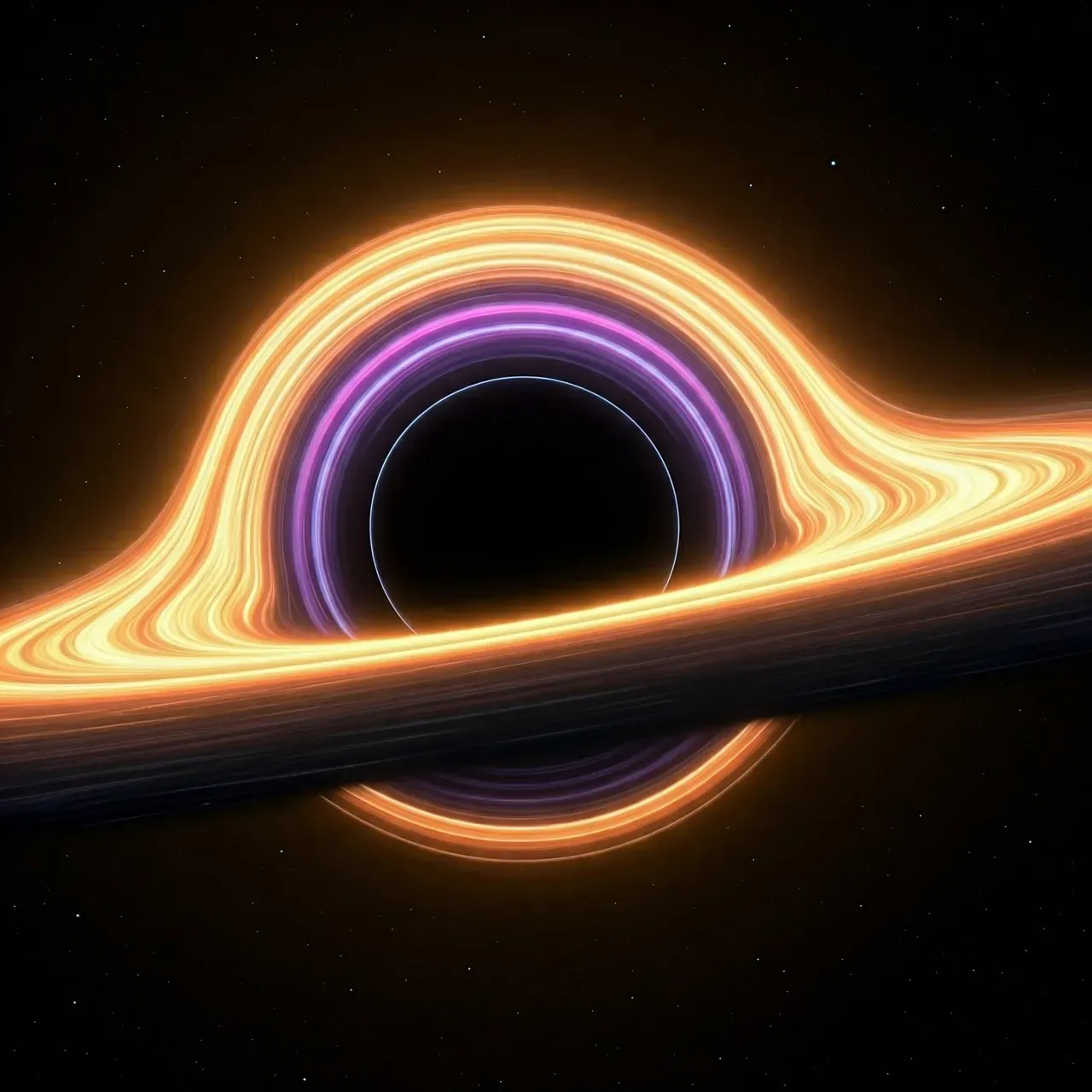
Inside a black hole, the exclusion principle still applies, preventing matter from collapsing to a point, instead slowing the collapse, halting it at high density, and causing a bounce, avoiding the singularity altogether. This is where quantum mechanics saves the day. Remember all those thorny problems with infinities and singularities? They might simply vanish if matter can’t compress indefinitely.
Calculations suggest the Big Bang was not the start of everything, but rather the outcome of a gravitational crunch or collapse that formed a very massive black hole followed by a bounce inside it.
Picture a basketball being squeezed. At some point, the internal structure resists further compression and pushes back. Something similar could have happened at the moment we call the Big Bang. Instead of everything emerging from an impossible point of infinite density, the universe bounced back from an incredibly dense state, sending matter and energy rushing outward. That expansion is what we’re still observing today.
We Might Be Living Inside a Parent Universe’s Black Hole
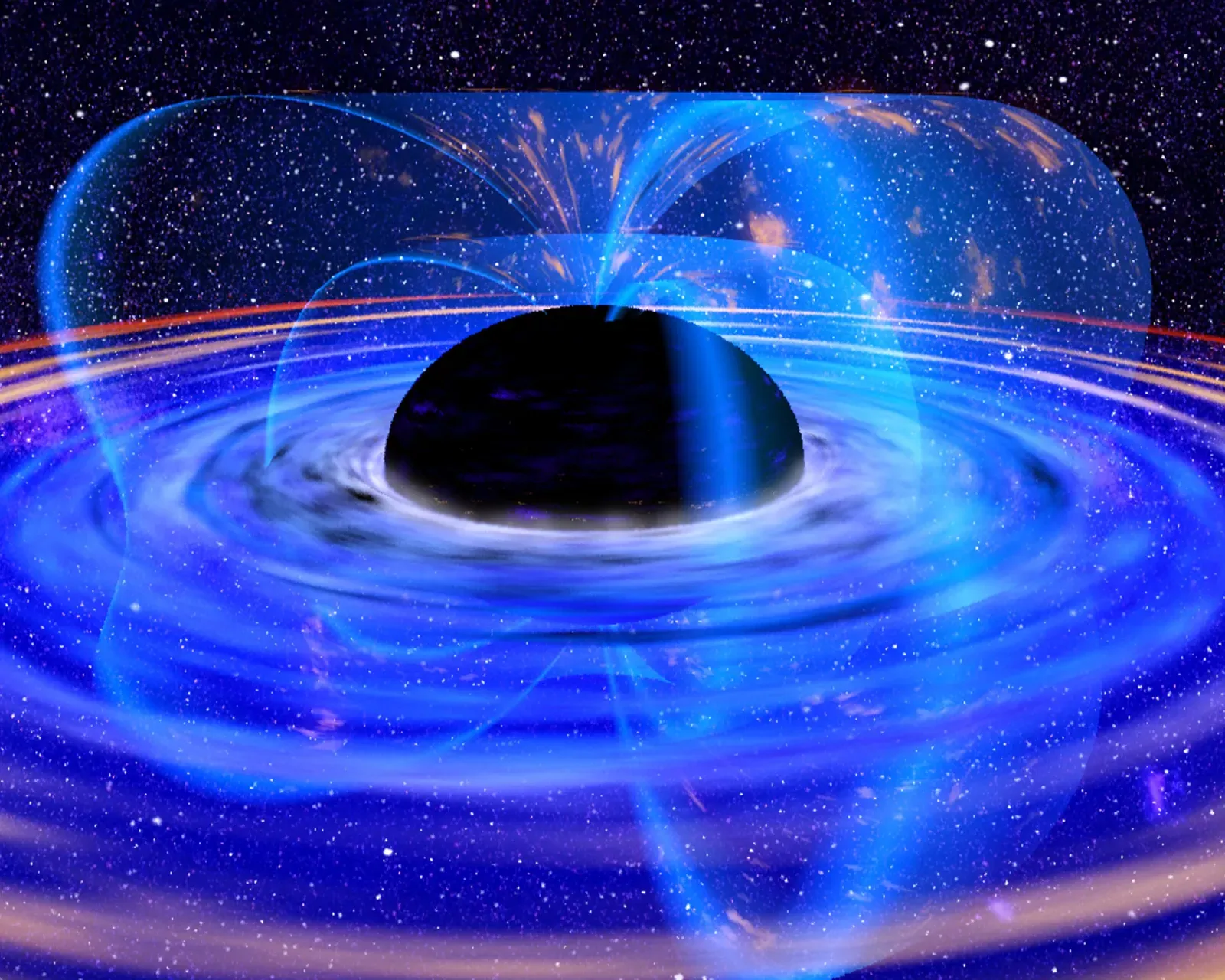
In this framework, the entire observable universe lies inside the interior of a black hole formed in some larger parent universe. Let that sink in for a moment. Everything you see, every star in the night sky, every distant galaxy captured by our most powerful telescopes, could be contained within the event horizon of a black hole in a cosmos vastly larger than our own.
If the Universe began inside a black hole, that would mean we could still be inside one, which is itself inside a larger, wider universe, and it could even be that some of the black holes we see around us each have their own mini-cosmos, complete with their own mini-black holes. It’s universes all the way down, or up, depending on your perspective. The hierarchy could be endless. Each black hole could spawn a new universe, and within that universe, new black holes form, spawning yet more universes. The sheer scale is almost impossible to wrap your head around.
Testing the Black Hole Universe Theory
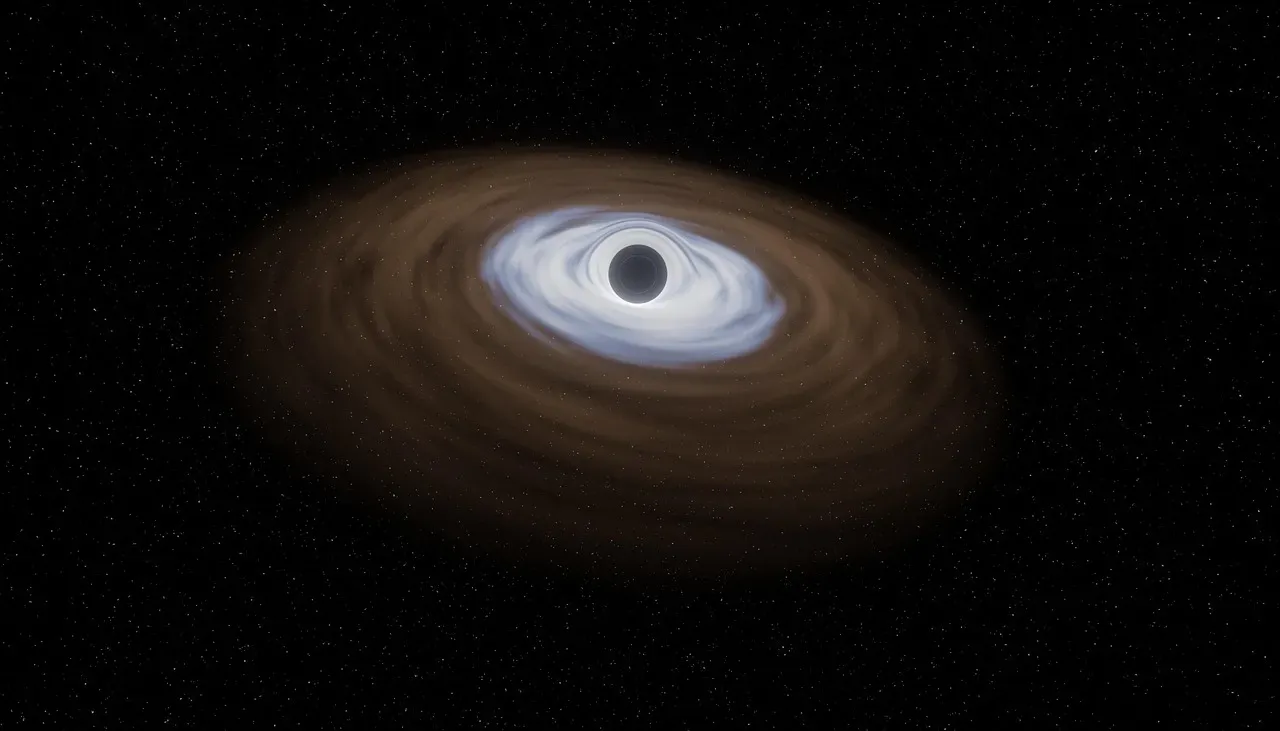
The theory makes several predictions about what our Universe should look like, which astronomers can use to test the theory, for example, it predicts the Universe is slightly curved, positively curved like a sphere, not exactly flat. This is crucial. A scientific theory isn’t worth much unless it makes testable predictions. Fortunately, this one does.
Early results from the James Webb Space Telescope have found surprisingly old galaxies close to the origin of the universe, and these findings may be hard to reconcile with the standard Big Bang timeline, but they could make sense if early relics like supermassive black holes helped galaxies form faster.
Upcoming missions and more refined observations will continue to scrutinize these predictions. Scientists are looking for specific signatures in the cosmic microwave background radiation, subtle patterns in how galaxies cluster, and other telltale signs that could confirm or refute this bold hypothesis. The tools are now available to actually test what was once pure speculation.
The Philosophical Implications Are Staggering
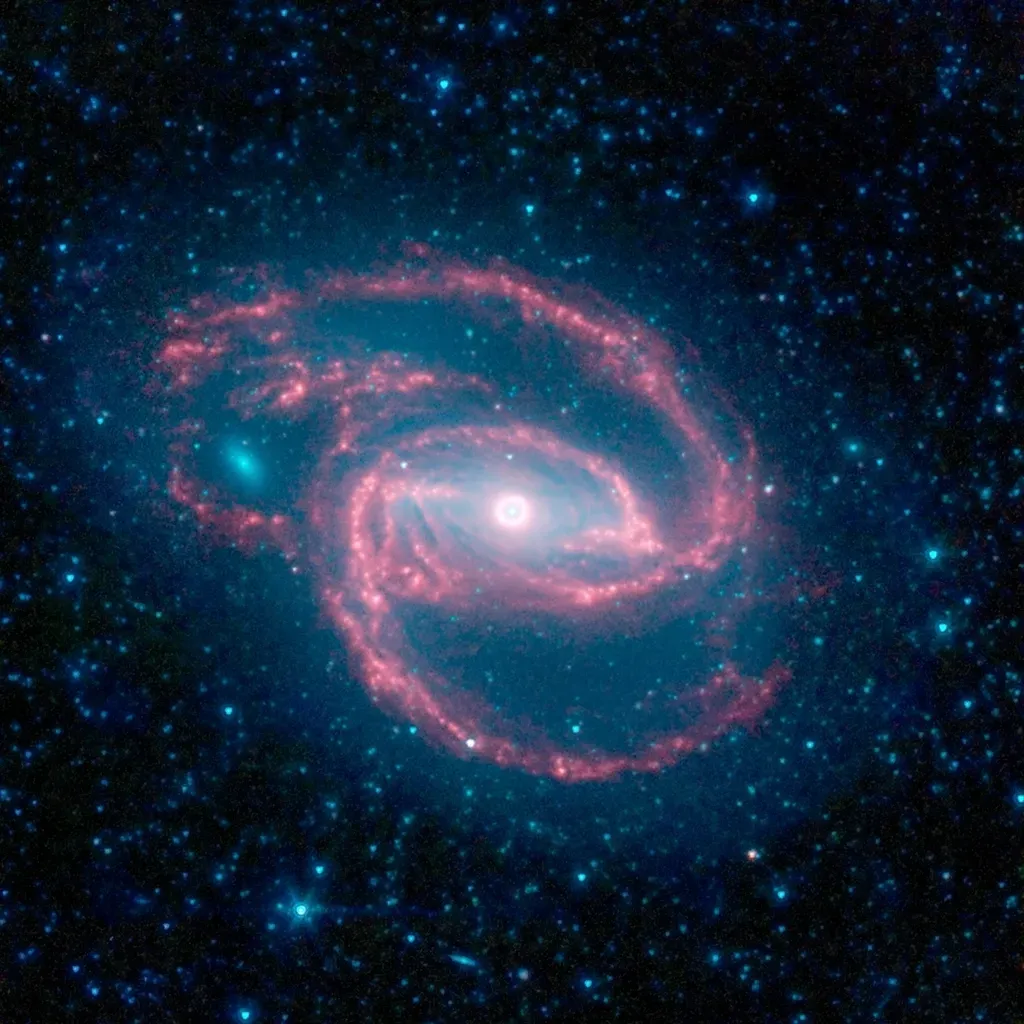
We are not special, no more than Earth was in the geocentric worldview that led Galileo to be placed under house arrest, and we are not witnessing the birth of everything from nothing, but rather the continuation of a cosmic cycle, one shaped by gravity, quantum mechanics, and the deep interconnections between them. It’s humbling, really. Just as Copernicus displaced Earth from the center of the solar system, this theory would displace our entire universe from being the only one.
Yet there’s also something oddly comforting about it. Instead of emerging from an inexplicable singularity, a moment when the laws of physics simply give up, we’d be part of an ongoing process. It does not seem likely that we live inside a rotating universe, let alone a black hole, and we can’t rule it out completely, but so far there is no compelling evidence. Still, the lack of definitive evidence doesn’t mean it’s wrong. Science is filled with theories that took decades to confirm. The absence of proof isn’t the same as proof of absence.
Conclusion: A New Chapter in Cosmic Understanding
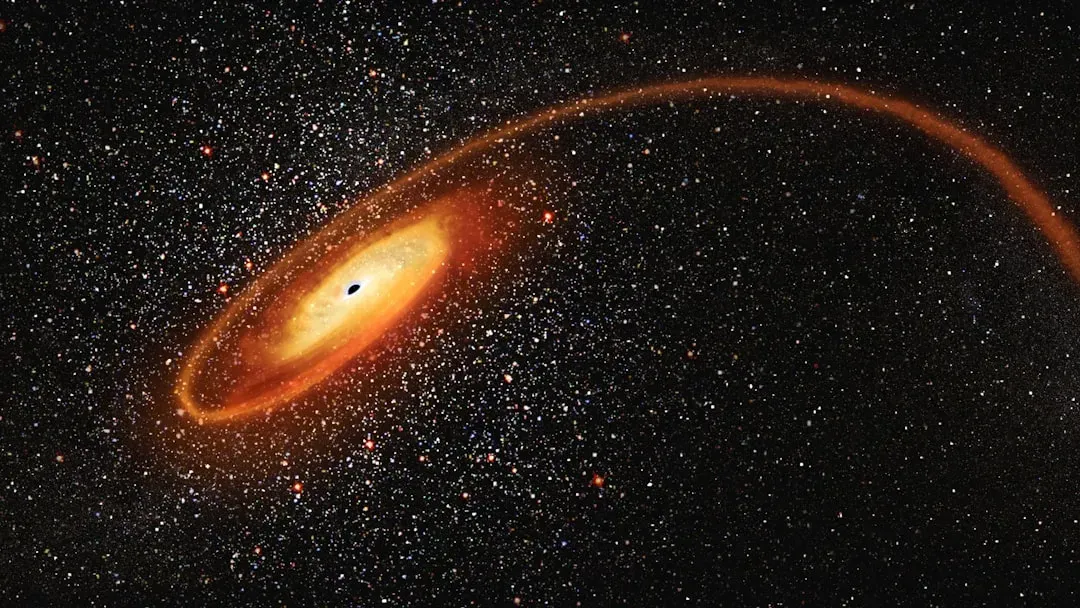
The idea that human existence, along with everything else in our universe, may have begun inside a black hole forces you to reconsider everything. It’s not just about rewriting textbooks or updating cosmological models. It’s about fundamentally reimagining your relationship to the cosmos itself. A team of scientists is proposing a bold alternative to the Big Bang theory, suggesting that our universe may have instead formed inside a colossal black hole, with researchers noting that challenging long-held assumptions is essential to scientific progress.
Whether this theory ultimately proves correct or not, the journey to find out will undoubtedly teach us more about the nature of reality than we ever thought possible. The universe has surprised us before, from the discovery that it’s expanding to the realization that most of its mass is invisible. Perhaps the next great surprise is that we’ve been living inside a black hole all along. What do you think about it? Does this change how you see your place in the cosmos?
Hi, I’m Andrew, and I come from India. Experienced content specialist with a passion for writing. My forte includes health and wellness, Travel, Animals, and Nature. A nature nomad, I am obsessed with mountains and love high-altitude trekking. I have been on several Himalayan treks in India including the Everest Base Camp in Nepal, a profound experience.