
What if the most profound discovery of human existence is not waiting for you at the edge of some distant galaxy – but right here, on the ground beneath your feet? The possibility that alien life is already sharing this planet with us is not, as you might expect, a punchline from a conspiracy theorist’s blog. It is, increasingly, a question being asked by serious scientists, astrologers, Harvard academics, and NASA-affiliated researchers.
The idea stretches well beyond little green men or flying saucers. It reaches into chemistry, dark matter physics, folklore, underground biology, and the very definition of what life actually is. You might be surprised by just how little we can confidently say on the matter. Let’s dive in.
You Think You Know What Life Looks Like – You Probably Don’t
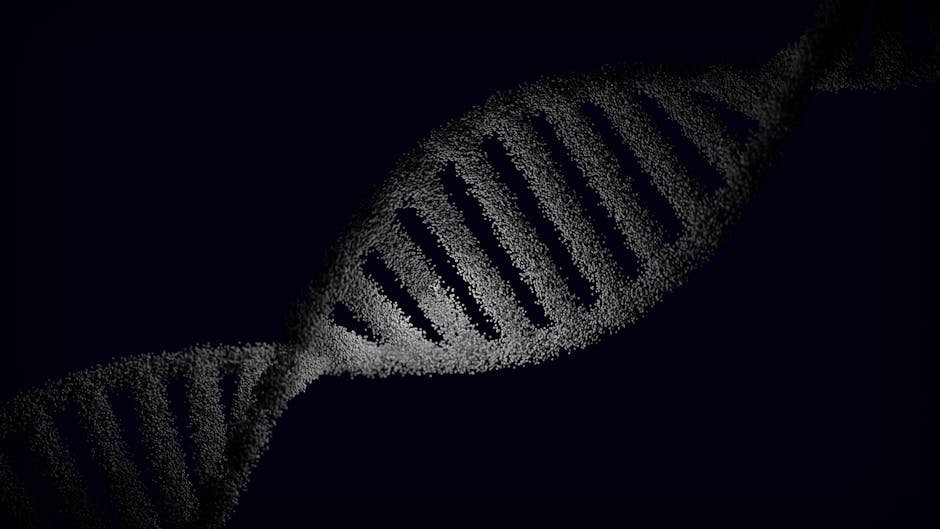
Here is the thing that should stop you in your tracks: every single living organism you have ever seen, touched, or learned about in school shares the exact same molecular blueprint. Every kind of living organism known today uses carbon compounds for basic structural and metabolic functions, water as a solvent, and DNA or RNA to define and control their form. That’s the only version of life you’ve ever had access to. It’s a sample size of one.
The lack of definition is a huge problem when it comes to searching for life in space. Not being able to define life other than “we’ll know it when we see it” means we are truly limiting ourselves to geocentric, possibly even anthropocentric, ideas of what life looks like. Think about that for a moment. If you had only ever tasted one flavor of ice cream your entire life, how confident would you be in saying it’s the only flavor that exists?
The Shadow Biosphere: Invisible Neighbors Right Under Your Nose
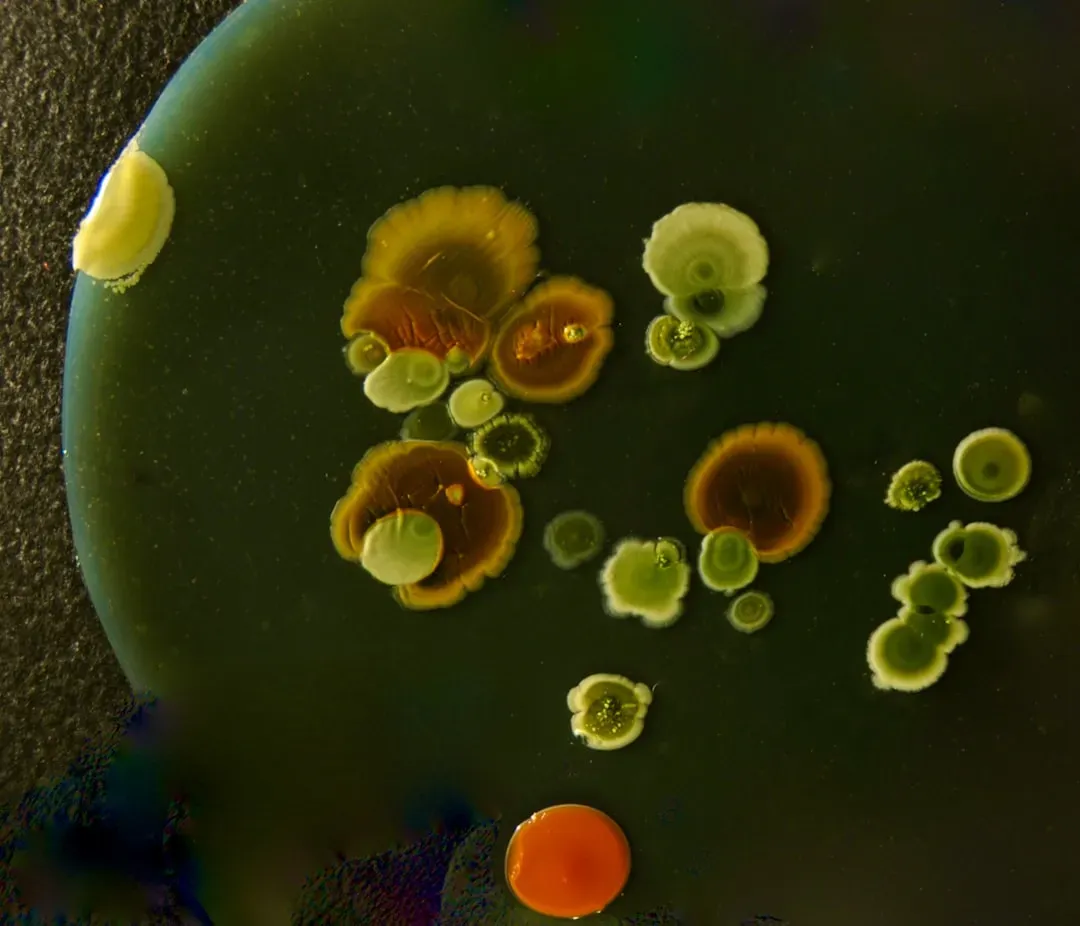
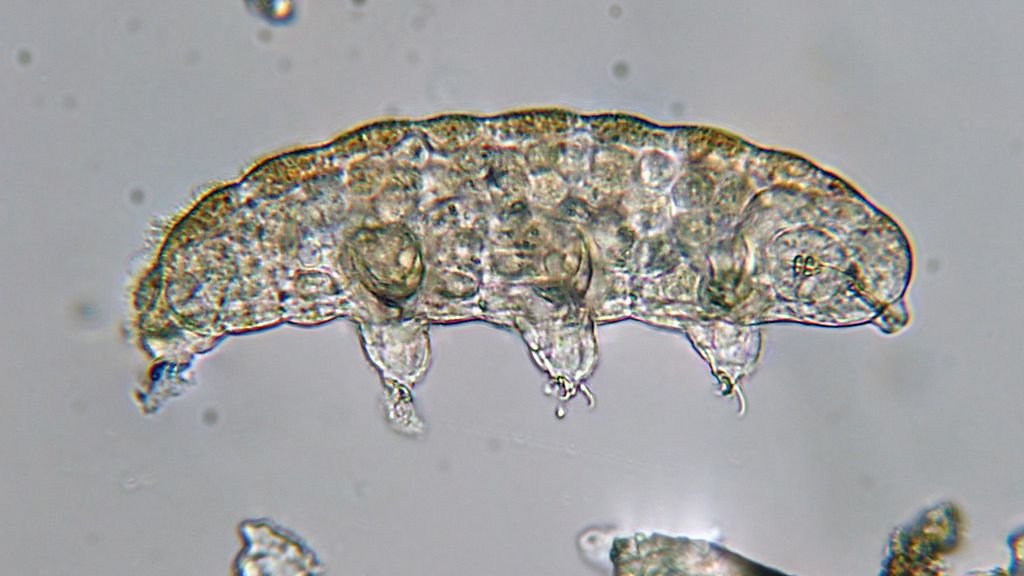
You may have never heard of the “shadow biosphere,” but the concept is one of the most quietly radical ideas in modern science. If invisible aliens do exist among us, some scientists believe they most likely live in a microscopic shadow biosphere – not a ghost realm, but undiscovered creatures probably with a different biochemistry. In other words, they could be everywhere, completely invisible to every instrument we currently possess.
The shadow biosphere concept involves forms of “weird life whose biochemistry is so nonstandard that it would not be detected by life-detection tools targeted at standard terran biochemistry.” It is genuinely unsettling to consider that our laboratories, our microscopes, and our entire scientific infrastructure might be designed in a way that makes us systematically blind to a whole other class of life. NASA itself has asked the question: is it possible that life exists elsewhere based on elements other than carbon and a system different from DNA, and could such life even exist here on Earth, but remain as yet undetected?
Silicon, Plasma, and Chemistry You Never Studied in School

Silicon-based life is one of the most discussed possibilities among scientists. Silicon can form chains and structures similar to carbon, though less flexible. In high-temperature environments or exotic planetary conditions, silicon chemistry might support stable, self-organizing systems. Imagine a life form built not from the soft, water-loving molecules that make up your body, but from something more like living rock.
Other researchers have explored plasma-based life, where charged particles form stable patterns in energetic environments such as stars or gas clouds. Some have even proposed life built on entirely different molecular frameworks, unknown to Earth biology. While none of these forms have been observed, science does not rule them out. Honestly, the universe is old enough and large enough that betting against these possibilities feels a lot like someone in the 1800s betting against powered flight. Self-sustaining chemical reactions that could support biology radically different from life as we know it might exist on many different planets.
Harvard’s Cryptoterrestrial Hypothesis: Are They Already Here?
In 2024, a paper published by researchers connected to Harvard University sent shockwaves across the scientific community and popular media alike. Harvard researchers Tim Lomas, Brendan Case, and Montana Technological University professor Michael Masters put forward a “cryptoterrestrial hypothesis” for UFOs, theorizing that there is a “concealed earthly explanation” for the sightings. The word “cryptoterrestrial” comes from the Greek “kryptós,” meaning hidden, and the Latin “terrestris,” meaning of the earth.
The paper offers an alternate “unconventional” explanation for UAP sightings, suggesting the possibility that UAP may involve forms of non-human intelligence that are already present in Earth’s environment, existing “alongside us in distinct stealth.” The researchers themselves are careful to note this is speculative, but the four scenarios they outline are still fascinating. One theory posits that an advanced ancient human civilization might have survived catastrophic events, such as floods, and continues to exist secretly. Another suggests that a non-human society, evolving from intelligent dinosaurs or ape-like hominids, could dwell underground. Wild? Sure. Impossible? Nobody can say with confidence that it is.
The Zoo Hypothesis: Are You the Exhibit?

Let’s be real – this next idea might be the most psychologically uncomfortable one of them all. The zoo hypothesis speculates on the assumed behavior and existence of technologically advanced extraterrestrial life and the reasons they refrain from contacting Earth. It is one of many theoretical explanations for the Fermi paradox. The hypothesis states that extraterrestrial life intentionally avoids communication with Earth to allow for natural evolution and sociocultural development, avoiding interplanetary contamination, similar to people observing animals at a zoo.
The zoo hypothesis assumes a civilization may have a ten-million, one-hundred-million, or half-billion-year head start on humanity, meaning it may have the capability to completely negate our best attempts to detect it. That is a staggering thought. A civilization that old would look at our most advanced technology the way you look at an ant colony. Proponents of the hypothesis argue that advanced civilizations could deliberately conceal themselves, either due to ethical considerations or as part of a strategy to observe humanity without interference – a concept known in speculative science as the “zoo hypothesis,” positing that Earth is effectively a cosmic wildlife preserve.
What Science Is Actually Doing About It – and What You Should Know
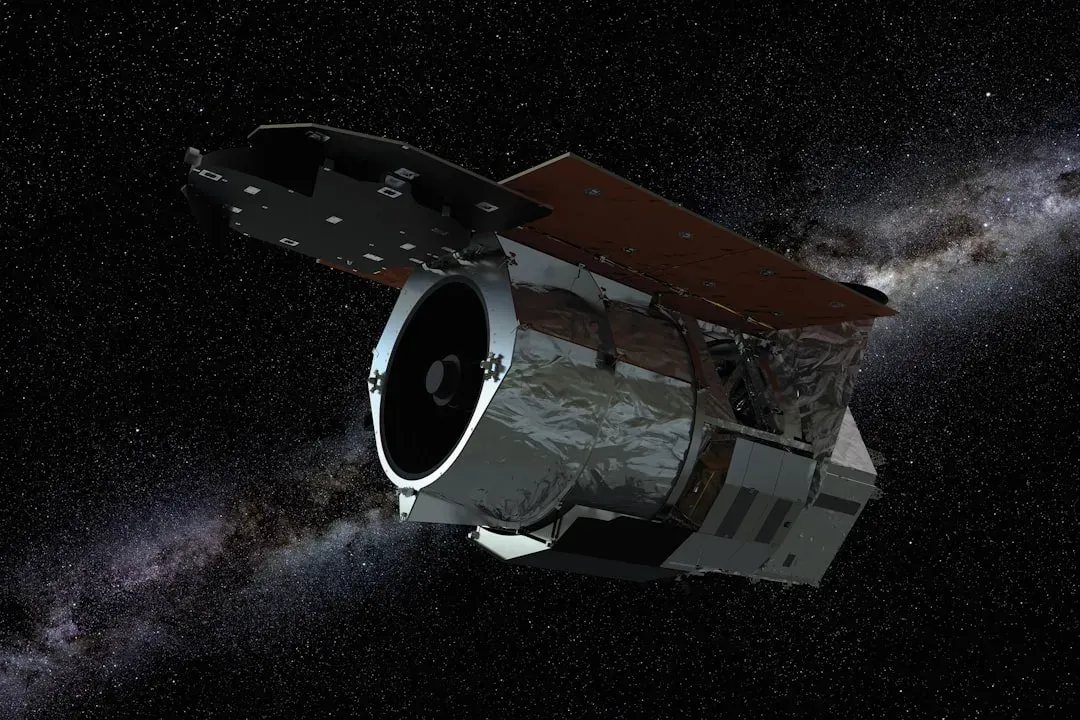
You might be wondering at this point whether any of this is being taken seriously by mainstream science. The answer, increasingly, is yes. The scientific search for extraterrestrial life is being carried out both directly and indirectly. From space telescopes scanning exoplanet atmospheres to probes digging into Martian soil, the hunt is real and well-funded.
Scientists continue to search using advanced telescopes, probes, and laboratory experiments. As detection methods improve, researchers hope to identify unusual biosignatures that do not rely on carbon chemistry. Considering non-carbon life expands the search for life beyond Earth, challenging assumptions and encouraging scientists to look for unfamiliar signs rather than only Earth-like biology. The honest truth is that we may have already missed signs of life because we weren’t looking for the right thing. Scientists have stated that no discovery we could make in our exploration of the solar system would have greater impact on our view of our position in the cosmos than the discovery of an alien life form. At the same time, it is clear that nothing would be more tragic in the exploration of space than to encounter alien life without recognizing it.
Conclusion: The Most Important Question Is the One We Haven’t Figured Out How to Ask
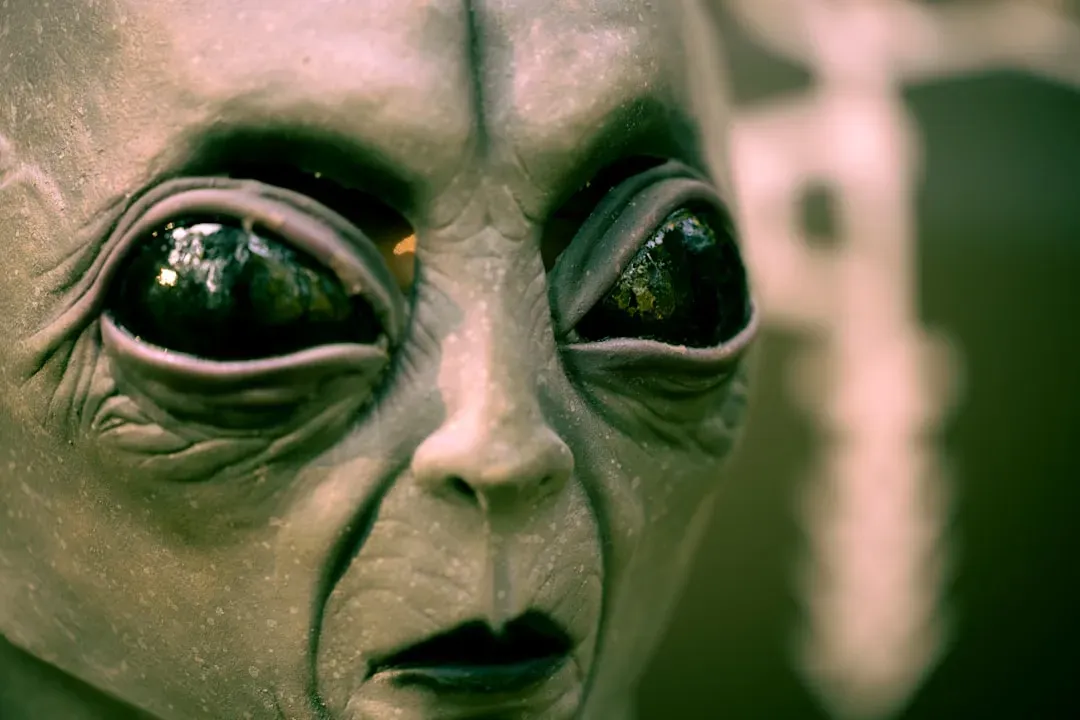
What this all leads to is a humbling realization. The universe is incomprehensibly vast, ancient, and chemically rich. According to scientists such as Carl Sagan and Stephen Hawking, it would be improbable for life not to exist somewhere else other than Earth. The real problem is not whether life exists elsewhere – it is whether we have the tools, and the imagination, to recognize it when it is standing right next to us.
You have been scanning the skies for signals, building rovers for Mars, and cataloguing distant exoplanets. Those are magnificent efforts. Some astrobiologists argue that we really won’t know what life is until we find an alternative to the basic structure found on Earth – the same DNA, metabolism, and carbon-based blueprint shared by all known life. In other words, extraterrestrial life could tell us what life really is. Perhaps the greatest discovery won’t come from a telescope pointed at a distant star, but from a microscope turned toward something right here on Earth that we’ve been dismissing as background noise for centuries.
The universe may not be a silent, empty place. It may simply be speaking a language you haven’t learned to hear yet. What would you do if we found out they were here all along?