Nestled beneath the gentle waves of the ocean lies a fascinating world of tiny architects and farmers. Among these unsung heroes of the sea are algae-farming snails, creatures that have mastered the art of cultivating their own food. Unlike their land-dwelling counterparts that munch on leaves and vegetation, these snails have developed a unique symbiotic relationship with algae, turning the ocean floor into their personal garden. These sea creatures have evolved remarkable strategies to support their survival, making them a captivating subject for nature lovers and science enthusiasts alike.
The Unique Relationship Between Snails and Algae
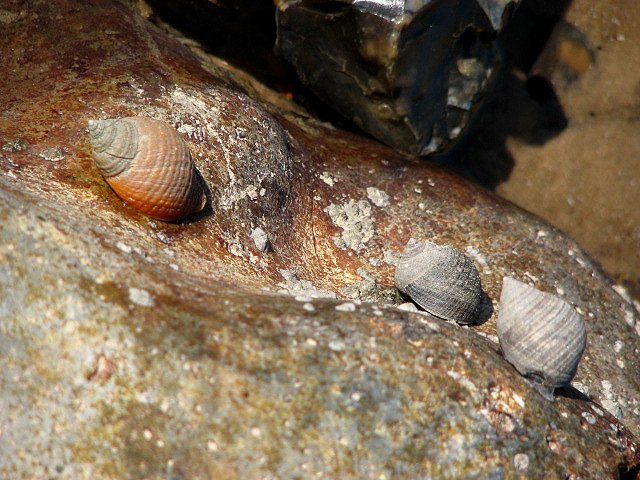
Algae-farming snails are a testament to the wonders of evolution and adaptation. These snails have developed a mutually beneficial relationship with algae, which allows them to thrive in various marine environments. The snails provide a suitable surface for the algae to grow, while the algae offer a consistent food source for the snails. This relationship is not only fascinating but also demonstrates the intricate balance of marine ecosystems. By cultivating algae, these snails ensure a steady supply of nutrition, which is essential for their survival in the competitive ocean world.
How Algae-Farming Snails Cultivate Their Crops
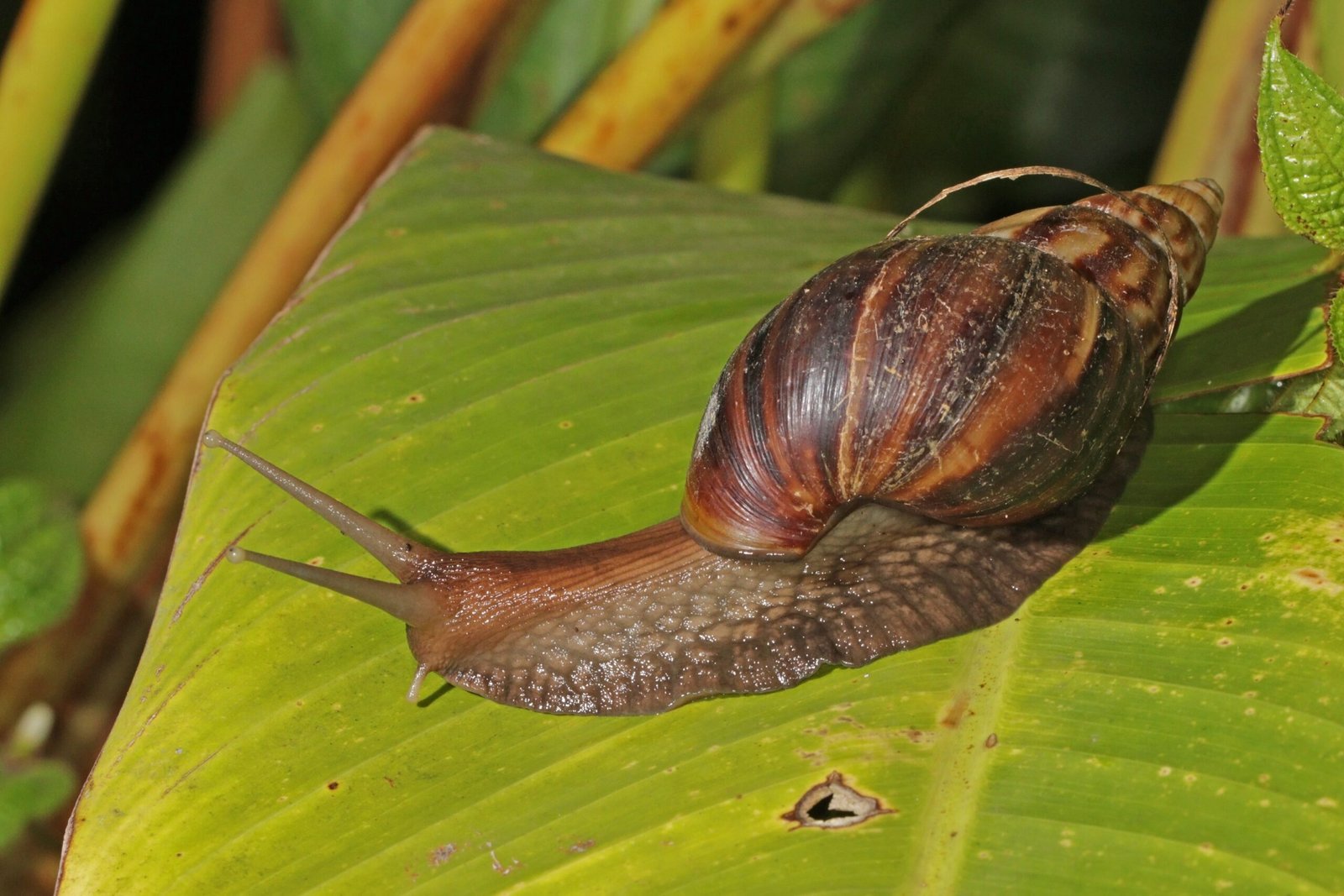
The process of algae cultivation by snails is both intriguing and complex. These snails possess specialized structures on their shells that create the perfect environment for algae to thrive. The surface of the shell is often rough, providing tiny crevices where algae can anchor themselves. As the snails move across the ocean floor, they inadvertently spread algae spores, much like a farmer sowing seeds across a field. This ensures that the algae have ample opportunity to grow and multiply, providing a sustainable food source for the snails.
Symbiosis: A Win-Win for Snails and Algae
The relationship between algae-farming snails and their crops is a classic example of symbiosis, where both parties benefit from their association. For the snails, the algae offer a reliable source of nourishment, which is particularly important in nutrient-poor environments. In return, the algae enjoy a stable habitat and access to sunlight, thanks to the snails’ mobility. This symbiotic relationship highlights the importance of cooperation in the natural world, where different species work together to enhance their chances of survival.
The Role of Algae-Farming Snails in Marine Ecosystems
Algae-farming snails play a vital role in maintaining the health and balance of marine ecosystems. By cultivating algae, these snails contribute to the primary productivity of their environment, providing food for other marine creatures. The presence of algae on the snails’ shells also contributes to the overall biodiversity of the ecosystem, supporting a wide range of organisms. Furthermore, these snails help prevent the overgrowth of algae, which can lead to harmful algal blooms that disrupt marine habitats.
Adaptations for Algae Farming
Over time, algae-farming snails have developed a range of adaptations that enable them to effectively cultivate their crops. Their shells have evolved to provide an ideal surface for algae attachment, with intricate patterns and textures that enhance algae growth. Additionally, the snails’ behavior has adapted to promote algae cultivation, such as their tendency to remain in well-lit areas where algae can photosynthesize. These adaptations illustrate the remarkable ability of organisms to evolve in response to their environment, showcasing the creativity of nature’s solutions.
Challenges Faced by Algae-Farming Snails
Despite their ingenious farming techniques, algae-farming snails face numerous challenges in their quest for survival. Predators, changing environmental conditions, and human activities all pose threats to these unique creatures. Overfishing, pollution, and habitat destruction can disrupt the delicate balance of marine ecosystems, making it difficult for algae-farming snails to thrive. These challenges highlight the need for conservation efforts to protect these important members of the ocean community.
Human Impact on Algae-Farming Snails
Human activities have a significant impact on the health and survival of algae-farming snails. Pollution from industrial and agricultural sources can harm the delicate balance of marine ecosystems, affecting the growth of algae and the snails that depend on them. Additionally, climate change and rising ocean temperatures can alter the composition of marine habitats, posing further challenges to these creatures. Understanding and mitigating the impact of human activities is crucial for preserving the biodiversity of our oceans.
The Importance of Conserving Marine Biodiversity

The story of algae-farming snails underscores the importance of conserving marine biodiversity. These snails are just one example of the many unique and interconnected species that inhabit our oceans. Protecting the habitats and ecosystems that support these creatures is essential for maintaining the health of our planet. By fostering a greater appreciation for the intricate relationships within marine environments, we can work towards a more sustainable future for all living beings.
Lessons from Algae-Farming Snails
Algae-farming snails offer valuable lessons about the resilience and adaptability of life on Earth. Their ability to cultivate their own food and maintain symbiotic relationships with other species is a testament to the ingenuity of nature. These snails remind us of the delicate balance that exists within ecosystems and the importance of preserving this balance for future generations. By studying these fascinating creatures, we can gain insights into the complex web of life that sustains our planet.
Call to Action: Protecting Our Oceans
As we learn more about the incredible algae-farming snails and their role in marine ecosystems, it becomes clear that we all have a responsibility to protect our oceans. Supporting conservation efforts, reducing pollution, and promoting sustainable practices are crucial steps in ensuring the survival of these remarkable creatures. By taking action today, we can safeguard the future of our oceans and the diverse life forms that call them home. Let the story of the algae-farming snails inspire you to become a steward of the sea, preserving its wonders for generations to come.