
Deep within the frozen heart of Alaska lies one of the most remarkable scientific discoveries of our time. Beneath layers of ice that have remained untouched for millennia, scientists have awakened microscopic life forms that have been sleeping since the last Ice Age. These , some dating back over 40,000 years, are now stirring to life as our planet warms.
Researchers incubated permafrost samples from Alaska at different temperatures and found that microbes from the last ice age can reactivate and resume breaking down carbon. In a new study, a team of geologists and biologists led by CU Boulder resurrected that had been trapped in ice – in some cases for around 40,000 years. This discovery has sent shockwaves through the scientific community, raising questions about climate change, ancient life, and what other secrets remain locked in our planet’s frozen archives.
The Secret Underground Laboratory Where Ancient Life Awakens
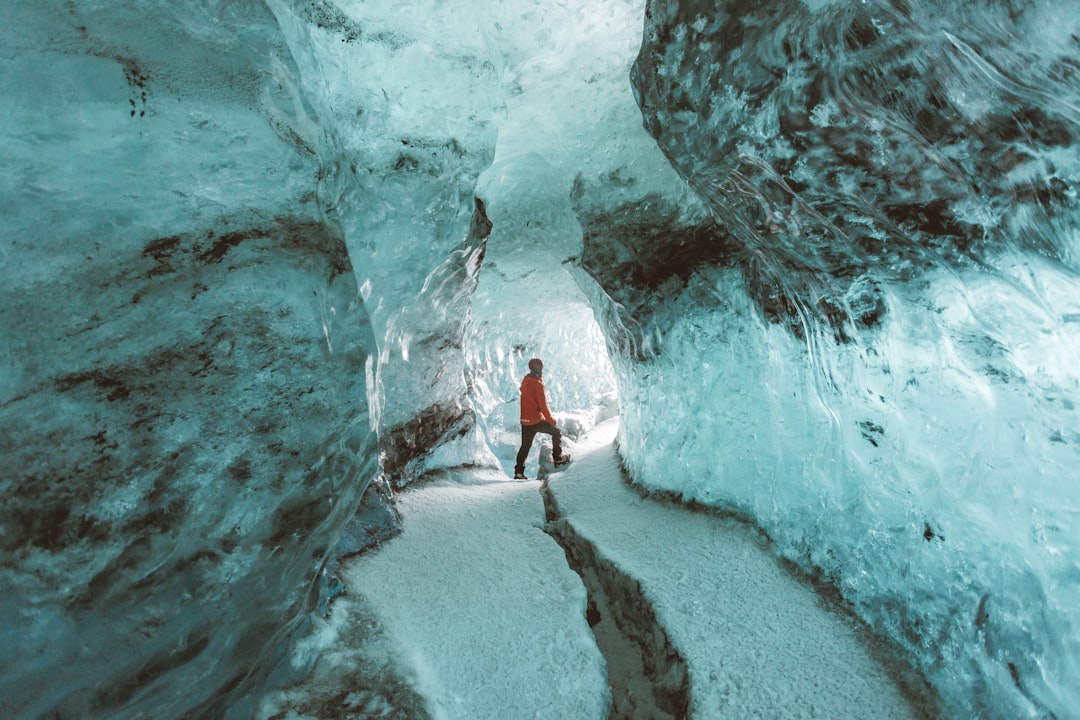
This unusual research facility extends approximately 360 feet into the frozen ground beneath central Alaska. When Caro entered the tunnel, which is about as wide as a mine shaft, he could see the bones of ancient bison and mammoth sticking out from the walls. The U.S. Army Corps of Engineers’ Permafrost Research Tunnel near Fairbanks has become ground zero for one of the most extraordinary scientific investigations in modern history.
The first thing you notice when you walk in there is that it smells really bad. It smells like a musty basement that’s been left to sit for way too long, said Caro, now a postdoctoral researcher at the California Institute of Technology. Yet this unpleasant odor signals something remarkable – the presence of ancient microbial life that has been preserved in nature’s deep freeze for tens of thousands of years.
Microbes That Slept Through Human Civilization
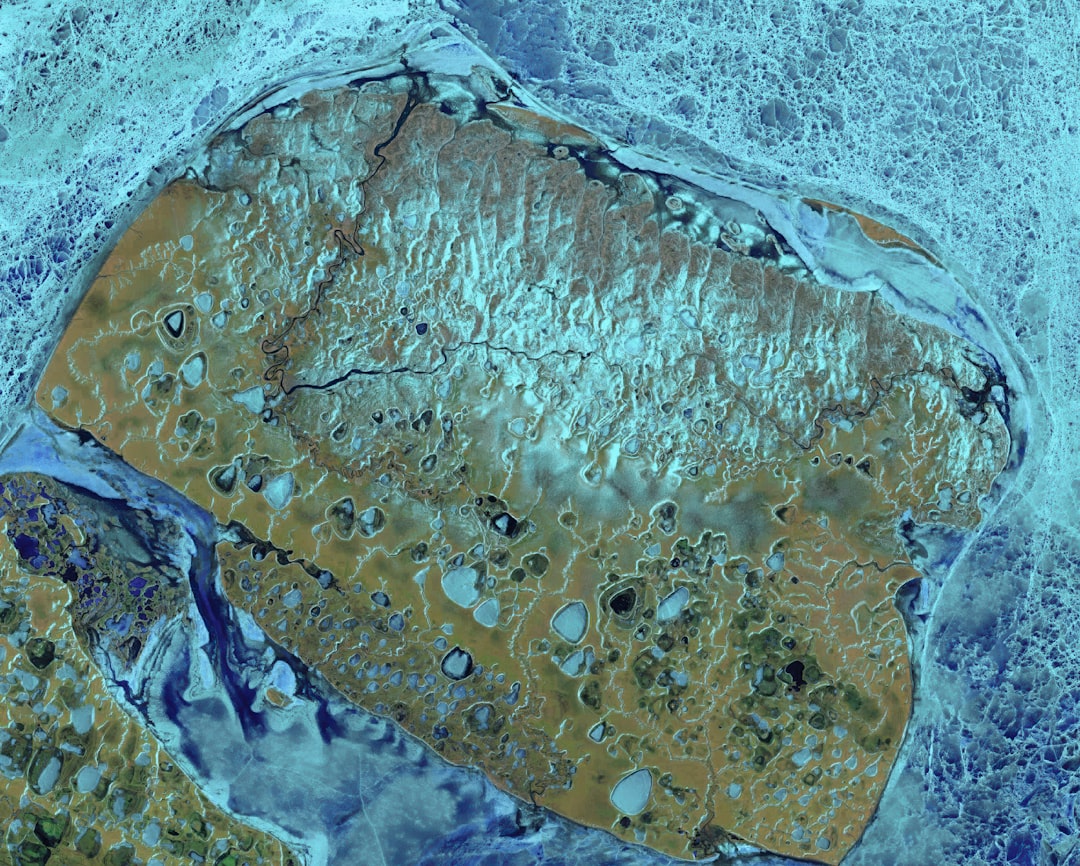
Using samples gathered from a permafrost tunnel north of Fairbanks, researchers have awakened microbes that were last active as far back as 40,000 years ago. Using samples gathered from a permafrost tunnel north of Fairbanks, researchers have awakened microbes that were last active as far back as 40,000 years ago. These microscopic time travelers existed when woolly mammoths roamed the Earth and early humans were just beginning to spread across continents.
Think about it – these tiny organisms have remained dormant through the entire span of recorded human history. These are not dead samples by any means, said Tristan Caro, lead author of the study and a former graduate student in geological sciences at CU Boulder. They’ve witnessed ice ages come and go, continents shift, and species evolve while remaining perfectly preserved in their icy tomb.
The Delicate Process of Resurrection
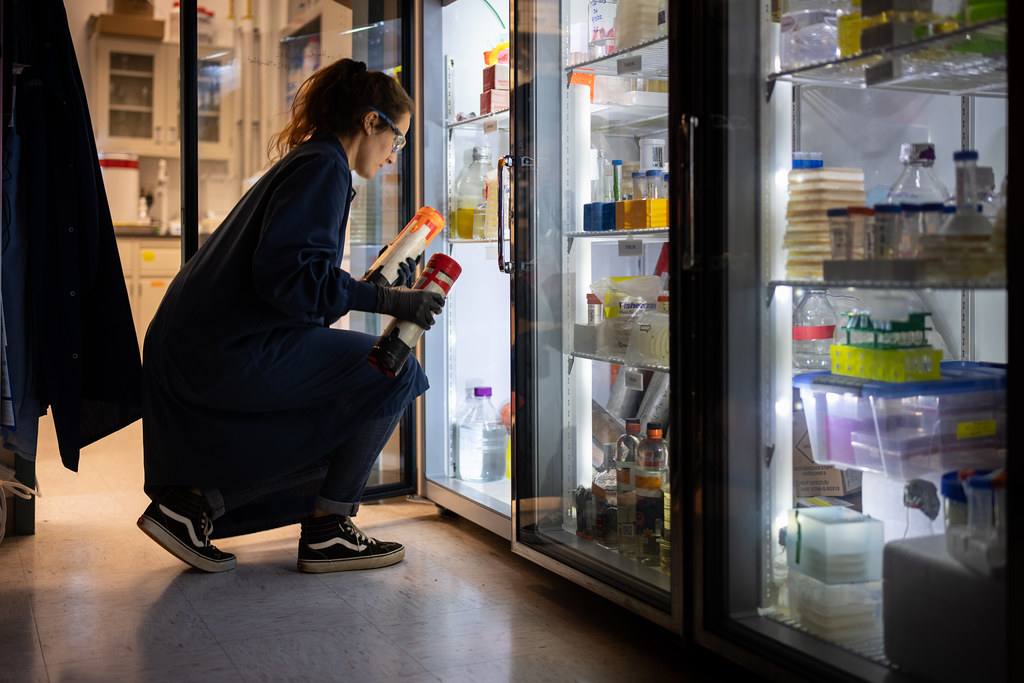
Microbes need two things. They need water, and they need a temperature that they can live at, and when permafrost thaws, it provides both of those. So the ice that’s locked up in permafrost becomes liquid water again, which rehydrates the sample. The revival process isn’t as simple as you might imagine from science fiction movies.
And so yeah, when we bring these cores back to the lab, we take a small chunk of it, put it in a sealed jar, and then slowly bring that jar up to a slightly above freezing temperature and let the microbes do the work of waking up after a 40,000-year nap. Scientists must carefully control every aspect of this awakening, treating these ancient samples with the respect they deserve.
Not Your Average Wake-Up Call
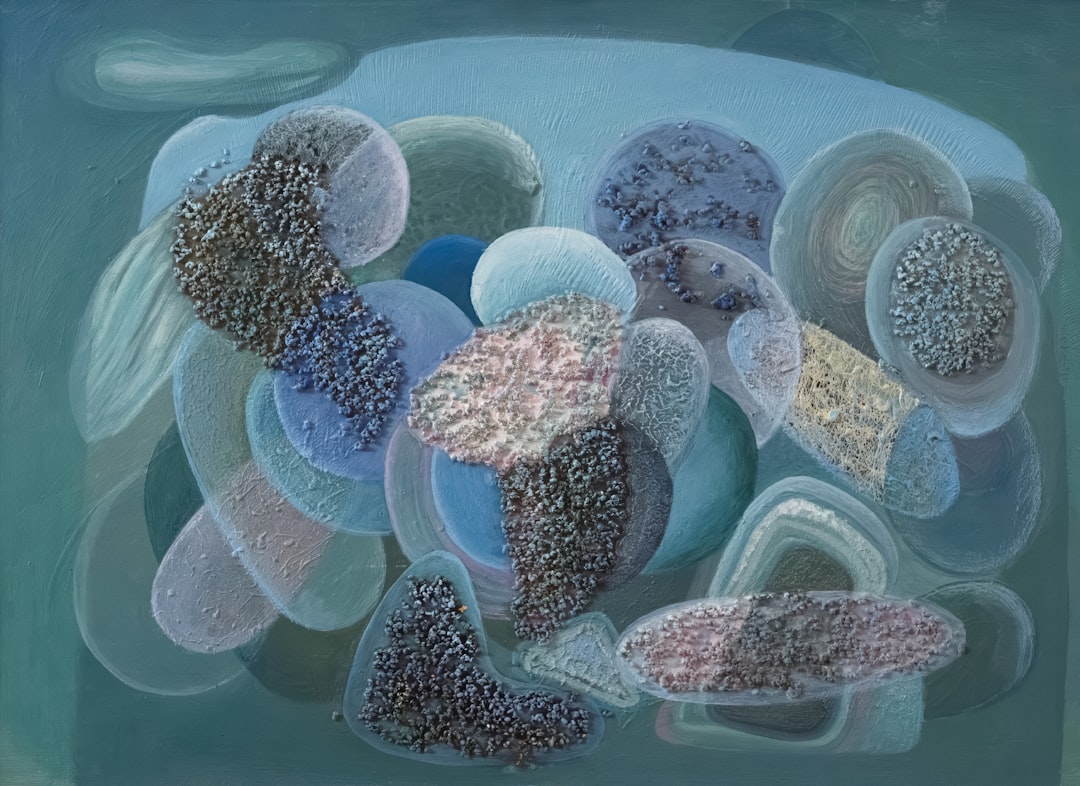
One month into the experiment, the team didn’t note much change, even in the two warmer samples. A handful of microbes had awakened from their long slumber, but only 0.001% to 0.01% of cells were replaced daily by new, active ones. These ancient organisms don’t just spring back to life like someone hitting the snooze button.
In the months that followed, however, everything changed. But by the six-month mark, that all changed. Some bacterial colonies even produced biofilms that you can see with the naked eye. The transformation from dormancy to active life takes months of patient waiting, but when it happens, the results are spectacular.
Alaska’s Glaciers Are Melting Faster Than Anywhere Else
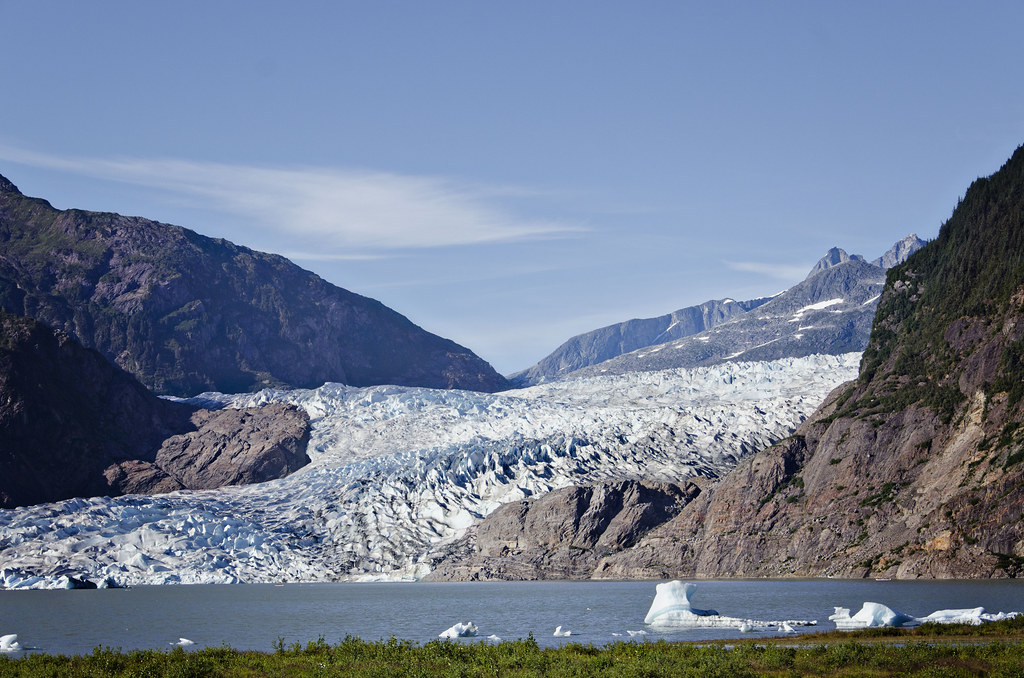
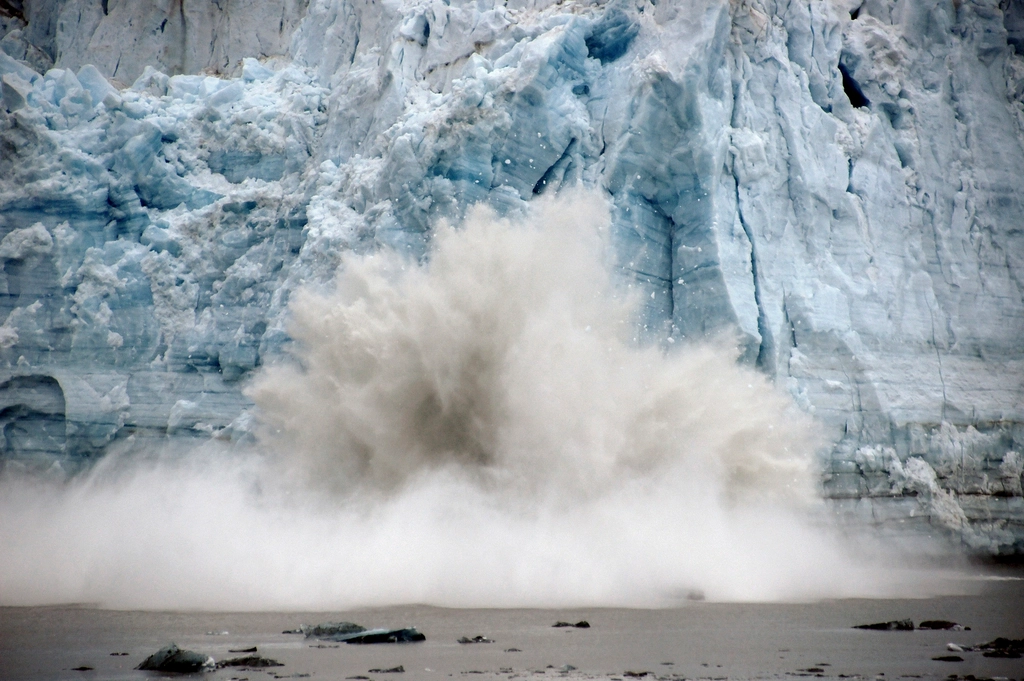
But Alaska takes the cake. The report says the state’s glaciers are among the fastest shrinking globally. All told, Alaska alone accounts for the largest chunk, or nearly a quarter, of global glacier loss. This rapid melting isn’t just a number on a chart – it’s unleashing ancient life forms that have been locked away for millennia.
During the last several decades, Alaska has warmed twice as fast as the rest of the United States. Alaska’s glaciers are in steep decline and are among the fastest melting glaciers on Earth. The state’s unique position makes it a natural laboratory for understanding how warming temperatures affect these frozen time capsules.
Climate Change’s Hidden Accelerator
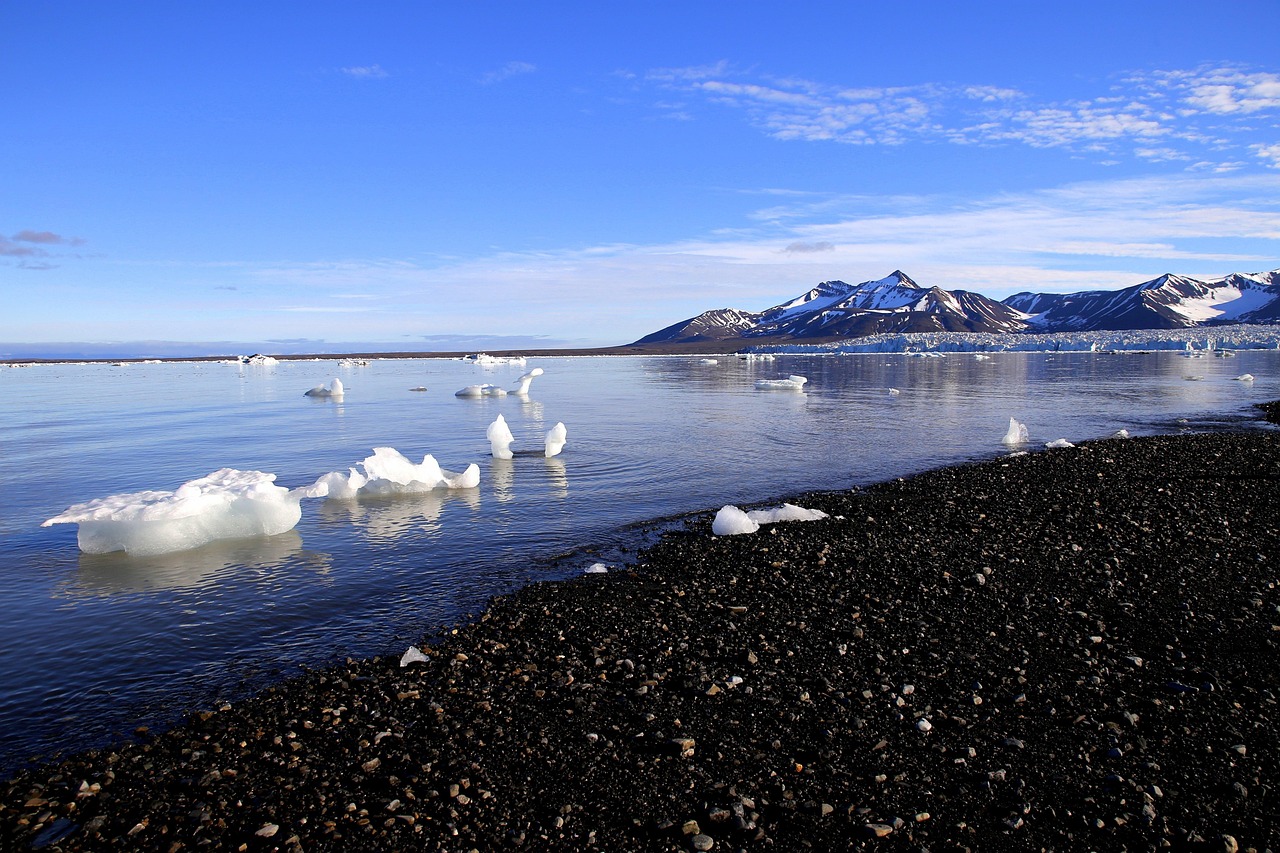
The results have implications for the Arctic and Earth’s climate more broadly, because microbes in the permafrost survive on organic matter, which they convert into carbon dioxide and methane. Global temperatures are rising faster in the Arctic than anywhere else in the world, thawing the permafrost at alarming rates and for increasing lengths of time. This discovery reveals a concerning feedback loop that scientists are only beginning to understand.
The Arctic warms, the permafrost thaws, permafrost contains CO2 and methane and will produce more CO2 and methane by the activity of microorganisms, which will cause the Arctic to continue to warm. And that’s really a concern, this kind of self-amplifying cycle, and we’re starting to see it occur. Each awakened microbe becomes a tiny factory producing greenhouse gases that further accelerate global warming.
Billions of Tons of Bacteria Being Released
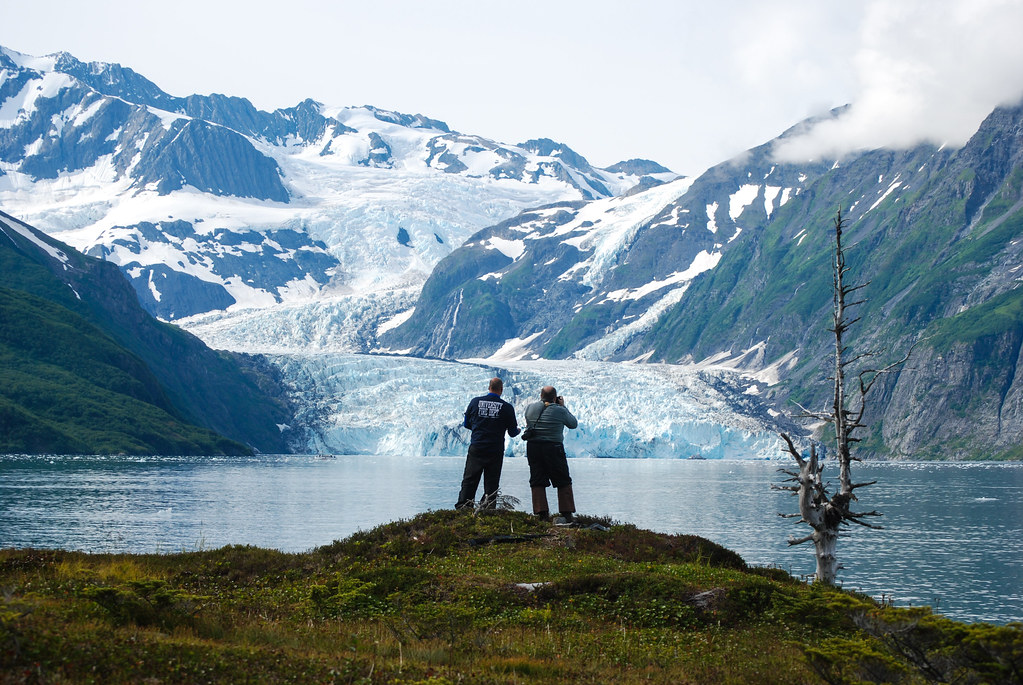
A team of researchers affiliated with multiple institutions across Europe, the U.K. and Canada has found that hundreds of thousands of tons of bacteria are currently being released annually into the environment by melting glaciers in the northern latitudes. They found tens of thousands of microbes in just millimeters of water and made estimates for the number of bacteria and algae that are currently being released from glaciers across the Northern Hemisphere – hundreds of thousands of metric tons each year.
Altogether, the biomass of microbial cells in and beneath the ice sheet may amount to more than 1,000 times that of all the humans on Earth. The scale of microbial life trapped in ice is almost incomprehensible, representing a massive repository of ancient organisms that climate change is now liberating.
Ancient Pathogens or Scientific Treasure?
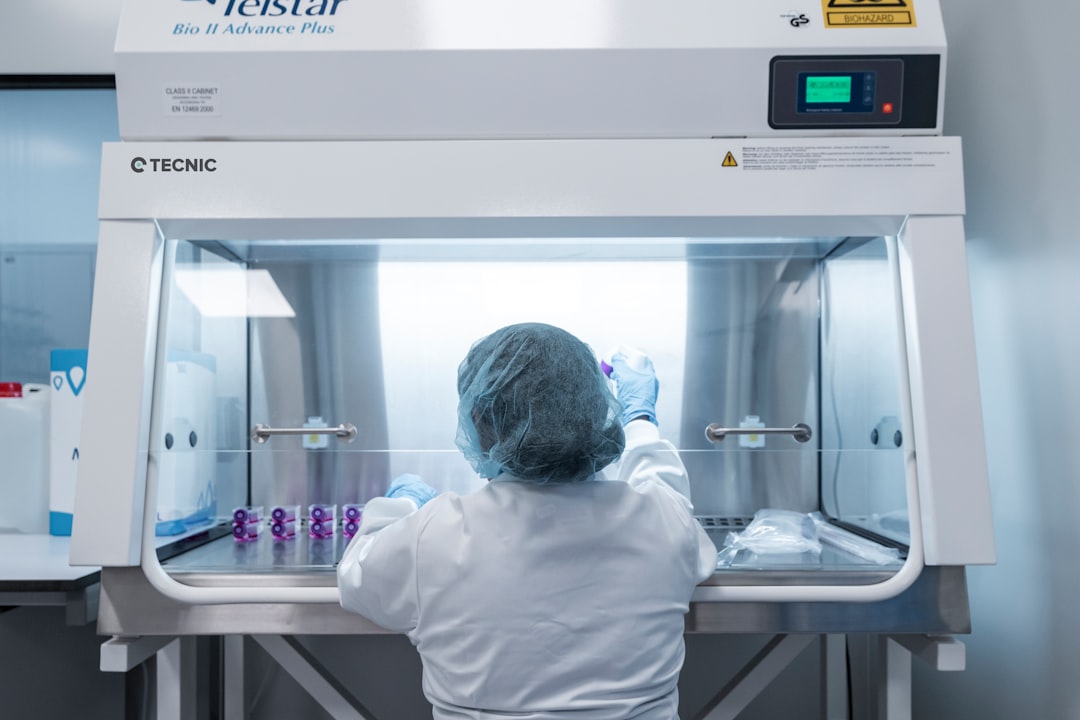
If that sounds like the opening scene in a sci-fi horror movie, don’t worry, say the researchers, who take precautions against unleashing anything dangerous. While the discovery might sound alarming, scientists are taking every precaution to ensure these don’t pose a threat to modern life.
The revived microbes are being studied in sealed containment facilities to prevent accidental exposure. According to the research team, none of the strains tested so far appear pathogenic to humans or animals. Still, the potential for discovering unknown pathogens keeps researchers vigilant and cautious in their investigations.
Frozen Museums of Earth’s History
The bugs in the ice are giving scientists an exciting opportunity to examine ancient genomes and learn about Earth’s past climates from the organisms living in previous times of warming and cooling. You kind of think of ice as a museum back in time, this window back into your past. These microbes serve as living time capsules, preserving genetic information from ancient Earth.
Internment in the ice amounts to an evolutionary strategy for microorganisms: preserving genetic blueprints by storing them in deep–freeze for a future re-entry, said John Priscu, a Montana State University professor and pioneer in the study of Antarctic microbiology. It’s a way of recycling genomes, he said. You put something on the surface of the ice and a million years later it comes back out.
The Global Scale of Permafrost
The Arctic, which spans 14 million square kilometres across eight countries, is covered by a layer of thick permafrost, a frozen mixture of soil, rocks, ice and organic material. This vast frozen landscape covers nearly a quarter of the Northern Hemisphere’s land surface, making it one of Earth’s largest ecosystems.
There’s so much permafrost in the world – in Alaska, Siberia and in other northern cold regions, Caro said. We’ve only sampled one tiny slice of that. The Fairbanks research represents just the beginning of our understanding of what lies beneath the world’s permafrost regions.
As permafrost thaws, its carbon is broken down and released into the atmosphere as carbon dioxide or methane. Those greenhouse gases warm the planet further, melting more permafrost in a potentially catastrophic cycle. This creates a concerning positive feedback loop that could accelerate climate change beyond current projections.
Conclusion: A Race Against Time
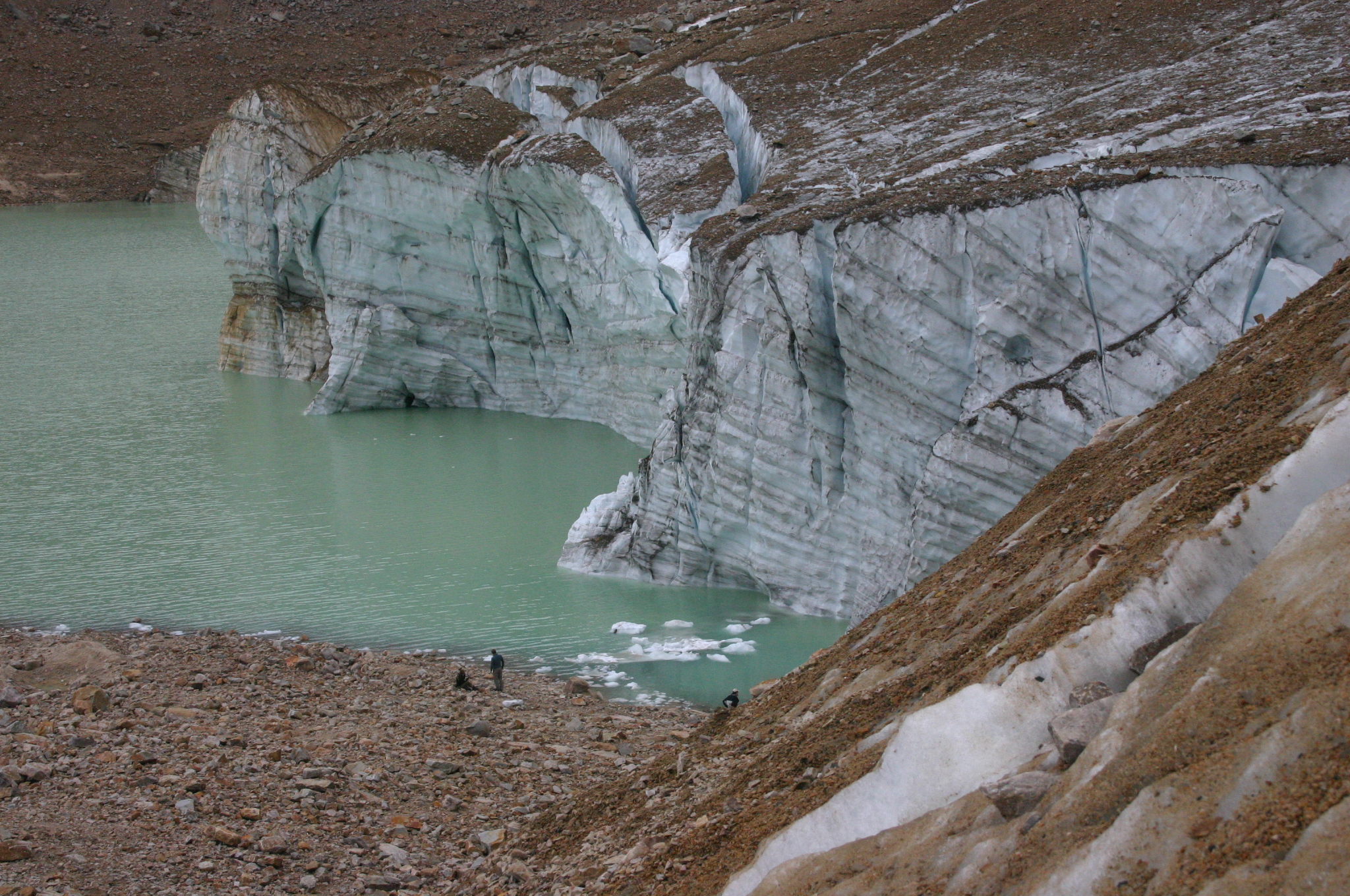
The discovery of in Alaska’s glaciers represents both a scientific marvel and a climate warning. These microscopic time travelers have survived for tens of thousands of years, preserving invaluable genetic information about Earth’s past. Yet their awakening also signals the rapid changes occurring in our planet’s frozen regions.
In a world increasingly shaped by climate extremes, environmental experts are delivering a blunt warning: four rapidly emerging threats could reshape life for millions unless urgent action is taken. From awakening in melting glaciers to toxic pollutants unleashed by floods, the dangers are no longer distant or theoretical. They are here, and they are growing.
What do you think about these emerging from Alaska’s melting glaciers? Should we be more concerned about their potential impact on our climate, or excited about the scientific discoveries they might unlock? Tell us in the comments.
Jan loves Wildlife and Animals and is one of the founders of Animals Around The Globe. He holds an MSc in Finance & Economics and is a passionate PADI Open Water Diver. His favorite animals are Mountain Gorillas, Tigers, and Great White Sharks. He lived in South Africa, Germany, the USA, Ireland, Italy, China, and Australia. Before AATG, Jan worked for Google, Axel Springer, BMW and others.