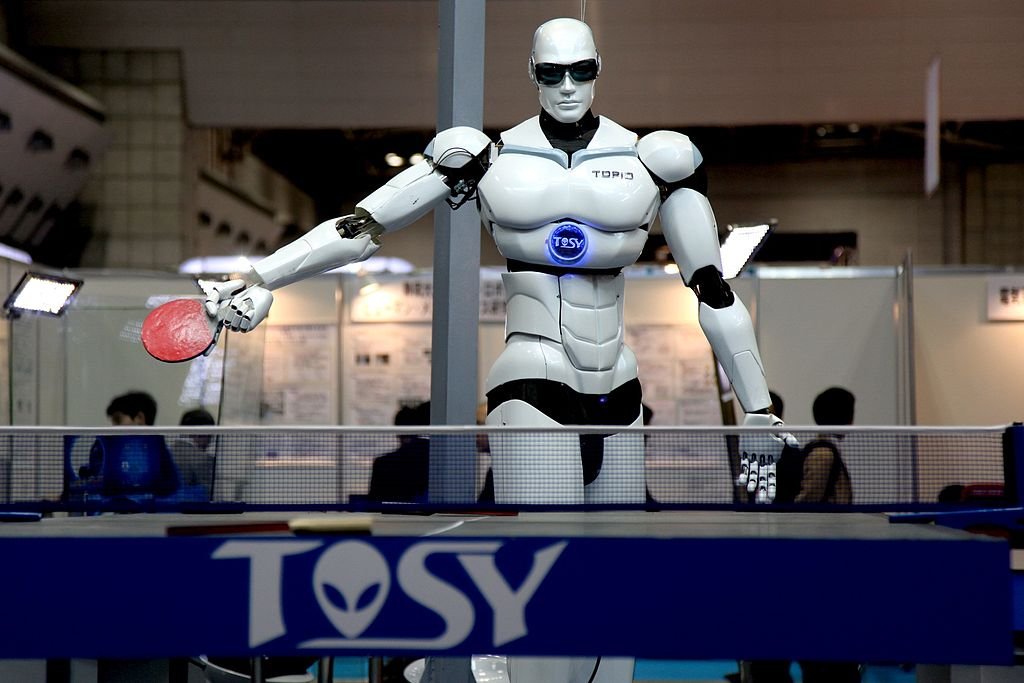

Imagine waking up in a world where machines make life-or-death decisions, paint breathtaking masterpieces, or diagnose illnesses before symptoms even show. It’s not science fiction anymore—it’s the world we’re living in today. Artificial intelligence has burst out of the pages of futuristic novels and into our daily lives, transforming everything it touches. The pace is astonishing, the possibilities feel limitless, and the changes are both thrilling and terrifying. As AI invades some of society’s most vital corners—medicine, war, and art—it’s rewriting the rules of what it means to be human, what it means to create, and what it means to survive. Are we ready for the wild ride that machines have set in motion?
The Healing Touch of Machines: AI’s Leap Into Medicine

AI’s entry into medicine feels almost miraculous. Imagine a computer poring over thousands of x-rays in seconds, spotting the faintest hints of cancer that a human eye could easily miss. This is happening right now in hospitals across the globe. Machine learning algorithms are being trained on massive datasets, learning to detect diseases from MRI scans, blood tests, and genetic codes with uncanny accuracy. For patients, this could mean earlier diagnoses, fewer mistakes, and more personalized treatments. Doctors are now using AI-powered systems to predict who might suffer a heart attack, which treatments will work best, and even to develop new drugs at a pace never seen before. This isn’t just high-tech wizardry—it’s a revolution that could save millions of lives.
Robots at the Front Line: AI’s Changing Face of War
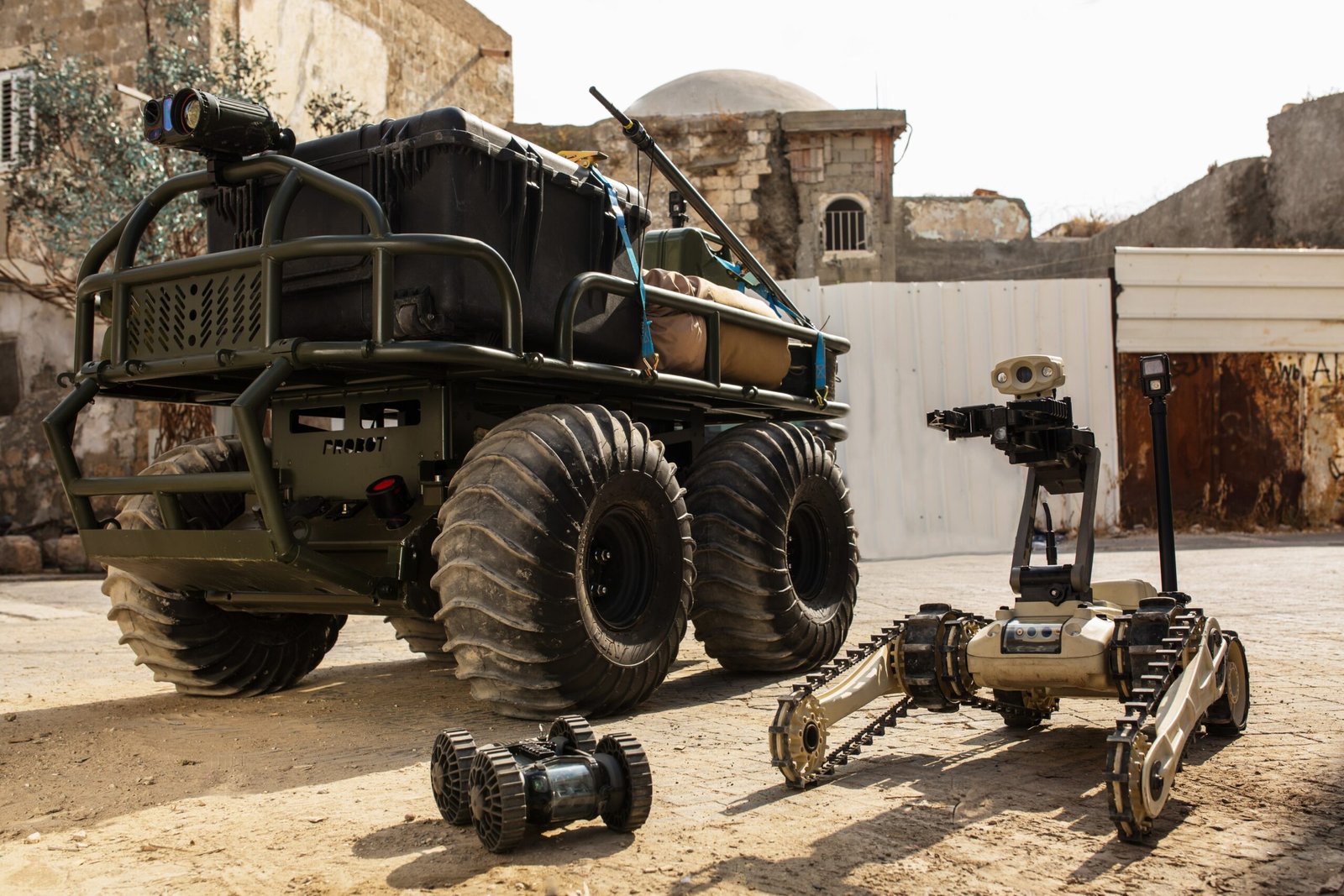
The battlefield is no longer ruled by just soldiers and generals—machines are taking charge in ways that once seemed impossible. Drones that can identify and strike targets on their own, cyber defense systems that predict enemy moves, and AI-powered surveillance tools that see what no human ever could: these are now the reality of modern conflict. Some hail this as a way to save lives by keeping soldiers out of harm’s way, while others warn of a chilling future where decisions about life and death are made by algorithms. The stakes are staggering. There’s an urgent debate about ethics, accountability, and the terrifying possibility of wars fought by machines, for machines. In this new arms race, the line between science fiction and reality grows ever thinner.
A New Renaissance: AI and the Art of Creation
Art has always been the soul of humanity—a testament to our dreams, our pain, our joy. But now, AI is picking up the brush. Algorithms can compose music, write poetry, paint, and even design buildings. Some of these works are so stunning, so moving, that people are left speechless when they learn a machine created them. AI-generated art has even gone on to win awards and fetch high prices at auction houses. Critics debate: can a machine truly create? Or are we just seeing the reflection of the humans who programmed them? As AI blurs the line between artist and algorithm, it forces us to reconsider what creativity means and who—or what—can lay claim to it.
Data: The Lifeblood of Intelligent Machines
Behind every AI breakthrough lies a mountain of data. Medical records, battlefield footage, centuries of art—all of these are fed into algorithms to teach them about the world. The more data an AI consumes, the smarter it becomes. But this hunger for information raises tough questions. How do we protect private medical histories from prying eyes? What happens when sensitive military intelligence is leaked or hacked? Even in art, the use of copyrighted works in training AI has sparked fierce legal battles. Data is both the fuel and the risk, powering AI’s rise while exposing society to new vulnerabilities.
Ethics in the Age of Algorithms
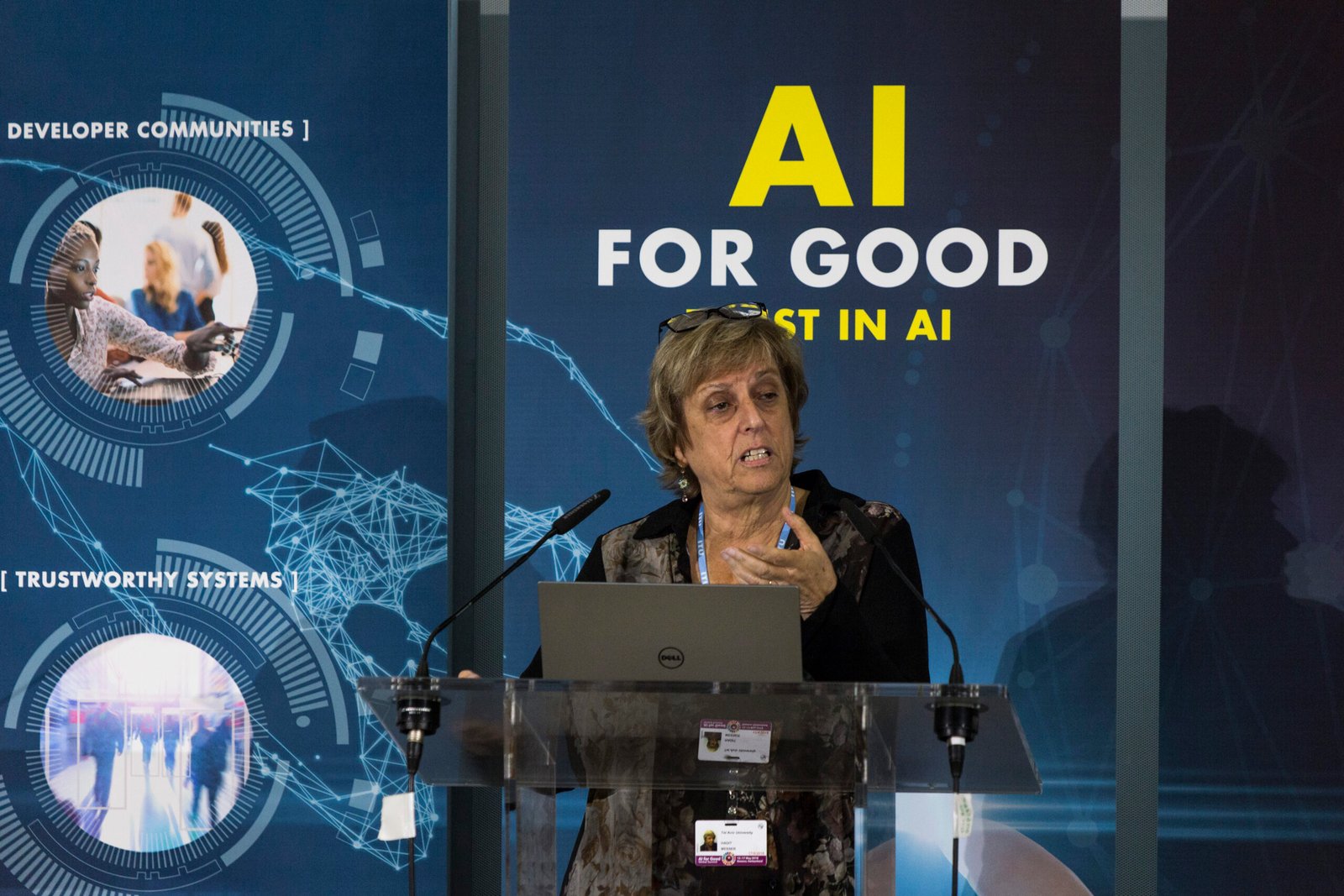
As AI grows more powerful, the moral dilemmas grow more urgent. Should a machine decide who receives an organ transplant? Is it right for an autonomous weapon to determine a target’s fate? And can an algorithm be truly fair when it’s trained on data full of human biases? These are not just abstract debates—they are real questions with life-changing consequences. Ethicists, lawmakers, and technologists are racing to set guidelines before AI’s impact spirals out of control. Amid the excitement, a nagging worry persists: can we teach machines to be not just smart, but wise?
Personalized Medicine: Healing Tailored to You
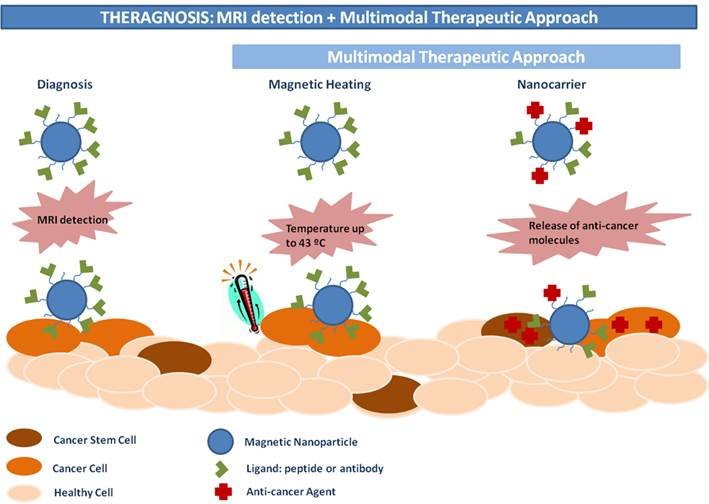
No two people are exactly alike, and AI is finally allowing medicine to treat us as individuals. By analyzing our genes, lifestyle, and environment, AI can predict our risk for diseases and suggest prevention plans unique to us. Imagine a cancer treatment that’s crafted just for your DNA, or a medication regimen that learns and adjusts as your body responds. This is personalized medicine, and it’s already improving outcomes for patients with rare diseases and complex conditions. The promise is dazzling: a future where healthcare is proactive, precise, and deeply personal.
AI in Emergency Response: Seconds Can Save Lives
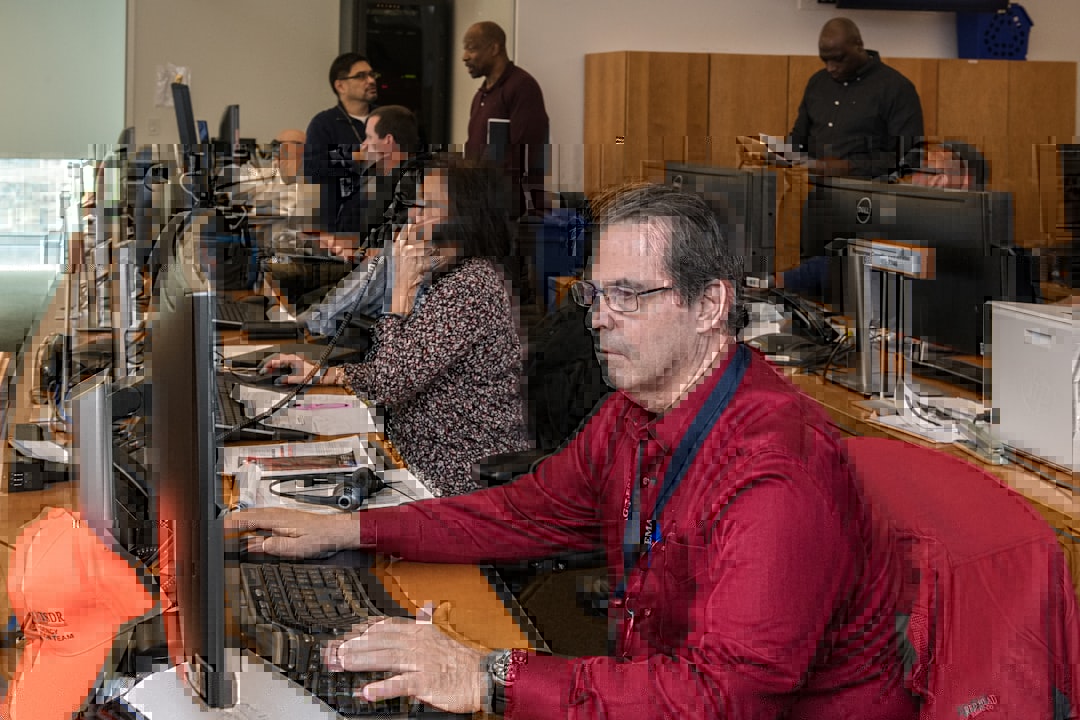
Natural disasters, mass casualties, and pandemics push humans to their limits. Here, AI’s speed and pattern recognition become life-saving assets. Algorithms can analyze social media posts to locate survivors after an earthquake, or model the spread of a deadly virus to help authorities act swiftly. In hospitals, AI helps triage patients, ensuring that those in critical need get attention first. When every second counts, machines can offer a level of coordination and insight that no human team could match. The result? More lives saved, less chaos, and faster recovery.
Weapons of Influence: AI and Psychological Warfare
Modern conflict isn’t just about bullets and bombs—it’s about minds. AI-powered bots flood social media with propaganda, deepfakes blur the truth, and algorithms micro-target voters to sway elections. This new kind of psychological warfare is silent, invisible, but incredibly powerful. Nations are scrambling to defend against these AI-driven assaults on truth. The implications are chilling: in the wrong hands, AI becomes a weapon that can topple governments, incite violence, or manipulate entire societies without firing a single shot.
Machines as Collaborators: Humans and AI Working Together
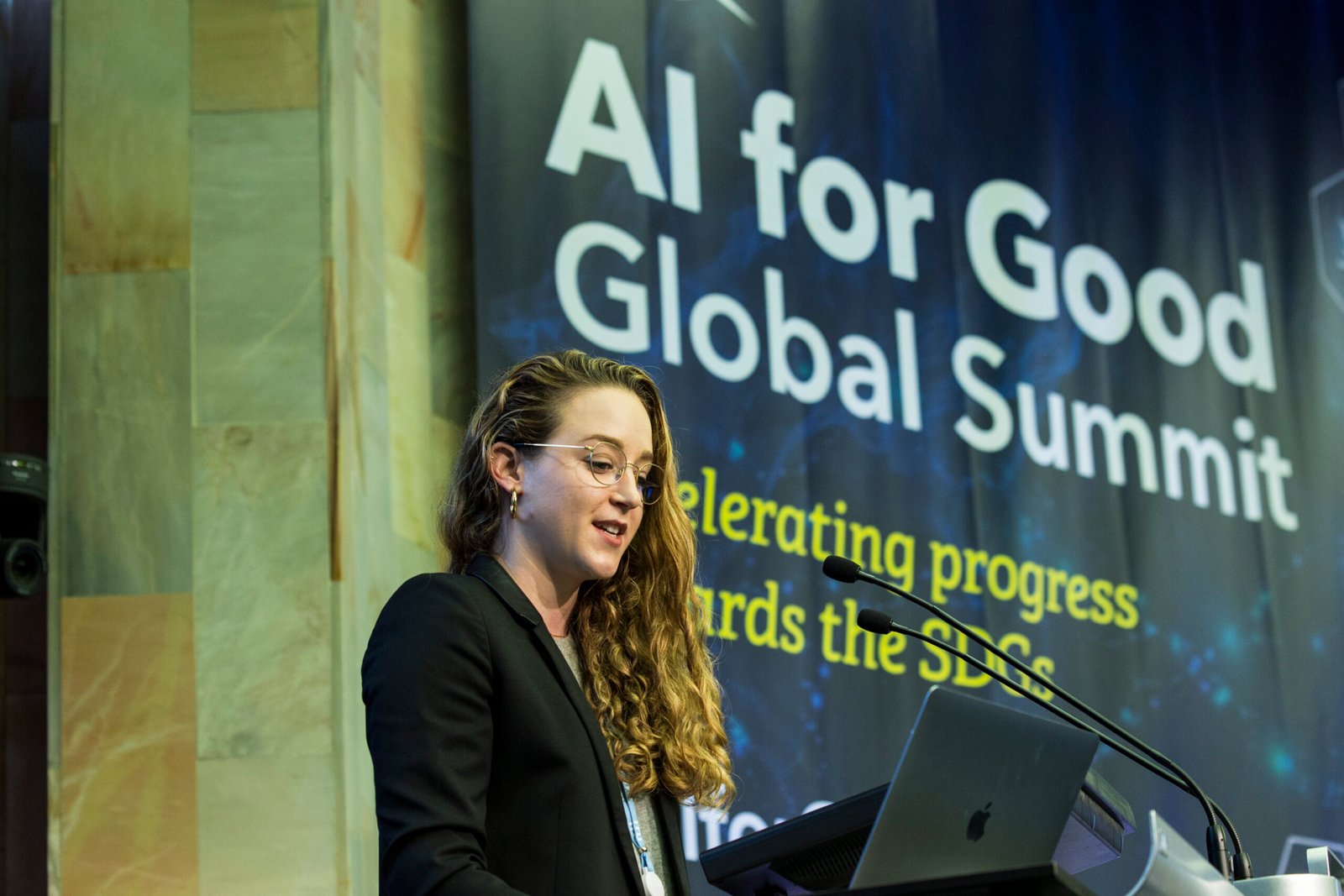
Instead of replacing us, AI is starting to work alongside us. In operating rooms, surgeons use robotic assistants for precision. On the battlefield, soldiers rely on AI to analyze threats and plan safer missions. In studios, artists collaborate with algorithms to push creative boundaries. These partnerships can be magical—machines doing the heavy lifting, humans providing intuition and heart. When humans and AI join forces, they can achieve things neither could dream of alone.
The Dark Side: Bias, Privacy, and Loss of Control
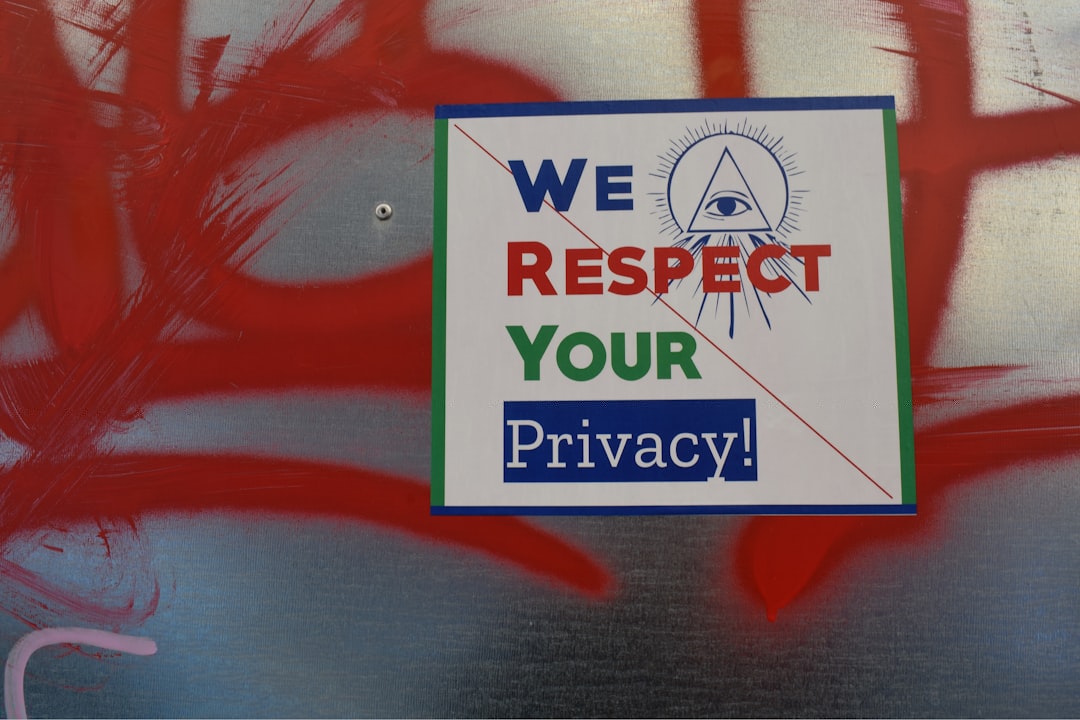
With all its promise, AI also brings shadows. Bias baked into algorithms can lead to unfair medical diagnoses or wrongful targeting in warfare. Privacy is constantly at risk as machines hunger for more data. And as AI systems grow more complex, even their creators can’t always predict their actions—a chilling thought when lives are on the line. The fear of losing control haunts researchers, policymakers, and everyday people alike. The challenge is to harness AI’s power without letting it run wild.
What’s Next? The Unwritten Future of AI
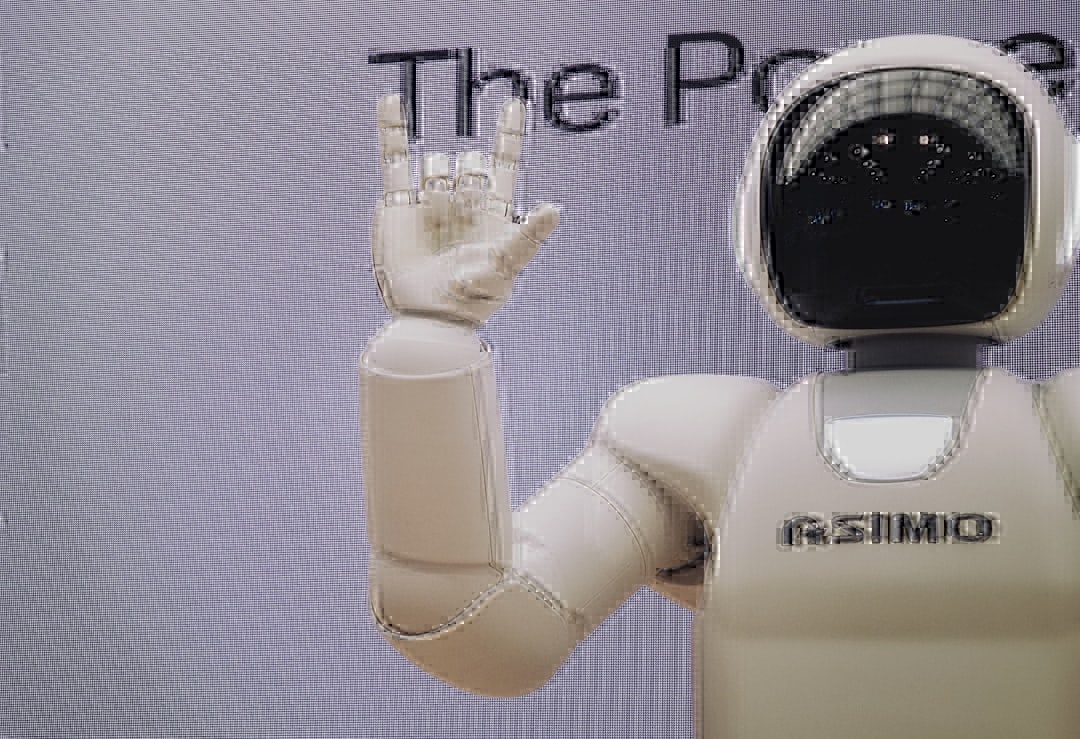
We stand on the edge of something breathtaking, exhilarating, and a little bit scary. With every breakthrough, AI redefines what’s possible in medicine, war, and art. It saves lives, changes how we fight, and even dreams up new ways to create. But it also demands courage and vigilance. How we guide these wild machines today will shape the world for generations. Will we become their masters, their partners, or simply their bystanders? The future is unwritten—and it’s up to us to decide.