
Aging has a way of stripping away the stories we tell about ourselves. The job titles, the roles, the confidence in our own bodies and memories – piece by piece, time tests all of it. What’s left can feel frighteningly bare, like seeing your reflection in harsh morning light instead of the soft, flattering glow you’re used to.
But there’s something unexpectedly honest about that bareness. When age pulls back the curtain, it forces a tough question: Who am I when I’m no longer fast, admired, needed, or remembered in the same way? Beneath that question is a deeper realization – maybe the “self” we’ve been protecting so fiercely all these years is more delicate, more flexible, and more mysterious than we ever thought.
The Body’s Slow Betrayal Of The Story You Tell About Yourself
At some point, the body stops quietly cooperating with the image you’ve built of yourself. The athlete feels their knees give out on the stairs, the night owl can’t stay awake past ten, the person who always “looked young for their age” suddenly doesn’t. It can feel like a personal insult when the mirror or a candid photo no longer matches the person you still feel like inside.
That mismatch is where you start to see . If you’ve always thought of yourself as strong, independent, or attractive, what happens when you wake up in a body that no longer supports those identities? Aging makes you watch, in slow motion, as certain versions of you become impossible to maintain. The part that hurts is not just the physical decline, but the quiet, jarring question underneath it: If I am not this body the way I used to be, who am I now?
Memory Slips And The Shocking Fragility Of Your “Life Story”
We like to think of memory as a solid archive, a dependable storage room we can walk into whenever we need to remember who we are. Aging exposes how untrue that really is. Names slip away in conversations, appointments vanish from your mental calendar, entire years start to blur into impressions instead of sharp events. Even in midlife, you can already feel the edges of your story getting fuzzy.
When you forget a detail from childhood, it rarely feels like much. But when bigger chunks of your history become hard to access, something deeper shifts. Your self is tied to a continuous story, and aging quietly erodes that sense of continuity. You realize how much of your identity depends on fragile, living memories that can fade or fracture. And you’re left confronting a chilling thought: If my memories can disappear, does that mean parts of “me” disappear too?
Roles That Vanish: Parent, Worker, Caregiver, Hero
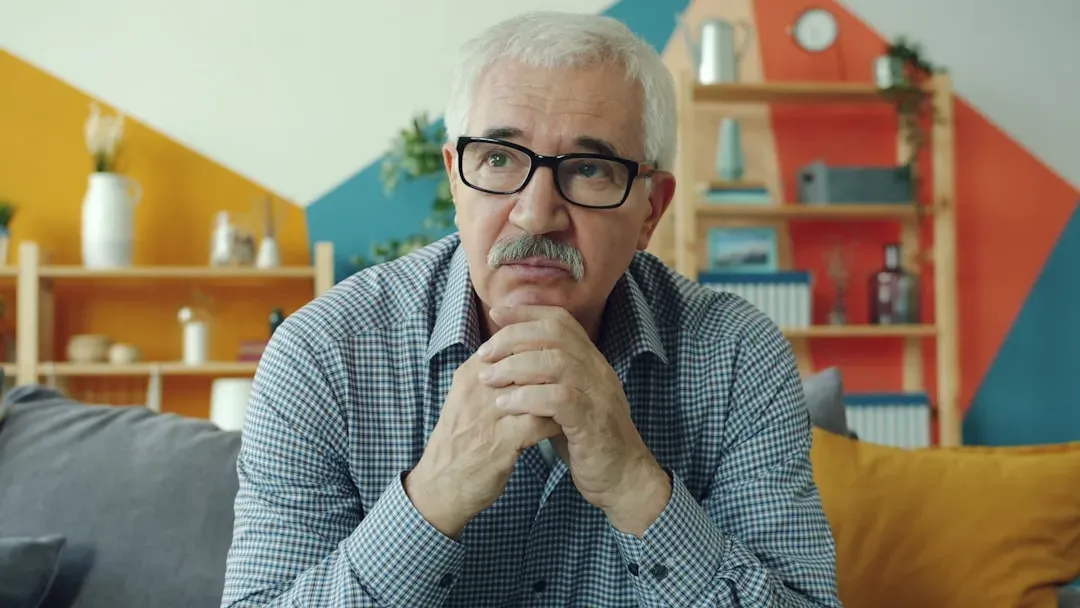
For decades, most people build their identity around roles. You’re the one who always fixes things, the one who holds the family together, the one who works late, the one others count on. Then aging shows up and starts rearranging all of that without asking for permission. You retire. Your kids move away. People stop coming to you first. Suddenly, you’re not in the center anymore.
That shift can feel brutal. The self that used to be reinforced every day by busyness, obligations, and other people’s needs becomes strangely quiet. You may wake up and realize: nobody urgently needs me this morning. For some, that feels like freedom; for others, like erasure. Either way, you see how thin the line is between “I am useful and loved” and “I’m not sure what my place is now.” Aging exposes how much your sense of self was built on being needed – and how wobbly things feel when that scaffolding falls away.
The Ego’s Fight Against Invisibility
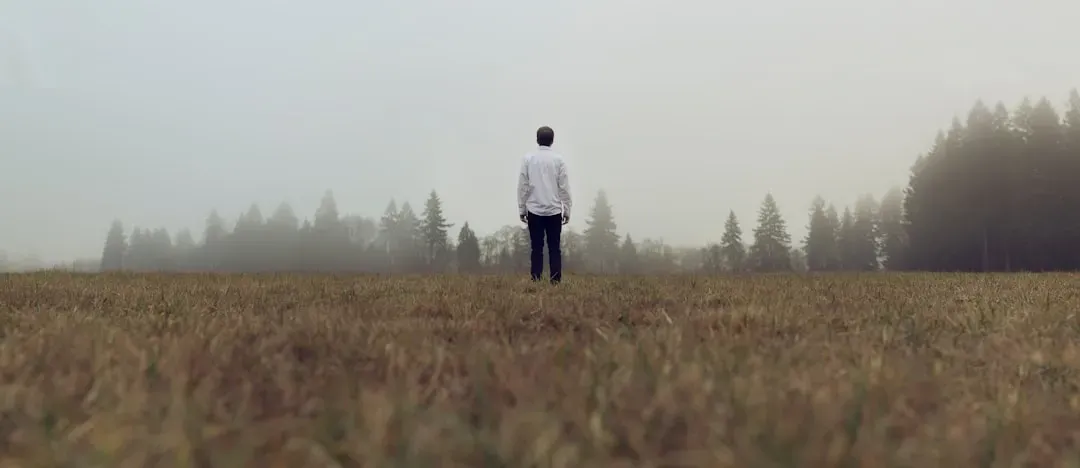
There’s a moment many people notice: you walk into a room and realize you’re no longer the default center of attention. Younger faces pull focus. Strangers call you “sir” or “ma’am” with a kind of distant politeness. People assume you’re less tech-savvy, less adaptable, maybe even less relevant. It can be shocking how quickly the world starts looking through you instead of at you.
The ego doesn’t accept this quietly. It pushes back – through trying to look younger, insisting you’re “not that old,” or resenting the way others get more attention. That resistance reveals something uncomfortable: part of your “self” has always been tied to how much you’re seen, admired, or recognized. Aging turns down that spotlight, and what’s left is often an ache that says, “Do I still matter if I’m not visible?” The self that depended on external validation starts to crack right where it was most fragile.
The Strange Freedom Of Becoming A Beginner Again

Aging doesn’t only take things away; it also throws you into situations where you’re a beginner again. You might be learning new technologies, adapting to physical limitations, or navigating medical systems you never had to understand before. There’s a weird humility in not knowing, in having to ask for help from people you once guided yourself.
This can be humiliating or strangely liberating, depending on how you approach it. If your self-image is built on always being competent and in control, every new learning curve feels like a personal failure. But if you let yourself lean into it, you discover a lighter version of self – one that’s allowed to not know, to try, to learn. The fragility of the old, polished ego creates space for a softer identity that isn’t built on always being right, but on staying curious.
Relationships As Mirrors That Start To Crack
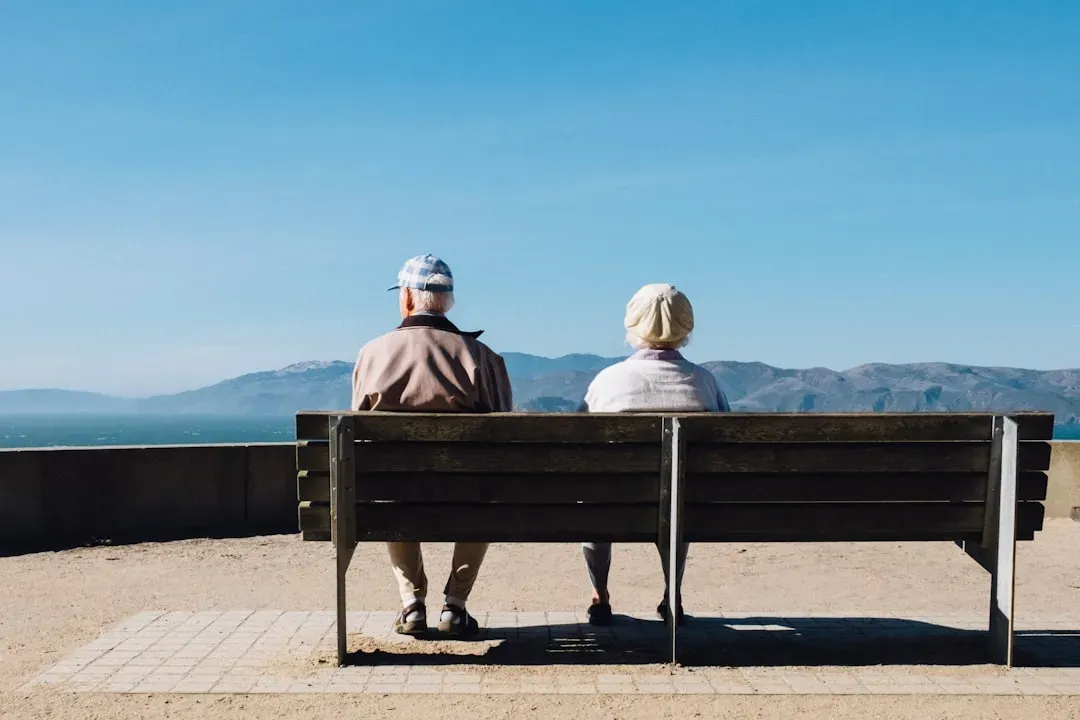
So much of who you think you are is reflected back to you by others. Partner, sibling, friend, colleague – they all hold different “versions” of you. Aging changes those mirrors. People move away, drift apart, or die. Long marriages evolve or end. New generations show up who don’t know your past victories, only the current you standing in front of them.
Each relationship that changes takes a little piece of your identity with it. The friend who remembered your wild twenties is gone, and with them, that chapter feels less real. The child who once clung to you now advises you about health insurance. It can feel like the cast of the story of “you” is being quietly replaced, and the script keeps changing. You see how vulnerable your sense of self is to other people’s presence, and how easily it’s reshaped when those relationships shift or disappear.
Finding A Softer, Truer Self Beneath The Cracks
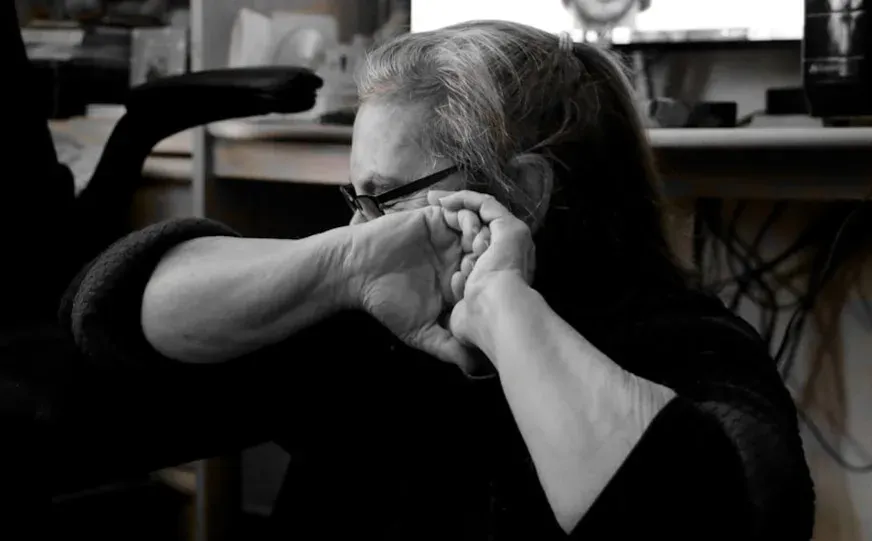
Here’s the part that surprised me personally: the more the old identities crack, the more room there is for something gentler and more honest to show up. When the body is no longer your trophy, when memory can’t be fully trusted, when roles fall away, you’re left with something much simpler. You’re not the job, or the past, or the flattering story anymore. You’re just the person sitting in the room, feeling, noticing, existing.
That version of self feels fragile because it doesn’t have the armor of achievement, youth, or certainty. But there’s a quiet strength in it too. You start to value small things more intensely – a good conversation, a walk that doesn’t hurt too much, a shared joke that cuts through fear. Aging reveals that the self you spent decades building was always somewhat breakable. Underneath it, there’s a softer self that doesn’t need to be impressive to be real.
When The Self Stops Pretending To Be Solid

Aging is ruthless about exposing how unstable the self really is. Bodies fail, memories blur, roles evaporate, and the world stops revolving around you the way it once did. The stories that felt so permanent reveal themselves as temporary costumes. It can feel like losing everything, piece by piece.
But in that loss, there’s also a different kind of clarity. When you stop pretending the self is unbreakable, you can finally see it for what it is: shifting, tender, and deeply human. Maybe the point was never to preserve some perfect, consistent identity, but to stay awake as it changes. When you imagine your own aging, which part of your self do you think would be the hardest to let go of?
Hi, I’m Andrew, and I come from India. Experienced content specialist with a passion for writing. My forte includes health and wellness, Travel, Animals, and Nature. A nature nomad, I am obsessed with mountains and love high-altitude trekking. I have been on several Himalayan treks in India including the Everest Base Camp in Nepal, a profound experience.