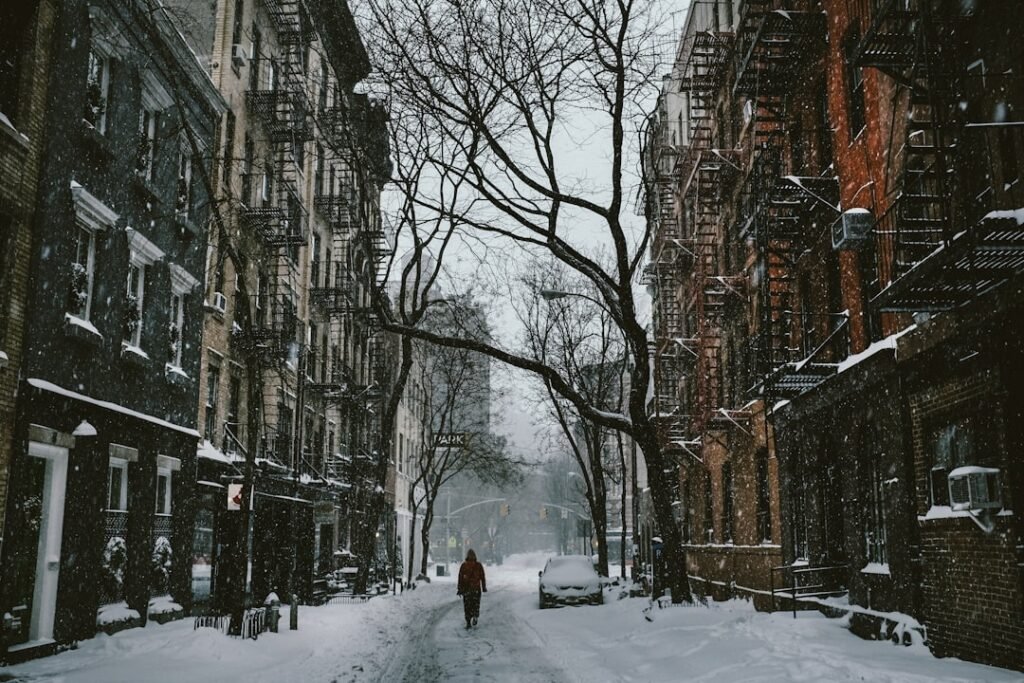

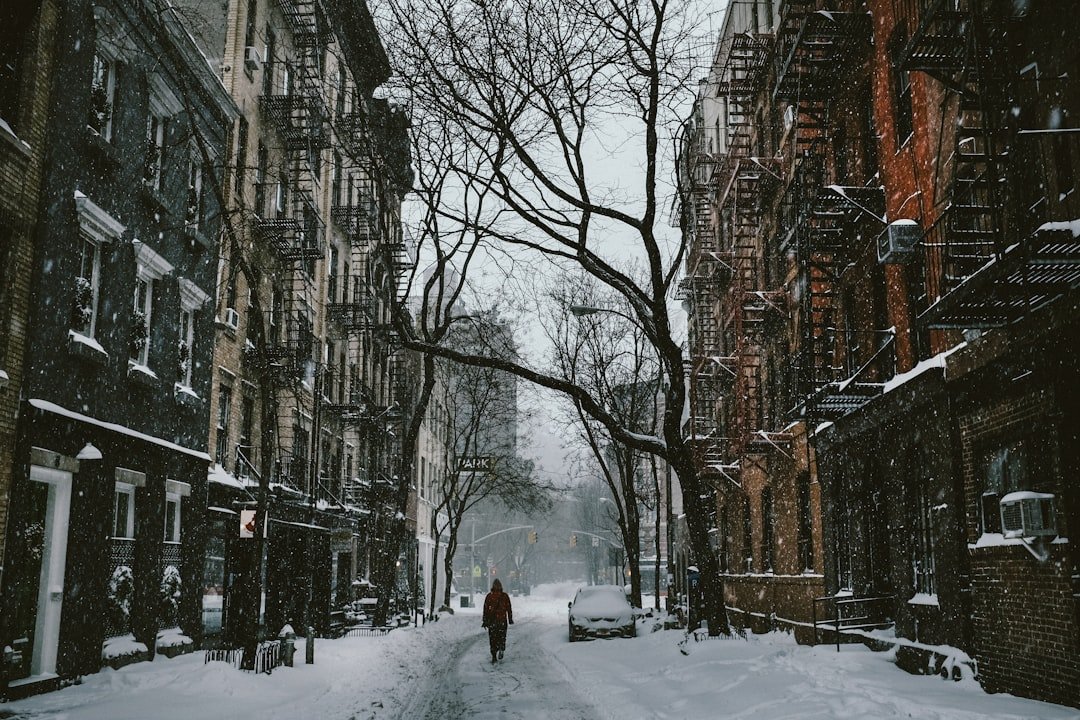
Unusual Cold in a Warming World (Image Credits: Unsplash)
Eastern United States — A persistent surge of Arctic air has locked much of the region in subzero temperatures, fueling blizzards and ice storms amid an otherwise warming world.
Unusual Cold in a Warming World
Record lows have gripped the East Coast for weeks, turning urban streets into slippery hazards and straining power grids. Cities from New York to Florida have seen frozen pipes burst and travel grind to a halt. Meanwhile, the West faces the opposite extreme, with a stubborn ridge of warm, dry air parching ski slopes and threatening summer water supplies dependent on mountain snowpack.[1]
Scientists point to a counterintuitive twist. Global warming, particularly rapid Arctic heating, disrupts high-altitude weather patterns. This phenomenon has repeated in recent winters, raising questions about its frequency in the future.
How the Polar Vortex Gets Distorted
Judah Cohen, a research scientist at the Massachusetts Institute of Technology, describes the process clearly. A warming Arctic causes the polar vortex—that high-altitude ribbon of frigid air circling the North Pole—to stretch and wobble. This instability ripples down to the jet stream, creating waves of high and low pressure that steer extreme weather southward.[1]
Several factors amplify this effect:
- Increased snowfall across Siberia warms the lower atmosphere through heat release.
- Melting sea ice in the Barents and Kara Seas, north of Norway and Russia, exposes darker ocean waters that absorb more sunlight and radiate heat upward.
- These changes weaken the vortex’s containment, allowing cold air to plunge into North America.
Dr. Cohen noted the current stratospheric patterns as particularly stubborn. “It’s weird what’s going on now in the stratosphere,” he said. “These stretching events happen every winter, but just how the pattern is stuck is really remarkable.”[1]
Lessons from Recent Deep Freezes
The 2021 Texas freeze exemplified the dangers, killing 248 people and leaving millions without power during a deadly cold snap. Similar vortex distortions struck in the 2024-2025 winter and again last month, bringing blizzards to the East. Each event underscores vulnerabilities in infrastructure unprepared for such swings.
Impacts extend beyond immediate suffering. Western states worry about diminished snowpack, critical for reservoirs serving millions. Eastern residents battle not just cold but heavier snow loads from a moister atmosphere capable of holding more water vapor despite the chill.
Forecast: More Cold Ahead?
Dr. Cohen anticipates the deep freeze will persist through February. Forecasters monitor stratospheric developments closely, as sudden warmings could either prolong or disrupt the pattern. Long-term, Arctic amplification may increase these episodes, challenging assumptions about milder winters.
Key Takeaways
- A hotter Arctic destabilizes the polar vortex, linking climate change to intense cold outbreaks.
- Recent U.S. events mirror patterns seen in 2021 and 2024-2025, with deadly consequences.
- Regional divides—cold East, dry West—highlight broader weather whiplash.
This paradoxical weather serves as a reminder that climate change reshapes extremes in unexpected ways. Communities must adapt to both scorching summers and Arctic invasions. What steps should we take next to brace for these shifts? Share your thoughts in the comments.