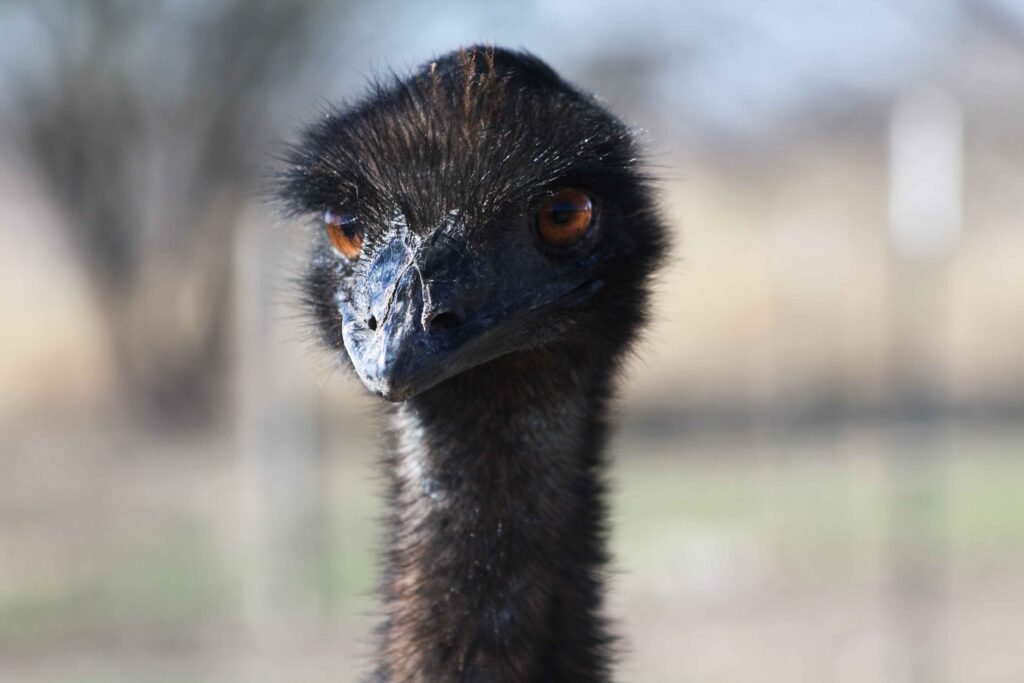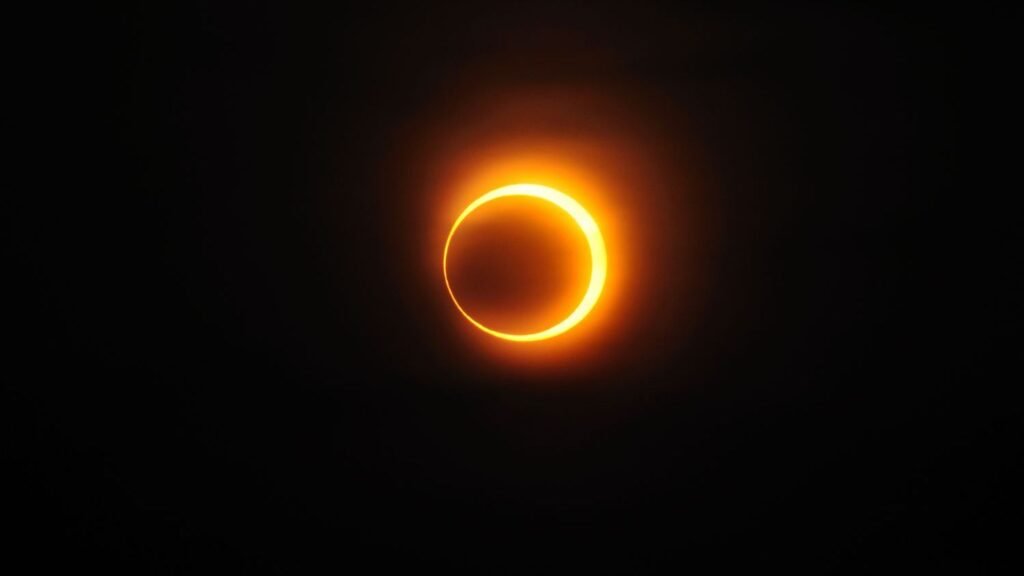

Picture this: the sun disappears in the middle of the day, casting an eerie twilight across ice shelves and research stations while thousands of penguins waddle about, oblivious to the astronomical drama unfolding above. On August 12, 2026, Antarctica will host one of nature’s most breathtaking phenomena – a total solar eclipse – and scientists are gearing up to witness not just the celestial event itself, but how it affects the continent’s most iconic residents. The eclipse’s path will sweep across the frozen continent, offering a rare opportunity for researchers stationed there to observe both cosmic mechanics and animal behavior in one extraordinary moment.
What makes this upcoming eclipse particularly fascinating is its remote location. While millions usually flock to populated areas for eclipse viewing, this one will play out in one of Earth’s most isolated regions, where the audience includes emperor penguins, Adélie penguins, and a handful of dedicated scientists. Let’s explore what makes this event so special and why it matters beyond just the spectacular view.
The Path of Totality Cuts Through Antarctica’s Heart
The August eclipse will trace a path directly over several Antarctic research stations and penguin colonies, with totality lasting up to two minutes in some locations. This trajectory means that scientists already stationed on the continent won’t need to travel far to experience the full effect, unlike most eclipse chasers who must plan expeditions months in advance. The moon’s shadow will race across ice shelves at thousands of miles per hour, plunging emperor penguin breeding grounds into unexpected darkness.
Research stations along the path have already begun preparations for observation protocols. Teams are setting up specialized equipment to measure temperature drops, changes in wind patterns, and shifts in light intensity during those precious minutes of totality. It’s not every day that Antarctica gets its own private cosmic show.
How Penguins Might React to Sudden Darkness
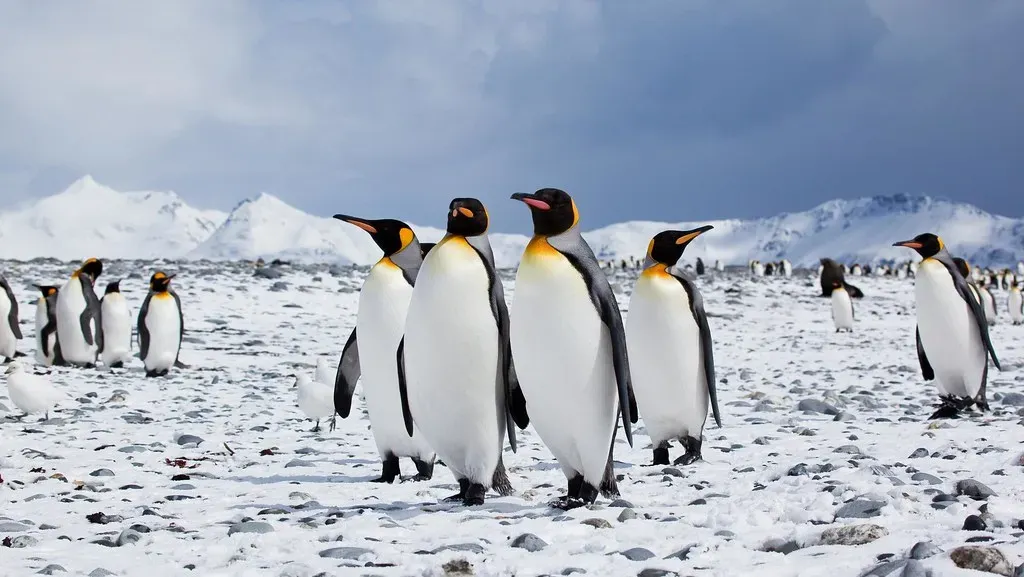
Here’s where things get genuinely interesting. Scientists are curious whether penguins will treat the eclipse like nightfall or recognize it as something different entirely. Past observations of solar eclipses in other animal habitats have shown that birds sometimes return to roosts, chickens head to their coops, and nocturnal creatures briefly emerge thinking night has arrived. But penguins live in an environment where daylight patterns are already extreme, experiencing months of continuous sunlight in summer and prolonged darkness in winter.
Researchers plan to document behavioral changes in penguin colonies as the eclipse unfolds. Will emperor penguins huddle together as they do during storms? Will chicks call for their parents more frequently? Some scientists speculate that penguins might barely react at all, having evolved in an environment where light conditions are constantly in flux. The observations could reveal fascinating insights into how these birds perceive and respond to their environment.
Scientists Seize a Rare Research Opportunity
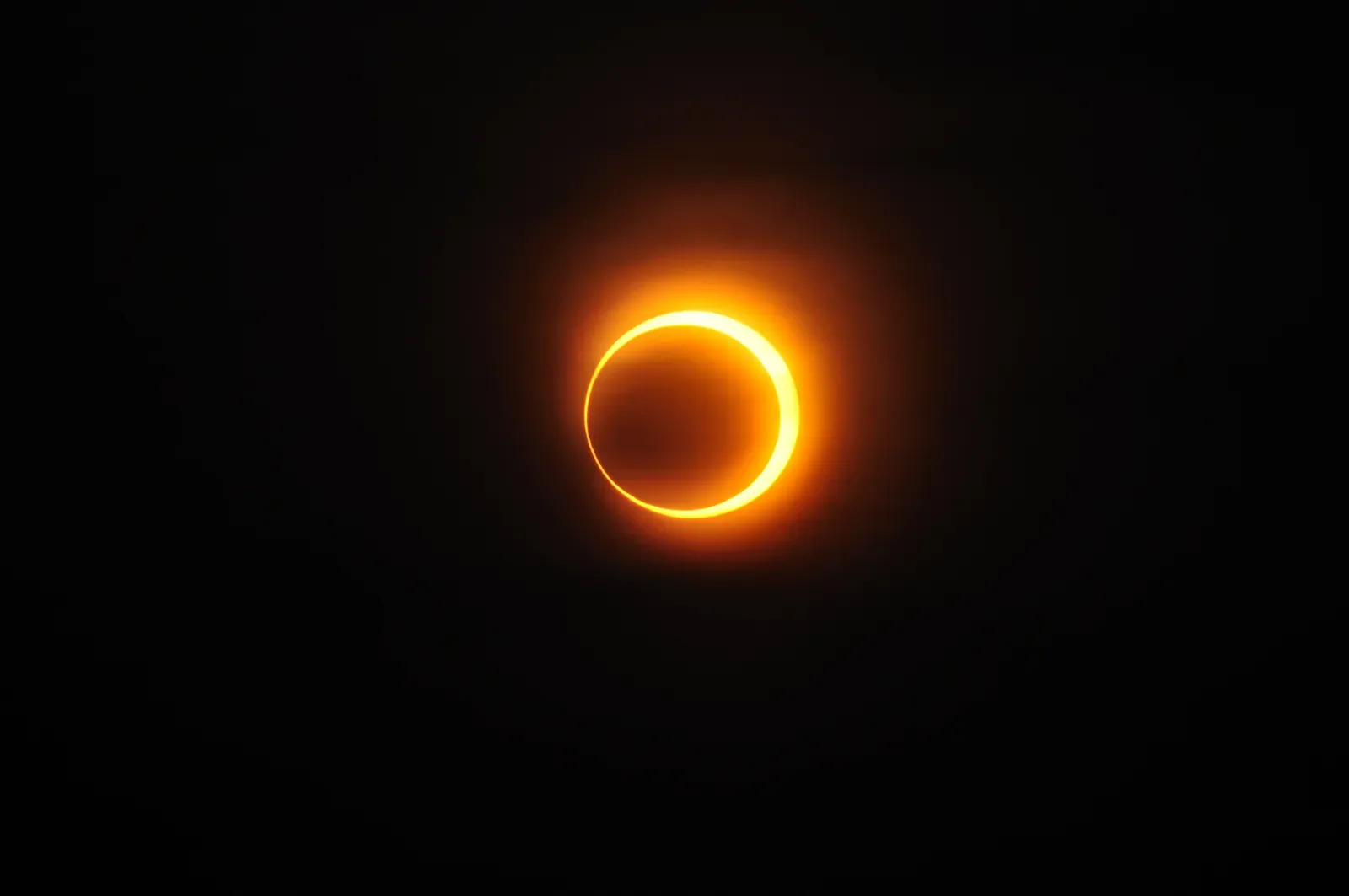
Beyond the penguin-watching, this eclipse presents a goldmine for atmospheric research. Antarctica’s pristine air quality makes it an ideal location for studying how solar eclipses affect Earth’s atmosphere without the pollution variables present in more populated regions. Teams will measure ionospheric changes, temperature fluctuations, and even subtle shifts in gravity during totality.
The eclipse also offers a chance to test equipment and observation techniques that could be valuable for future astronomical research in polar regions. Some researchers view it as a dress rehearsal for more complex studies, while others are simply thrilled to experience one of nature’s grandest spectacles in one of its most dramatic settings. Let’s be real, it’s not often that scientific duty and jaw-dropping natural beauty align so perfectly.
The Logistics Challenge of Eclipse Viewing in Antarctica
Getting to Antarctica for the eclipse isn’t exactly a casual weekend trip. The continent’s harsh conditions, extreme cold, and limited infrastructure mean that only those already stationed at research facilities or on specially organized expeditions will witness the event. Some tour operators have planned cruises timed to position ships along the eclipse path, but spaces are limited and prices reflect the expedition’s complexity.
Weather poses another significant wildcard. Antarctica’s notoriously unpredictable conditions could blanket viewing areas with clouds or whip up blizzards at the worst possible moment. Unlike terrestrial eclipse chasers who can drive to clearer skies, those in Antarctica are essentially stuck with whatever weather rolls in. Still, the gamble seems worth it for those lucky enough to be there.
What This Eclipse Means for Polar Research
This event highlights the increasing scientific interest in Antarctica as more than just a frozen laboratory for climate studies. The continent serves as a unique observation platform for astronomical events, atmospheric research, and animal behavior studies all rolled into one. Eclipses provide natural experiments that can’t be replicated in controlled settings, offering insights into how sudden environmental changes affect ecosystems.
Some researchers argue that these rare events deserve more attention and funding, as they provide windows into phenomena we simply can’t study any other way. The penguin behavioral data alone could inform broader understanding of how animals perceive and respond to unusual environmental cues. It’s hard to say for sure, but events like this might push polar research in exciting new directions.
Why August 2026 Could Rewrite Animal Behavior Studies
The timing of this eclipse coincides with the Antarctic winter, when emperor penguins are in the middle of their breeding season and males are huddling together to incubate eggs. This means researchers will observe penguins during one of their most vulnerable and behaviorally complex periods. Any changes in huddling patterns, vocalizations, or parental behavior during the eclipse could provide valuable data about how these birds process and respond to environmental stressors.
Previous eclipse studies in other regions have revealed that animals possess more sophisticated environmental awareness than previously thought. Birds have been observed becoming agitated minutes before totality, suggesting they sense subtle changes in light quality or electromagnetic fields that humans miss entirely. What penguins reveal during this eclipse might challenge or confirm existing theories about avian cognition and environmental sensitivity.
A Cosmic Reminder of Our Planet’s Dynamic Nature
Ultimately, the August 2026 Antarctic eclipse serves as a stunning reminder that Earth continues to offer surprises even in its most remote corners. The convergence of celestial mechanics, animal behavior, and human curiosity in one frozen landscape exemplifies why we keep exploring, observing, and questioning. For the penguins, it’ll be a brief disruption to their routine – if they notice at all. For the scientists lucky enough to be there, it’ll be an unforgettable intersection of their work and one of nature’s greatest shows.
Whether you’re fascinated by astronomy, animal behavior, or simply love the idea of penguins experiencing their own cosmic moment, this eclipse represents something special. It’s a chance to witness how the universe’s grand clockwork touches even the most isolated creatures on our planet. What would you give to watch emperor penguins react to the moon blocking out the sun? Tell us in the comments.