Forest rangers are often seen as the unsung heroes of our natural world, playing a critical role in protecting forests and wildlife. Their day-to-day activities vary widely, ranging from educational outreach to rigorous fieldwork. Understanding what a day in their life entails offers insight into the dedication and passion required to manage and safeguard our precious natural resources.
Morning Patrol and Observation
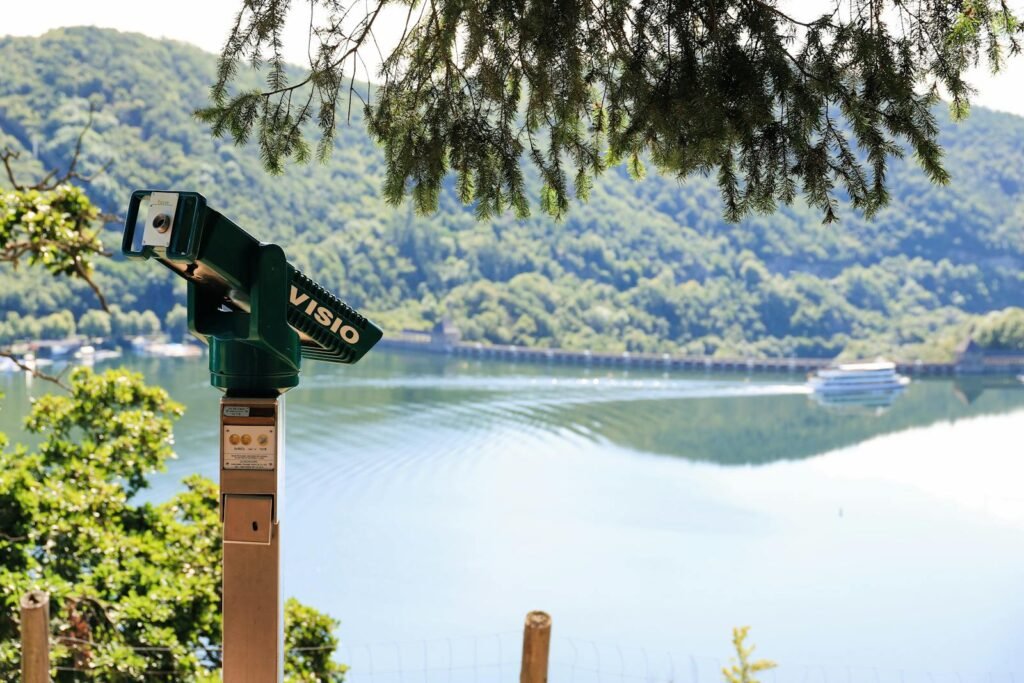
The day for a forest ranger typically begins early. Mornings are often spent patrolling designated areas, which can include hiking through rugged terrain to monitor forest conditions and wildlife. Rangers look for signs of illegal activities, such as poaching or unauthorized logging, which pose significant threats to ecosystems. They also note changes in wildlife behavior, habitat conditions, and report unusual sightings or environmental concerns.
Engaging with Research and Conservation Efforts

Forest rangers play a crucial role in conservation and research initiatives. Throughout the day, they may collaborate with scientists and institutions conducting ecological studies. This can involve collecting data on plant species, monitoring animal populations, and contributing to research on the impacts of climate change. Their hands-on experience and local ecological knowledge make them invaluable contributors to scientific discoveries and conservation strategies.
Community Interaction and Education

Educating the public is another critical aspect of a forest ranger’s duties. They often interact with park visitors, providing information on park rules, safety guidelines, and the importance of respecting nature. Rangers may also lead guided tours and educational programs, aiming to foster a deep appreciation for wildlife and conservation among the public. Their work in this area helps to build community support for preserving natural lands.
Emergency Response and Crisis Management
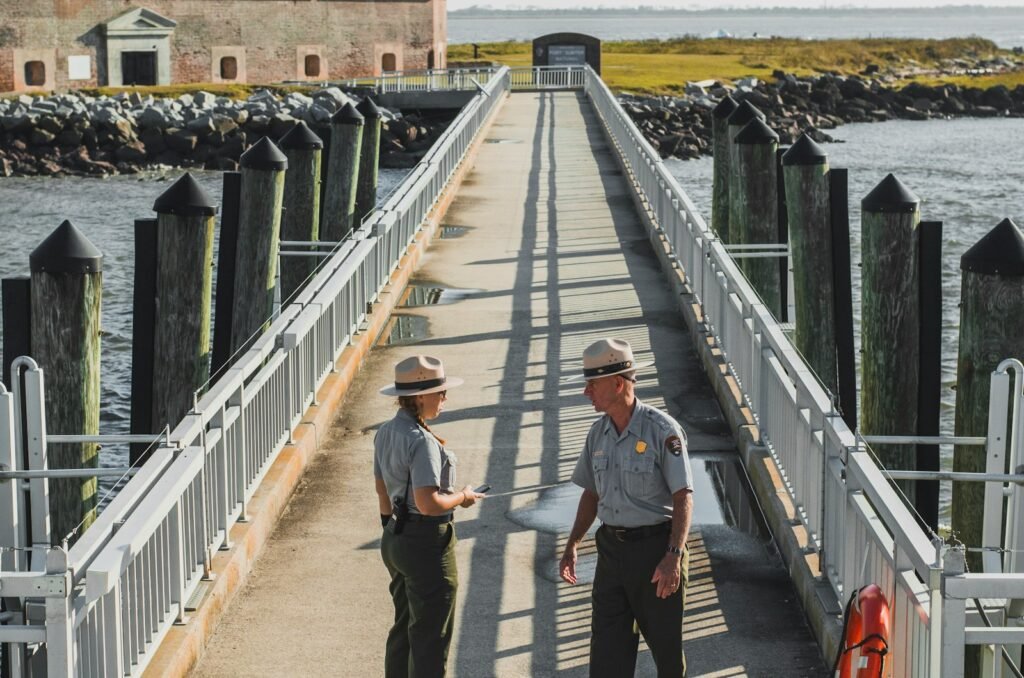
During times of crisis, forest rangers are on the front lines. This includes responding to wildfires, natural disasters, and accidents within the forest. Trained in first aid and emergency management, rangers work to ensure the safety of both wildlife and park visitors. Their role in fire management is crucial, as they participate in fire prevention strategies and coordinate efforts to contain and extinguish fires when they occur.
Maintenance and Habitat Management

Forest rangers are also responsible for the upkeep and management of park facilities and habitats. This can involve maintaining trails, repairing park infrastructure, and managing invasive species that threaten native ecosystems. By ensuring safe and accessible parks, rangers enhance the experience for visitors while protecting vital habitats for wildlife.
Challenges Faced by Forest Rangers
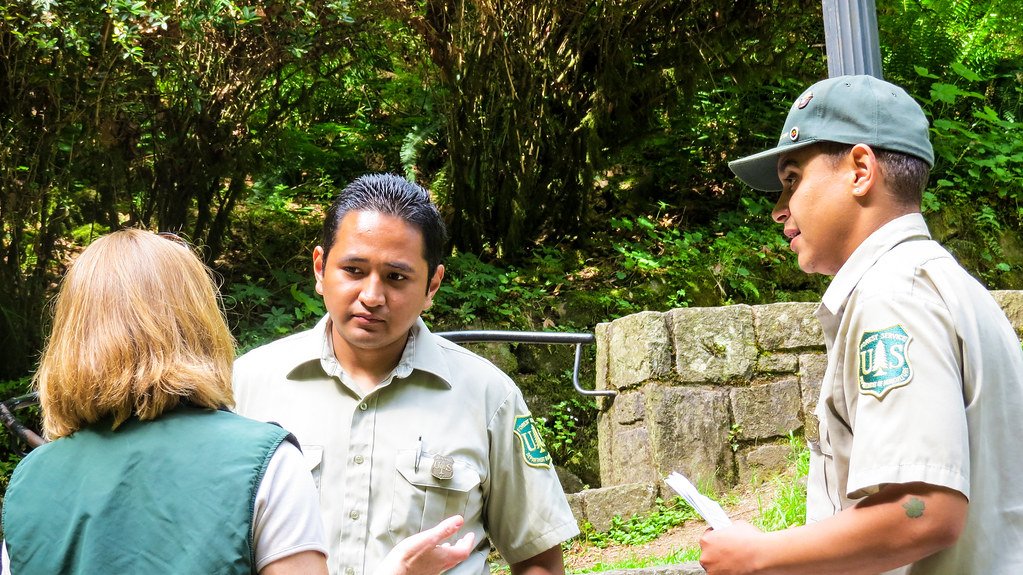
The role of a forest ranger is not without its challenges. Rangers often work long hours in remote locations and face unpredictable weather conditions. Additionally, balancing conservation needs with public access and recreation presents ongoing dilemmas. Despite these challenges, forest rangers are driven by a profound commitment to preserving our natural landscapes for future generations.
Conclusion: The Impact of Forest Rangers
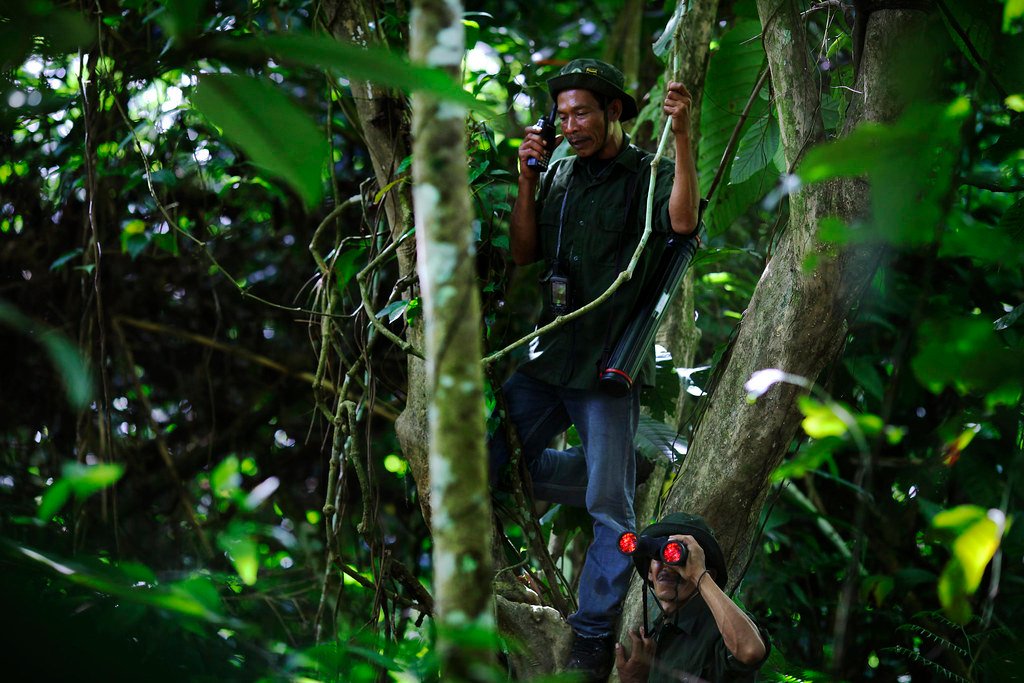
The work of forest rangers is essential for the protection of forests and wildlife. By managing ecosystems, engaging the community, and responding to environmental threats, they ensure the health and sustainability of our natural world. Recognizing the daily contributions of forest rangers encourages us to support their efforts and appreciate the vital role they play in maintaining the balance between humans and nature.