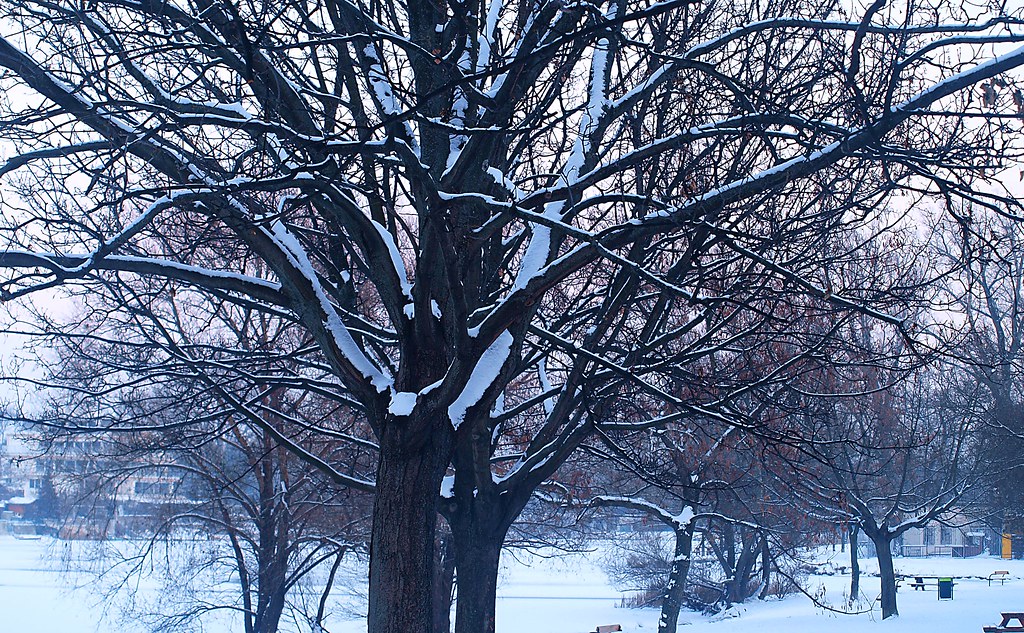
Most people picture frost as an ambush – cold air rolls in overnight and catches every plant off guard. That’s not remotely what’s happening. In the days, sometimes weeks, before the first freeze, plants are running a survival operation so sophisticated it makes most human emergency planning look sloppy by comparison.
They’re rerouting sugars, rewriting their own cell chemistry, and deliberately shutting down entire organs on purpose. None of it is visible unless you know exactly where to look. Botanists and plant physiologists have been quietly documenting these moves for decades, and once you see the full list, you’ll never look at a dying garden the same way again.
#1 – They Start “Listening” to Shortening Days Before the Cold Ever Arrives
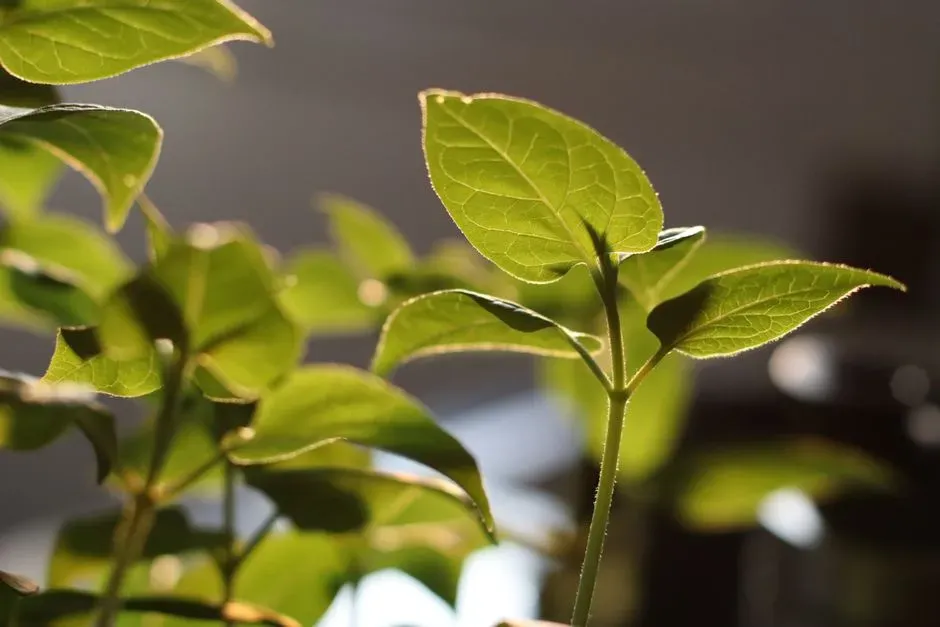
Plants don’t wait for cold air to start preparing for frost. They’re tracking daylight length weeks in advance, using a light-sensitive protein system that tells them exactly how close winter is getting.
This process, known as photoperiodism, means a plant growing through a warm early-autumn spell can still start hardening off once the nights get long enough. Specialized pigments called phytochromes absorb specific wavelengths of light and function like an internal calendar. Once darkness crosses a certain threshold, a cascade of hormonal changes kicks off, long before anyone feels a chill in the air. It’s why some trees start prepping in early September even during a heat wave – and it’s just the opening move. What’s happening underground right now is even sneakier.
#2 – Root Growth Quietly Ramps Up While Everything Above Ground Slows Down
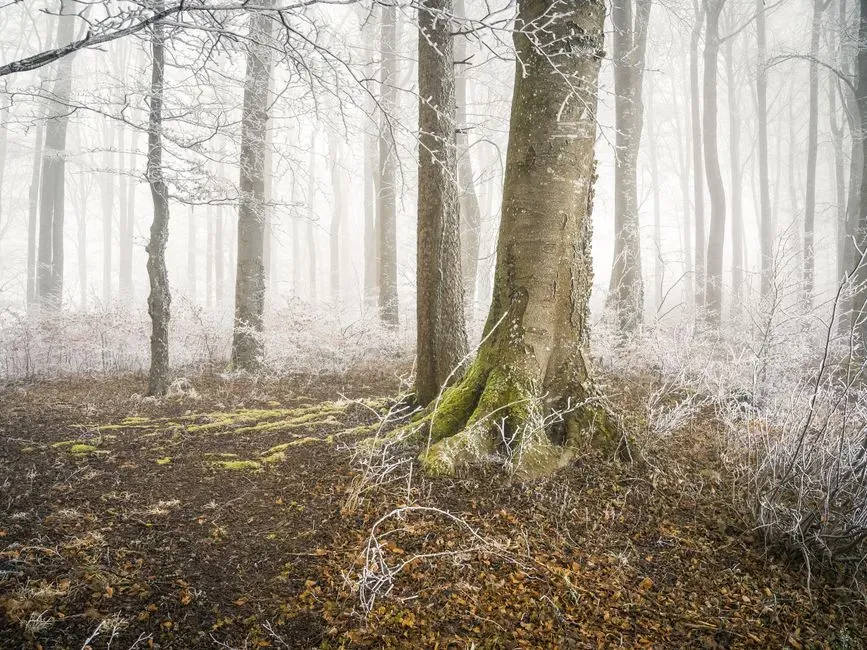
While leaves and stems appear to be winding down, something almost sneaky is happening beneath the soil: root systems often accelerate their growth right before a frost.
This isn’t random. Roots are far more frost-tolerant than shoots because soil insulates them from sudden temperature swings, so plants shift carbohydrate resources downward, building root mass and storage reserves that will fuel next spring’s growth. Nurseries count on this – fall is prime planting season for many trees and shrubs precisely because root establishment continues even as top growth pauses.
Here’s the part that trips up a lot of home gardeners: many stop watering and fertilizing the moment leaves change color, assuming the plant is “shutting down.” In reality, that’s often the worst time to neglect root zones, since underground development is still in full swing.
#3 – Sap Sugar Content Spikes, Turning Cells Into Natural Antifreeze
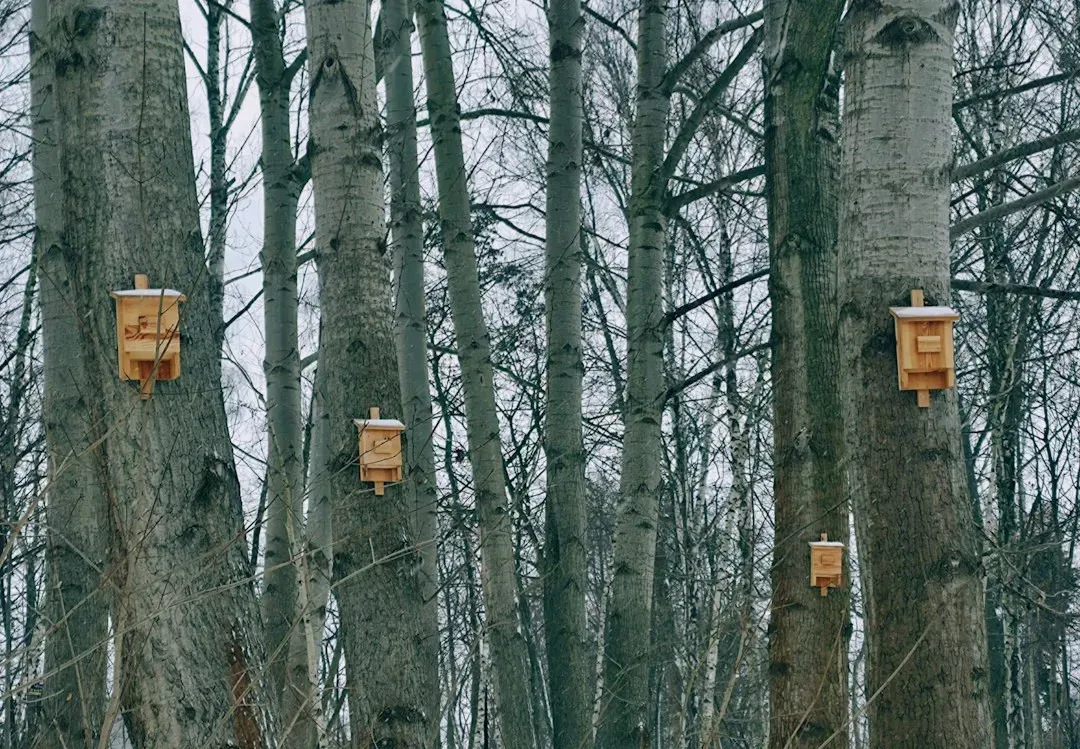
Ever wonder why maple sap harvesting happens in cold weather? It’s because plants dramatically increase sugar concentration in their cells right before a freeze, and it’s not just for energy storage.
Starch reserves convert into simple sugars like sucrose and glucose, which lower the freezing point of the fluid inside plant cells – the same basic principle as salting an icy road. This process, called osmotic adjustment, prevents ice crystals from forming inside delicate cell structures where they’d cause catastrophic damage. The higher the sugar concentration, the lower the temperature has to drop before freezing actually occurs.
It’s also why frost-kissed vegetables like kale, carrots, and Brussels sprouts taste noticeably sweeter after a light freeze. The plant isn’t trying to please your taste buds – it’s fighting for its life, and the sweetness is just a side effect of that fight.
Fast Facts
- Maple sap flows best when daytime highs climb above freezing and nights drop back below it – the same freeze-thaw chemistry driving cold-weather sugar shifts.
- Frost-touched kale, carrots, and Brussels sprouts sweeten because sugar accumulation is a defense mechanism, not a flavor bonus for shoppers.
- Osmotic adjustment can push the effective freezing point of cell fluid well below 32°F, depending on the species and how much sugar it stockpiles.
- Once temperatures stabilize, plants often convert sugar back into starch for longer-term storage, recycling the same molecules through multiple freeze-thaw cycles.
#4 – Cells Deliberately Pull Water Out of Themselves
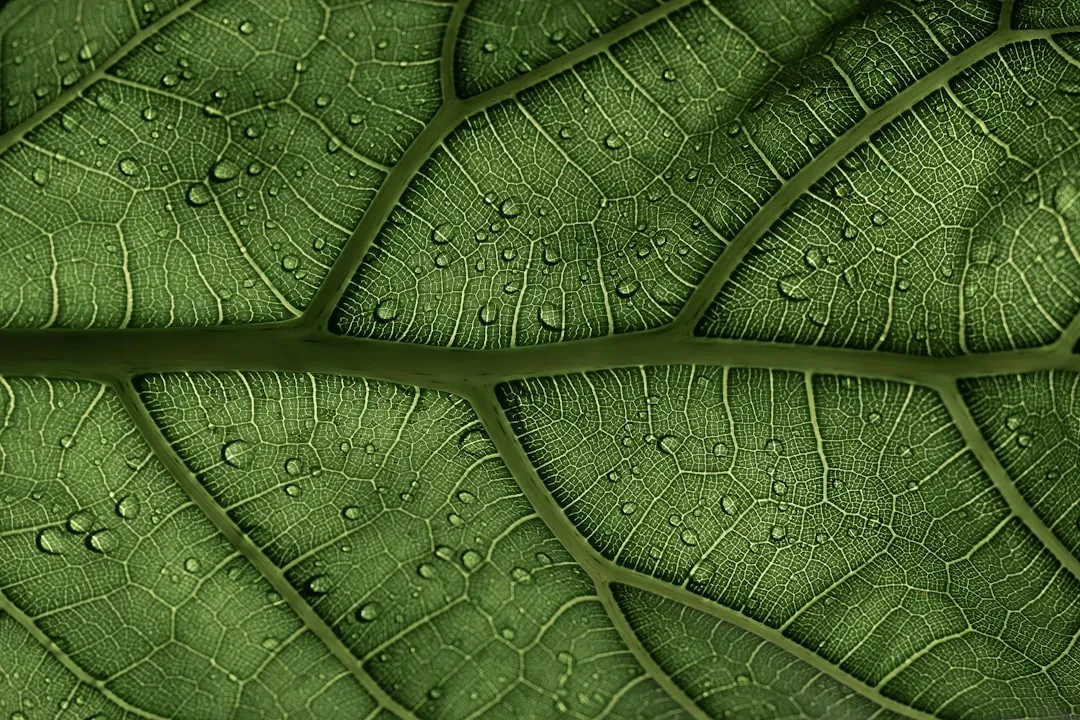
This one sounds like a terrible survival strategy, but it’s actually genius. Plant cells intentionally dehydrate themselves before a freeze, pushing water out of the cell interior and into the spaces between cells.
Why would a plant willingly dry itself out? Because ice forming inside a cell is a death sentence – sharp crystals shred membranes and organelles beyond repair. Ice forming in the extracellular spaces, though, is survivable. Plants sacrifice a little internal hydration to control exactly where ice is allowed to form, keeping the actual living machinery of the cell intact.
Scientists call this extracellular freezing, and it’s one of the primary reasons cold-hardy perennials survive brutal winters while tender annuals turn to mush after a single overnight frost. It’s not about avoiding cold exposure – it’s about managing where the damage lands.
#5 – Leaves Flood With Red and Purple Pigment as a Chemical Shield
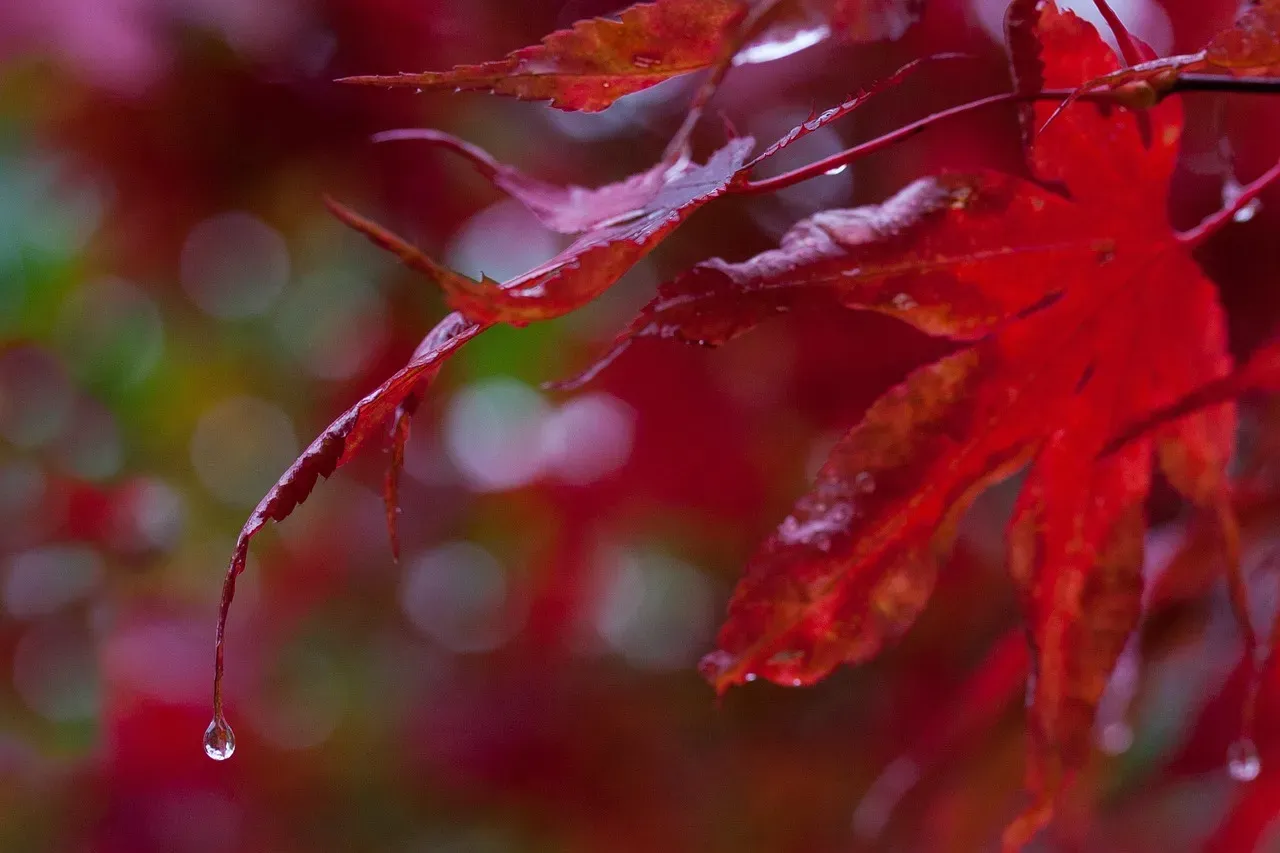
That fiery red maple or deep purple dogwood isn’t just putting on a show for leaf-peepers. Those red and purple pigments, called anthocyanins, are actively produced as a protective response to stress, including the stress of an approaching frost.
Unlike the yellows and oranges of fall foliage, which are simply unmasked once green chlorophyll breaks down, red pigments are newly synthesized. Anthocyanins appear to act like an internal sunscreen, shielding leaf tissue from excess light damage while chlorophyll is dismantled and nutrients are pulled back into branches and roots for winter storage.
Here’s a take a lot of landscapers won’t say out loud: the trees showing the most dramatic reds are often the ones under the most physiological stress, not the healthiest ones. A tree fighting drought, poor soil, or root damage can sometimes put on a more spectacular color show than a perfectly healthy neighbor a few feet away.
#6 – Stomata Slam Shut to Stop Water Loss in Its Tracks
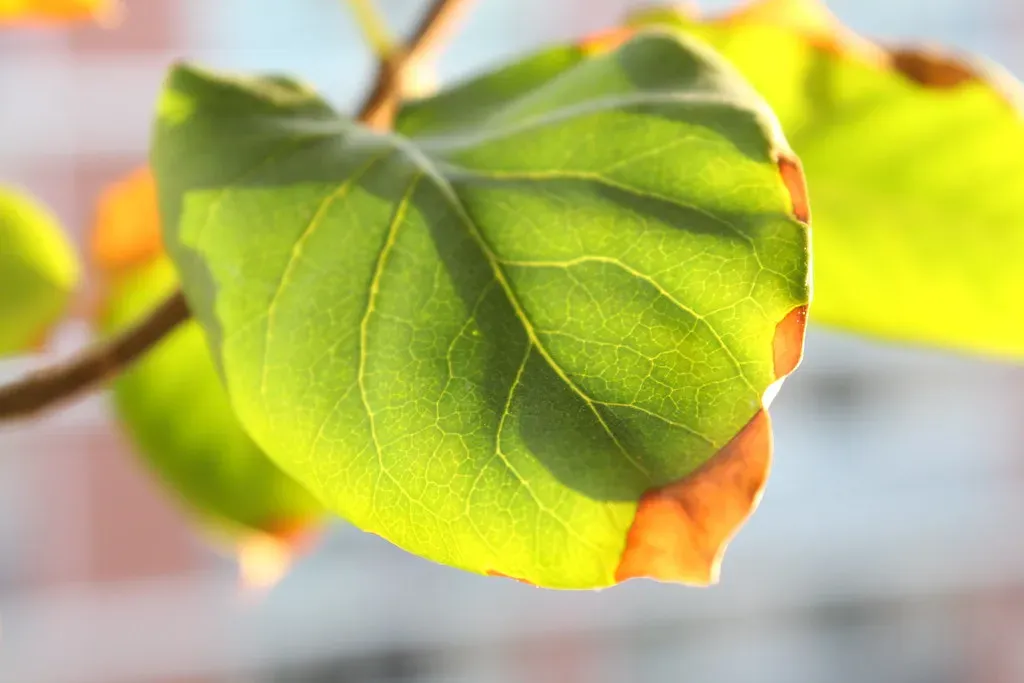
On the underside of every leaf are microscopic pores called stomata. Right before a frost, these pores start closing dramatically to prevent water loss during a period when roots can barely absorb any moisture from cold soil.
This matters more than most people realize. Frost doesn’t just damage cells directly – it also creates a moisture crisis. Cold soil slows water uptake through roots, and if a plant is still losing water rapidly through open stomata, it can essentially freeze-dry itself even without direct freezing temperatures touching the leaf surface.
This is part of why evergreens are so vulnerable to “winter burn.” Needles exposed to sun and wind lose water through stomata that haven’t fully closed, while frozen roots can’t replace it. The browning gardeners notice in late winter is often a symptom of a fall stomatal failure, not just cold damage itself.
Worth Knowing
- Winter burn symptoms often don’t appear until late winter or early spring, long after the actual moisture loss occurred.
- Broadleaf evergreens like boxwood and rhododendron are especially prone to damage because their larger leaf surface loses water faster than needle-leaved conifers.
- Windy, sunny sites accelerate water loss through stomata, which is why exposed plantings suffer more than sheltered ones.
- Anti-desiccant sprays and burlap windbreaks are common tools gardeners use to slow this moisture drain before hard freezes set in.
#7 – A Hidden Hormone Shift Quietly Hits Pause on Growth
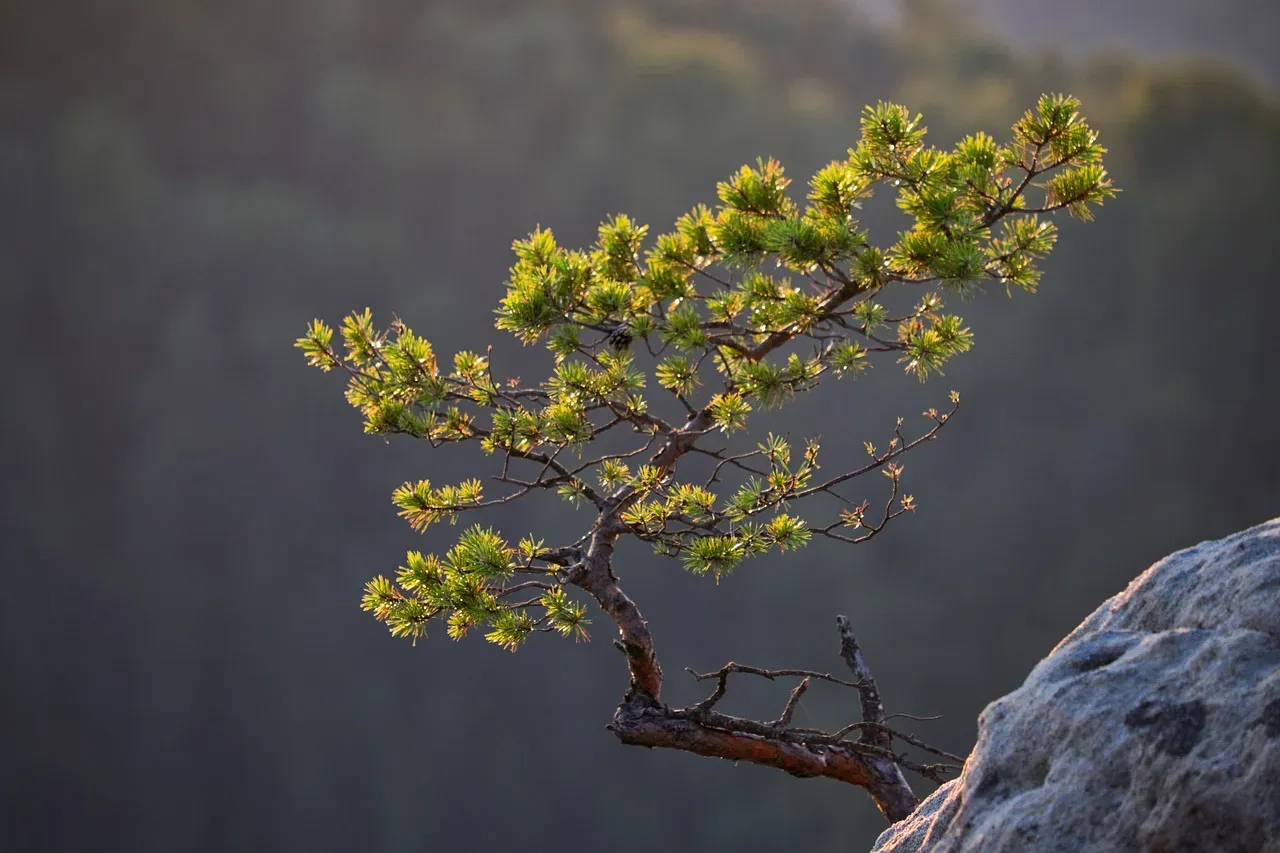
Deep inside plant tissue, a hormone called abscisic acid (ABA) begins surging in the weeks before frost, and this single hormone is largely responsible for telling a plant to stop growing and start preparing for dormancy.
ABA works almost like an internal off-switch. It suppresses the growth-promoting hormones auxin and gibberellin, which is why new growth naturally slows and eventually halts as autumn progresses. This isn’t decline – it’s a deliberate, hormonally controlled shutdown that protects tender new tissue from being caught out by an early freeze.
Many gardeners misread this slowdown as a sign something’s wrong, sometimes overcompensating with extra fertilizer to “wake the plant back up.” That’s actually one of the worst things you can do in early fall, since it can trigger tender new growth right when a plant should be locking things down for winter.
#8 – Trees Build a “Scar Tissue” Layer to Safely Drop Their Leaves
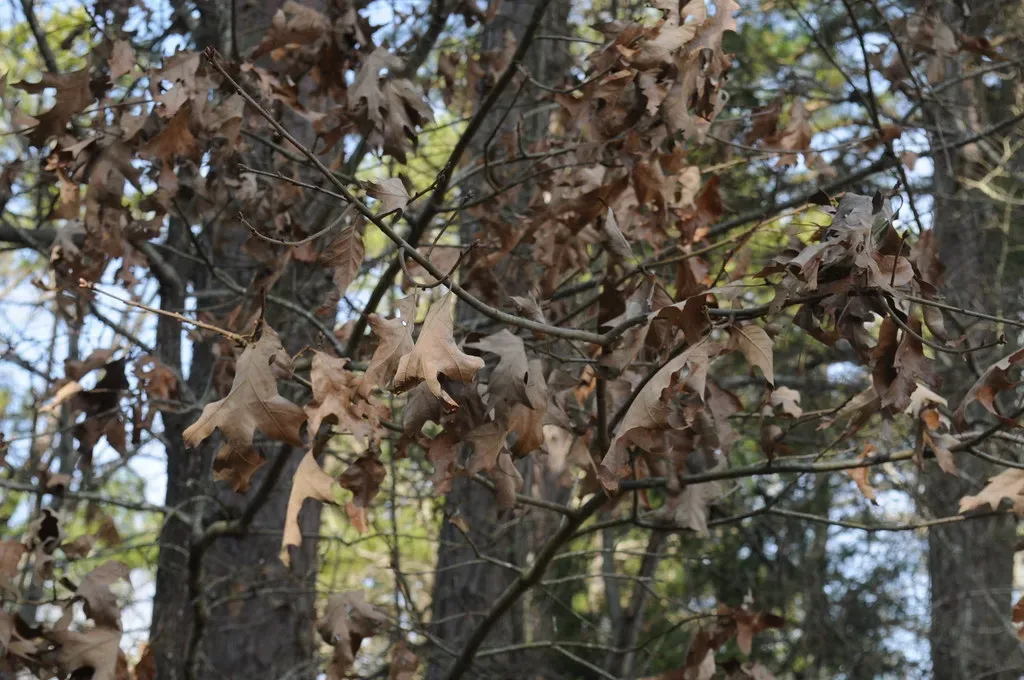
Leaves don’t just fall off randomly when frost approaches. Trees construct a specialized layer of cells called the abscission zone, essentially a built-in scar that seals off the leaf before it detaches.
This process is remarkably precise. Enzymes weaken the cell walls at the base of the leaf stem while a protective corky layer forms underneath, sealing the wound before the leaf even separates. This keeps the tree from losing sap or moisture, and stops disease or pests from getting in through an open wound. The timing is so exact that leaves often fall within a very narrow window once the layer fully matures.
This is why leaves sometimes seem to “hang on” stubbornly through a warm fall, then suddenly drop en masse after the first hard frost. The abscission layer was already finished – the cold was just the trigger that released dozens of leaves within hours of each other.
#9 – Bark Thickens and Cork Cells Multiply Almost Overnight
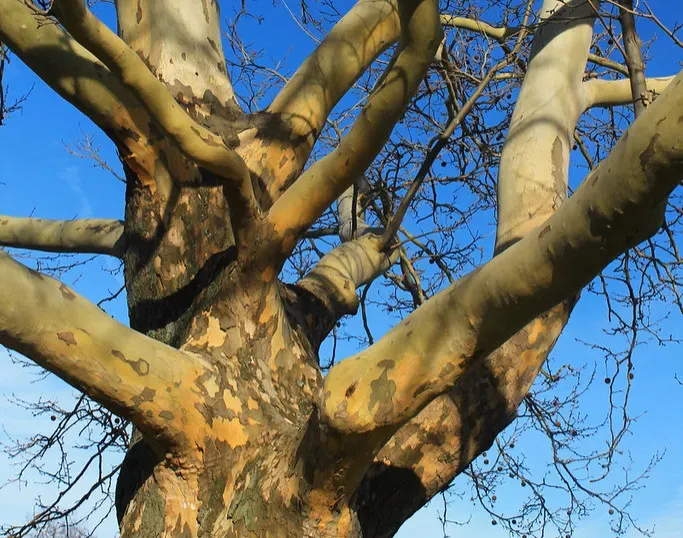
Most people never think to touch tree bark in autumn, but if they did, they’d notice something changing. Woody plants rapidly increase production of cork cells in their outer bark layers right before frost season, thickening their defensive barrier against the cold.
This corky periderm acts like insulation, similar to how a heavier coat protects a person from wind chill. The cells themselves become suberized, coated with a waxy substance called suberin that blocks water loss and provides a physical barrier against ice reaching more vulnerable inner tissue like the cambium layer, which is responsible for all future growth.
Arborists often judge a tree’s frost readiness by checking bark development in the fall, since thin or damaged bark leaves the cambium exposed to potentially lethal freeze damage. A tree pruned too late in the season, cutting into bark before this thickening was complete, faces significantly higher risk of frost injury than one left alone.
Quick Compare
- Pruning before cork layer matures: cambium left exposed, higher risk of frost injury at the cut site.
- Pruning after leaf drop and full cork development: tissue already insulated, meaningfully lower frost-injury risk.
#10 – Amino Acids Flood Cells as an Internal Antifreeze Cocktail
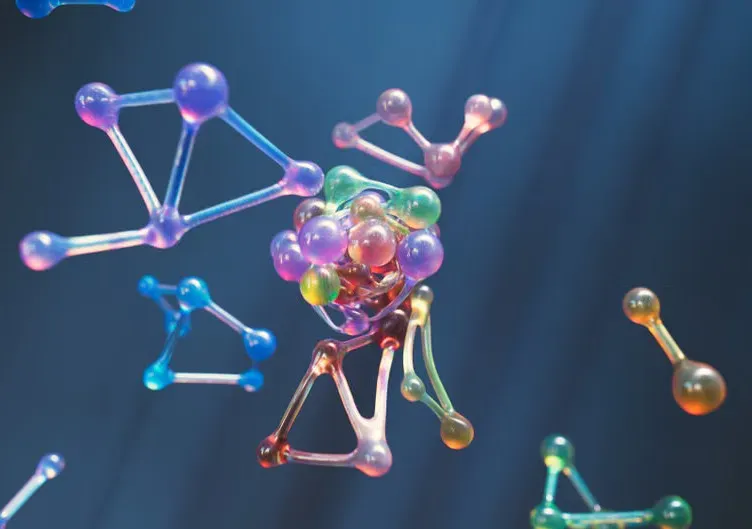
Sugar isn’t the only weapon plants use against ice. Certain amino acids, especially proline, accumulate rapidly inside plant cells before a frost, acting as compatible solutes that stabilize proteins and cell membranes under cold stress.
Unlike sugars, which mostly lower the freezing point, proline and similar compounds work more like molecular bodyguards. They prevent proteins from unfolding when temperatures drop and help stabilize the delicate membrane structures that would otherwise turn brittle and rupture in extreme cold. Some studies on cold-hardy crops have found proline levels climbing several times over within just days of cold exposure.
This biochemical cocktail is part of why some frost-tolerant plant varieties can survive temperatures that would instantly kill a genetically similar but non-hardy relative. Sometimes survival isn’t about thicker leaves or deeper roots at all – it’s invisible chemistry that no amount of mulch or frost cloth can replicate.
#11 – Some Plants Actually Produce Genuine Antifreeze Proteins
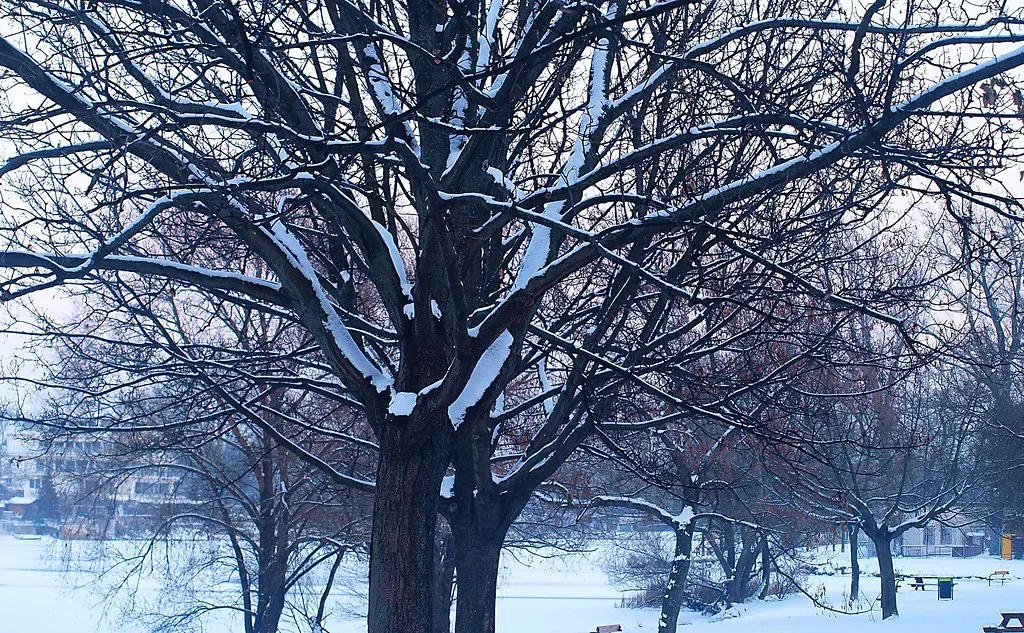
This sounds almost too dramatic to be real, but it’s confirmed science. A select group of cold-hardy plants produce actual antifreeze proteins, compounds that bind directly to forming ice crystals and stop them from growing larger.
These specialized proteins attach to the surface of tiny ice crystals as soon as they form, blocking additional water molecules from joining and expanding the structure. This keeps ice crystals microscopically small and confined to safer extracellular spaces instead of letting them grow into cell-destroying spears. Winter rye, certain conifers, and some overwintering vegetables have all been documented producing these compounds.
Nature, to be commanded, must be obeyed.
Francis Bacon
Here’s where things get genuinely contested in plant science circles: some researchers argue these antifreeze proteins evolved independently multiple times across completely unrelated plant species, which would make them one of the more remarkable examples of convergent evolution in the plant kingdom. Not everyone agrees on how many separate origins there actually are, but nobody disputes that the proteins themselves are real and functional.
#12 – Annual Plants Panic-Rush to Finish Making Seeds
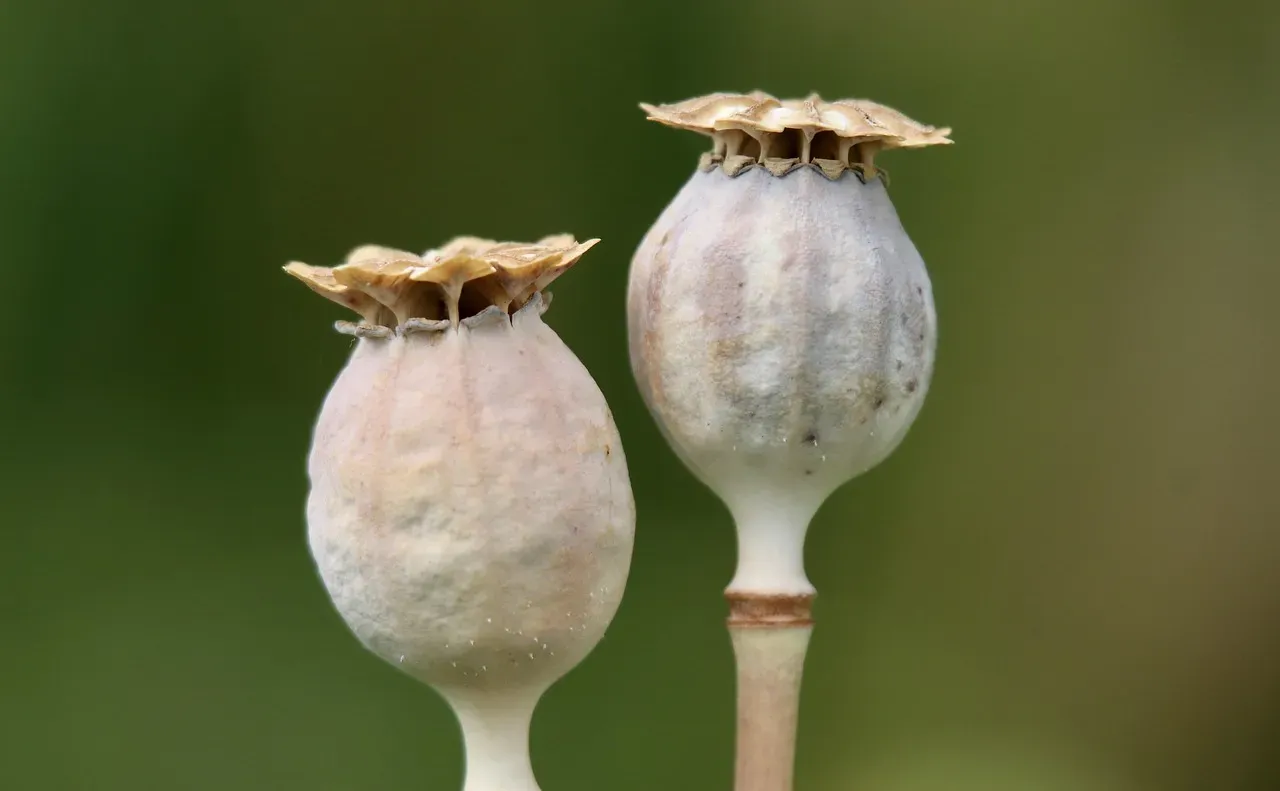
Not every plant is playing the long game. Annual plants, which only live for a single growing season, shift into reproductive-sprint mode as soon as they sense the first frost approaching, prioritizing seed production over almost everything else.
This makes complete evolutionary sense once you think it through. An annual has no next spring to look forward to – it dies with the frost regardless of what it does. So its entire strategy pivots toward guaranteeing the next generation survives instead. Energy that would normally go toward leaf growth or root expansion gets redirected almost entirely into flowers and seeds, sometimes at a faster pace than earlier in the season.
This is why gardeners often notice a final burst of blooming or seed pod formation on annuals like marigolds, zinnias, or tomatoes right before the first cold snap. It’s not the plant thriving – it’s making one last desperate reproductive push before its inevitable end, and it’s one of the more quietly dramatic things happening in any autumn garden.
At a Glance
- Annuals: no next season to protect, so energy floods into flowers and seed pods right before frost hits.
- Perennials: growth halts entirely, with energy redirected into roots and stems for next spring’s comeback instead.
- Annuals die completely once frozen through; perennials simply go dormant and resume growth after the thaw.
- Common annuals showing this last-minute seed rush include marigolds, zinnias, and tomatoes.
#13 – Perennials Essentially Play Dead, Shutting Down Photosynthesis Entirely
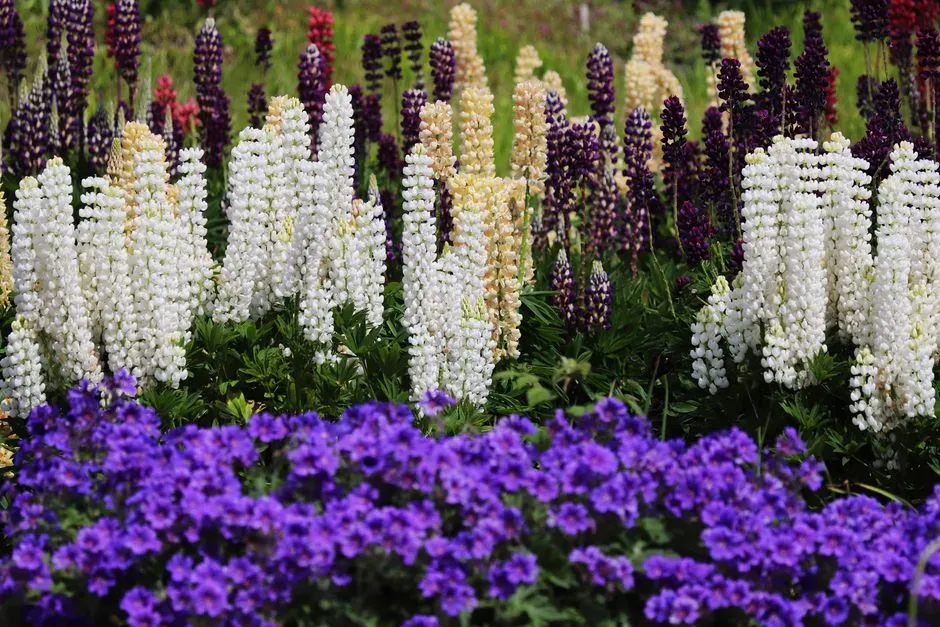
The most dramatic survival move of all belongs to perennial plants and trees, and it’s the one almost nobody notices happening in real time. Right before a hard frost, these plants completely shut down photosynthesis, entering a state of suspended animation that mimics death until spring.
This isn’t gradual decline – it’s intentional, controlled dormancy. Chlorophyll production stops entirely, metabolic activity slows to the bare minimum required for cell survival, and the plant becomes biologically inert from the outside looking in. Some researchers describe this state as remarkably similar to hibernation in animals, with dramatically reduced respiration and almost no detectable growth activity for months at a time.
This is arguably the single most underappreciated survival strategy in the entire plant kingdom. A dormant perennial isn’t dead, isn’t struggling, and isn’t failing – it’s executing one of the most successful survival strategies in all of biology, one that’s allowed trees to outlive human civilizations by simply refusing to participate in winter at all.
The Bottom Line
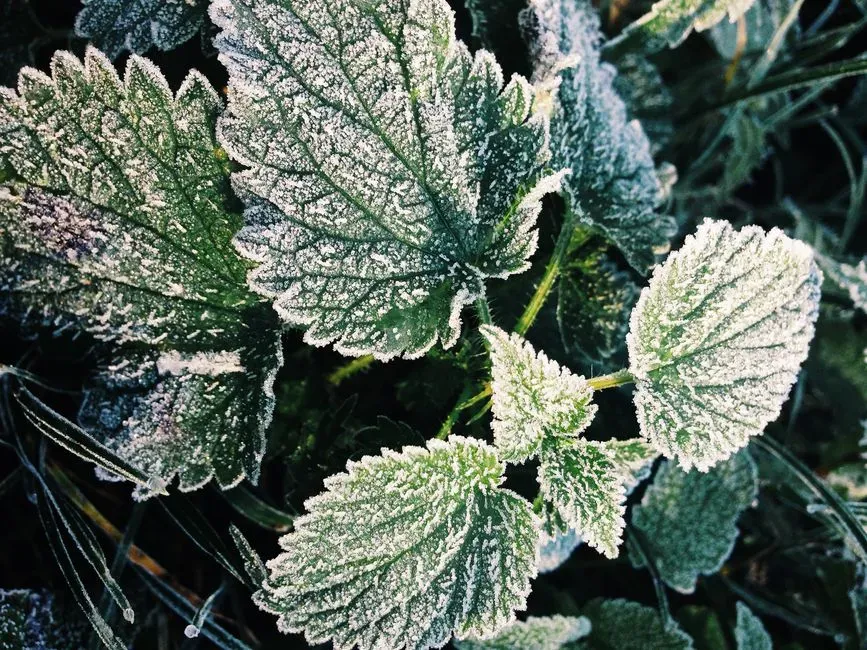
Frost isn’t a sudden ambush. It’s the final beat in weeks of quiet, sophisticated preparation happening entirely out of sight. From hormone shifts and antifreeze proteins to deliberate cellular dehydration, plants are running biochemical operations most people will never notice, let alone appreciate.
The idea that plants are passive victims of cold weather simply doesn’t hold up once you understand what’s actually happening beneath the leaves and bark. If anything, plants are better forecasters and better survivalists than most of us give them credit for – and honestly, that should make you a little humbled the next time you sweep up a pile of “dead” leaves.
What’s the most surprising fall plant behavior you’ve ever noticed in your own backyard? Drop it in the comments.