Most people assume ancient civilizations were just guessing when it came to tracking time – squinting at the moon, scratching marks on a wall, hoping the harvest showed up on schedule. That assumption is dead wrong. Long before satellites, atomic clocks, or even basic algebra as we know it, priests, farmers, and astronomers across the globe built calendar systems so precise that several of them still outperform parts of the calendar hanging on your wall right now.
From the deserts of Egypt to the jungles of Mesoamerica to a shipwreck off a Greek island, these systems tracked solstices, eclipses, and harvests down to fractions of a day – sometimes without a single written numeral. Here’s what historians, archaeologists, and astronomers actually say about the 12 ancient calendars that got it shockingly right, starting with the one whose skeleton you’re still using today.
#1 – The Egyptian Civil Calendar
The Egyptians didn’t just invent a calendar – they invented the blueprint for the one hanging on your wall right now.
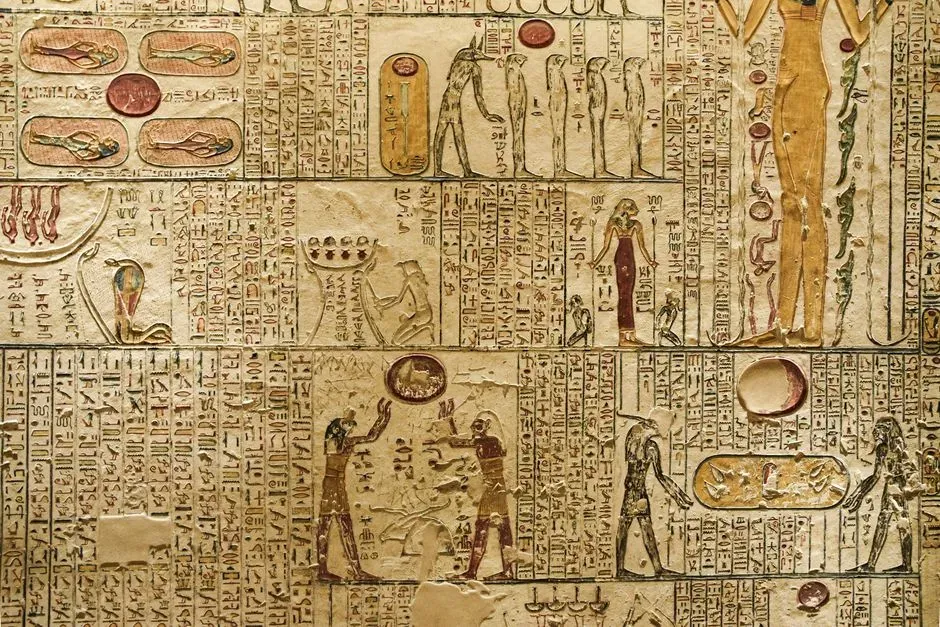
Established roughly 5,000 years ago, the Egyptian civil calendar ran on a 365-day year built from 12 months of 30 days each, plus five extra “epagomenal” days tacked onto the end to honor the gods. That’s the exact same 365-day skeleton Western civilization still uses. Egyptians anchored the whole system to the heliacal rising of Sirius, using the star as a cosmic backup clock whenever the math started to slip.
Here’s the catch: the calendar had no leap year, so it drifted constantly. Missing a quarter-day every year doesn’t sound like much, but it meant the calendar needed 1,461 years just to slide back into its original position. The Egyptians knew this was happening and tracked the drift anyway, patiently, for over a millennium. Impressive as that is, it’s almost primitive compared to the math Babylon was quietly running centuries earlier.
#2 – The Babylonian Lunisolar Calendar
Nearly a thousand years before the Greeks got credit for it, Babylonian astronomers had already cracked one of the hardest problems in timekeeping.
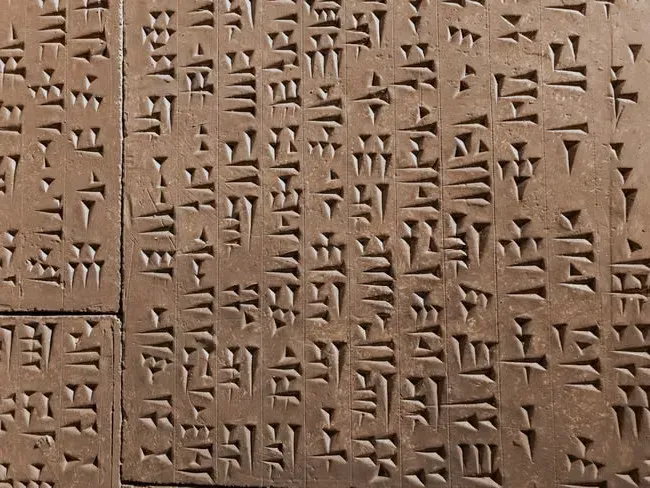
It’s called the Metonic cycle, and most textbooks wrongly credit the Greek astronomer Meton with discovering it in 432 BCE. In reality, Babylonian scribes appear to have been using this scheme around 500 BCE, long before Meton’s name got attached to it. The system solved a brutal problem: how do you keep a moon-based calendar in sync with the sun? Their answer was to add seven extra months every 19 years, using 235 lunar months to produce a year of 365.2467463 days.
That’s shockingly close to the real solar year. The error rate was tiny – just one full day off every 219 years. By the fifth century BCE, Babylonian scribes had locked this into official policy, inserting seven intercalary months at fixed, predictable positions across the 19-year cycle. And yet, halfway around the world, Chinese astronomers were quietly running numbers that make even this look a little sloppy.
#3 – The Ancient Chinese Lunisolar Calendar

While Rome was still fumbling through a chaotic, politically manipulated calendar, Chinese astronomers were already running mathematically elegant time systems thousands of years earlier.
Archaeological evidence from oracle bones and bronze inscriptions shows Chinese astronomers using sophisticated intercalation methods as far back as the Shang Dynasty. They understood that lunar months of roughly 29.5 days would slowly drift out of sync with the solar year, so they formalized a fix known as the sìfēn system. It used 365.25 days as the solar cycle and adopted a lunar cycle equal to 19/235 of that – essentially their own independently developed version of the Metonic cycle.
The precision here is almost unsettling. Ancient Chinese astronomers calculated a tropical year of 365.2422 days – a number that differs from the modern measurement by only 0.0001 days. That’s more accurate than the Julian calendar Rome relied on for over 1,500 years. This wasn’t a lucky one-off calculation, either; it produced algorithms accurate thousands of years after they were first written down. Meanwhile, on the other side of the planet, the Maya were running an entirely separate system just as obsessive.
Fast Facts
- Solar cycle fixed at 365.25 days under the sìfēn system
- Lunar cycle set at 19/235 of the solar year – an independent Metonic equivalent
- Calculated tropical year: 365.2422 days, off modern figures by just 0.0001 days
- Outperformed the Julian calendar, which Rome used for over 1,500 years
#4 – The Mayan Haab’ Calendar
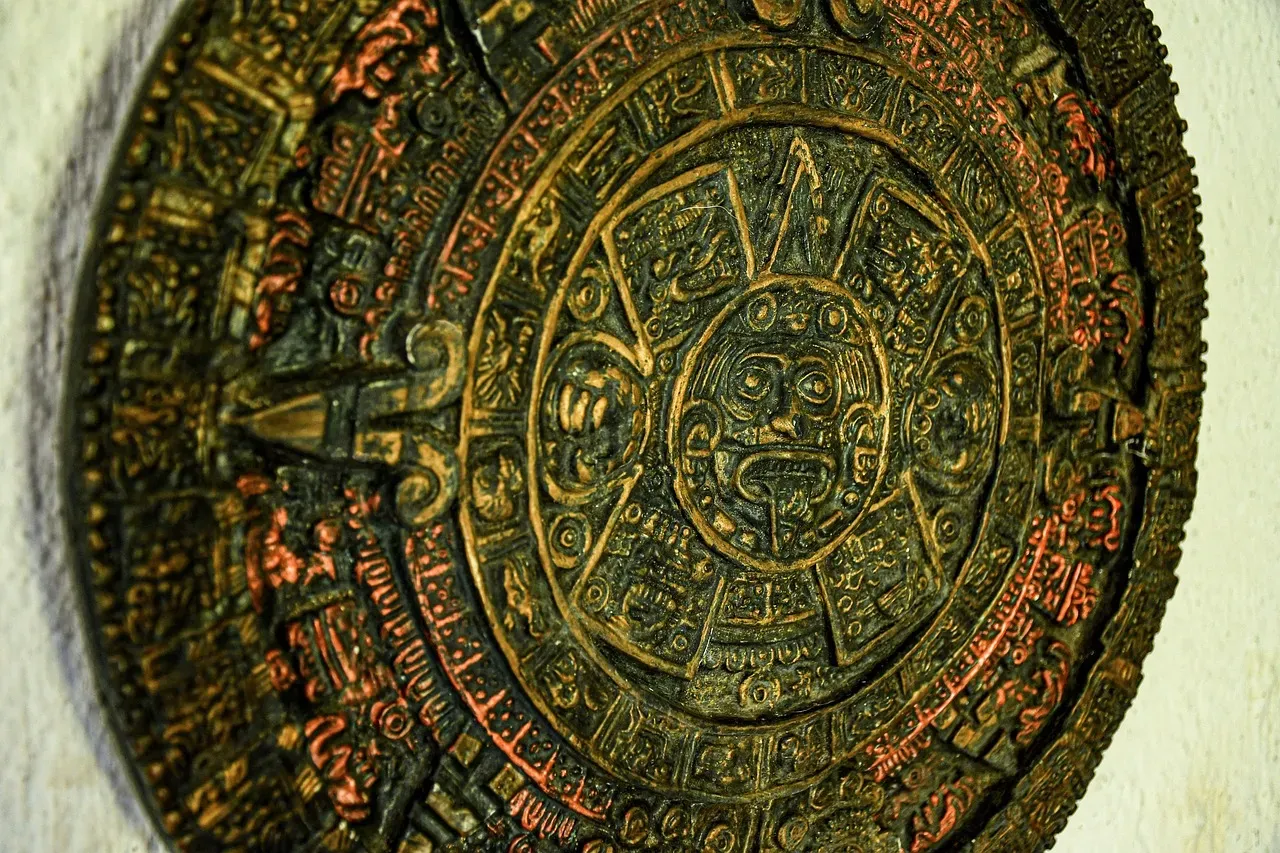
Everyone knows the Maya “predicted the end of the world” – they didn’t. What most people don’t realize is how mathematically obsessive their actual timekeeping really was.
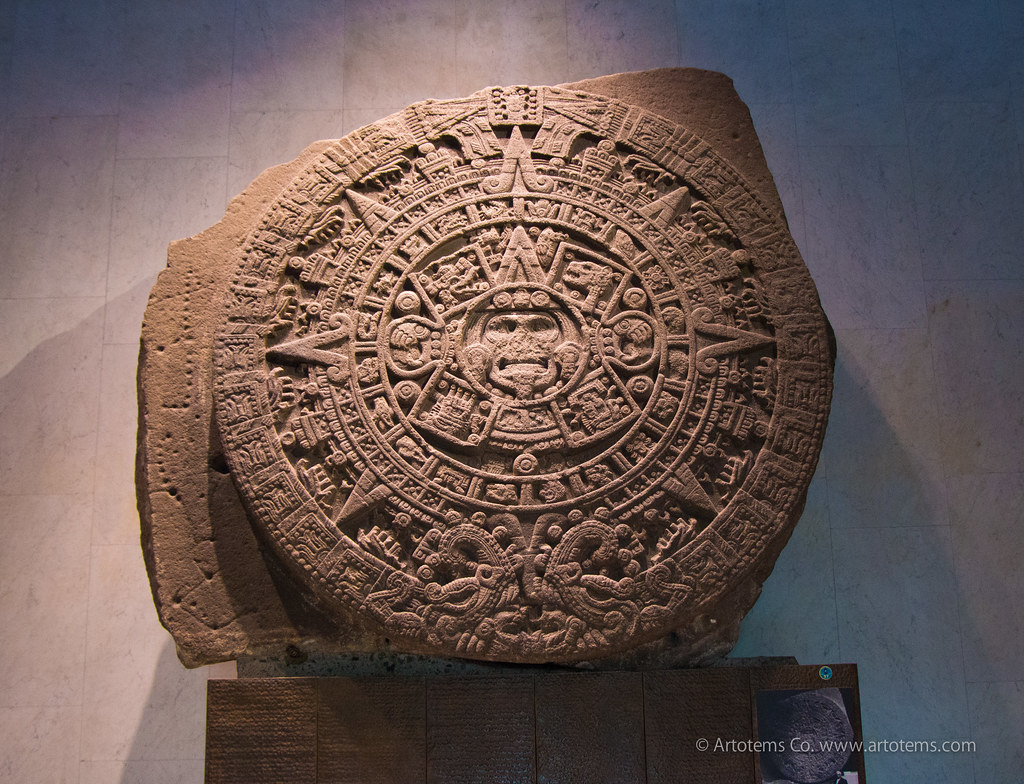
The Haab’ was the Maya civil calendar, and it mirrors Egypt’s structure almost exactly. It counted 365 days across 18 months of 20 days each, totaling 360 days, plus a final 5-day month called Wayeb to round it out. This wasn’t their only calendar, either – they ran it in parallel with a sacred 260-day cycle called the Tzolk’in.
Here’s the twist: those two cycles interlocked into a longer 52-year system known as the “Calendar Round.” Some researchers argue the Maya went even further, with one analysis finding that astronomers at Chichén Itzá calculated the tropical year at 365.3333 days – an imperfect but genuinely stunning estimate made without a single telescope. Rome, on the other hand, wasn’t nearly this disciplined – and its fix came from somewhere unexpected.
#5 – The Julian Calendar

Most people think the calendar Julius Caesar created was purely Roman genius. The truth is far less flattering to Rome – and far more interesting.
Before 46 BCE, Rome’s calendar was a political disaster, quietly manipulated by priests to stretch out terms of office. Caesar fixed it by essentially importing foreign expertise. He brought in Sosigenes of Alexandria, an astronomer steeped in the superior Egyptian solar model, who advised Caesar that the true year ran approximately 365.25 days – not a clean 365. That single correction, adding one leap day every four years, is the direct ancestor of the leap year system we still use.
It wasn’t perfect, but it was a massive leap forward from the drifting Egyptian model, decoupling from the seasons far more slowly. The Julian calendar stayed in official use across Europe for over 1,600 years before Pope Gregory XIII tightened it further in 1582. But while Rome was borrowing solutions, one religious tradition had already turned the same math into an unbreakable formula.
#6 – The Hebrew Calendar
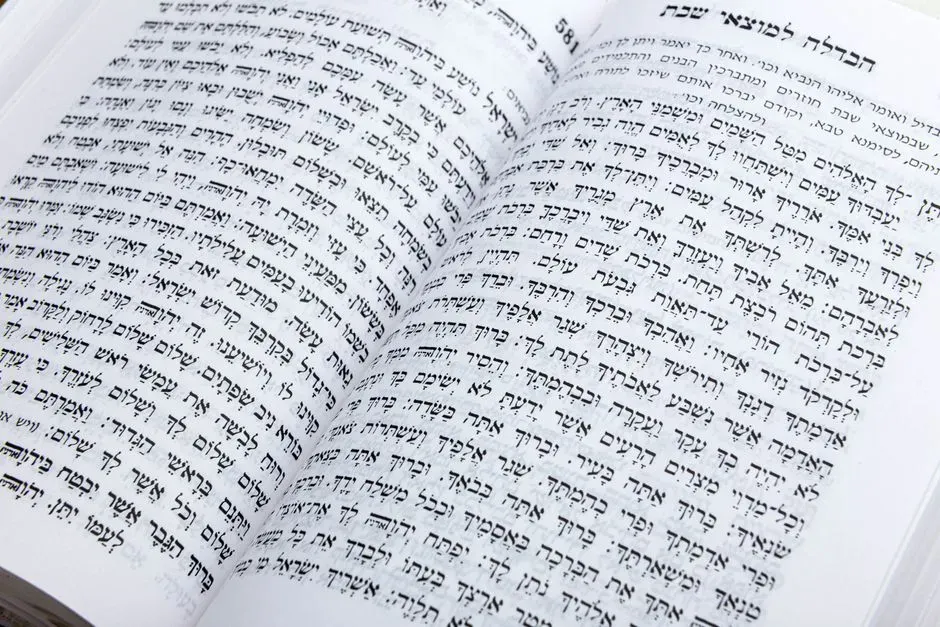
Here’s a controversial take: the Hebrew calendar might be the most mathematically rigorous religious calendar ever built, and it doesn’t get nearly enough credit.
Like the Babylonians, the Hebrew calendar runs on the 19-year Metonic cycle, but with far stricter rules. Years 3, 6, 8, 11, 14, 17, and 19 are designated as long, 13-month years within that cycle. Unlike Babylon’s more improvised approach, Jewish calendrical scholars locked this pattern into a fixed, repeating formula centuries ago – and never really loosened it.
This is where it gets genuinely wild: the Hebrew calendar’s intercalation almost never wavers. It always inserts the same 6th month, Adar, and its sequences don’t line up with Babylonian dates despite sharing similar month names – proof of an independently refined, highly disciplined system. The result is a calendar so stable that Jewish communities have used essentially the same core structure, unmodified, for close to two millennia. Not every calendar on this list cared about matching the sun at all, though.
Worth Knowing
- Runs on the same 19-year Metonic cycle as Babylon, but with fixed rules
- Leap years fall on years 3, 6, 8, 11, 14, 17, and 19 of every cycle
- The same 6th month, Adar, is added every single time – no exceptions
- Core structure has stayed essentially unmodified for close to two millennia
#7 – The Islamic Lunar Calendar
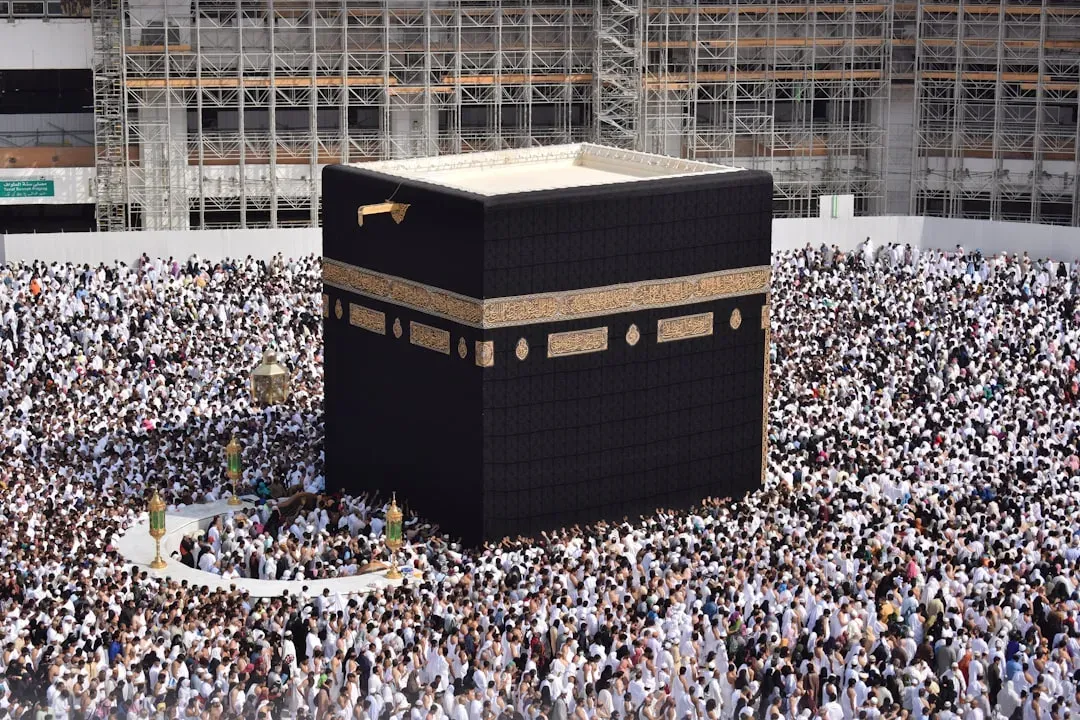
Most calendars on this list obsess over matching the solar year. The Islamic calendar deliberately does not – and that’s precisely the point.
The Islamic Hijri calendar is a purely lunar system built on 12 months of alternating 29 and 30 days, giving a year of roughly 354 days. There’s no intercalation, no leap month, no correction whatsoever. This is intentional – Islamic tradition explicitly rejects inserting extra months to chase the solar year, a practice that had been common in pre-Islamic Arabia.
The tradeoff is fascinating. Because the calendar ignores the solar year entirely, it drifts through the seasons at roughly 11 days per year, completing a full cycle back to the same season about every 33 years. Critics call this “inaccurate,” but that framing misses the point – the calendar was never designed to track seasons in the first place. As a pure lunar-observation system, it’s remained functionally unchanged for over 1,400 years. India, meanwhile, was building something far more layered.
#8 – The Hindu Panchanga
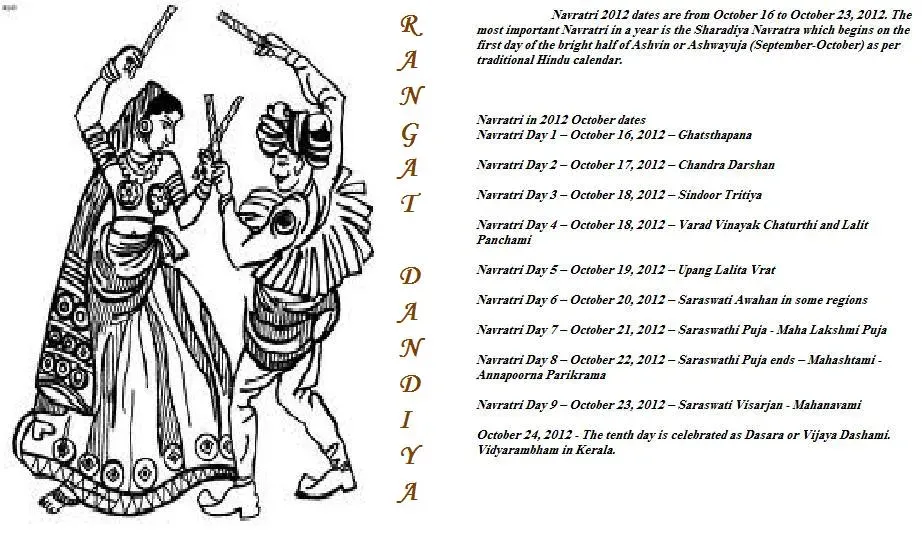
While Western timekeeping obsessed over one calendar, ancient India ran a system so layered it makes modern smartphone calendars look primitive.
The Panchanga is a lunisolar calendar built around five core elements: the lunar day (tithi), the day of the week (vara), the lunar mansion (nakshatra), the yoga, and the karana. Instead of simply bolting on a 13th month, Hindu astronomers used a leap month called “adhika masa,” inserted roughly every 32 to 33 months whenever a lunar month failed to contain a solar transition.
This is a genuinely different mathematical approach than the Metonic-style systems used elsewhere, and it required tracking both lunar days and solar transits simultaneously to know exactly when to intercalate. The system also occasionally deletes a lunar month entirely – a “kshaya masa” – in rare years, a level of calendrical sophistication almost no other ancient culture attempted. Regional versions of the Panchanga still set Hindu festival dates today. Across the ocean, the Aztecs were building something eerily similar – and far more dramatic.
Quick Compare
- Tithi – the lunar day, the basic building block of the system
- Vara – the day of the week
- Nakshatra – the lunar mansion marking the moon’s position
- Yoga and karana – finer astronomical subdivisions used for precision timing
#9 – The Aztec Xiuhpohualli
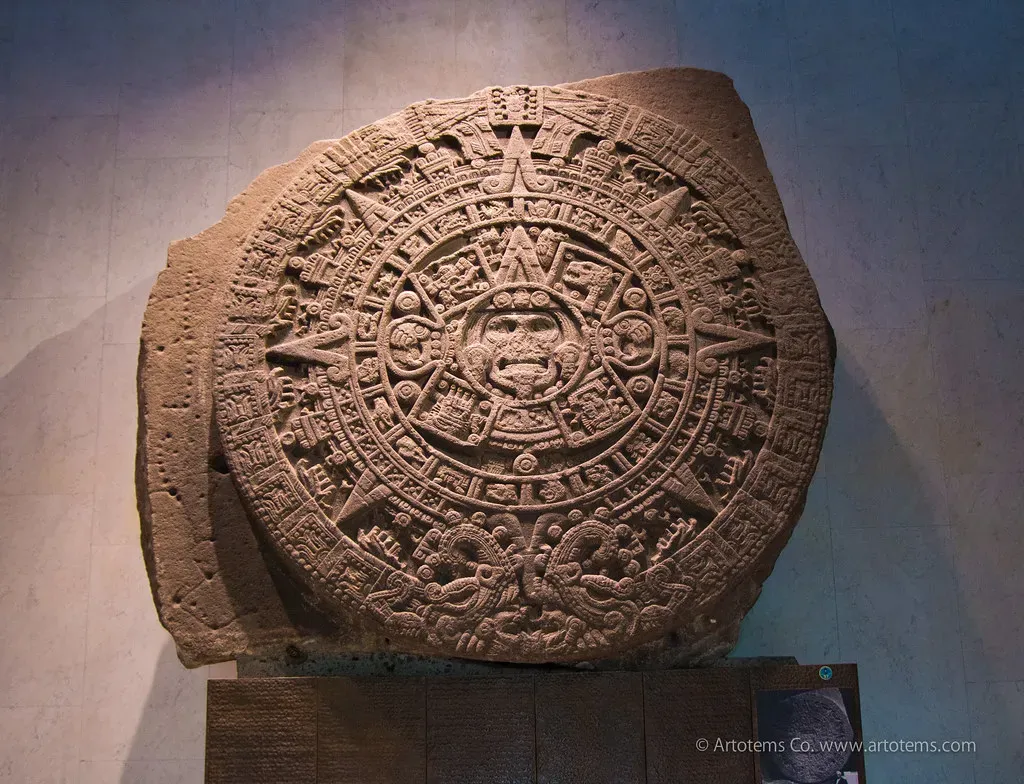
The Aztecs get overshadowed by the Maya constantly, but their solar calendar system was arguably just as sophisticated – and structurally almost identical.
Known in Nahuatl as the Xiuhpohualli, this 365-day solar calendar was built from 18 months of 20 days each, plus five extra “unlucky” days called nemontemi – the Aztec equivalent of the Maya Wayeb. It ran alongside a separate 260-day sacred calendar called the Tonalpohualli, mirroring the Maya’s dual-calendar structure almost exactly.
The five nemontemi days were treated as genuinely dangerous – a period when fires were extinguished and normal life paused entirely out of fear.
Aztec calendrical tradition, as recorded by Spanish chroniclers
Combined, the two calendars interlocked into the same 52-year “Calendar Round” used farther south. When a full round finished, the Aztecs performed the New Fire Ceremony – smashing household items and relighting every fire in the empire from a single sacred flame, genuinely believing the world might otherwise end. Far to the south, a civilization with no writing system at all was tracking time just as precisely, using stone.
#10 – The Inca Calendar

The Inca never developed a written script, yet they somehow built one of the most astronomically precise calendar systems in the Americas using stone towers and knotted rope.
Inca astronomers tracked the solar year using stone pillars called “sucancas,” positioned on hills around Cusco to mark the exact rising and setting points of the sun at the solstices. This let them fix planting and harvest dates with remarkable consistency, despite lacking any written mathematical notation. Time itself was recorded on quipu – knotted cords that encoded numerical data instead of words.
Most people assume oral, non-written cultures couldn’t achieve calendar precision – the Inca prove otherwise. Their system combined 12 lunar months with solar corrections tied to physical solstice markers, effectively creating a lunisolar hybrid without a single written numeral. Spanish chroniclers who arrived in the 1500s were reportedly stunned at how precisely Inca agricultural festivals lined up with the actual solstices and equinoxes. Europe had its own overlooked masterpiece buried underground, and nobody found it for 1,700 years.
#11 – The Celtic Coligny Calendar

Buried in French soil for nearly 1,700 years, this bronze tablet upended everything historians assumed about “primitive” Celtic timekeeping.
Discovered in 1897 in Coligny, France, the fragmented bronze calendar is inscribed in Gaulish and believed to have been maintained by Druids. It runs on a five-year cycle covering 62 lunar months, with two intercalary months inserted to stay aligned with the solar year – a lunisolar structure strikingly similar to the Metonic cycle developed independently in Babylon, Greece, and China.
At a Glance
- Unearthed in 1897 near Coligny, France
- Bronze tablet inscribed in Gaulish, linked to Druid record-keeping
- Built on a five-year cycle spanning 62 lunar months
- Two intercalary months added to keep it aligned with the solar year
This wrecks the old stereotype of Celtic tribes as calendrically primitive compared to Rome. The tablet divides months into “light” and “dark” halves, tracking lunar phases with genuine astronomical intent rather than superstition. Because it survived only in fragments, scholars still debate the finer details, but the underlying math – five years, 62 months, strategic intercalation – reveals people who understood the same lunar-solar mismatch every other civilization on this list had to solve. And then there’s the one entry on this list that isn’t really a calendar at all – it’s a machine.
#12 – The Antikythera Mechanism

If you think “ancient calendar” means a stone tablet or a sundial, this one will genuinely shock you – it’s a hand-cranked analog computer built over 2,000 years ago.
Recovered from a shipwreck off a Greek island in 1901, the Antikythera Mechanism was a geared device from the Hellenistic era, roughly 180 BCE. Using gears, pointers, and scales, it displayed moon phases, tracked the sky path of the sun and moon across the zodiac, and predicted upcoming solar and lunar eclipses down to the date and hour. It even tracked the Egyptian 365-day calendar alongside the true solar year, running two time systems at once.
This device physically corrected its own drift. For every four rotations of the golden sphere representing the sun, the user had to rotate the Egyptian ring by one subdivision, letting the Egyptian calendar creep forward by one day every four tropical years – a mechanical leap-year correction built centuries before Julius Caesar’s astronomers proposed the same fix on paper. Nothing else from this era comes close to matching its combination of calendrical and astronomical precision.
The Bottom Line
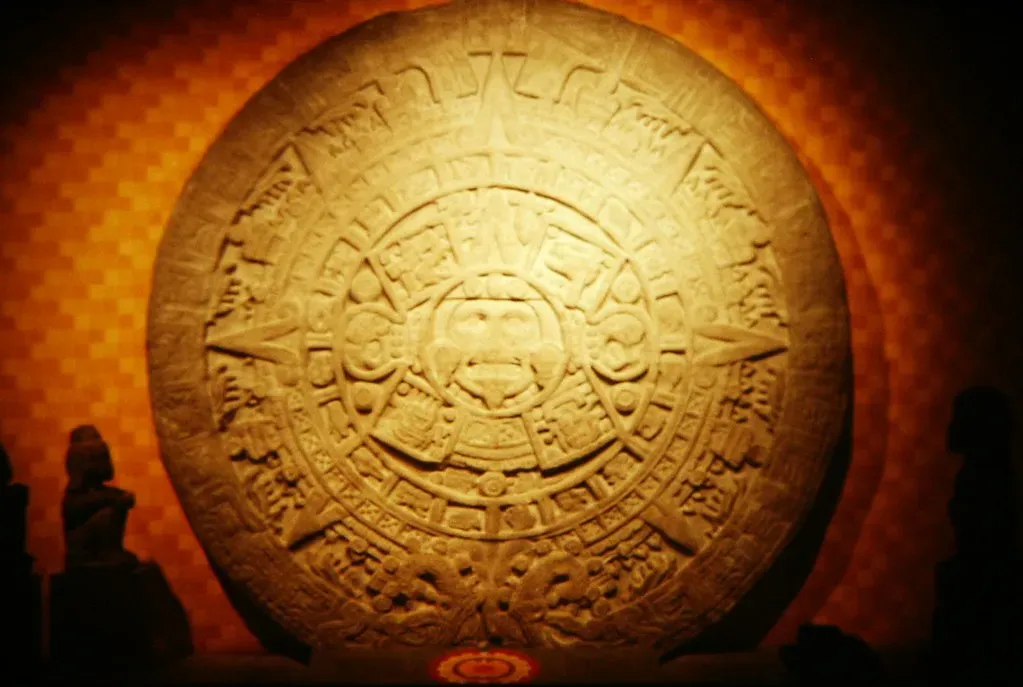
Here’s the uncomfortable truth: ancient civilizations weren’t stumbling through timekeeping by accident. They were running competing, independently developed mathematical systems, several of which rival or beat the accuracy of calendars still in use today.
The Chinese sìfēn system nailed the tropical year to within 0.0001 days. The Babylonians cracked the Metonic cycle a century before the Greek astronomer it’s named after. The Inca did it without writing a single number down. Modern audiences love crediting Rome and Greece with calendar “invention,” but the real innovation clearly traveled through Egypt, Babylon, China, and Mesoamerica first.
If there’s one myth worth killing permanently, it’s that precision timekeeping started with the Gregorian reform. It didn’t – it just got standardized, centuries after most of the hard math was already done. Which of these systems do you think deserves more credit than history gives it? Drop your take in the comments.