The first time a flock of dark-eyed juncos popped up under my feeder in November, I honestly thought I was seeing a new species I’d somehow missed my entire life. One day there were just finches and chickadees, and the next morning the ground looked sprinkled with tiny gray-and-white ornaments, all hopping and flicking their tails like they owned the place. If you’ve just had that same “who are these birds and why are they all over the ground?” moment, you’re not alone.
When juncos suddenly appear in early winter, it is not random at all. Their arrival is tied to shifting temperatures, food availability, daylight length, and even subtle changes in the forest far from your yard. Understanding what their visit really means turns a simple backyard sighting into a story about migration, climate, and survival playing out at your feet. Once you see them as seasonal messengers instead of just “little gray birds,” you’ll never look at your feeder the same way again.
They’re Telling You Migration Season Is Hitting Its Second Act
That sudden wave of dark-eyed juncos in early winter is basically nature tapping you on the shoulder and saying: migration isn’t over, it’s just changing gears. While the big, dramatic migrations of geese and warblers tend to grab attention in early and mid autumn, juncos are part of a quieter, later phase that kicks in as real cold settles into northern forests and higher elevations. Their timing often lines up with that moment when you finally admit you need a heavier coat.
In many regions, juncos breed in boreal forests, mountain ranges, and northern woodlands, then slide southward or downslope as winter tightens its grip. So when they suddenly appear under your feeder, it usually means something important has shifted in the habitats north or uphill of you – food is thinning, snow is sticking, and conditions have crossed a threshold that nudges them to move. You’re seeing the tail end of a migration wave that started weeks, even months, before they arrived in your yard.
Your Yard Just Got Upgraded to a Winter Survival Station
When juncos show up under feeders, they’re effectively voting with their wings that your place is worth the risk and the energy to visit. To a small bird trying to survive long, cold nights, a yard full of seeds, shrubs, and sheltered spots is the difference between scraping by and thriving. Their sudden presence is a pretty solid sign you’ve created at least a halfway decent winter refuge, even if you did it accidentally.
Juncos favor spots where they can feed low and dart quickly into cover, so if they’re hanging around your place instead of just passing through, it suggests you’ve got useful features: dense hedges, brush piles, evergreen trees, or even a cluttered edge of the yard with fallen branches and leaf litter. In a way, they’re your most honest food critics – if your setup is bad, they simply will not linger. If they decide to stay, you’ve built something that works for them, even if it’s not Instagram-perfect.
Ground-Feeding Behavior Explains Why They Love the Mess Under Your Feeder
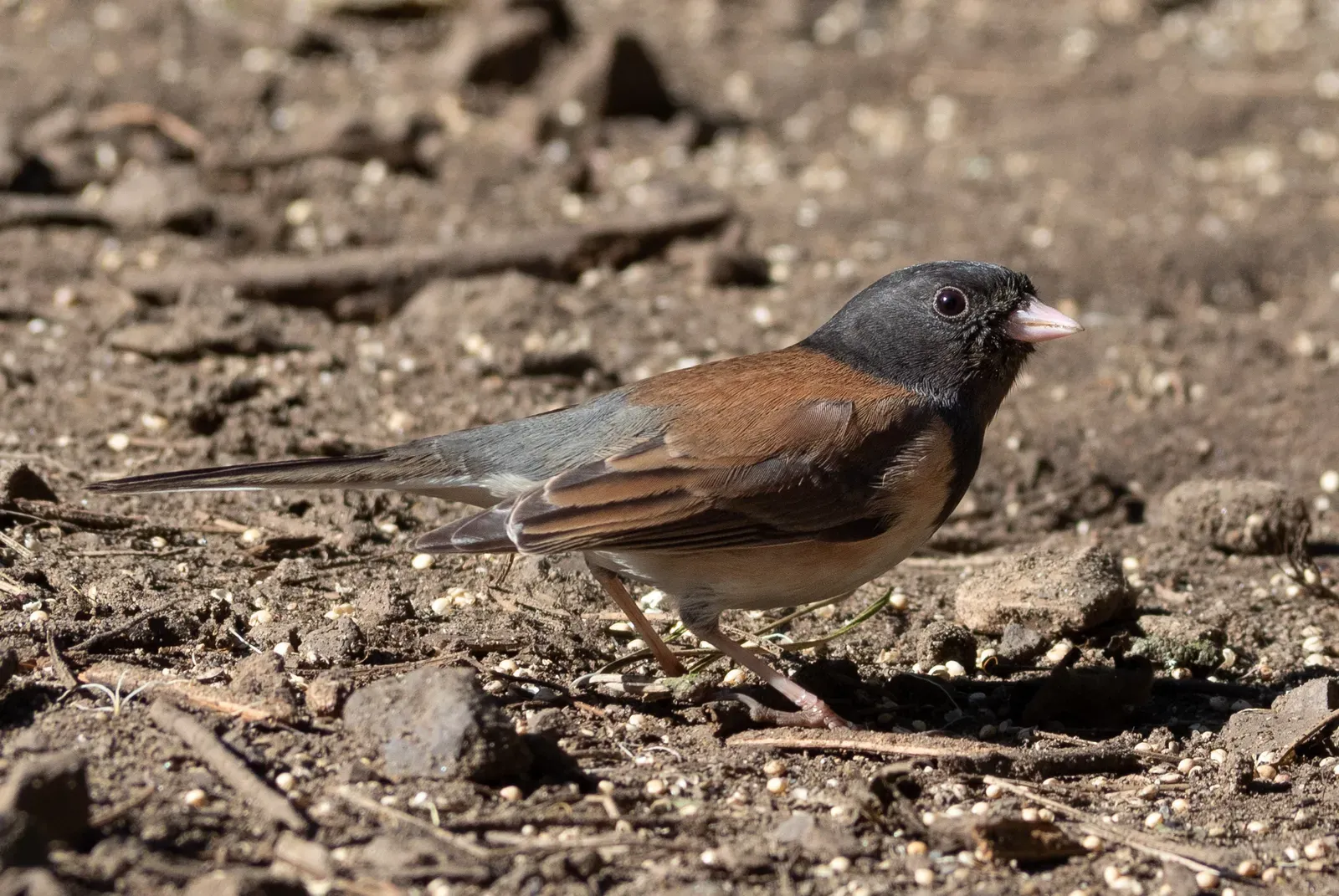
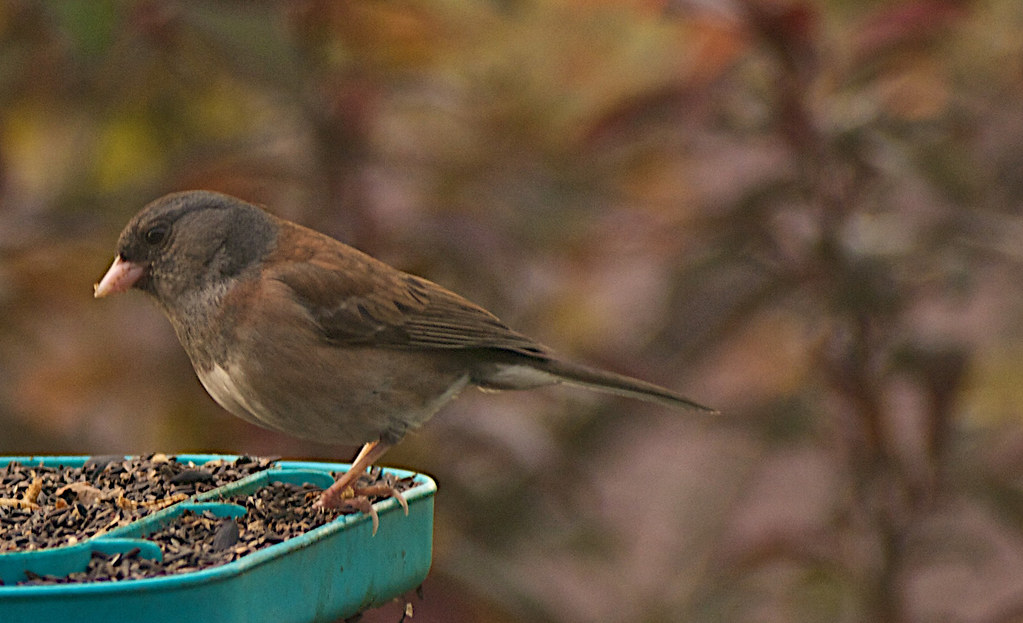
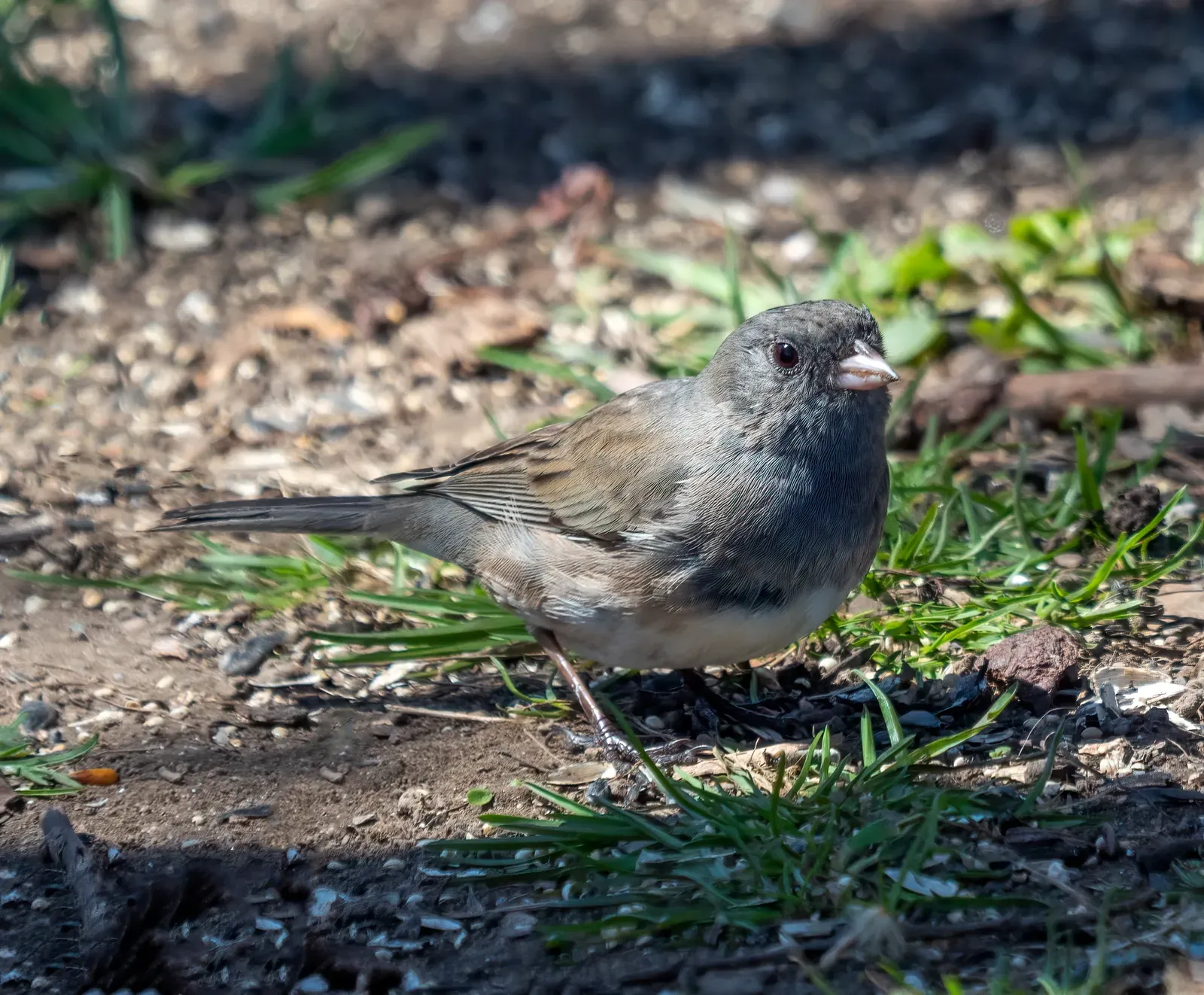
One of the first things people notice is that juncos rarely land right on the feeder; they prefer the dropped seeds below, like they’re the cleanup crew. That is not laziness – it’s biology. Juncos are classic ground-feeding sparrows, adapted to scratching and hopping along the forest floor where fallen seeds, tiny insects, and plant debris gather. Your feeder’s spillage is the closest thing to a forest buffet they can find in a suburban or urban landscape.
If you watch more closely, you’ll see a pattern: quick hops, little jumps, and sometimes a two-footed shuffle that kicks seeds into view. They tend to favor millet, cracked corn, and smaller seeds mixed in with sunflower fragments, which explains why bare dirt or lightly packed snow under the feeder quickly turns into their main hangout. What looks like bird “leftovers” to you is actually prime real estate to a junco. In their world, a bit of seed mess is not sloppy – it’s smart habitat design.
Subtle Weather Shifts May Be Pushing Them to You Earlier or Later
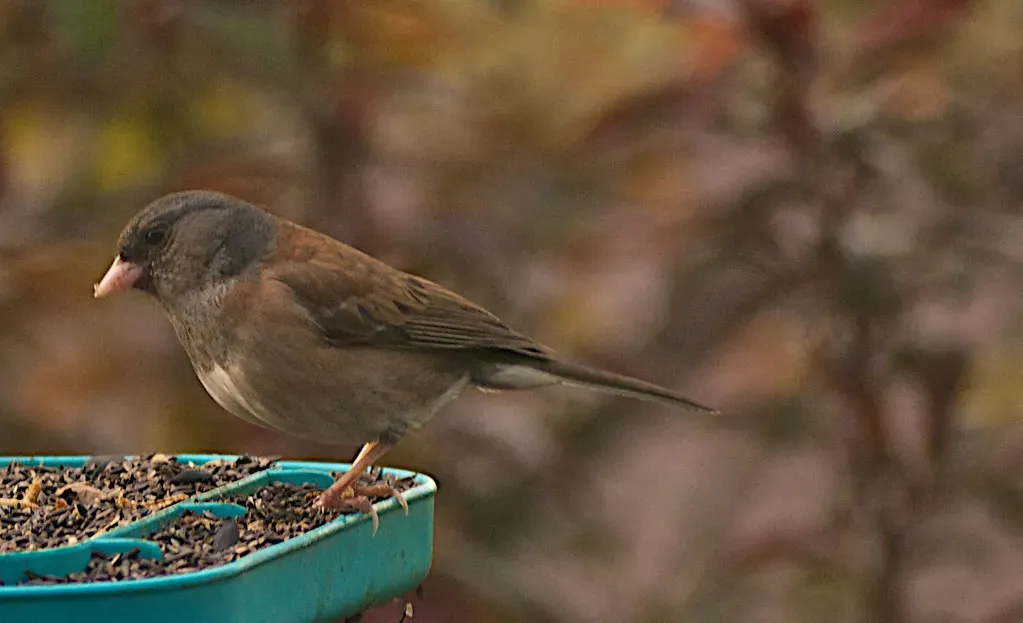
If you feel like your juncos are showing up earlier some years, or later in others, you’re likely not imagining it. Their timing is influenced by temperature patterns, snow cover, and the availability of wild seeds in fields, forests, and weedy edges. A stretch of unseasonably cold weather up north can push them into your area abruptly, turning what might have been a slow trickle into a sudden “overnight” arrival under your feeder.
On the flip side, milder early winters can delay their movement or spread it out, so instead of a single clear “they’re here” moment, you might see just a couple of birds at first and then a gradual increase. Their flexible timing is part of how they cope with a world that is not the same from year to year, and in the long run, it is also how they will try to adapt to a warming climate. Your notes about when they first appear each year, even if just in a phone memo, are a tiny piece of that bigger climate story.
You’re Witnessing a Hidden Diversity of Forms and Populations
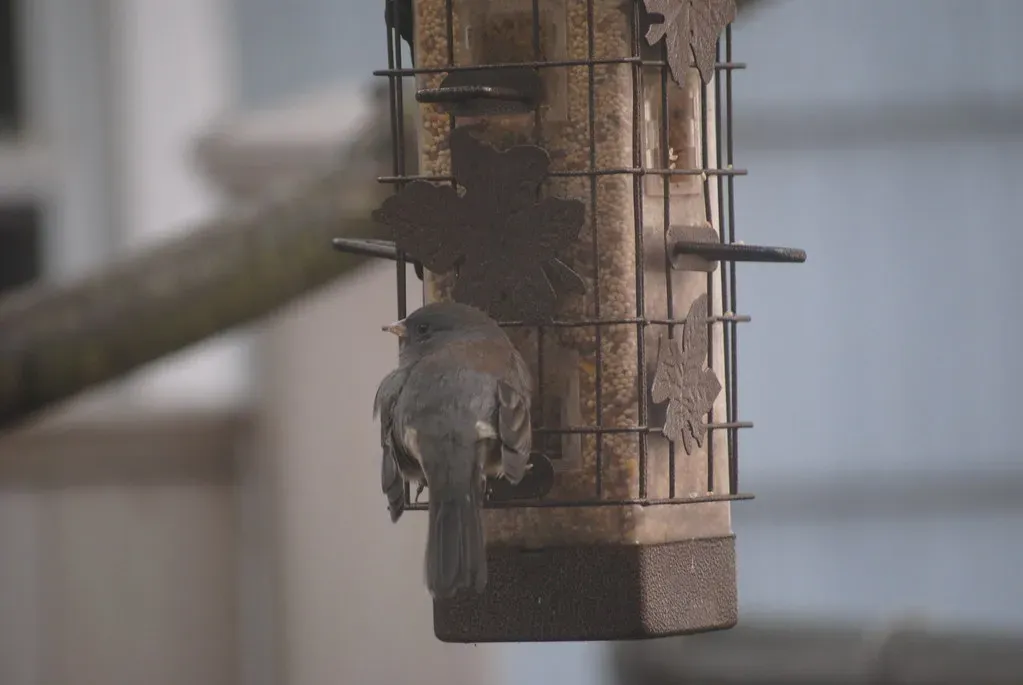
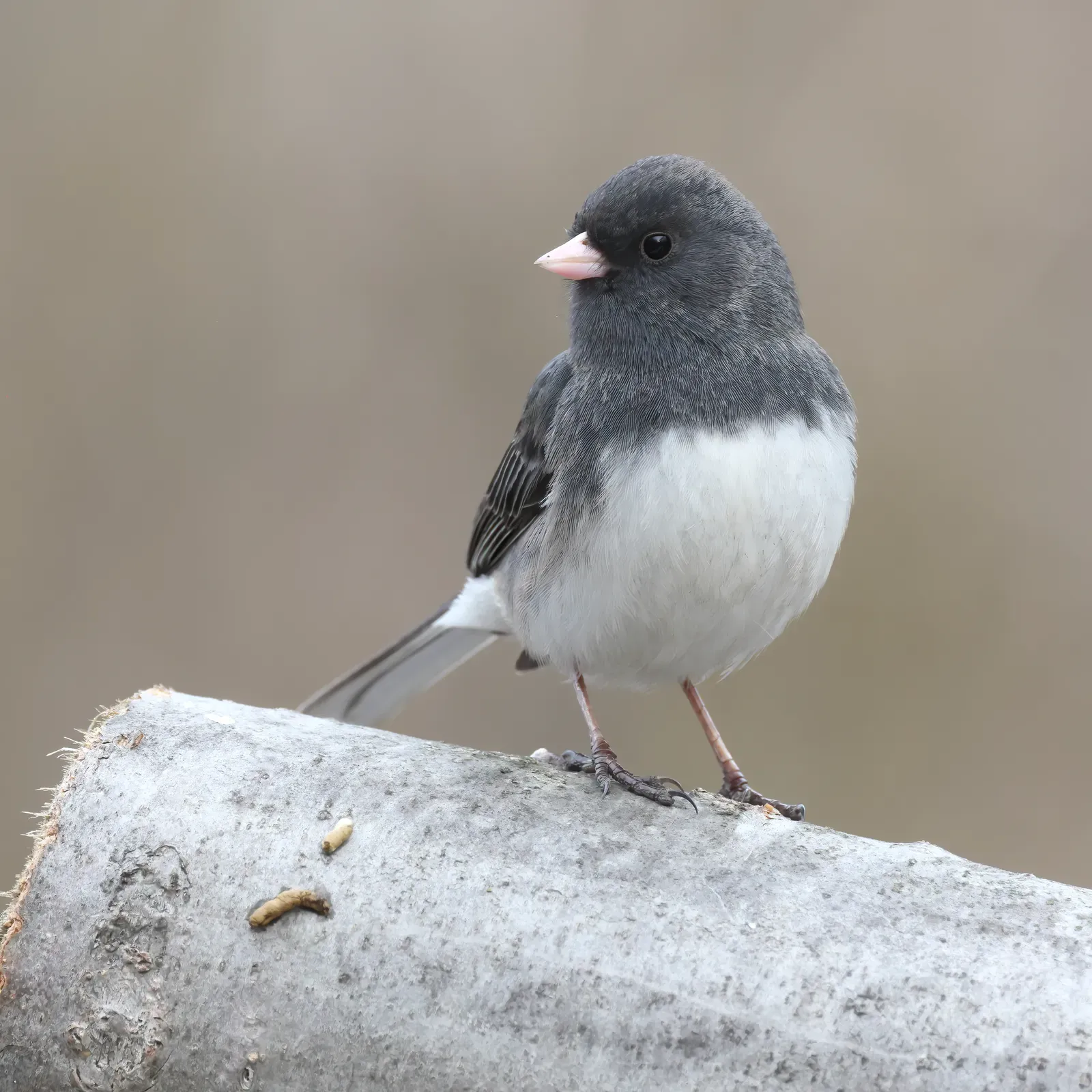
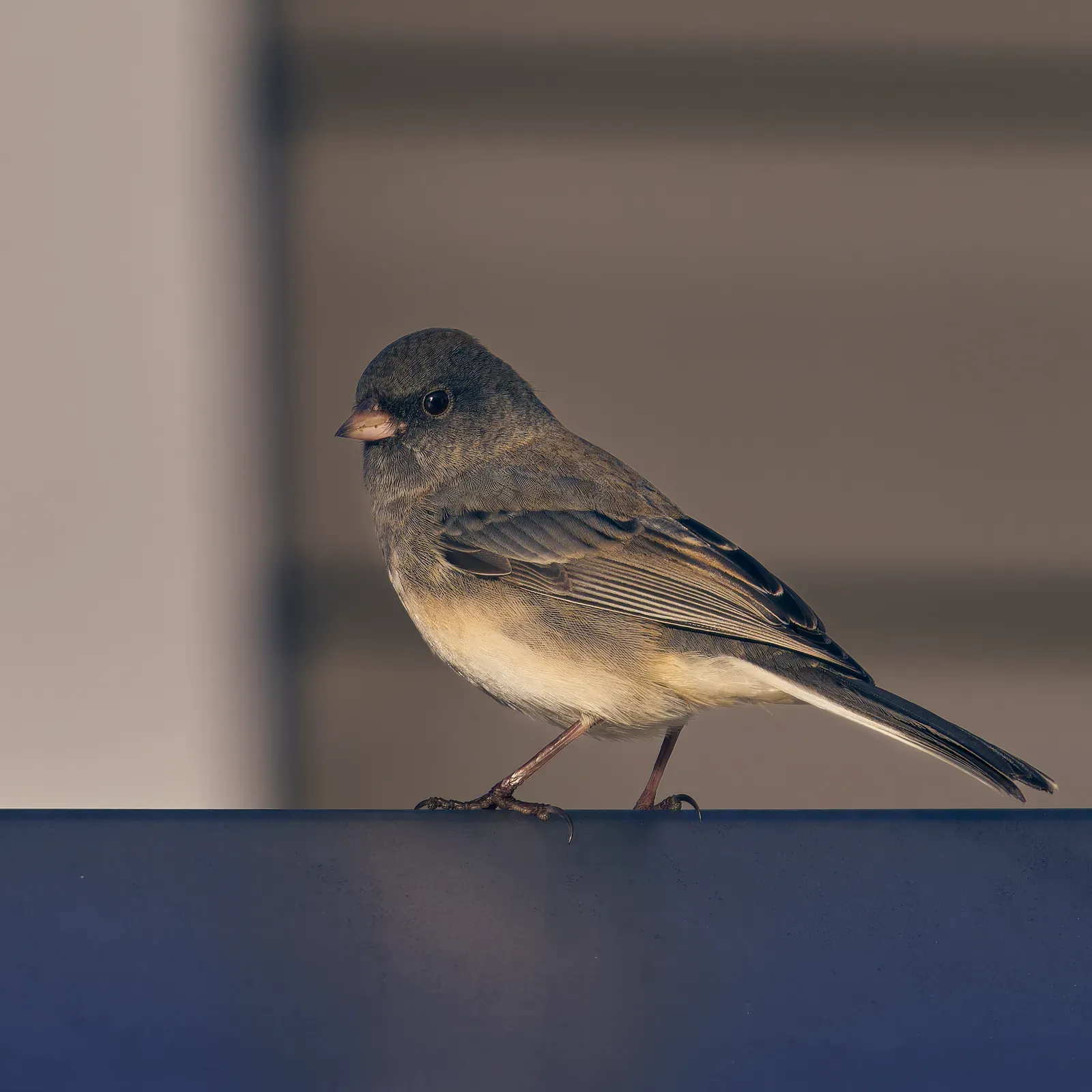
At first glance, all dark-eyed juncos look like the same little gray-and-white bird, but once you start paying attention, you realize they’re surprisingly varied. Depending on where you live, the birds under your feeder might be from different regional forms, with slightly different shades of gray, touches of brown, or subtle pattern differences. To a casual observer it may not matter, but scientifically, these variations hint at distinct breeding populations that fan out across the continent in winter.
When they arrive en masse in early winter, you are not just seeing a species; you are seeing a mixture of lineages and genetic stories that all converged in your yard for a short seasonal window. That’s a big thought for such a small bird. If you like puzzles, juncos are an ideal introduction to the idea that a “single” bird species can hold a ton of hidden diversity, right there scratching under your feeder like it is no big deal.
Their Flocking Signals Safety, Social Rules, and Constant Negotiation
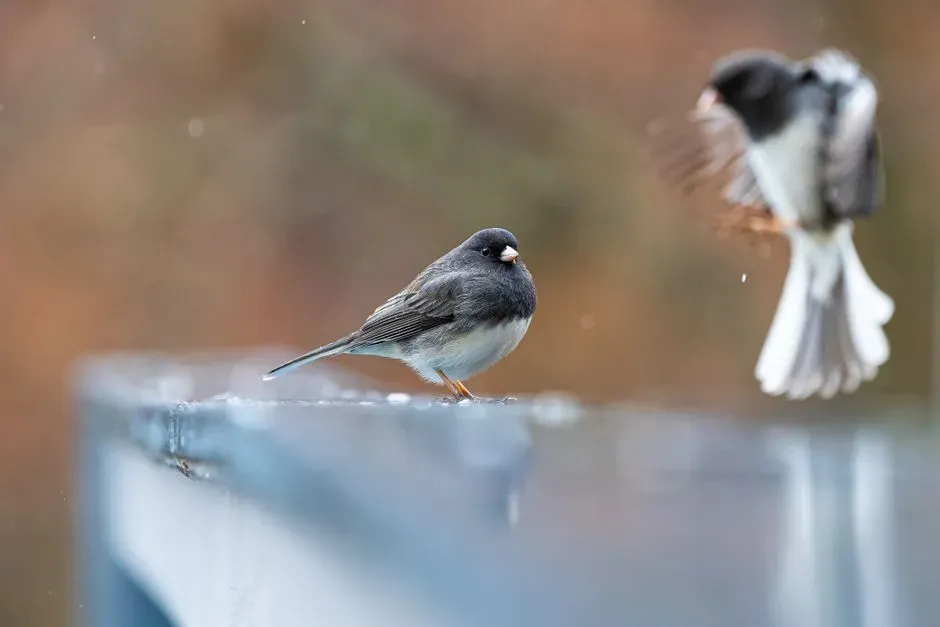
Dark-eyed juncos rarely appear one at a time in winter; they usually arrive as small flocks, and this tells you a lot about how they survive. Flocking is a trade-off between sharing food and gaining safety, and juncos lean into that social strategy hard when days get short and predators are hungry. The group helps spot danger quickly, allowing individuals to spend more time eating and less time frozen with their heads up, scanning for hawks.
If you watch their behavior carefully, you’ll notice they are not just randomly scattered; there is a social structure at play. Some birds grab prime spots and chase others, some hang back and dart in only when it feels safe. This constant negotiation over space and access to seeds reflects a subtle pecking order that decides who eats first and who takes the bigger risks at the edges. When they suddenly appear under your feeder in early winter, you’re seeing the social fabric of their winter life knitting itself together in real time.
Their Daily Rhythm Around Your Feeder Is About Energy Economics
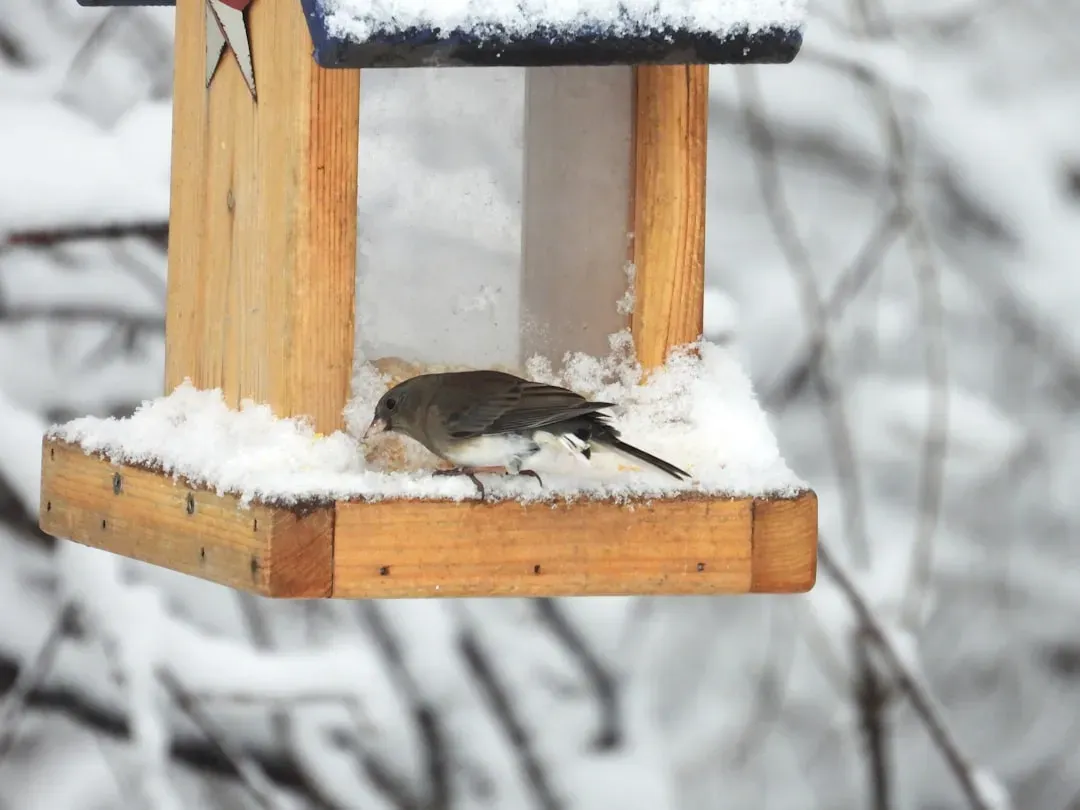
Early winter days are short, and for a small bird, that means there is only a narrow window to eat enough to survive the long, cold night. Juncos are masters of this energy math. They often appear soon after dawn, feed intensively, vanish for a while to rest or forage elsewhere, then return before sunset for another round of frantic seed-gathering. If you notice them most in the early morning and late afternoon, that is not your imagination – it is their survival strategy laid out on a schedule.
Their sudden early winter arrival lets you see this rhythm very clearly because the contrast between empty and busy ground is so stark. To them, every seed beneath your feeder is basically fuel for their internal furnace, something they will burn overnight just to keep their tiny heart beating. Seeing them swoop in and out through the cold day is like watching a living, breathing energy budget in motion, where every hop and peck has a caloric purpose.
Their Presence Is a Gentle Reminder of Your Role in Local Ecosystems
We love to think wild birds are “out there” in some separate, untouched nature, but juncos under your feeder prove the opposite: your choices directly shape their winter reality. The type of seed you put out, whether you keep some messy plant stalks standing, whether your yard has shrubs instead of only lawn – all of that plays into whether juncos can rely on your place as a winter stop or seasonal home. Their sudden appearance is almost like feedback on the quiet decisions you’ve been making all year.
There is a responsibility hidden in that. Supporting them does not require turning your yard into a wildlife sanctuary overnight; it might be as simple as offering a ground-friendly seed mix, delaying some cleanup so there is natural cover, or skipping chemical treatments that strip away insect life and seeds. When they show up in early winter, they are not just pretty decorations on the snow; they are a test of how willing we are to meet nature halfway in the spaces we control.
Conclusion: Juncos Are More Than Background Birds – They’re Winter’s Honest Messengers
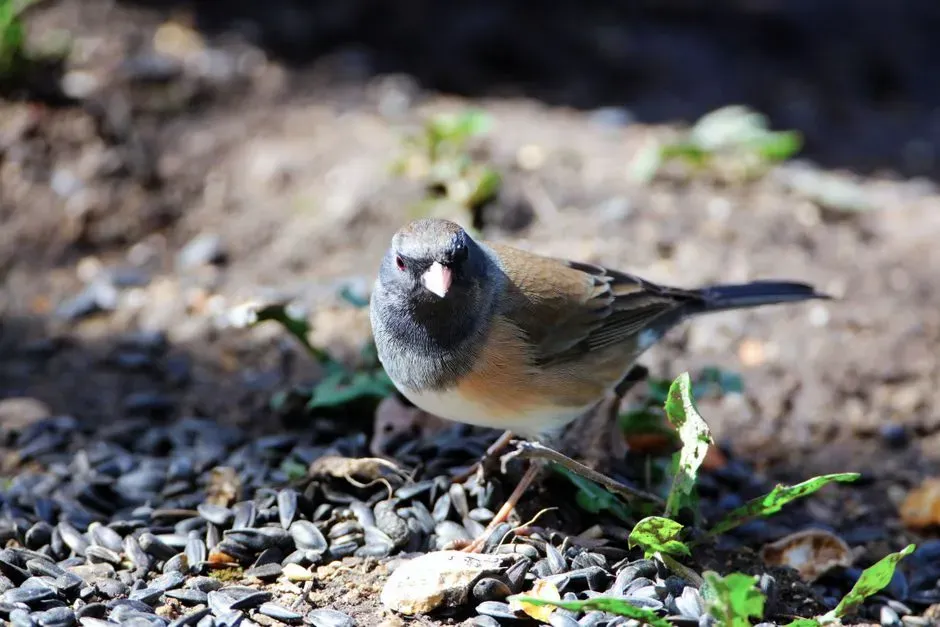
, it is tempting to see them as just another seasonal decoration, like the first frost on your car windshield. But that view sells them short. Their arrival is a signal that migration is still unfolding, that conditions are shifting across entire regions, and that your yard has become part of a network of places these birds are betting their lives on. Ignoring what they are telling you is a bit like ignoring the first creaks in an old house before winter storms – technically possible, but not very wise.
My own opinion is that juncos are one of the clearest arguments for paying closer attention to everyday nature. They are small, common, and easy to overlook, yet their timing, habits, and sheer presence carry information about climate, habitat, and our own gardening choices. When they claim the patch of ground beneath your feeder, they are quietly asking whether you are just a spectator or an active participant in the landscape you live in. The next time you see that flock materialize on a cold morning, it might be worth asking yourself: what story are they telling here, and what part do you want to play in it?