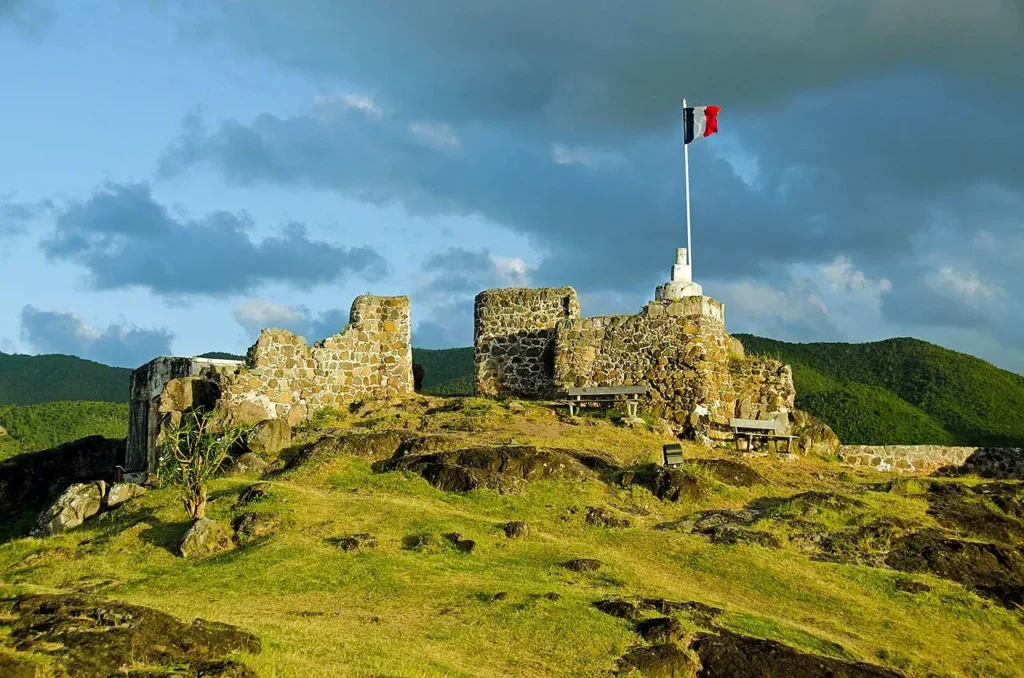
Most people picture archaeological digs as decades-long sagas – teams returning summer after summer, slowly peeling back century after century until the whole story is laid bare. That image is mostly a myth.
In case after case, archaeologists have shut a site down the moment the first season ended, sometimes with astonishing finds still sitting in the dirt. The reasons range from panic over human remains to deliberate restraint meant to outsmart bulldozers and factories that never got the chance to arrive. These thirteen sites all made that call before industry ever touched the ground, and the story behind each closure gets stranger the further down the list you go.
#13 – Verulamium: The Roman Town That Got One Chance
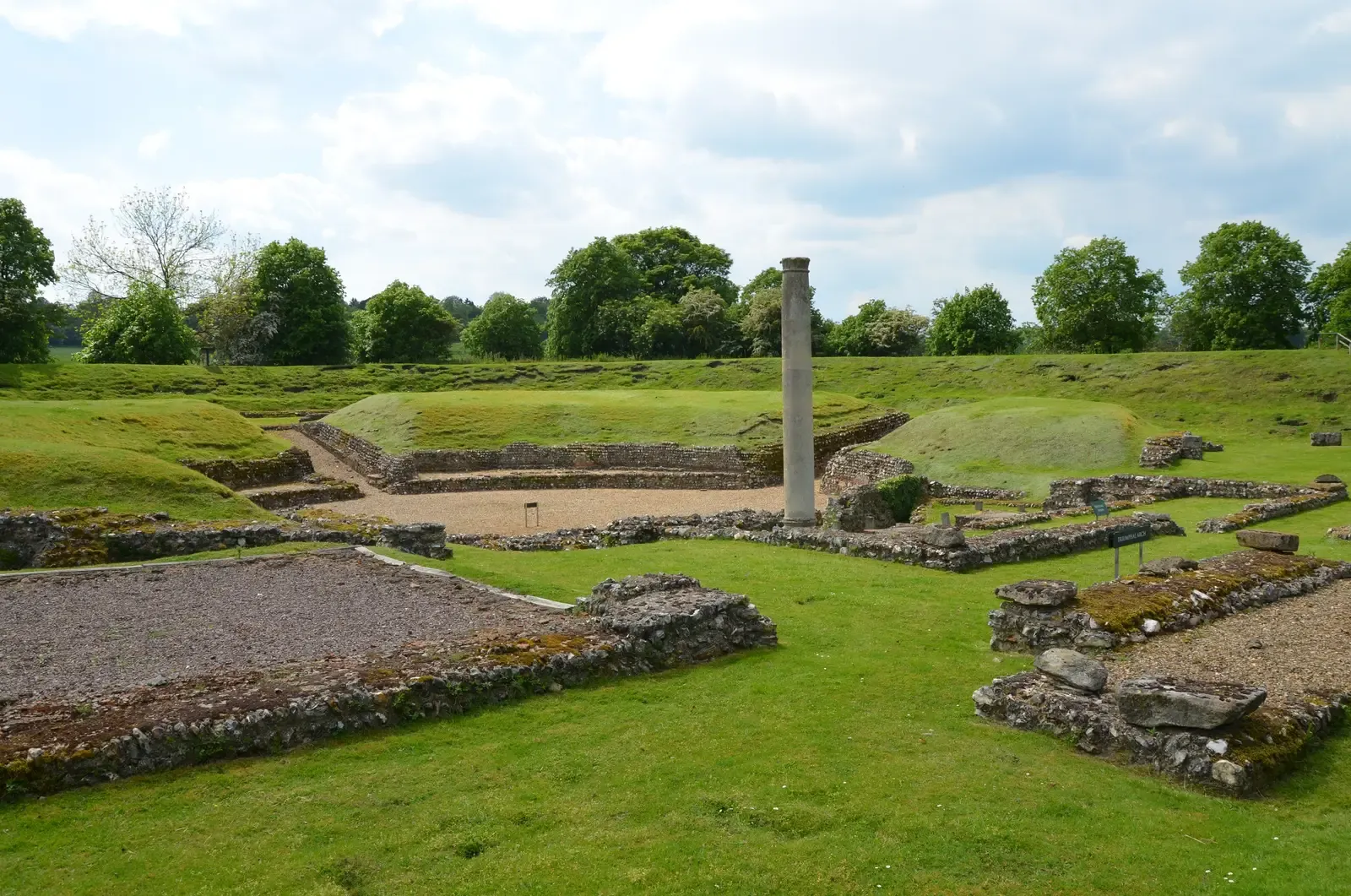
In St. Albans, archaeologists working at Verulamium had barely gotten started when they called it quits, walking away from Roman layers that were clearly begging for more attention. Instead of pushing deeper into ground already packed with stacked prehistoric and Roman deposits, the team chose to slow down and process what they had already pulled out of the earth.
That restraint turned out to matter more than a longer season would have. Digging further without fully understanding what was already exposed risked scrambling stratigraphy that future dating techniques could have read far more accurately. Funding committees and local authorities backed the pause, finds went to the city, and the ground stayed sealed well before any industrial expansion reached the region.
#12 – Birdoswald Bathhouse: Buried on Purpose Along Hadrian’s Wall
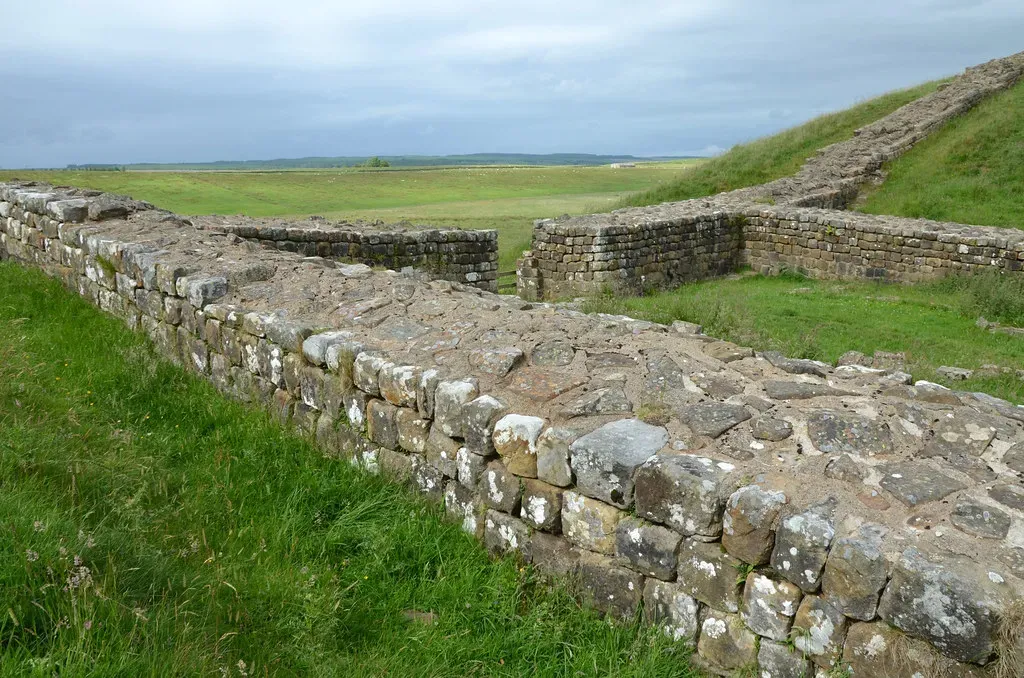
A Roman bathhouse at Birdoswald got fully documented in a single season, and then archaeologists did something that sounds backwards: they buried it again on purpose. The team had already answered the core questions they came for about military life and layout, so there was nothing to gain from leaving it exposed.
Reburial protected the remaining structure from weathering, frost, and the kind of slow disturbance that ruins fragile stonework over decades. This single-season limit is the standard move for sites sitting in stable, rural settings untouched by industry, since leaving portions intact means future archaeologists with sharper tools can come back later. Local records confirm the site never faced any immediate development pressure, which made the patient choice an easy one.
Fast Facts
- Location: Birdoswald Roman fort, along Hadrian’s Wall
- Dig length: a single excavation season
- Post-dig move: deliberately reburied to protect the stonework
- Setting: stable, rural, and never under industrial threat
#11 – Fort St. Louis: 125,000 Artifacts and Still Not Enough Reason to Keep Digging
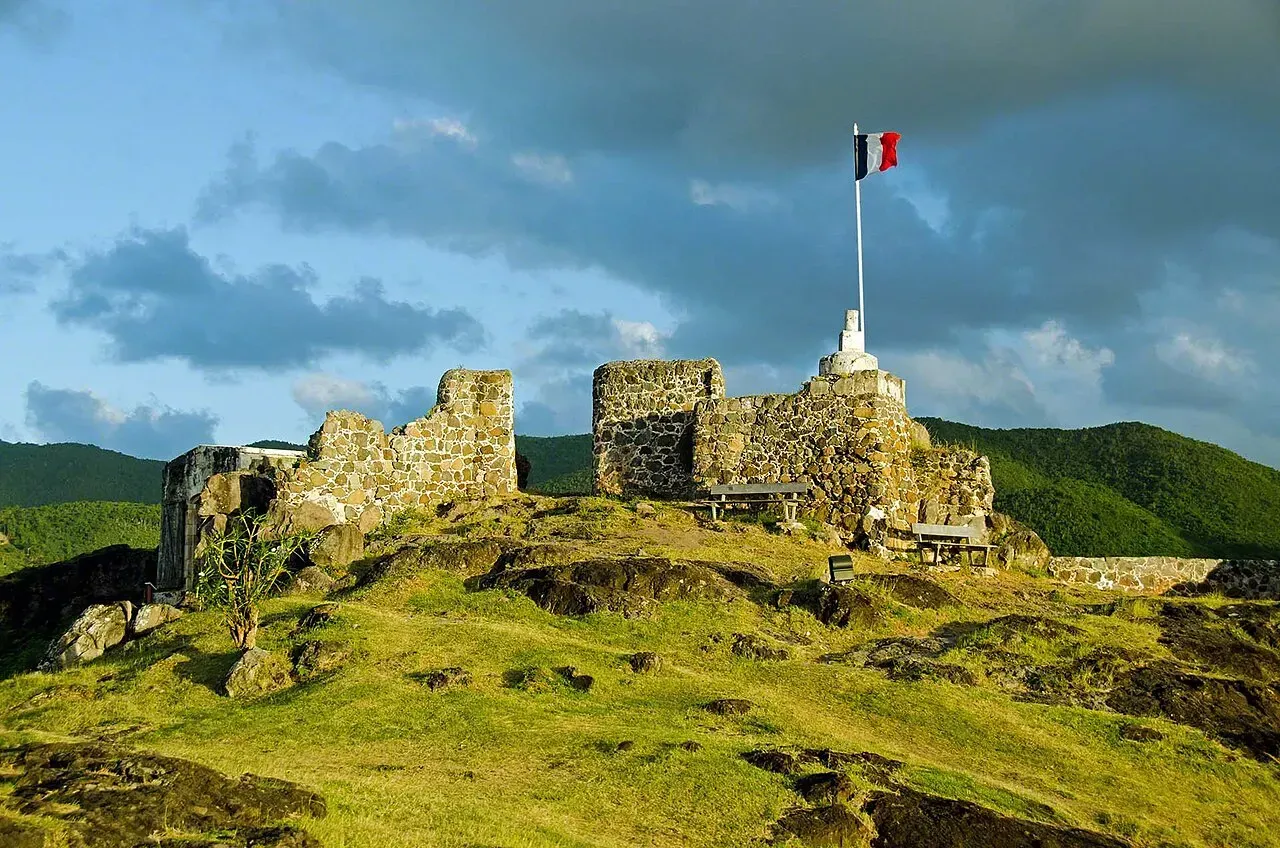
Excavators at the site of La Salle’s failed French colony in Texas wrapped fieldwork after roughly one main season of intensive digging, and the numbers alone make the stop feel almost reckless. The team recovered over 125,000 artifacts from the bluff overlooking Garcitas Creek, yet still chose not to expand the trenches further.
Funding limits and the remote location forced the decision as much as any research philosophy did. The land was private, ongoing support was thin, and closure became the only practical step. Preservation in place won out over complete exposure, and that choice happened well before any industrial activity ever reached the site, leaving significant portions available for whoever picks up the trowel next.
#10 – Ness of Brodgar: A Neolithic Giant Deliberately Put Back to Sleep
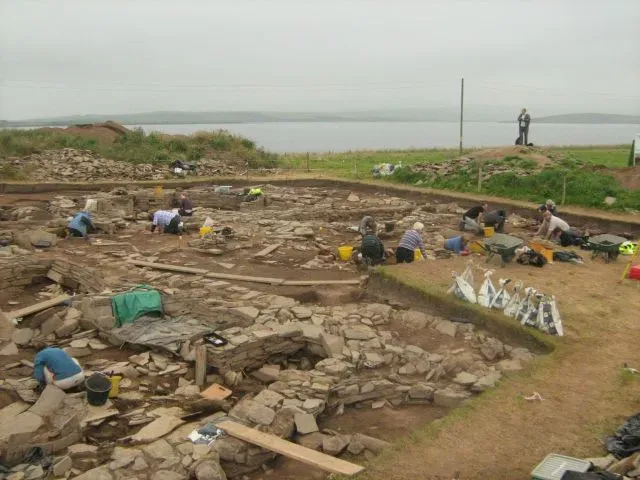
The massive Neolithic complex at Ness of Brodgar in Orkney saw its last major excavation season end not with a triumphant reveal, but with a backfilling plan. Decades of prior work had already mapped the core of the site, yet the team still kept this final push tightly contained.
Covering the trenches protected the monuments for generations while post-excavation analysis continued quietly in labs instead of open trenches. The closure lined up perfectly with the site’s still-rural Orkney landscape, free of heavy industry and safe from immediate threat. Public access ended the moment the season wrapped, and the decision sparked real debate among visitors who wanted more revealed right now rather than later.
#9 – Chinatown Boston: Stopped Cold at the Water Table
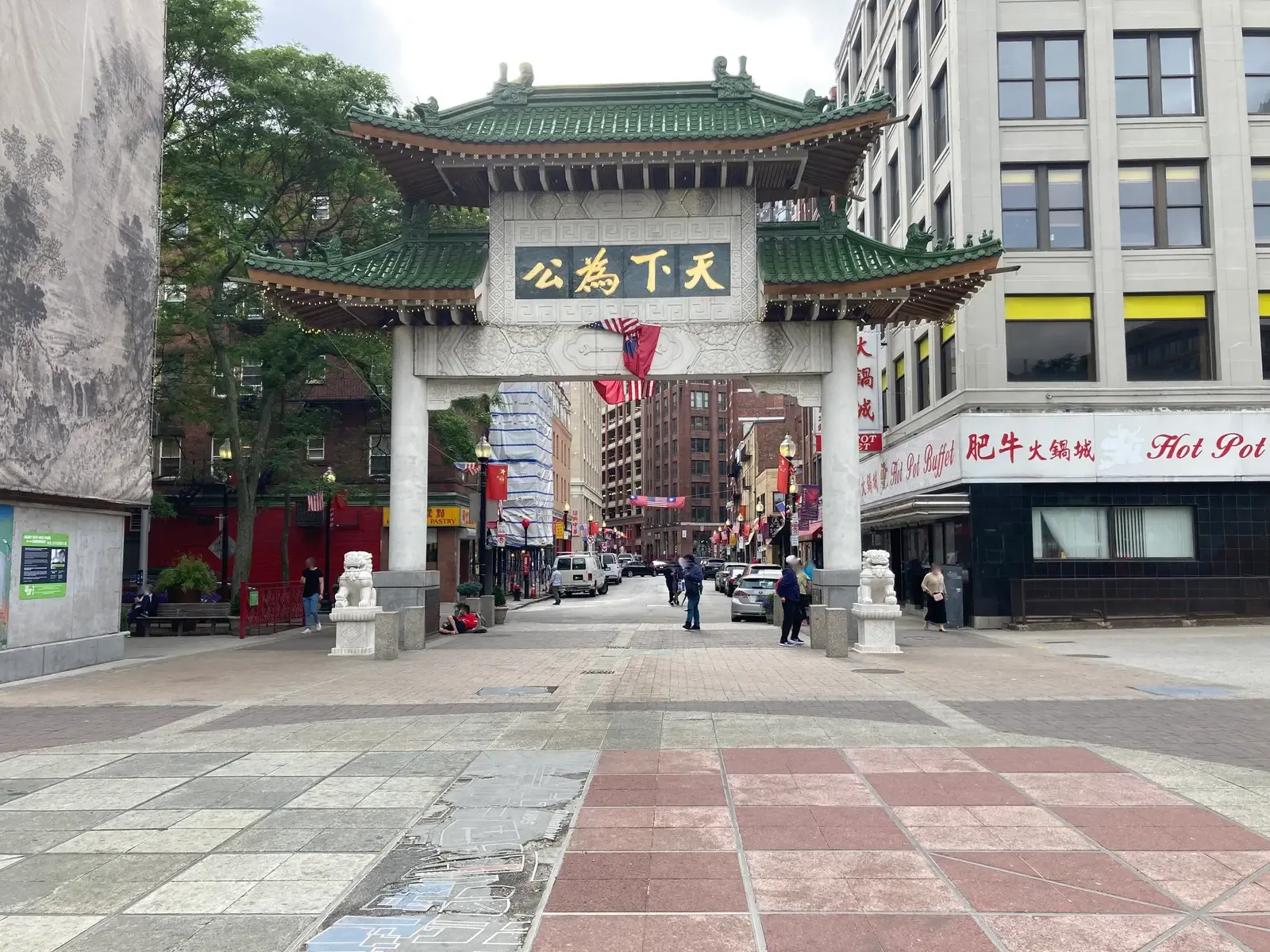
A small urban lot in Boston’s Chinatown yielded only one season of digging before the ground itself called a halt. Workers hit the water table, and nearby building foundations started showing stability concerns that made continued digging genuinely risky.
The team documented rich 19th-century layers but left deeper deposits completely untouched. This quick closure happened in a neighborhood already shaped by earlier development, yet still sitting ahead of full industrial overlay in parts of the block. Preservation ethics won out over the temptation to push further, and researchers and volunteers accepted the limit without pushback as the site quietly returned to its prior state.
#8 – Silchester: A Roman Town Sealed Beneath Modern Fields
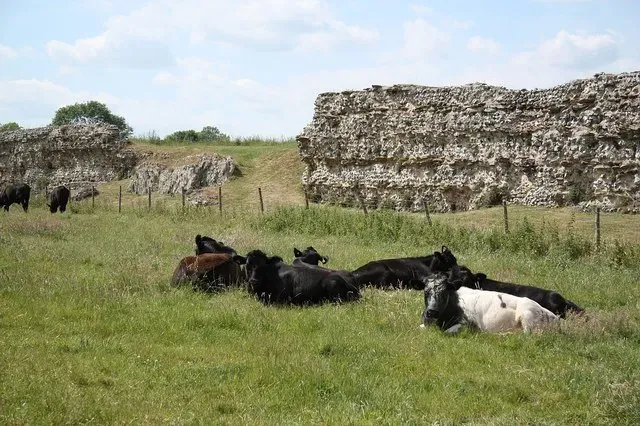
Excavations at the Roman town of Silchester wrapped with every trench backfilled once the planned research areas were finished. Multiple short seasons over the years fed into one final, deliberate push rather than an open-ended dig.
The decision preserved the vast majority of the site beneath the modern fields that still sit above it today. University teams prioritized leaving intact deposits for sharper future analysis instead of chasing every last visible feature. Public visits continue above ground only, and while critics argue more could have been exposed, preservation clearly won the argument.
#7 – Michilimackinac: The Fort That Gets Reburied Every Single Year
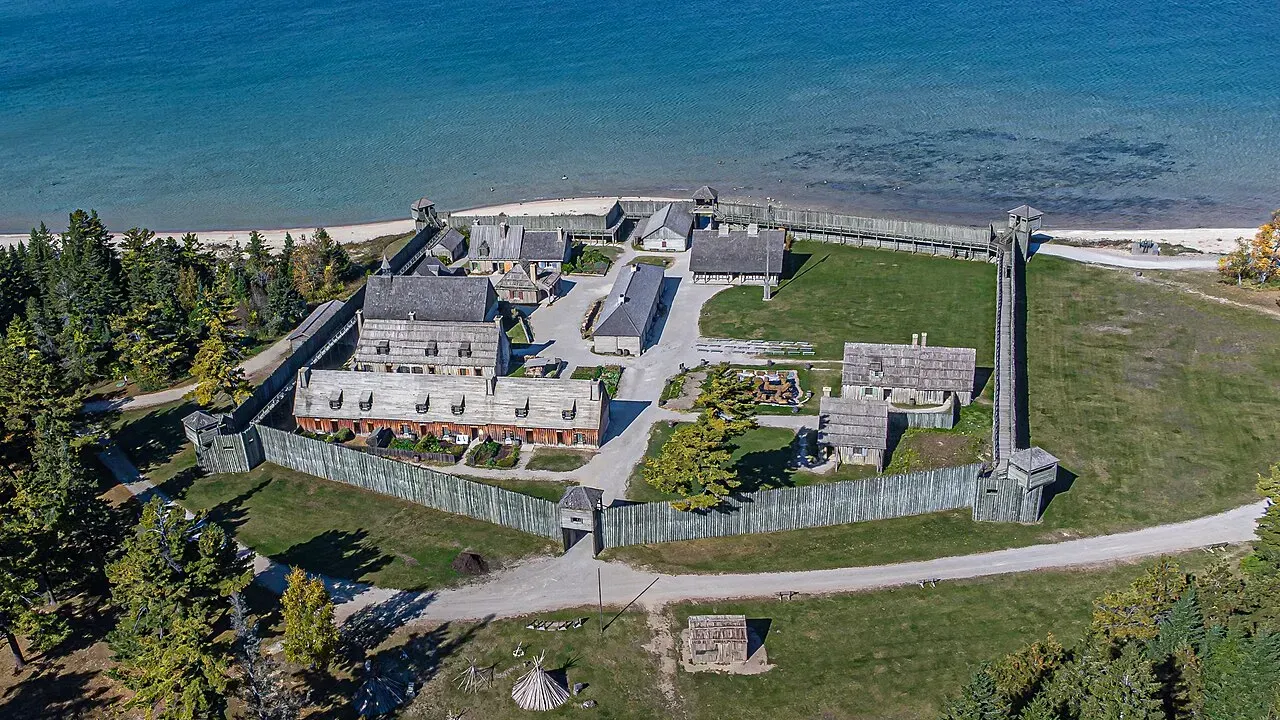
The historic fort site in Michigan runs on a strict one-season excavation cycle every single summer, with structures documented and then covered again before winter arrives. It is less a single closure than a repeating ritual, decades deep at this point.
This annual pattern keeps the site stable inside a non-industrial park setting where full exposure would invite weather damage and heavy tourist foot traffic. Records show consistent reburial protects timber and delicate features from rot and erosion, while future archaeologists still get untouched sections to work with each new year. The method has run without major controversy for decades, which says a lot about how well it actually works.
At a Glance
- Location: Mackinaw City, Michigan
- Pattern: one season dug, then reburied, every single year
- Timing: covered again before winter sets in
- Why it works: protects timber and delicate features from rot and erosion
#6 – Rose Cottage Cave: A Deep Sequence Left Sealed on Purpose
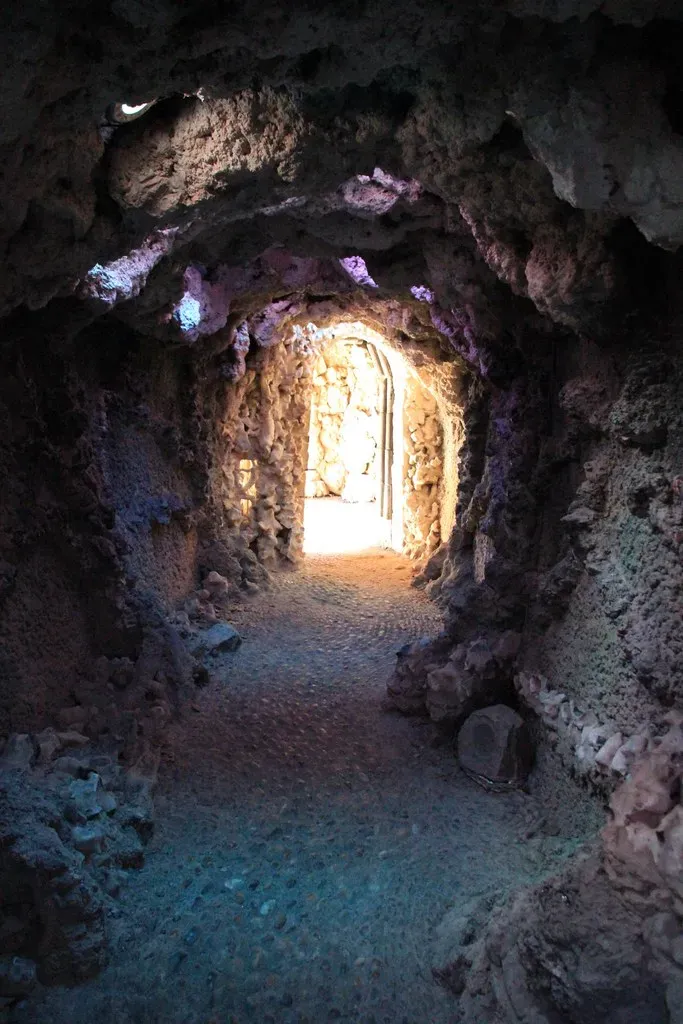
Limited trenching at Rose Cottage Cave in southern Africa revealed startlingly deep sequences of human occupation, then stopped after just one focused season of sampling. Researchers shifted straight into analysis mode rather than expanding the dig any further.
That pause left most of the deposits sealed against any future industrial or agricultural pressure, protected by the cave’s remote, highland location. The single-season limit also allowed better dating methods to be applied to the samples later on, rather than rushing conclusions. Local communities supported the conservative approach, and it avoided the kind of over-digging that has damaged more famous caves elsewhere.
#5 – Craw Stane: Saved From the Plough by Its Own Excavators
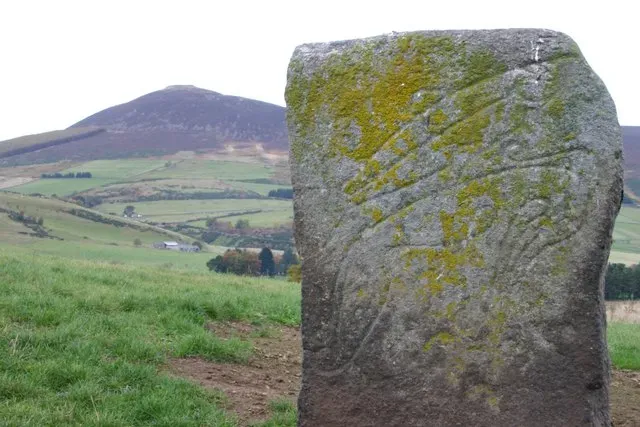
Scottish excavations at the Craw Stane enclosures stayed confined to one main season purely because of plough damage risk. Teams mapped what they could without stripping the topsoil extensively, choosing caution over completeness.
Closure protected the remaining features from further agricultural impact in a rural Aberdeenshire setting that had largely avoided heavy industry anyway. Experts leaned on geophysical data to guide the limited scope instead of blind trenching. In the end, that restraint likely preserved more archaeology than an aggressive dig ever would have.
#4 – Tell Banat’s White Monument: Politics Ended the Dig, Not Science
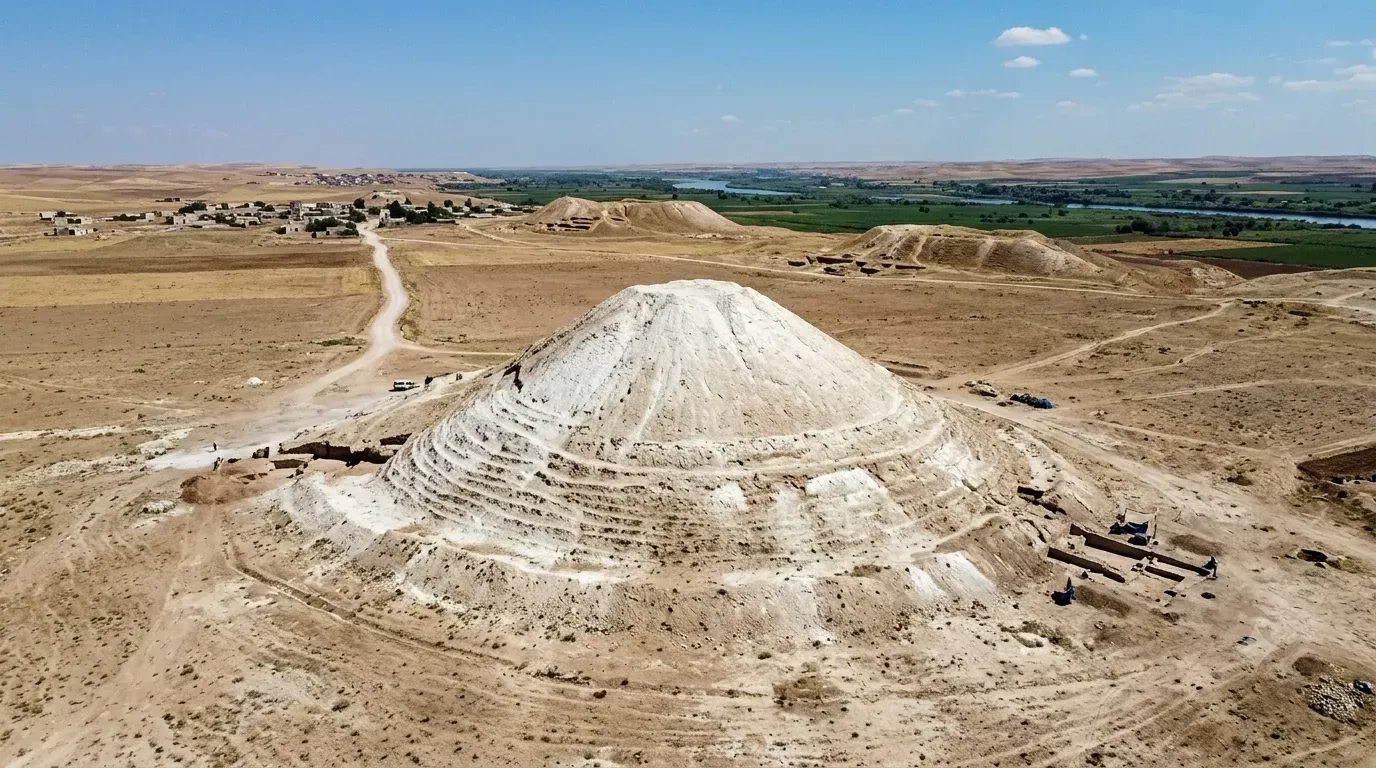
The gypsum mound in Syria known as the White Monument saw targeted trenching for a single season before closure, revealing hints of what researchers believe may be a third-millennium war memorial. Full exposure never happened.
The remote location and shifting political realities on the ground forced an early halt, not any lack of scientific curiosity. Pre-industrial rural surroundings remained intact around the site in the meantime, and future work with better technology was deliberately prioritized over rushing. Even the limited finds recovered were enough to shift understandings of third-millennium practices, and the caution drew praise rather than criticism.
Worth Knowing
- Location: Euphrates region of Syria
- Structure type: a gypsum mound, possibly a third-millennium war memorial
- Season count: one targeted season of trenching
- Real cause of closure: political instability, not scientific loss of interest
#3 – Wood Quay: The Viking Dig That Became a Public Fight
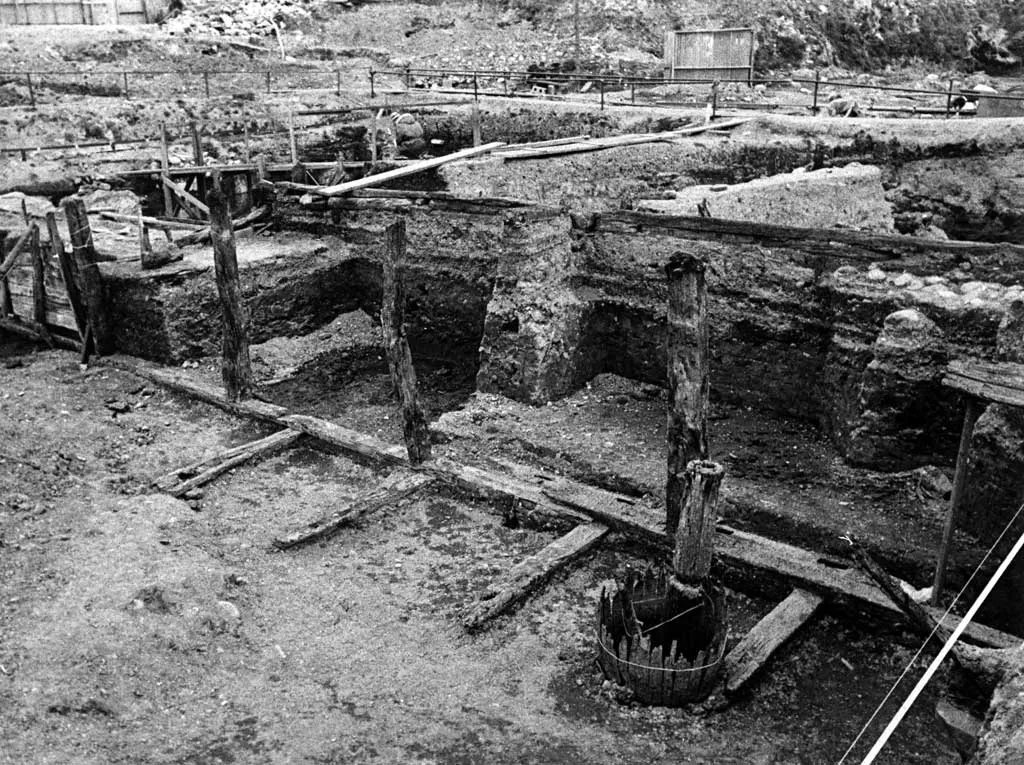
Dublin’s Wood Quay site saw excavation cut short after initial seasons had already revealed genuine Viking structures underneath the modern city. This time, the halt wasn’t driven by careful planning. Developer pressure and public protests forced the outcome instead.
Much of the area stayed unexcavated and was later built over entirely, right before full industrial redevelopment of the quay took hold. The single-season focus on key buildings left broader deposits technically protected, but in practice, activists still highlight the loss decades later. Wood Quay remains the go-to cautionary tale for what a rushed, politically forced closure actually costs.
#2 – LA Plaza Camposanto: A Museum Dig Halted by Human Remains
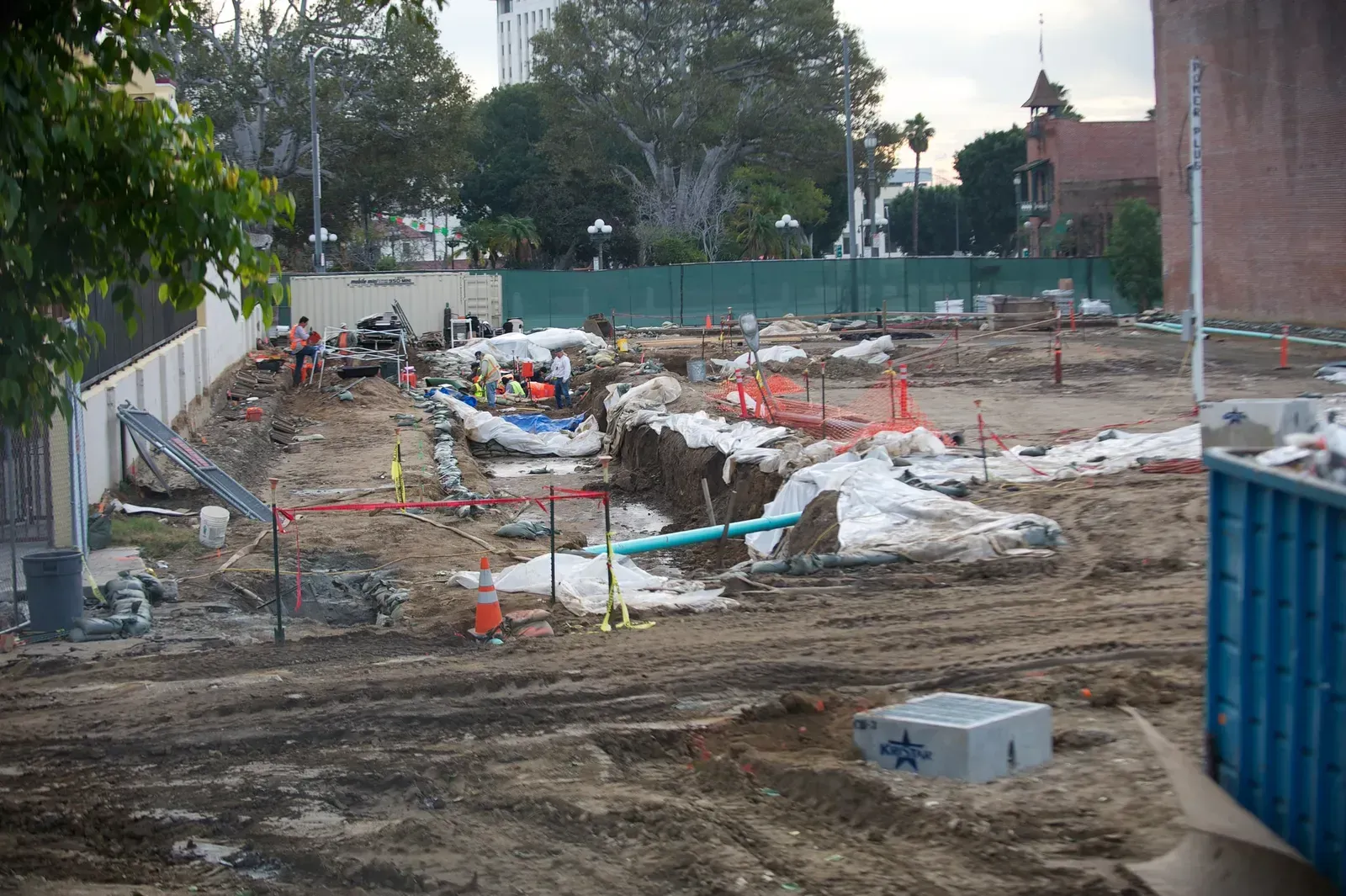
A downtown Los Angeles museum dig ended after just one short season once human remains started appearing in unexpectedly large numbers. Ethical and legal reviews kicked in almost immediately and forced the halt.
The site returned to protected status without any further disturbance, in an urban pocket that had escaped heavy prior industrialization in parts of the block. Community input directly shaped the conservative decision, and analysis of the recovered material has continued off-site ever since. The pause prevented potential damage to historic burials that deserved better than a rushed dig.
#1 – Kühlingen: The Medieval Village That Simply Walked Away
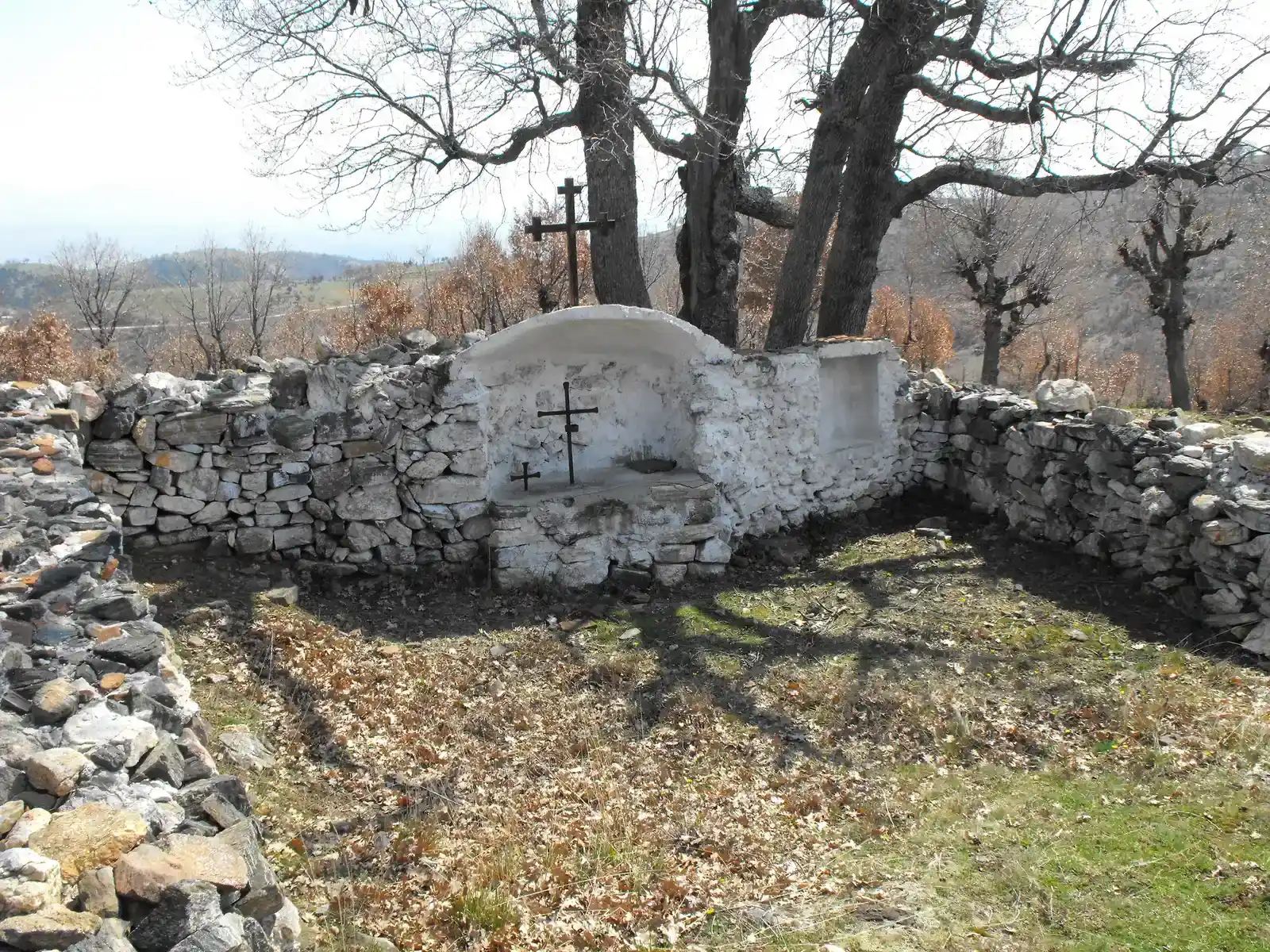
Recent work near Halberstadt uncovered a medieval settlement abandoned without a single destruction layer in sight, no fire, no battle debris, no signs of violence at all. One season of trenching mapped the houses and ditches before archaeologists closed the site.
The near-total lack of artifacts suggested a planned departure rather than a disaster, and the site was backfilled specifically to protect that rare evidence. Sitting in a still-agricultural zone free of early industry, the village stayed remarkably intact, with most features left sealed for future study. This single-season limit ended up revealing something bigger than any single artifact could have: proof that medieval communities sometimes simply packed up and left, quietly challenging assumptions about how these settlements usually ended.
Why It Stands Out
- No destruction layer: no fire, battle debris, or violence found
- Near-total absence of artifacts, unusual for an abandoned settlement
- Evidence points to a planned departure, not a disaster
- Backfilled specifically to preserve that rare pattern for future study
The Verdict: Restraint Beats Rushing, Every Time
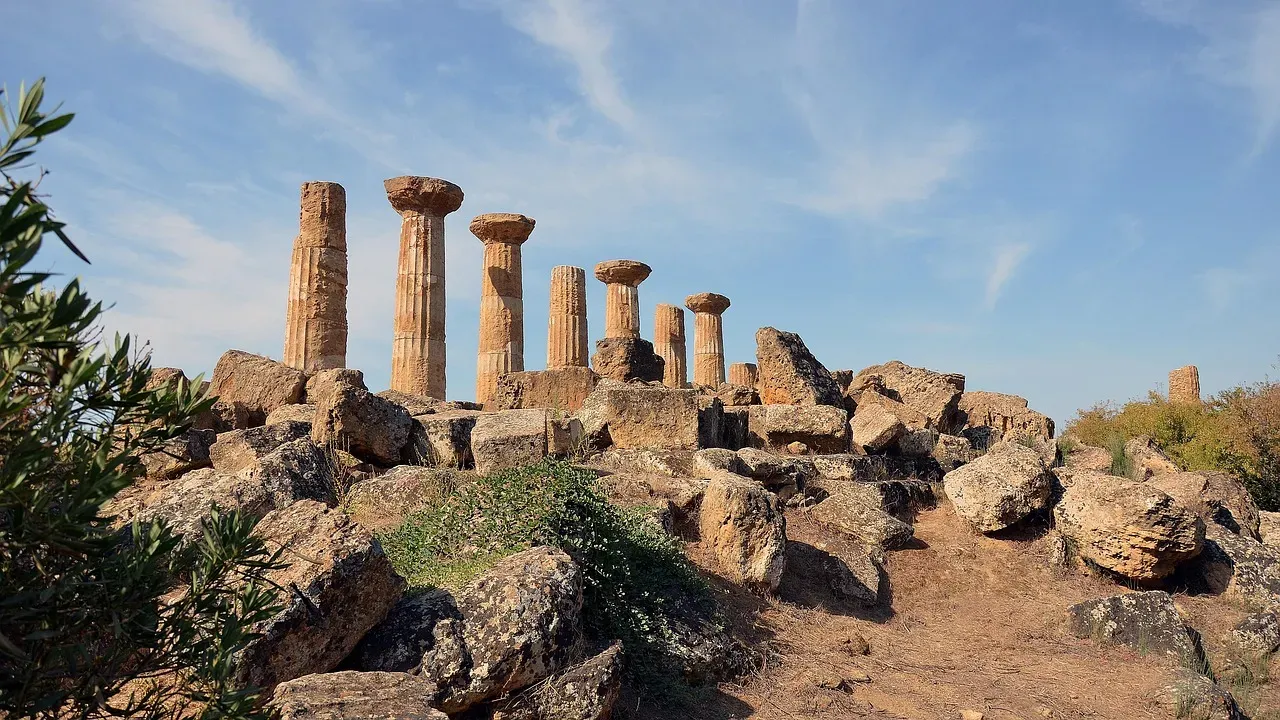
Line these thirteen sites up side by side and a pattern jumps out immediately. Archaeologists keep choosing to stop, not because they ran out of curiosity, but because they trusted future methods, ethics, and preservation more than the urge to dig everything up right now.
What’s genuinely surprising is how rarely these halts come from failure. Funding gaps, water tables, human remains, plough damage, political unrest, even simple good judgment, all of it points toward the same conclusion: careful limits produce better long-term science than endless seasons ever could. The public may crave complete answers immediately, but the ground clearly rewards patience, and these thirteen sites are proof that walking away at the right moment can be the most responsible discovery of all.