Look at the sky-blue phone case in your pocket, the fire-engine red on a stop sign, or the crisp white in your bathroom paint. It’s tempting to assume humans have always known how to make these colors. Chemists have quietly proven otherwise.
At least 13 pigments baked into everyday life could not exist without industrial-era furnaces, high-pressure reactors, and petroleum chemistry that simply didn’t exist before the 1800s. Some of these breakthroughs happened by accident. Some collapsed entire farming economies overnight. One didn’t even exist until a failed lab experiment in 2009. Here’s the color-by-color case chemists make for why the vivid, stable world around you is barely 200 years old.
#13 – YInMn Blue: The 21st-Century Accident That Needed Modern Labs
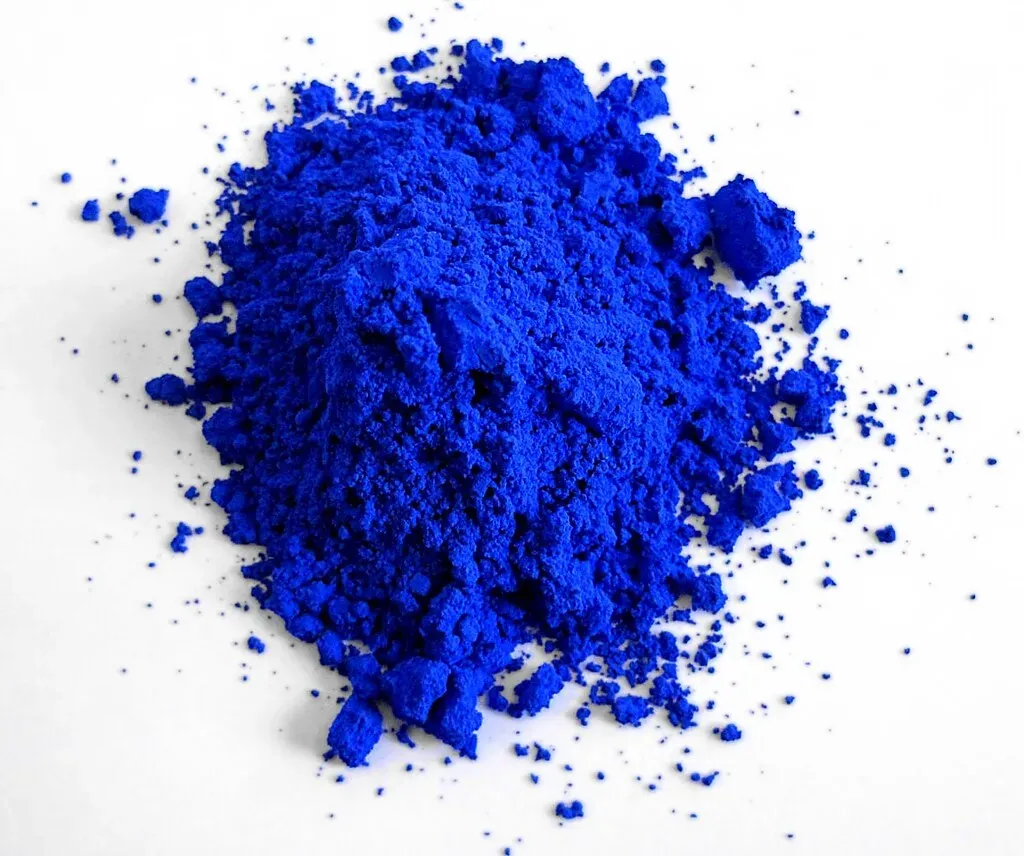
Chemists at Oregon State University stumbled onto this intense blue in 2009 while testing materials for electronics applications, not paint. No pre-industrial process could have produced it, because the pigment only forms when yttrium, indium, and manganese lock into a precise trigonal bipyramidal crystal structure under sustained high heat and controlled atmosphere.
That engineered lattice is also why it refuses to fade, react, or break down in oil, water, or harsh weather, something older blues could never manage without leaning on toxic metals. Production still depends on specialized solid-state synthesis equipment that simply didn’t exist a century ago. Just wait until you see how far chemists had to go for #12.
Fast Facts
- Discovered by accident in 2009 when OSU chemist Mas Subramanian and graduate student Andrew Smith were experimenting with new materials for electronics applications.
- The pigment discovered by Subramanian in 2009 is the first new inorganic blue in more than 200 years, and it was licensed to the Shepherd Color Company in 2015.
- Its crystal structure places the chromophore responsible for the intense blue color in a trigonal bipyramidal site.
- The pigment is so stable that it does not fade even in oil and water, and it reflects infrared light in a way that can help keep painted buildings cool.
- It later inspired Crayola’s new “Bluetiful” crayon color.
#12 – Quinacridone Red: The 1950s Color DuPont Spent Decades Perfecting
These transparent, stubbornly lightfast reds and violets didn’t reach commercial shelves until 1955, after decades of research into polycyclic organic compounds. Getting there took multi-step, high-pressure reactions and exact crystal modifications that demand industrial reactors and purification systems no earlier chemist had access to.
The payoff was huge: quinacridone reds replaced fugitive natural dyes like alizarin in car paint and fine art because they simply don’t wash out or fade like their predecessors. Earlier chemists were missing two things at once, coal-tar-derived starting materials and the engineering to control particle size at scale. Compared to what’s coming, DuPont’s reds are just the warm-up.
#11 – Phthalocyanine Blue and Green: The Copper Complex That Took Over Printing
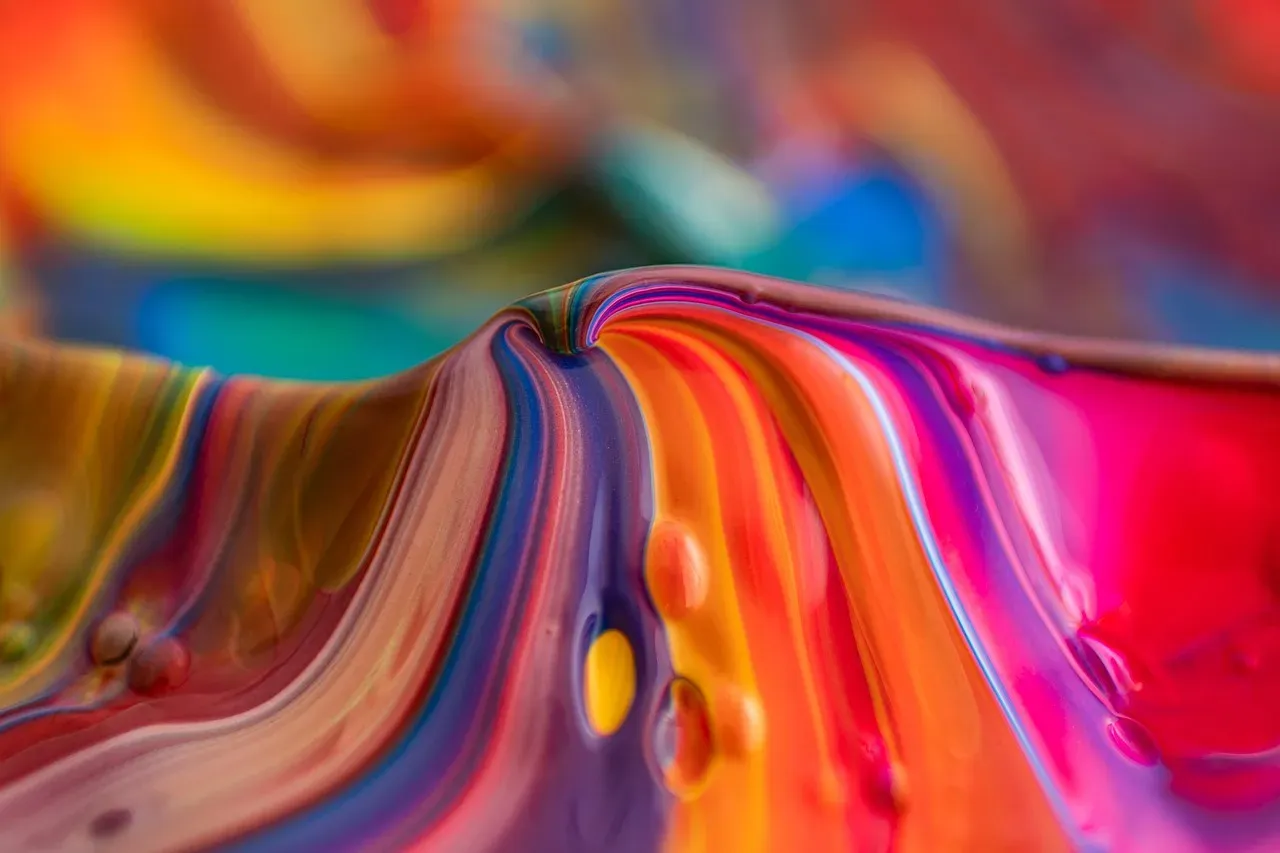
Discovered almost by accident during 1930s dye research, these pigments only exist because chemists learned to build copper phthalocyanine complexes under precise, high-temperature cyclization conditions using petroleum-derived intermediates. None of that chemistry existed before organic synthesis scaled up industrially.
The result is a tinting strength so overwhelming that a tiny amount colors an enormous batch of ink or plastic, which is exactly why phthalocyanine blue and green quietly took over commercial printing. Pre-industrial labs had no way to isolate or stabilize molecules this large. Number 10 gets even stranger.
#10 – Titanium Dioxide White: The Industrial Acid Bath That Made Modern Paint Possible
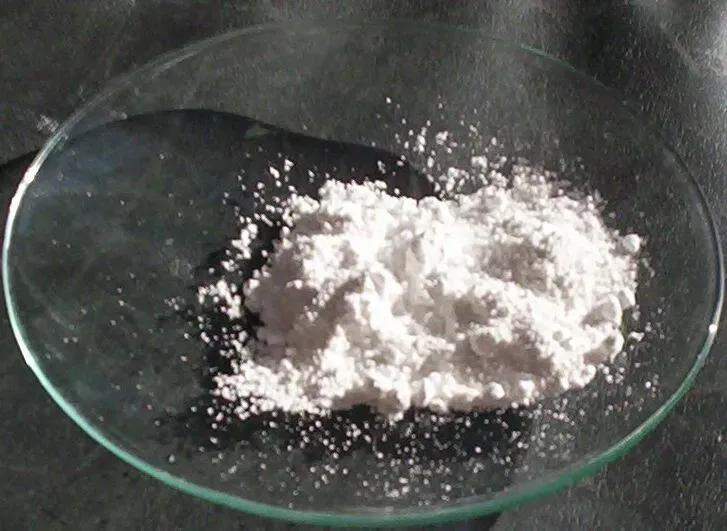
The blinding, opaque white in your walls didn’t become viable until the sulfate process launched commercially in 1916, followed later by the chloride route. Both require massive acid digestion, high-temperature calcination, and industrial-scale impurity removal that only a continuous chemical plant can pull off.
No earlier civilization had the chemical engineering to extract and purify titanium from ilmenite or rutile ore at anything close to this level. Older whites made from lead or zinc simply couldn’t match its opacity, and they came with safety problems this pigment solved. But #9 might be the most brutal industry disruption on this list.
At a Glance
- Sulfate process commercialized in 1916; the chloride route followed decades later as refining technology improved.
- Now used across paint, plastics, cosmetics, sunscreen, and even food coloring applications.
- Delivers far greater opacity per gram than the lead or zinc whites it replaced.
- Widely considered the most-used white pigment on the planet today.
#9 – Synthetic Alizarin: The Lab Discovery That Wiped Out European Madder Fields
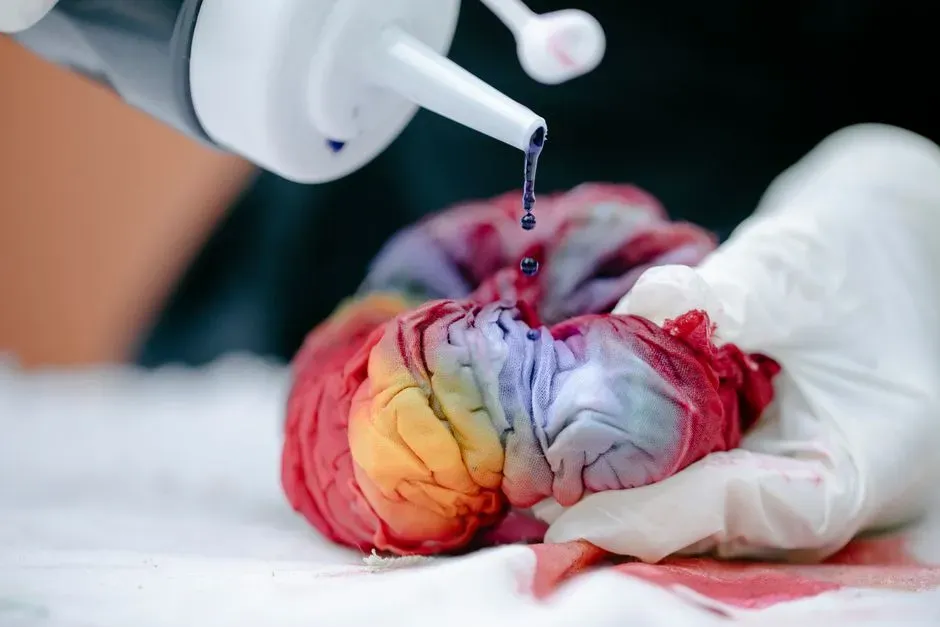
In 1868, German chemists Graebe and Liebermann synthesized alizarin from anthracene, and European madder farming collapsed almost overnight. The process depends on sulfonation and oxidation steps tied directly to coal-tar distillation infrastructure that only existed because of the industrial chemical boom.
Natural madder extraction never stood a chance against the consistency and sheer volume a factory could produce. This one compound proved, for the first time, that a lab could out-compete agriculture at its own game. Hold on, though – #8 needed something even rarer than chemistry: an entire new element.
#8 – Cadmium Yellows and Reds: The High-Heat Sulfide Chemistry That Needed a New Element First

Cadmium pigments demand heating cadmium compounds with sulfur in sealed, oxygen-free conditions at 300 to 600 degrees Celsius. That’s a nonstarter unless you already have cadmium, and the element itself wasn’t even isolated until 1817.
Commercial-scale metal processing didn’t catch up until the mid-19th century, and those exact industrial furnaces are what give cadmium pigments their signature bright, opaque punch. Earlier societies were missing both the raw element and the sealed high-heat apparatus needed to work with it safely. #7 comes with a warning label chemists still argue about.
#7 – Chrome Yellow and Oxide Green: The Toxic 19th-Century Chromate Breakthrough
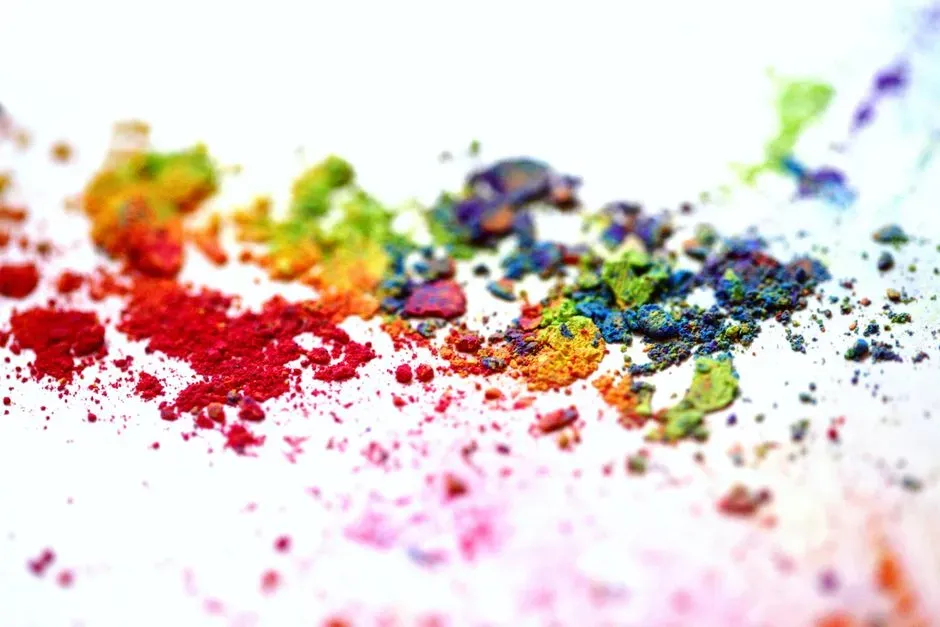
Lead chromate yellows and chromium oxide greens only became possible after chromium itself was isolated in 1797. Turning that discovery into a usable pigment took industrial-scale precipitation and calcination processes that didn’t come together until reliable acid and alkali production ramped up in the 1800s.
These colors gave artists and manufacturers vivid new options overnight, but they also carried a toxicity problem that regulators would spend decades cleaning up. Pre-industrial labs simply couldn’t produce consistent chromates in any real volume. Then there’s #6, born from a literal prize competition.
Worth Knowing
- Chromium was first isolated in 1797 by French chemist Louis-Nicolas Vauquelin from a bright orange-red mineral called crocoite.
- Hexavalent chromium is especially toxic and carcinogenic to humans, even though trace chromium itself is an essential element.
- Health researchers widely recognize hexavalent chromium as a carcinogen and mutagen in humans and other animals.
- Many manufacturers eventually phased out chrome-based pigments in favor of cadmium and organic alternatives once the risks became clear.
#6 – Synthetic Ultramarine: The Kiln-Fired Answer to a French Prize
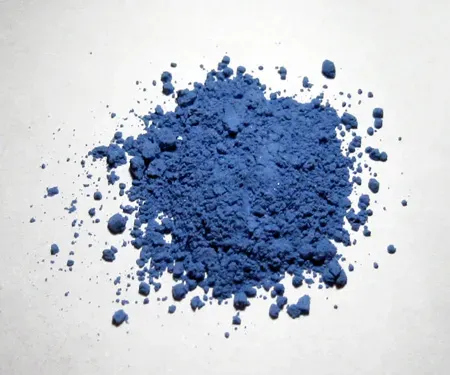
Artificial ultramarine came out of a competition in the 1820s, and making it means heating kaolin, sulfur, and soda ash together in sealed kilns at exact temperatures. It’s essentially an industrialized shortcut around the slow geological process that created rare natural lapis lazuli.
Only large-scale chemical works could deliver that deep, consistent blue at a price ordinary painters could afford. Earlier attempts kept failing because nobody had controlled atmospheres or raw materials pure enough to make the reaction behave. #5 needed a French chemist’s happy accident to even exist.
#5 – Cobalt Blue: Thénard’s 1802 Discovery That Replaced Lapis and Smalt
Cobalt aluminate blue emerged from early 19th-century inorganic chemistry and needed refined cobalt salts plus high-temperature firing to become stable. It didn’t reach artists commercially until mining and calcination techniques improved enough to make it reliable.
Its clean, jewel-toned hue quietly replaced smalt and even genuine lapis lazuli in plenty of applications where cost mattered. The synthesis still demands the equipment and purity standards that only showed up with the chemical revolution. #4 changed more industries than any color on this list.
#4 – Azo and Hansa Yellows: The 1862 Chemistry That Reshaped Packaging
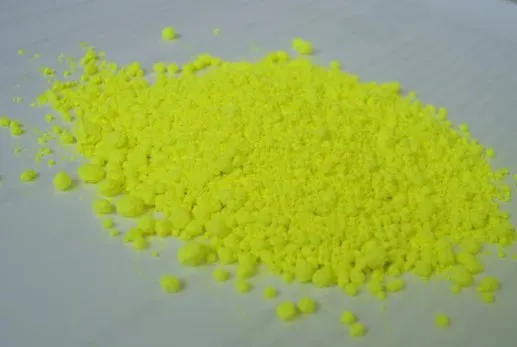
These bright yellows and oranges exist because of diazotization reactions discovered in 1862, which involve coupling aromatic amines under carefully chilled, acidic conditions. Scaling that up required petroleum feedstocks and continuous reactors that only appeared in the late 19th century.
Their combination of chromatic punch and low cost quietly reshaped everything from cereal boxes to textiles. No pre-industrial method could generate the diazonium salts involved safely, let alone consistently. #3 is the one that started the whole synthetic color industry.
#3 – Mauveine: The Coal-Tar Accident That Built an Entire Industry
The first aniline dye, mauveine, appeared when a young chemist named William Perkin oxidized coal-tar aniline in 1856 while trying to synthesize something else entirely. Production only exploded once industrial distillation of coal byproducts became routine during the early chemical boom.
That single accident didn’t just create a color, it launched the entire synthetic dye industry that every pigment on this list eventually grew out of. Earlier societies had neither access to aniline nor the oxidation control needed to tame it. #2 wiped out an entire agricultural economy in under 20 years.
Why It Stands Out
- Discovered by accident in 1856 by an 18-year-old chemistry student who was actually trying to synthesize a malaria treatment.
- Perkin patented the dye and opened his own factory, turning a lab mistake into an industrial fortune.
- The breakthrough sparked the wider synthetic organic chemistry industry, including later advances in pharmaceuticals.
- Mauve became a genuine fashion craze once prominent figures were seen wearing it, cementing the color’s cultural moment.
#2 – Synthetic Indigo: The BASF Breakthrough That Ended an Empire’s Cash Crop

Natural indigo plantations across India collapsed after BASF commercialized a viable synthetic route in 1897 using naphthalene-derived anthranilic acid. The multi-step process required high-pressure vessels and catalysts that simply didn’t exist before late-19th-century factories caught up.
Within two decades, Indian indigo acreage dropped over 80 percent. Pre-industrial chemistry never stood a chance, it lacked both the feedstock and the engineering to compete. And #1 proves even a 1704 discovery still needed the industrial age to become useful.
#1 – Prussian Blue: The 1704 Discovery That Still Waited a Century for Industry to Catch Up
Prussian blue was technically discovered in 1704, but that early version was unreliable and wildly inconsistent from batch to batch. Widespread, high-purity use didn’t arrive until 18th- and 19th-century advances in alkali and iron chemistry, plus the large-scale precipitation methods only industry could provide.
Its hexacyanoferrate structure depends on controlled cyanide chemistry that no pre-industrial workshop could stabilize safely or repeatably. It became, in effect, the first truly synthetic pigment artists could count on in real volume, even though the world had to wait roughly a hundred years after its discovery to get there.
My Take: These Weren’t Just New Colors, They Were New Chemistry
Thirteen pigments that now feel completely ordinary only exist because of industrial furnaces, petroleum chemistry, precise precipitation, and high-pressure reactors developed after 1800. No natural source, no ancient artisan, no pre-industrial lab could have matched their consistency, brightness, or staying power.
What strikes me most isn’t the chemistry itself, it’s the collateral damage. Madder farms, indigo plantations, entire agricultural economies got wiped out not by war or famine, but by chemists in a lab finding a cheaper, better shortcut. That’s the real story hiding behind every bright color you see today: convenience built on top of quiet extinction.
So which of these pigments do you think replaced the most irreplaceable natural color? I’d argue indigo’s collapse is the one history undersold the most.