You know that weird feeling when you stare at the clock during a boring meeting and every minute crawls like it is stuck in slow motion, but a long weekend with friends seems to vanish in what feels like a blink? It is not just you being dramatic. Your brain is quietly bending, stretching, and compressing your sense of time behind the scenes like a film editor cutting and rearranging scenes in a movie.
I still remember sitting in a dentist’s chair as a kid, convinced that a ten-minute procedure was some kind of mini-eternity. Years later, I can work for three hours on something I love and swear it was thirty minutes at most. Understanding why this happens is not just a fun brain trick; it can completely change how you plan your days, handle stress, and even how you build memories that actually feel like they belong to a full life rather than a blur.
Your Brain Does Not Measure Time Like a Clock
The first surprising thing to know is that your brain does not keep time with any kind of internal stopwatch. There is no tiny ticking mechanism in your head, counting seconds in a neat, steady rhythm the way your phone does. Instead, your sense of time is a rough estimate constructed from lots of signals: what you see, what you feel, how fast your heart is beating, and how much is going on around you.
Think of it less like a clock and more like a vibe check. If your brain detects a lot happening, it treats the moment as dense and rich, which affects how long it feels while you are in it and how long it seems afterward. The result is that time perception can be wildly inconsistent, even across the same number of actual minutes, depending on what your brain is paying attention to and how revved up your system is.
Attention Is the Volume Knob on Time
One of the biggest levers on your sense of time is attention. When you focus intensely on something engaging, your attention is fully occupied and you have fewer mental resources left to keep glancing at the passage of time. That is why a deep conversation, a gaming session, or creative work session can make hours slip by almost invisibly.
On the flip side, when you are bored, uncomfortable, or waiting for something you care about, your attention keeps drifting back to the clock. You mentally check in on time over and over, which creates the feeling of an endless present. It is a bit like watching a download bar: if you stare at it, it feels like forever, but walk away and it seems to finish instantly.
Emotions Stretch and Squeeze Your Minutes
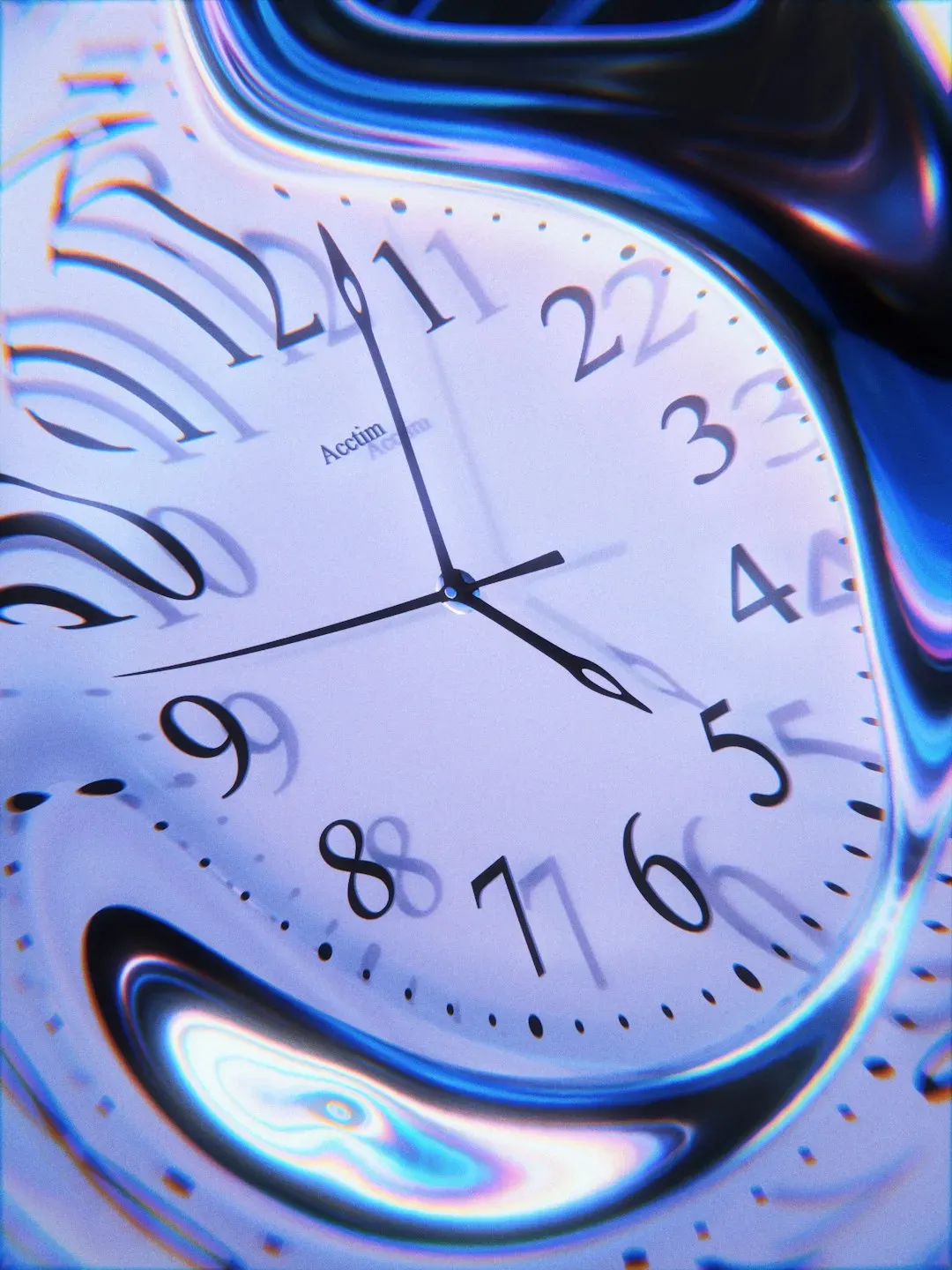
Emotional intensity also has a powerful effect on time perception. Fear, anxiety, and stress tend to make moments feel longer while they are happening. In high-stress situations, your brain goes into a kind of high-definition recording mode, taking in more detail. Because so much information is processed, those moments feel subjectively expanded, like slow motion in your memory.
Pleasant emotions can play a trick in a different way. Joyful, immersive experiences often feel short while you are in them, yet can stand out as big, meaningful blocks of time in your memory. That strange mixture – time flying in the moment but feeling large in hindsight – helps explain why great vacations feel like they went by too fast but still hold a powerful place in your personal story.
Novelty Feels Long Now, Familiarity Feels Short Later
Your brain is especially sensitive to novelty. When you are doing something new – visiting a place for the first time, starting a new job, learning a skill – your brain has to work harder to understand and encode everything. During those periods, days can feel long, full, and even exhausting, because your mental recording equipment is running at a higher rate.
Over time, as routines solidify and life becomes more predictable, your brain stops bothering to store every detail. The upside is efficiency; the downside is that familiar weeks can blur together into a kind of mental fast-forward. That is why childhood summers can feel enormous in hindsight, while adult years can seem to disappear even though the calendar is moving at the same pace it always has.
Memory Rewrites How Long the Past Felt
There is another twist: how long something feels while it is happening is not always how long it feels when you remember it later. Your brain does not store time itself; it stores events, emotions, and changes. Later, it reconstructs how long something took based on how many distinct moments and shifts it can recall. More memories usually translate into a sense that more time must have passed.
This is why a busy, varied day can feel overwhelming and fast in the moment yet seem full and satisfying when you look back on it. A lazy, repetitive day at home can feel dragging as you live it, but leave almost no footprint in memory, making it seem like it barely existed. Your felt timeline is not a clean record; it is a story stitched together from fragments.
Body Rhythms and Brain Chemistry Quietly Shift the Clock
Underneath all the attention and emotion, your biology sets the stage. Your body runs on internal rhythms that influence alertness, mood, and even how you track time. When you are tired, jet lagged, or off your usual schedule, minutes can feel hazy and strange, as if they are not fully syncing with reality.
Chemicals in your brain also play a role. Stress hormones can jolt your system into a heightened state, intensifying each moment, while states of deep calm or flow can create a gentle time blur. None of this is mystical; it is your nervous system adjusting how finely it samples the world, a bit like changing the frame rate on a camera.
Technology, Multitasking, and the “Time Blur” of Modern Life
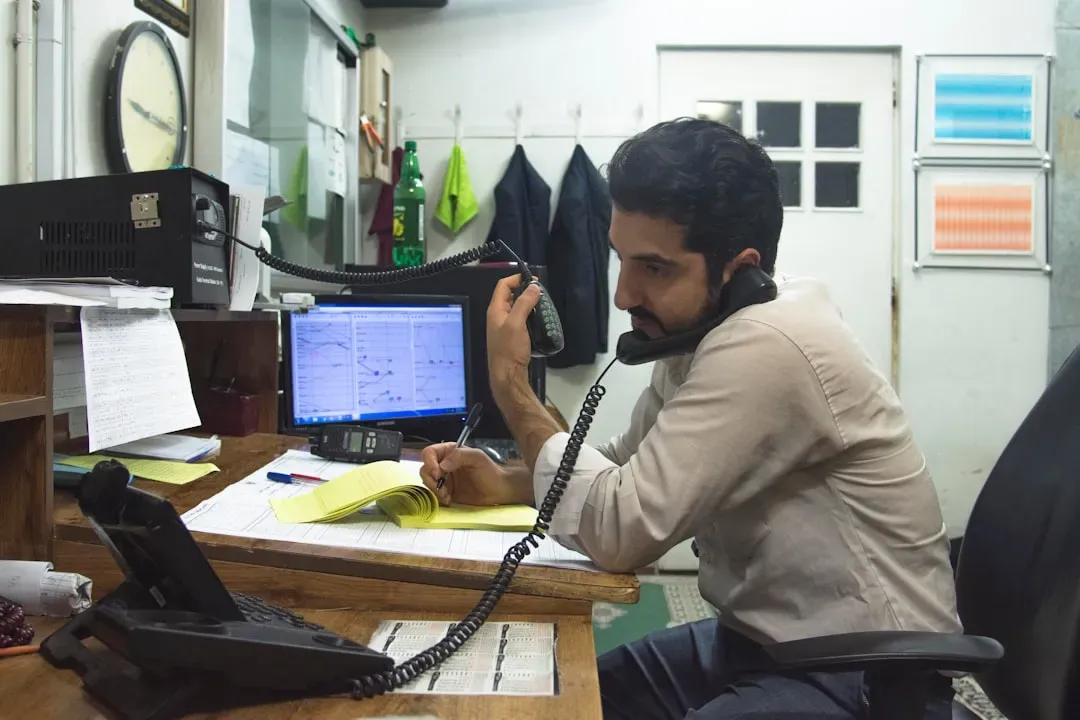
Our current digital lives pour gasoline on these natural quirks. Constant notifications, fast-scrolling feeds, and rapid task-switching chop your day into dozens or hundreds of tiny attention fragments. While you are in the middle of it, the rapid stimulation can feel intense, but later the day often registers as a smear rather than a sequence of solid memories.
Multitasking makes things worse. When your attention is divided, you may feel rushed and busy, but you are not laying down clear, coherent memories of what you actually did. That is one reason people often say entire weeks feel like they “disappeared” at their screens; their brains were engaged, but not in a way that built a rich sense of time passing.
How to Hack Your Sense of Time (A Little)

You cannot turn your brain into a perfect clock, but you can nudge your experience of time in useful directions. If you want life to feel fuller and less like it is slipping away, deliberately inject more novelty and depth into your days. Trying new routes, hobbies, and experiences forces your brain to pay closer attention, which creates more mental timestamps and can make months feel more substantial in hindsight.
On the other hand, if certain moments feel endless – like anxious waiting or stressful tasks – techniques that shift your focus can help compress them. Deep breathing, grounding yourself in your senses, or engaging in a small, absorbing side activity can take your attention away from clock-watching. You are not bending objective time, but you are changing the story your brain tells about it.
Why This Matters More Than It Sounds

All of this is more than an interesting party trick of neuroscience. If your sense of time can be stretched, blurred, or erased, then the way you structure your days is not just about productivity; it is about how much of your own life you actually get to feel. A life packed with mindless scrolling, repetitive routines, and low-grade stress may technically last the same number of years, but it can register as strangely thin in memory.
Personally, I find this both uncomfortable and motivating. It means that if I do not actively design for novelty, presence, and meaningful focus, my weeks will quietly collapse into a forgettable blur. The clock will keep moving either way, but the part I can influence is how much of that movement shows up as something I remember living.
Conclusion: Time Is Objective, Your Life Is Not

In the end, the minutes and hours on the clock are brutally fair and completely indifferent. What is wildly unfair is how unevenly we experience them. Boring minutes stretch like chewing gum, beautiful weekends vanish, and entire years can evaporate into routine. I do not think we should just accept that; I think it is a quiet argument for living more deliberately, not in some dramatic, life-overhaul way, but in the small choices of what we pay attention to, what we repeat, and what we dare to change.
If you want your life to feel longer in the ways that actually matter, you do not need more time; you need more presence, more novelty, and less autopilot. That is the uncomfortable truth hidden inside those endless meetings and vanishing afternoons: the same number of hours can become a forgettable blur or a dense, vivid story. Which version are you going to remember when you look back?