
Think about the last time you suddenly blurted out an answer, said yes to something you later regretted, or turned left instead of right without really knowing why. It probably felt like a spontaneous, conscious choice. But a growing body of neuroscience suggests that, behind the scenes, your brain may have been quietly gearing up for that decision seconds before you had any sense of choosing at all.
That idea sounds unsettling at first. If your brain starts preparing decisions before “you” show up, what does that say about free will, responsibility, or even your sense of self? The truth is more nuanced and, honestly, a lot more interesting. Instead of killing free will, this research reveals just how layered, predictive, and collaborative your mind really is. Let’s unpack what scientists have actually found, what it does and does not mean, and why your choices are still very much worth caring about.
The Surprising Experiments That Sparked the Debate
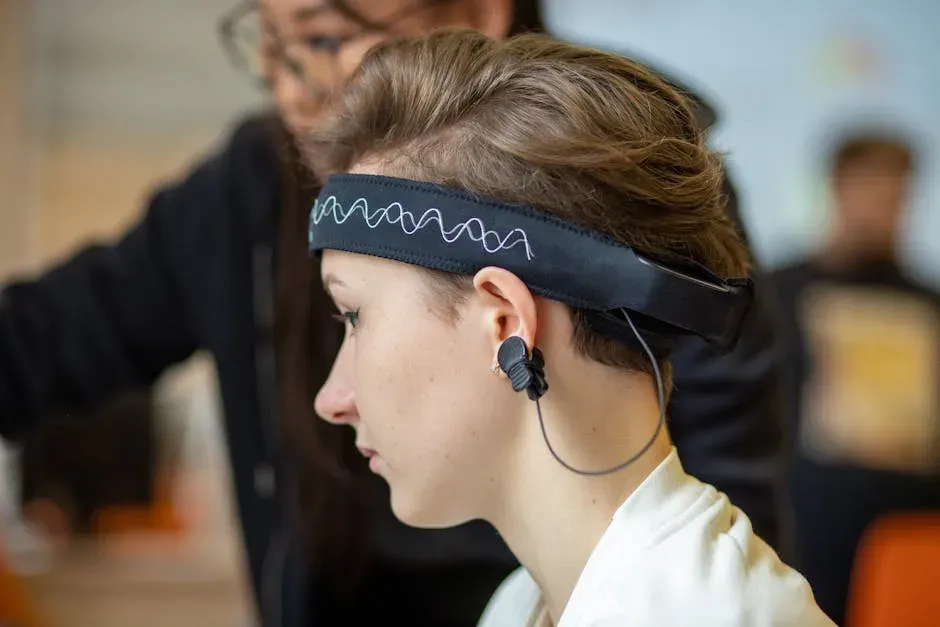
Decades ago, neuroscientists began running a deceptively simple kind of experiment: ask people to make a quick, meaningless decision – like pressing a button with the left or right hand whenever they feel like it – while measuring brain activity and asking them when they first became aware of their decision. Over and over, the same pattern showed up: certain brain signals ramped up before people reported consciously deciding. This suggested that some neural machinery was already “leaning” toward an action before conscious awareness kicked in.
Later studies using brain imaging took this even further. Researchers found that patterns in brain activity could sometimes predict which option a person would choose a short time before the person said they had made up their mind. These predictions were far from perfect and usually happened only a few seconds in advance, but they were accurate enough to raise a provocative question: if the brain is already preparing, are we simply narrating after the fact what was going to happen anyway?
What Brain Activity Before a Decision Really Looks Like

When scientists talk about the brain “preparing” a decision, they are not describing a single magic neuron flipping from off to on. Instead, they see a gradual build-up of activity across networks of neurons that seem to be weighing options, tracking context, and nudging the system toward action. One classic signal measured in these tasks looks like a slow wave that ramps up before a movement, as if the brain is climbing a small hill before it reaches the point of no return.
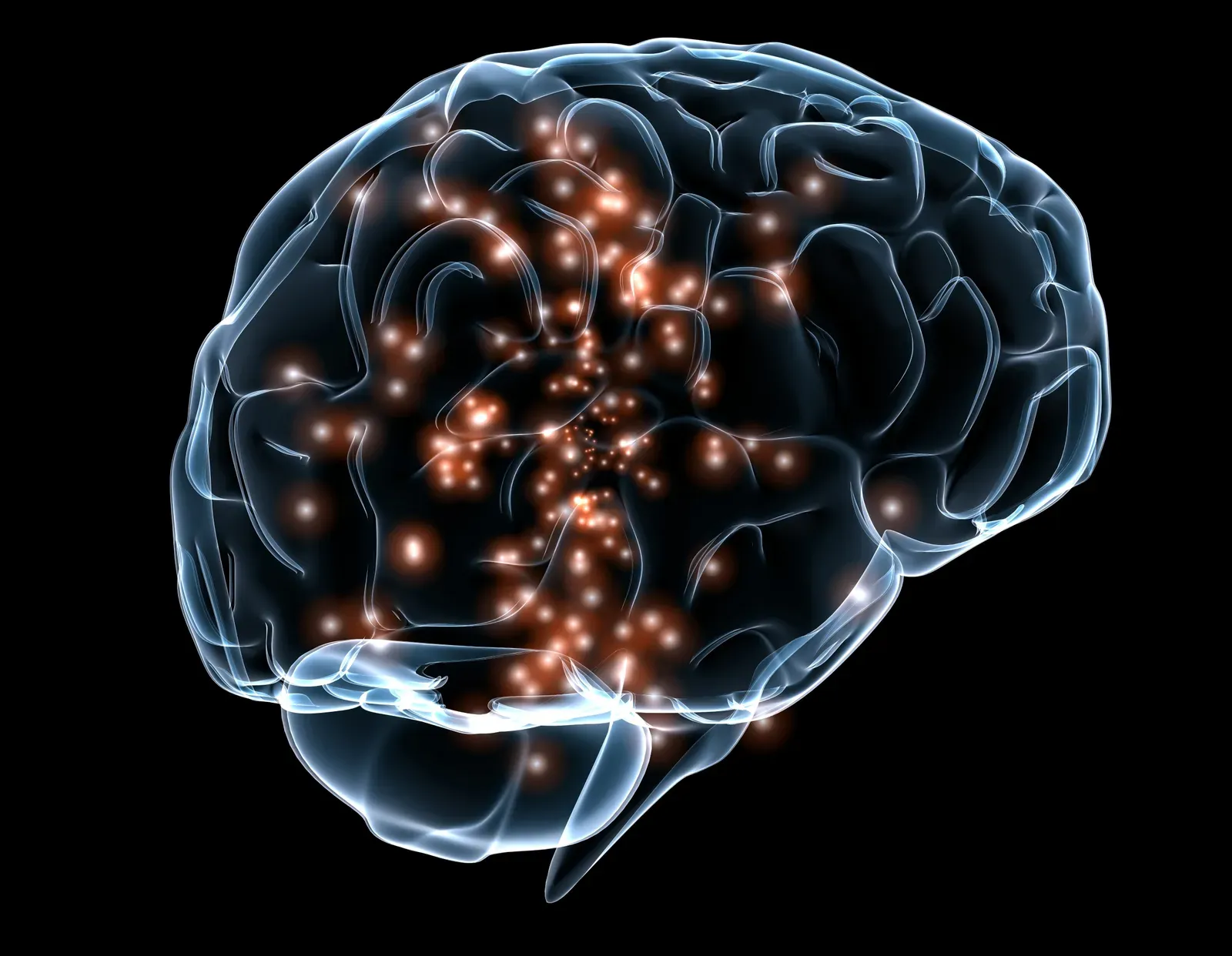
In modern brain imaging studies, preparation can show up as specific patterns of activity in regions involved in planning, motor control, or value-based thinking. These patterns do not say “this person has consciously decided,” but they do suggest that the underlying machinery needed to carry out a choice is being assembled. You can think of it like a theater getting ready before the curtain rises: lights adjusted, props in place, actors in position. The conscious feeling of “I choose this” may be more like the spotlight coming on than the first step in the process.
Why “Prediction” Is Not Mind Reading or Total Control
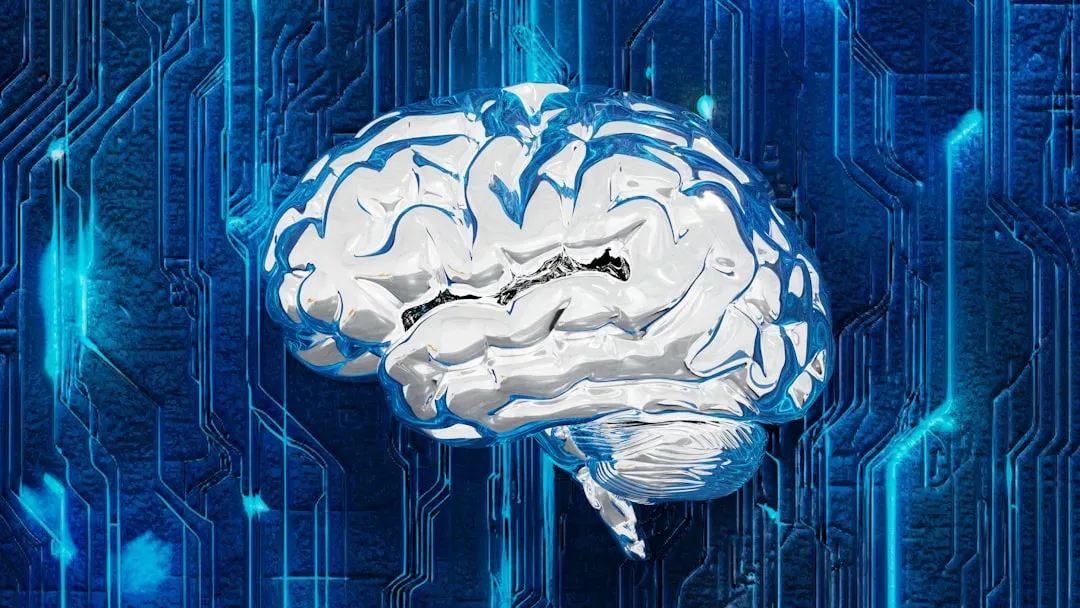
It is tempting to hear about brain activity predicting choices and imagine a sci‑fi control room where scientists can read your mind like an open book. The reality is much messier and much less dramatic. In most of these studies, the predictions are only somewhat better than chance, and they usually apply to extremely simple decisions in highly artificial tasks. That is a far cry from predicting whether you will quit your job, fall in love, or change careers.
On top of that, the predictions come from averaging patterns over many trials and many people, then using clever statistical tools to tease out tiny biases. For a single person in real time, with all the complexity of emotions, memories, and changing goals, the future is dramatically less predictable. So yes, your brain does show faint hints of where a decision is heading, but that is not the same as a fixed script you are doomed to follow.
Consciousness as the Storyteller, Not the Puppet Master?
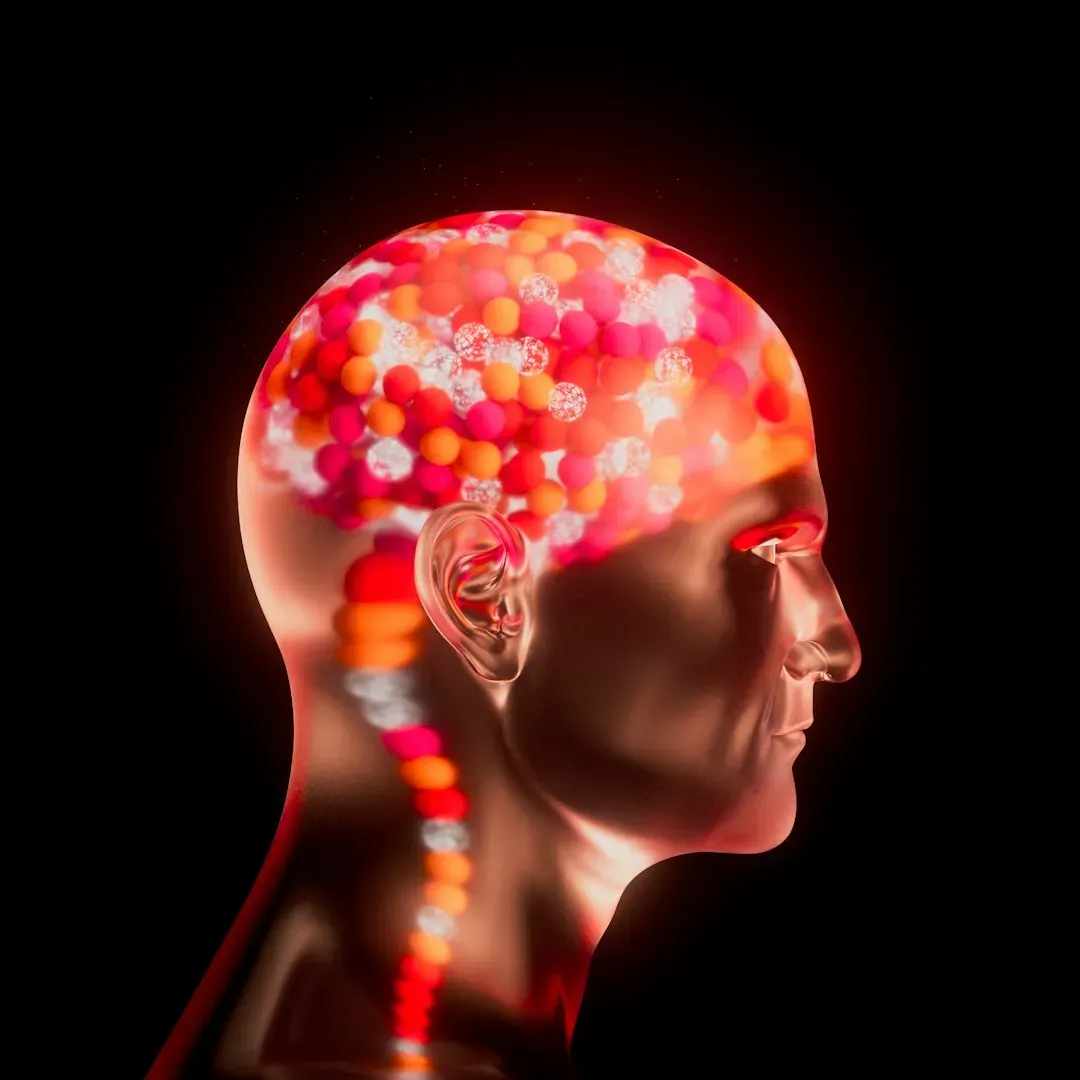
One strong interpretation of these findings is that consciousness is less of a commander and more of a narrator. In this view, your brain’s unconscious systems grind away in the background, weighing probabilities, past experiences, and bodily states; then your conscious mind wakes up to the result and spins a coherent story about why you chose what you did. That would explain why you can often give neat reasons for your actions that, under deeper examination, turn out to be incomplete or even wrong.
Personally, I think there is some truth here, but it is an oversimplification to say consciousness is just “along for the ride.” Even if the first stirrings of a decision start unconsciously, conscious attention can still reshape what happens next. When you pause to reconsider, imagine outcomes, or deliberately override an impulse, you are engaging processes that feed back into those same neural circuits. The narrator may not write every line, but it can edit the script and change the ending more often than the gloomy version of this story suggests.
How Your Brain Uses the Past to Shape the “Next” Choice
One big reason your brain can prepare decisions early is that it is constantly learning patterns from your past. It tracks what worked, what hurt, what was rewarding, and what you regret, then uses that to bias your next move. If you usually grab your phone first thing in the morning, circuits tied to that habit start firing as soon as you wake up, often before you have a deliberate thought about it. What feels like an automatic choice is really the brain’s best guess based on your history.
In more complex situations, like deciding whether to speak up in a meeting or stay quiet, similar processes unfold. Your brain implicitly tallies previous social experiences, your sense of safety, and the likely reactions of others, and it starts tilting you one way or the other. That tilt does not force your hand, but it can make some options feel easier and others feel heavier. This is why change often feels like swimming upstream at first: you are pushing against probability patterns your brain has been building for years.
Free Will Under Pressure: Are You Still in Charge?

The million‑dollar question is whether these findings mean free will is an illusion. My take is that they challenge a very simplistic idea of free will – the fantasy that a tiny, perfectly independent “self” sits in your head pulling levers – but they do not erase your capacity to choose. Instead, they suggest that what we call free will emerges from a whole system: unconscious preparation, conscious reflection, learned habits, and social context all working together.
In that framework, being “in charge” does not mean every microsecond of neural activity is under conscious control. It means you can shape the conditions under which your brain prepares decisions in the first place. You can build habits, change environments, seek therapy, learn new skills, and practice pausing before acting. Those actions themselves come from brain processes, of course – but they are also how you steer who you become. Free will looks less like a magical spark and more like gradually training a very powerful, somewhat stubborn animal that you happen to live inside.
Practical Ways to Work With a Brain That Decides Early
If your brain starts leaning toward choices before you are fully aware of them, the obvious move is not to panic – it is to design your life so those early leanings are more often in your favor. One simple strategy is to build friction around choices you tend to regret and remove friction from choices you value. For example, if you know you impulsively check social media, move the apps off your home screen and keep a book within reach instead. You are nudging your brain’s preparation stage before it even gets to the point of conscious temptation.
Another powerful tactic is to use “if‑then” plans, like telling yourself that if you feel the urge to snap at someone, you will first take a deep breath and count to five. Rehearsing these plans in calm moments helps wire alternative pathways that can be triggered automatically when the moment arrives. You are not stopping your brain from preparing a reaction; you are giving it a better script to prepare. Over time, those revised scripts can become the new default, so what once required effort starts to feel natural.
The Emotional Side: Responsibility, Guilt, and Self-Compassion

When people first hear that their brain may start decisions early and unconsciously, some feel relief – almost like they can blame their neurons for bad choices. Others feel the opposite: a sense of helplessness or fear that they are not really the authors of their own lives. Both reactions are understandable, but both miss something important. You are not separate from your brain; your brain is part of you, shaped by every experience, relationship, and effort you have made.
To me, the healthiest way to hold this science is as a call for both responsibility and compassion. Yes, you are accountable for what you do, but you can also acknowledge the hidden influences and limitations that make change hard. Instead of beating yourself up for every impulsive decision, you can get curious: what patterns might my brain be running here, and how could I change the inputs next time? That mindset treats you less like a moral failure and more like a complex system that can, with patience, be re‑trained.
So What Does This Mean for Who You Really Are?

All of this raises a deeper, almost uncomfortable question: if decisions start before awareness, where do “you” truly begin? One way to answer is to stop drawing such a sharp line between conscious and unconscious processes. The same brain that quietly prepares actions is the one that dreams, imagines futures, feels love, and wrestles with difficult ethical questions. Your identity is not just the thin slice of thoughts you can report. It is the entire, sprawling system of patterns that make you predictably you across time.
From that angle, the early stirrings of a decision are not some alien force hijacking your life; they are part of your extended self in action. Even when a choice feels sudden, it is built on years of learning, caring, and trying. The real question is not whether you control every neural flicker but whether, across months and years, you are shaping the kind of person whose automatic leanings align more often with your values. That is a humbler, but in my view far more powerful, way to think about being someone who chooses.
Conclusion: Your Future Self Is Being Prepared Right Now
Neuroscience has thrown a harsh light on the comforting story that every decision begins with a crystal‑clear conscious moment. The evidence points in a different direction: your brain often starts warming up a choice before awareness arrives, guided by past experiences, habits, and context. I do not see that as a death sentence for free will; I see it as a wake‑up call that your freedom lives in how you shape those underlying patterns over time, not in pretending you float above them.
In the end, the most honest stance is this: you are both the product and the shaper of your brain’s invisible preparations. You cannot control the fact that your neurons start buzzing before you feel the tug of a decision, but you can decide what you practice, what you pay attention to, and what environments you keep returning to. Those quiet, repeated choices are how you train the system that will later “decide before you decide.” Knowing that, the real question is not whether you have free will – it is what you are going to do with the part of it you undeniably still have.