Picture the tidy version of archaeology: careful trowel work, labeled finds bags, a proud press release, and a thick final report sitting on a university shelf forever. That’s the fantasy people believe. The reality is messier, quieter, and honestly a little unsettling once you know how often it happens.
A surprising number of digs simply stop. Not because the story ended, but because the money vanished, a bulldozer showed up early, a landowner got spooked, or the findings turned out too inconvenient to finish. No closing report, no public accounting, just silence and a filled-in trench. Here are 14 excavations that went quiet mid-season, and the strange, very human reasons behind each one.
#1 – The Desert Fortress Trench That Vanished With Its Funding
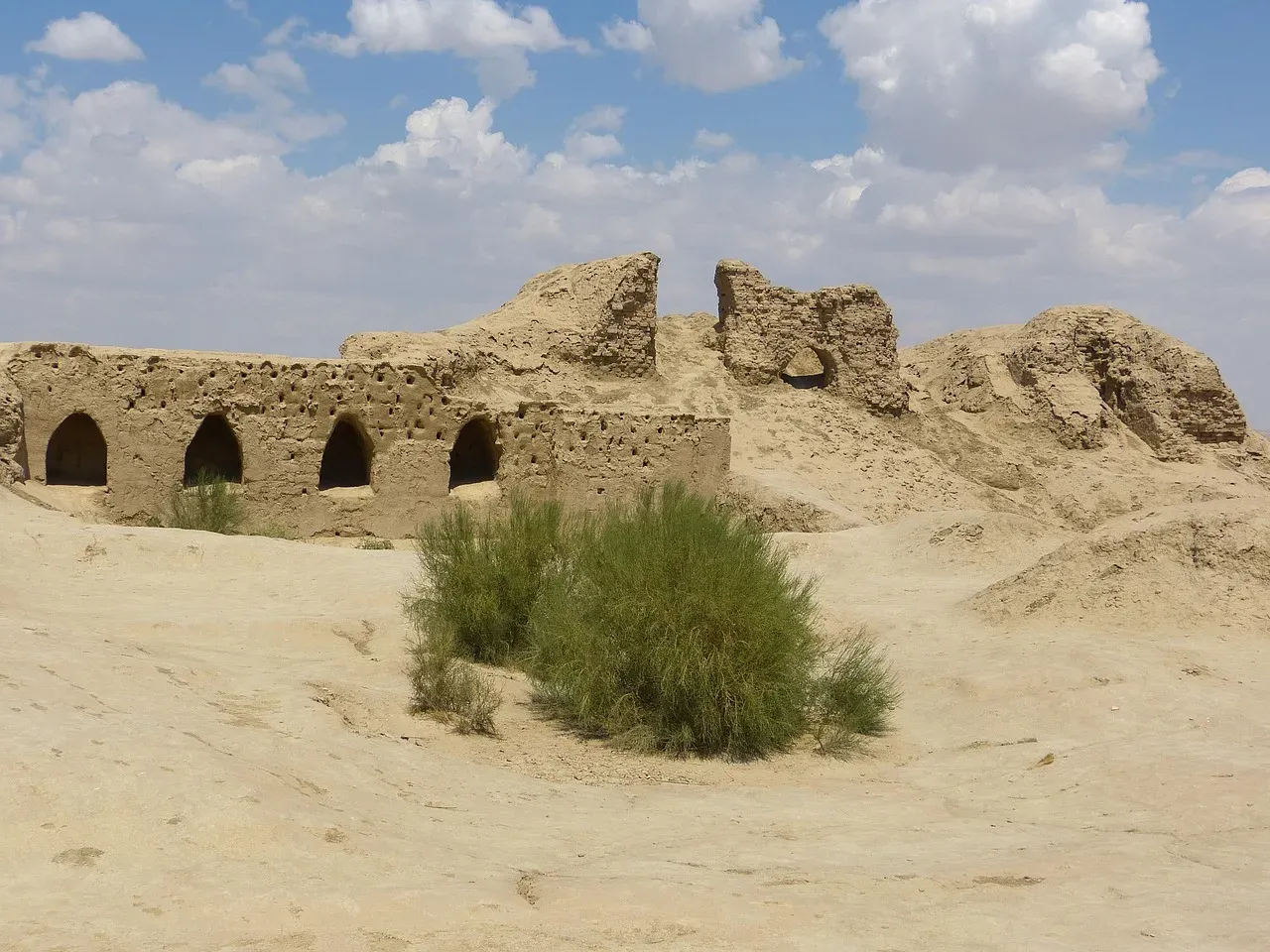
Archaeologists have a dark joke: the most powerful tool on any dig isn’t a trowel, it’s the budget spreadsheet. A remote desert fortress excavation – the kind of late-Roman or medieval frontier fort that gets textbooks rewritten – proved the joke true in the worst way. Test trenches had already exposed multiple occupation layers beneath the standing walls, including an entirely unknown earlier fortification, and everyone assumed they had at least three more seasons ahead of them.
Then the sponsor pulled out overnight, not over any scientific dispute, but a boardroom reshuffle at the funding foundation. Logistics collapsed within days. The field lab packed up, local workers were let go, and the crew left before half the planned squares were even opened. Samples sat in plastic bags in a temporary depot, never fully processed. A single conference abstract survives; no formal site report ever followed, and locals now only know the place by a quiet codename.
#2 – The Highway Rescue Dig That Stopped When the Bulldozers Refused to Wait
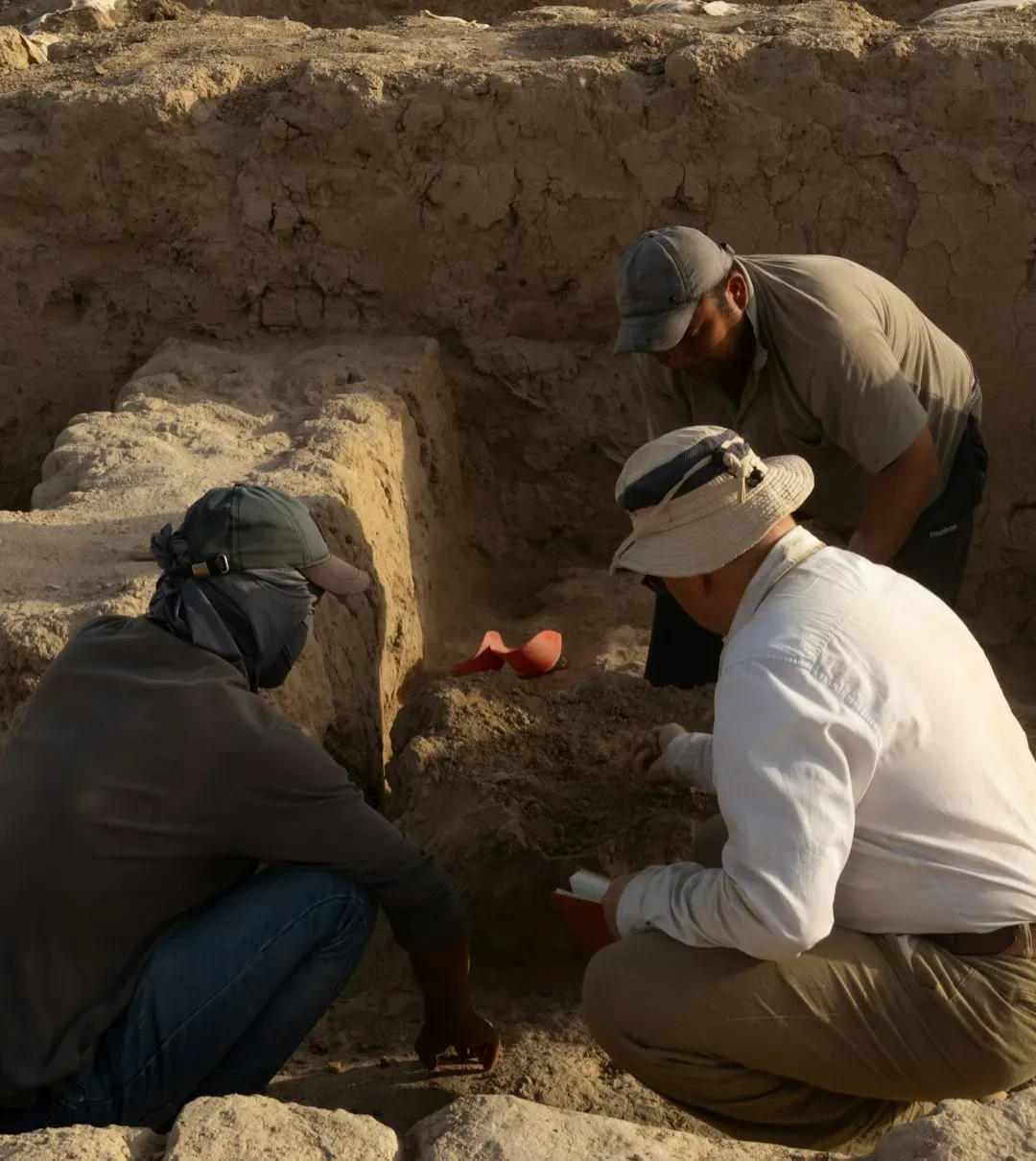
Rescue archaeology is basically emergency surgery on the past, and this dig proved it. A highway expansion cut straight through a valley already known for prehistoric and Roman activity, and a commercial team was handed an impossible deadline – weeks to excavate what should have taken months. The moment they opened the machine-stripped trenches, they hit cremation burials, postholes, and a paved surface that looked suspiciously like a Roman roadside settlement.
Under normal conditions, that discovery would have triggered a bigger excavation. Instead, the construction timetable squeezed even tighter, and when the heavy machinery showed up early, the contract was quietly rewritten to “sampling only.” Whether the site was a modest farmstead or a full mansio road station was never settled. The stratigraphy notes disappeared into a gray-literature file, and the “final report” ended up being a few pages of compliance paperwork, while drivers now cruise over the valley with no idea what got buried twice.
At a Glance
- Original schedule called for months of work; the crew was given just weeks
- First trenches uncovered cremation burials, postholes, and a paved surface
- The contract was rewritten mid-dig to “sampling only” once machinery arrived early
- Whether it was a farmstead or a full roadside settlement was never determined
#3 – The Island Monastery Dig Frozen by Church Politics
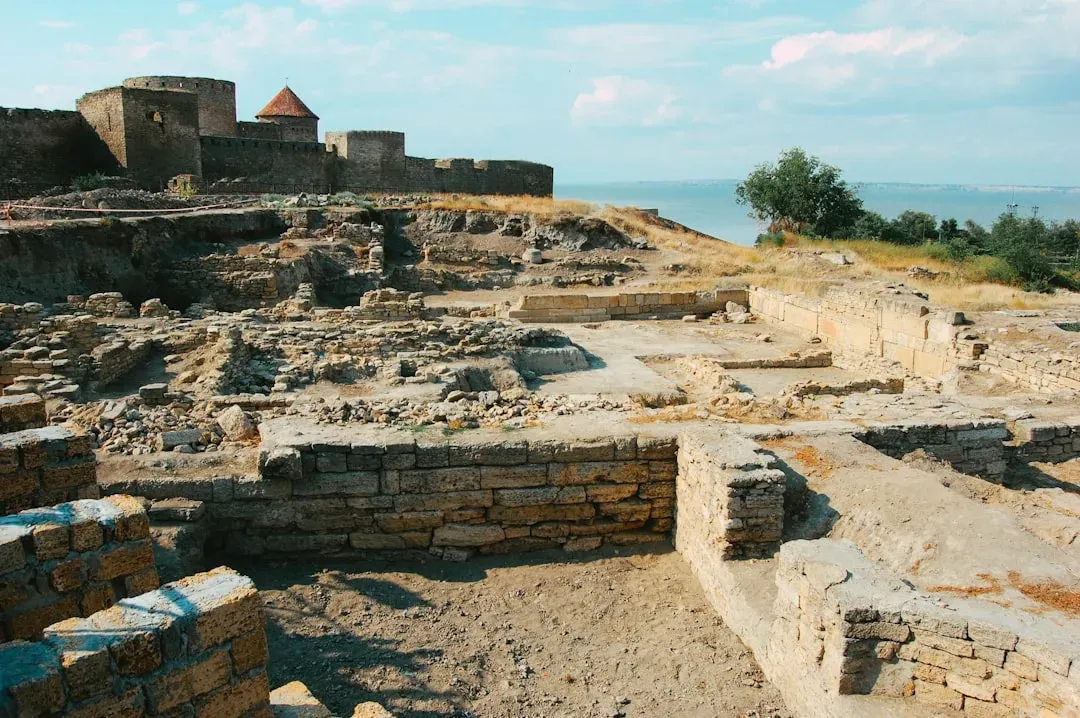
This one still splits archaeologists over coffee. A remote, beautifully preserved medieval island monastery was opened with full blessing from local church authorities. Almost immediately, the team found burials with grave goods that had no business being there for a supposedly austere religious community – imported ceramics, personal jewelry, small comforts that didn’t fit the humble-monk story.
Then things got more complicated. Beneath the cloister, excavators found burnt deposits, deliberately broken objects, and a carefully laid stone surface – signs of a pre-Christian ritual site that predated the monastery by centuries. For researchers, this was a rare chance to trace a direct line from pagan worship to Christian practice on one spot. But powerful local stakeholders were uneasy about their holy site having older, “pagan” roots, and access was quietly tightened until the next season simply never happened. No comprehensive report was ever published, just scattered references buried in student theses.
#4 – The Urban Cellar Complex Interrupted by Real Estate Prices
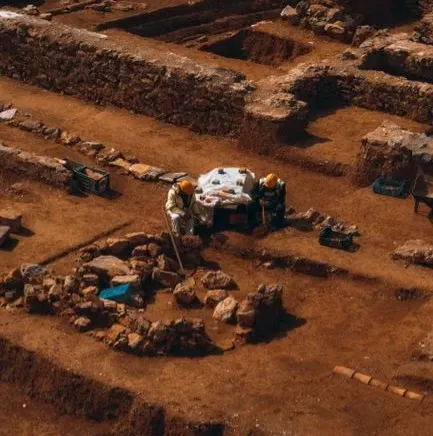
Urban archaeology runs on one brutal rule: time is money, and money usually wins. A developer needed a quick archaeological clearance before building luxury apartments in a historic city center, expecting the usual – a few medieval pits, some old rubbish, nothing dramatic. Instead, engineers broke into a maze of interconnected vaulted cellars dating back at least to the 15th century, some still holding plastered walls and traces of painted decoration.
Sealed deposits of ceramics and waste hinted at discoveries that could have rewritten the city’s economic history, and one blocked passage suggested the complex ran well beyond the property line into land nobody had ever surveyed. But the excavation contract hadn’t been written for that scale of discovery. As delays threatened the sale timeline, the team recorded what they could before the remaining vaults were quietly sealed into the new building’s foundations, private amenity space now, with no full report ever released beyond a few glossy PR photos.
#5 – The Lakeside Pile-Dwelling Left Underwater by Climate Shifts
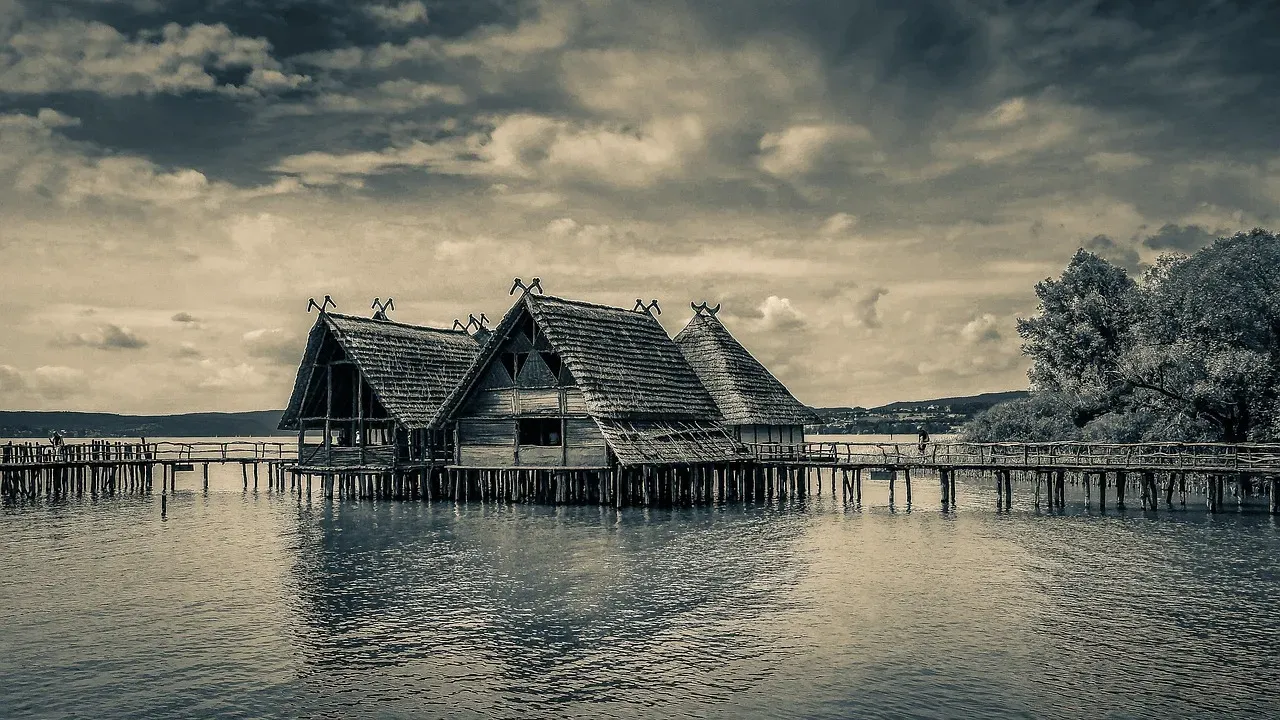
Waterlogged sites are every archaeologist’s dream and nightmare at once. A lakeside settlement reachable only by boat produced rows of wooden piles and organic layers stuffed with basketry, seeds, and even scraps of textile. Dendrochronology pointed to a tight cluster of construction dates, suggesting the entire village had been built in one coordinated push, exactly the kind of clean data that rewrites textbooks on prehistoric life.
Then the climate stopped cooperating. Storms started arriving earlier and harder, wrecking the access pontoons, and one brutal season the temporary lab flooded twice in a single month. Insurance costs spiked, funding agencies got nervous about the “high-risk” logistics, and the dig was never technically canceled, just “deferred pending stabilization.” Years later, that deferral is still in effect, and the deeper layers remain untouched under water, while local rumors of “lost treasure” fill the gap where the real science should be.
#6 – The Desert Cemetery Halted by Security Concerns
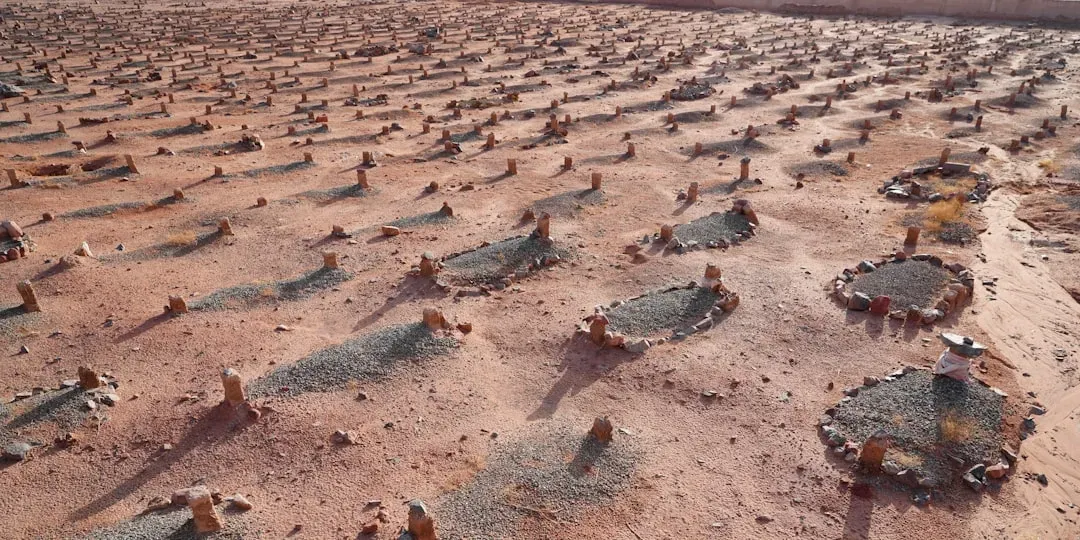
In politically unstable regions, archaeology can stop for reasons that have nothing to do with the past. A vast cemetery in a semi-desert zone, tied to a little-known early kingdom, had drawn an international team that mapped hundreds of burial mounds. They’d only excavated a handful before realizing the burial customs were unlike anything published for the region – strange body orientations, unusual grave goods, and signs of elaborate secondary rituals nobody had documented before.
Then the security situation fell apart. Checkpoints multiplied, travel advisories escalated, and insurance for foreign staff became unaffordable almost overnight, with the final season cut short after an incident on a nearby road. Plans for isotope sampling and DNA analysis were shelved indefinitely, and the partially opened graves were backfilled for protection. Some remains made it to a museum depot in the capital, tagged with site codes almost no outsider can decode, sitting unpublished in the dark.
#7 – The Prehistoric Hilltop Cut Short by a Wind Farm
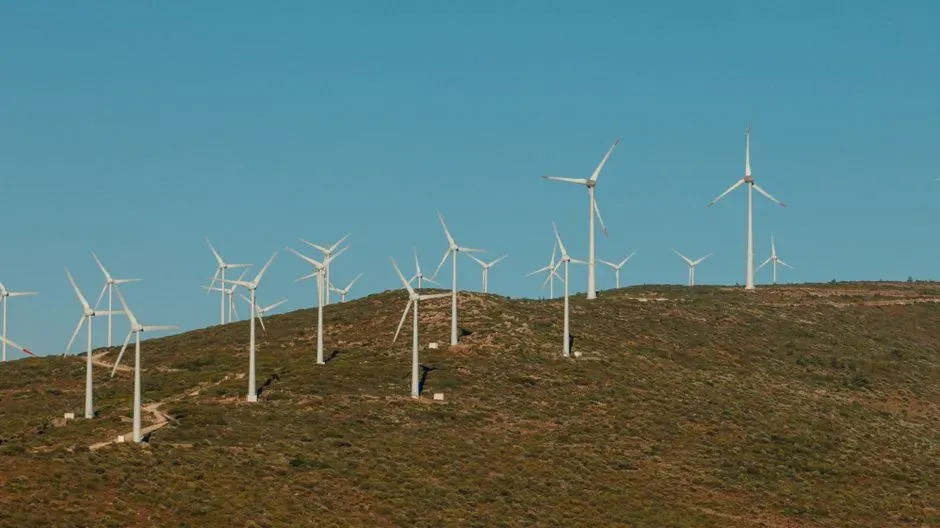
Renewable energy projects come with surprisingly ancient strings attached. A hilltop chosen for a wind farm had long been rumored to hold prehistoric remains, and evaluation trenches proved it – stone wall fragments, post-holes, and a dense scatter of stone tools showing occupation stretching from the late Neolithic into the Bronze Age. Planners initially signed off on a multi-season mitigation plan.
But as construction bids tightened and subsidy deadlines loomed, patience for delays evaporated. The timetable shrank from months to weeks, then to a “targeted sample” covering only the turbine footprints, leaving most of the enclosure untouched. Field teams still generated a mountain of records and finds, but the final deliverable was a limited developer-funded report buried in hard-to-access technical archives, even as the hill now gets marketed in tourist brochures as a place where “ancient people once gathered.”
Quick Compare
- Original plan: multi-season mitigation covering the full hilltop enclosure
- What happened: a targeted sample limited only to turbine footprints
- Original plan: full public report on Neolithic-to-Bronze Age occupation
- What happened: a developer-funded report buried in technical archives
#8 – The Cave Sanctuary Complicated by Looters and Land Rights
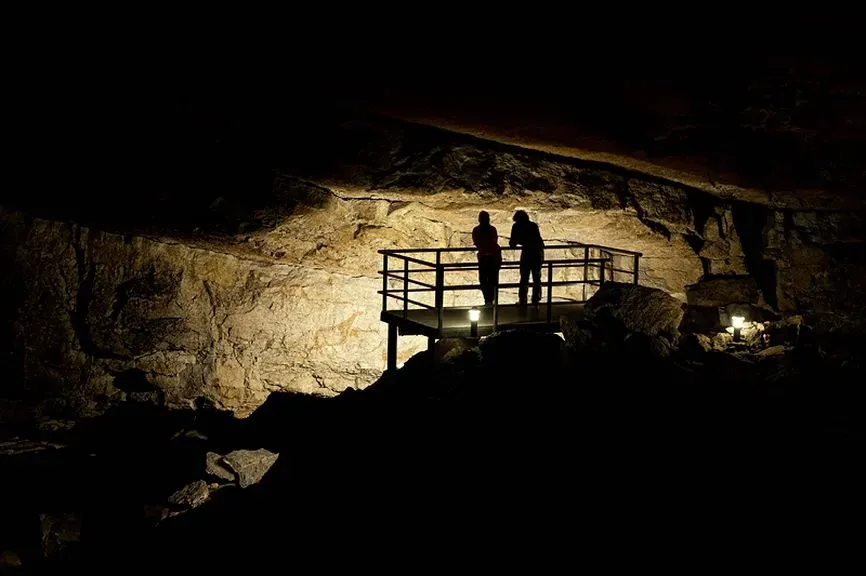
Cave sites are magnetic, and painfully fragile. In a limestone region already famous for Paleolithic art, a newly recorded cave seemed unremarkable at first, until deeper chambers revealed deliberately arranged stones, torch marks, and a small cache of artifacts that didn’t match any known prehistoric phase. Some pieces looked Iron Age or even Roman, hinting at centuries of repeated ritual use long after the original occupants had gone.
Word leaked anyway. Within a year, unauthorized visitors and outright looters had reached the entrance despite every attempt at secrecy, and graffiti started appearing on the walls. The landowner, spooked by liability and media attention, demanded tighter control, and negotiations between heritage authorities and private ownership stalled out completely. The second season was canceled pending “legal clarification,” leaving the site partly known, partly damaged, and never properly reported, a collision of good intentions and terrible timing.
#9 – The Roman Port Dig Drowned by Rising Groundwater
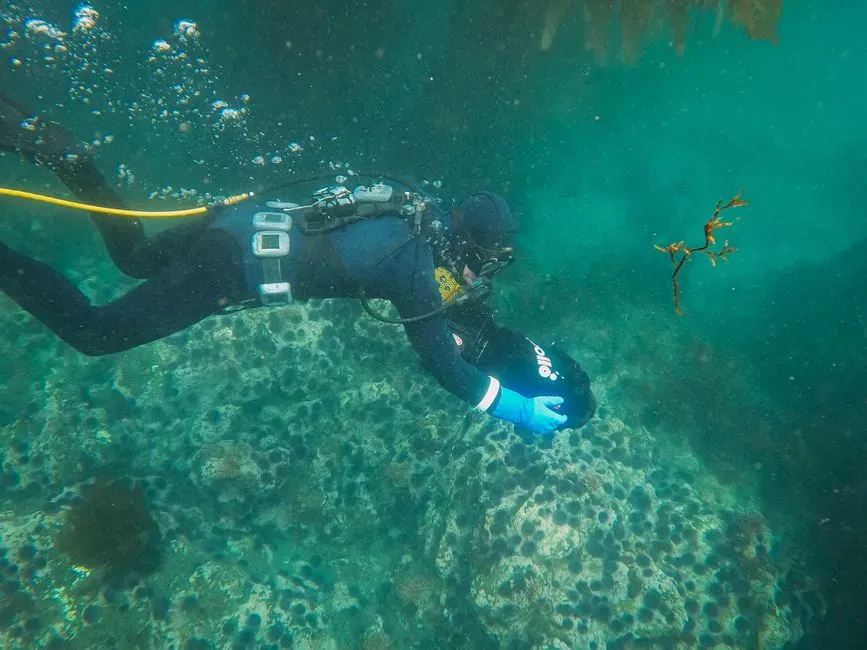
Coastal and riverside sites live on a ticking clock, and this one ran out fast. A Roman-era port facility, identified from aerial photos and ancient texts, finally got a full excavation season, and the team exposed timber revetments, stone quays, and warehouses packed with amphora sherds pointing to serious import-export trade. Environmental cores even hinted at centuries of shifting river channels.
Then the groundwater started rising faster every season, a combination of nearby modern pumping and subtle sea-level change. Pumps couldn’t keep up, sections collapsed, and exposed wooden structures began degrading almost the moment they hit open air. Conservation costs skyrocketed and risk assessments turned red, so only a fraction of the port district was ever safely dug before the whole site was reburied under protective layers, and the grand report tying harbor engineering to trade networks and environmental change never got written.
#10 – The Steppe Kurgan Cluster That Stalled at the Lab Door

Sometimes the abandonment happens quietly, long after the trenches close. A team working on steppe burial mounds opened a small cluster and documented complex wooden chamber graves loaded with rich horse gear and imported goods spanning several centuries. The fieldwork itself went smoothly, trenches closed, coordinates logged, samples collected and labeled.
The trouble started in the lab. Funding for radiocarbon dating, metallurgical analysis, and isotopic studies was scattered across institutions, and a shift in national research priorities redirected grants toward flashier interdisciplinary projects. Some samples got processed; most sat in storage as key collaborators moved on or retired. On paper, the project never technically failed, its final report is perpetually “forthcoming.” In reality, the bigger picture of how this cluster fits into steppe power dynamics has never been painted, only scattered in fragments across unrelated articles.
Worth Knowing
- Fieldwork often wraps up cleanly while the real bottleneck hits later, in the lab
- Radiocarbon dating, metallurgical work, and isotope studies each need separate funding streams
- Unpublished technical reports, known as gray literature, are a well-documented backlog across archaeology
- A project can stay technically “active” for years while its findings remain unpublished
#11 – The Industrial-Era Factory Dig Overshadowed by Contamination
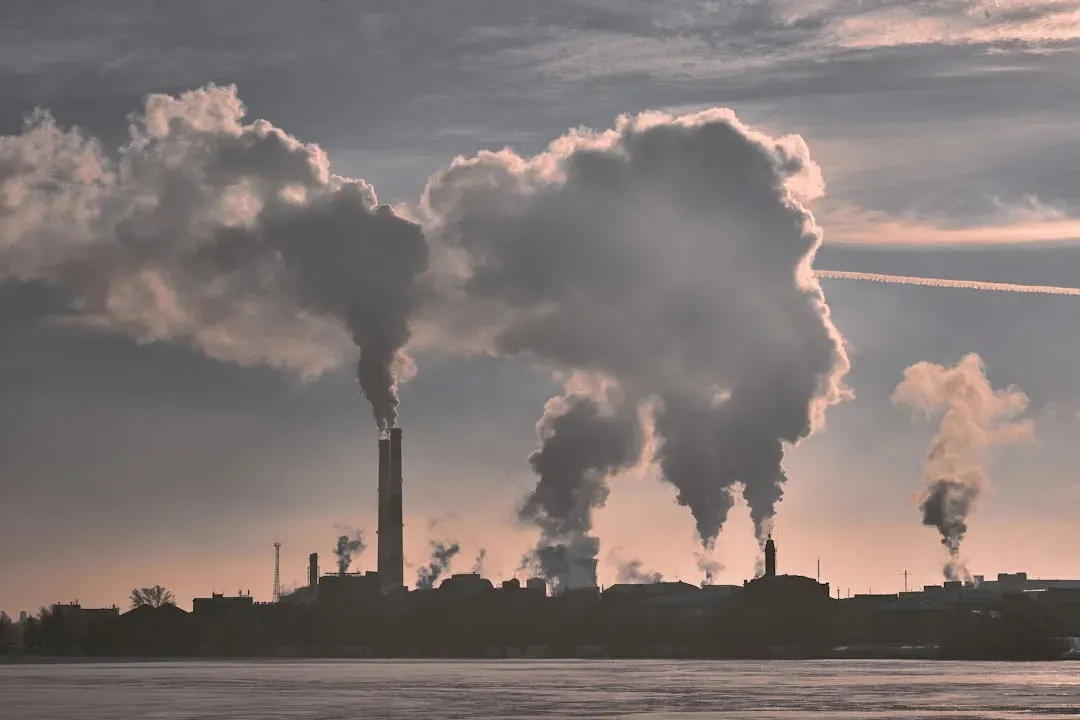
Archaeology isn’t only about temples. A 19th-century factory complex slated for redevelopment had real potential to illuminate early industrial labor and everyday working-class life. Initial stripping revealed machine bases, drains, and dense layers of workers’ rubbish, including imported bottles and personal items that could have humanized an entire forgotten workforce.
Then the soil tests came back. Decades of industrial use had left heavy metal and chemical contamination far above safe exposure limits, and protective gear requirements, shrinking site hours, and soaring costs followed almost immediately. Health and safety rightly came first, but the practical result was brutal: the deeper, more interesting strata were judged too hazardous to open, and the site was capped and remediated as an environmental project rather than an archaeological one. A compliance-grade summary satisfied planning law, but the social history monograph this site deserved never got written.
#12 – The Fortified Farmstead Caught Between Two Interpretations
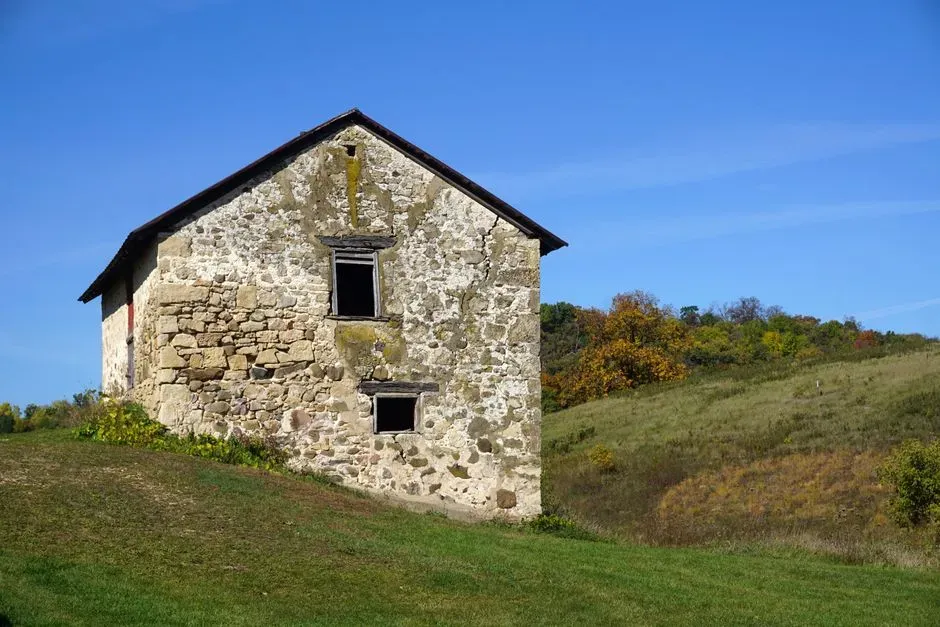
One of the quietest ways a dig dies is when archaeologists simply can’t agree on what they’re looking at. A rural fortified site with stone enclosures, towers, and inner courtyards was first labeled a “small castle,” and early trenches turned up mixed ceramics, weapon fragments, and farming tools suggesting both martial and agricultural life. Half the team argued for a noble residence; the other half argued for a militarized farmstead.
The more they dug, the messier it got – defensive ditches too shallow for a real fortress, domestic buildings too sturdy for an ordinary farm. Funding applications leaned on one interpretation, peer reviewers questioned the premise, and when a key grant renewal got rejected, the project limped through half a season before stopping cold. Data trickled out in narrow articles that each defended a favorite theory, while most locals still just call it “the old castle,” blissfully unaware no one has ever agreed on what it actually was.
#13 – The Megalithic Enclosure Undone by Tourism Ambitions
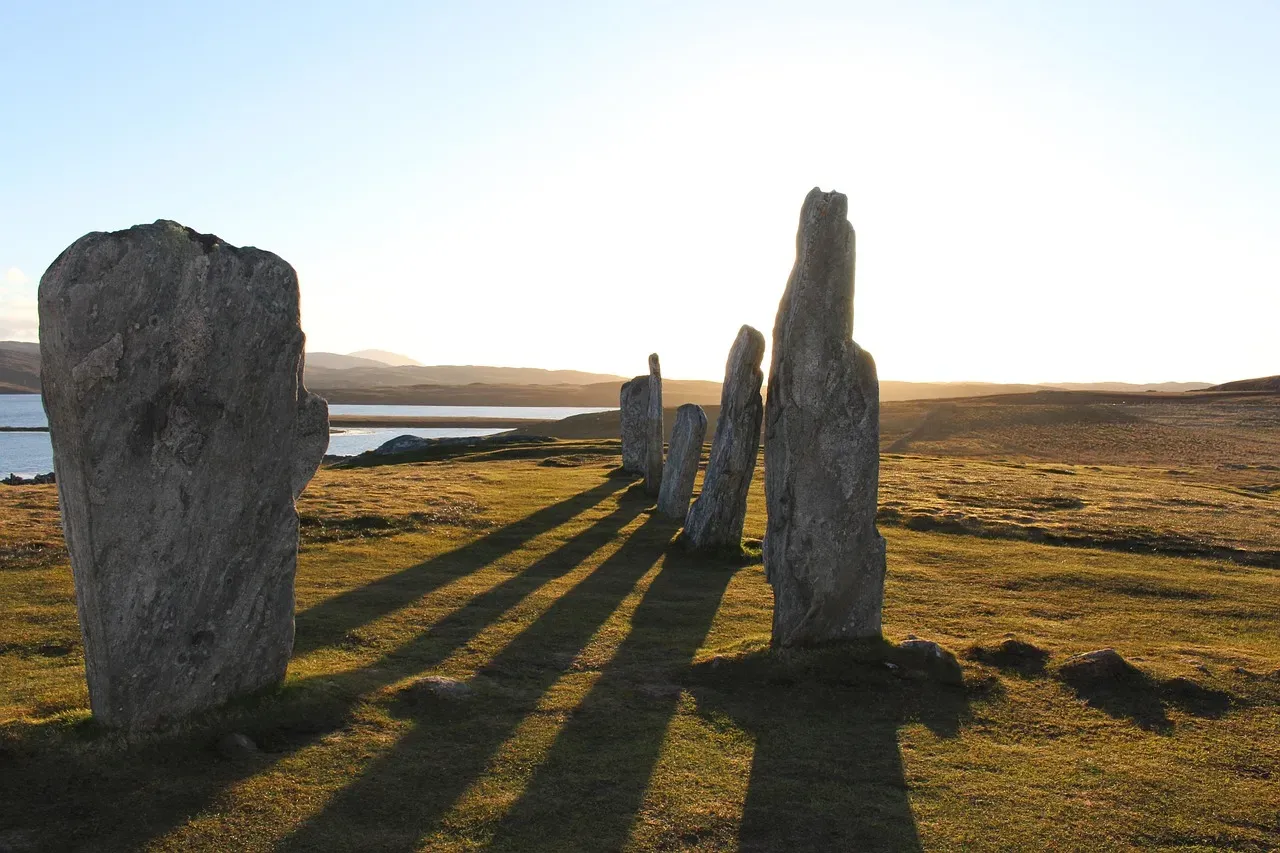
Heritage can become a victim of its own hype. A large megalithic enclosure, once just a ring of half-buried stones, got targeted for excavation with an eye toward future tourism, and the very first trenches revealed complex construction phases, with earlier timber circles hiding under later stone settings, plus rich pottery and animal bone from ancient feasting events.
Local authorities got excited, too excited. Before the first season even wrapped, glossy plans for viewing platforms, sound-and-light shows, and parking lots were already circulating, and some officials openly questioned why so much time went into “tiny holes” instead of exposing the whole monument. Archaeologists pushed back, warning that rushed exposure would destroy fragile contexts, and the resulting standoff killed the relationship entirely. Tourism funding got pulled, the second research season never happened, and the site was backfilled, now marketed as an “ancient ceremonial center” with none of the real story ever published.
Fast Facts
- Tourism plans were already being drafted before the first excavation season ended
- Early trenches revealed timber circles hidden beneath later stone settings
- Proposed additions included viewing platforms, parking lots, and sound-and-light shows
- The second research season was scrapped once tourism funding was withdrawn
#14 – The Multi-Layered City Block Lost to a Deadline
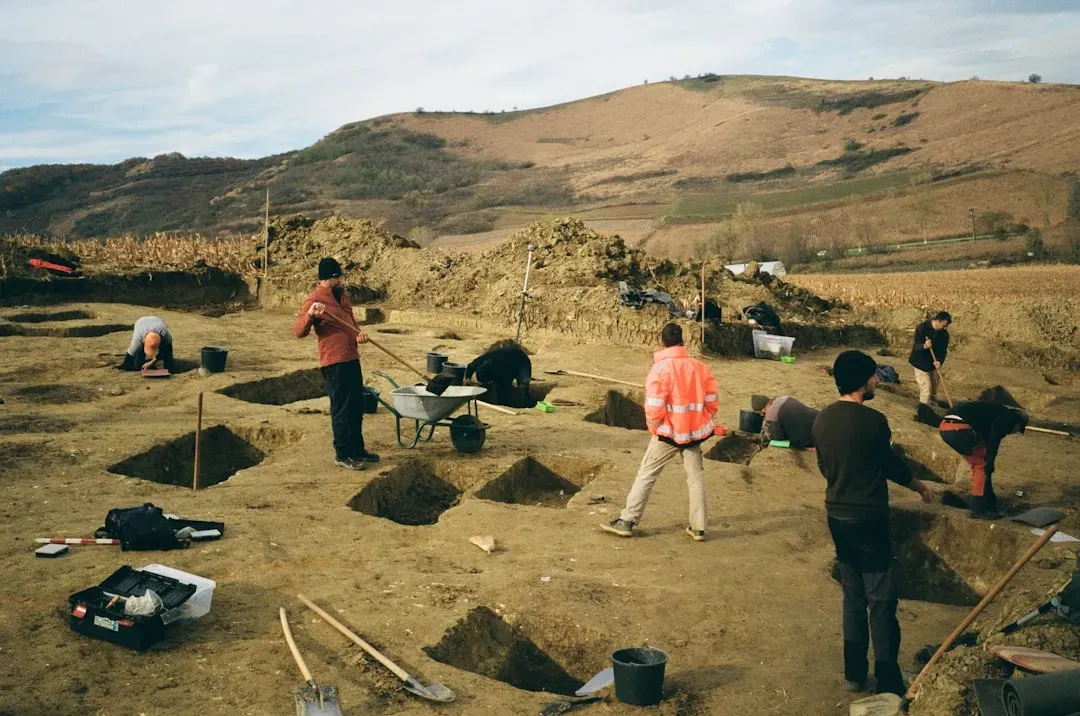
Ask field archaeologists what haunts them most, and it’s rarely a single spectacular artifact, it’s a whole city block rushed to death by a calendar. In one historic city, a full block slated for redevelopment sat on top of centuries of continuous occupation: Roman foundations, early medieval timber buildings, late medieval workshops, and 19th-century tenements stacked like a layer cake of human life.
The brief was ambitious and clear – dig, record, publish. But as the trenches deepened, so did the complexity, with unexpected waterlogged pockets preserving leather, textiles, and even food remains. Understanding the block properly would have taken far longer than the construction contract allowed, and after one deadline extension, developers refused a second. Archaeologists made brutal triage calls, documenting some areas in detail and others only in outline, before the machines moved in and the team walked away with hard drives full of data and the sick feeling of unfinished work. Years later, only a fraction of that material has ever become a real publication.
These 14 cases aren’t freak accidents. They’re the normal operating condition of archaeology, a discipline that runs on money, politics, safety, land ownership, and stubborn human disagreement far more than most people realize.
Here’s the opinion part: none of this means the field is broken, but it does mean we should stop treating “final reports” as guaranteed. Some of the most important discoveries of the last few decades are sitting in gray literature, museum depots, and abandoned grant applications, known only to the handful of people who happened to be standing in the trench when the money ran out.
The past doesn’t just get buried once. Sometimes it gets buried twice, first by time, and then by us.