Picture two potters who will never meet, never trade, never even hear a rumor of each other’s existence – one shaping clay in Neolithic Anatolia, the other in Bronze Age Peru. Now picture them landing on the exact same design: same texture, same proportions, same symbolic instincts, centuries and oceans apart. That’s not a thought experiment. That’s the actual pottery record, and it has been quietly embarrassing the tidy, everyone-evolved-in-isolation version of history most of us grew up with.
Archaeologists don’t love talking about this outside conference halls, because it sounds like conspiracy bait the moment you say it out loud. But look past the headlines and the sherds themselves are blunt about it: cord-wrapped textures, three-legged cookpots, mirror-black burnished bowls, human-shaped jars – the same solutions, invented independently as far as anyone can prove, again and again, on continents that shouldn’t have been talking to each other. Coincidence, shared brain wiring, or something the maps still can’t explain? Stick around, because by the time you reach #1, even the skeptics start hedging.
#14 – Cord-Impressed “String-Wrapped” Ceramics
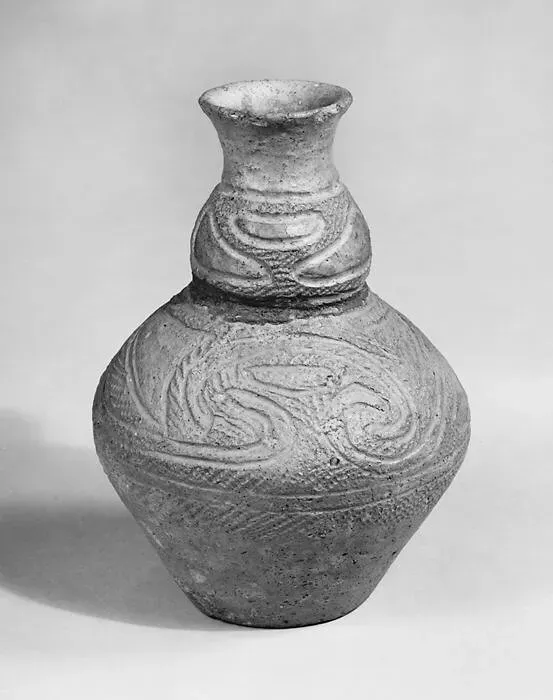
At first glance, cord-impressed pottery looks humble – just lines pressed into wet clay with string or twisted fiber. But here’s the twist: nearly identical cord-wrapped stick impressions appear in Neolithic Europe, Jōmon Japan, parts of Siberia, and prehistoric North America. Different continents, no confirmed maritime routes between them, and yet everyone lands on the same basic trick – wrap a cord around a paddle, slap it against the vessel, and you get that distinctive textured surface.
In Europe, this technique is famous from the Corded Ware culture. In Japan, Jōmon vessels get their name from that same “rope pattern” surface. In eastern North America, early pottery from the Southeast and Great Lakes carries cord-marked exteriors that look uncomfortably familiar to any Old World specialist. Some researchers shrug it off as the easiest way to roughen a pot for grip. Others point out that if it’s really just the obvious choice, why does it appear and disappear in pulses instead of showing up everywhere, all the time?
Fast Facts
- Corded Ware culture flourished across large parts of Europe roughly 2900–2350 BCE
- Jōmon pottery is one of the world’s longest-running ceramic traditions, spanning roughly 14,000 to 300 BCE
- North American cord-marked wares are especially common at Woodland-period sites in the Southeast and Great Lakes
- The shared technique: a cord-wrapped paddle or stick pressed into wet clay before firing
#13 – Geometric Incised Bands and Chevron Motifs
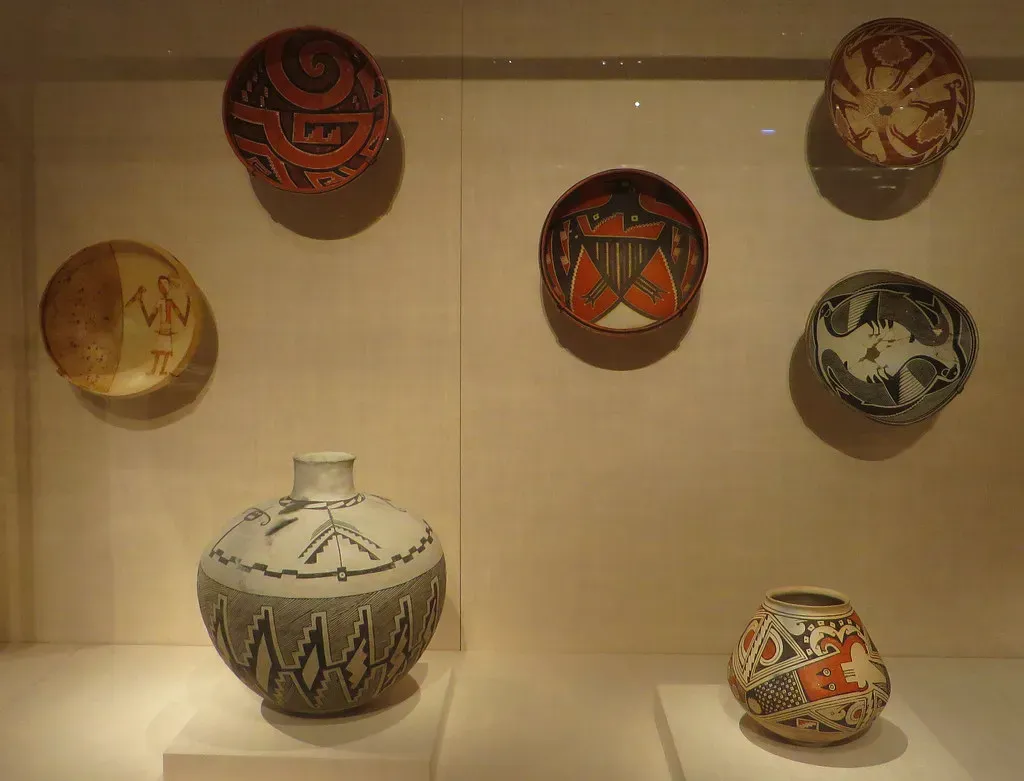
Archaeologists love geometry, and pottery from everywhere seems to return the favor. Horizontal bands, zigzags, nested chevrons, and cross-hatching show up carved into clay across Neolithic Europe, the Near East, West Africa, the Indus Valley, pre-Columbian Mesoamerica, and the Andes. These aren’t random scratches – they’re carefully repeated schemes that can wrap around a vessel with near-mathematical precision.
In the Old World, such patterns are often linked to textiles or basketry, as if the clay is quietly copying woven designs. The same “translation” seems to happen in the Americas, where cordage and weaving also inform pottery decoration. So how many times did humans, independently, decide that bands and chevrons were the “correct” way to organize a pot’s surface? Some researchers see proto-writing or social coding in the patterns; others say it’s just how the human eye likes order – but nobody has a clean answer for why the same order kept winning.
#12 – Red-Slipped Burnished Ware
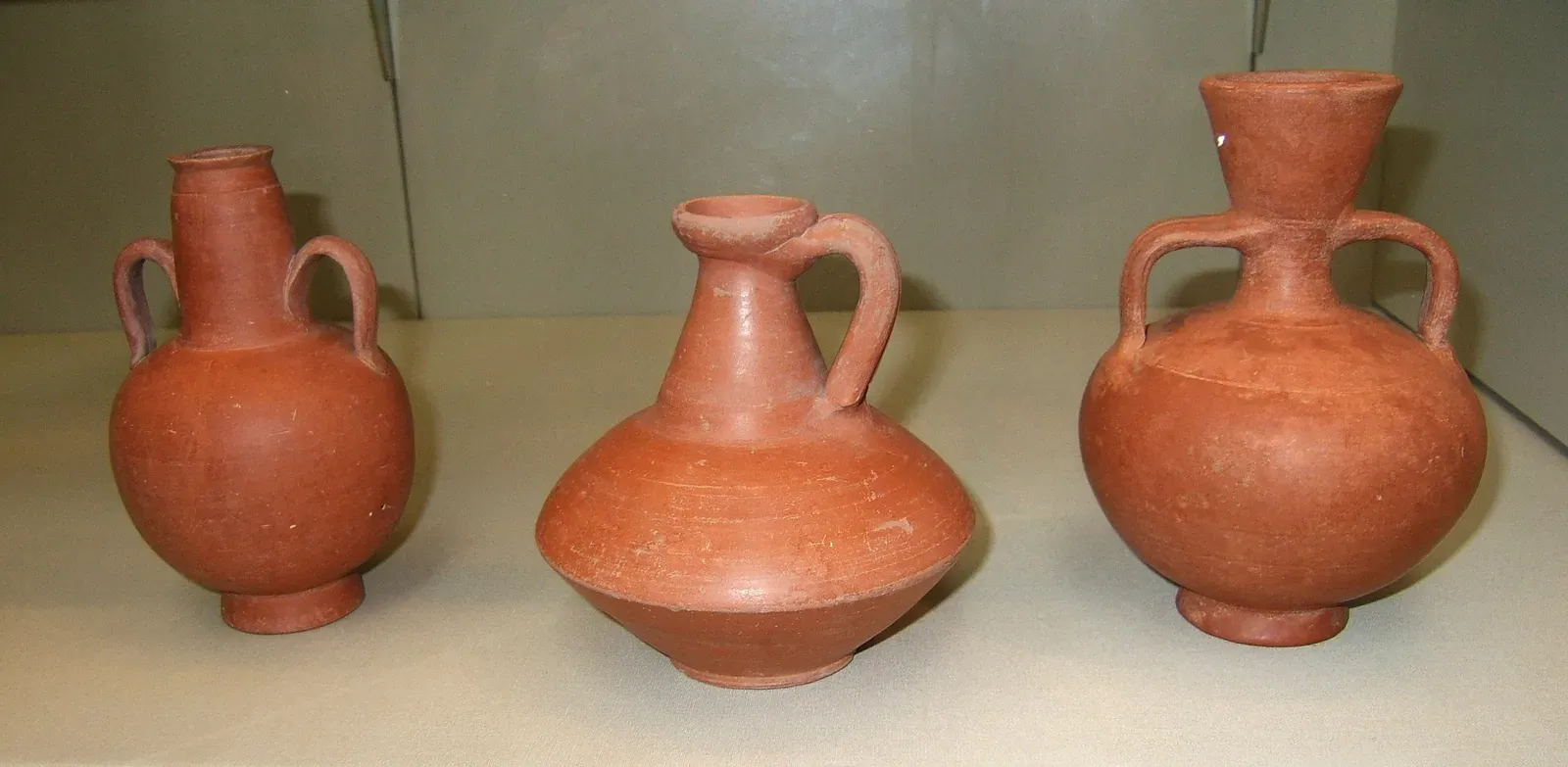
Red-slipped ceramics sound boring until you notice how widespread and weirdly synchronized they are. A potter applies an iron-rich slip – basically a thin clay paint – then burnishes it to a glossy, brick-red sheen. You find this in early Near Eastern farming villages, Predynastic Egypt, Neolithic and Chalcolithic Anatolia, early Mediterranean cultures, parts of West Africa, and pre-Columbian Mesoamerica and South America.
What’s striking isn’t just the color; it’s the shared obsession with that polished, reflective surface. Red is tied to blood, life, and ritual in society after society, and shiny red pottery keeps clustering in feasting contexts and elite burials – a status marker, not a casual soup bowl. Maybe red slip is just what happens when iron meets fire and human vanity. But nobody has mapped a single diffusion route that explains why the ceremonial clustering keeps repeating, continent after continent.
#11 – Carinated “Shouldered” Bowls
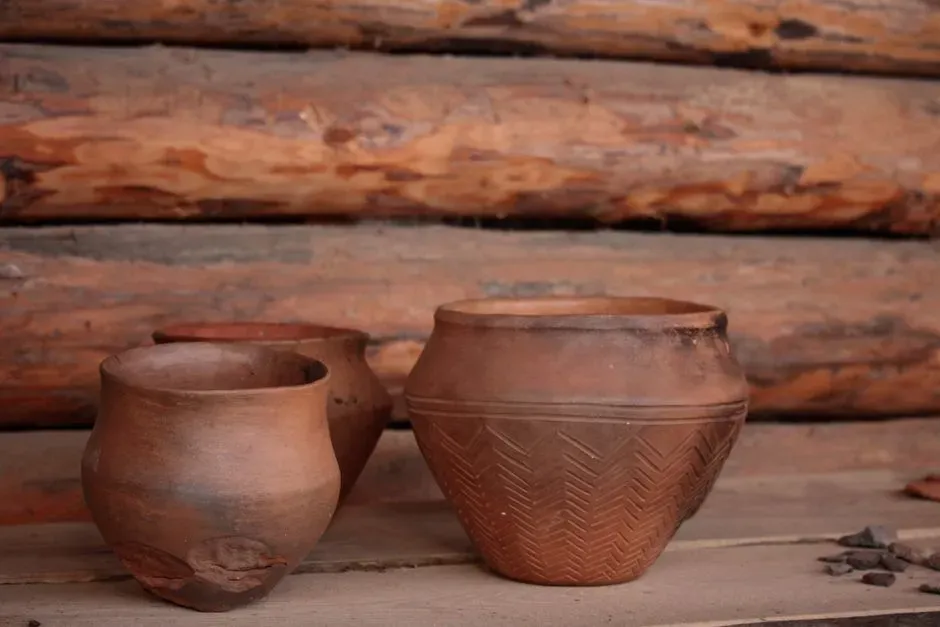
Carinated bowls – vessels with a sharp “shoulder” or angle in the profile – behave like a design meme that refuses to die. You see them in Neolithic Europe, the Near East, the Caucasus, early Central Asian steppe groups, and in strikingly similar forms in East Asia and the Andes. That crisp break in the curve, splitting the pot into a distinct upper and lower zone, is almost identical in silhouette across continents that had zero contact.
Functionally, the shoulder makes sense: it helps with grip, changes how heat moves during cooking, and splits the surface into neat decorative fields. But some archaeologists go further, arguing that the “double world” of the carinated form – upper versus lower – echoed cosmological ideas like sky and earth, sacred and profane. What unsettles the skeptics is the timing: similar carinated silhouettes rise and fall across multiple regions during the same broad millennia, roughly the 5th to 3rd millennia BCE, with no known link between, say, European farmers and Andean communities.
#10 – Punctate “Dot-and-Dimple” Texturing
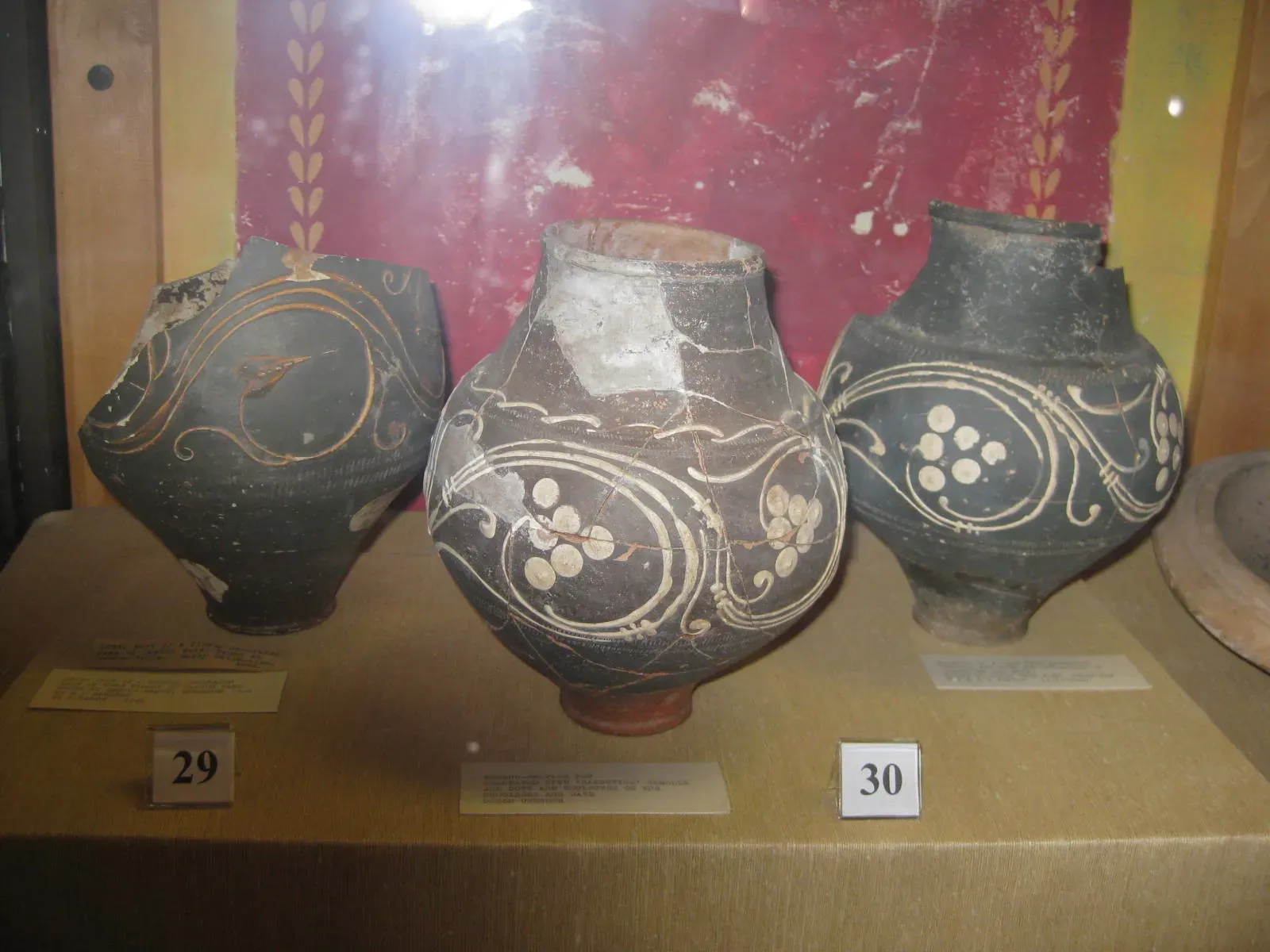
Take a stick, a shell, or a fingertip, and punch small depressions into wet clay. Simple enough. Yet this “punctate” decoration shows uncanny convergences across time and space – turning up in sub-Saharan African early pottery, North American Woodland ceramics, some Jōmon vessels, Neolithic European wares, and South American traditions, all leaning on repeated dotting as a core surface treatment.
Sometimes the dots form bands; other times they build complex geometric fields or frame figurative scenes, and in several regions the dimples were even used to catch slip or soot and make the design pop. It’s tempting to write this off as inevitable – dotting clay is about as low-tech as decoration gets. But in multiple regions, punctate styles cluster around transitional moments: new foodways, emerging elites, the shift toward settled life. That pattern has led some researchers to suggest dot-texturing worked almost like a visual “new era” stamp, a generation deliberately setting its pottery apart from its ancestors’.
At a Glance
- Tools used: sticks, shells, fingertips, or reed ends pressed into wet clay
- Found across: sub-Saharan Africa, North American Woodland sites, Jōmon Japan, and South America
- Pattern styles: simple bands, complex geometric fields, or framing for figurative scenes
- Often tied to: shifts in foodways, emerging elites, or the move to settled life
#9 – Tripod Vessels and Three-Legged Cooking Pots
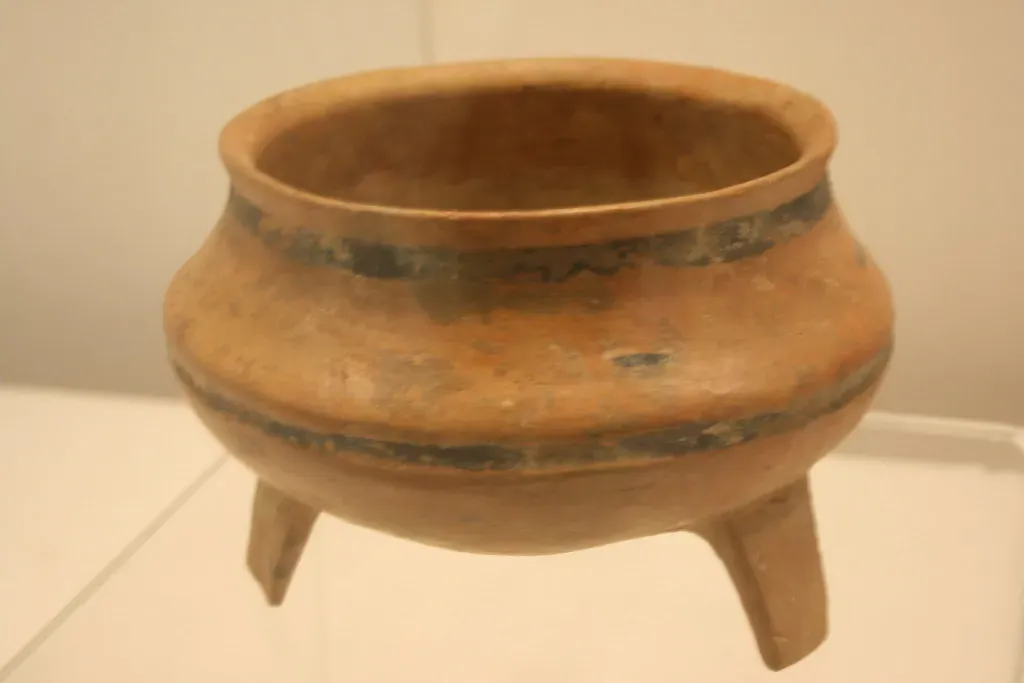
Three-legged pots look so specific that finding them on unconnected continents feels like a prank the archaeological record is playing on us. Classic examples come from Bronze Age China, pre-Columbian Mesoamerica (especially Maya and related cultures), parts of West Africa, and even European and Near Eastern contexts. Three supports lift the vessel over a fire and stabilize it on uneven ground – three points define a stable plane, so the pot doesn’t wobble the way a four-legged version might.
But plenty of tripod forms go far beyond utility. In China, ritual ding vessels become prestige objects of state power. In Mesoamerica, finely painted tripod plates and bowls show up in elite feasts and burials. The coincidence is hard to ignore: tripod gear repeatedly slides from practical cookpot to ritual symbol of power, on opposite sides of the planet. Is that baked into the physics of a three-legged stand, or into the politics of feasting? Either way, the parallel rise of both is one of the more unsettling convergences on this list.
#8 – Anthropomorphic “Face Pots”
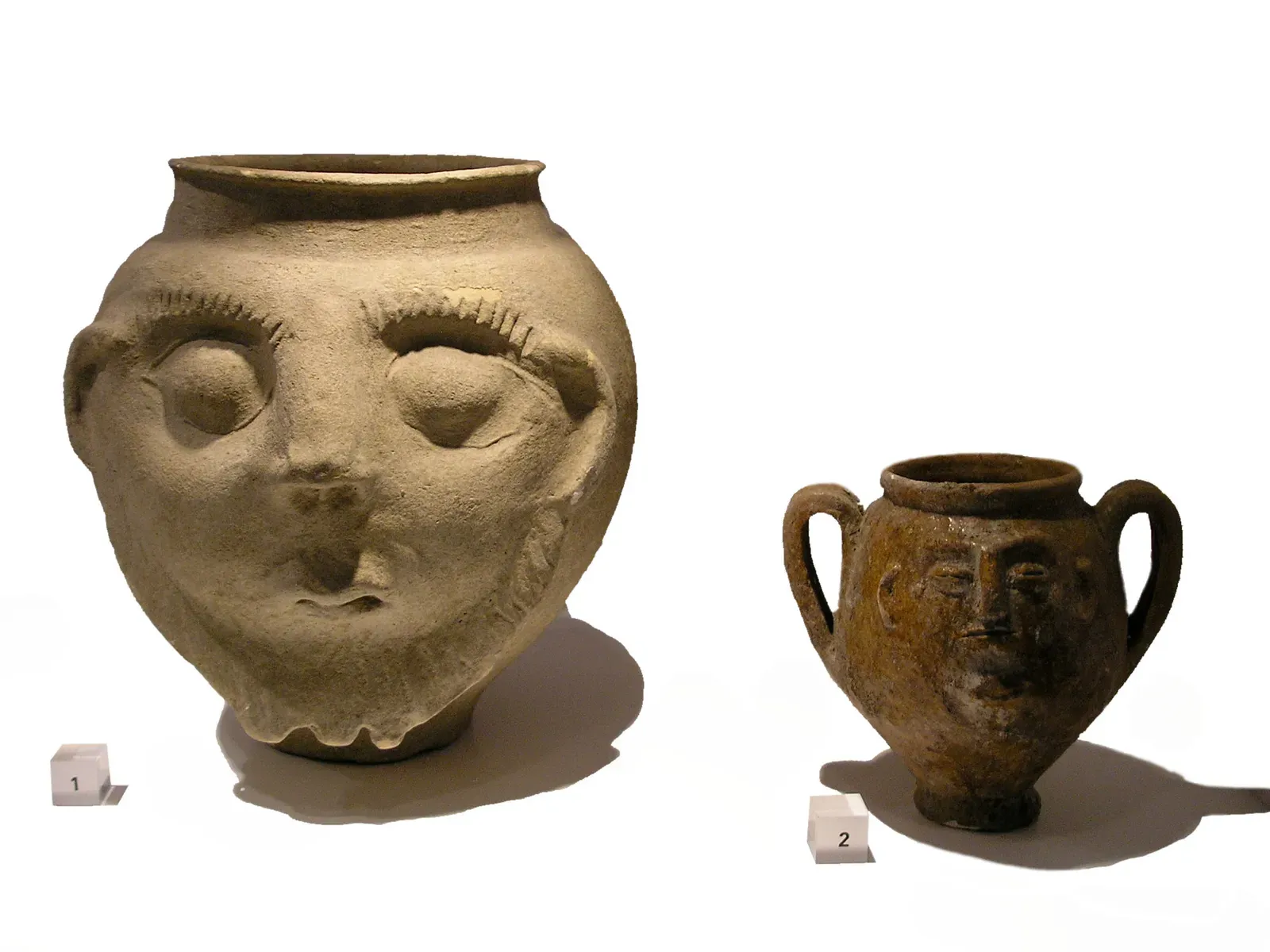
Now it gets personal – literally. Face pots, where vessels carry modeled or incised human faces, pop up in ancient Egypt, the Mediterranean, Iron Age Europe, West and Central Africa, the Andes, and parts of pre-Columbian North America and Mesoamerica. These aren’t vague smudges; many have clearly defined eyes, noses, mouths, and sometimes hairstyles or headdresses carved with real care.
In some cultures, they’re linked to funerary or ancestor cults; in others, to domestic shrines meant to protect a household. A few scholars argue that turning a pot into a “person” is a near-universal way to materialize spirits or social roles, especially where writing is limited or absent. Critics push back, insisting we over-read symbolism and forget that people also just like putting faces on things for fun. Still, the timing is striking – face pots keep clustering in periods of social stress or centralized power, and more than one archaeologist admits privately that this pattern, with no confirmed contact between the regions, is the kind of thing that keeps them up at night.
#7 – Paddle-and-Anvil Textured Surfaces
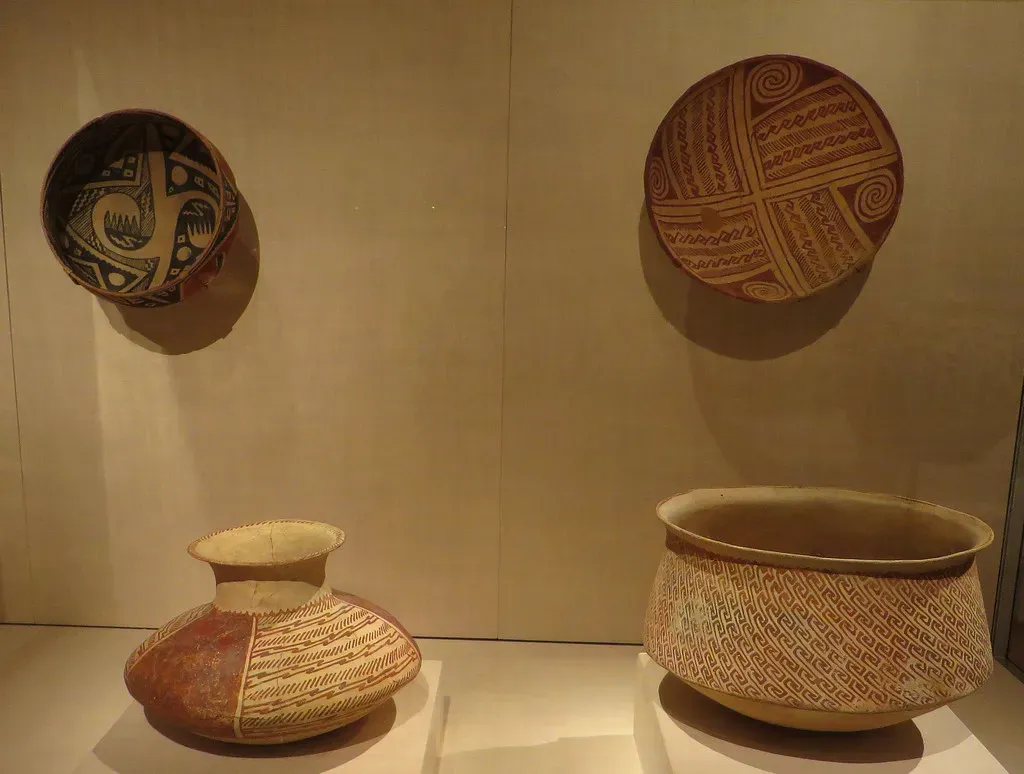
The paddle-and-anvil technique sounds like insider shop talk, but it matters. A potter supports the inner wall with a smooth stone – the anvil – while paddling the outside with a carved or cord-wrapped wooden tool, thinning and shaping the vessel while stamping in texture at the same time. This method is well documented across East and Southeast Asia, the Pacific Islands, parts of sub-Saharan Africa, and pre-Columbian Central and South America.
What’s odd isn’t just the shared tool combo; it’s that nearly identical paddle textures – grids, herringbones, parallel grooving – turn up in regions that never traded a bead with each other. In some Pacific and Southeast Asian contexts, these motifs tracked clan or community identity, and similar arguments get made for African and American examples, even with no accepted migration link tying them together. Some archaeologists chalk this up to cognitive convergence: paddle-and-anvil is simply the “obvious” next step once coil-building hits a certain vessel size. Others quietly wonder about maritime routes that never made it into the written record at all.
Worth Knowing
- Core method: a stone anvil supports the inner wall while a carved paddle shapes and textures the outside
- Common motifs: grids, herringbones, and parallel grooving
- Documented across: East and Southeast Asia, the Pacific Islands, sub-Saharan Africa, and Central and South America
- Sometimes used to signal clan or community identity through motif choice
#6 – Black-Burnished “Carbon-Polished” Ware
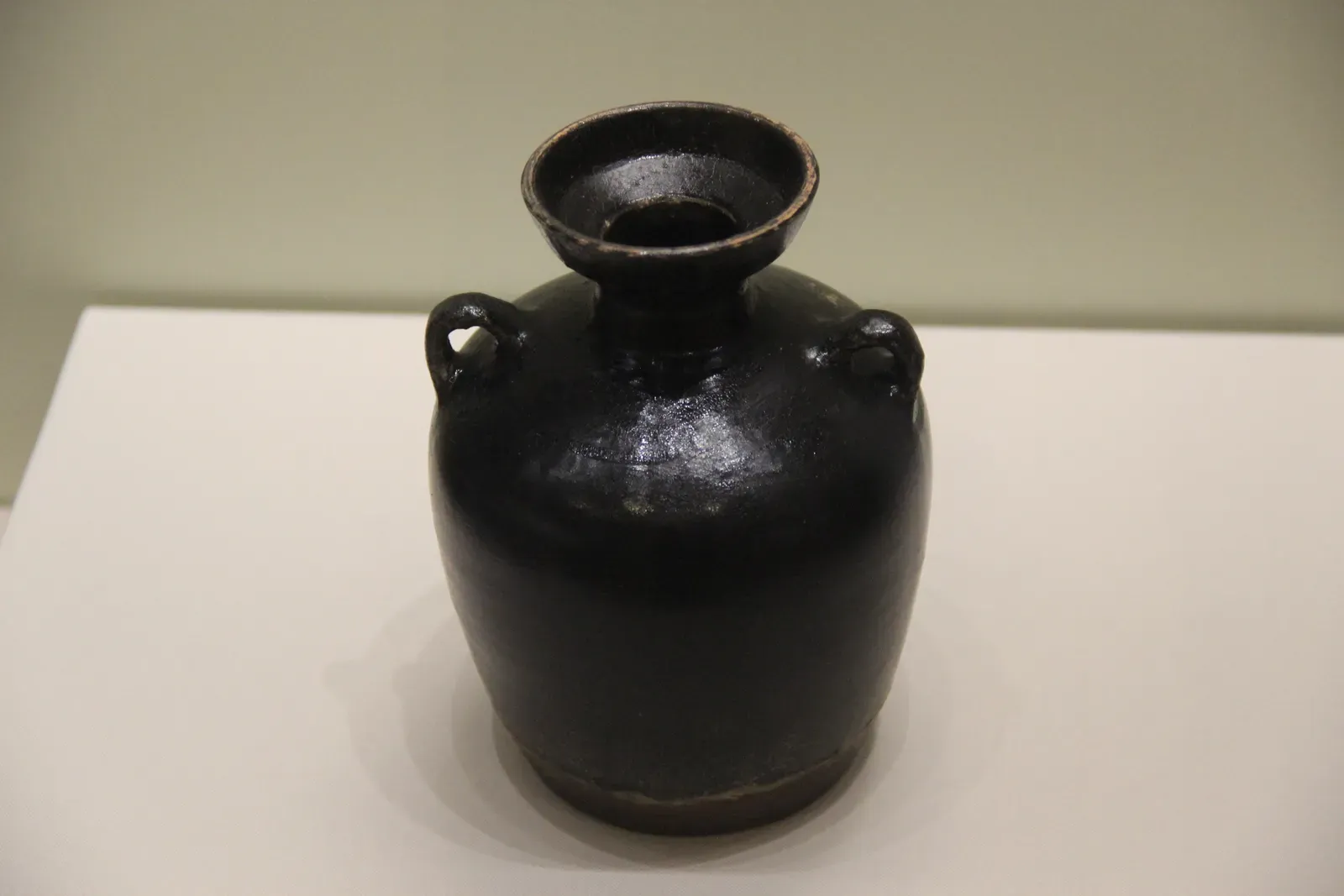
Shiny black pottery sounds almost futuristic, but ancient workshops were pulling it off with real technical skill. Dark, lustrous, almost metallic-looking ceramics show up in Neolithic and Chalcolithic Europe, the Bronze Age Near East, Iron Age India, parts of Africa, and Andean and Mesoamerican contexts alike. The trick: fire in a restricted, low-oxygen atmosphere, then burnish hard before or after firing to force that glassy black shine.
A smoother surface is genuinely easier to clean and less porous, so there’s a practical case for it. But the consistent association with prestige is hard to ignore – in multiple regions, black-burnished wares turn up in elite dining sets, ritual deposits, and “special” buildings, never in the everyday trash pile. Different potters, working blind to each other, cracked the same hard technical problem, and their societies then funneled the result into almost the same social role. Skeptics say black is just as visually striking as red, so of course it caught on everywhere. Supporters counter that the sheer technical demands make this overlap feel like more than luck.
#5 – Shell-Tempered Cooking Jars
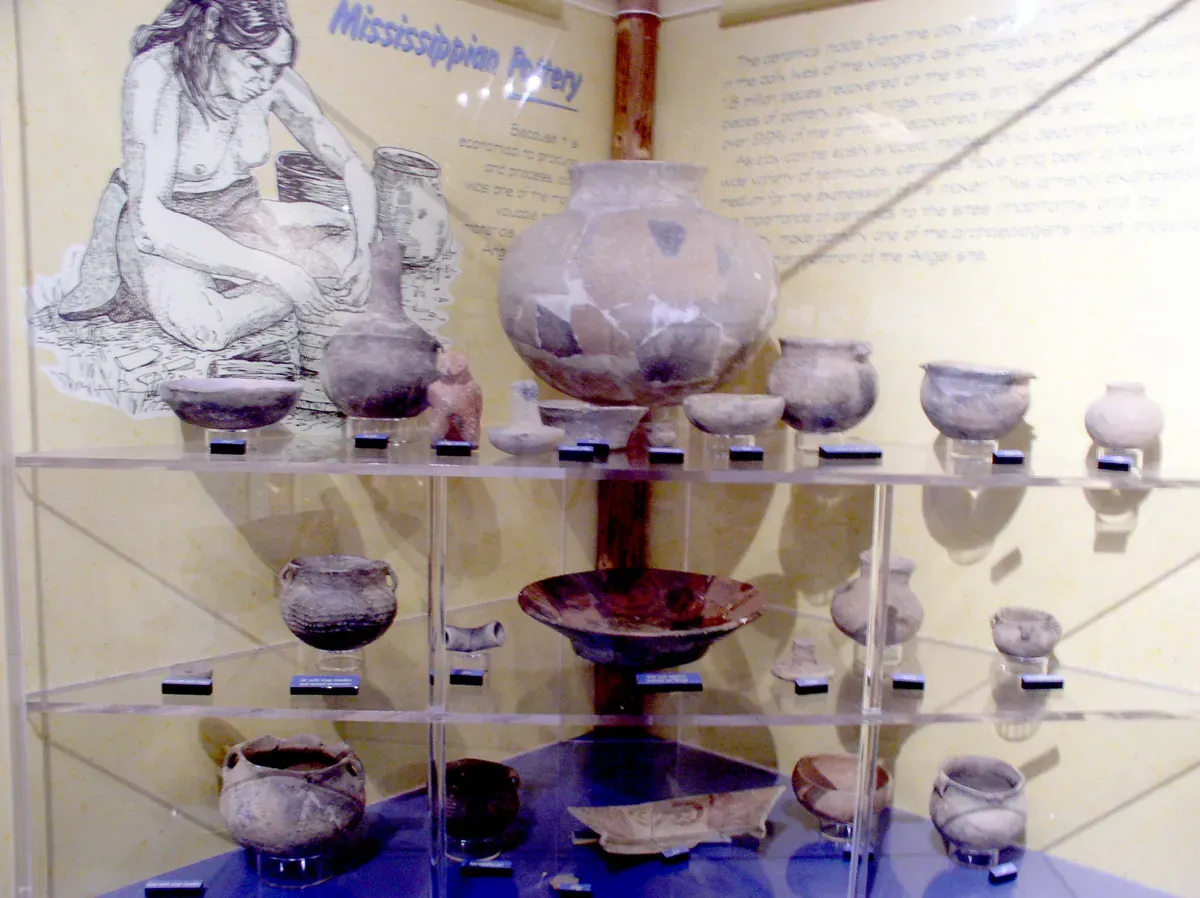
Most people never think about what’s inside the clay, but temper – the non-plastic material mixed in for strength – matters a lot. Shell-tempering, where crushed shell replaces or joins sand or grog, shows up in North America’s Mississippian world, parts of Mesoamerica, some European and Near Eastern traditions, and coastal African and Asian sites. It’s especially common in cooking jars, and for good reason.
Shell has strange, useful properties: it can help clay resist thermal shock, and its calcium carbonate changes how the vessel behaves in the kiln. What’s striking is that in separate, unconnected regions, shell-tempered wares cluster specifically around intensifying agriculture and large-scale cooking – think maize or grain gruels made in bulk. The standard explanation is purely environmental: shell was just lying around near rivers and coasts. But the tight, repeated link between shell temper and particular food economies keeps showing up, which some archaeologists read as parallel “engineering thinking” for boiling plant-heavy diets at scale – and others read as a hint that technological ideas traveled farther and earlier than we’re comfortable admitting.
#4 – Fine-Line Narrative Painting on Vessels
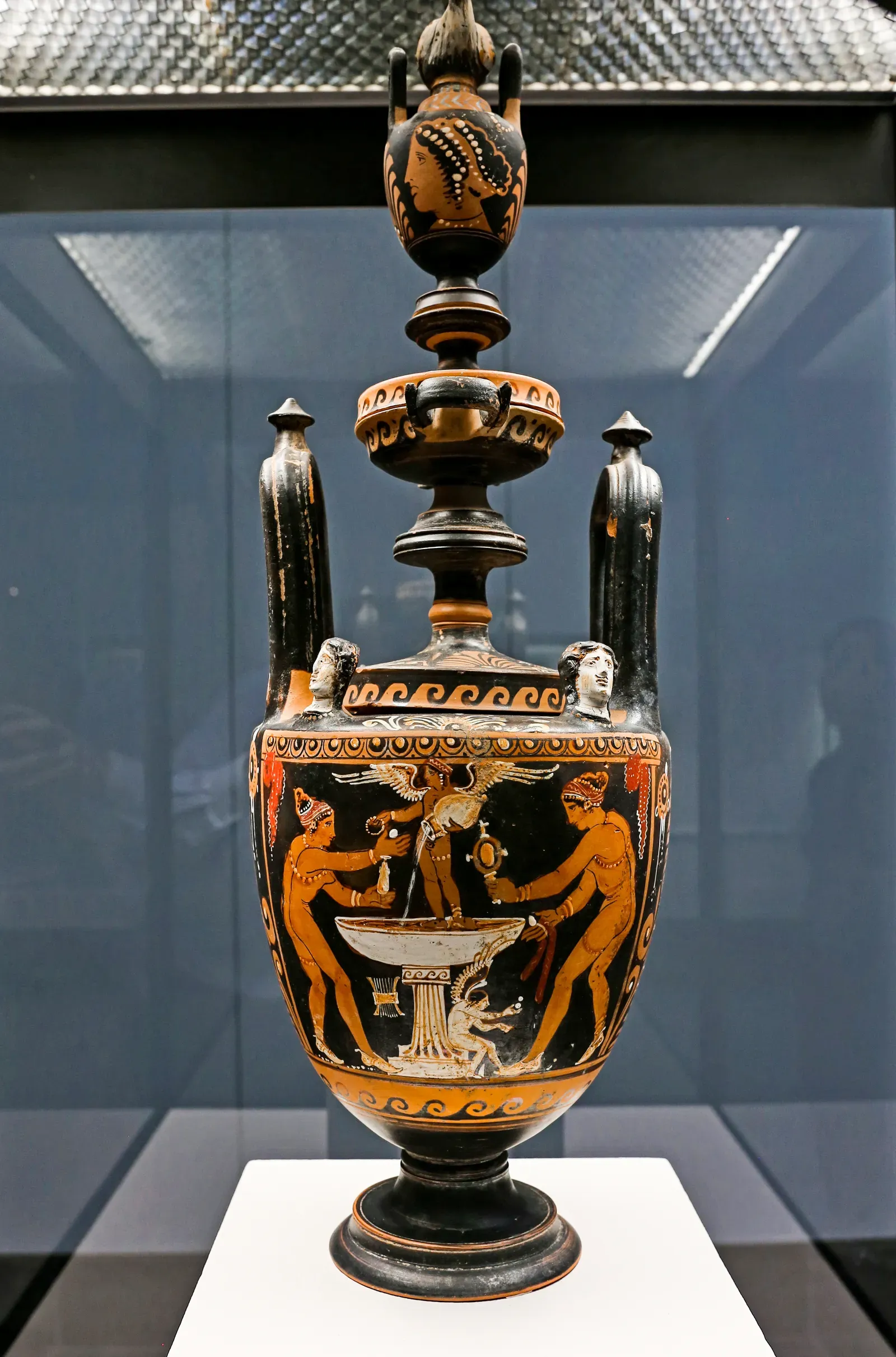
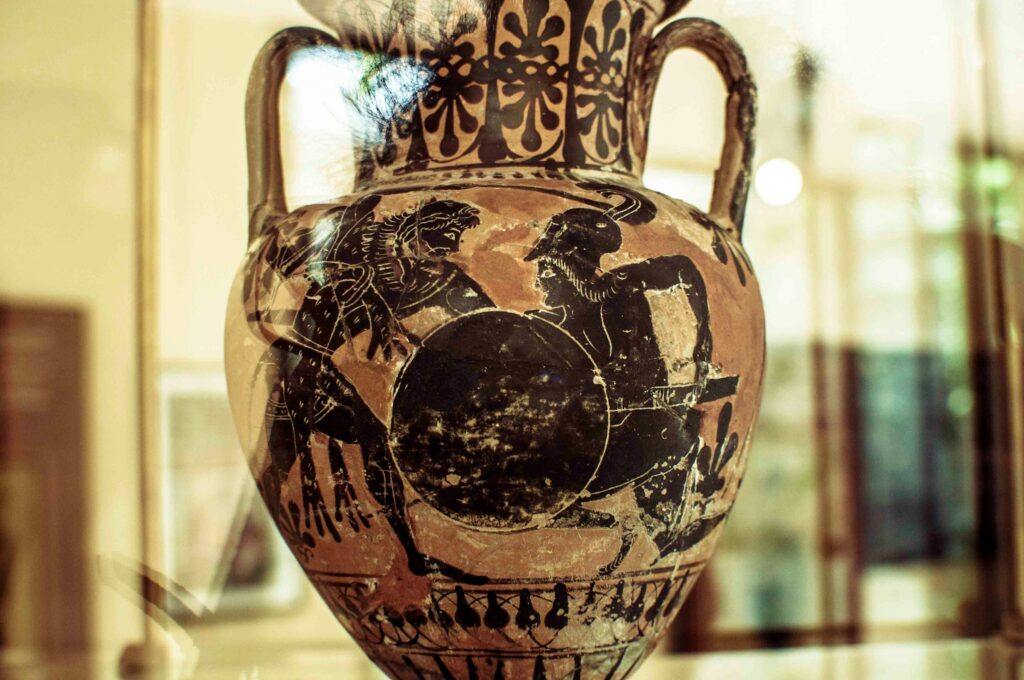
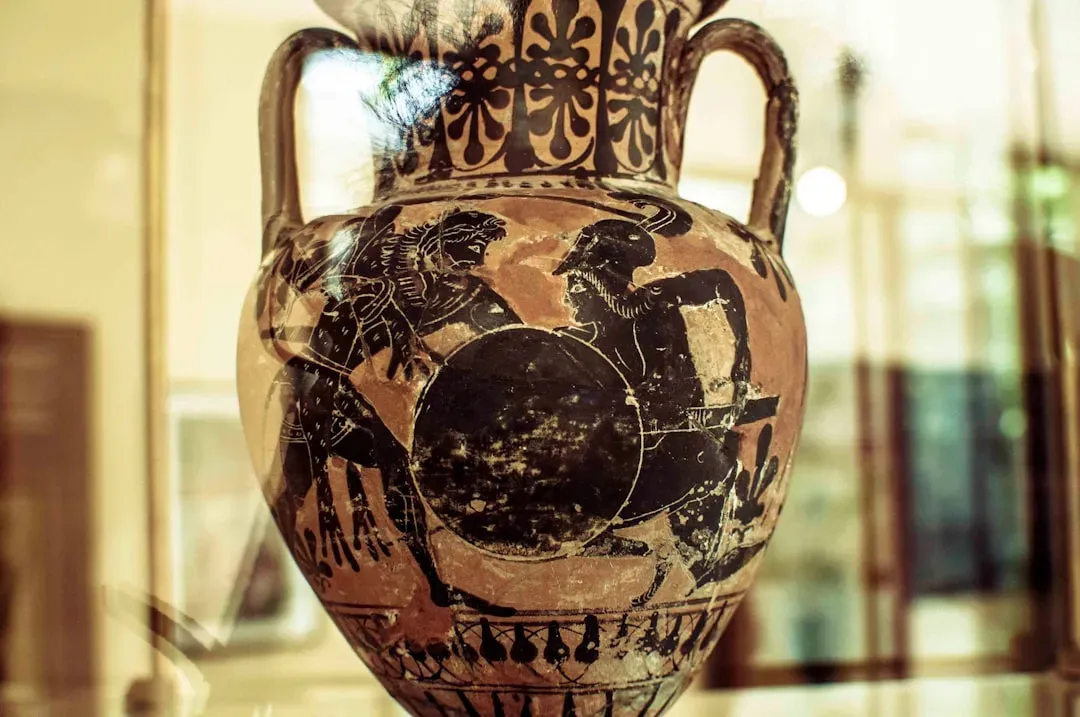
Storytelling on clay isn’t just a Greek thing. Fine-line, often monochrome or limited-palette painting that wraps whole scenes – rituals, animals, mythic figures – around a pot appears in Classical Greece, the Near East, pre-Columbian Moche and Nazca Peru, Maya polychrome traditions, and some Central and South Asian contexts. The drawing style tends to be linear, figures arranged in registers or bands like a comic strip carved in miniature.
What’s wild isn’t just that painting exists, but that the narrative logic matches: scenes in sequence, separated by bands, key figures enlarged or centered for emphasis. In multiple cases, scholars argue these vessels acted as portable myth archives, encoding stories that otherwise had no written form, or that only elites could read in script. That role – ceramic as both tableware and “screen” – keeps reappearing with no known direct influence between, say, Greek vase painters and Moche artisans an ocean and centuries apart. Critics call it practical: wrapping a story around a cylinder is just a smart use of space. Still, the convergent mix of function, format, and elite consumption is hard to shrug off entirely.
#3 – Highly Stylized Animal-Handled Jars
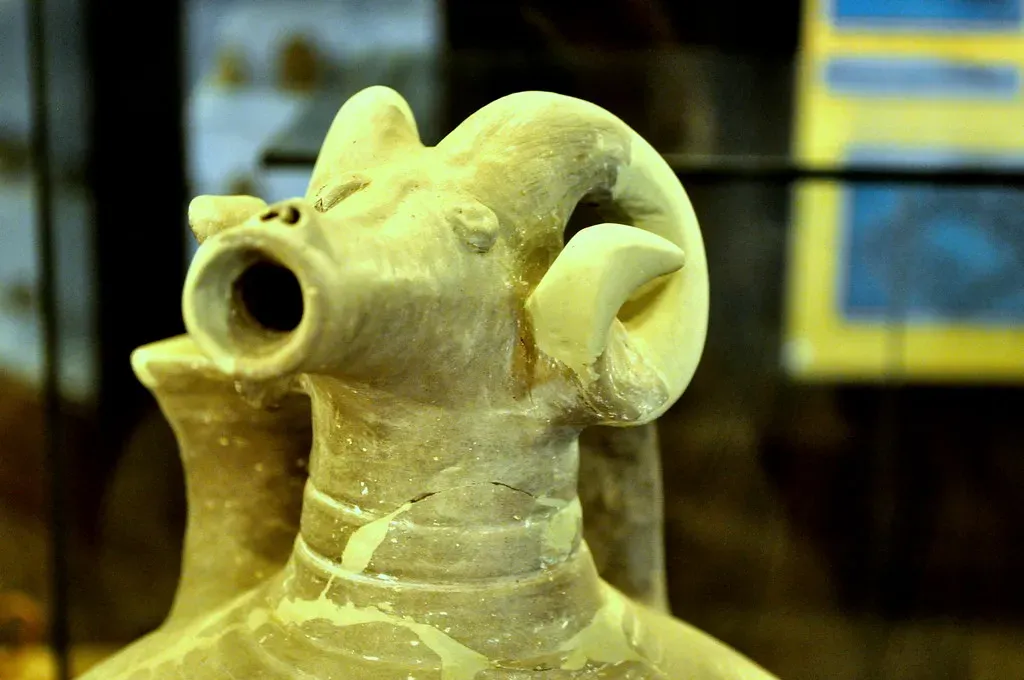
Zoomorphic handles – where the grip itself is shaped like an animal or mythical creature – could be dismissed as mere decoration, but they follow a strange global rhythm. In ancient China, the Near East, the Mediterranean, pre-Columbian Mesoamerica, the Andes, and parts of Africa, potters add dragons, birds, felines, or composite beasts as spouts, handles, or lugs onto otherwise ordinary vessels.
These are rarely random animal choices. They skew toward predators, sky creatures, or hybrid beasts tied to power and protection in each culture’s cosmology. A jar with a jaguar handle in the Americas and a lion-headed lug in the Mediterranean share no iconographic ancestry, but they rhyme conceptually: dangerous guardians standing watch over the liminal space of a container. Some researchers chalk it up to human brains being wired to dramatize everyday tools. Others argue that as societies centralize power, they independently reach for “guardians” on the vessels that serve their elites – a pattern where psychology and social ambition blur together completely.
Quick Compare
- China: dragons and composite beasts on ritual vessels tied to state power
- Mediterranean and Near East: lion-headed lugs and handles on elite wares
- Mesoamerica and Andes: jaguar and bird motifs guarding container openings
- Africa: animal-form handles linked to protective symbolism
#2 – Highly Standardized Mass-Produced Storage Jars
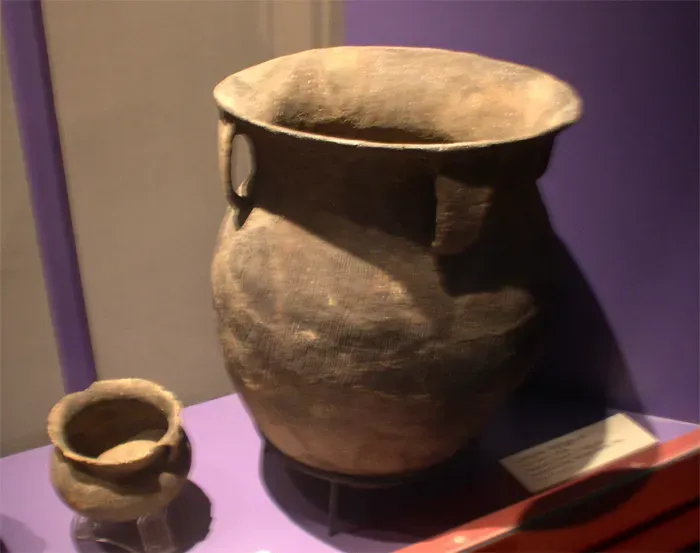
When archaeologists find the same jar shape repeated with near-industrial uniformity, alarm bells start ringing. Standardized big storage jars – with similar proportions, thickened rims, and capacity clustering around set volumes – appear in the Bronze and Iron Age Mediterranean and Near East, in parts of sub-Saharan Africa, in pre-Columbian Mesoamerica and the Andes, and across East Asia. These jars are almost always tied to state or proto-state systems.
The real shock is that different continents independently converge on similar container logic the moment they start storing tax, tribute, or rationed staples. Rim-to-shoulder ratios, neck diameters, and base designs cluster tightly enough to suggest volume standardization without any shared system of measurement. “Big societies need big jars” is an easy line, but it doesn’t explain the precision of the convergence – down to favored profiles and capacities that keep recurring. This is where ceramic typology quietly overlaps with economic history: the rise of bureaucracy leaves a fingerprint in clay that looks eerily similar from Mesopotamia to the Inka.
#1 – Highly Naturalistic Human Figurine Vessels
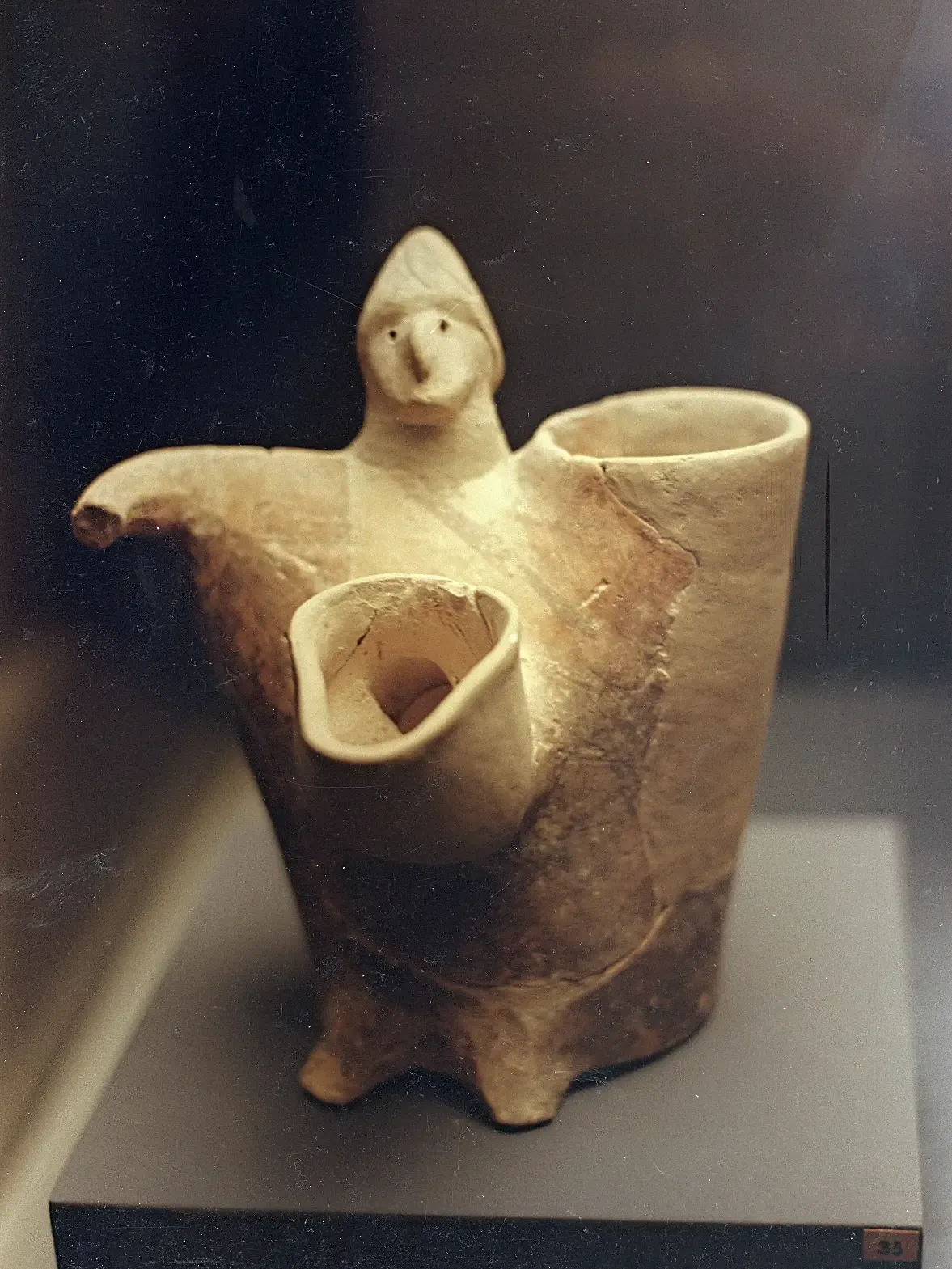
At the top of the list are ceramic pieces that blur the line between sculpture and container: full-bodied human figurines that also function as jars, bottles, or pourers. They turn up in Neolithic and Bronze Age Europe, the Near East, the Indus region, pre-Columbian Mesoamerica and South America, parts of Africa, and East Asia. Many are shockingly naturalistic – modeled torsos, detailed faces, clothing, even bodily posture, with the fill hole and spout cleverly worked into the design.
These were rarely mundane objects. Across continents, they cluster in graves, shrines, and elite domestic spaces, and a common theme keeps surfacing: embodiment, with liquid offerings literally poured “through” a human form – ancestor, deity, or archetype. At certain social thresholds – complex ritual systems, emerging elites, heightened anxiety about death – wildly separate societies reach for almost the same idea, turning the vessel itself into the officiant. Some researchers downplay this as functional sculpture and nothing more. Others argue it’s the single strongest case on this whole list that human cognition pushes ritual material culture toward remarkably similar solutions, even when oceans stand in the way.
The Bottom Line
Line up all 14 of these styles and the easy story – “everyone just invented the same things by accident” – starts to sound underpowered. Cord impressions, carinated bowls, tripod pots, face vessels, black-burnished wares, human-shaped pourers: they don’t just coexist, they cluster around the same turning points, over and over, on opposite sides of the planet. New crops, first cities, rising elites, ritual anxiety, experiments with power – the pottery keeps marking the same milestones in the Old World and the New, with no credible contact route between them.
Does this prove some lost global civilization stitched it all together? No, and serious archaeologists are right to roll their eyes at grand diffusion fantasies with no hard evidence behind them. But it also doesn’t leave much room for the comforting idea that every region was a sealed box, quietly reinventing the wheel in total isolation. My honest read is the uncomfortable middle ground: human minds, under similar pressures, keep landing on the same visual and technical answers, sometimes with a precision that feels almost too tidy to be coincidence. Whether you call that shared psychology, convergent engineering, or a hint of connections we simply haven’t mapped yet, the pots aren’t picking a side – they’re just sitting there, daring us to explain them.