You probably grew up with the idea that parent birds lovingly build nests, incubate eggs, and tirelessly feed their chicks. Then you discover brood parasites – birds that lay their eggs in other species’ nests and never care for their own young – and the whole picture flips. Once you look closely, you’re not just watching birds anymore; you’re watching an evolutionary arms race play out in real time. As you meet these eight species, you’ll see how each one has turned “outsourcing childcare” into a survival strategy, complete with egg mimicry, stealth, manipulation, and sometimes outright brutality. You might feel a mix of fascination and discomfort, but you’ll walk away with a much deeper sense of how ruthless and inventive nature can be when the only rule is: survive long enough to pass on your genes.
1. Common Cuckoo – The Classic Nest Trickster
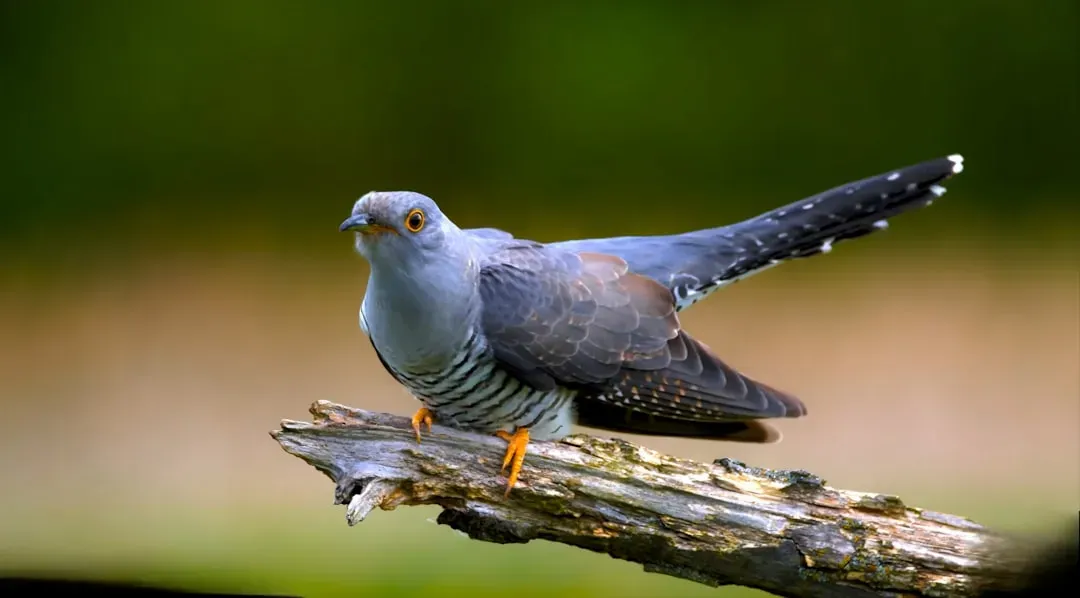
If you picture a brood parasite, you’re probably picturing the Common Cuckoo, even if you don’t realize it. You find this bird across much of Europe and Asia, laying its eggs in the nests of many smaller songbirds, from reed warblers to pipits. Instead of spending weeks raising chicks, the female cuckoo invests in stealth: she watches host nests carefully, waits until the parents are away for just a moment, swoops in, lays a single egg, and often removes one of the host’s eggs so the total count stays the same. ([scienceofbirds.com](https://www.scienceofbirds.com/blog/what-is-brood-parasitism-in-birds?utm_source=openai)) When the cuckoo chick hatches, you’re seeing one of the most shocking behaviors in the bird world. Barely able to hold up its own head, the hatchling instinctively shoves the other eggs or chicks out of the nest, one by one, until it has the foster parents to itself. Those frantic little warbler parents then spend weeks stuffing food into a chick that quickly grows much larger than they are. You’re watching adults work themselves ragged to raise a giant baby that isn’t even theirs, while their real offspring lie smashed on the ground below. ([web.stanford.edu](https://web.stanford.edu/group/stanfordbirds/text/essays/Brood_Parasitism.html?utm_source=openai))
2. Brown-headed Cowbird – The Backyard Freeloader
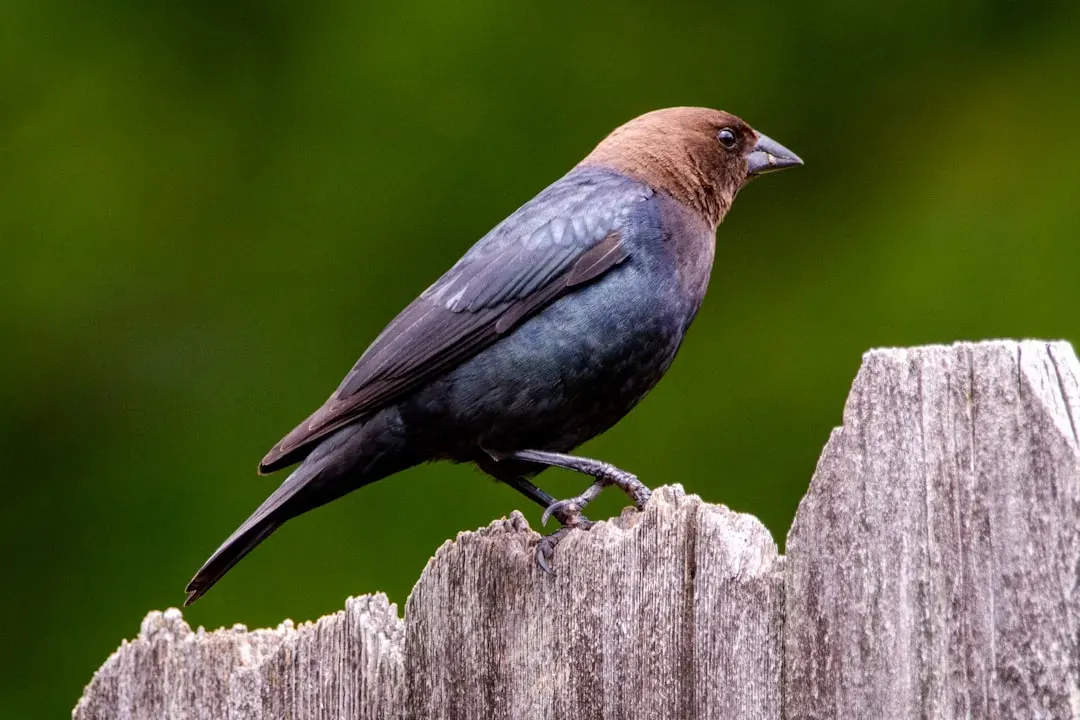
If you live in North America, the brood parasite you’re most likely to meet is the Brown-headed Cowbird. You might see a plain brown female at your feeder and never guess she could lay eggs in the nests of well over two hundred different host species – warblers, finches, sparrows, vireos, and many others. Instead of caring for her own nest, she spreads her eggs widely, dropping one here, one there, over the course of the season, turning dozens of unsuspecting parents into foster families. ([web.stanford.edu](https://web.stanford.edu/group/stanfordbirds/text/essays/Brood_Parasitism.html?utm_source=openai)) What makes this bird especially unnerving is how relentless it is. You’ll find that some hosts simply cannot keep up with the demands of a cowbird chick, which hatches quickly and grows fast, often grabbing more than its fair share of food. The parents may still raise one or two of their own chicks, but in small songbirds already under pressure from habitat loss, that extra burden can matter. When you realize this quiet brown bird is effectively offloading all parental care onto others, you start seeing your backyard drama in a very different light. ([sciencedirect.com](https://www.sciencedirect.com/topics/biochemistry-genetics-and-molecular-biology/brood-parasitism?utm_source=openai))
3. Greater Honeyguide – The Dark Side of a Famous Helper
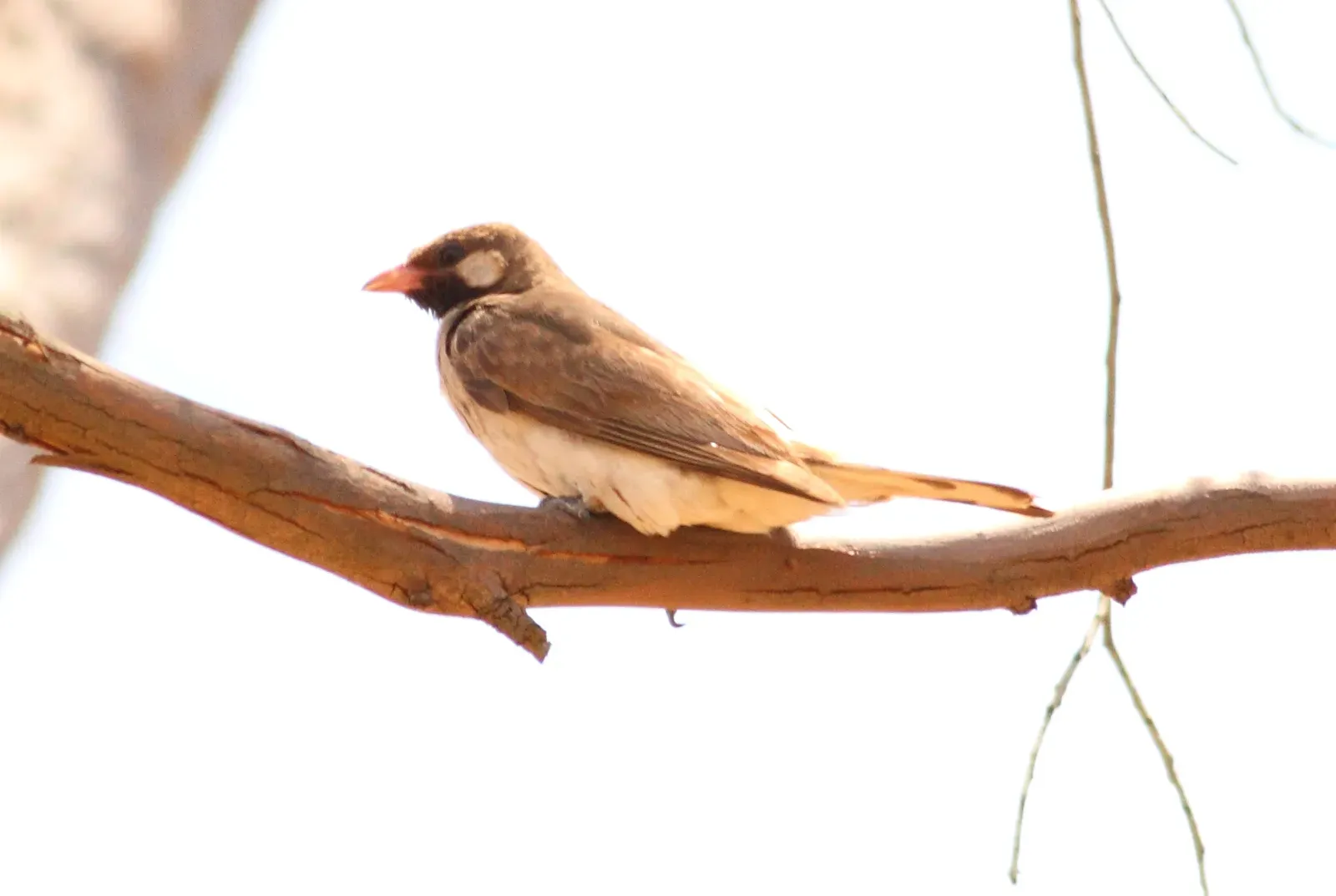
You may have heard stories of a bird in Africa that leads people and even honey badgers to beehives. That guide is a honeyguide, and it belongs to a family where all species are obligate brood parasites, meaning they never raise their own young. The Greater Honeyguide is one of the most studied members of this group, and when you look into its breeding strategy, the friendly “hive helper” image suddenly feels far more complicated. ([en.wikipedia.org](https://en.wikipedia.org/wiki/Brood_parasitism?utm_source=openai)) The female Greater Honeyguide lays her eggs in the nests of hole‑nesting birds such as barbets and kingfishers. The real horror show, though, begins after hatching. Honeyguide chicks hatch with a sharp, hooked bill and use it like a weapon: they actively stab and kill the host’s chicks or even unhatched embryos. That violent head start means the honeyguide chick grows up alone, monopolizing all the food brought by the desperate foster parents. When you watch this play out, you’re forced to accept that evolution is completely indifferent to your sense of fairness. ([en.wikipedia.org](https://en.wikipedia.org/wiki/Brood_parasitism?utm_source=openai))
4. Cuckoo-finch – The Parasitic Weaver With a Talent for Imitation
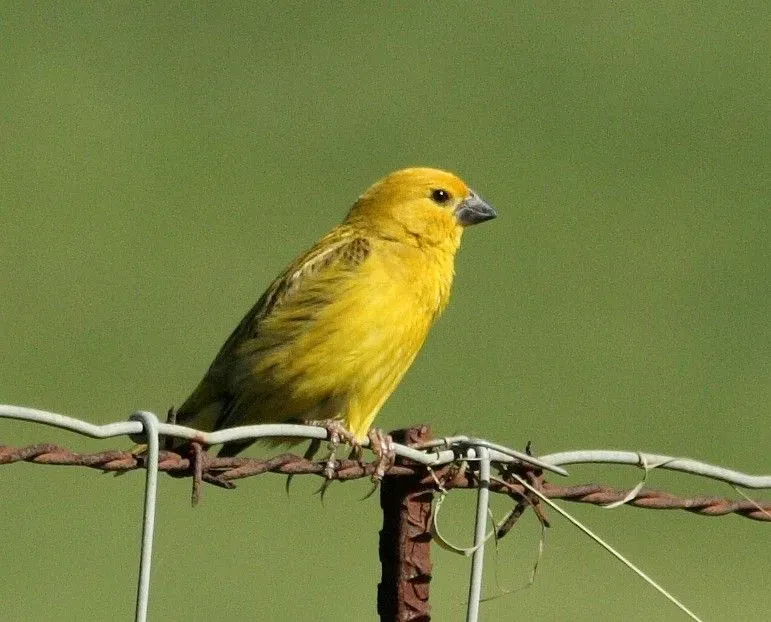
If you travel through sub‑Saharan Africa’s grasslands, you might come across a small, rather plain-looking bird called the Cuckoo-finch, sometimes also called the parasitic weaver. At a glance it doesn’t look like much, but you’re looking at one of the cleverest egg mimics in the bird world. Females target warbler‑like birds such as cisticolas and prinias, slipping their eggs into these tiny weavers’ grass nests. ([en.wikipedia.org](https://en.wikipedia.org/wiki/Viduidae?utm_source=openai)) The twist you’ll appreciate here is how precisely the Cuckoo-finch matches its host. Over many generations, the eggs of Cuckoo-finches have evolved to mimic the colors and patterns of particular host species’ eggs, down to subtle speckles and background shades. At the same time, hosts are evolving better and better abilities to spot fakes. You’re essentially watching a long, slow arms race, written in paint on eggshells, with each side trying to stay just one step ahead of the other. ([academic.oup.com](https://academic.oup.com/cz/article/66/5/515/5866979?utm_source=openai))
5. Pin-tailed Whydah – The Show-off That Outsources Parenting
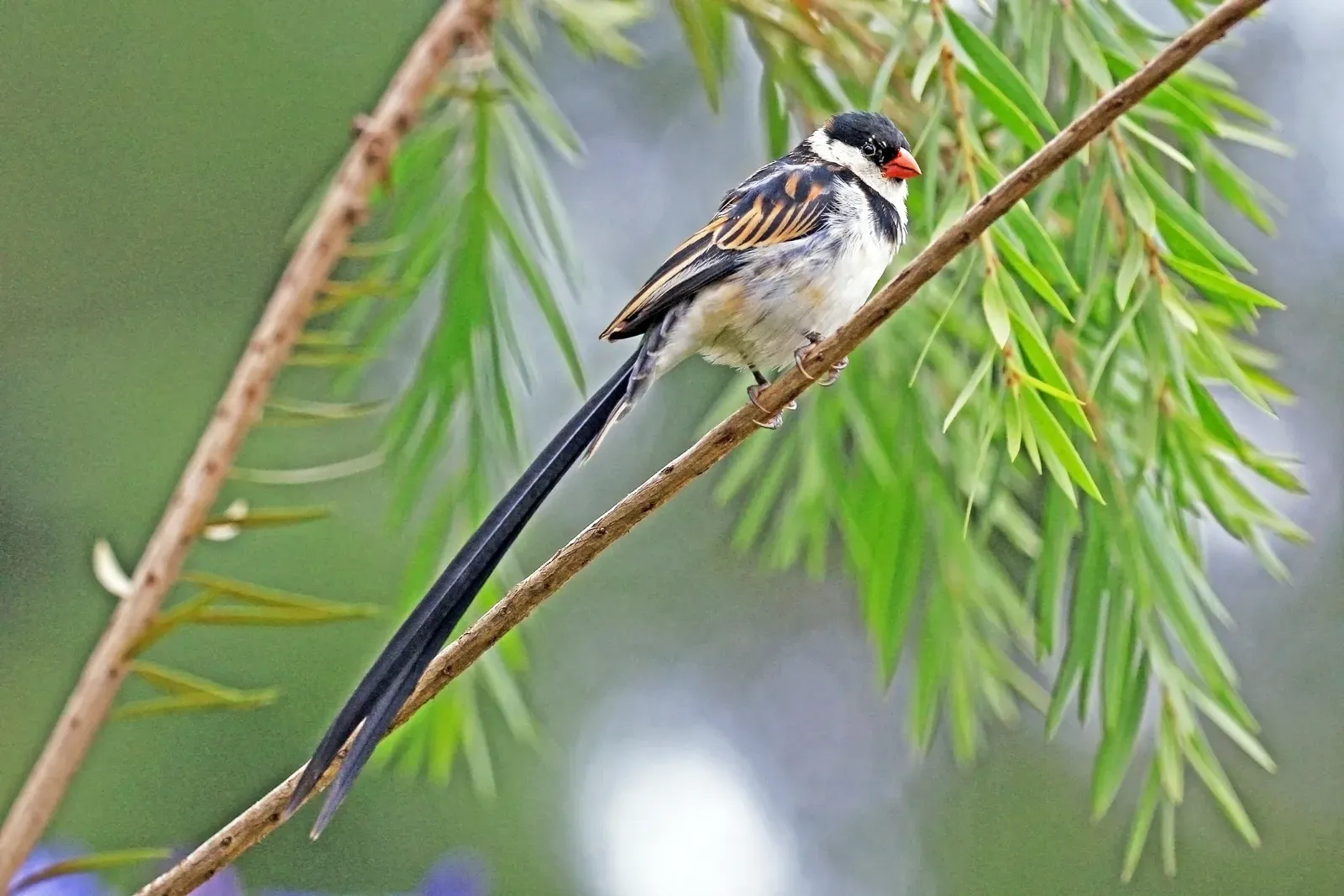
Some brood parasites are drab and inconspicuous; the Pin-tailed Whydah is the opposite. When you see a male in breeding season, with his ridiculously long tail streaming behind him as he displays in the air, you might assume you’re watching a devoted mate advertising his fitness for fatherhood. In reality, you’re watching a bird whose species never raises its own chicks at all. Females quietly lay eggs in the nests of small finches, especially the Common Waxbill in much of Africa. ([thebdi.org](https://thebdi.org/glossary/brood-parasite/?utm_source=openai)) What makes this bird especially fascinating for you is that its entire identity is wrapped up with its host. The chicks grow up alongside waxbill parents, begging in ways that closely mimic the host’s own young. In some whydah species, the chicks even copy the unique mouth markings of their host’s chicks. Over thousands of years, the whydah has become a kind of behavioral and visual shadow of the waxbill, stealing not just the nest but the very signals that trigger parental care. ([academic.oup.com](https://academic.oup.com/cz/article/66/5/515/5866979?utm_source=openai))
6. Village Indigobird – The Master of Copycat Songs
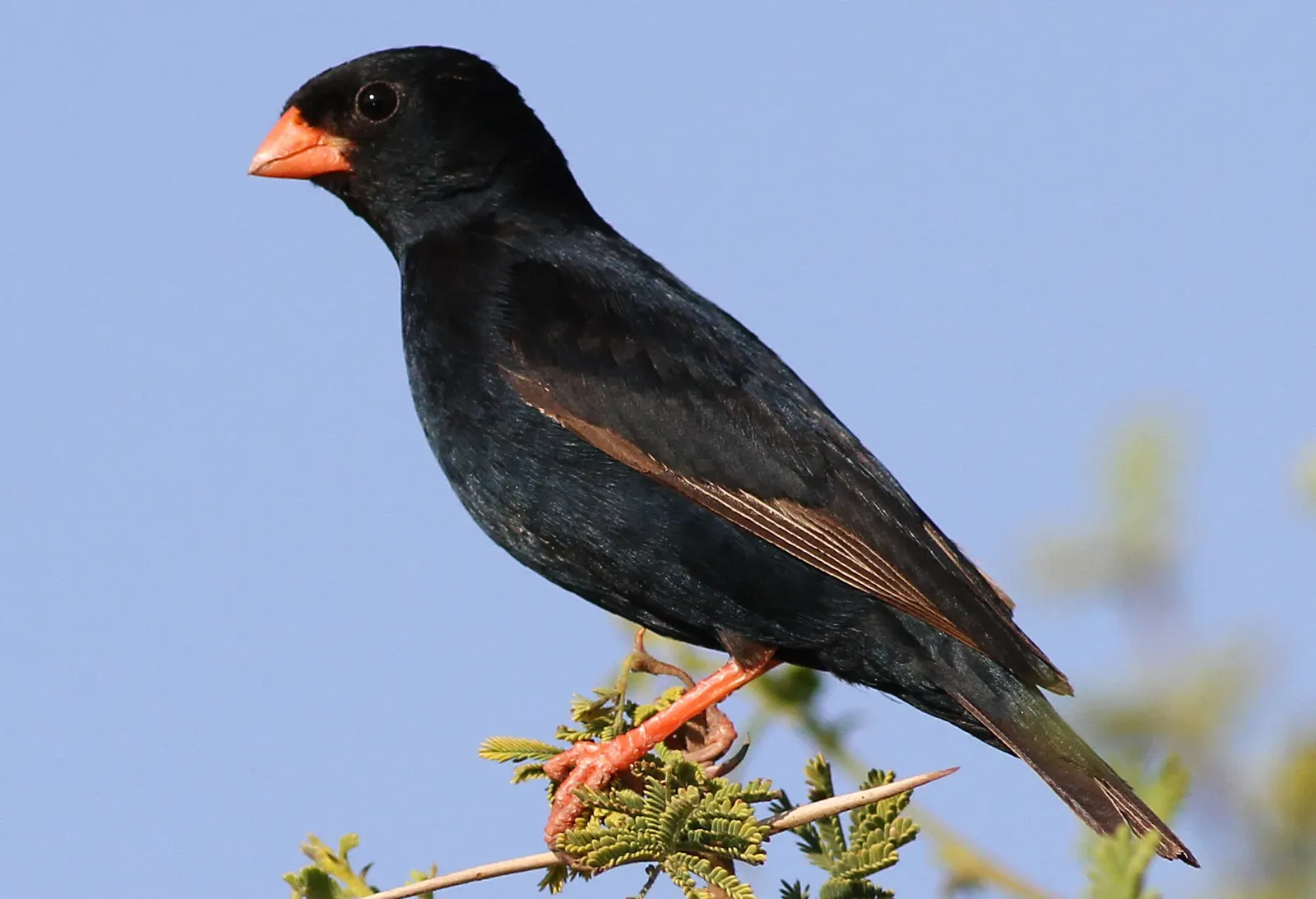
When you listen to a Village Indigobird in Africa, you might think you’re hearing two species at once. That is because male indigobirds famously copy the songs of their host species, usually particular firefinches whose nests the females parasitize. You could think of each indigobird population as “imprinted” on a specific host; young birds grow up hearing the foster parents’ song, then later use that same song to attract mates of their own kind. ([sciencedirect.com](https://www.sciencedirect.com/topics/biochemistry-genetics-and-molecular-biology/brood-parasite?utm_source=openai)) From your perspective, this creates a strange loop: the parasite’s identity is tied to the host it exploits. A female that grows up in a firefinch nest later seeks out the same species to parasitize, keeping that tight host‑parasite link going. Meanwhile, the hosts are under pressure to recognize foreign eggs and chicks, but the chicks have mouth markings, begging calls, and growth patterns that mimic the foster brood. You’re seeing how brood parasitism can ripple out beyond nests and into song, mate choice, and even the formation of new parasite lineages. ([academic.oup.com](https://academic.oup.com/cz/article/66/5/515/5866979?utm_source=openai))
7. Shiny Cowbird – The Super Generalist of South America
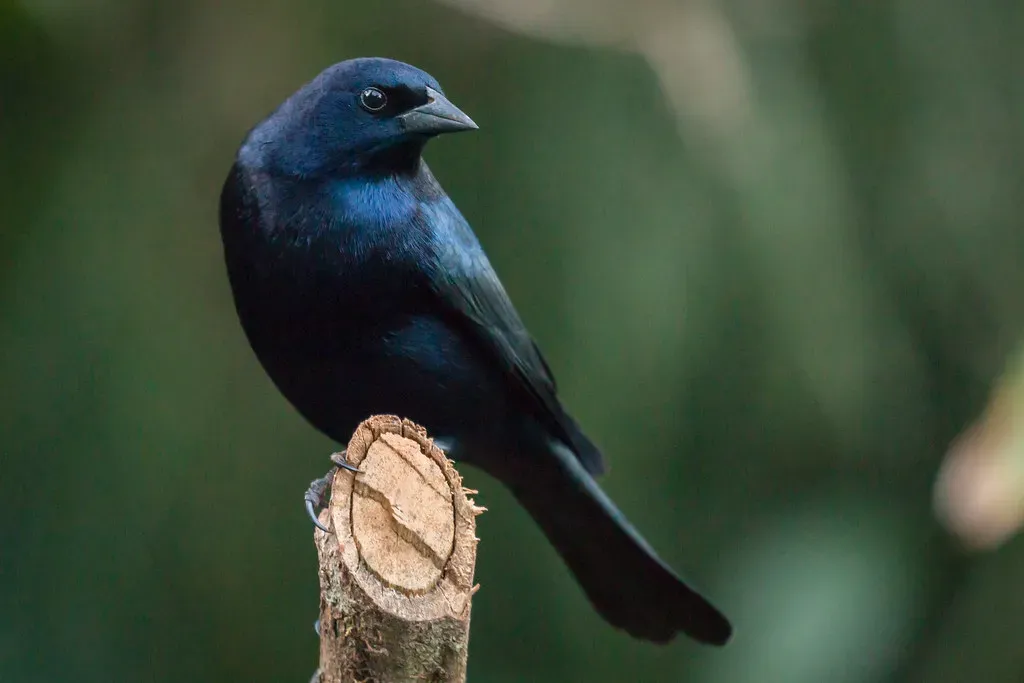
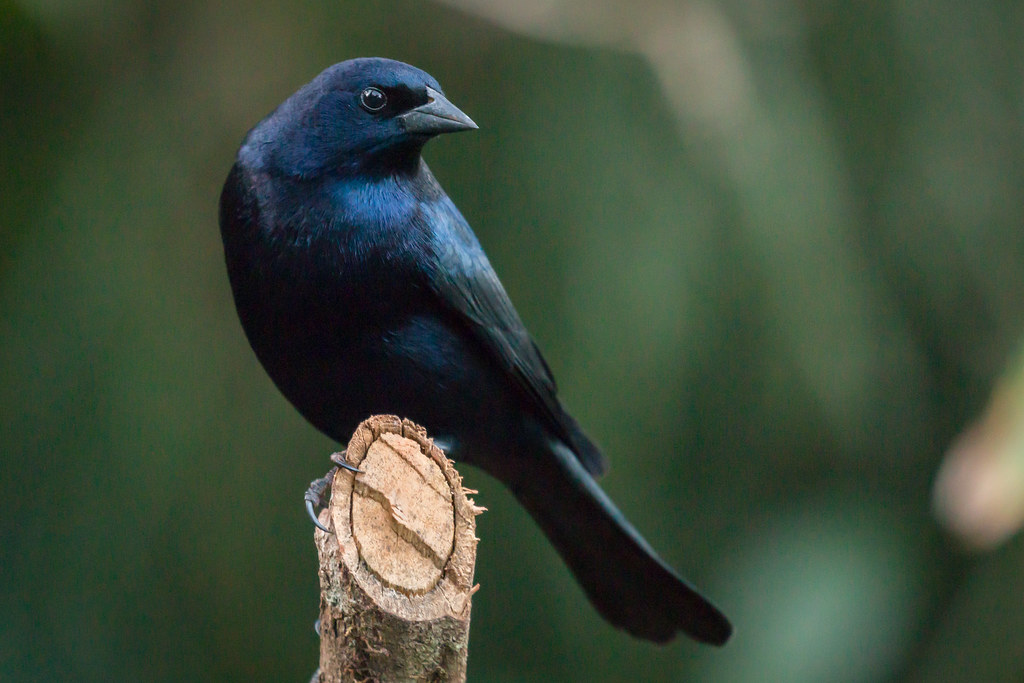
If you head to South America and the Caribbean, you run into another brood parasite that has taken the “let someone else raise the kids” strategy to an extreme: the Shiny Cowbird. Much like its Brown-headed cousin further north, this species spreads its eggs across a wide range of hosts, from small warblers to blackbirds to even larger songbirds. You’re dealing with a bird that has turned flexibility into a lifestyle, able to take advantage of whatever nests are convenient. ([sciencedirect.com](https://www.sciencedirect.com/topics/biochemistry-genetics-and-molecular-biology/brood-parasite?utm_source=openai)) For local songbirds, this can be devastating. Some hosts have not evolved strong defenses, so they accept the foreign egg and struggle to keep both their own chicks and the demanding cowbird alive. Others have developed the ability to eject strange eggs, which in turn pushes the cowbirds to become more and more subtle in how and when they lay. When you watch a Shiny Cowbird female making a lightning‑fast visit to a nest, you’re watching a bird that has fine‑tuned timing and stealth to a level that rivals any predator. ([africancuckoos.com](https://www.africancuckoos.com/wp-content/uploads/2020/01/Parental_Care_chapter13.pdf?utm_source=openai))
8. Black-headed Duck – The Parasitic Waterfowl That Leaves Early
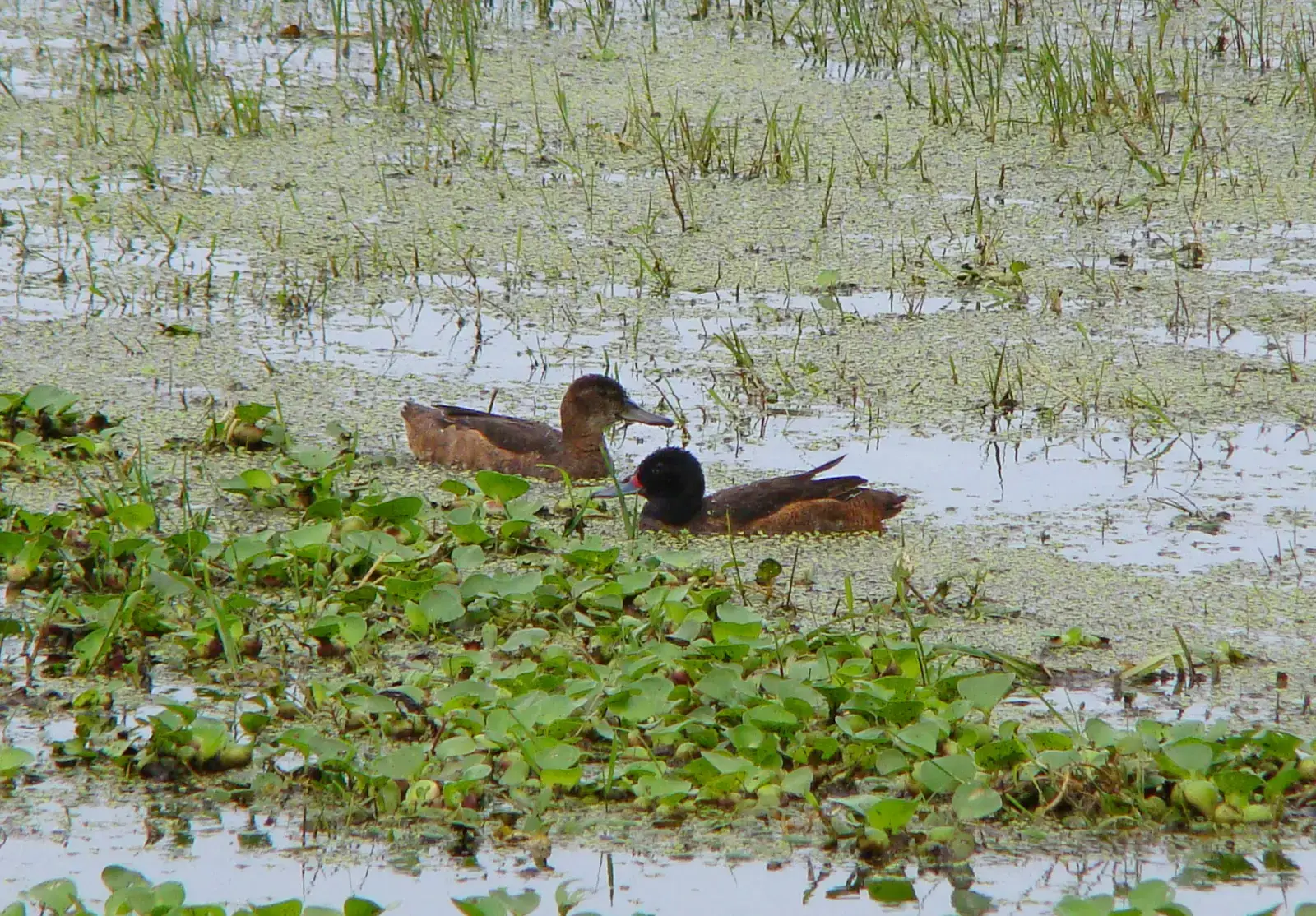
Most of the brood parasites you hear about are songbirds, but one of the strangest cases you’ll encounter is the Black-headed Duck from South America. This species is the only known waterfowl that is an obligate brood parasite. Females lay their eggs in the nests of other marsh‑nesting birds such as coots and other ducks, then vanish, leaving all incubation and early chick care to their unsuspecting hosts. ([en.wikipedia.org](https://en.wikipedia.org/wiki/Brood_parasitism?utm_source=openai)) What sets this duck apart is that the chicks are unusually independent. Soon after hatching, they leave the host’s nest and start feeding on their own, rather than relying on prolonged feeding like many songbird parasites do. From your point of view, that makes their parasitism feel slightly less brutal: the hosts pay most of the cost during incubation, but not as much during chick‑rearing. Even so, the pattern is the same: one species has slipped the entire burden of early parental care onto another, showing you that brood parasitism is not just a “cuckoo thing” but a wider evolutionary theme. ([sciencedirect.com](https://www.sciencedirect.com/topics/biochemistry-genetics-and-molecular-biology/brood-parasitism?utm_source=openai))
Conclusion – What These “Bad Parents” Really Tell You About Nature
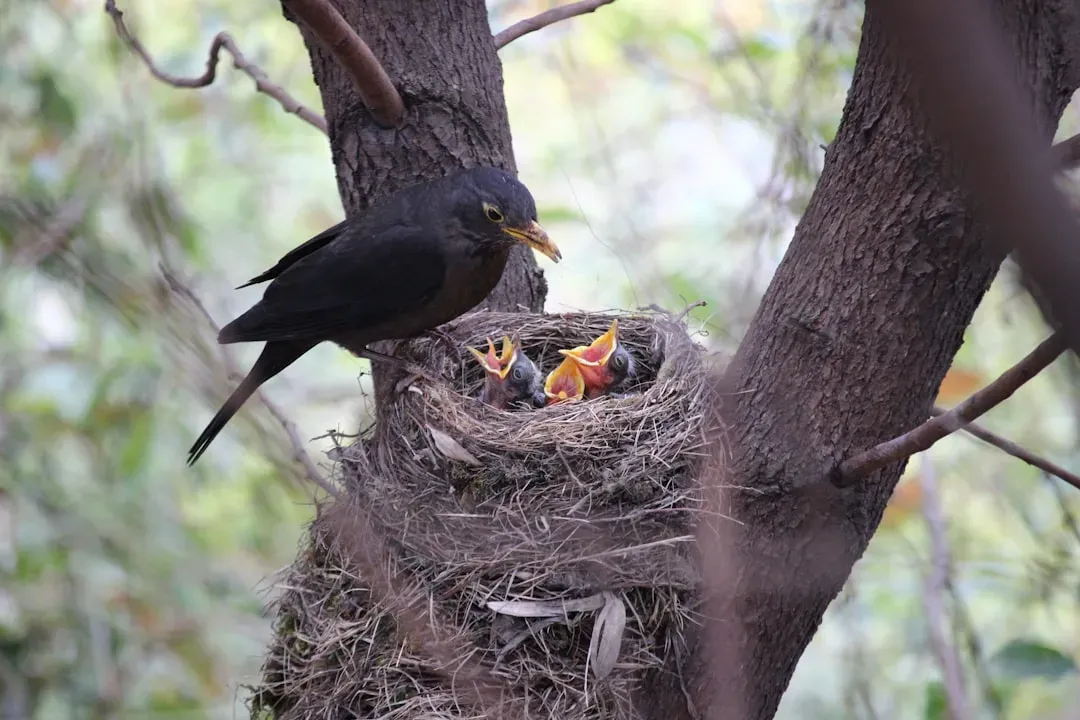
When you step back and look at these eight species together, you stop seeing them as villains and start seeing them as extreme problem‑solvers. Each one has hacked the usual parenting script in a different way, from the brute force eviction tactics of the Common Cuckoo to the subtle song mimicry of indigobirds and the early independence of the Black-headed Duck. You’re watching multiple answers to the same harsh question: how do you pass on your genes in a world where time, food, and safety are always in short supply? ([academic.oup.com](https://academic.oup.com/cz/article/66/5/515/5866979?utm_source=openai)) Personally, the more you learn about brood parasites, the harder it is to label them simply as “cruel.” They are products of the same evolutionary pressures that shape every other bird, including the devoted parents you admire. The real story here is the constant back‑and‑forth between parasites and hosts – new defenses, new counterattacks, new compromises. Next time you see a small songbird frantically feeding an oversized chick, you might feel a sting of sympathy, but you’ll also know you’re witnessing one of the most intense, secret dramas in all of animal life. Did you expect so much complexity to be hiding in a single egg?