Here’s the assumption almost everyone carries around without questioning it: once a species is declared extinct, the date attached to it is basically fact. Rock layers don’t lie, right? Radiometric dating is precise, museums are thorough, and the timeline in your old biology textbook is the final word.
Except it isn’t. Quietly, over the last two decades, paleontologists and biologists have been re-checking their own homework – and finding embarrassing gaps. Fossil re-datings, sharper stratigraphy, overlooked bushmeat markets, and even misfiled museum drawers have pushed “last seen” dates for some very famous animals shockingly close to the present. A few of them may have brushed shoulders with actual humans holding actual tools. Here’s what scientists are finally willing to admit out loud.
#13 – Thylacine (Tasmanian Tiger) That Refused To Stay in 1936
![#13 - Thylacine (Tasmanian Tiger) That Refused To Stay in 1936 (Report of the Smithsonian Institution. 1904from the Smithsonian Institution archives. Published example
other information: [1]
Additional information: Female thylacine (front) with juvenile male offspring (rear).(30 September 2020). "A Catalogue of the Thylacine captured on film". Australian Zoologist 41 (2): 143–178. DOI:10.7882/AZ.2020.032., Public domain)](https://nvmwebsites-budwg5g9avh3epea.z03.azurefd.net/dws/36ac84ca8d76935ca55d0e65d79cf620.webp)
For decades, schoolbooks treated 1936 like a locked door: the year the last thylacine died in captivity, full stop, end of species. Official extinction lists still print that date like it’s carved in stone. But biologists running detection-model studies on old sighting records now quietly admit the real number was almost certainly later – possibly much later.
Here’s the uncomfortable math: thylacines were rarely seen even when everyone agrees they were still alive, so “zero confirmed sightings after 1936” doesn’t mean zero animals. It usually just means zero collectors standing in the right patch of Tasmanian bush at the right moment. When researchers run the statistics properly, the confidence interval for true extinction stretches into the 1940s, sometimes the 1950s. Subfossil bones also confirm the species held on in Tasmania for thousands of years after it vanished from the mainland, which tells us the fossil record has already lowballed this animal’s survival once before.
Absence of evidence is not evidence of absence.
Carl Sagan
#12 – Moa Birds That May Have Lived Into Recorded History
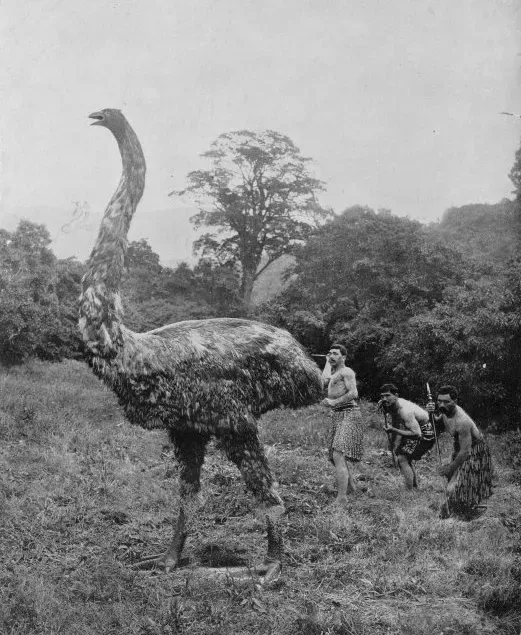
Most people picture New Zealand’s giant moa as Ice Age relics that faded out long before anyone was around to write anything down. That mental image is flatly wrong. Radiocarbon dates on late moa bones now cluster inside the last thousand years, landing squarely on top of Māori arrival and early settlement.
Once labs began systematically dating bones pulled from caves, dunes, and ancient middens, the picture flipped. These birds were walking around New Zealand in the 13th to 15th centuries – not some misty prehistoric haze, but the same general era as European Renaissance painters picking up brushes. Charcoal layers and butchered bones at hunting sites show the collapse happened fast once people showed up, and some researchers argue tiny remnant populations may have survived in remote valleys as late as the 1600s.
Fast Facts
- Giant moa species could stand over 6 feet tall, with the tallest reaching close to 12 feet including neck.
- Radiocarbon dates place the last confirmed moa bones within the 13th to 15th centuries.
- Full extinction likely took less than 200 years after Polynesian settlement began.
- Before humans arrived, the moa’s only real predator was the giant Haast’s eagle.
#11 – Woolly Mammoths That Outlived the Pyramids
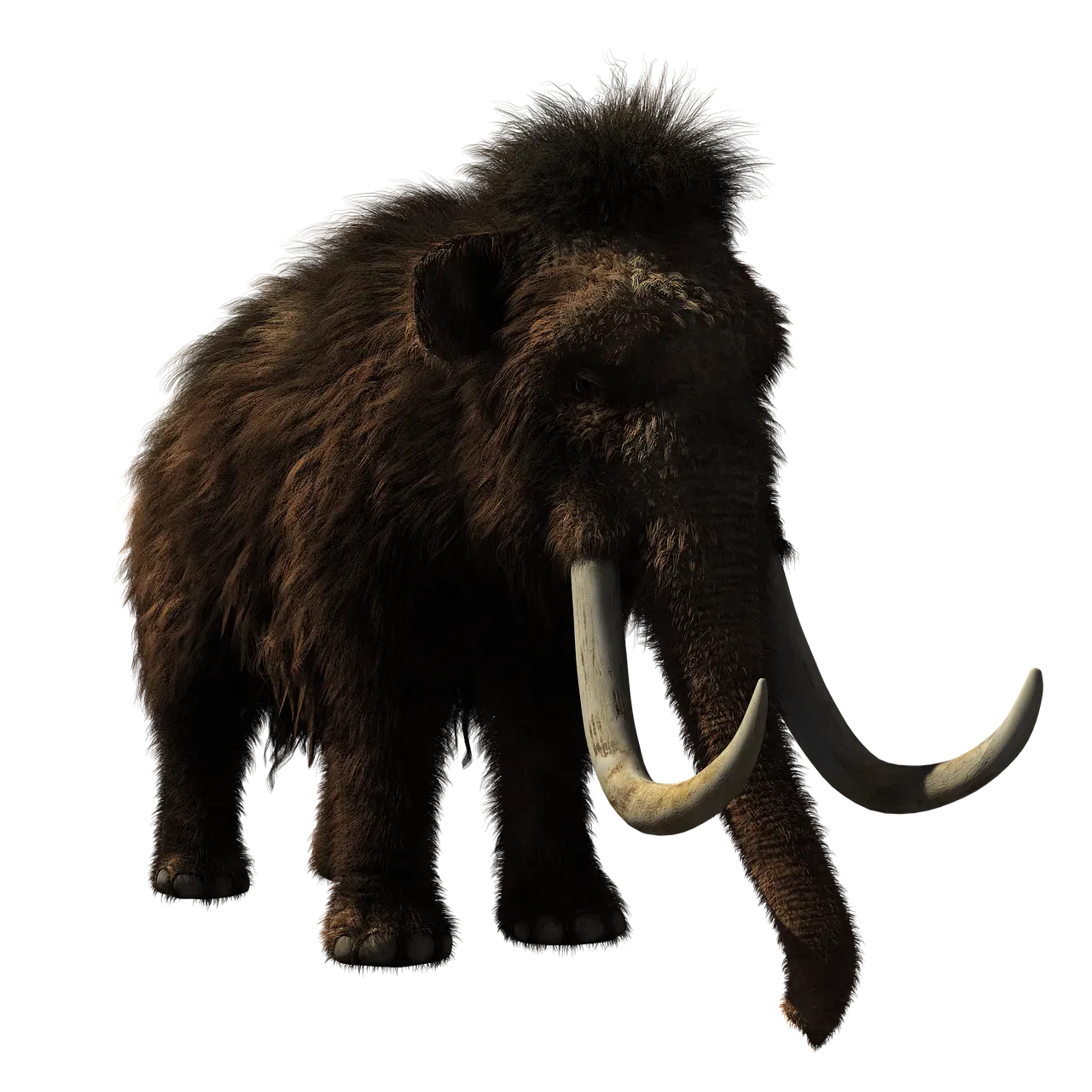
If your mental picture of the woolly mammoth ends with the last Ice Age, blame outdated museum placards. Tighter radiocarbon dating of Arctic island remains – especially from Wrangel Island and St. Paul Island – shows some mammoth populations survived until roughly 4,000 years ago. That’s after the Great Pyramid of Giza was already standing.
Earlier, cruder dating methods had lumped these bones in with the big Pleistocene herds. Better calibration curves and contamination controls shifted the real dates thousands of years forward, turning “Ice Age stragglers” into Bronze Age contemporaries. Instead of one clean climate-driven extinction, biologists now describe a long, messy tail of isolated island populations dealing with inbreeding, dwarfing, and shrinking habitat – tiny herds that were still alive while humans elsewhere were pressing marks into wet clay tablets.
#10 – Giant Ground Sloths That Overlapped With Human Legends
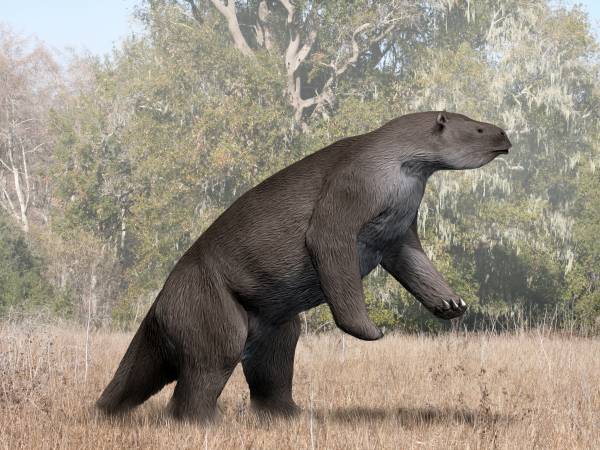
Giant ground sloths like Megatherium and Eremotherium used to get filed neatly under “died out 10,000 to 12,000 years ago,” a tidy number that fit the standard Ice Age extinction story. Improved radiocarbon dating of dung, bones, and trackways across South and Central America has since wrecked that tidiness, pushing last-appearance dates forward by thousands of years in scattered pockets.
That shift raises a question scientists used to avoid entirely: did early human communities actually watch these animals in the flesh? Some “giant beast” oral traditions are clearly mythic exaggeration, but the chronological overlap is now tight enough that it’s hard to dismiss outright. At the very least, the fossil record underreported how late these sloths hung on. At most, isolated lineages may have limped along in remote forests far longer than today’s cautious models admit.
#9 – Coelacanth: The Fish That Erased 65 Million Years of “Extinction”
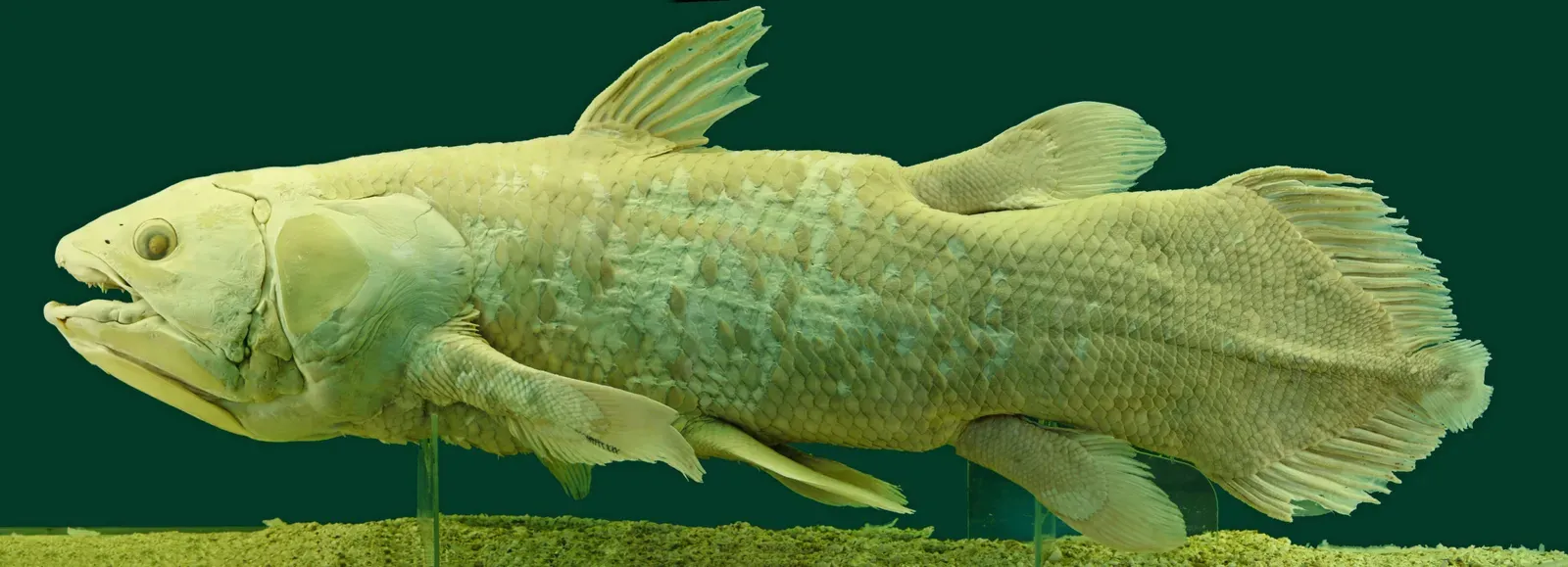
No species has humiliated paleontology’s timeline confidence quite like the coelacanth. Textbooks confidently declared it extinct at the end of the Cretaceous, about 65 million years ago, based entirely on where its fossils stopped appearing. Then in 1938, fishermen off South Africa hauled up a very alive one and handed science its most famous “oops.”
Biologists now use the coelacanth as their go-to cautionary tale, a textbook “Lazarus taxon” proving that a fossil record’s last appearance can precede real extinction by tens of millions of years. The fossils weren’t wrong – deep-sea habitats just rarely preserve remains, so an entire lineage quietly survived in stable refuges while the paperwork said it was long gone. Once that idea sank in, every other “ancient ghost” on this list suddenly looked a little more plausible.
#8 – Laotian Rock Rat and the Rodents We Buried Alive in “Deep Time”
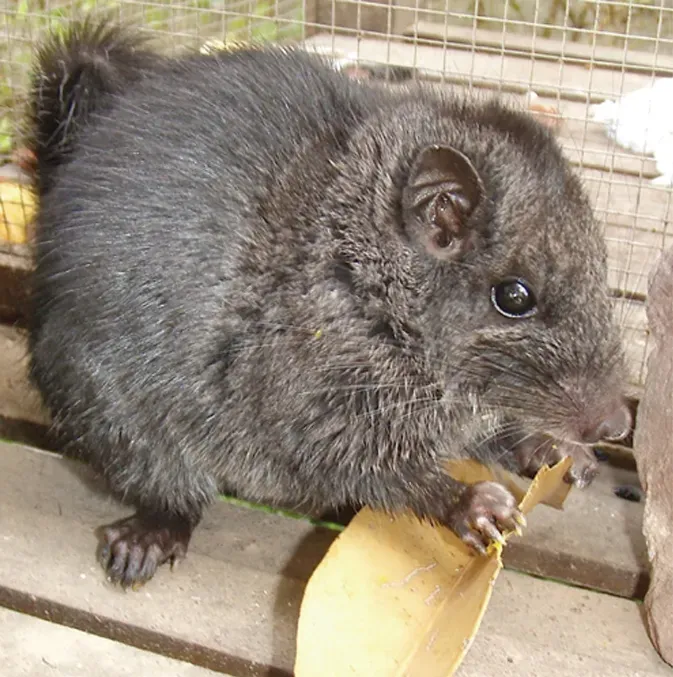
Almost nobody has heard of the Laotian rock rat, but it’s one of the most humbling reversals in recent taxonomy. Its entire family, the Diatomyidae, had been declared extinct based on fossils believed to be at least 11 million years old – a lineage locked firmly into the Miocene.
Then biologists studying odd rodents sold as bushmeat in Laotian markets realized they were holding a living member of that supposedly ancient family. DNA and skull comparisons made it undeniable: an entire mammal lineage had been quietly alive the whole time, just in habitats that fossilize poorly and regions Western science rarely sampled closely. If a “Miocene ghost” can turn up at a roadside grill, it raises an unsettling question about how many other small, cryptic mammals we’ve prematurely written off.
#7 – Steller’s Sea Cow and the Vanishing Act of Recent Marine Giants
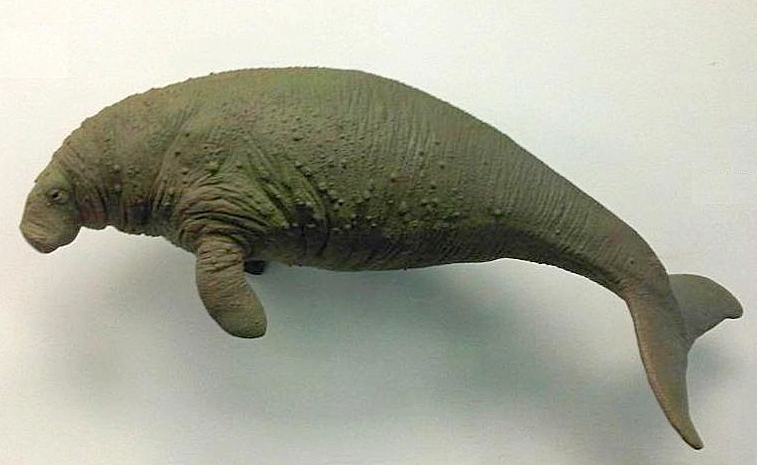
Marine mammals get a rough deal from the fossil record: huge bodies, deep water, and almost no shoreline burial. For sea cows and their relatives, that bias turned brutal. Several species were long assumed to have quietly dropped out of existence many thousands of years ago, until closer work on sailors’ logs and subfossil remains told a very different story.
Steller’s sea cow is the sharpest example. Popular writing often paints it as vaguely prehistoric, but bones from the Commander Islands and records of Indigenous hunting confirm it was thriving right up into the 18th century – then wiped out entirely within just 27 years of European contact. This wasn’t a species teetering on the edge for millennia. It was a robust, localized population suddenly hit by rifles and unchecked overharvest, and biologists now admit the fossil record made that recent slaughter look like an ancient inevitability.
#6 – European Cave Bears That Didn’t Vanish With the Last Glaciers
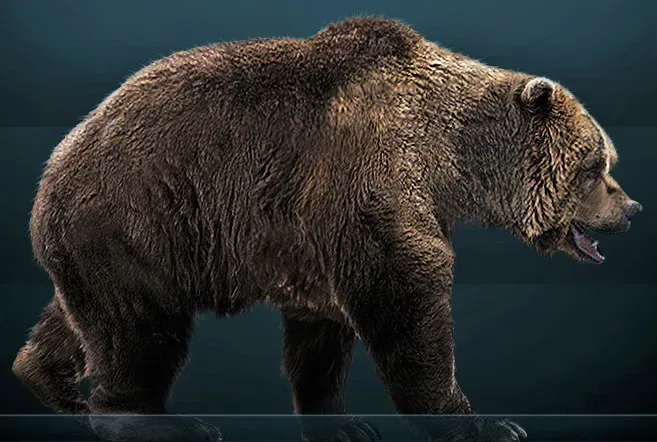
Cave bears got cast as classic Ice Age megafauna, conveniently erased right as the glaciers retreated 25,000 to 30,000 years ago. It was a clean story that matched the climate narrative perfectly. Newer radiocarbon work, with sharper calibration and contamination controls, has pushed their last reliable dates several thousand years later than that.
Samples once dismissed as “too young” or written off as outliers are now taken seriously, and they suggest small, isolated cave bear populations survived in refuges even after their main range collapsed. That matters more than it sounds: it means early modern humans in Europe didn’t just move into empty caves. They coexisted with, competed against, and likely hunted these bears far longer than the old extinction curves ever admitted.
Quick Compare
- Old timeline: Cave bears vanish as glaciers retreat, 25,000 to 30,000 years ago.
- New timeline: Recalibrated radiocarbon dates push survival several thousand years later.
- What changed: Sharper contamination controls made “too young” samples credible.
- The takeaway: Early humans likely coexisted with cave bears longer than assumed.
#5 – European Wild Horse Lineages Quietly Persisting Into “Historic” Times
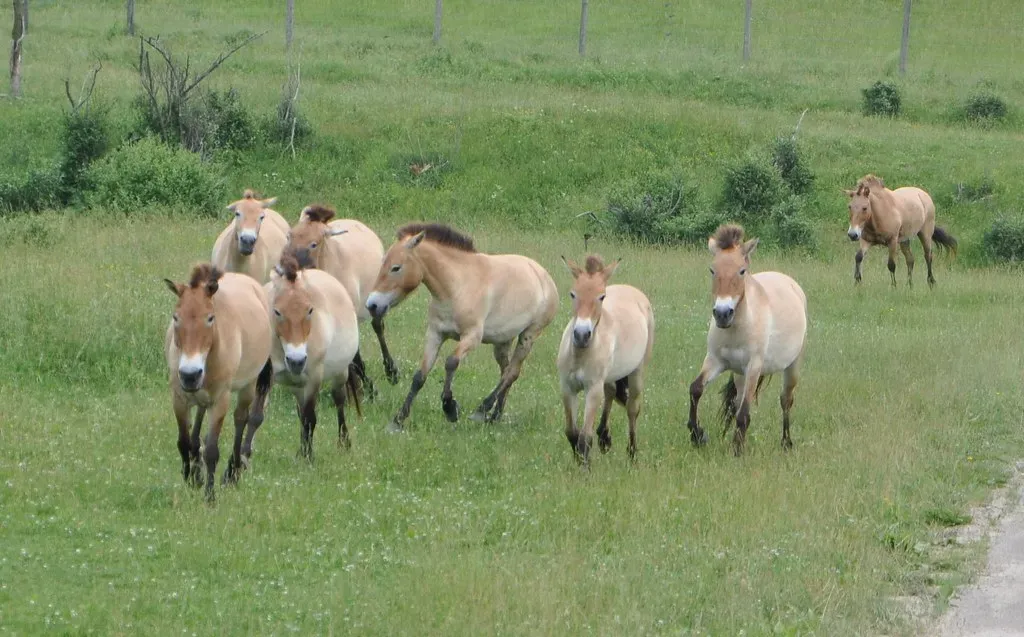
The old story about European horses was suspiciously tidy: wild Pleistocene herds vanish, then domestic horses show up neatly with farmers. Genetic and osteological work has since cracked that narrative wide open. Some lineages long labeled as extinct “Ice Age horses” actually persisted into the late Holocene, overlapping directly with early domestication.
Bones once lazily filed as generic domestic horses turned out, under closer DNA scrutiny, to carry unexpected ancestry links to older wild forms. Europe’s horse history is really a tangled braid of late-surviving wild populations, early managed herds, and constant backcrossing between the two. Biologists now suspect the wild lineages didn’t vanish on schedule at all – once domestication took over, researchers simply stopped looking closely enough at the bones to notice they were still there.
#4 – Caribbean Monk Seals That Were “Gone” Before Anyone Checked Properly
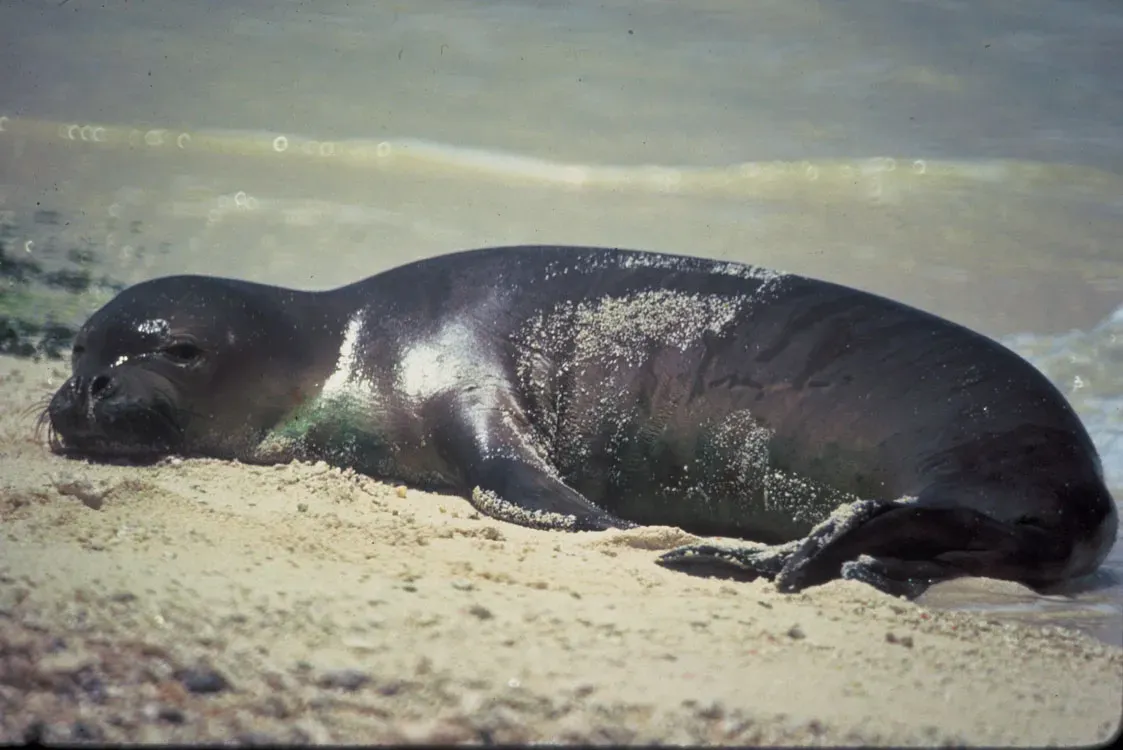
People assume marine extinctions are ancient by default. In reality, some of the most recent ones got badly misframed as far older, slower events. The Caribbean monk seal was officially declared extinct in the 20th century, but historical records now suggest its true collapse was compressed into just a few brutal centuries of human exploitation.
Earlier interpretations painted the species as naturally rare and slowly dwindling for ages. Re-analysis of midden deposits, beach-stranding records, and colonial accounts tells a harsher story: these seals were once genuinely abundant, and they crashed fast. Sparse preservation in tropical coastal settings, combined with a total lack of systematic collecting during the key decline decades, made a recent, human-driven extermination look like a hazy, quasi-natural fadeout.
Worth Knowing
- First scientifically described in 1850, though sailors had reported the seals for centuries earlier.
- Formally declared extinct in 2008 after decades without a confirmed sighting.
- Hunted heavily for blubber oil, used to grease sugar mill machinery across the Caribbean.
- Its closest living relatives, the Hawaiian and Mediterranean monk seals, remain critically endangered today.
#3 – The Scimitar-Toothed Cats That Stalked Longer Than We Thought
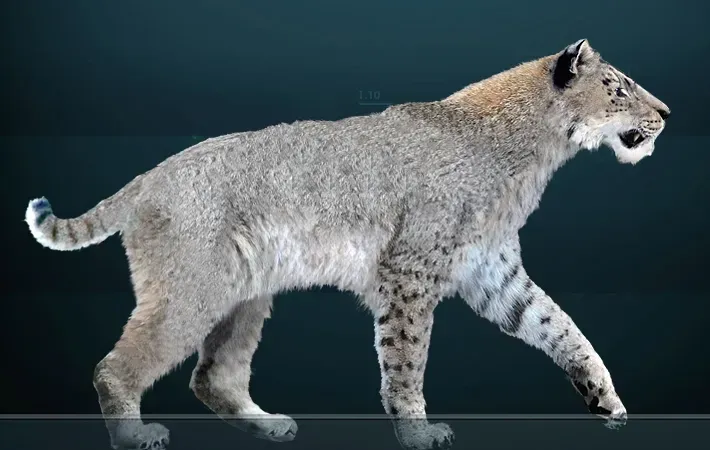
Scimitar-toothed cats like Homotherium were traditionally plotted as textbook Pleistocene hunters, bowing out neatly around the last glacial maximum alongside everything else on the “Ice Age casualty” list. Better-dated fossils from Europe and North America have since pulled their last-appearance points forward, suggesting scattered populations survived in isolated pockets far longer than the standard story allows.
Part of the mistake was lazy lumping – fragmentary big-cat bones got dumped into catch-all categories instead of being carefully compared against Homotherium’s distinguishing traits. Once researchers went back through museum drawers and under-studied cave deposits, several “generic” fossils turned out to be surprisingly young scimitar-toothed specimens. Genetic modeling now supports a slower, patchier decline than the neat mass die-off everyone assumed, meaning some apex predators may have haunted their old ranges long after their official extinction date.
#2 – Dodos and the Myth of a “Primitive,” Doomed Bird
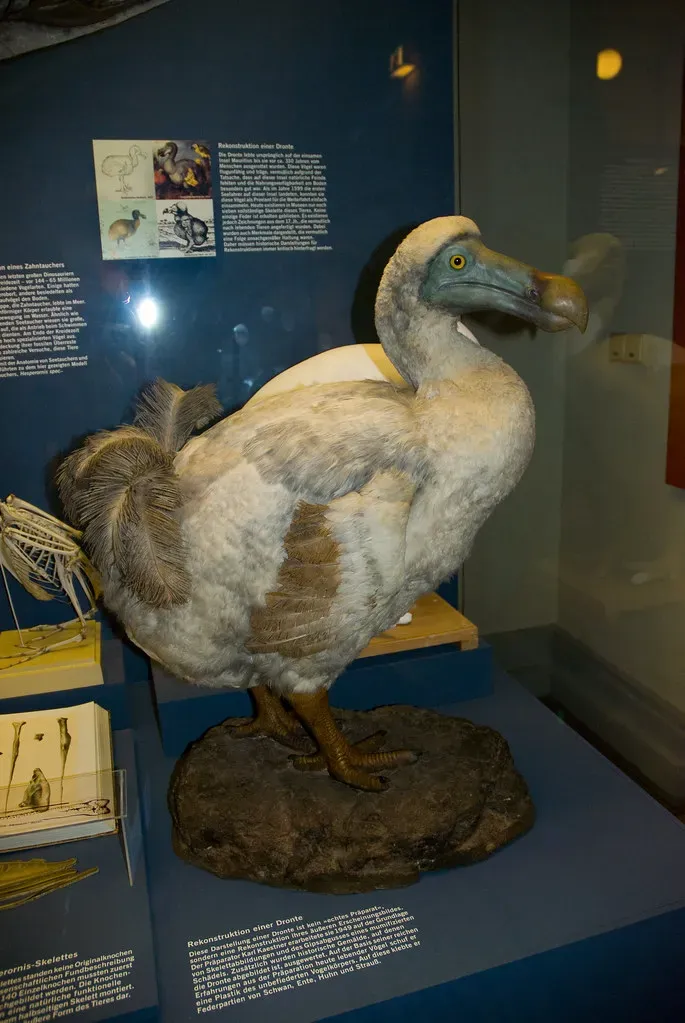
The dodo gets treated as the poster child for obvious, inevitable extinction: clumsy bird meets sailors, story over. But biologists are increasingly blunt about how badly that timeline got flattened. Early accounts placed the dodo’s demise vaguely somewhere in the 1600s, often implying it was already fading before anyone showed up.
Closer work on subfossils and ship logs tells a much sharper story: the dodo likely went from abundant to gone in under a century. That’s not a slow evolutionary fade – it’s a modern-style biodiversity collapse wearing a 17th-century costume, driven by introduced rats and pigs, brutal habitat clearing, and unsustainable hunting. Framing it as an “inevitable, primitive bird’s doom” let the fossil and archival record quietly bury just how fast and how recent the real catastrophe actually was.
#1 – Neanderthals: Not Ancient Cavemen, But Uncomfortably Recent Cousins
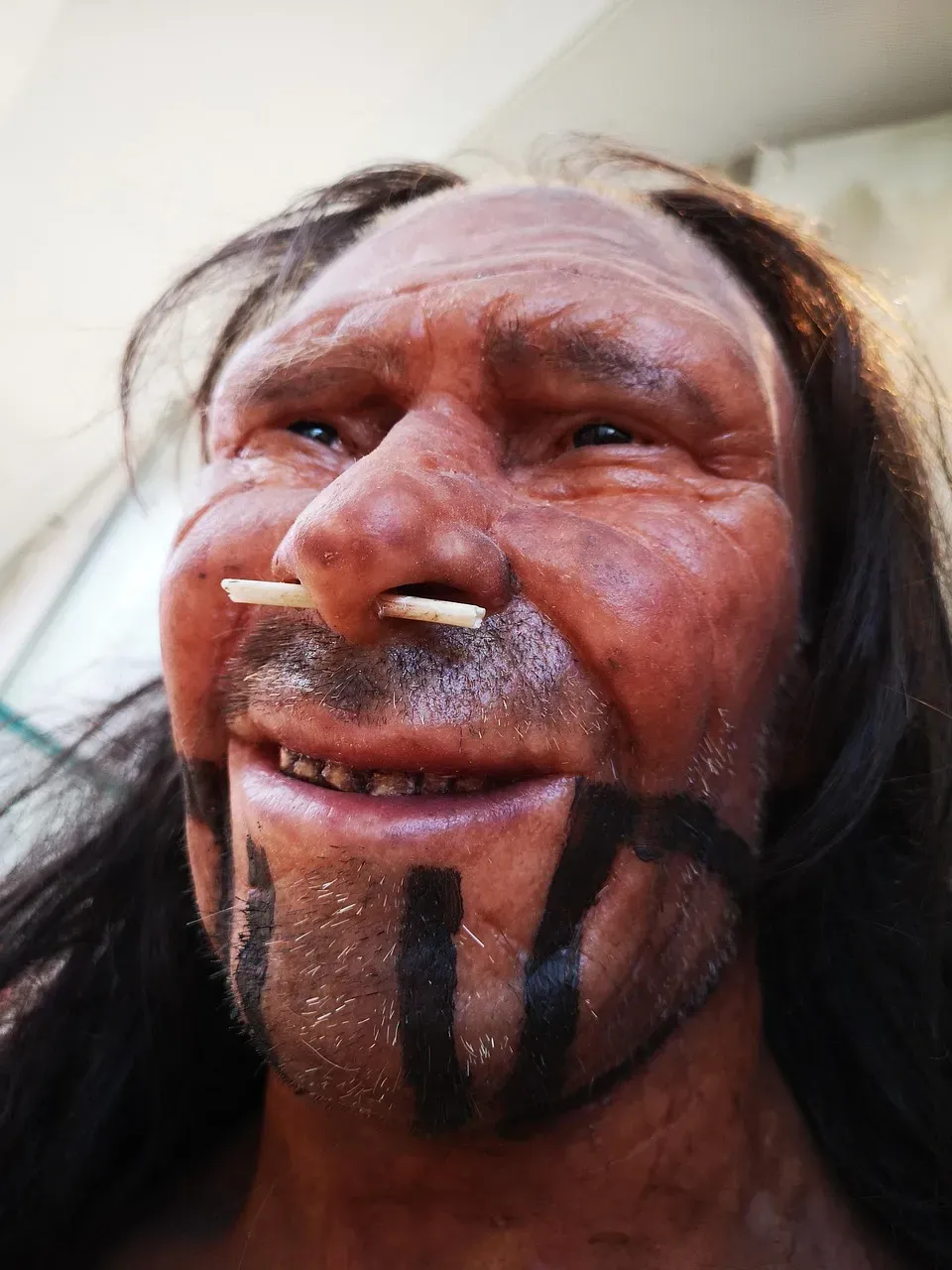
Neanderthals used to be filed safely in the deep past – shaggy “cavemen” who vanished 50,000 to 60,000 years ago, long before anything resembling culture existed. High-precision radiocarbon work has blown that comfort zone apart. The last known Neanderthals in parts of Europe and Gibraltar now date to roughly 40,000 years ago, and possibly later in isolated micro-refugia.
That still sounds ancient, but it violently compresses the overlap between them and us. These were hominins who shared landscapes, tools, and probably pathogens with early Homo sapiens for thousands of years – and interbred with our ancestors, a fact confirmed by Neanderthal DNA still carried in modern humans today. Cruder, older dating had pushed them so far back that meaningful contact looked nearly impossible. Once corrected, biologists had to accept a far more intimate reality: for a long stretch of our own history, we weren’t alone, and our closest cousins disappeared shockingly close to the birth of what we now call fully modern human culture.
At a Glance
- Older estimates placed Neanderthal extinction at 50,000 to 60,000 years ago.
- Refined dating now points to roughly 40,000 years ago for the last populations.
- Modern non-African humans carry an estimated 1 to 2 percent Neanderthal DNA.
- Isolated refugia, possibly including Gibraltar, may have held on even later.
The Bottom Line
Taken together, these thirteen cases point to a hard truth: extinction dates are rarely about when a creature actually died. They’re about where, and whether, we happened to find its remains. Biologists now openly admit that for lineages ranging from mammoths to Neanderthals, the fossil record placed the ending far too early – sometimes by centuries, sometimes by tens of millions of years.
That pattern isn’t random. It reflects blind spots in where we dig, biases in what we bother to date carefully, and a long-standing preference for clean, dramatic stories over messy, lingering survivals. None of this means every cryptid rumor deserves belief or that every extinction date is secretly wrong. It means the confident numbers printed in textbooks deserve a quiet asterisk – and a little humility. If there’s one lesson worth keeping, it’s this: we’ve consistently underestimated how long these animals held on, and consistently underestimated how much of their disappearance was us.