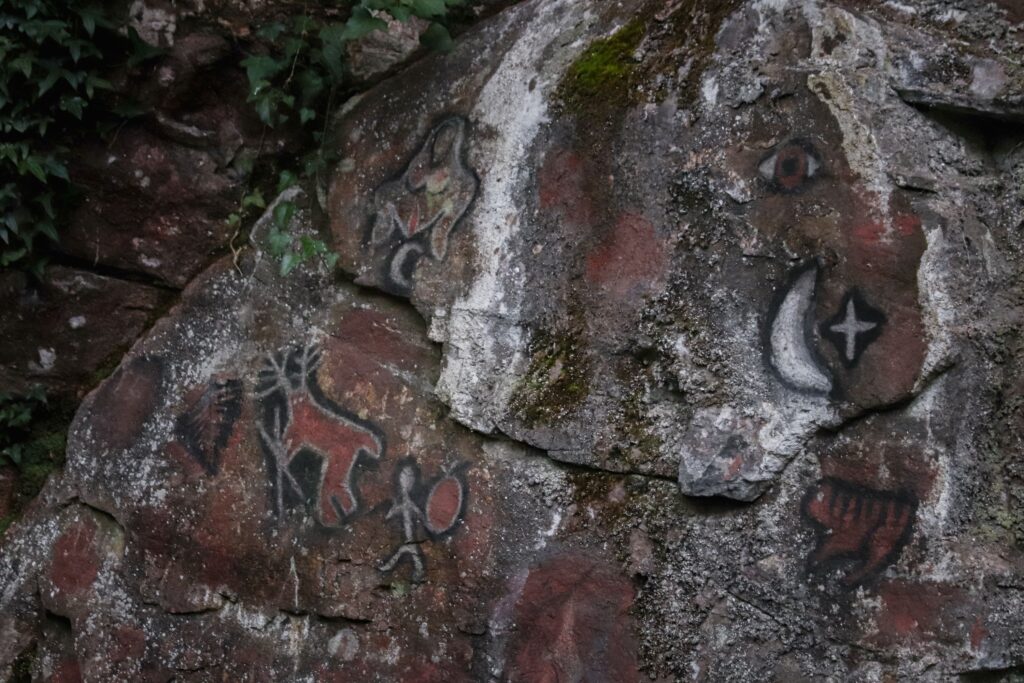

Imagine standing in a dark cave, torchlight flickering over animal shapes and strange clusters of dots. Now picture realizing those dots are not random at all, but a kind of ancient star chart left by people who lived tens of thousands of years ago. That idea alone is enough to make your neck tingle a bit, because it quietly rewrites what we thought humans were capable of so early on.
In the last few years, researchers have started to argue that some Paleolithic cave paintings may encode observations of the night sky, seasonal cycles, and even rare celestial events. The evidence is not a smoking gun, and scientists are still debating it, but it is strong enough to force a more serious question: were Ice Age hunters already sky-watchers, tracking stars long before the first cities existed? Let’s walk into that cave together and unpack what this could really mean.
Why This Cave Art Discovery Is So Controversial
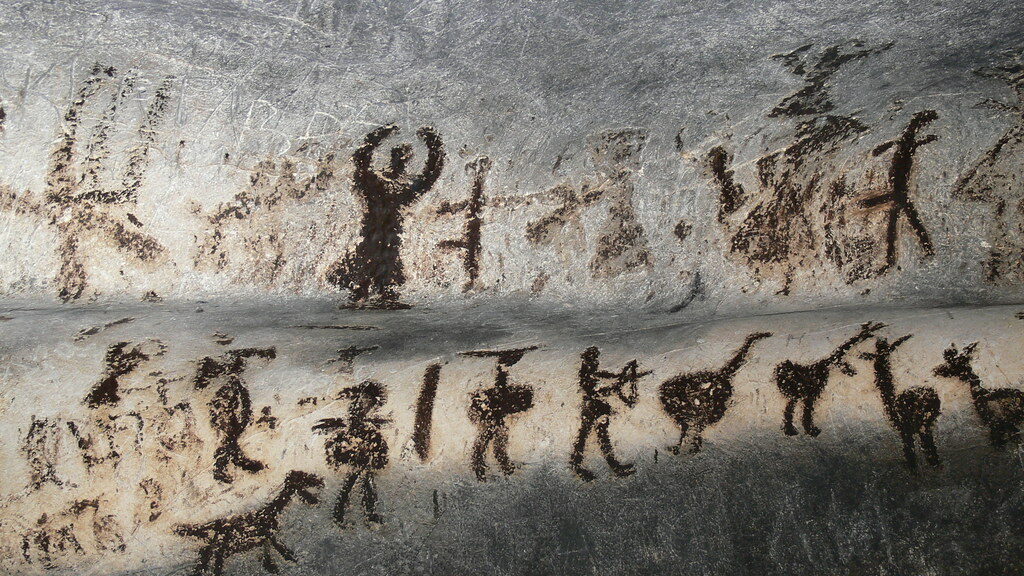
The claim that humans used astronomy thirty thousand years ago hits a lot of nerves, and honestly, it should. For decades, the mainstream story has been that true scientific astronomy began only a few thousand years ago in places like Mesopotamia, Egypt, India, and ancient China, mostly once agriculture, written records, and organized religion took hold. To suddenly push that timeline back more than twenty thousand years feels almost like saying smartphones appeared in the Roman Empire.
That is why archaeologists and paleoanthropologists are cautious, sometimes downright skeptical, when new studies suggest sky knowledge buried in Ice Age caves. It is not that they think ancient people were stupid; it is that extraordinary claims need extraordinary evidence. The controversy, at its core, is about how far we can stretch interpretations of dots, lines, and symbols painted or carved on stone without crossing the line into wishful thinking.
What We Actually See on the Cave Walls
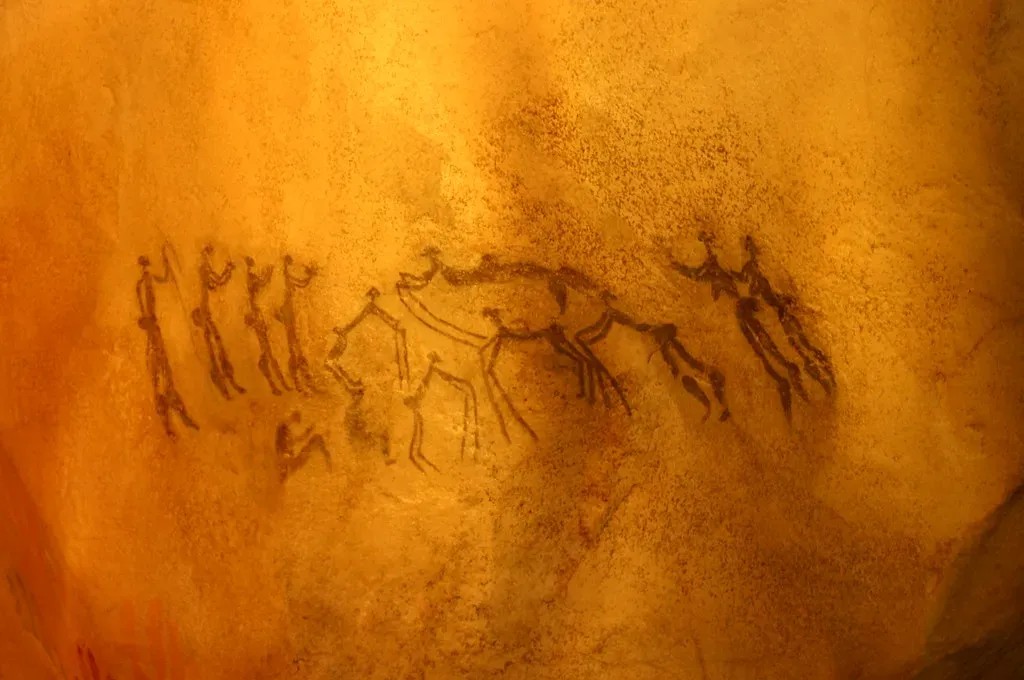
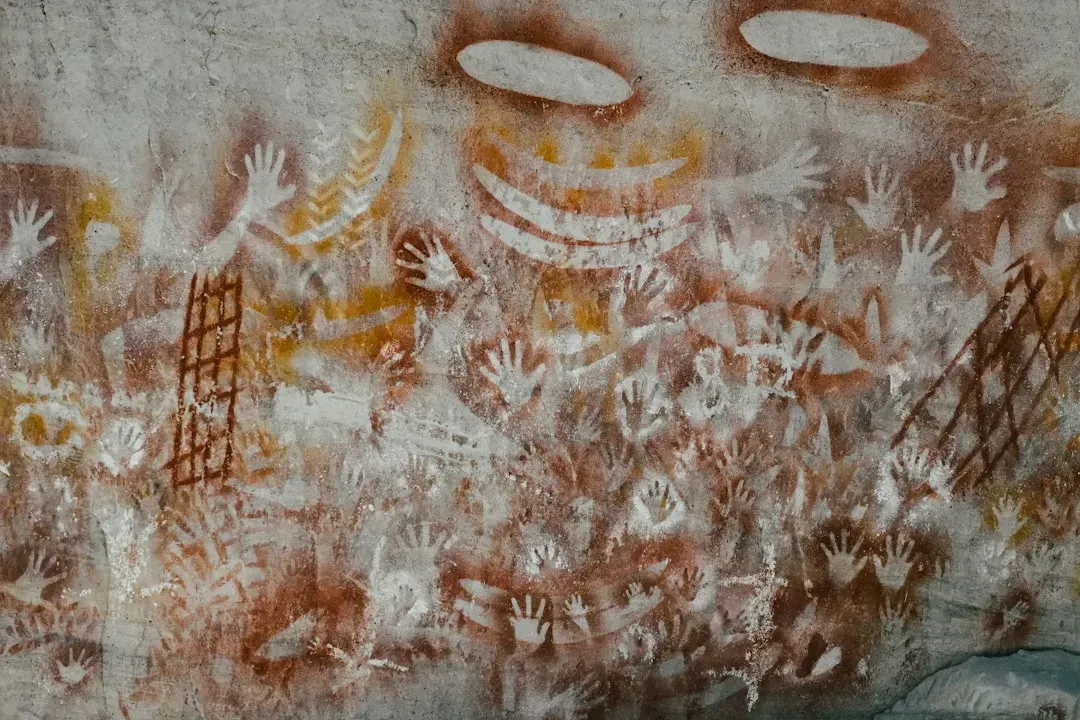
When you strip away the headlines and hype, what is physically there in many Paleolithic caves is surprisingly consistent: beautifully rendered animals, hand stencils, mysterious signs and clusters of dots or lines. Some of these marks sit near animals; others float alone, like little codes. A few recent studies have argued that particular arrangements of dots, especially sequences next to animals, may be recording the timing of breeding seasons or migrations keyed to specific times of year.
In some sites, patterns of dots and shapes seem to echo known star clusters when you overlay them on the night sky, which is where the astronomy angle comes in. But stone is unforgiving, and time is cruel; pigment fades, walls crumble, and our sample of surviving art is tiny compared to what once existed. So what we see is a fragment of a fragment, and any interpretation has to wrestle with the fact that we are almost certainly missing a lot of context.
Could Paleolithic People Really Track Stars and Seasons?
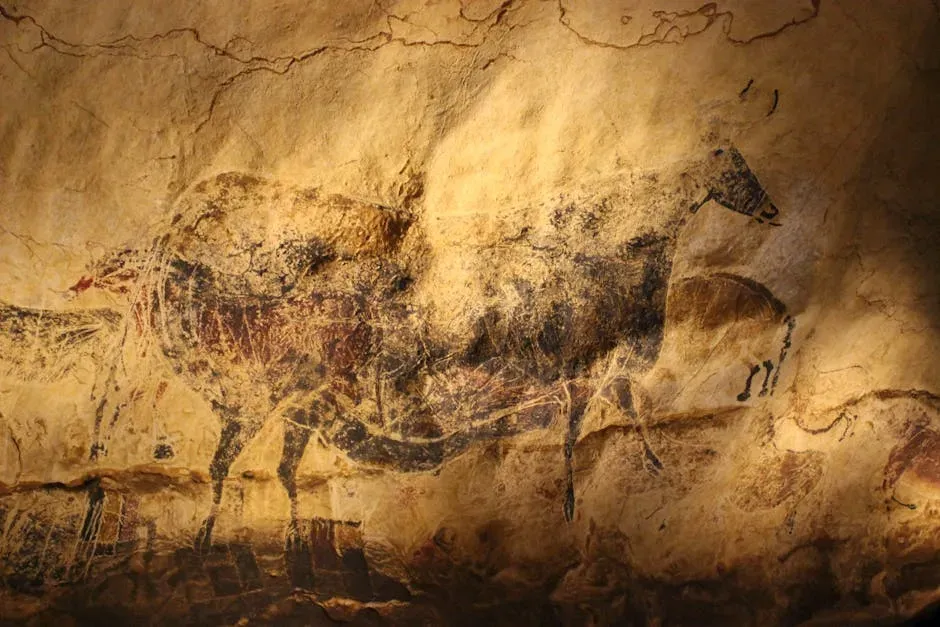
If you spend your life outdoors, away from electric light, the sky is not just scenery; it is your calendar, your clock, and your weather app rolled into one. Hunter-gatherer groups who live close to nature often know when certain animals mate, migrate, or shed their coats based on when particular stars rise or set at dusk. That sort of practical sky knowledge is not abstract science; it is survival, and it does not require telescopes or equations, just attention and memory passed down through stories.
Given that, it is actually more surprising to assume Ice Age people ignored the sky than to imagine they studied it carefully. Over generations, noticing that a particular bright star appears on the horizon when herds move or when the days begin to lengthen is the kind of pattern the human brain is built to grab onto. Turning those patterns into marks on a cave wall is simply another step: a way to freeze that knowledge in a lasting, visual form so others can read the seasons in stone.
From Animal Paintings to Cosmic Clocks

One of the more intriguing ideas about this cave art is that the animals are not just portraits of favorite prey or spiritual symbols, but also stand-ins for parts of the year. In this view, a horse or bison linked with a specific sequence of dots might be an early kind of calendar entry: this is the time when these animals mate, migrate, or become most important for hunting. The dots could mark months, moon cycles, or the spacing between key seasonal events.
If that interpretation is even partly right, then some caves may have functioned like a massive, communal planner: a visual memory aid showing when crucial events happen in the natural world. Rather than relying only on oral tradition, groups could point to a wall and say, in effect, when the sky looks like this, the animals will do that. It is not astronomy in the modern, mathematical sense, but it is observational astronomy: a real, systematic relationship between sky patterns and time on Earth.
How Scientists Try to Decode Ancient Star Maps
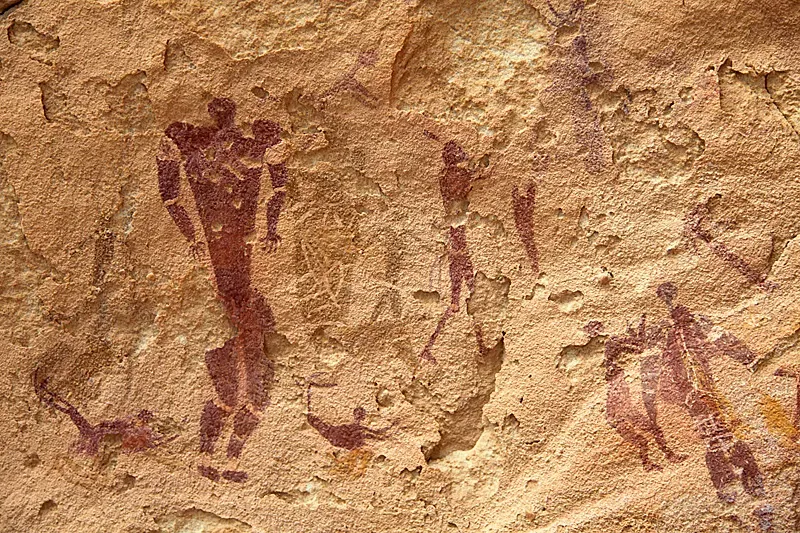
So how do researchers go from looking at dots on a wall to claiming they might be constellations or seasonal markers? A lot of the work is painfully slow and surprisingly math-heavy. First, you need to record the positions of the marks as precisely as possible and catalog them across many caves and regions. Then you look for repeating patterns: similar sequences of dots next to similar animals, or shapes that recur across different sites separated by long distances and time periods.
After that, some researchers compare those patterns to reconstructed night skies as they would have looked tens of thousands of years ago, accounting for how Earth’s axis slowly wobbles over millennia. If a cave pattern lines up too neatly with a known star cluster or with the timing of solstices and equinoxes to be easily dismissed as coincidence, that is when the astronomy argument starts getting serious. But even then, scientists argue back and forth, because human pattern recognition is both our greatest strength and our biggest trap.
The Thin Line Between Insight and Over-Interpretation
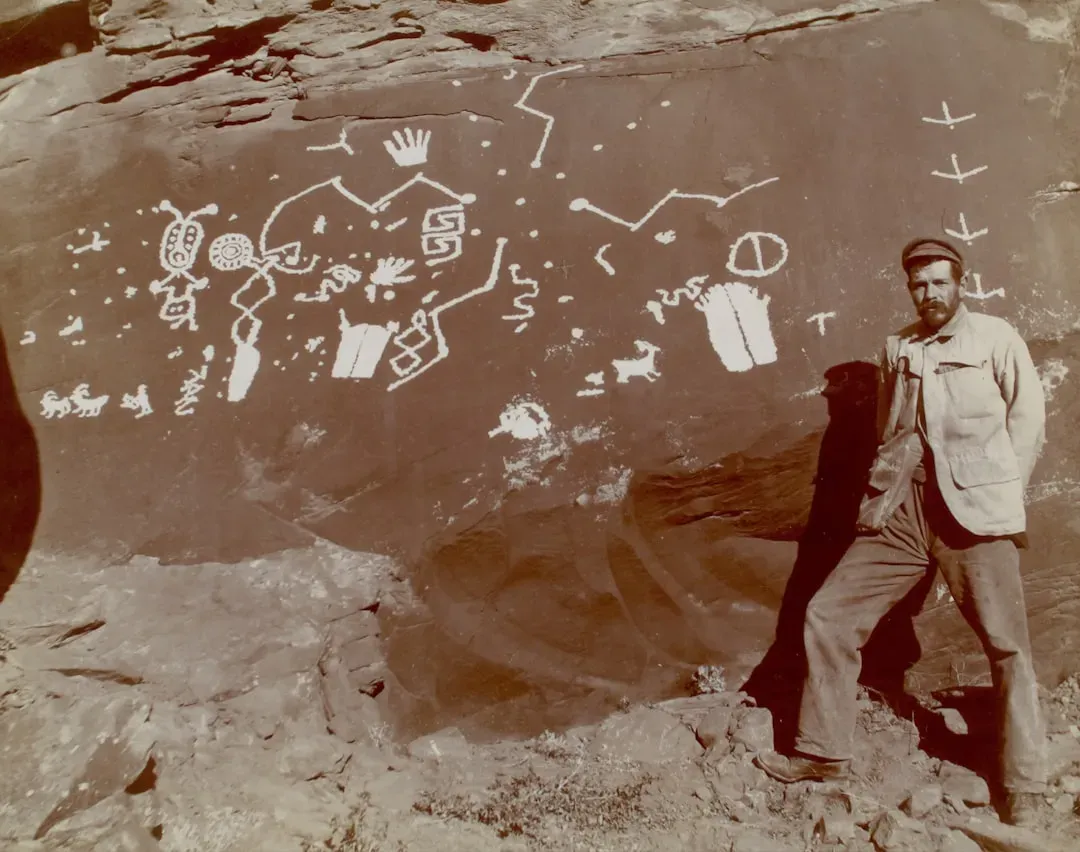
Here is where things get messy: humans are absolutely brilliant at seeing patterns, even when none exist. Look at a cloud for more than a second and suddenly it becomes a dragon, a face, or a map of your country. When researchers overlay cave patterns on the night sky, there is always a risk of forcing a fit, especially if you search hard enough for some constellation that looks vaguely similar. Critics of the ancient-astronomy idea worry that a lot of this work might be more about our imagination than Paleolithic intent.
On the other hand, if we dismiss every possible meaning as over-interpretation, we risk flattening Ice Age people into caricatures who only painted for fun or vague ritual. Reality probably lies in the uncomfortable middle ground: some marks and clusters likely were practical timekeepers or sky references, while others were personal, symbolic, or playful doodles. The challenge is accepting that we may never know exactly which is which and still being willing to explore the possibilities without turning speculation into supposed fact.
Personally, I think of it a bit like reading someone’s old notebook where half the pages are poetry and half are shopping lists, but you do not understand the language. You would recognize that there is structure and purpose, but decoding which part meant what would be maddening. That is exactly where we are with cave art and astronomy: we can sense that there is a logic there, but the key to the code is mostly gone.
What This Tells Us About Human Intelligence and Imagination
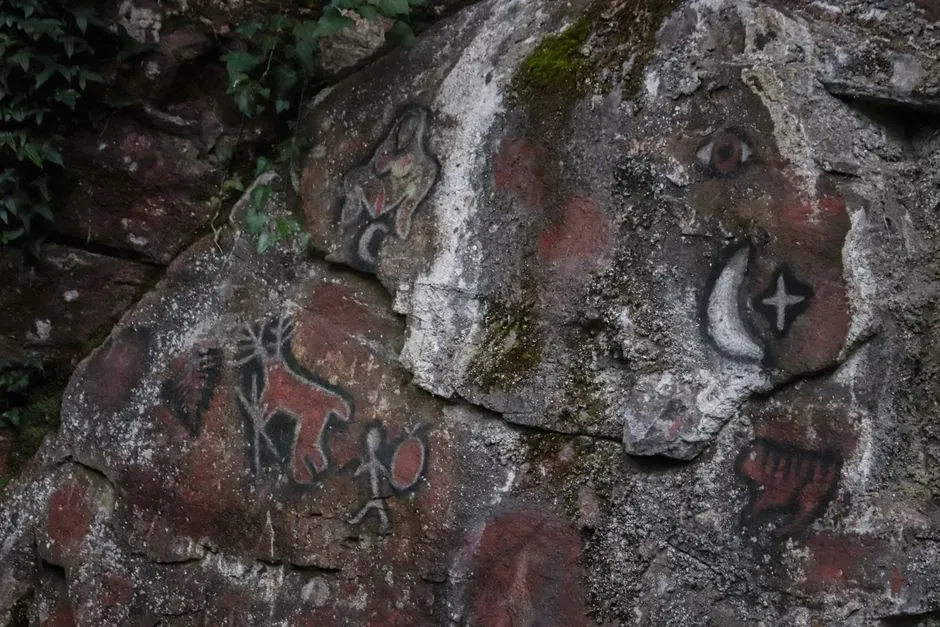
Even if every claim about prehistoric astronomy turned out to be exaggerated, one thing is already clear: Ice Age humans were not simple-minded brutes stumbling through the dark. They organized complex hunts, created pigments from minerals, built tools from bone and stone, and painted with a level of skill that still shocks modern artists. Seeing possible sky knowledge layered into that art only deepens the picture of people who thought in long timescales and abstractions, not just day-to-day survival.
For me, the most striking idea is that someone thirty thousand years ago might have stood at a cave entrance, watched a familiar star rise, and connected that moment to marks they had helped carve inside. That tiny act – linking the shifting sky to a fixed symbol on rock – is a mental leap not so different from writing equations on a chalkboard or tapping calendar reminders into a phone. It shows a continuity of mind across time: different tools, different cultures, but the same restless urge to map the world and understand our place in it.
Why Ancient Astronomy Still Matters to Us Today
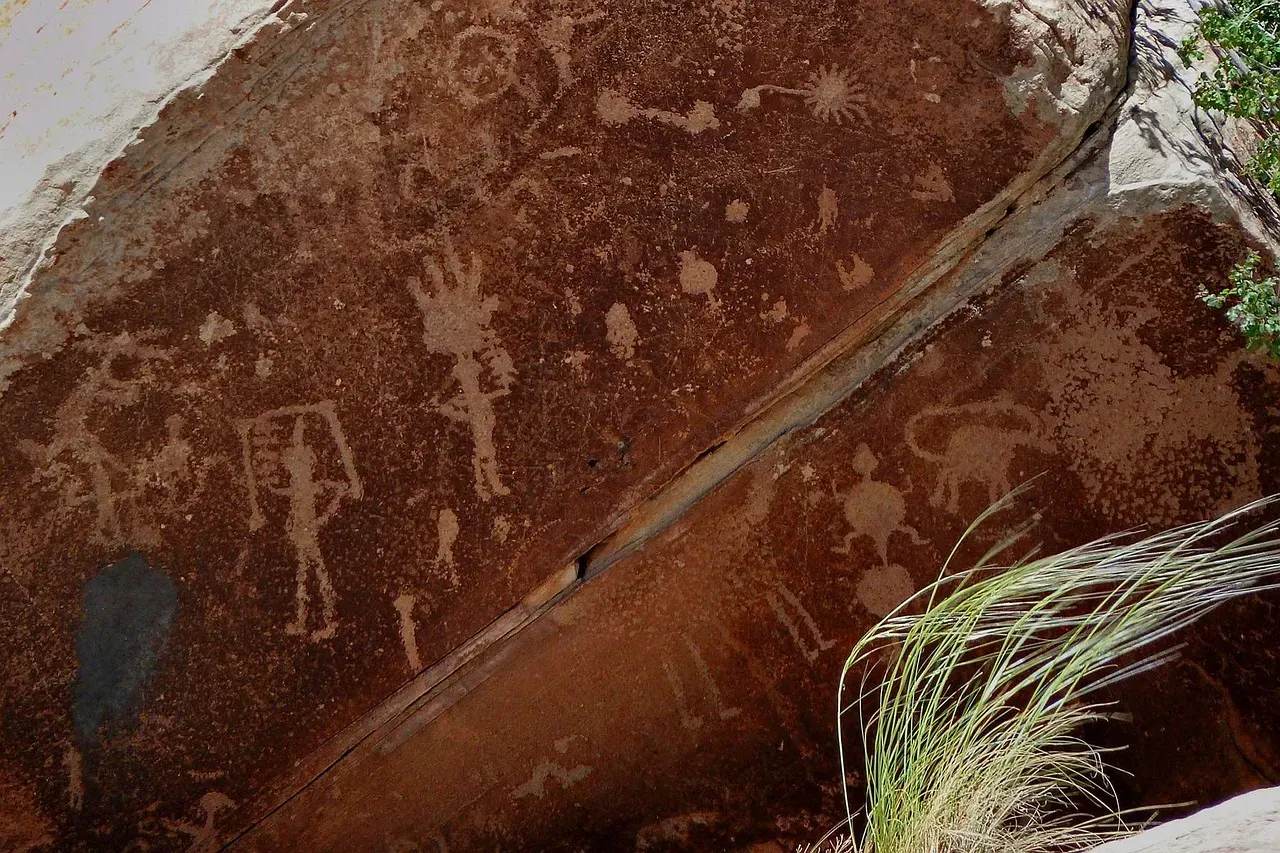
It is easy to treat all this as a cool trivia story and move on, but there is a deeper reason these discoveries grab headlines and imaginations. If Paleolithic people were already using the sky to track seasons and animal behavior, it means the roots of science reach far further back than we once admitted. Science did not suddenly appear with cities and writing; it grew slowly out of repeated observations, careful memory, and the courage to trust patterns you cannot touch but can see over and over again.
In a weird way, that makes our ultra-modern world feel less alien and more like an extension of something very old. Our satellites, telescopes, and space probes are built on the same basic instinct that might have driven someone to paint an animal beside a cluster of dots in a cave: the hunch that the sky is telling a story worth listening to. Recognizing that continuity can be grounding, a reminder that curiosity is not a new feature of humanity but our default setting.
Opinionated Conclusion: Reading the Sky, Then and Now
I think we should be bold enough to take the idea of thirty-thousand-year-old astronomy seriously, but humble enough to admit we may never prove it beyond doubt. Dismissing these patterns as pure coincidence underestimates the observational genius of people who survived Ice Age Europe armed with little more than stone tools, fire, and each other. At the same time, claiming we have definitively cracked some cosmic cave code feels premature when so much evidence is fragmentary and open to multiple readings.
If you push me to choose, I fall firmly on this side: it is far more plausible that early humans used the sky in systematic, intelligent ways than that they simply ignored its rhythms for tens of thousands of years. Whether those cave marks are full-blown star maps or more modest seasonal notes, they hint at minds already working in the same direction as astronomy. For me, that is the real headline – our species has been reading the sky far longer than our history books admit, and we are still only beginning to understand how deep that story goes. Does it change how you picture those people in the dark, painting by flickering firelight and maybe glancing up, now and then, to check their work against the stars?