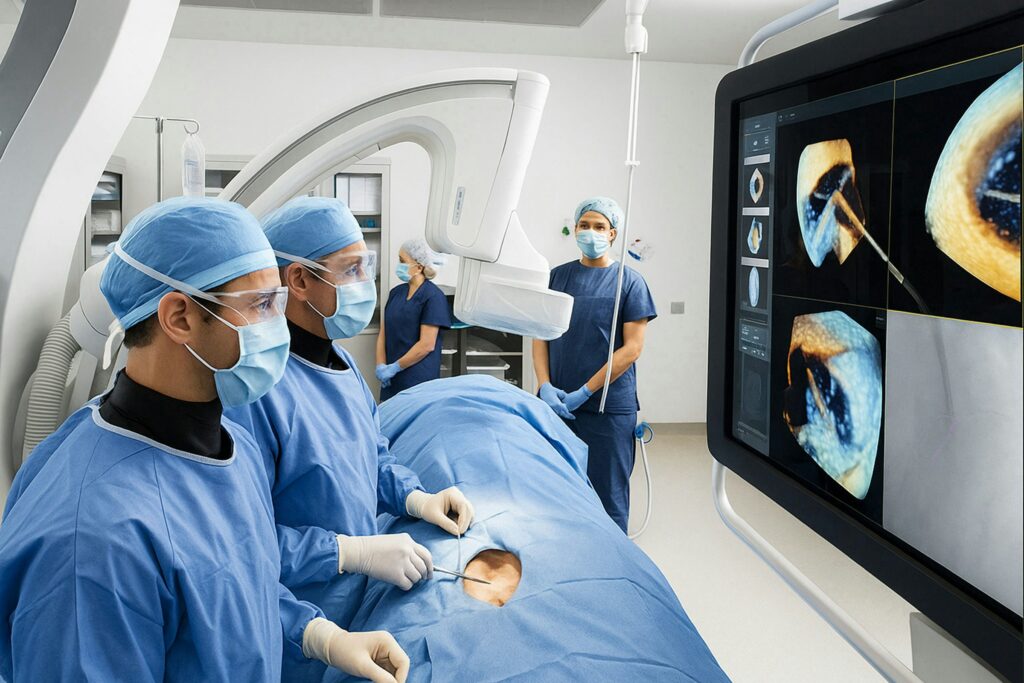

Walk into any modern hospital and you can feel it: medicine is not just slowly evolving, it’s hitting warp speed. Diagnoses that used to take weeks now arrive in hours, surgeries can be done through incisions barely bigger than a freckle, and treatments are starting to be tailored as precisely as a custom-tailored suit. It’s exciting, a little unnerving, and absolutely transformative for anyone who ever has to be a patient – which is, ultimately, all of us.
When I first started following medical science seriously, I remember being amazed that we could replace a hip. Now we are talking about editing genes, training immune cells to hunt down cancer, and using artificial intelligence to spot disease earlier than the human eye can. Below are ten breakthroughs that are not science fiction for the distant future; they are already reshaping clinics, labs, and treatment guidelines right now – and they’re only getting started.
1. CRISPR Gene Editing: Rewriting the Body’s Instruction Manual
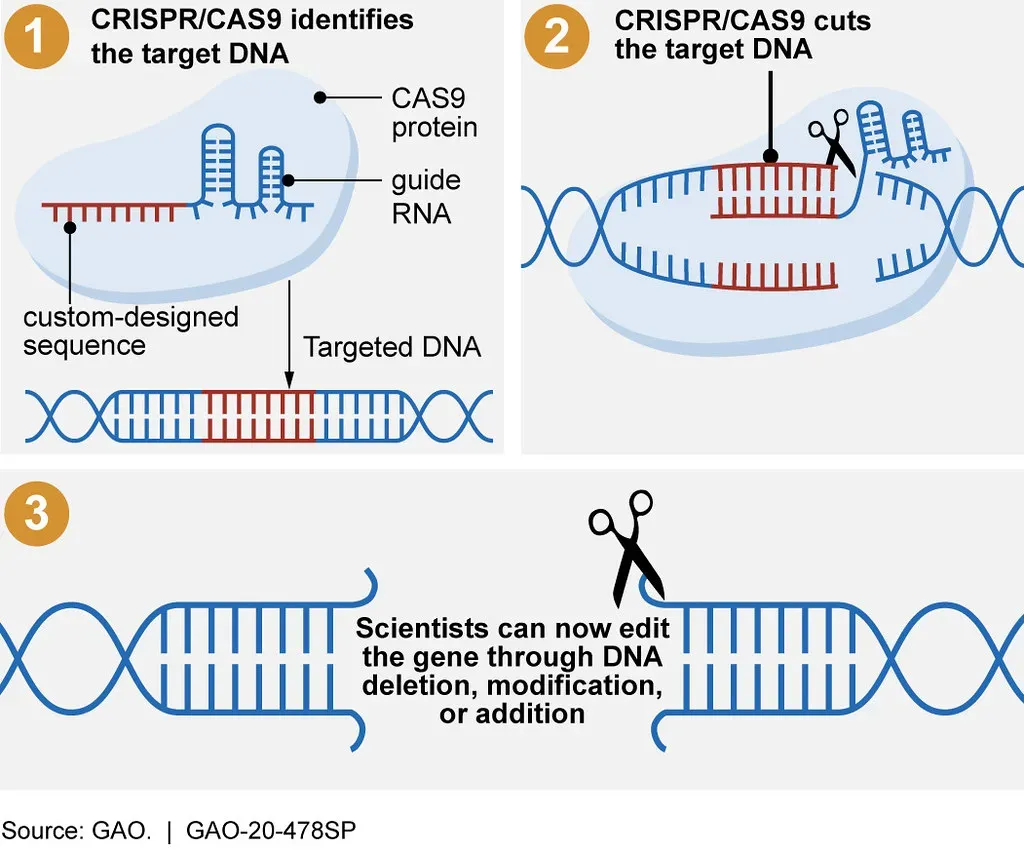
Imagine being able to fix a typo in the genetic code that causes a devastating disease – that’s essentially what CRISPR gene editing is beginning to do. CRISPR works like molecular scissors guided by a GPS system: it homes in on a specific stretch of DNA, cuts it, and allows scientists to disable or replace problem genes with unprecedented precision. In the last few years, this has moved from lab benches into real patients, especially for some rare blood disorders.
One striking example is the use of CRISPR-based therapies for sickle cell disease and certain forms of beta thalassemia, where the faulty gene stops red blood cells from working properly. Instead of lifelong transfusions and pain crises, some patients are now seeing normal blood production after a single, intensive treatment. It is still early, still expensive, and definitely not risk-free – but for conditions rooted in a single genetic defect, gene editing is starting to look less like a miracle and more like a serious therapeutic option.
2. mRNA Vaccines and Therapies: From Emergency Solution to New Platform
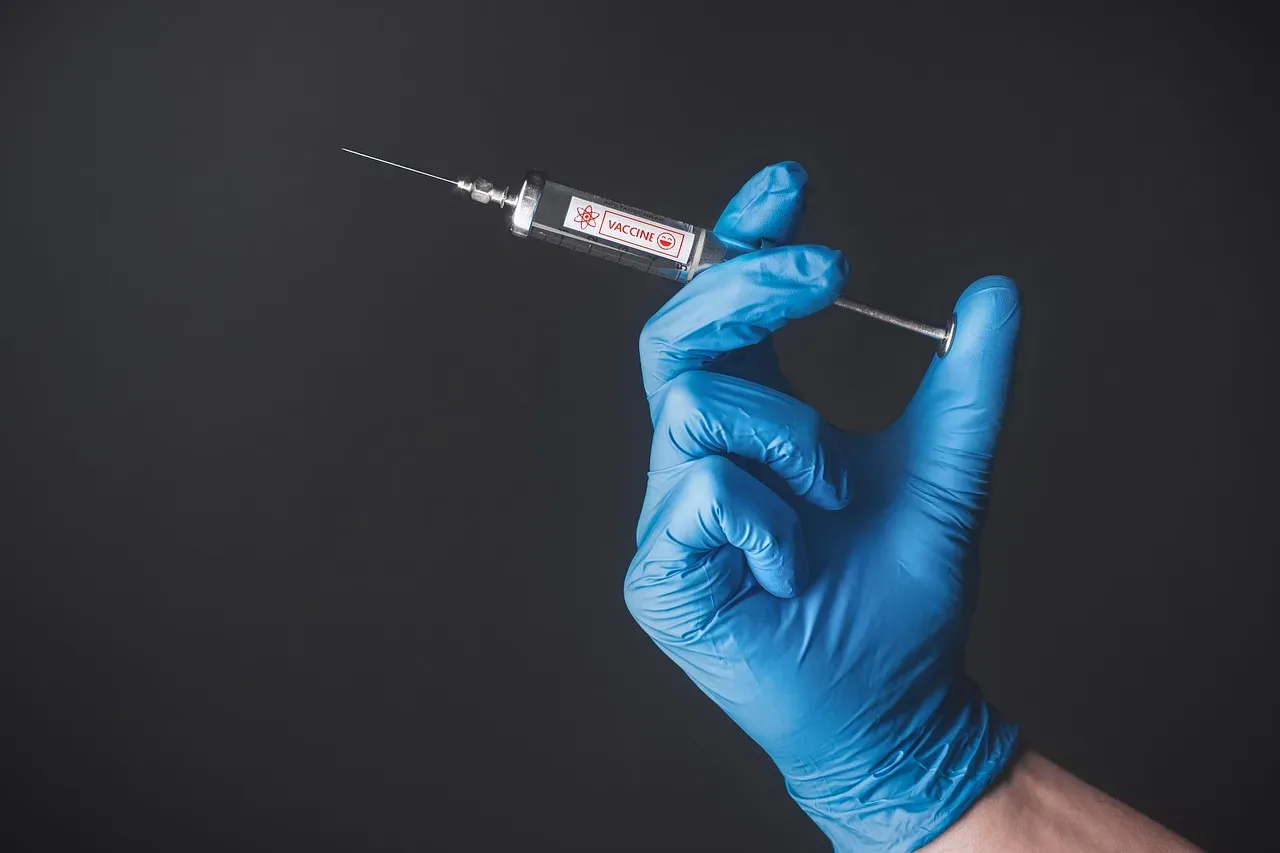
For many people, messenger RNA (mRNA) vaccines exploded into view during the COVID-19 pandemic, but the technology had been quietly developing in research labs for years. mRNA vaccines work by giving our cells instructions to make a harmless piece of a virus or other target, training the immune system without using a live or weakened germ. The speed was the real shock: once the genetic sequence of a virus is known, an mRNA vaccine can be designed in weeks, not years.
What’s really revolutionary is that mRNA is a platform, not just a one-off trick. Scientists are now testing mRNA-based candidates for influenza, RSV, HIV, and even some cancers, where the vaccine is custom-made to train your immune system to recognize the exact mutations in your tumor. We are still figuring out how durable these responses are, how best to deliver the doses, and which diseases they fit best – but mRNA has clearly shifted vaccine development from slow, industrial chemistry to rapid, programmable biology.
3. CAR-T and Next-Gen Cell Therapies: Teaching the Immune System New Tricks
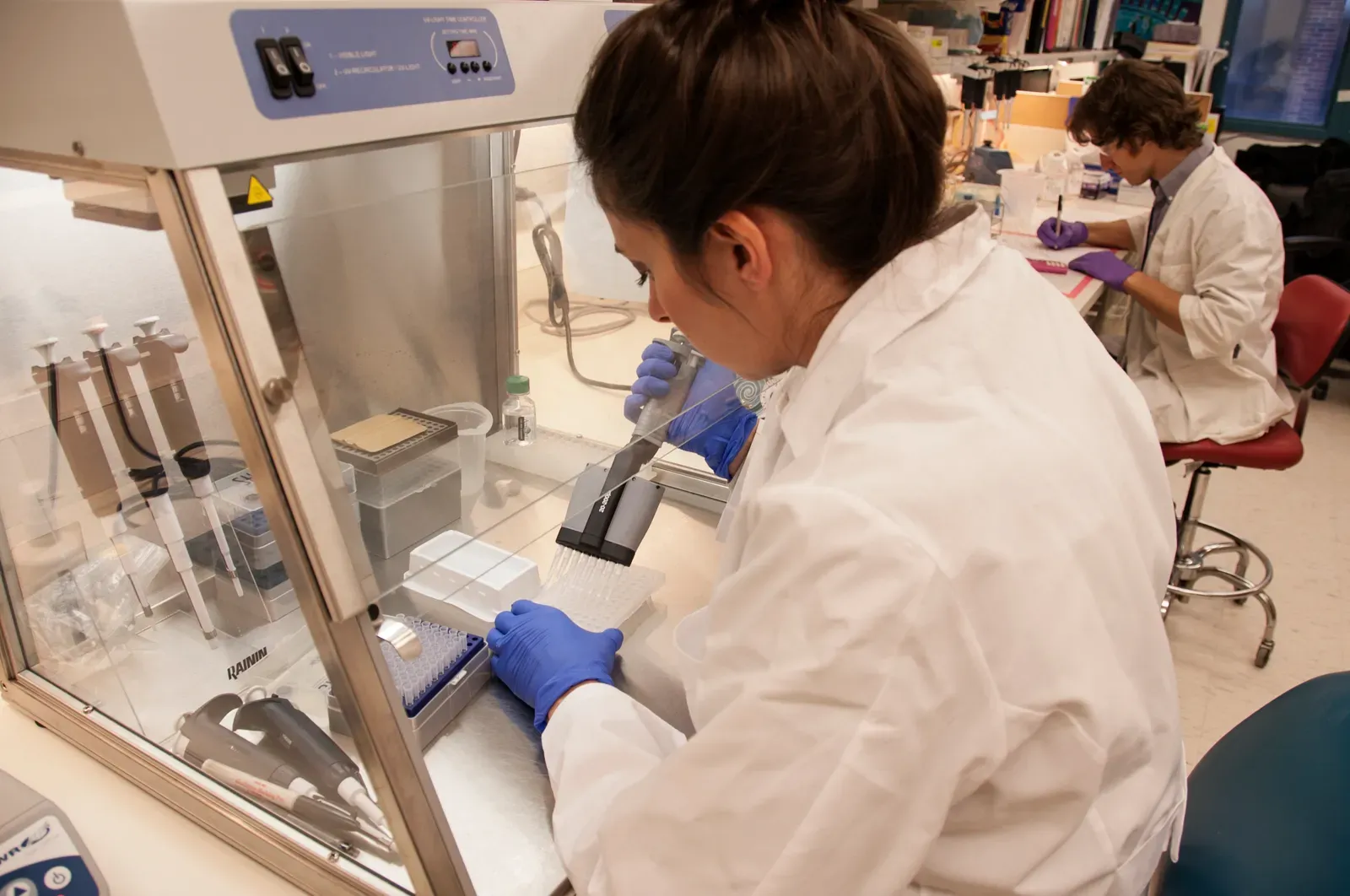
The idea of your own immune cells being taken out, reprogrammed, and sent back in as cancer assassins sounds like superhero lore, but that is essentially what CAR-T cell therapy does. Doctors collect a patient’s T cells, modify them in a lab to recognize a specific cancer marker, grow millions of copies, and then infuse them back into the bloodstream. For some forms of blood cancer that had resisted everything else, this approach has led to deep, long-lasting remissions in patients who were out of options.
The first wave of CAR-T therapies has focused mostly on leukemias and lymphomas, but the field is now rapidly experimenting with new targets and designs. Researchers are looking at ways to apply similar strategies to solid tumors like lung or breast cancer, to autoimmune diseases, and even to conditions like lupus by redirecting the immune response. There are real downsides – severe side effects, sky-high prices, and complex logistics – but the basic proof that we can reprogram human cells as living drugs is a line in the sand for modern medicine.
4. AI-Powered Diagnostics: A Second Pair of Superhuman Eyes
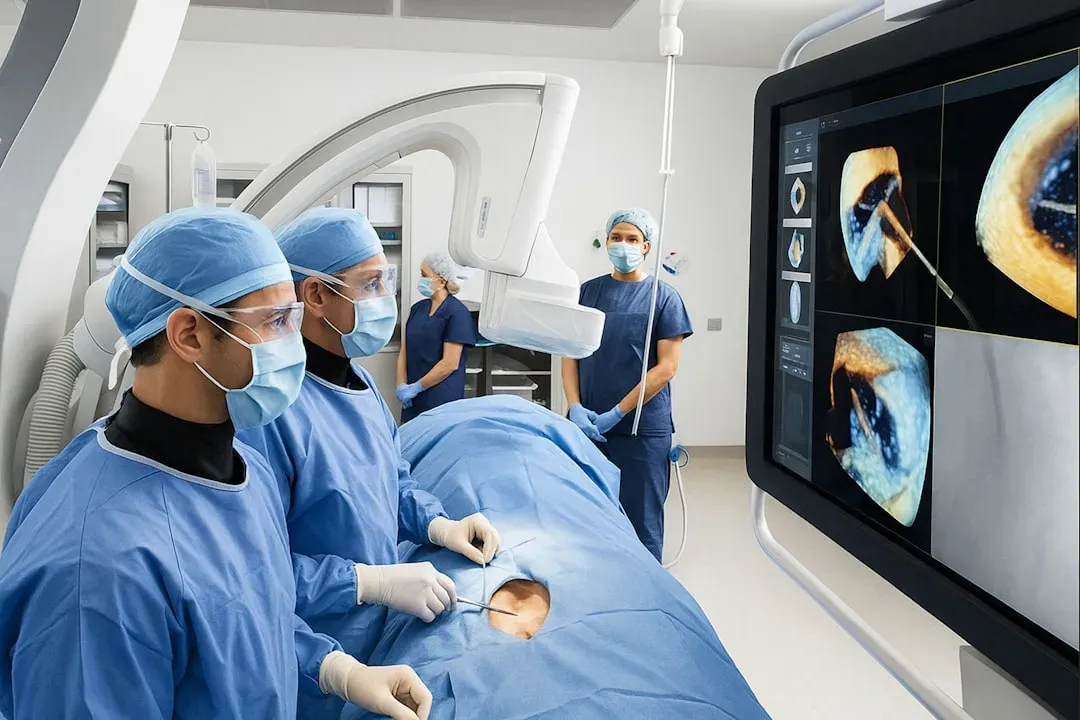
Artificial intelligence in medicine used to mean clunky decision-support tools that nobody trusted; now, advanced algorithms are reading scans and lab results in ways that often rival specialists. In radiology, for instance, AI systems are being trained on hundreds of thousands of images to spot early signs of lung nodules, breast tumors, strokes, and fractures that a tired human might easily miss. It is like giving every radiologist a tireless assistant that never blinks and has seen more cases than any single person ever could.
But AI diagnostics are not just about imaging. Algorithms are helping flag dangerous heart rhythms on wearable devices, analyze retinal photos to predict cardiovascular risk, and sift through electronic records to predict who might deteriorate on a hospital ward. The big challenge now is not whether AI can work, but how to use it responsibly: avoiding bias, integrating it into workflows without overwhelming clinicians, and making sure it supports human judgment instead of quietly replacing it. We are still in the early chapters, but the trajectory is clear – medicine is becoming far more data-driven and pattern-aware than the human brain alone can manage.
5. Liquid Biopsies: Detecting Cancer from a Simple Blood Draw
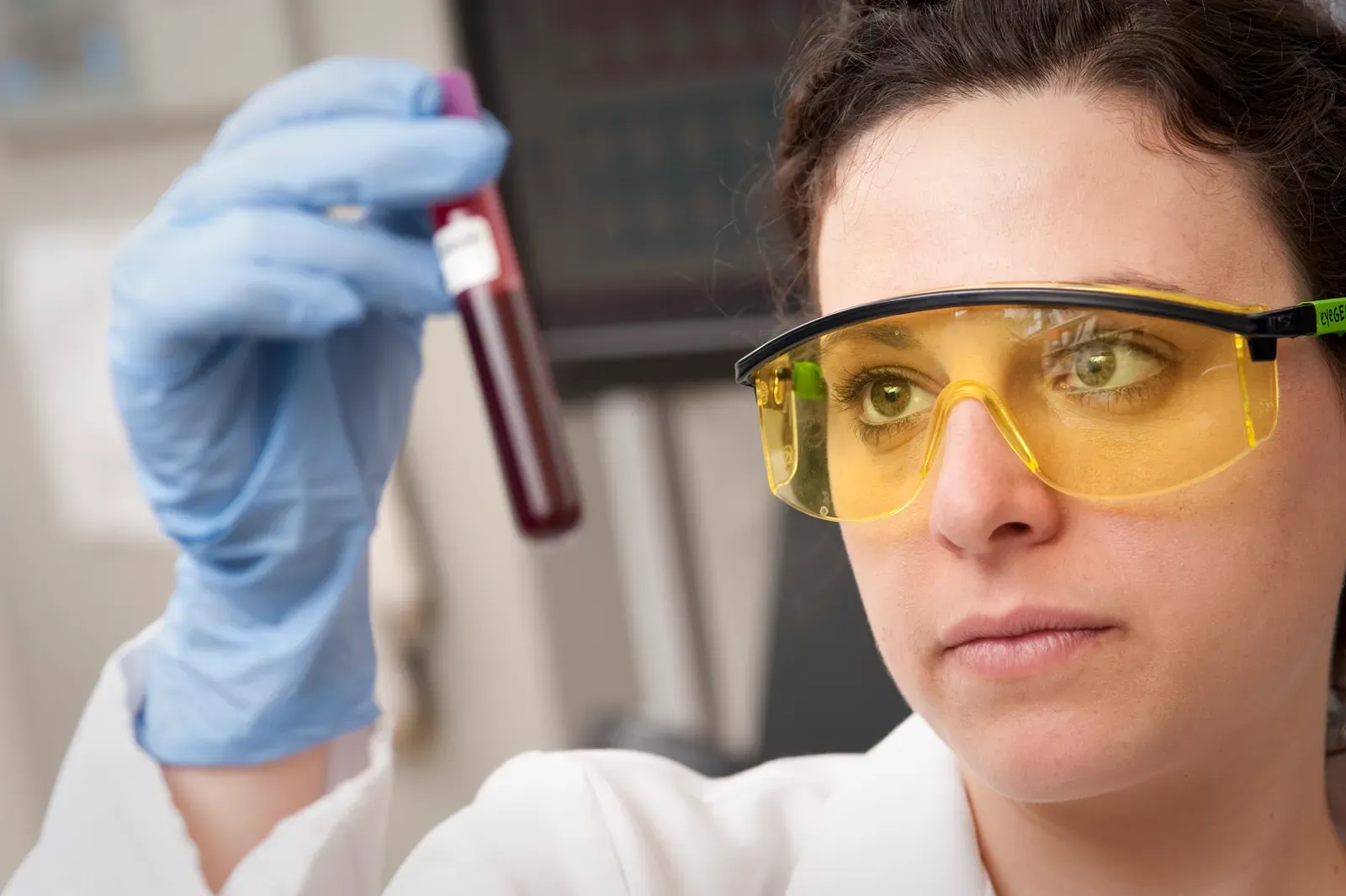
For decades, finding cancer early usually meant imaging, invasive biopsies, or noticing symptoms once a tumor was already causing trouble. Liquid biopsy flips that script by looking for traces of cancer – tiny DNA fragments, cells, or other markers – floating in the bloodstream. With a single tube of blood, sophisticated tests can sometimes identify the presence of a tumor, track how it is evolving, and even spot resistance mutations as they arise.
Right now, liquid biopsies are particularly helpful in monitoring people who already have cancer, allowing doctors to gauge how well treatment is working without repeated tissue biopsies. There are also ambitious efforts to develop multi-cancer early detection tests that could flag several types of cancer long before symptoms appear. The science is promising but also tricky: the signals are faint, the risk of false positives is real, and not every early-detected cancer actually needs aggressive treatment. Even so, the possibility of moving from late-stage discovery to earlier, less invasive detection is one of the most hopeful trends in oncology.
6. Regenerative Medicine and Stem Cells: Repairing Instead of Replacing
![6. Regenerative Medicine and Stem Cells: Repairing Instead of Replacing ([1] Direct
StemBook Figure 4 Illustration of stem cell control by the niche.Secker, G.A., and Daniels, J.T., Limbal epithelial stem cells of the cornea (June 30, 2009), StemBook, ed. The Stem Cell Research Community, StemBook, doi/10.3824/stembook.1.48.1, http://www.stembook.org., CC BY 3.0)](https://nvmwebsites-budwg5g9avh3epea.z03.azurefd.net/dws/d9069975f5a315fe2ec6997825b2361c.webp)
Medicine has long been good at cutting out, patching up, or replacing broken parts; regenerative medicine asks a different question: what if we could coax the body to rebuild itself? Stem cells, with their ability to turn into many different tissues, sit at the heart of this idea. Researchers are using them to repair damaged hearts after a heart attack, restore vision in some eye diseases, and explore treatments for conditions like Parkinson’s disease and spinal cord injuries.
Some of the most impressive advances so far have come in areas like corneal repair and certain blood disorders, where the biology is relatively well understood. At the same time, there has been a worrying rise in unproven “stem cell clinics” that promise miracle cures without solid evidence, which makes it even more important to separate rigorous science from hype. Real regenerative medicine is slower and more cautious than the headlines suggest – but it is steadily building the foundations for a future where regenerating tissue is a standard option, not a fantasy.
7. Wearables and Continuous Monitoring: Turning the Body into a Data Stream
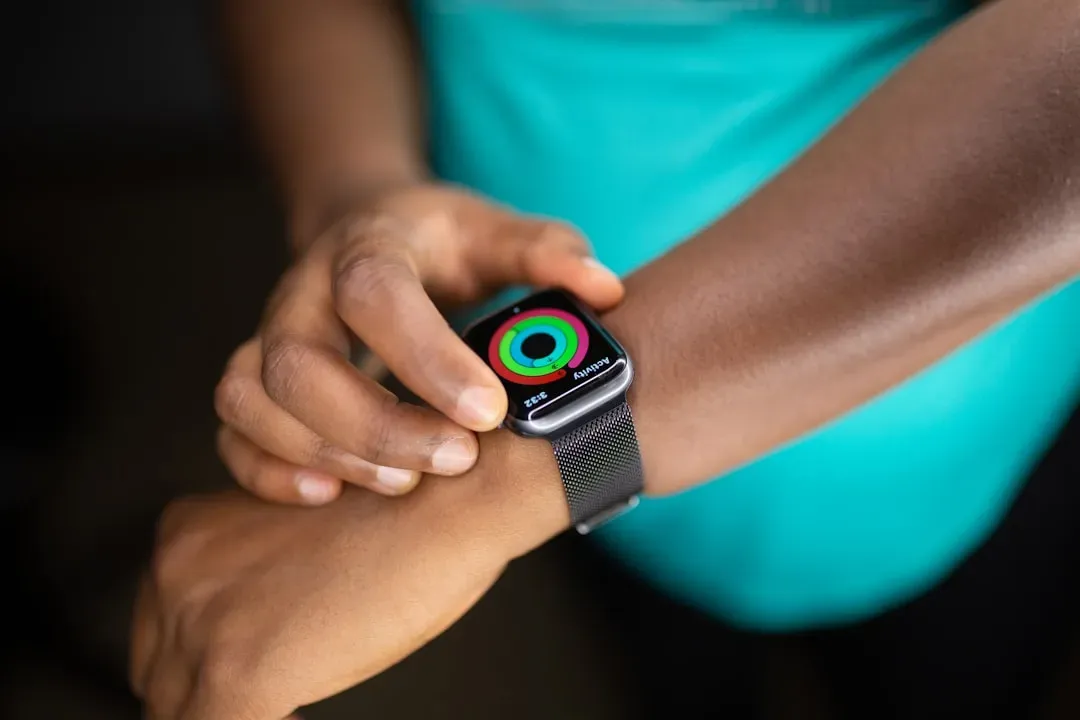
Ten years ago, tracking your health might have meant stepping on a bathroom scale once in a while; now, many people wear a device that measures heart rate, sleep patterns, movement, and sometimes even oxygen levels around the clock. These wearables started as lifestyle gadgets, but they are increasingly becoming serious medical tools. For example, smartwatches can now detect irregular heart rhythms that might signal atrial fibrillation, prompting people to see a doctor before a stroke happens.
The real power comes when continuous data feeds into health systems with smart analysis. Instead of relying mainly on occasional clinic visits and snapshots, doctors can get a moving picture of how a patient is doing in real life: whether their blood pressure is controlled, how often their asthma flares, or whether their recovery after surgery is on track. There are privacy and equity concerns – who owns this data, who benefits from it, and who gets left out – but as remote monitoring becomes more common, medicine is shifting from reactive to more proactive and personalized care.
8. 3D Printing in Medicine: From Custom Implants to Bioprinted Tissues
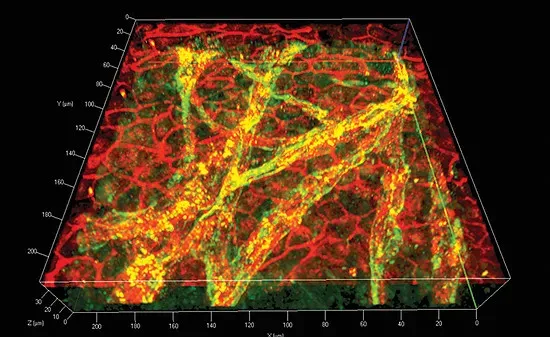
3D printing might sound like a tech hobby, but in medicine it has become a surprisingly practical tool. Surgeons now routinely print detailed models of complex organs or bones before difficult operations, allowing them to plan and practice, which can shorten surgery times and improve outcomes. Custom-made implants, such as titanium plates to reconstruct a damaged skull or jaw, can be printed to fit a patient’s anatomy almost perfectly, like a bespoke piece of engineering.
The even more futuristic frontier is bioprinting – using printers loaded with living cells and biomaterials to create tissue-like structures. Researchers have already printed simple tissues such as skin patches and cartilage for experimental use, and they are working toward more complex constructs, like mini-organs for drug testing or future transplant options. We are nowhere near printing a full working heart for clinical use, despite some exuberant headlines, but every step in that direction brings more precise, individualized, and less invasive treatment possibilities.
9. Microbiome Medicine: Treating the Ecosystem Inside You

For most of modern medical history, bacteria in the gut were seen mainly as germs to be controlled; now we know we are basically walking ecosystems. The human microbiome – the trillions of microorganisms living in and on us – affects digestion, immunity, metabolism, and even, it seems, aspects of mood and brain function. This shift in understanding has opened a new kind of therapy: instead of only killing microbes, we can sometimes heal by nurturing or reshaping them.
The clearest example so far is the treatment of recurrent Clostridioides difficile infections in the gut, where transplanting a healthy community of microbes from a donor has helped many patients when antibiotics fail. Beyond that, researchers are exploring targeted probiotics, engineered bacteria, and diet-based interventions to influence conditions ranging from inflammatory bowel disease to obesity and allergies. The science is complex and not every bold claim about the microbiome is backed by strong data, but the basic idea – that caring for our inner ecosystem can be as important as treating our own cells – is now firmly rooted in mainstream medicine.
10. Precision Oncology and Omics: Turning Tumors into Data Problems
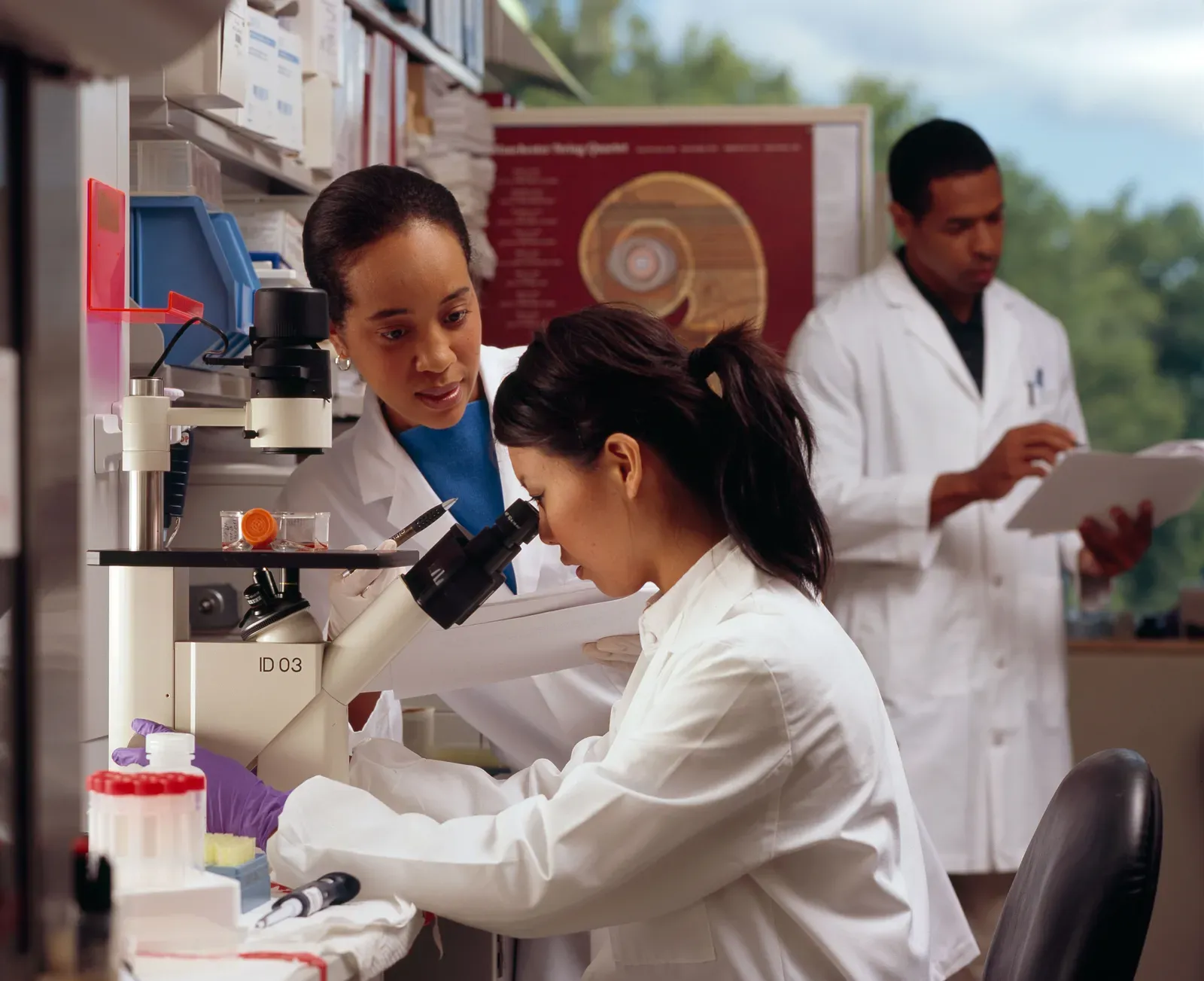
In the past, cancer treatment was mainly defined by where the tumor started – breast, lung, colon – and then sorted into broad stages. Today, more and more cancers are being classified and treated based on their molecular fingerprint: the mutations they carry, the pathways they hijack, and the proteins they overproduce. This shift, often called precision oncology, relies on powerful sequencing technologies and other “omics” tools that can map out the biology of a tumor in remarkable detail.
In practical terms, that means a patient with lung cancer might receive a targeted drug aimed at a specific mutation, while someone with a different tumor in another organ but with the same mutation might receive the very same treatment. It is an elegant, logical approach, and for certain cancers it has dramatically improved survival and quality of life. At the same time, not every tumor has a clear target, resistance eventually develops in many cases, and the cost of advanced testing and drugs can be staggering. Still, the direction is unmistakable: cancer care is becoming less about one-size-fits-all chemotherapy and more about decoding and exploiting the unique vulnerabilities of each tumor.
Conclusion: A Future That Feels Closer Than It Should
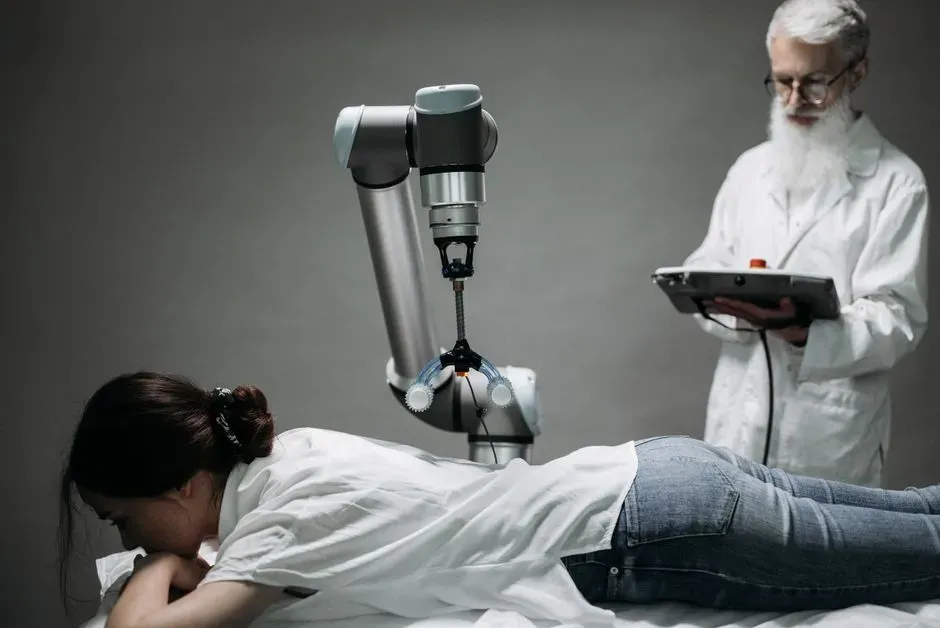
Looking across these breakthroughs, one pattern jumps out: medicine is moving from blunt instruments to fine-tuned tools. We are shifting from treating everyone the same to tailoring interventions, from waiting for disease to explode to trying to catch the first whisper of trouble, from replacing parts to nudging the body to repair itself. In my view, this is the most hopeful shift in modern healthcare, but also the most challenging, because it demands more thoughtful use of data, deeper conversations about ethics and access, and a real effort to ensure these advances are not just luxuries for the lucky few.
If I am honest, I think we tend to overestimate how quickly these innovations will fix everything and underestimate how profoundly they will reshape the basics of care over a decade or two. The next time you get a blood test, have a scan, or strap on a wearable, there is a good chance you are already touching one of these revolutions without even realizing it. The question is not whether medicine will be transformed – it already is – but whether we will guide that transformation in ways that are fair, humane, and wise. Which of these breakthroughs do you most hope will be ready by the time you need it?