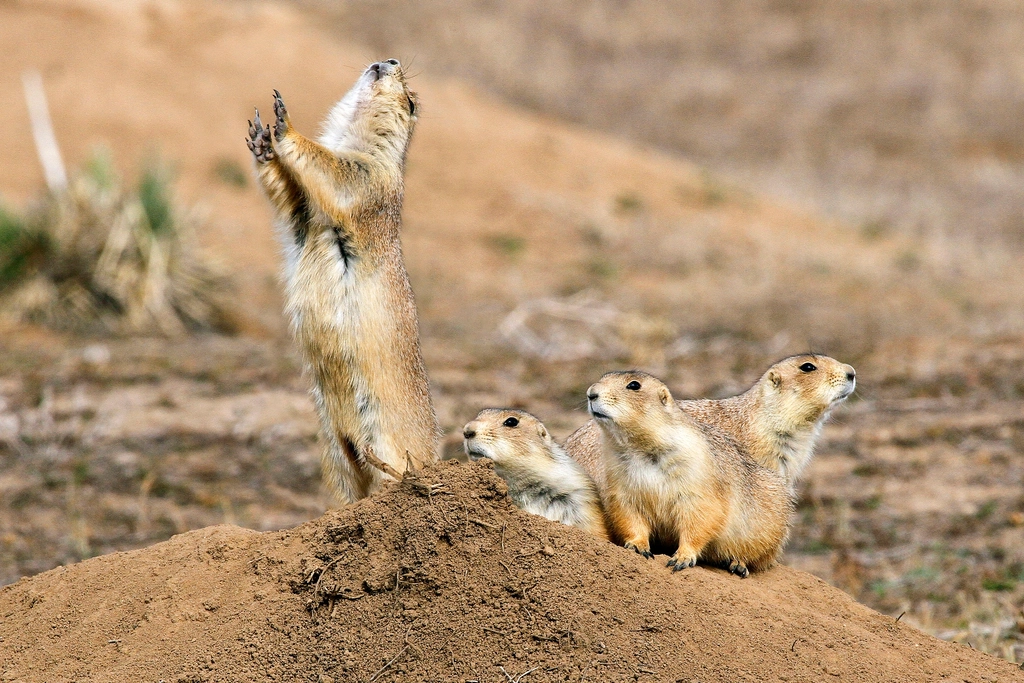

Walk past a prairie dog town and your first thought probably is not that you’re standing in one of North America’s great wildlife powerhouses. You see knee‑high mounds, little tan bodies popping up like whack‑a‑mole characters, and you mostly hear chirps that sound more like gossip than science. Yet beneath that noisy surface is a quietly astonishing fact: these small rodents may support more other species than almost any of their rodent relatives.
I remember the first time I read that ecologists call prairie dogs “ecosystem engineers” and “keystone species.” I honestly rolled my eyes; it felt like biologists had gone a little too far trying to elevate a chubby ground squirrel cousin into a superhero. Then I started digging into the research and stories from the field, and it changed my mind. If anything, the more you learn about prairie dogs, the more it feels like we’ve massively underestimated them.
The Overlooked Keystone: Why Prairie Dogs Matter So Much
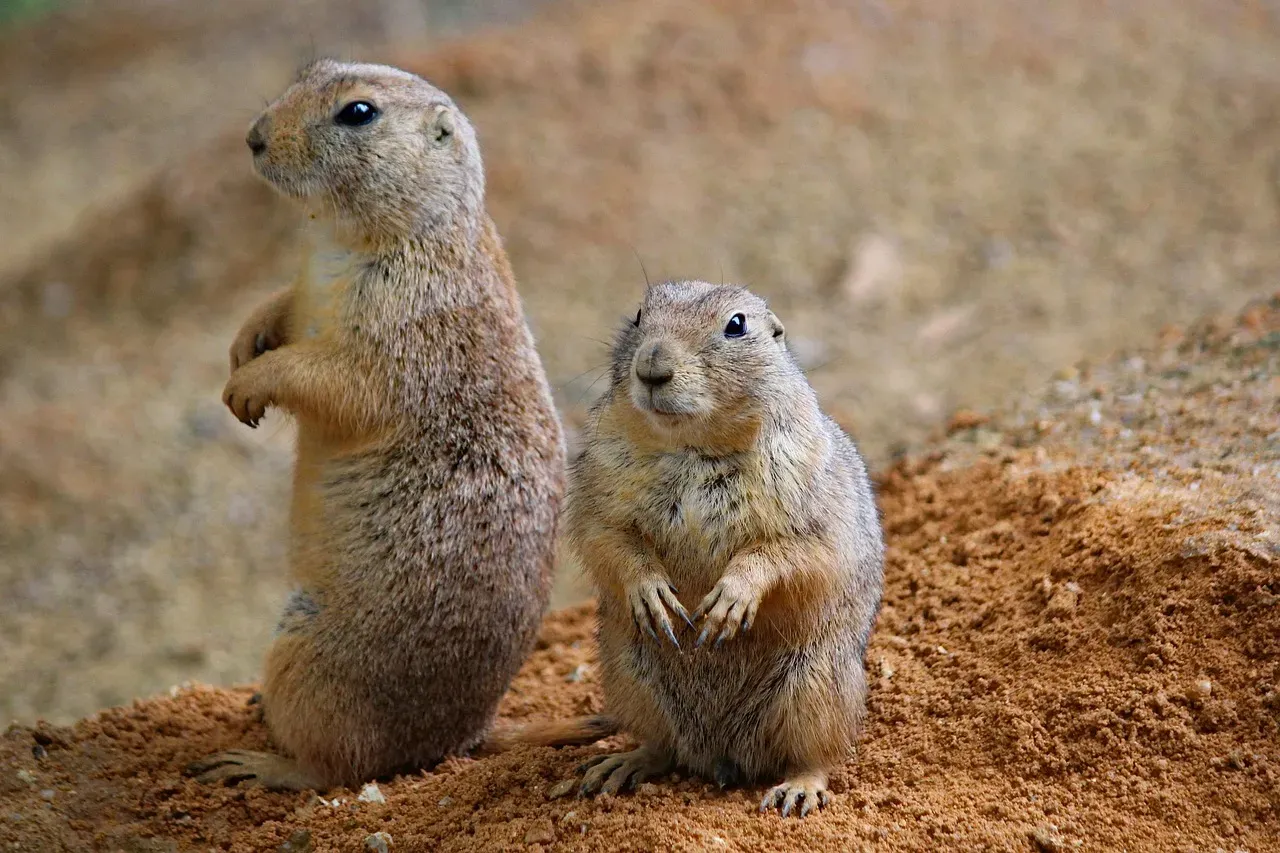
It sounds dramatic to say one little rodent can shape an entire landscape, but prairie dogs really do punch far above their weight. Ecologists have found that their colonies can host dozens of other species that either use their burrows, feed on prairie dogs themselves, or rely on the short, closely cropped grass that the colonies maintain. When you remove them, the web of life around them thins out in obvious and subtle ways.
That’s why scientists use the term “keystone species” for prairie dogs: their impact on the ecosystem is much larger than you’d expect from their size or their numbers. It’s a bit like pulling the weirdly shaped brick out of a Jenga tower; you might think it’s minor, but suddenly the whole thing shudders. With prairie dogs, the tower is the grassland, and when they disappear, raptors, small carnivores, insects, reptiles, and even certain plants can lose a crucial piece of their world.
Underground Engineers: Burrows That Reshape the Prairie
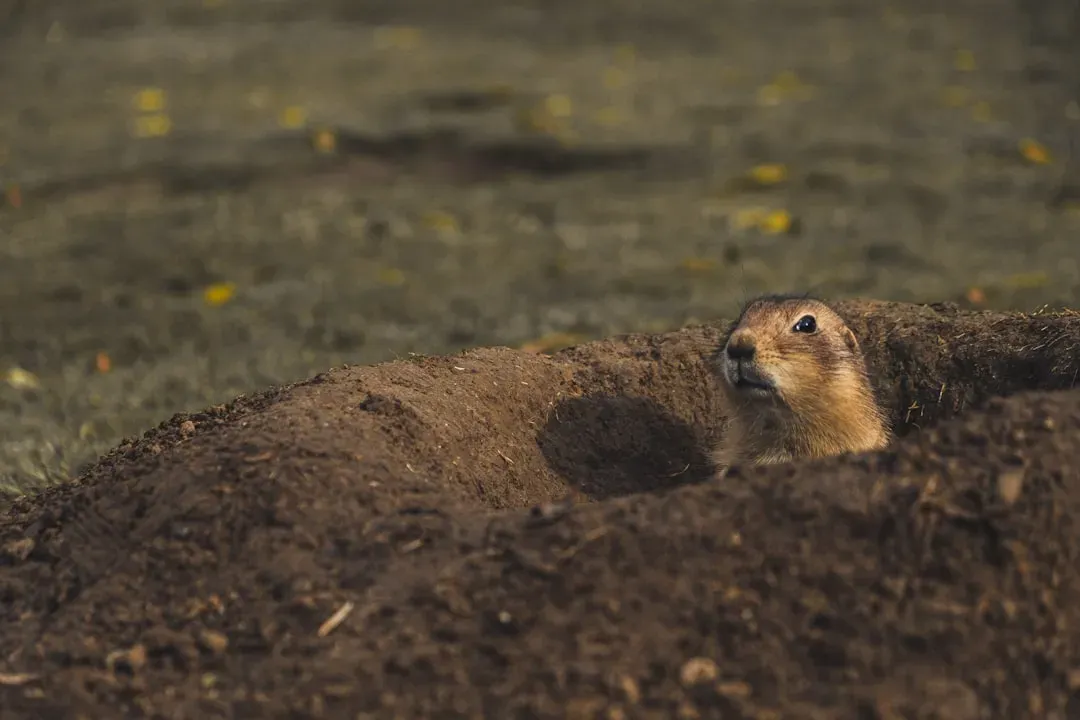
Prairie dog burrows are not just holes in the ground; they’re more like underground apartment complexes with hallways, side chambers, nursery rooms, and emergency exits. When thousands of prairie dogs dig and maintain these systems, they physically rework the soil over large areas. This constant churning changes how water flows into the ground, how air gets into the soil, and how roots spread through it.
That underground redesign matters for other wildlife. Their burrows become shelters for snakes, toads, rabbits, beetles, and even some ground‑nesting birds that tuck themselves near the mounds for better visibility. The loosened soil can hold water differently than undisturbed ground, creating micro‑pockets of moisture that help certain plants survive dry spells. In a quiet way, prairie dogs are doing free landscaping and irrigation work for the rest of the prairie community.
Buffets for Predators: Feeding an Entire Food Web
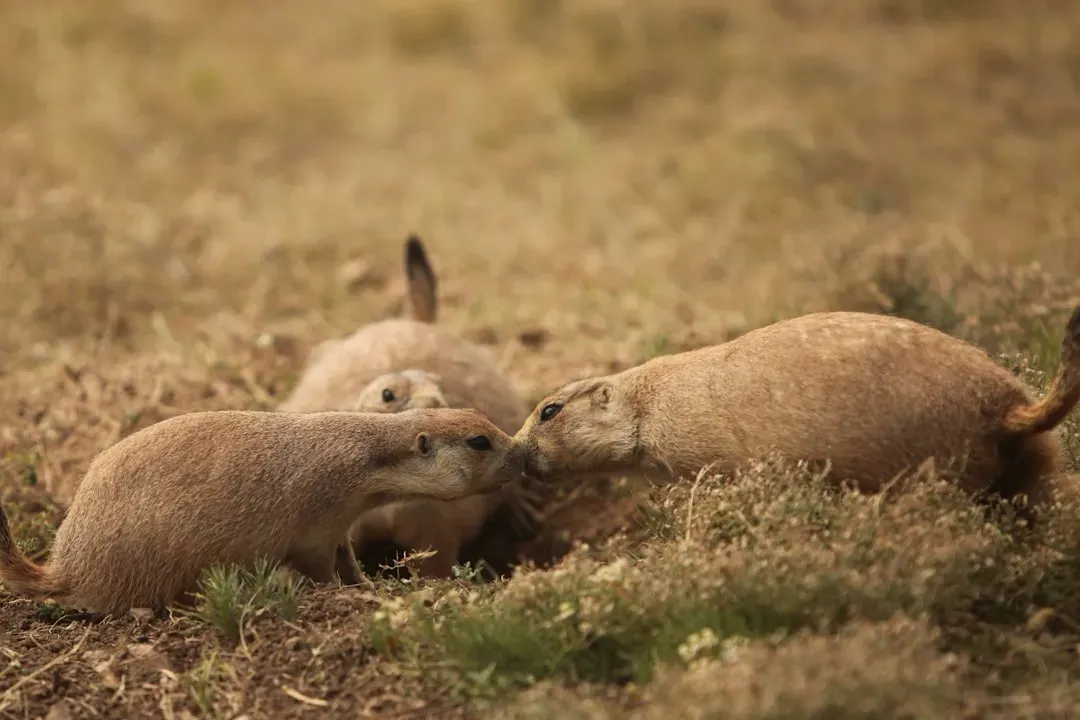
From the point of view of a hawk, eagle, or coyote, a prairie dog town is basically an all‑you‑can‑eat buffet with built‑in visibility. Prairie dogs are big enough to be worth the effort and common enough that predators can specialize on them. Raptors like golden eagles and ferruginous hawks often hunt almost exclusively over these towns, riding thermals and scanning for any animal that hesitates just a little too long above ground.
Then there are the specialists like the black‑footed ferret, one of North America’s rarest mammals, which relies heavily on prairie dogs for both food and shelter. Some populations of carnivores and scavengers are measurably healthier and more stable when prairie dog colonies are thriving. When we poison, trap, or otherwise wipe out these rodents, we’re not just removing one prey species; we’re basically closing the main restaurant in town for a whole lineup of predators.
Housing Market for Wildlife: Who Moves Into Prairie Dog Towns
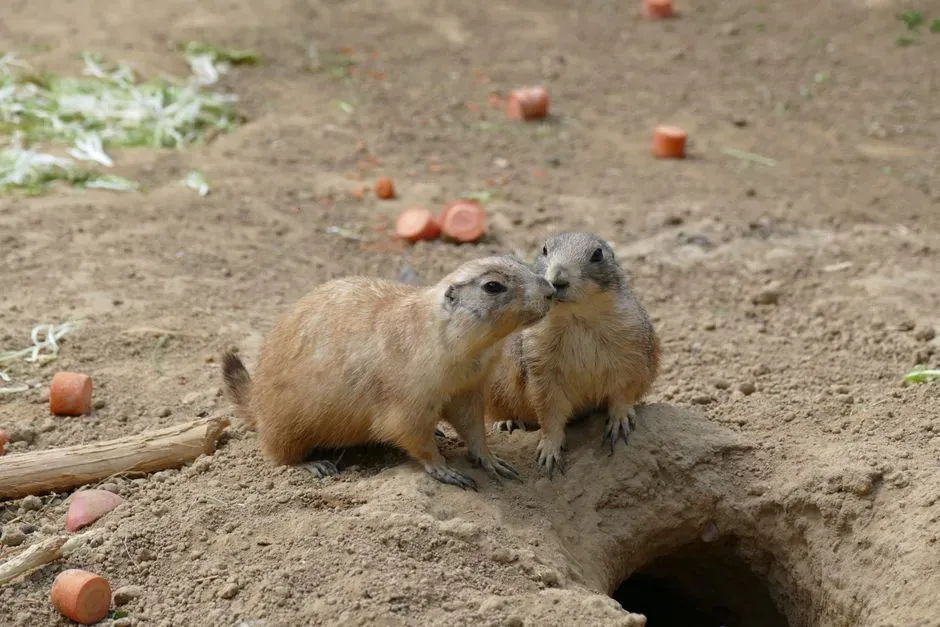
Think of prairie dog colonies as surprisingly desirable real estate. Abandoned or side‑branch burrows become ready‑made homes for animals that cannot or do not dig as well: burrowing owls use these tunnels to nest, hiding their eggs and chicks deep below ground while standing on the mounds like tiny sentries. Snakes tuck into side chambers to escape extreme heat or cold, and toads slip underground to avoid drying out in harsh summer conditions.
Even mammals that seem quite different, like badgers or swift foxes, are often found in or near these towns. Some dig out parts of the existing tunnels; others lurk at the edges where the soil is already softened and the prey density is high. The end result is that a single prairie dog town becomes a layered community: prairie dogs up top, a rotating cast of guests and squatters below, all stacked into the same patch of ground like a living apartment block.
Grassland Gardeners: How They Mow, Fertilize, and Transform Plants
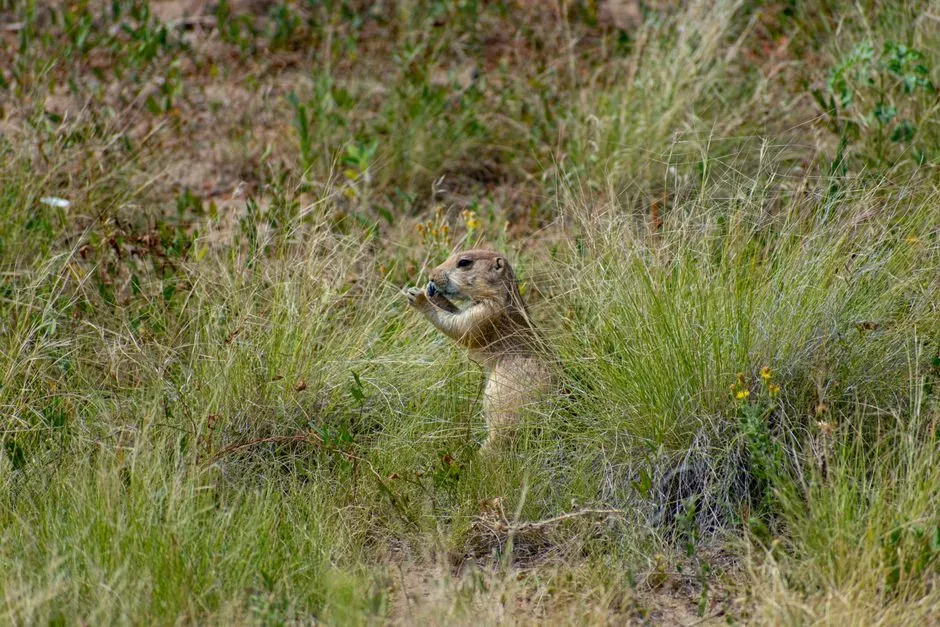
Prairie dogs are relentless grazers, nibbling plants close to the ground to maintain better visibility for spotting predators. At first glance, it looks destructive, like a lawn mowed too short. But that intense, repeated grazing can actually stimulate some grasses to grow more densely and can increase the nutritional value of young plant shoots, turning prairie dog towns into salad bars for herbivores ranging from insects to pronghorn.
Their droppings add nutrients back into the soil, lightly fertilizing the areas they use most heavily. Over time, this mix of grazing and fertilizing can create plant communities that differ from nearby untouched grassland. Some wildflowers and grasses appear more often in and around colonies, and those changes ripple outward: different plants mean different insects, which attract different birds, which in turn feed other predators. It is a cascading effect, all rooted in the daily nibbling habits of these rodents.
Soil, Water, and Climate: Tiny Bodies, Big Ecosystem Effects
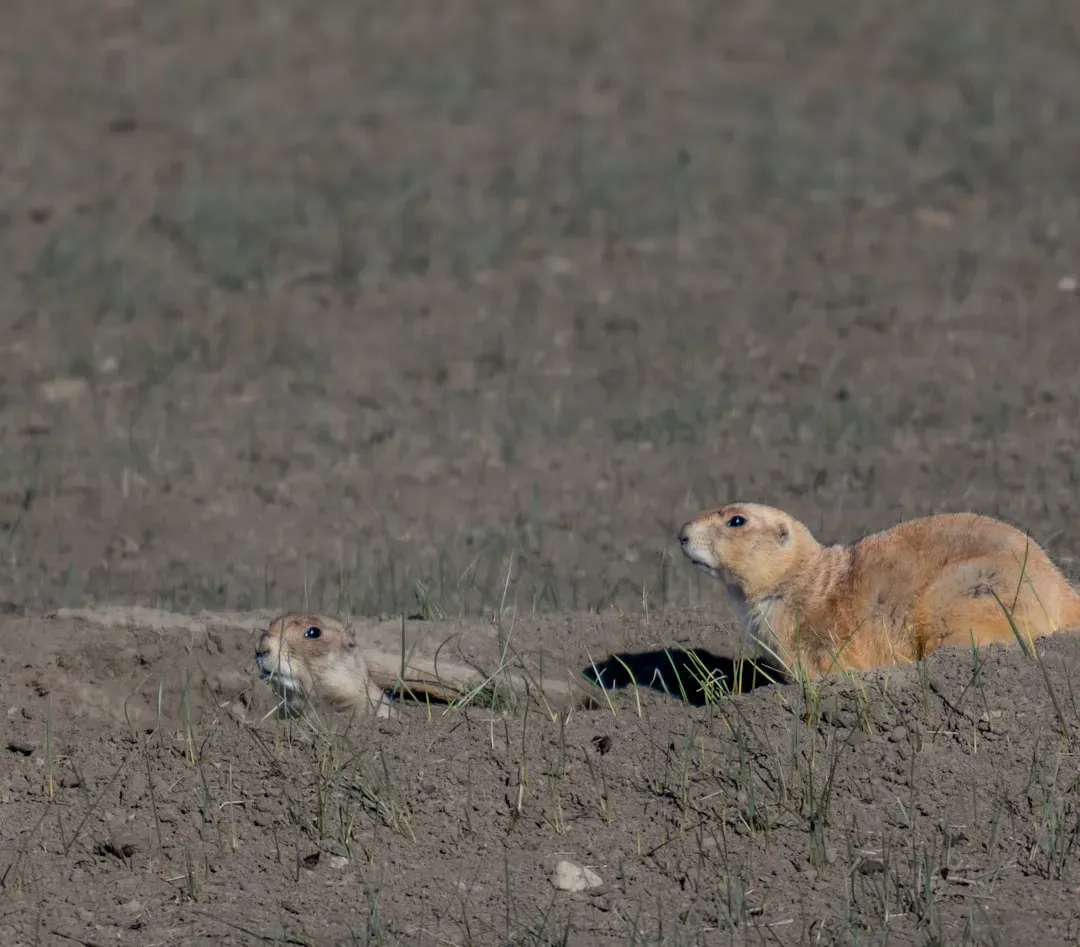
By opening the ground with their tunnels, prairie dogs help air and water move more deeply into the soil. That can improve how well the ground absorbs heavy rains, reducing surface runoff and erosion in some conditions. Their mounds redirect small trickles of water and create tiny elevation changes that may sound trivial but can matter when you scale them across hundreds of acres.
Healthy, well‑structured soils are also better at storing carbon in plant roots and soil organic matter. While prairie dogs are not turning the climate crisis around on their own, their engineering supports the kind of deep‑rooted grasslands that can lock away carbon for long periods of time. In a world obsessed with tree planting, it is easy to forget that intact prairies – often built and maintained by creatures like prairie dogs – can be just as important in the quiet, long game of climate stability.
Comparing Prairie Dogs to Other Rodents: What Makes Them Stand Out
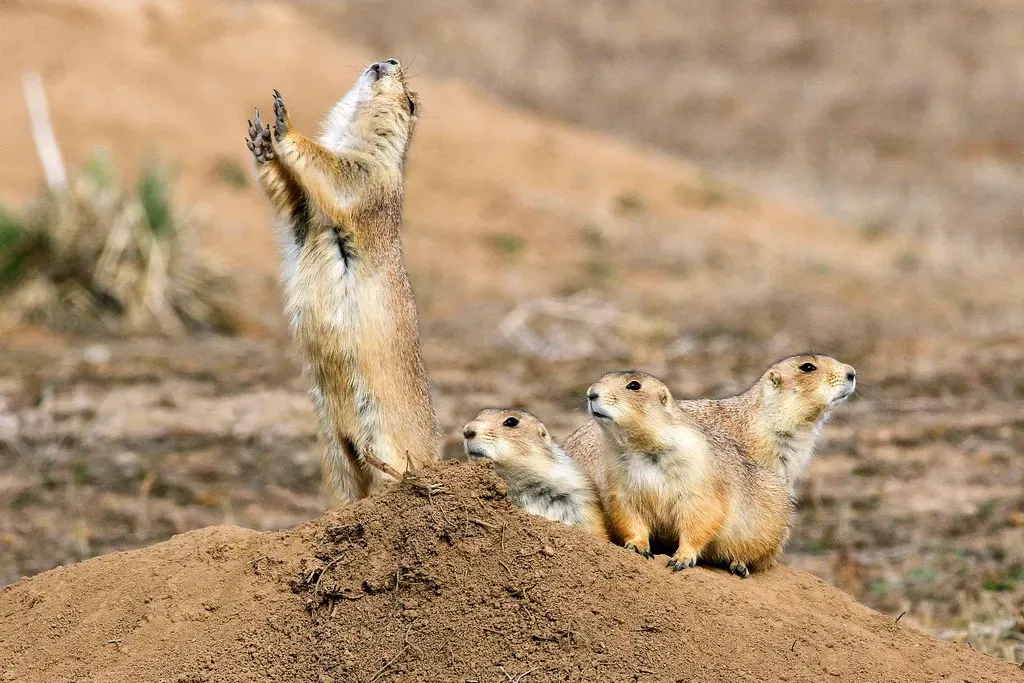
Plenty of rodents are ecologically important. Beavers reshape entire rivers and wetlands with their dams, and squirrels help spread seeds for forests. But when biologists look at how many species a single rodent supports directly and indirectly, prairie dogs land near the top of the list. Their combination of burrow building, heavy grazing, and role as prey creates a three‑in‑one package that many other rodents simply do not match.
Unlike small, scattered rodents that live more solitary lives, prairie dogs form large, dense colonies that occupy significant chunks of landscape. That concentration means their influence is not just local but visible at the scale of entire valleys and plains. In other words, it is not that other rodents do not matter; it is that prairie dogs matter in a particularly broad, multi‑layered way. They are, arguably, one of the most socially and ecologically influential rodents on the continent.
Human Conflicts and Misconceptions: Pest or Natural Asset?
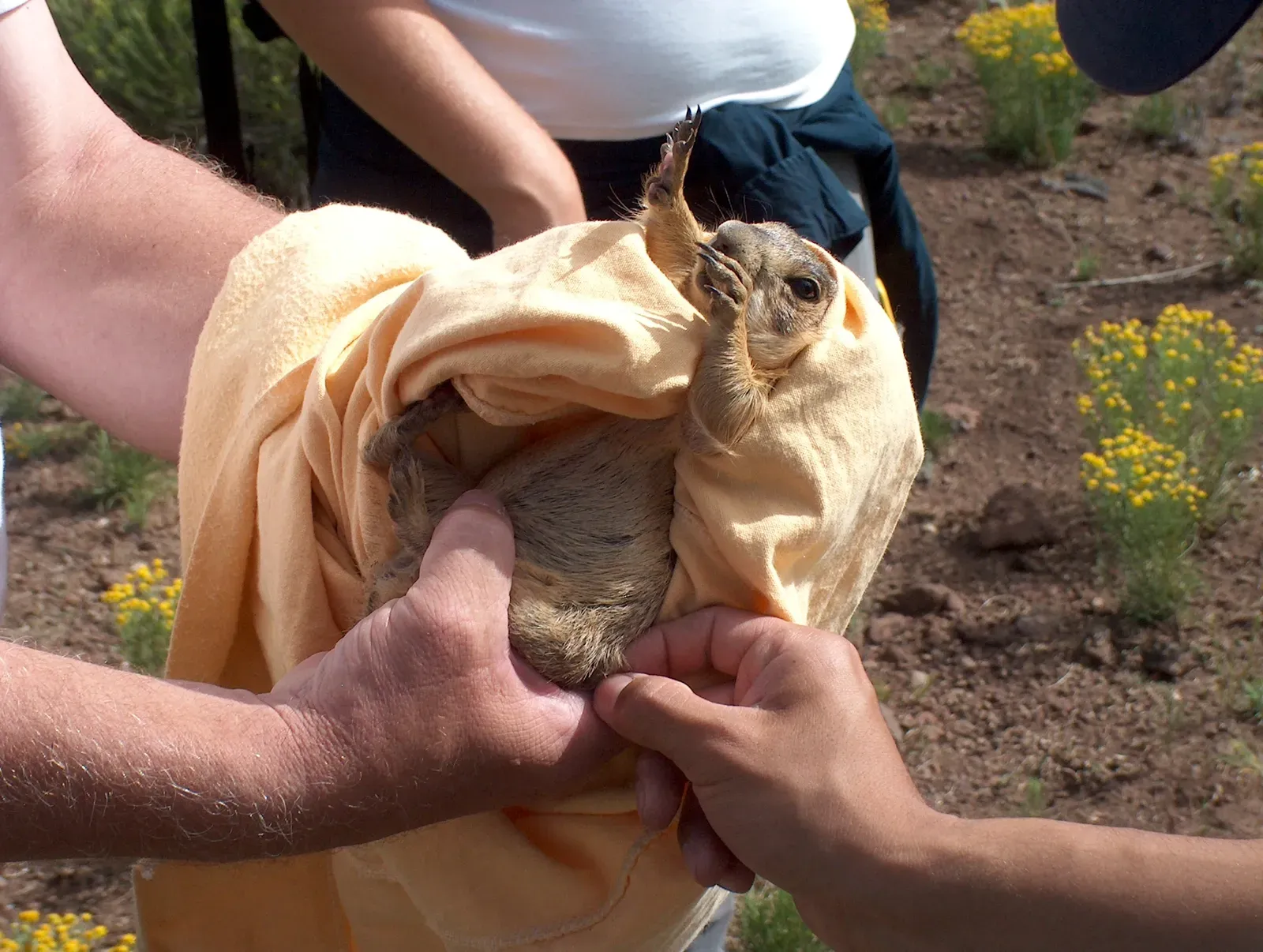
Despite their ecological value, prairie dogs have been heavily persecuted for well over a century. Ranchers often see them as competitors for grass, believing they reduce forage for cattle, and some landowners worry about livestock stepping into burrows and being injured. As a result, entire colonies have been poisoned, shot, or bulldozed, sometimes over vast areas that once held thriving prairie dog towns.
The reality is more nuanced than the simple pest narrative. Research suggests that while very dense colonies can reduce grass available for livestock right on the town itself, the surrounding areas can actually become more nutritious and diverse. And the economic cost of occasional conflicts is often weighed without counting the ecological services prairie dogs provide: supporting predators that control other pests, enhancing soil, and sustaining biodiversity that many people travel long distances to see. When we label them as mere nuisances, we erase a big chunk of what makes grasslands vibrant and resilient.
Saving the Prairie Dog, Saving the Prairie
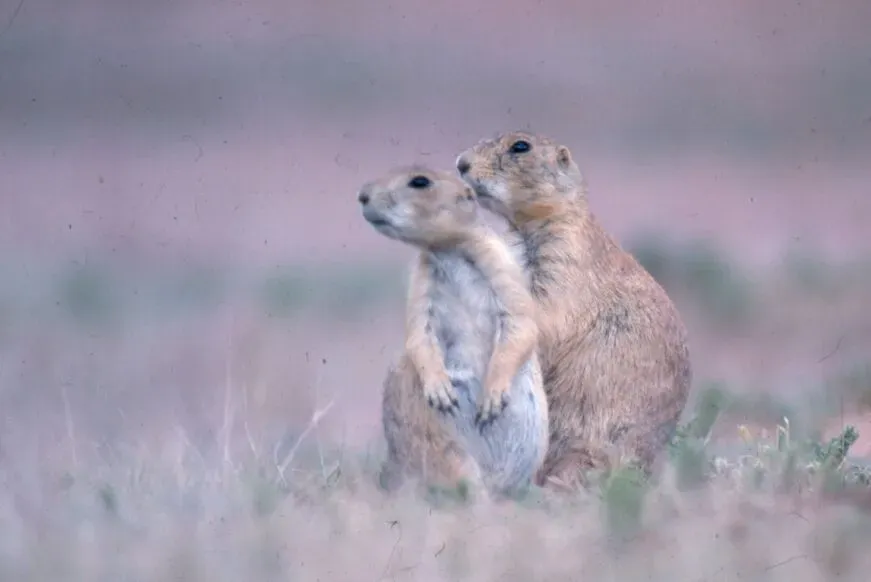
Conservation efforts around prairie dogs are, in many ways, attempts to safeguard entire prairie ecosystems. Protecting their colonies means protecting black‑footed ferrets, burrowing owls, grassland raptors, and a long list of less famous species. Some land managers now experiment with coexistence strategies, setting aside core prairie dog areas while grazing cattle in surrounding zones, trying to balance ecological health with economic needs.
From my own perspective, the shift in how we talk about prairie dogs is overdue but encouraging. We are slowly moving from seeing them as targets to seeing them as partners, from trying to erase them to asking how to live alongside them without losing livelihoods. It will never be perfectly tidy or free of friction, but that messy, negotiated coexistence is probably the most honest expression of what conservation looks like in working landscapes.
Conclusion: A Small Rodent With Outsized Responsibilities
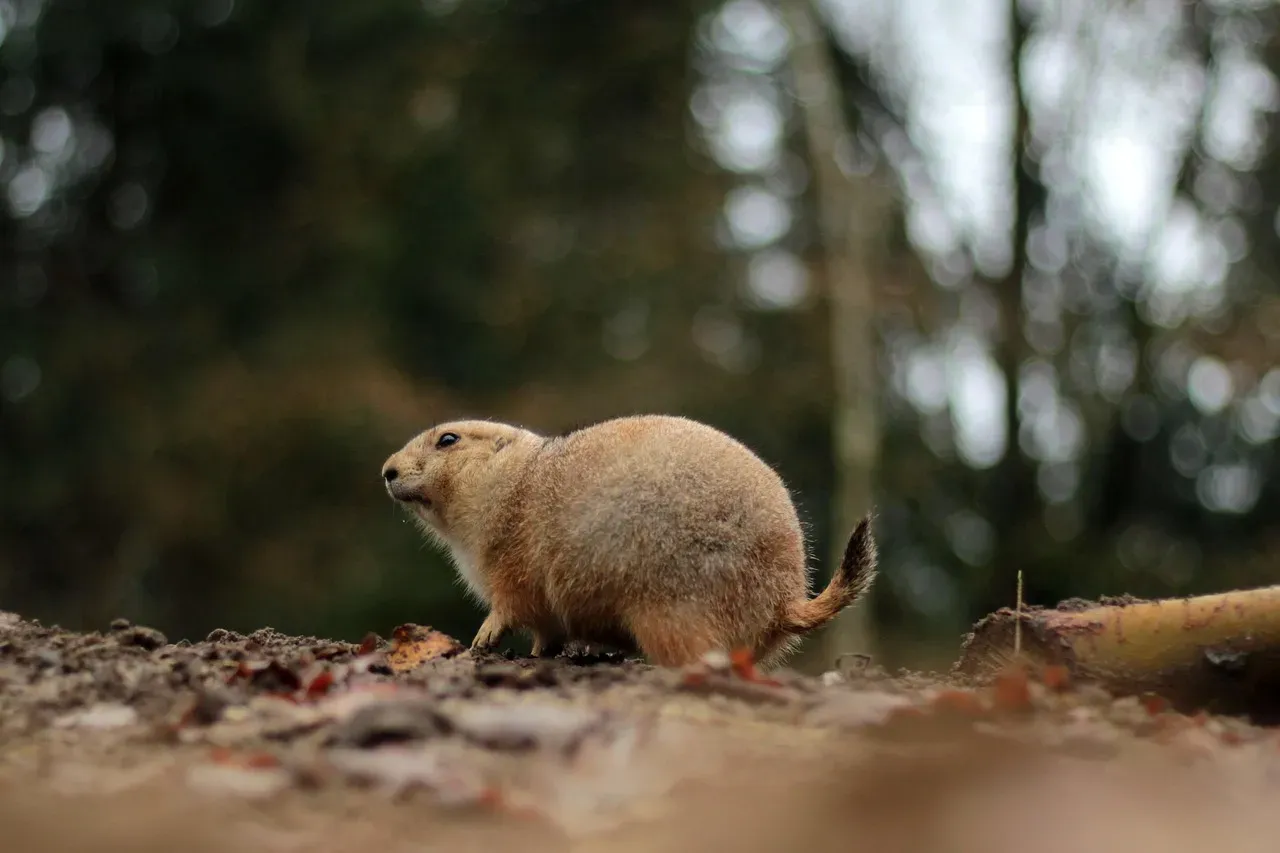
When you step back and look at the evidence, it is hard not to land on a blunt conclusion: prairie dogs deserve their reputation as one of the most ecologically important rodents in North America. They dig the homes that others use, supply the calories that predators depend on, and mow and fertilize the grasslands in ways that shape soil, water, plants, and climate. In a world where many landscapes are simplified down to just a handful of tolerated species, their towns are stubborn pockets of complexity and life.
My own opinion is that we have been far too casual about wiping out such a foundational creature, and that attitude says more about our impatience and fear than about any real scientific logic. Prairie dogs are not perfect neighbors, but neither are we, and yet they still manage to hold entire communities together by simply doing what they evolved to do. Maybe the real question is not whether , but whether we are willing to value that help even when it occasionally inconveniences us. The next time you see one pop out of a burrow and bark at the sky, will you see a pest or one of the quiet architects of the prairie?