
Most people assume that once a document gets stamped “declassified,” the truth finally spills out. In reality, some of the most anticipated releases in American history arrive as page after page of thick black ink, with only a stray adjective or two left standing. Presidents change, wars end, entire generations retire – and somehow the same secrets stay buried under fresh coats of redaction.
Researchers and former insiders have a name for this: “declassification theater,” transparency in name only. But even a heavily blacked-out page leaves clues if you know how to read the silence around the ink. Here are 22 files the government officially released – and quietly made sure you still couldn’t fully see.
#22 – The Invisible-Ink Memo the CIA Guarded for Almost a Century
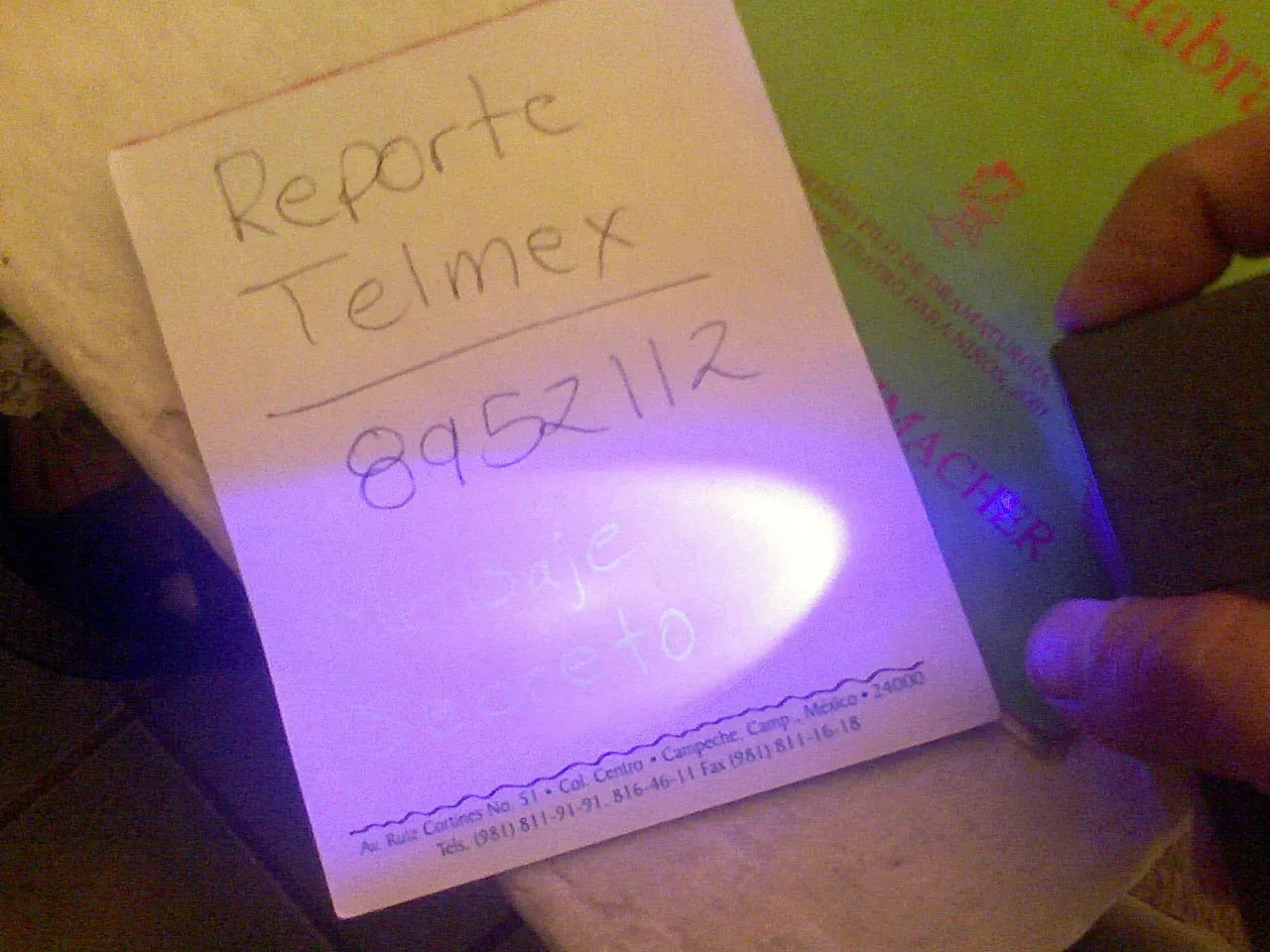
On paper, a 1917 memo about invisible ink sounds almost cute – a chemistry footnote from a war fought with horses and biplanes. But this obscure file was, for decades, one of the oldest continuously classified documents in the entire U.S. government. When the CIA finally released its World War I secret-ink and mail-interception records a few years ago, archivists found something almost comic: pages that had been reviewed and re-reviewed for generations to protect formulas that were obsolete before your grandparents were born.
The blackouts weren’t hiding coup plots or alien contact – just tradecraft a chemistry undergrad could reverse-engineer in an afternoon lab session. That’s the uncomfortable part. When over-classification gets this absurd, the redactions say more about bureaucratic habit than national security, and they leave historians asking a blunt question: if it took nearly a hundred years to release a secret-ink recipe, how many genuinely dangerous secrets are still locked in that same drawer?
#21 – The Pentagon Papers’ Famous “Eleven Words” That Refused to Die
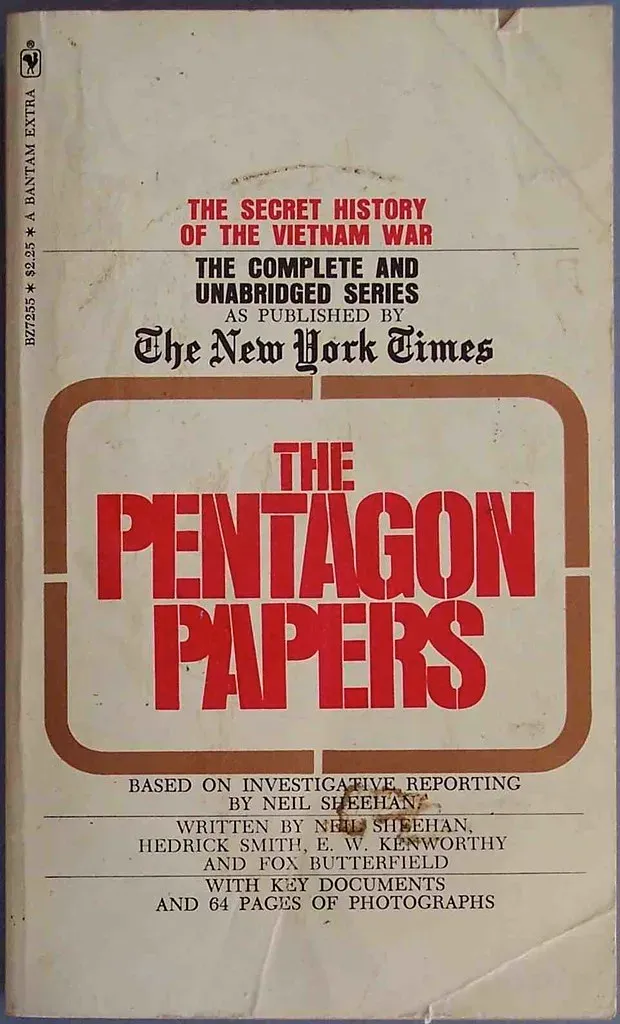
Most people assume the Pentagon Papers have been fully public since the early 1970s. Not quite. For decades, eleven tiny words in one volume technically remained classified, even while the rest of the 7,000-page Vietnam War history sat in plain sight on library shelves everywhere.
When the National Archives moved to formally declassify the Papers in 2011, reviewers initially wanted to keep those eleven words blacked out, citing national security. Then someone checked the record and found the punchline: Congress had already released that exact page, complete and unredacted, back in 1971. The government had spent forty years “protecting” a sentence the public had already read.
#20 – Project MINARET: The Secret Watch List With MLK’s Name On It
If you think mass surveillance is a post-9/11 invention, the declassified Project MINARET files are a rude awakening. In the late 1960s and early ’70s, the NSA quietly put more than 1,600 Americans on a watch list, monitoring their international communications without traditional warrants.
The names are the shocking part: Martin Luther King Jr., Muhammad Ali, civil rights leaders, journalists, even sitting U.S. senators show up in the now-declassified memos. Large blocks remain blacked out, hiding specific intercepts and techniques, but what’s visible reveals a program driven as much by political paranoia as by any credible foreign threat – which is exactly why civil libertarians say these old, censored files feel uncomfortably current.
Fast Facts
- Ran roughly from the late 1960s through the early 1970s
- Monitored the international communications of over 1,600 Americans
- Targets included Martin Luther King Jr., Muhammad Ali, and sitting U.S. senators
- Conducted without traditional court warrants
#19 – The Gulf of Tonkin Attack That Textbooks Got Wrong
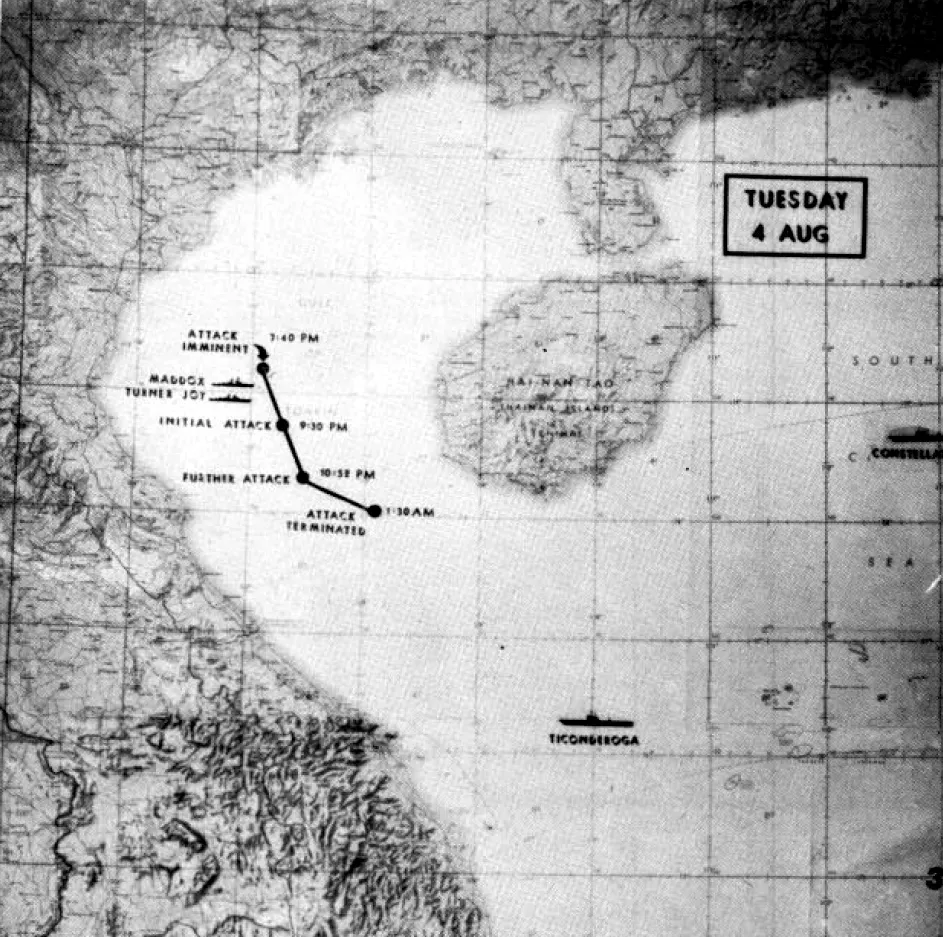
Few blacked-out pages have shaped more history than the intelligence files on the 1964 Gulf of Tonkin incident. For decades, textbooks repeated the same story: North Vietnamese forces attacked U.S. ships twice, Congress responded, and the Vietnam War escalated from there.
Only after a heavily censored NSA historical study was declassified did the official truth quietly shift. The analysis, released with key blocks of text still missing, confirms that at least one of the supposed attacks simply never happened – signals were misread and doubts inside the intelligence community were effectively buried. What’s still missing under those black bars are details about sources and inter-agency arguments that would show exactly how political pressure can warp intelligence in real time.
#18 – The Secret U.S. Plan to Build a Military Base on the Moon
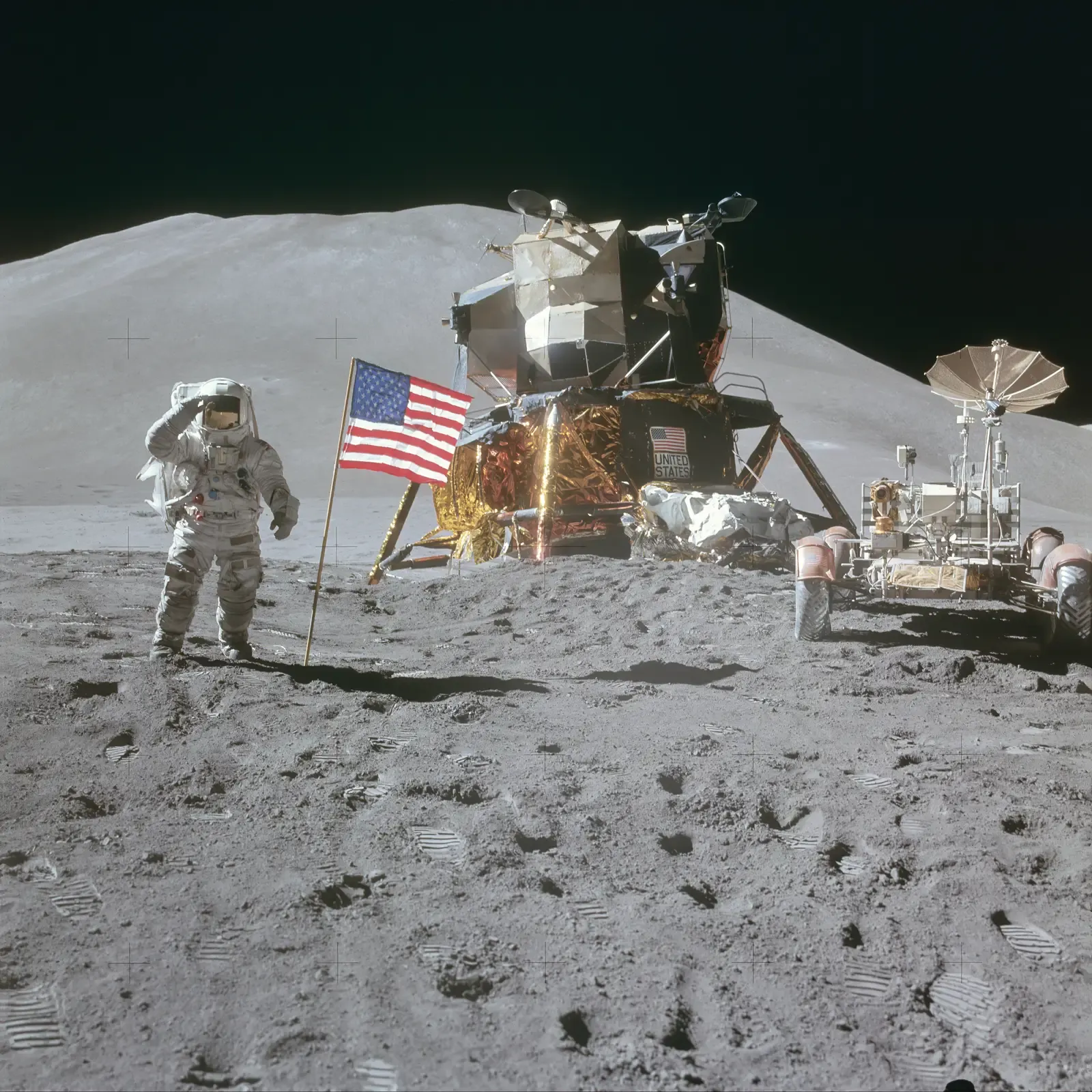
It’s not a conspiracy theory: a 1959 U.S. Army study seriously proposed building a permanent manned base on the Moon by 1966. The declassified report, codenamed Project Horizon, laid out launch schedules, underground living quarters, and even contingencies for claiming lunar territory as national ground.
Large sections were redacted, especially around dual-use possibilities like surveillance and strategic weapons emplacement, and even sanitized, the study revealed that planners weren’t fantasizing about science – they were gaming out militarized control of space at the very dawn of the space race. Later releases peeled back more of the black ink, but portions on specific sensor concepts remain obscured, probably because they quietly evolved into programs still running today.
#17 – Operation Northwoods: The False-Flag Plan a President Had to Kill Personally
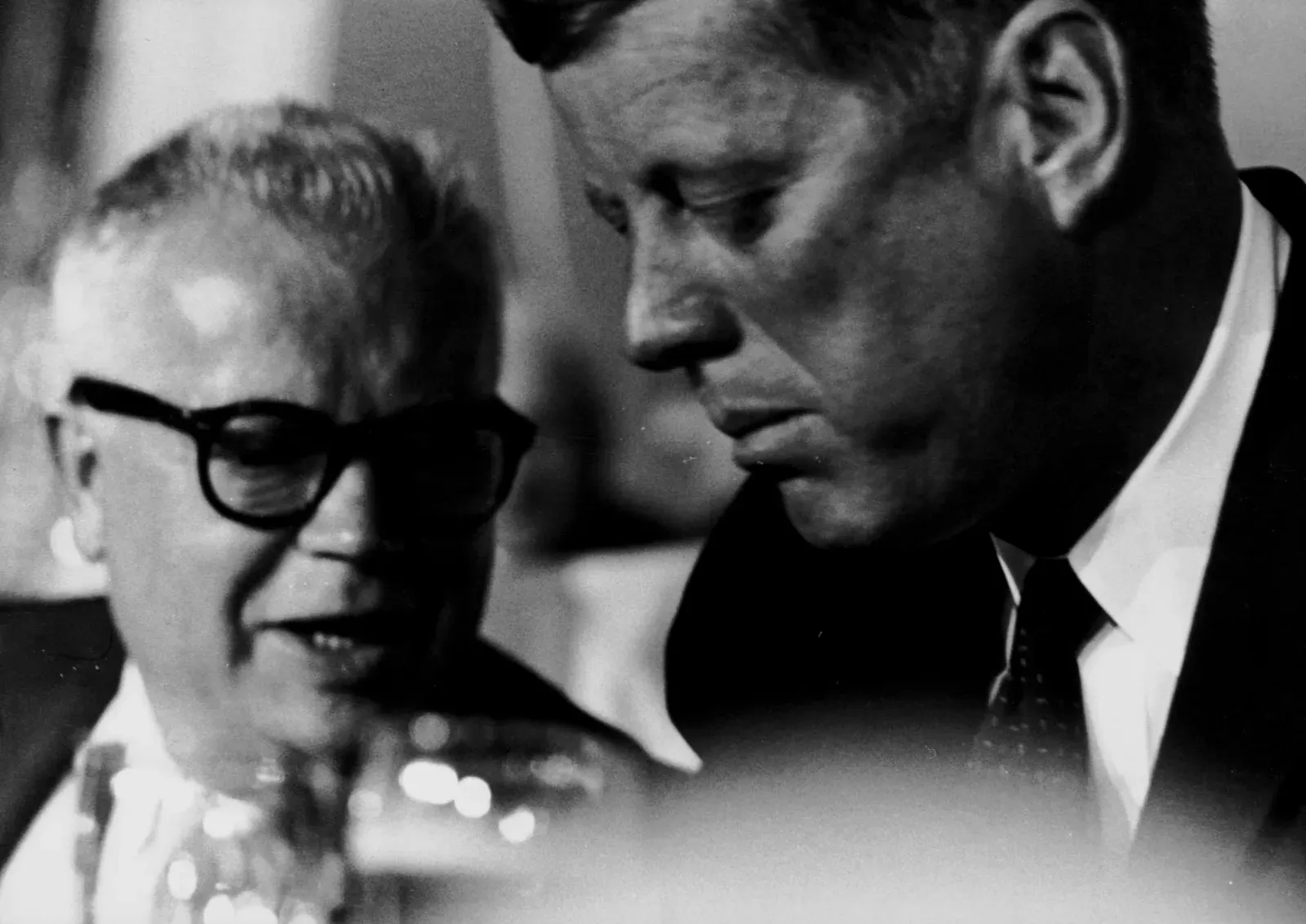
Conspiracy circles love to shout “Northwoods!” – and, for once, the declassified record really is disturbing. In 1962, senior Pentagon planners drafted proposals for staging or fabricating attacks on U.S. or allied targets as a pretext to invade Cuba, including faked hijackings and manufactured incidents at Guantánamo Bay.
The surprising detail isn’t that someone floated the idea; it’s that it climbed high enough in the chain of command to need a presidential veto. Kennedy said no. Large parts of the planning annexes remain blacked out, so we still don’t see the full list of proposed operations or the conversations that got them this far up the ladder in the first place.
#16 – The JFK Files That Are Still Missing Their Middle Pages
People assumed that by the 60th anniversary of JFK’s assassination, the government would have shown all its cards. Instead, the National Archives openly acknowledges that thousands of assassination-related records still contain redactions, despite repeated releases mandated by a 1992 transparency law.
The files that exist are an archivist’s nightmare of partial paragraphs and blanked-out names – intelligence reports on Oswald’s movements in Mexico City, CIA handling of Cuban exile groups, and FBI source networks, all technically “declassified” yet missing crucial connective tissue. Critics argue the main thing still being protected is institutional embarrassment, not live intelligence methods, but whatever the motive, the black bars keep conspiracy theories alive by inviting the public to imagine the worst.
#15 – The 9/11 “28 Pages” That Never Actually Became 28 Full Pages
For over a decade, 9/11 families and members of Congress pushed to see a classified chapter from an early congressional inquiry – known simply as “the 28 pages.” In 2016, the section was finally declassified. But not fully; large chunks remain redacted, especially where the discussion touches specific Saudi nationals and alleged financial links.
The public version confirms investigators were seriously exploring potential Saudi connections, while stressing that raw leads weren’t proof – a nuance that got lost the moment people saw blacked-out names and assumed the worst. More recently declassified FBI memos from “Operation Encore” are still heavily blacked out too, keeping alive the sense that something enormous is being hidden rather than a messier mix of half-baked tips and diplomatic sensitivities.
#14 – The Torture Memo That Confirms the Worst and Still Hides the Names
The CIA inspector general’s 2004 report on “enhanced interrogation techniques” might be the single most morally radioactive declassified document of the post-9/11 era. Even censored, it confirms the use of waterboarding, stress positions, sleep deprivation, and confinement boxes – and admits interrogators sometimes exceeded even the harsh standards that had been officially approved.
Yet whole pages are still blacked out, hiding names, locations, and operational details that aren’t trivia – they determine who could actually be held accountable. Human rights groups argue the remaining redactions protect specific officials and partner governments from legal exposure more than they protect any ongoing operation, turning what could have been a clean reckoning into an endless fight over what’s still under the ink.
#13 – The Justice Department Report That Accidentally Leaked Its Own Secret

One of the strangest redaction scandals had nothing to do with spies or war plans. In 2002, the Justice Department commissioned a report on racial discrimination inside its own ranks – and when an electronic copy circulated with the digital “veil” improperly applied, observers discovered that many embarrassing passages had been blacked out for no legitimate security reason whatsoever.
The unredacted text exposed internal critiques about hiring, promotion, and case assignment practices – none of it a national-security secret, just politically inconvenient. The black bars here weren’t hiding who built a bomb; they were blocking ordinary Americans from seeing how their own Justice Department talked about race behind closed doors, and once that leaked, it got a lot harder for agencies to claim every redaction is about keeping the public safe.
#12 – The “TOP SECRET UMBRA” Memo That Reveals a Turf War, Not a Threat
Deep inside declassified archive collections sit memos stamped “TOP SECRET UMBRA,” a codeword once reserved for the most sensitive signals intelligence. One document on NSA-CIA relations is so heavily redacted that entire paragraphs are nothing but black stripes – yet the surviving sentences reveal a bureaucratic knife fight over control of covert funding and intercept programs.
We see references to discretionary funds, special access channels, and disagreements about who gets to task which sensors, but the actual money flows and code names are gone. Fifty or sixty years later, the geopolitical context has completely changed, yet the financial arrangements are still judged too sensitive to share – the kind of file that leaves historians certain the structural story exists, while the data to prove it stays blacked out.
#11 – The Algorithm That Found America’s “Most Redacted” Documents
At Columbia’s History Lab, researchers built a “Declassification Engine” to mine millions of U.S. government records and hunt for patterns in secrecy. One of its strangest outputs: a statistical ranking of the “most redacted” documents in the system, files where censors left almost nothing standing but boilerplate.
These aren’t always the cases you’d expect – often intelligence liaison arrangements, covert operations in still-sensitive regions, or internal policy debates about controversial programs. The deeper finding is even more uncomfortable: redactions aren’t random. Certain countries, topics, and individual officials show up disproportionately behind black bars, suggesting secrecy protects some relationships and reputations far more fiercely than others.
At a Glance
- Built by researchers at Columbia’s History Lab
- Mines millions of declassified U.S. government records
- Generates a statistical ranking of the most heavily redacted files
- Shows redaction patterns cluster around specific countries and officials
#10 – The National Security Council Memos Where the Menu Has No Prices
Flip through declassified National Security Council documents from the Cold War and you’ll notice a pattern: the cover memos look open, but the attachments are often solid black or missing entirely. One NSC file on intelligence coordination shows the routing slips, the signatures, the dates – and then pages of blanked-out policy language.
You can see that senior White House staff debated covert action frameworks and crisis responses, but you can’t read the specific options they actually weighed. It’s like reading a menu where every dish name is redacted but the prices are visible. Critics counter that withholding fifty-year-old policy options mostly shields reputations and makes it impossible for citizens to learn from past mistakes.
#9 – The World War II Files That Missed Their Own Deadline by Decades
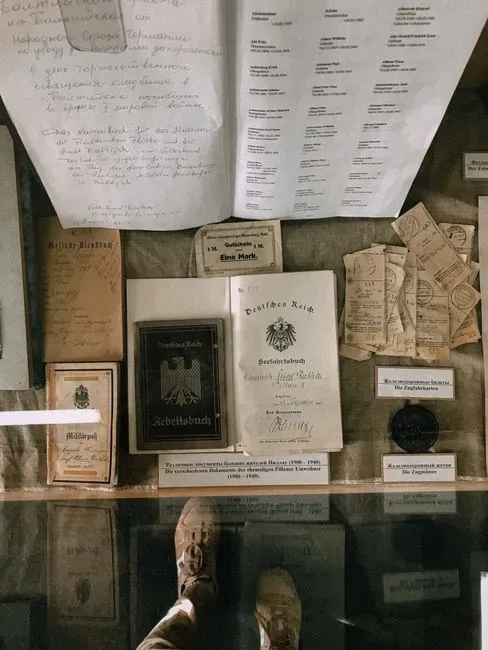
Americans like to believe time heals all secrets. Legally, most classified material is supposed to be reviewed for declassification after 25 years. In practice, congressional testimony and archivist accounts show that tens of thousands of World War II–era documents remain fully or partly classified, well past any normal deadline.
Some involve nuclear weapons design under the Atomic Energy Act, which runs on its own secrecy rules. Others concern intelligence sources who may still have living relatives in vulnerable countries. But plenty of historians who’ve seen these files under special access quietly admit a fair share of the redaction is really about avoiding diplomatic blowback or domestic embarrassment, not protecting some magical formula.
#8 – The UFO Videos Went Public, But the Reports Didn’t

When the Pentagon publicly released three Navy videos of “unidentified aerial phenomena” in 2020, it looked like a transparency breakthrough. Less noticed was how thin the accompanying documentary record remained – the footage is public, but many internal analyses, sensor logs, and intelligence assessments stay tightly classified or heavily redacted.
Officials argue what’s being protected are sensor capabilities, not aliens – radar ranges, signal-processing tricks, platform vulnerabilities adversaries could exploit. Critics reply that redacting basic explanatory context while releasing the most sensational visuals guarantees confusion. The black bars here hide technology, not tentacles, but they guarantee the UFO debate stays toxic and unresolved.
#7 – The Same Document, Two Versions, Two Completely Different Redactions
One of the most maddening patterns researchers have documented is inconsistent redaction – different versions of the same document released years apart with completely different blacked-out sections. In some cases, a paragraph about Soviet missile locations sits fully visible in an early release, then gets censored in a supposedly “cleaned-up” version.
In others, names blacked out in 1990 show up casually unredacted in 2005 with no explanation at all. Archival researchers have accumulated hundreds of such examples, and what it exposes is less a sinister plot than a deeply chaotic review system – overworked staff, shifting guidelines, turf battles between agencies producing arbitrary secrecy that, from the outside, looks like deliberate manipulation.
Worth Knowing
- Same documents can carry different redactions across separate releases
- A paragraph on Soviet missile locations was visible early, then censored later
- Names blacked out in 1990 have surfaced unredacted in 2005 with no explanation
- Researchers have logged hundreds of these inconsistent-redaction cases
#6 – The 9/11 Memo That Was Supposed to Bring Closure and Brought More Questions
After President Biden ordered a declassification push on certain 9/11-related FBI records, families and journalists hoped for clarity on lingering questions about foreign support networks. The first big release, a 16-page memo from the “Operation Encore” investigation, landed with a thud: page after page of black bars hiding names, operational details, and much of the narrative flow.
You could infer that agents took leads about Saudi nationals seriously, and see broad conclusions about a lack of smoking-gun evidence against senior officials – but nearly everything that might let outsiders independently evaluate those judgments was obscured. Releasing a memo in that condition arguably raises more suspicion than it resolves, because it signals that almost all of the interesting material stays “for official eyes only.”
#5 – Guantánamo Diary: The Book That Shows You What Censorship Looks Like
If you’ve ever seen the first edition of Mohamedou Ould Slahi’s Guantánamo Diary, you know exactly what a book looks like after a government classification review – thick black rectangles sitting where whole paragraphs should be. Those redactions came straight from U.S. detainee-handling files, many of which remain partly classified even today.
Declassified fragments of interrogation reports and legal memos show a system straining to justify indefinite detention on thin, often circular evidence. Yet the most important parts – informant names, partner-service roles, interrogation locations – stay hidden. Human rights advocates argue that conveniently blurs responsibility for torture and wrongful imprisonment, leaving the human and legal details disconcertingly abstract.
#4 – Russiagate’s Buried Files That Both Sides Still Argue Over
Years after the Trump-Russia investigation dominated headlines, a surprising number of core documents remain classified or heavily redacted – from early counterintelligence assessments to certain FISA applications and internal DOJ debates. Partisans on both sides now treat the missing text as ammunition.
Supporters of the investigation say the blacked-out sections likely contain sensitive source information that would burn assets if exposed. Critics insist those same black bars hide misconduct – questionable sourcing, circular leak-driven “evidence.” The Durham report annex peeled back some layers but left plenty obscured, which lets everyone project their preferred narrative onto the emptiness that remains.
Quick Compare
- Investigators’ defenders: redactions protect sources and methods that would burn intelligence assets
- Investigators’ critics: redactions conceal questionable sourcing and weak evidence
- Durham report annex: partially opened, but significant sections remain obscured
#3 – The Pollution Data Communities Still Can’t Fully See
Classified files aren’t all spies and wars. Environmental and health advocates have battled for decades to pry loose government data on toxic exposures and contaminated sites, only to receive documents with key coordinates, facility names, or industrial formulas blacked out under “critical infrastructure” exemptions.
From a local resident’s point of view, that can look like the government shielding polluters rather than neighbors. In several high-profile cases, community groups have only confirmed long-suspected contamination thanks to partial declassifications combined with whistleblower leaks. A black bar over a smokestack’s emission levels isn’t abstract – it can be a missing piece in someone’s cancer-cluster investigation.
#2 – The Mystery File Nobody Will Officially Identify
Every few years, in testimony and interviews, officials mention an almost mythic artifact: the oldest still-classified document in the U.S. system. Even specialists can’t agree exactly what it is, because the description itself is considered sensitive. Congressional hearings once referenced a World War I–era file that might still be classified, and later CIA releases suggested their 1917 invisible-ink documents had once held that title.
What matters isn’t the specific memo; it’s the admission that somewhere in the stacks sits a century-old piece of paper that remains legally untouchable. The reasons might be genuinely serious – a foreign source’s surviving family, an unresolved intelligence relationship – or embarrassingly trivial, like a misapplied stamp nobody has had the courage to challenge.
#1 – The Declassification System Itself Is the Most Redacted Thing Here

After sifting through invisible-ink recipes, assassination files, torture memos, and moon-base fantasies, one conclusion is hard to avoid: the single most opaque “document” in this entire story is the declassification system itself. We can see the black bars; we almost never see the criteria, arguments, or compromises that put them there.
Insiders admit reviewers are drowning in tens of millions of pages, guided by dense executive orders and agency-specific rulebooks, so some material gets over-protected out of habit and some under-protected out of haste. Algorithms are just starting to help, but they inherit the biases of the decisions they were trained on. The late senator and scholar Daniel Patrick Moynihan, who studied government secrecy for years, put it more bluntly than any agency ever would.
Secrecy is for losers.
Daniel Patrick Moynihan
The Bottom Line
Taken together, these 22 “declassified” yet blacked-out records tell a blunt story: in the U.S., secrecy doesn’t just protect national security – it often protects institutions from embarrassment, hindsight, and accountability. Some redactions are clearly legitimate; you don’t casually publish nuclear design details or the names of living informants.
But when invisible-ink recipes stay secret for a century, when eleven already-public words in the Pentagon Papers were “classified,” and when 60-year-old assassination files still arrive looking like barcodes, the burden of proof has quietly flipped. The system now defaults to caution, not candor, and that habit erodes public trust while feeding the exact conspiracy thinking officials claim to fear.
Personally, I think the real scandal isn’t any single smoking-gun memo. It’s a culture that treats democratic oversight as a risk to be managed rather than a duty to be honored. Did we miss a heavily redacted file that belongs on this list? Drop it in the comments – and, unlike those documents, don’t black anything out.