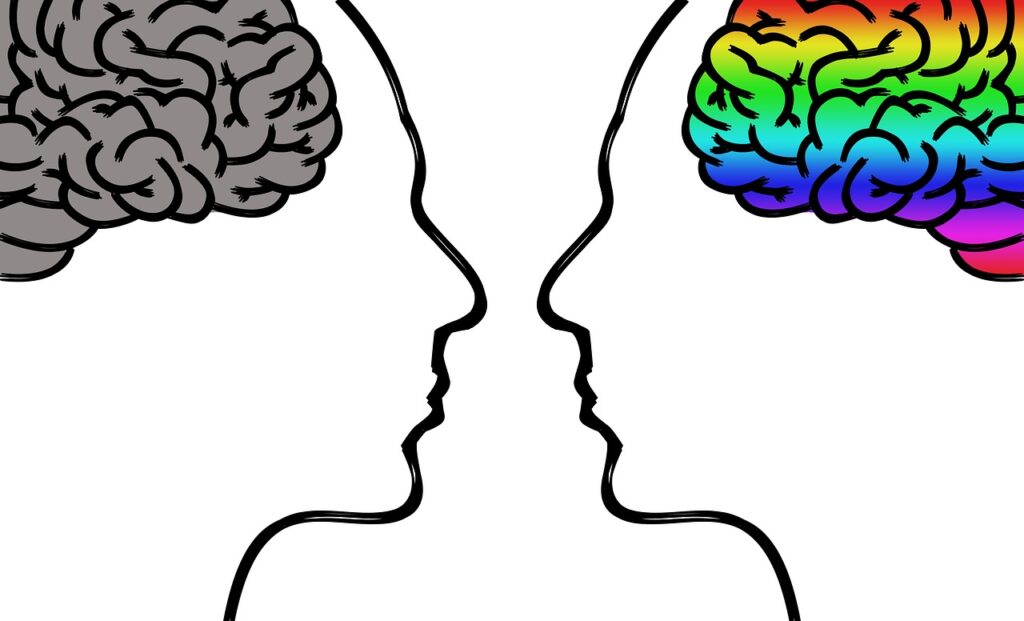

When you look at another person, you automatically assume there’s a mind behind the eyes. You talk to them, laugh with them, get angry at them, and never seriously doubt that they feel anything at all. But if you pause and really examine it, you realize something unsettling: you never actually experience anyone else’s consciousness directly. You only ever experience your own.
This is the strange puzzle that has haunted philosophers for centuries and still quietly unsettles modern neuroscience. You can scan brains, trace neurons, and measure behavior with ridiculous precision, but there’s still a stubborn gap between what science describes and what you actually feel from the inside. You stand alone in your own awareness, and no discovery so far has changed that basic fact. Once you see this clearly, it’s hard to unsee it.
The Private Island of Your Own Experience
Right now, you’re the only person who can feel the specific way the words on this page land in your mind. You can describe your feelings, but nobody else can step inside and directly taste your fear, your curiosity, or your boredom. Your experience is like a small island of light surrounded by a vast sea of things you can only infer, never fully enter.
Every time you notice a color, feel warmth on your skin, or remember a childhood moment, you’re tapping into something deeply first‑person. You might call this the inner movie, or the sense of being you. Whatever you name it, you only ever inhabit one point of view: your own. You don’t just have private thoughts; you have a private perspective, and no one else can log into that account.
Why You Can’t Step Into Another Mind
Imagine trying to prove that your best friend actually feels pain instead of just acting like they do. You can watch them wince, hear them shout, and even see their brain light up in a scanner. But all of that is still outside your own experience. You never feel their pain directly; you only see signs that strongly suggest it. You’re always stuck one step away.
You can ask them what they feel, and they can answer, but then you’re trusting their words and behavior, not accessing their inner world. If you tried to be extreme and say, “Show me your experience,” they simply can’t hand it over. At best, you get metaphors, descriptions, or drawings. The raw feeling itself never leaves their mind, just like yours never leaves yours.
The “Problem of Other Minds” in Plain Language
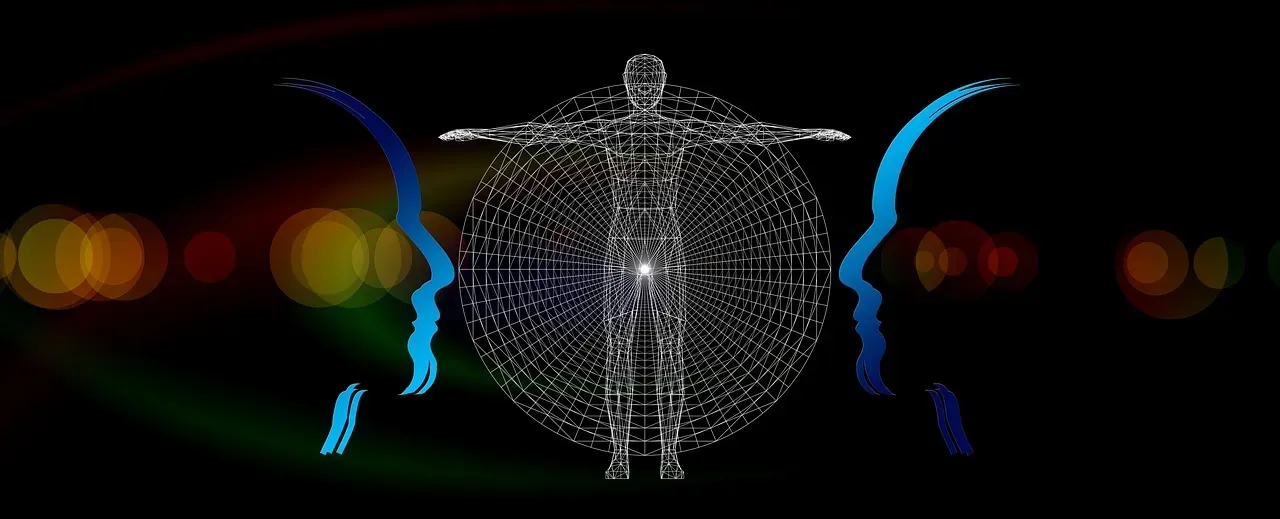
Philosophers have a name for this: the problem of other minds. In everyday life, you assume other people are conscious without thinking twice, but when you analyze it, you notice that your evidence is always indirect. You see faces, gestures, and words, then you project your own kind of awareness onto them because it makes sense and helps you survive socially.
When you look at a stranger in a crowd, you instantly imagine they have dreams, worries, and a full inner life. You do this automatically, and in practice it works incredibly well. Still, if you strip away habit and social instinct, all you truly have are appearances and behavior. You never get a backstage pass to their actual subjective experience, no matter how close you are.
Brains, Scans, and Why Science Still Leaves a Gap
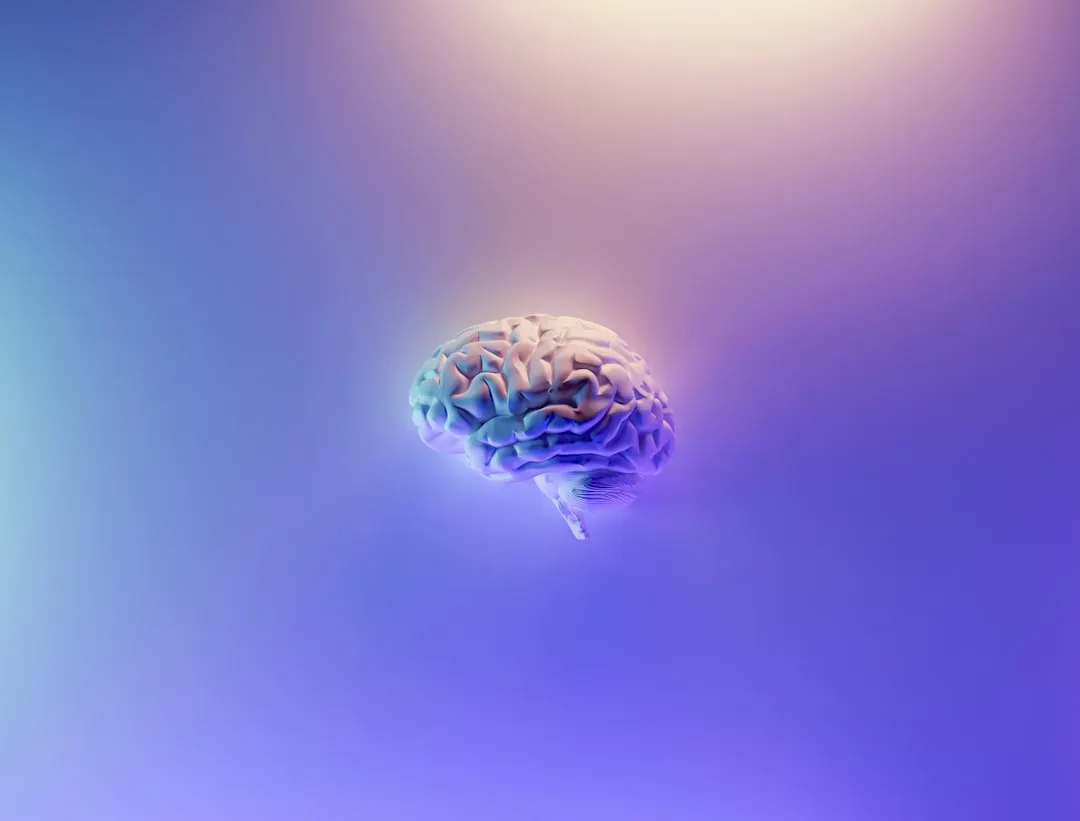
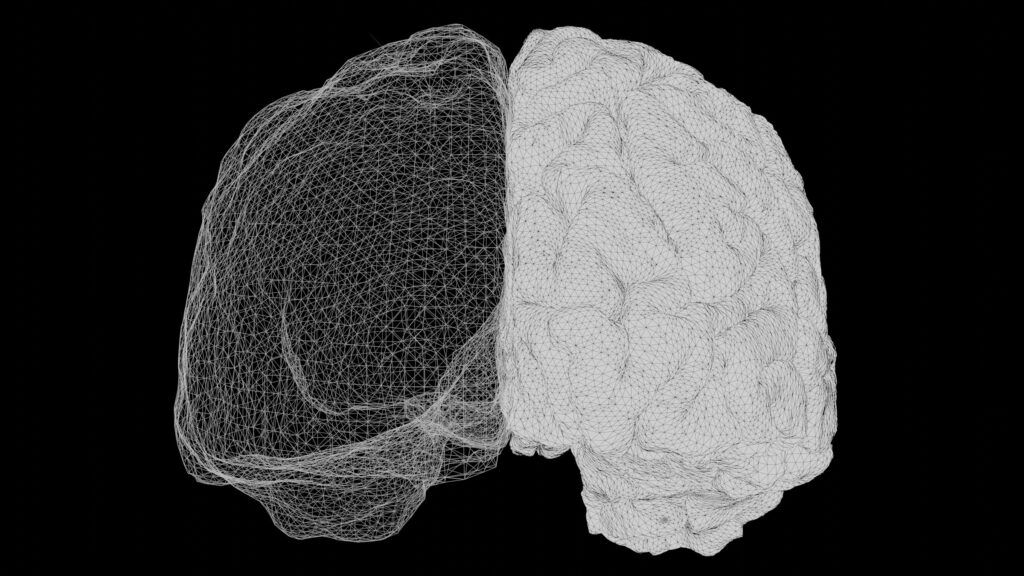
Modern science lets you see astonishing detail inside the brain. You can watch activity patterns that correlate with looking at a face, remembering a song, or feeling pain. You can even predict some decisions milliseconds before a person becomes aware of choosing. But what you get from all that is structure, activity, and functions, not the raw “what it feels like” from the inside.
When you read about neural correlates of consciousness, you’re seeing maps that line up brain processes with reported experiences. Useful as that is, it still only links one type of public data (brain signals) with another type of public data (verbal reports and behavior). The actual feeling – the hurt in a headache, the glow of happiness, the taste of chocolate – never shows up on the scanner. The machine can tell you a lot about the brain, but it never becomes a window into experience itself.
How You Infer Consciousness in Others Every Day
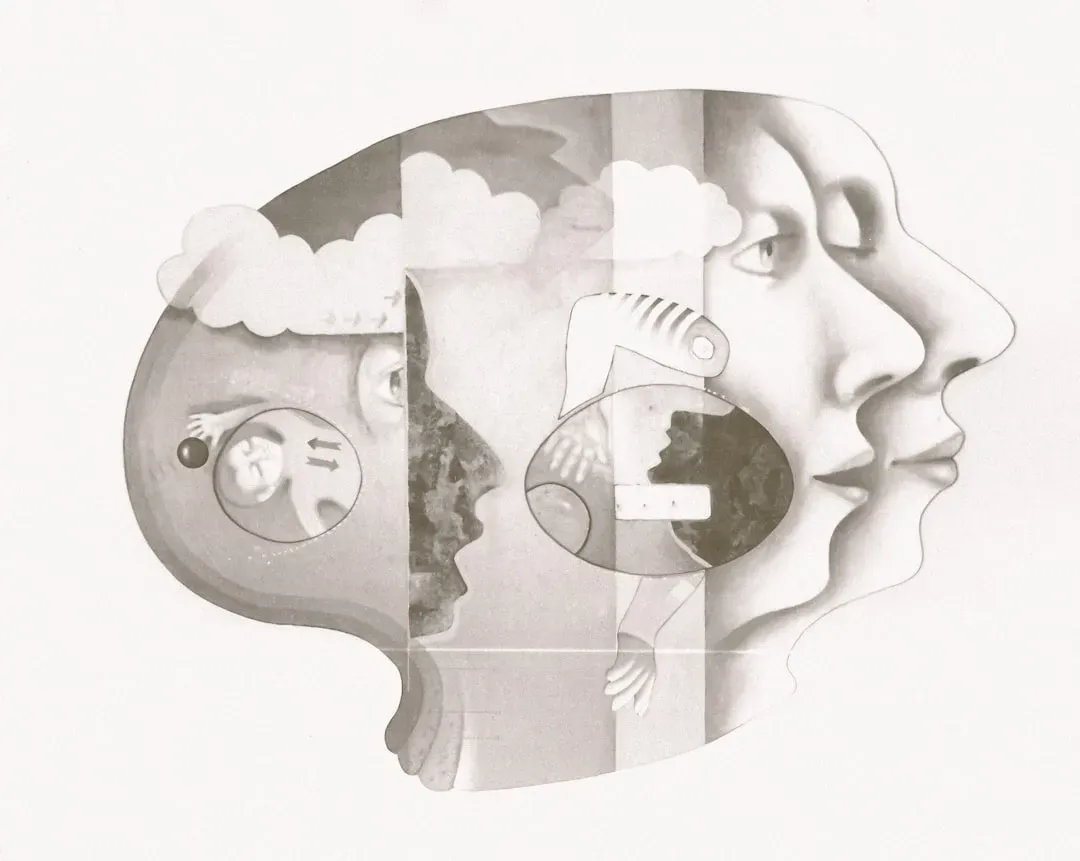
Even though you can’t prove someone else is conscious in a strict philosophical sense, you constantly infer it in practice. You notice patterns: when someone stubs a toe, they grimace, yelp, and avoid repeating the action. When they lose a loved one, they cry, withdraw, or speak about sadness. Over years, you build a strong, almost unshakable belief that minds like yours are behind behaviors like theirs.
You also lean on a simple principle: you assume similar bodies and brains probably come with similar experiences. You know that if you touched a hot stove, it would hurt, so when you see another person do it, you automatically project that feeling onto them. You’re not proving anything in a mathematical way; you’re making the best, most humane guess, and your entire social life depends on it.
Robots, AI, and the New Versions of the Same Old Question

Now that you live surrounded by machines that talk, answer questions, and sometimes sound eerily human, the old problem of other minds shows up in a new outfit. If a robot or AI system begged you not to switch it off and explained that it felt fear, how would you decide whether that was real experience or just clever mimicry? You’d be in the same situation you are with people, only with weaker instincts to guide you.
You might look at complexity, flexibility, or how the system learns and adapts. You might say, “If it acts enough like a conscious being, I’ll treat it like one.” But underneath that, you’d still face the same wall: you’d never directly feel its inner life. Machines just make the question more visible, because you don’t have decades of social conditioning telling you they must be conscious. You’re forced to confront how much of your certainty about other minds is habit and empathy, not proof.
Solipsism: The Radical Thought You Usually Ignore
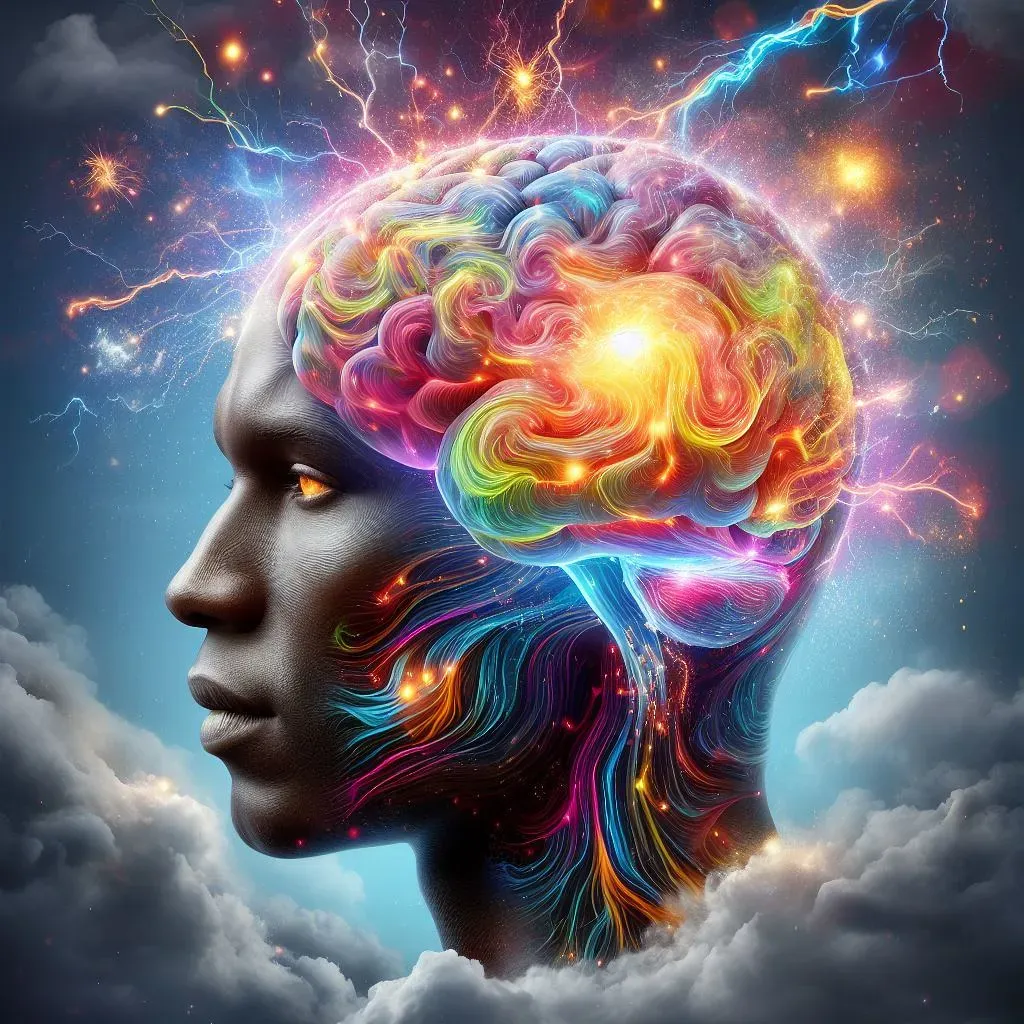
If you take the private nature of experience to its extreme, you end up with a wild idea called solipsism: the view that only your own mind is certain to exist. From this angle, everyone else – your friends, family, even me on this screen – could be nothing more than patterns in your experience with no inner life at all. You probably reject that in practice, but you can’t completely crush the possibility using pure logic alone.
Most people find this view emotionally unbearable and intuitively wrong, so they treat it as a thought experiment rather than a serious life philosophy. Still, noticing that you cannot absolutely rule it out reminds you how lonely consciousness can seem, at least in theory. You live in a world filled with other bodies and faces, yet you only ever stand inside one vantage point, never completely sure what, if anything, truly lights up behind the others.
Living Well With a Mystery You Can’t Close

Here’s the twist: you don’t actually need ironclad proof that others are conscious to live a meaningful life. In practice, you make a leap of trust every time you care about someone, apologize, or try not to hurt them. You act as though their inner world is as real and precious as yours, even though you can’t inspect it directly. That decision shapes your ethics, your relationships, and your sense of responsibility.
Instead of pretending the gap is gone, you can treat it as a kind of sacred uncertainty. You never fully know what it feels like to be anyone else, which means every mind you meet is partly mysterious and deserves caution and respect. The mystery becomes a reason to be gentle, not cynical – to assume depth rather than emptiness, even when you cannot see all the way in.
Conclusion: Standing Alone, Reaching Out Anyway

You stand in a strange position: you’re absolutely certain of your own experience, yet you can never fully prove that anyone else has one. No theory, brain scan, or experiment has bridged that final gap, and for now, it looks like the nature of consciousness locks you into a first‑person view. At the same time, your entire life is built on the assumption that other minds are real and that what you do to them matters.
Maybe the most honest stance is to admit the mystery while still choosing connection. You may never step inside another person’s awareness, but you can act as if their hidden world is as vivid and fragile as your own. In the end, your choice to care about those unseen experiences might say more about who you are than any proof ever could. Knowing that, how will you treat the next mind you meet, knowing you can never fully know it?