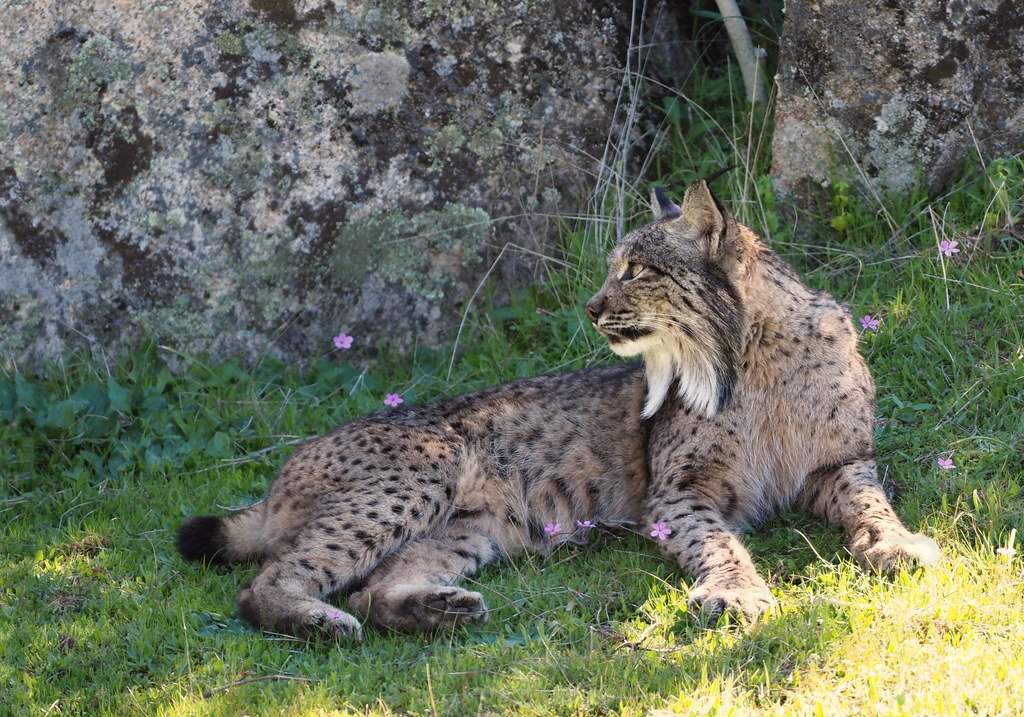

“Extinct” is supposed to be permanent – a species walks through a locked door and the door stays shut forever. But at least ten times in modern history, that door swung back open, and someone was standing there with a camera. These aren’t cryptid rumors or blurry Bigfoot-style hoaxes. These are animals that governments, museums, and even the IUCN itself formally crossed off the list of the living, only to be caught blinking in a flash of a camera trap or a fisherman’s net decades later.
What’s stranger than the sightings themselves is what they expose about how little we actually know about the wildlife sharing this planet with us. Some of these animals hid in plain sight for a century. Others were declared gone by scientific committees who later had to quietly eat their own paperwork. By the time you reach the final entry, you’ll probably never trust the word “extinct” the same way again.
#10 – The Coelacanth: A “Fossil Fish” That Surfaced 65 Million Years Too Late
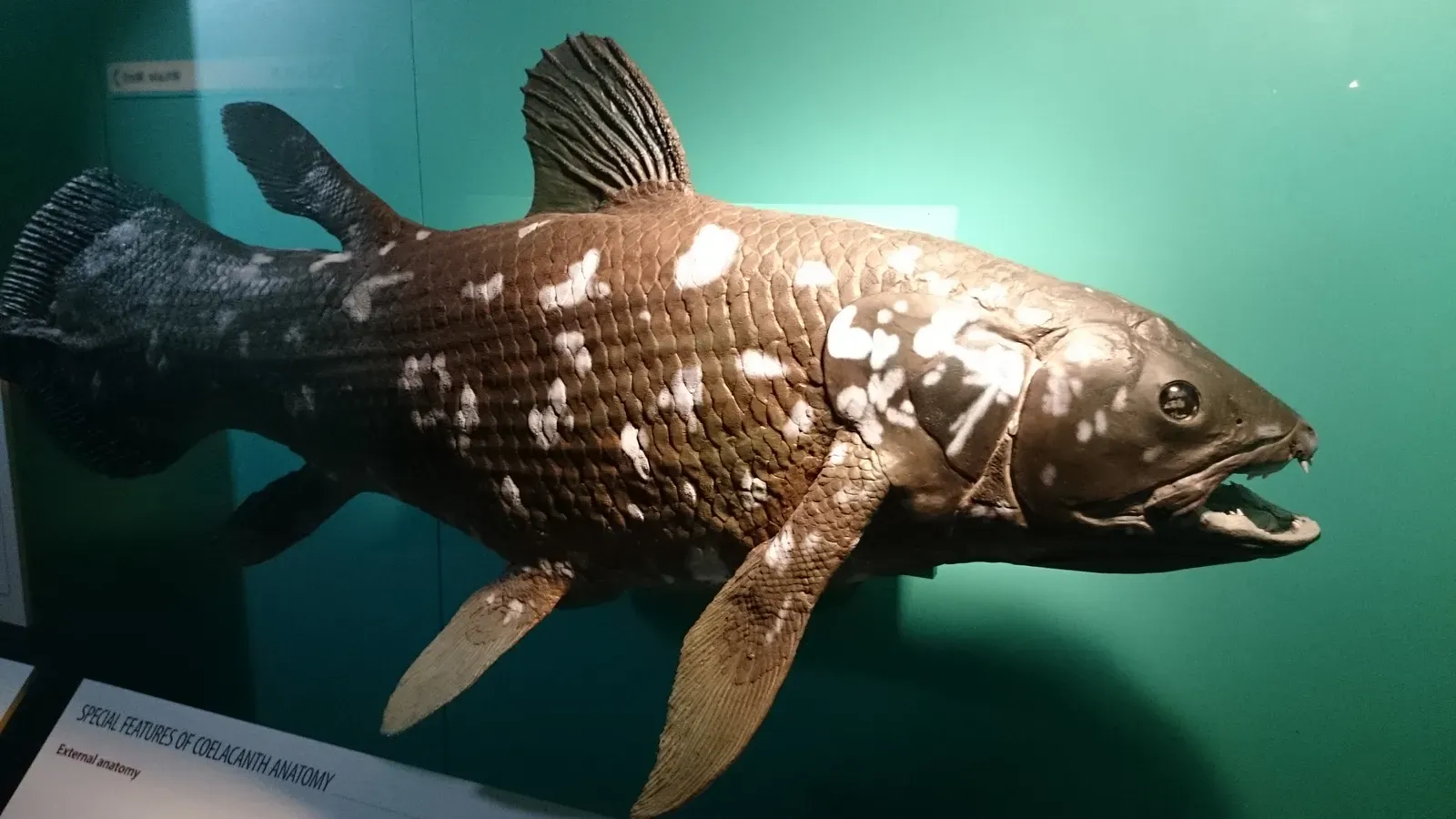
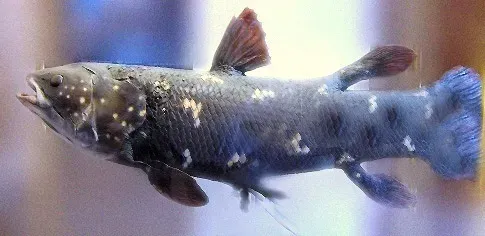
For generations, textbooks taught that the coelacanth died out alongside the dinosaurs, a lobe-finned fish known only from rock. Then in December 1938, a South African trawler crew hauled up something that made no sense: a five-foot, steel-blue fish with fins that looked disturbingly like stubby limbs. Museum curator Marjorie Courtenay-Latimer took one look and knew it didn’t match anything alive.
I would not have been more surprised if I had seen a dinosaur walking down the street.
J.L.B. Smith, ichthyologist
That’s the reaction of J.L.B. Smith, the scientist who confirmed what Latimer suspected. The photographs and specimen didn’t just shock one museum – they cracked open the assumption that deep evolutionary time was a closed book with no living witnesses left.
Since then, divers have filmed coelacanths alive in their natural habitat, hovering motionless in deep volcanic caves off Africa and Indonesia, using those strange fins almost like legs. It turns out this wasn’t a one-off miracle; it’s a small, secretive population that had simply been living below where anyone thought to look. Scientists still call it a “living fossil,” though plenty privately hate the term – evolution never paused, we just lost track of it.
#9 – South Island Takahē: New Zealand’s “Extinct” Bird That Was Hiding in Plain Sight
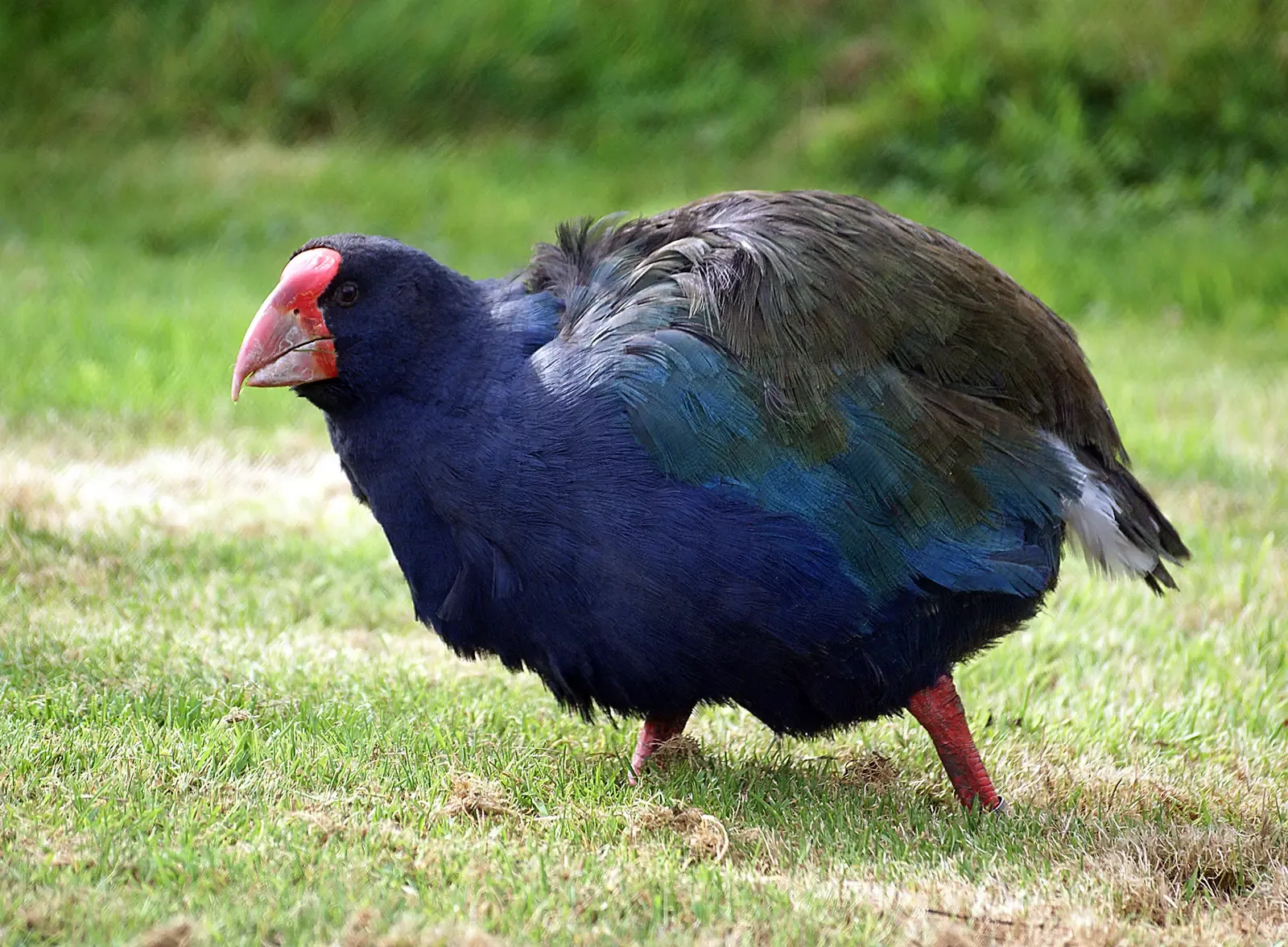
By 1898, New Zealand’s chunky, flightless takahē hadn’t been seen in so long that museums and government agencies simply wrote it off. For fifty years, it became the textbook example of how fast island birds vanish once predators and hunting arrive. Nobody expected a happy ending.
Then in 1948, a doctor and amateur naturalist named Geoffrey Orbell followed a set of strange footprints deep into the remote Murchison Mountains. What he found stopped him in his tracks: an entire valley full of bright blue-green birds the scientific world had buried decades earlier. He photographed and filmed them on the spot, turning a ghost story into hard evidence overnight.
Fast Facts
- Officially written off by 1898 after decades without a sighting
- Rediscovered in 1948 in New Zealand’s remote Murchison Mountains
- Found by Dr. Geoffrey Orbell, who tracked strange footprints to a hidden valley
- Wild population today: still only in the low hundreds
Those grainy black-and-white photos are still conservation legend in New Zealand. The takahē flipped instantly from “extinct curiosity” to national emergency, triggering predator-proof sanctuaries and even hand-rearing chicks with puppet parents so they wouldn’t imprint on humans. The population is still only in the low hundreds today, but you can walk into a mainland sanctuary and watch a takahē wander past your feet – a genuinely surreal experience for a bird the world buried for half a century.
#8 – Crested Gecko: The “Extinct” Lizard That Became a Pet-Store Celebrity
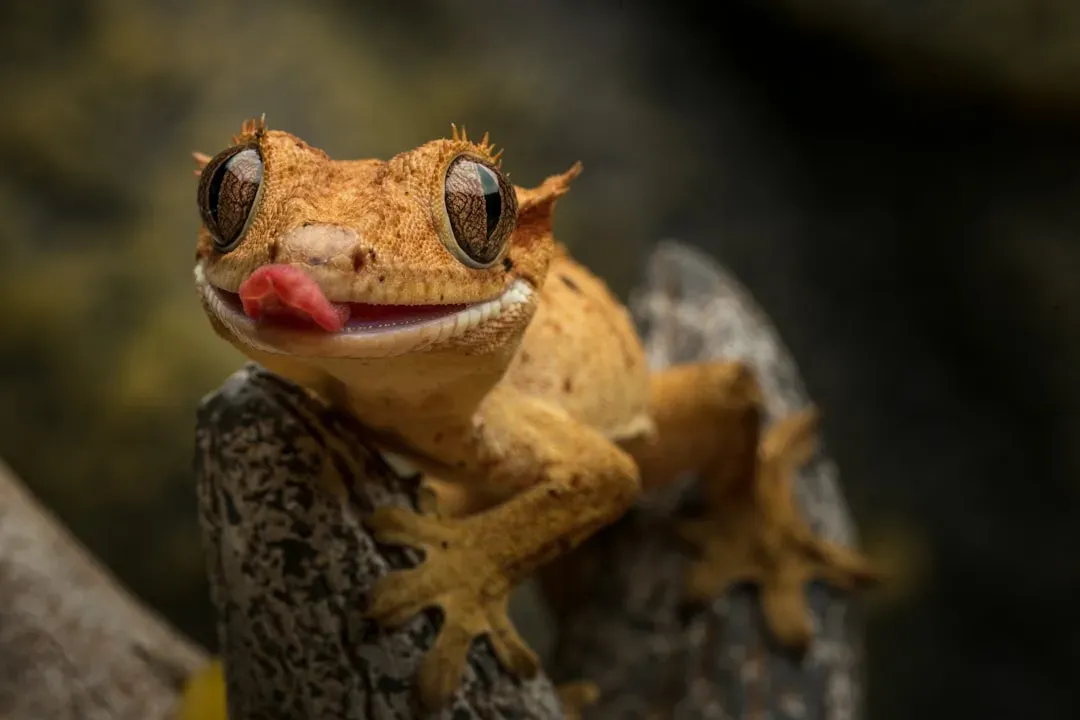
The crested gecko was first described in 1866 on the French island of New Caledonia – and then it simply disappeared from the scientific record. No confirmed sightings, no specimens, nothing for well over a century. Herpetologists reasonably assumed it had quietly slipped into extinction, another small island reptile lost to introduced predators.
Then in 1994, German herpetologist Robert Seipp led an expedition that stumbled onto something nobody expected: not one, but multiple living crested geckos, photographed and collected after being missing for more than 120 years.
What happened next is the strangest twist on this whole list. Captive breeding took off so fast that an animal science had buried is now one of the most common pet lizards on the planet. If you’ve ever seen a video of a gecko licking its own eyeball on social media, you were watching a species once presumed extinct in the wild. Some biologists are uneasy that its main safety net is now terrariums instead of forest; others argue pet demand may be the very thing that kept it from disappearing for good.
#7 – Philippine Naked-Backed Fruit Bat: Declared Extinct by the IUCN, Then Caught on Film
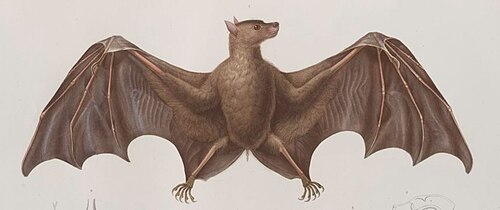
The Philippine naked-backed fruit bat hadn’t been recorded since 1964. By the mid-1990s, three decades of silence was enough for the IUCN to do what conservation bodies rarely do lightly: in 1996, it formally declared the species extinct.
From a policy standpoint, that made sense – no verified sightings in thirty years is a reasonable cutoff. From a field-biology standpoint, it was flat wrong. In 2000, researchers surveying limestone caves rediscovered the bat alive, confirming and photographing living individuals just four years after its official obituary was written.
At a Glance
- Last confirmed sighting before the gap: 1964
- Declared extinct by the IUCN: 1996
- Rediscovered alive in limestone caves: 2000
- Current status: reclassified from extinct to critically endangered
The IUCN had to reverse its own extinction call, reclassifying the bat as critically endangered instead of gone. That sounds like a bureaucratic footnote, but it isn’t – those categories decide funding, legal protection, and whether anyone even keeps looking for a species at all. This bat is a blunt reminder that “extinct” often just means humans stopped searching, not that the animal actually vanished.
#6 – Edwards’s Pheasant: Vietnam’s “Ghost Bird” That Camera Traps Finally Caught
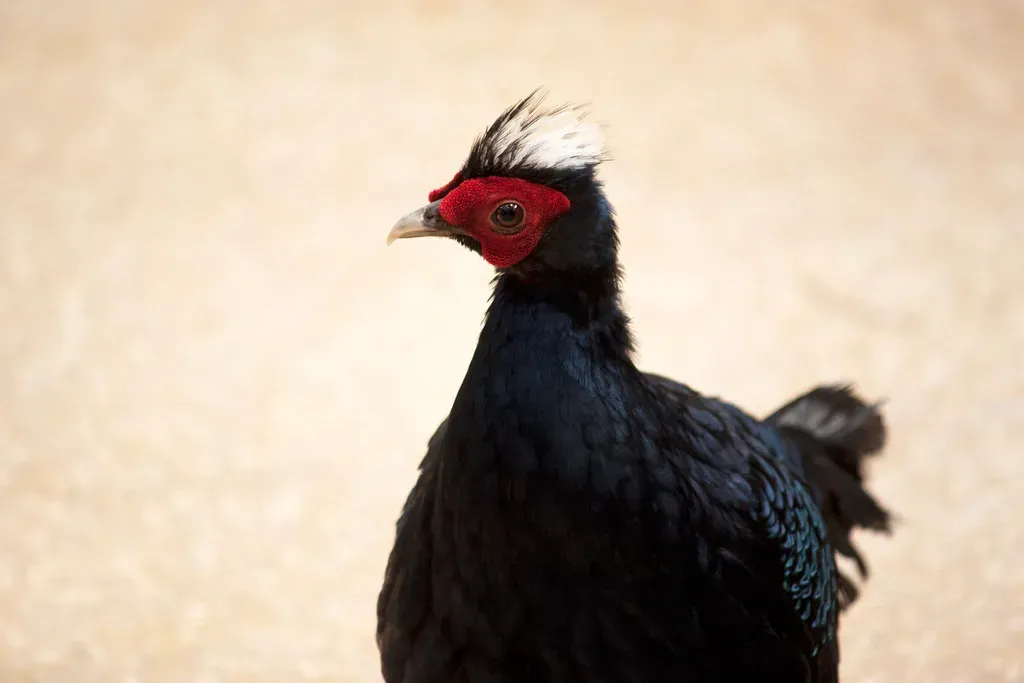
Edwards’s pheasant, a striking, deep-blue forest bird first described in 1896, essentially fell off the scientific map after 1928. War, deforestation, and simply inaccessible terrain meant decades passed without a single confirmed sighting. By the late twentieth century, many ornithologists quietly treated it as functionally extinct, even without the official paperwork.
Then modern field surveys arrived with mist nets and camera traps, and starting in the 1990s, researchers began capturing and photographing living Edwards’s pheasants again. The birds had been hiding the entire time in tiny, overlooked forest fragments nobody had bothered to survey closely.
Those images triggered urgent captive-breeding programs across Europe and Asia. Here’s the uncomfortable part nobody likes to say out loud: some conservationists now believe the species survives more securely in aviaries than in what’s left of its native forest. We love the comeback photo; we tend to ignore the logging trucks still rolling through the background.
#5 – Roosevelt’s Muntjac: A “Lost” Deer That Turned Up in Hunters’ Trophy Piles
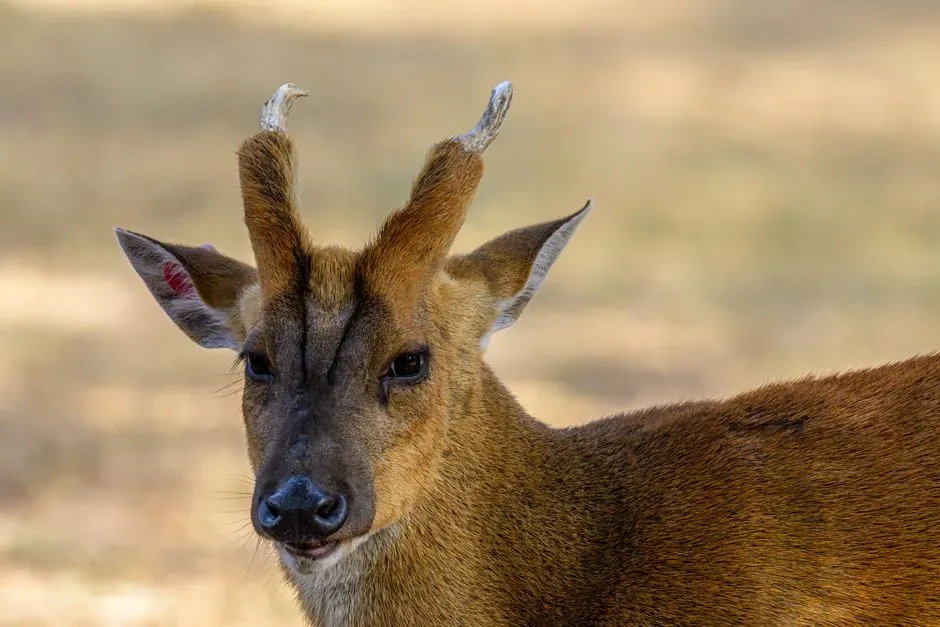
Roosevelt’s muntjac, a small deer from the Annamite mountains of Laos and Vietnam, was known only from specimens collected in the 1920s – and then nothing, for most of a century. Hunting pressure and habitat loss across the region made it easy to assume the species had simply died out unnoticed.
The comeback started in an unglamorous way: field biologists began paying closer attention to what was hanging in the rafters of remote village homes. Skulls identified as Roosevelt’s muntjac started turning up, followed eventually by camera-trap photographs from Vietnam that appear to show living animals in the wild.
The word “officially” gets slippery here, since this species never went through a formal global extinction listing the way some birds and bats on this list did. But for all practical purposes, scientists had written it off. Now biologists warn that without fast protection, this deer could vanish again – except this time, there may be no second round of photos to save its story.
#4 – The Cozumel Dwarf Fox: Presumed Gone, Then Caught Near a Highway
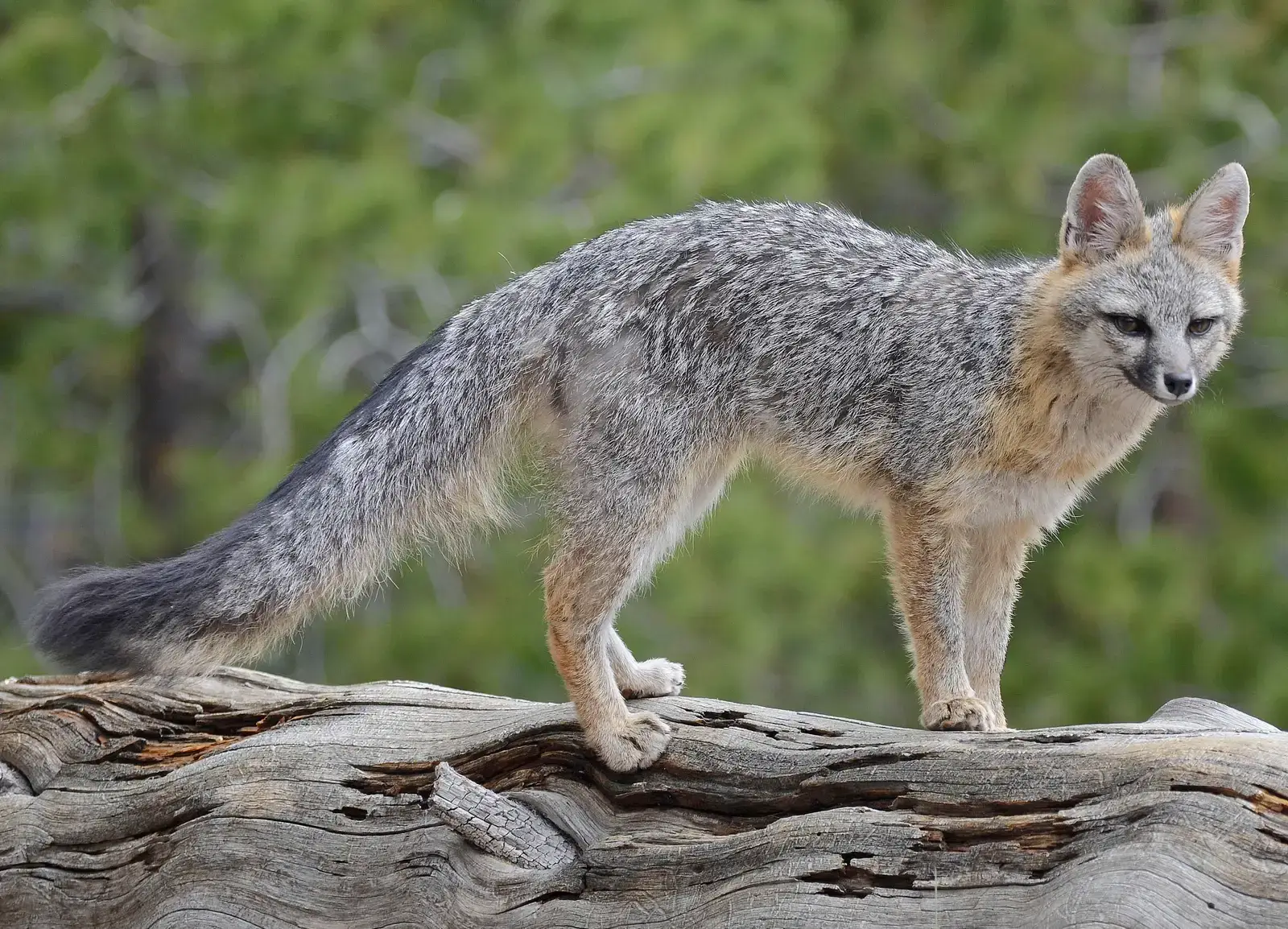
On the Mexican island of Cozumel, locals had long described a strange little fox, 20 to 40 percent smaller than its mainland gray fox relatives. Hurricanes, tourism development, and habitat loss piled up fast, and after more than twenty years without a single verified sighting, researchers quietly assumed the Cozumel fox was gone – potentially wiped out before science had even finished describing it.
In 2023, that assumption cracked. Park staff found a disoriented fox stumbling near a highway, examined it, and released it into a protected reserve. It took until 2026 for scientists to finally publish clear photographs confirming that Cozumel’s dwarf foxes are still, against all odds, alive.
Worth Knowing
- Roughly 20 to 40 percent smaller than mainland gray foxes
- More than two decades passed without a single verified sighting
- First fox found disoriented near a highway: 2023
- Confirmed rediscovery photographs finally published: 2026
The images went global, but the fine print is sobering. The surviving population is likely tiny, and the fox isn’t even formally recognized as its own species on many official lists – a Lazarus animal that technically doesn’t exist on paper. While cruise passengers snorkel a few miles away, one of the rarest canids on Earth is hanging on just inland, and these photos look a lot more like a last warning than a happy ending.
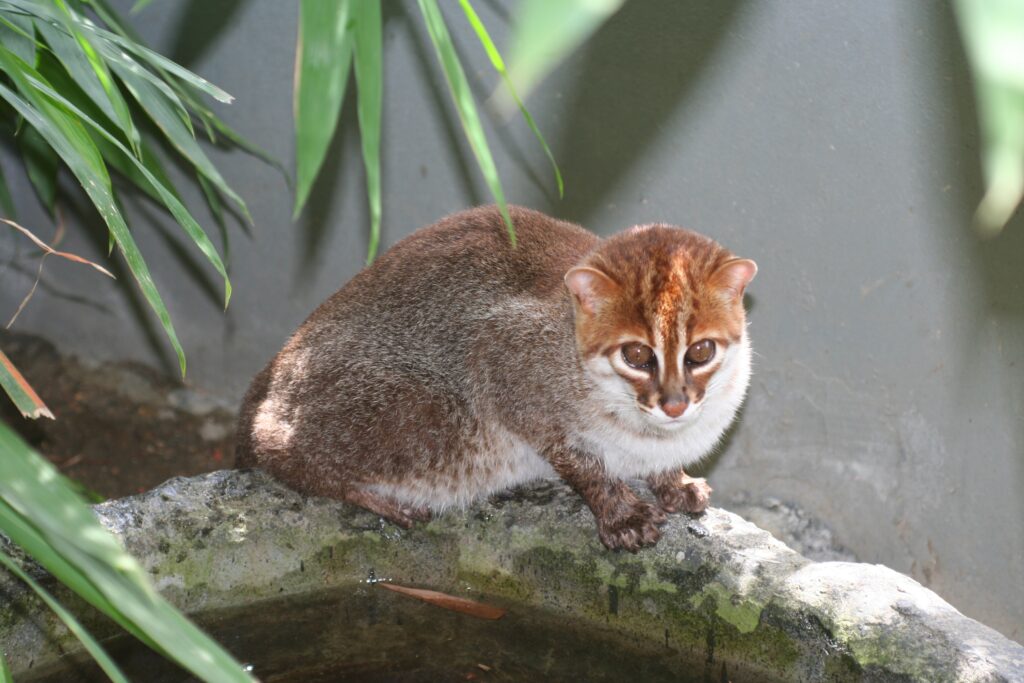
#3 – The Flat-Headed Cat: “Likely Extinct” in Thailand Until the Cameras Disagreed
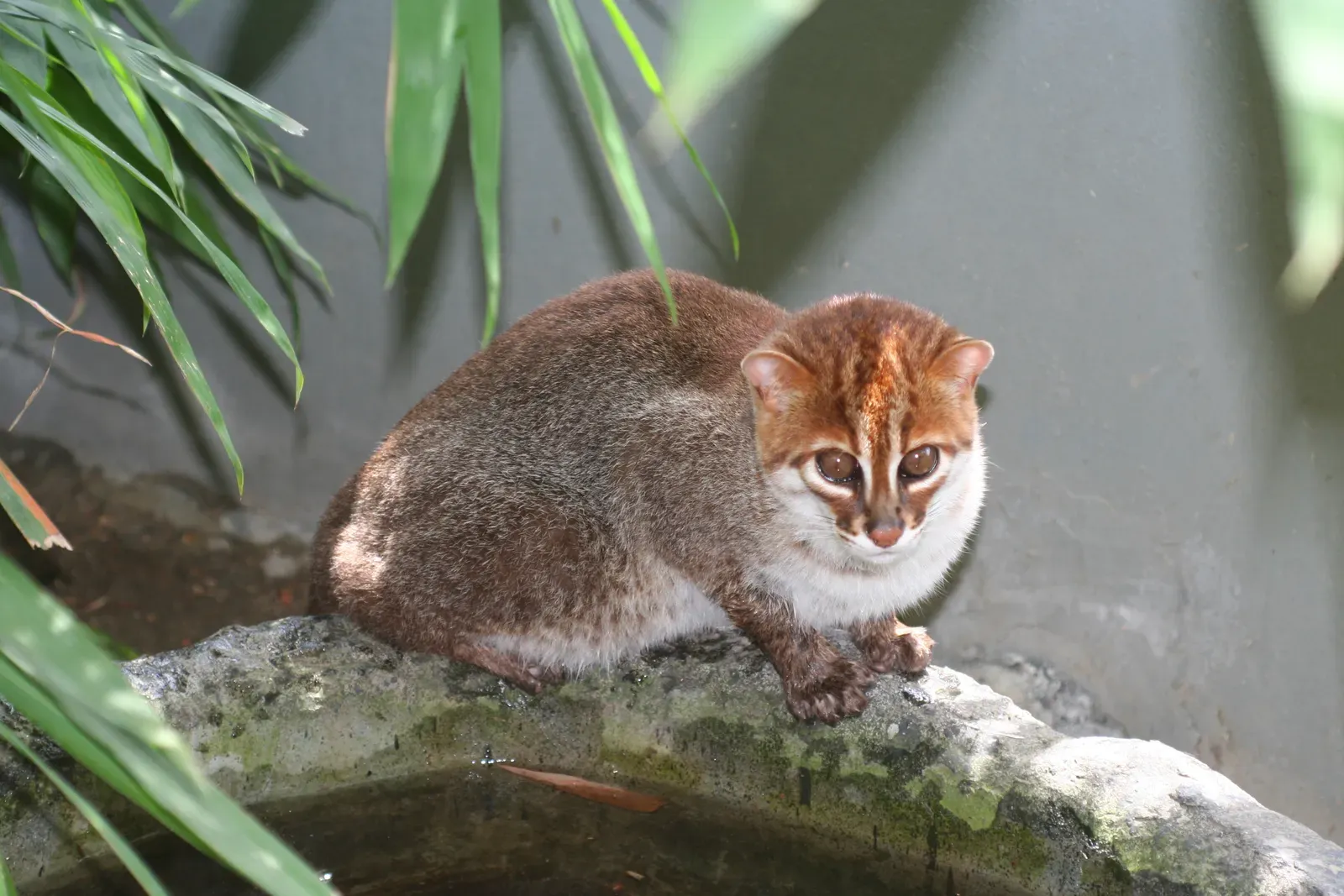
Flat-headed cats are strange, semi-aquatic felines from Southeast Asia, built almost like otters with claws. In Thailand specifically, nobody had documented one since 1995. After nearly thirty years of silence, officials went as far as calling the species “likely extinct” within the country, treating older records as historical curiosities.
Then came a very modern plot twist. Camera traps set up in a Thai wildlife sanctuary caught multiple flat-headed cats on film in 2024 and 2025 – the first confirmed records in almost three decades.
That gap between “likely extinct” and formally “Extinct in the Wild” matters enormously to scientists and almost not at all to everyone else; once a government official says the word extinct, that becomes the story people remember. These photos are an uncomfortable reminder that our extinction labels regularly lag behind, or race ahead of, what’s actually happening in the forest. With camera traps getting cheaper every year, more of these embarrassing corrections are almost certainly coming.
#2 – The Ayamaru Ring-Tailed Glider: A Marsupial the Fossil Record Buried 6,000 Years Ago
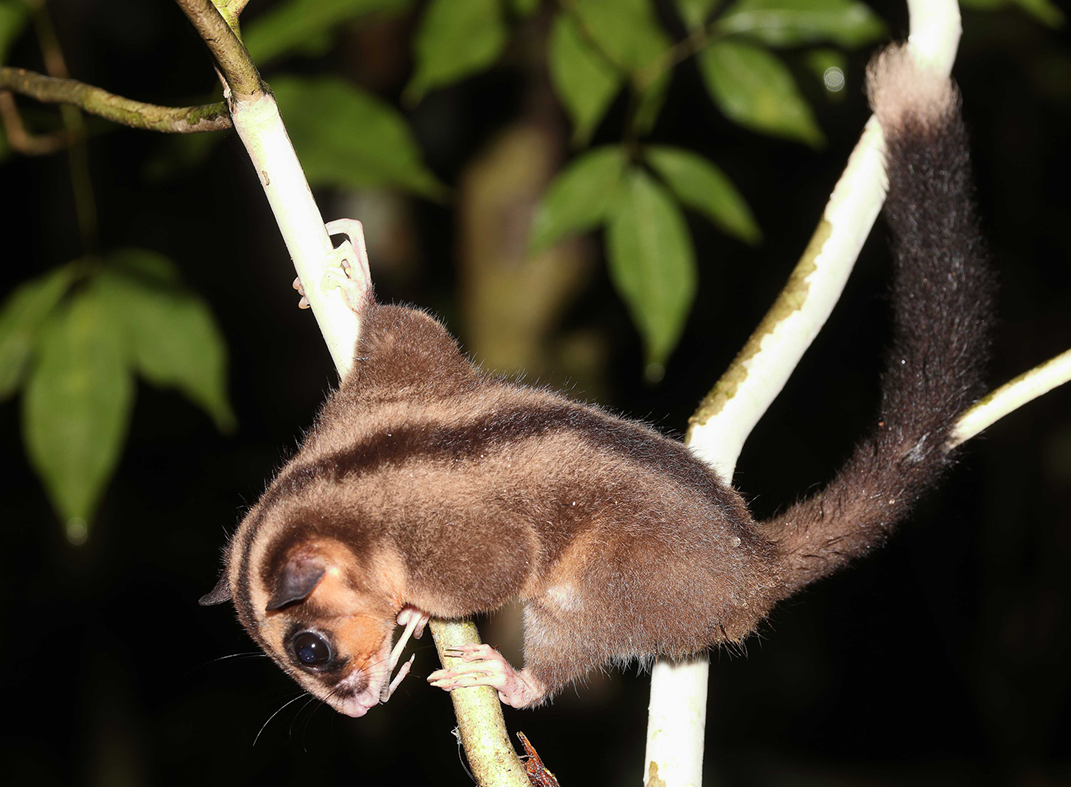
The Ayamaru ring-tailed glider was known only from ancient subfossil remains, bones old enough to suggest it had vanished from the region at least 6,000 years before anyone alive today was born. On paper, this wasn’t a recently extinct animal; it belonged in the same conversation as mammoths and giant sloths.
Then researchers pushed into the remote Vogelkop Peninsula of western New Guinea for modern wildlife surveys, and the story fell apart in the best possible way. Biologists confirmed a living population of the glider, photographed and recorded gliding between trees in forest nobody had properly surveyed before.
Quick Compare
- Fossil record suggested extinction: roughly 6,000 years ago
- Rediscovery location: Vogelkop Peninsula, western New Guinea
- Evidence: photographed gliding between trees in unsurveyed forest
- Classification: a true Lazarus taxon, not just a recent extinction correction
Think about the scale of that error: an animal presumed gone since roughly the dawn of recorded human civilization was simply living undisturbed the entire time. It’s not that the glider cheated extinction – it’s that our fossil-based timeline for when it disappeared was wrong by thousands of years, and nobody knew until someone finally walked far enough into the trees with a camera.
#1 – The Pygmy Long-Fingered Possum: The Rediscovery That Broke Our Extinction Clocks for Good
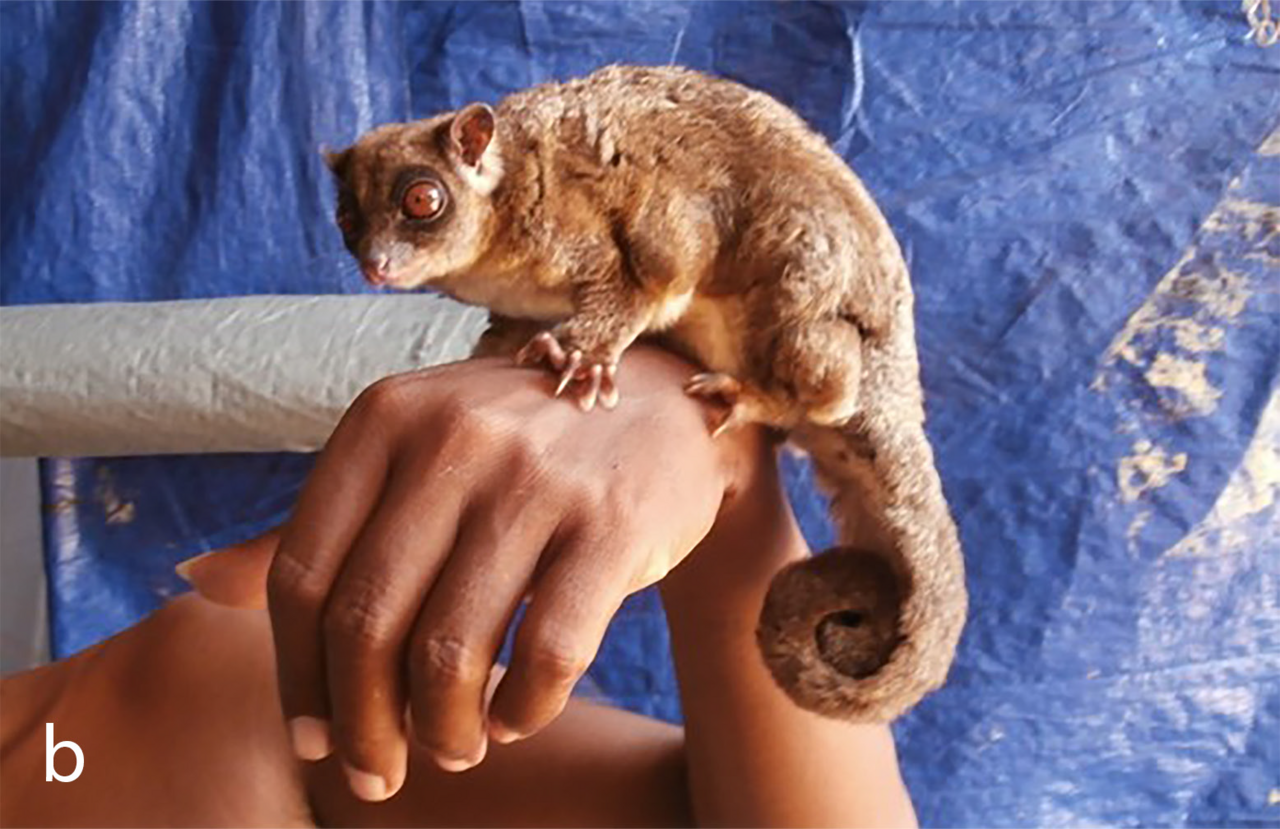
Sharing that same New Guinea fossil record is the pygmy long-fingered possum, a tiny, nocturnal marsupial with unusually elongated fingers built for picking insects out of tree bark. Like the glider, it was known only from ancient remains and was assumed to have disappeared thousands of years before modern conservation even existed as a field.
The same recent surveys of the Vogelkop Peninsula that turned up the glider also confirmed living pygmy long-fingered possums, caught on camera in the same forest. Two separate species, both supposedly gone since the Holocene, both alive and photographed within the same expedition.
This is the discovery that should make every “extinct” label on Earth a little less trustworthy. Biologists even have a term for animals that vanish from the record and later reappear: Lazarus taxa. If a species can go unnoticed for six thousand years, the real question isn’t just which other “extinct” animals are still out there – it’s how much of our entire extinction timeline is built on guesswork dressed up as fact.
The Bottom Line
These rediscoveries make for great viral posts, but read past the photo and they stop looking like miracles. The coelacanth wasn’t resurrected – a boat finally pulled the right net. The takahē and Edwards’s pheasant didn’t cheat death; they survived while our own paperwork wrote them off early.
Every case on this list follows the same uncomfortable pattern: we stopped looking somewhere, declared the animal gone, and years or centuries later a photograph proved that declaration premature. That’s not nature bouncing back. That’s humans admitting our surveillance of the natural world is patchy, underfunded, and often overconfident.
Here’s the opinion part. Treating these stories as proof that “nature always finds a way” is genuinely dangerous, because it lets us off the hook. They should scare us into funding the boring, unglamorous fieldwork that actually finds these animals before it’s too late – not tempt us into assuming every extinct species has a comeback story waiting in the wings. Most of them don’t get a second chance, and we usually don’t find out which ones did until it’s almost over.
So which “extinct” animal do you think is still out there right now, just waiting for someone to finally point a camera in the right direction?