
Imagine waking up one morning and realizing that an invisible force, flowing around our planet like a cosmic river, might be quietly nudging your thoughts, your mood, and even your sense of direction. It sounds like something out of a sci‑fi thriller, but this idea sits right on the cutting edge of neuroscience and geophysics. Scientists are seriously exploring whether Earth’s geomagnetic field could be influencing your brain far more than you realize.
This does not mean there’s a giant planetary remote control beaming commands into your head. The real story is subtler, stranger, and honestly more fascinating. From migrating birds to quantum effects inside proteins, nature is full of examples of life tuned into magnetism. The question hanging in the air now is simple and unsettling: are humans really so different?
The Invisible Ocean Of Magnetism You Live Inside
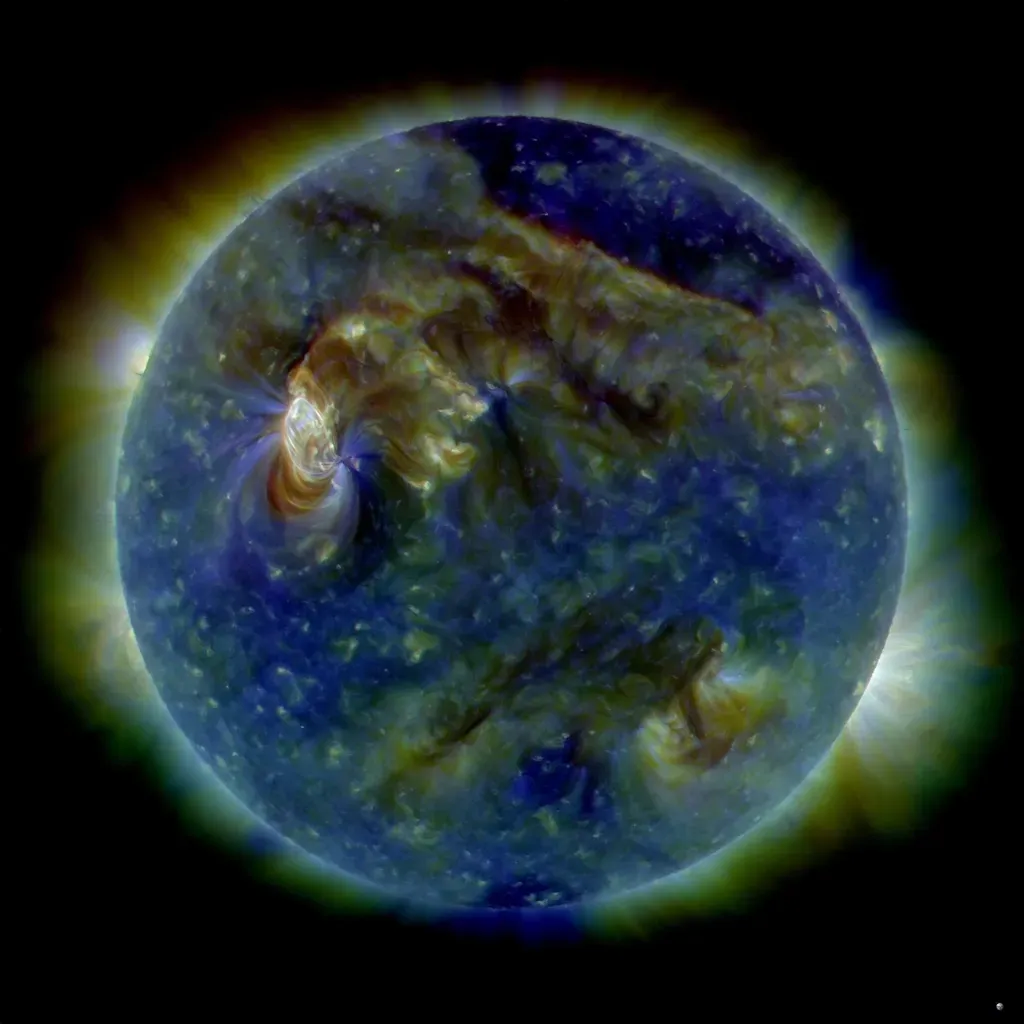
You move through Earth’s geomagnetic field every second of your life, whether you think about it or not. Generated deep in the molten outer core of our planet, this field expands far into space, shielding us from streams of charged particles blasted out by the Sun. If you could see it, you’d be standing inside something like a shimmering, three‑dimensional spiderweb of invisible lines, wrapping the entire globe.
Most of the time we only hear about the geomagnetic field when someone mentions the northern lights or how compasses point north. But that is just the visible tip of a much deeper story. The field’s strength and orientation change across the planet, and it also drifts and fluctuates over time. Your body, especially your nervous system, is full of charged particles and tiny electrical currents, which means, in principle, you are not completely separate from that ever‑present magnetic ocean at all.
Do Humans Have An Inner Compass After All?
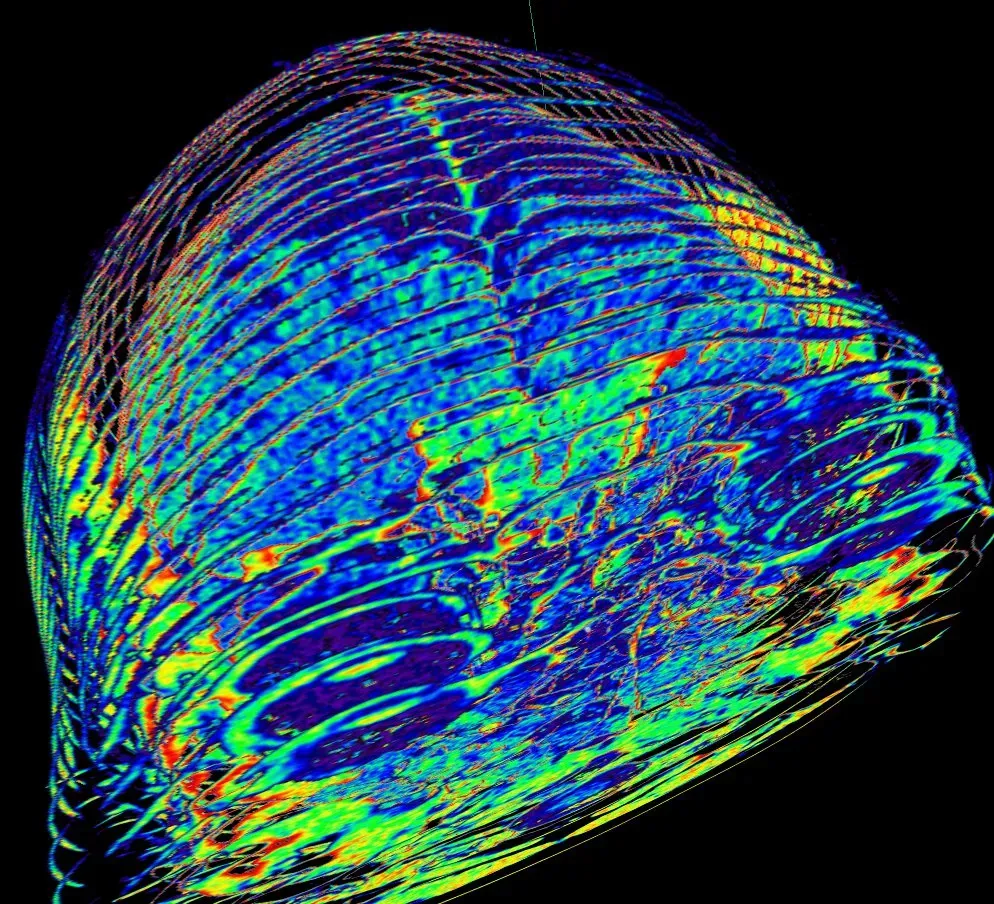
For years, scientists happily assumed that magnetoreception – the ability to sense magnetic fields – belonged to animals like birds, turtles, and insects, not to us. But in the last decade or so, a handful of experiments with carefully controlled rotating magnetic fields and brain scans suggested something more provocative. Certain patterns of magnetic stimulation seemed to trigger measurable changes in human brain waves, especially in the alpha range linked to relaxed wakefulness.
The interpretation of these experiments is still being argued over, loudly in some circles. Some researchers think we might have a weak, subconscious magnetic sense, maybe a leftover from earlier phases of evolution. Others say the effects are too small, inconsistent, or easy to confuse with experimental noise. Still, the simple fact that our brains appear to respond at all raises a goosebump‑worthy possibility: our sense of space and orientation might not be entirely independent from the planet’s magnetic heartbeat.
The Radical Magnetite Idea: Tiny Crystals In Your Brain

One of the most talked‑about ideas in this field comes down to a mineral you would normally associate with geology, not psychology: magnetite. This iron oxide is naturally magnetic and can align with external fields, just like microscopic compass needles. Researchers have found magnetite particles in the tissues of many animals that navigate using magnetism, and more controversially, in the human brain as well.
The daring hypothesis here is that clusters of magnetite inside certain cells could rotate or experience mechanical forces when exposed to changes in the geomagnetic field. Those tiny movements might then be translated into nerve signals, feeding magnetically derived information into brain circuits. To be clear, this is still not a closed case, and there is a lot of debate over whether those particles are functional sensors or just biological junk. But if magnetite is doing even a fraction of what some scientists suspect, then Earth’s magnetic field is not just background scenery – it is actively touching parts of your nervous system.
Quantum Biology, Radical Pairs, And Magnetic Sensing

If magnetite sounds wild, the other big idea is even stranger, because it involves quantum effects inside living tissue. Some animals seem to use a process involving what physicists call radical pairs – pairs of molecules with unpaired electrons whose spins can be subtly influenced by external magnetic fields. That spin behavior can, in turn, influence chemical reactions, essentially turning magnetism into biochemistry.
In birds, there is evidence pointing toward a light‑sensitive protein in the eye called cryptochrome playing a key role in this quantum compass mechanism. Humans also have cryptochrome proteins in the retina and elsewhere, which naturally raises eyebrows. While there is no solid proof that our cryptochromes act like full‑blown magnetic sensors, the overlap is hard to ignore. If quantum‑sensitive molecules in your eyes or brain respond, even indirectly, to the geomagnetic field, then the border between “out there” and “in your head” becomes surprisingly blurry.
Mind Control, Or Gentle Nudge? What The Evidence Really Suggests
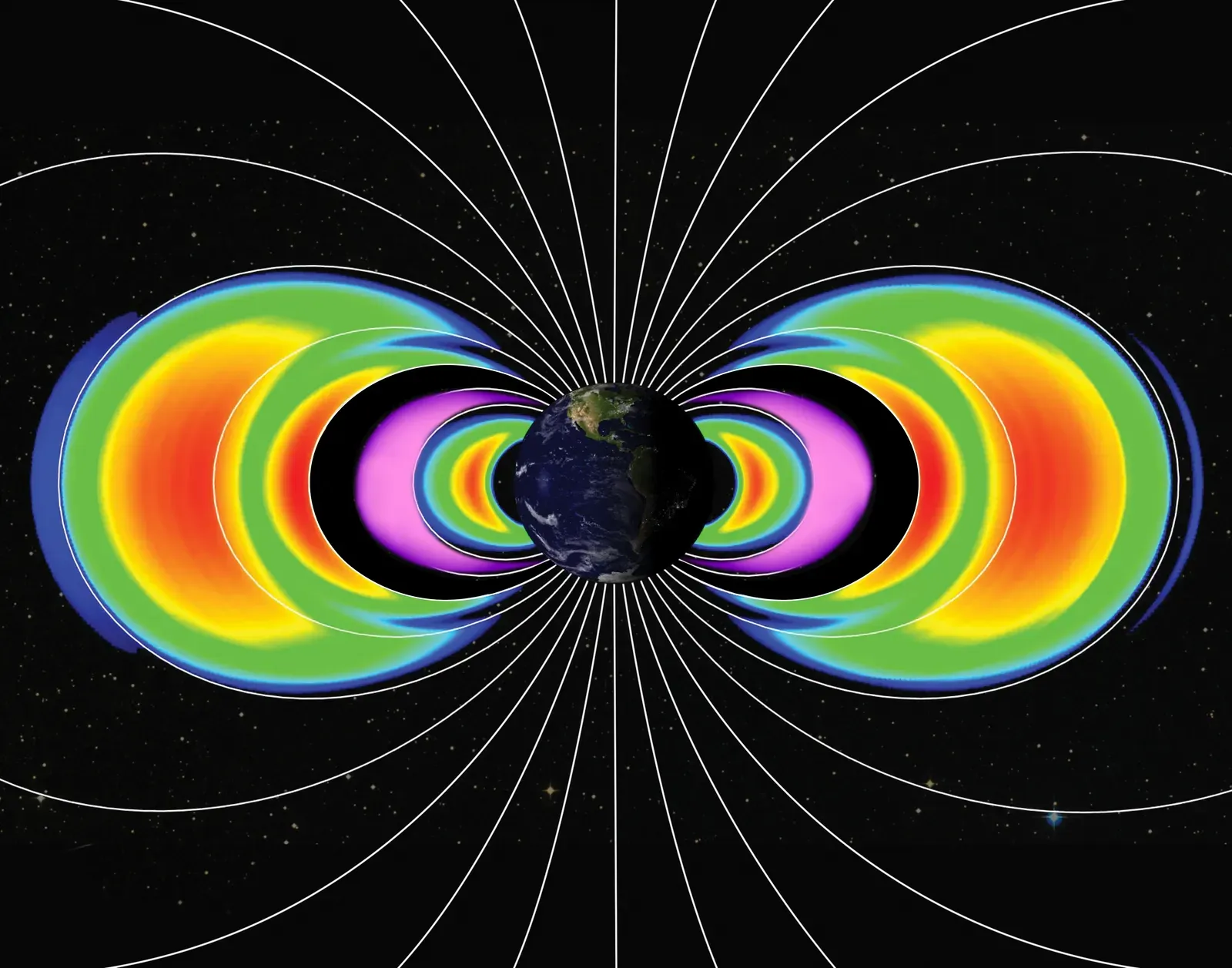
The phrase “controlling your mind” is dramatic, and honestly that is why people pay attention, but it can also be misleading if you picture some villain turning a planetary dial to make you fall in love or vote a certain way. The evidence we have so far points less to direct mind control and more to subtle modulation. Think of it like the difference between steering the car and slightly changing the road surface under the wheels.
If the geomagnetic field does influence us, it is likely acting as a background factor, shifting things like brain rhythms, spatial orientation, or perhaps susceptibility to certain moods, rather than overriding free will. Some studies have tried to link big geomagnetic disturbances – during strong solar storms, for example – with changes in sleep patterns, hospital admissions, or anxiety levels. Results are mixed, often weak, and hotly debated. I lean toward this: if there is an effect, it is probably modest, layered on top of far more powerful influences like hormones, social environment, trauma, and personality.
Geomagnetic Storms, Mood Swings, And The Temptation To Overreach

Every time the Sun throws a tantrum and sends a blast of charged particles toward Earth, our geomagnetic field dances and ripples. This can disrupt satellites, power grids, and radio communications in very measurable ways. It is incredibly tempting, almost irresistible, to draw a straight line from those cosmic disruptions to human behavior: more irritability, more insomnia, more heart problems, more everything. Plenty of people online already talk as if this link were settled fact.
Scientifically, though, the picture is not that clean. Some studies have found modest associations between periods of intense geomagnetic activity and things like sleep issues or cardiovascular events, while others do not find much at all. The data are messy, confounded by a thousand other variables, and often not easily reproducible. I personally think there is room for a real, small effect, especially in sensitive individuals, but we are nowhere near the point of blaming every bad day or anxious spiral on a solar flare. The universe is dramatic enough without us forcing the script.
From Compasses To Clinics: Could Magnetic Sensitivity Become A Tool?
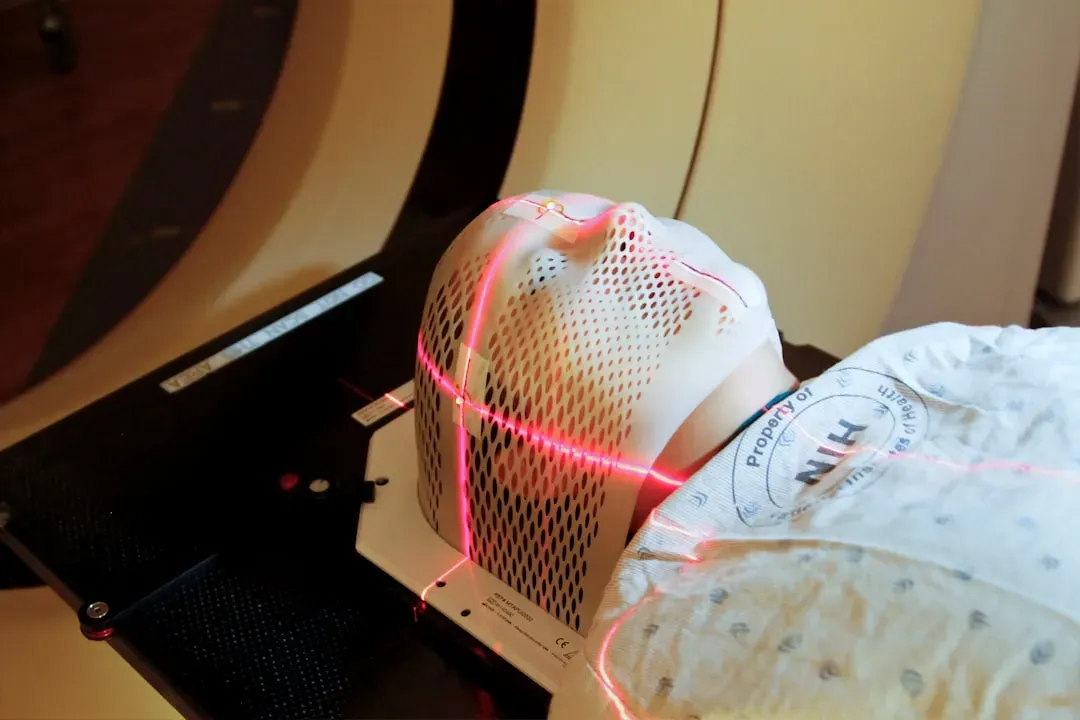
Even if the idea of the geomagnetic field steering your thoughts makes you uneasy, there is a more hopeful angle. Understanding how magnetism interacts with the brain might open new avenues for medicine and mental health. We already use targeted magnetic fields in techniques like transcranial magnetic stimulation, which can modulate neural activity and is used for conditions such as depression when other treatments fail.
If humans carry faint magnetic senses or magnetically sensitive molecules, then maybe those pathways could one day be tuned deliberately, instead of just being pushed around by natural fluctuations. It is not crazy to imagine therapies that harness specific frequencies or spatial patterns of magnetic fields to stabilize brain rhythms or improve cognition. That future is not here yet, and there is a lot of hype in the wellness space you should absolutely ignore, but the underlying concept – that magnetism and mind are intertwined – is not pseudoscience anymore. It is just complicated, slow, and uncomfortable for people who like clean answers.
Why This Idea Feels So Unsettling (And Weirdly Liberating)

Part of why the thought of the geomagnetic field tugging at your mind feels so unnerving is that it messes with our sense of being sealed off individuals. We like to think of the brain as a kind of fortress, fully enclosed in bone, running its own show. Realizing that this carefully guarded organ might be gently entrained by a planetary field makes that fortress feel more like a tent, swaying just a little in the cosmic wind.
There is another side to it, though, and I find it oddly comforting. If your brain is, even in tiny ways, listening to Earth’s magnetic field, that means you are physically and continuously connected to the planet in a way you never asked for but always had. It is like discovering you have been unconsciously tapping your foot to a drumbeat in the background your whole life. Maybe that shared rhythm does not rob you of control, but simply reminds you that your mind is not floating in a vacuum. It is part of a much larger, stranger system than we were taught in school.
Conclusion: Your Mind Is Yours – But It Is Not Alone
If we strip away the hype and the scary headlines, what remains is still bold: there is growing, if incomplete, evidence that the geomagnetic field interacts with the human brain in ways we are only beginning to map. Personally, I do not buy the idea that Earth’s magnetism is secretly piloting our choices like some cosmic puppet master. The stronger, saner view is that it acts more like a quiet background track in the soundtrack of consciousness, one influence among many, usually drowned out by louder forces like culture, nutrition, stress, love, and trauma.
At the same time, I think it is a mistake to dismiss this whole field of research as fringe just because it feels uncomfortable, or because some people leap to exaggerated claims. To me, the most honest position is this: your mind is profoundly yours, yet it is also continuously shaped by invisible fields, from Wi‑Fi to sunlight to Earth’s own magnetic shell. Instead of fearing that connection, maybe it is healthier to acknowledge it and stay curious. After all, if your brain really is quietly listening to the planet, does that make you less free – or simply more entangled with a universe that was always touching you anyway?