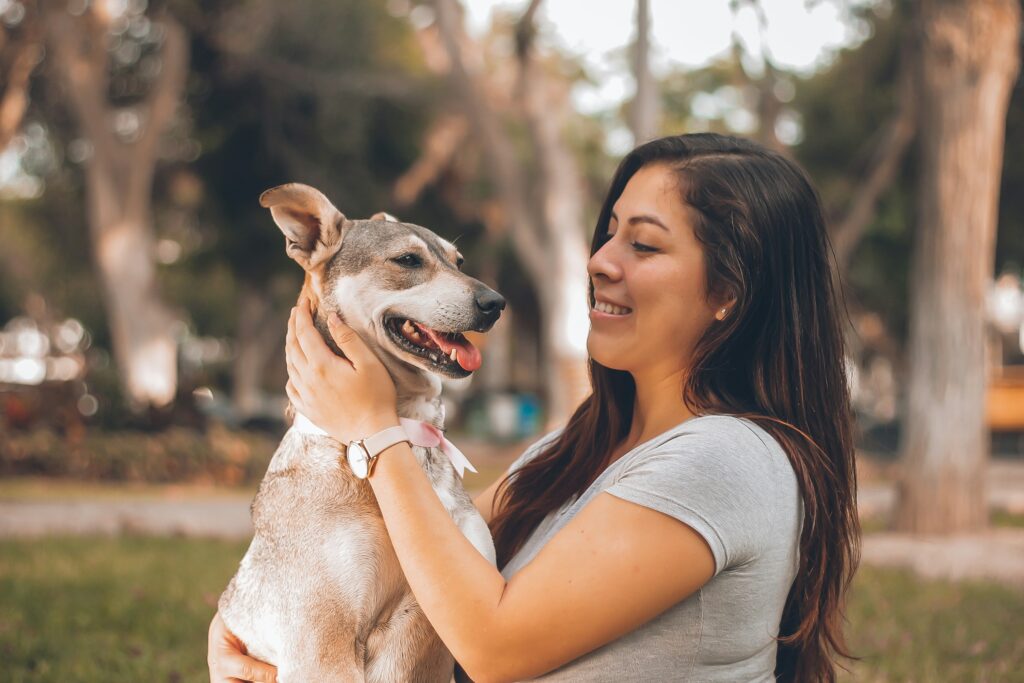

You probably already feel it in your bones: your dog seems to understand you in a way that goes way beyond basic commands. A simple “hey, buddy” can make your dog’s ears perk, tail wag, and eyes lock onto yours, even if there’s a TV blaring or a truck outside. What is easy to miss, though, is just how special that response really is – and how different it looks when you test wolves in the same way. Over the past few years, researchers have put this feeling many dog owners have to the test, by comparing how dogs and wolves react to human voices versus other sounds. What they’re finding is pretty striking: dogs are tuned into you in a way wolves simply are not, and this special attention looks like a true product of domestication, not just good training or living indoors. When you talk, your dog’s brain and behavior show that, to them, your voice is not just another sound in the background; it’s a signal that really matters.
Why Your Dog’s Ears Snap to Your Voice

Think about how your dog reacts when you say their name in a normal tone, not a shout. You might notice their ears move, their face turn toward you, or their tail start with a slow wag that builds. This is not just a reflex to loud noise; your dog is treating your voice as something meaningful and worth prioritizing over other things happening around them. In experiments, dogs consistently look faster and longer toward speakers playing human voices compared with neutral sounds like bells, rustling, or machine noises. You see this preference even when the voice is not their owner’s and even when the words don’t carry any learned command. The sound of a person just talking – a stranger, in a different language – still grabs a dog’s attention more than many other sounds in the environment. That tells you something important: your dog has not only learned a few specific cues like “sit” or “walk”; they have become a species that treats human vocal sounds, in general, as socially and emotionally relevant.
What Happens When You Do the Same Tests With Wolves
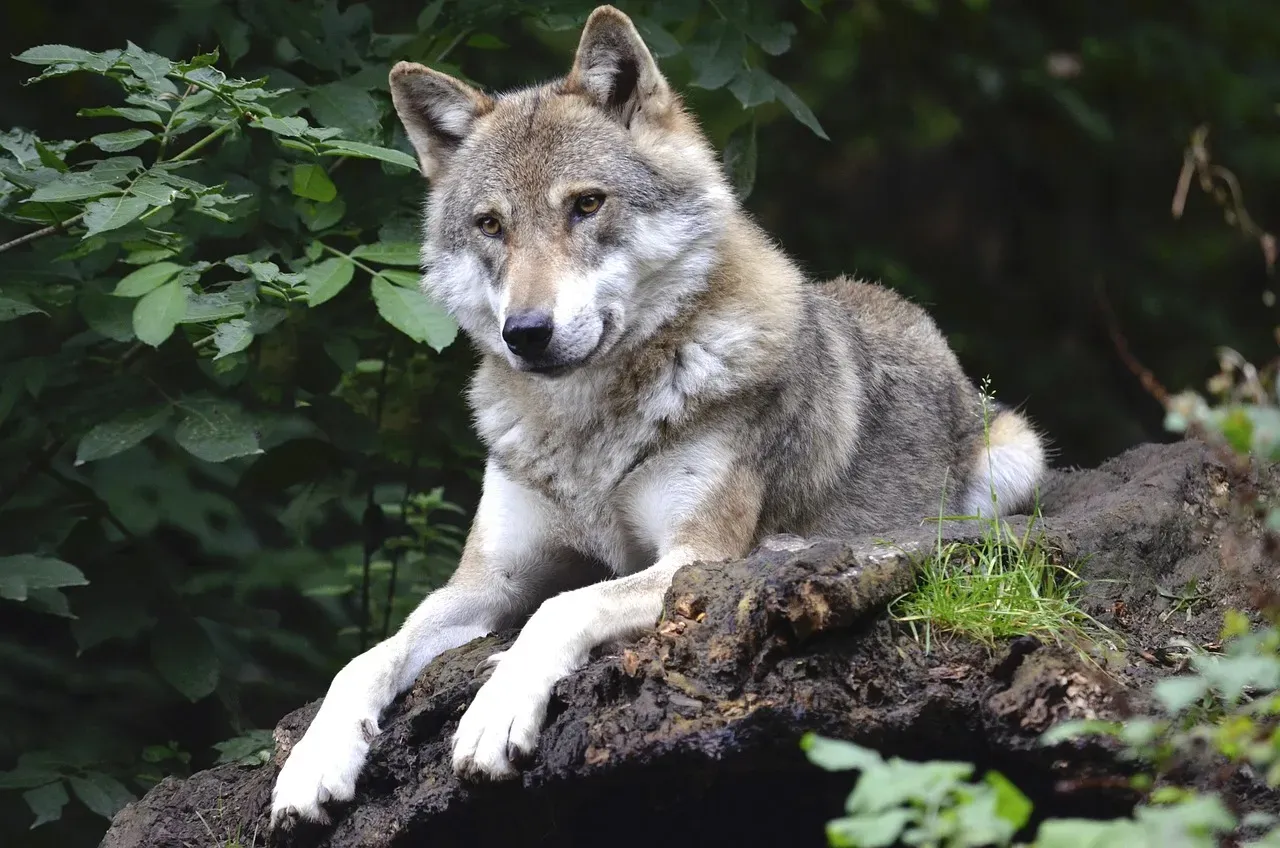
Now picture a wolf in the same setup: speakers playing human voices and various environmental sounds. You might expect that, with enough socialization and hand-raising, a wolf could be just like a dog. But when researchers look carefully, you see a clear difference. Wolves tend to react more cautiously or inconsistently to human voices, and their attention is not as strongly drawn to speech compared with other noises. Even wolves that have been raised by people from a very young age do not show the same robust preference for human voices that dogs do. They may notice the sound, or be curious, but they do not treat human vocalizations as automatically special in the same way. This gap between wolves and dogs is the key clue: if training and socialization were enough, highly socialized wolves would behave just like dogs. The fact that they do not points straight at something deeper, baked into dogs through generations of domestication.
Domestication Versus Training: Why the Difference Matters

It can be tempting to think that dogs are basically wolves plus obedience classes, but the science keeps telling you otherwise. Training can shape what specific words or tones your dog responds to, but it does not explain why dogs, as a group, show such an automatic tilt toward human voices to begin with. That baseline attraction, that extra weight given to your speech over background noise, reflects changes that happened over thousands of years, not just a few weeks of puppy kindergarten. In other words, your dog did not just learn to care about human voices; your dog was born predisposed to do so. Training then builds on top of that natural sensitivity, refining it and attaching specific behaviors to particular sounds. When you compare this to wolves – who can be trained to some extent, but usually lack that same default focus on human speech – you see why researchers describe this vocal attention as a product of domestication, not simply the result of living with humans.
What the Dog Brain Does With Human Voices
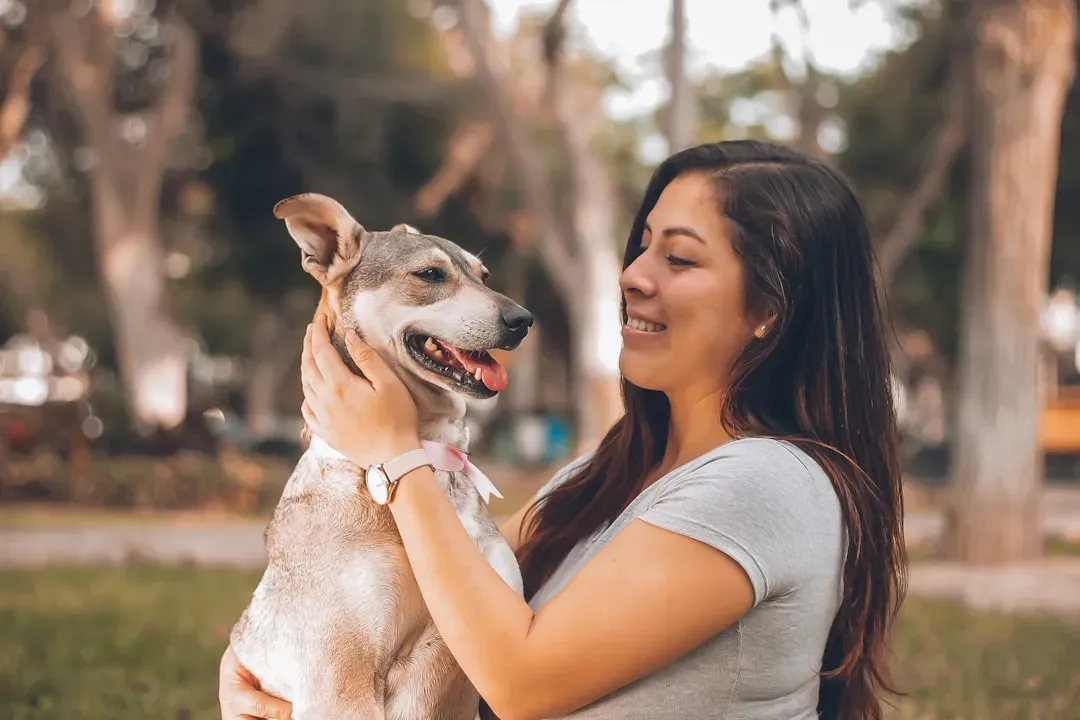
If you could peek inside your dog’s brain while you talk, you would see something surprisingly familiar. Studies using brain imaging in awake, trained dogs show that parts of the brain involved in processing sounds and emotional tones become especially active when they hear human voices, particularly when those voices carry positive or engaging intonation. Your dog is not just hearing noise; they are sorting out who is speaking, how you feel, and whether what you say matters for them. Interestingly, some of the brain regions that light up in dogs when they hear human voices overlap with areas you use to interpret speech and tone. That does not mean dogs understand language the way you do, but it suggests they are biologically tuned to social sounds, especially from humans. Wolves, by contrast, do not show the same consistent patterns. They may process sound efficiently, but they are not wired to treat your voice as uniquely meaningful in the same way a domesticated dog is.
Why Puppies Seem “Born Listening” to People

If you have ever brought home a puppy, you probably noticed how fast they lock onto your voice, even before they know any commands. They may stumble over everything else – house rules, leash walking, where the water bowl is – but your tone of voice and the rhythm of your speech grab them early. This early sensitivity is not an accident. It looks like one of the early-developing traits that domestication favored, because it helped dogs fit into human groups. Researchers testing young puppies often find that they orient to human voices and gaze, even when they have had limited direct training. You can think of this as a built‑in “human radar” that flips on very early. Training and exposure then sharpen it over time. With wolves, however, early attention to human voices is weaker and more fragile; even when hand-raised, wolf pups generally do not show the same strong, reliable pull toward human speech that dog puppies do.
Emotional Tone: How Your Dog Reads Your Feelings in Your Voice
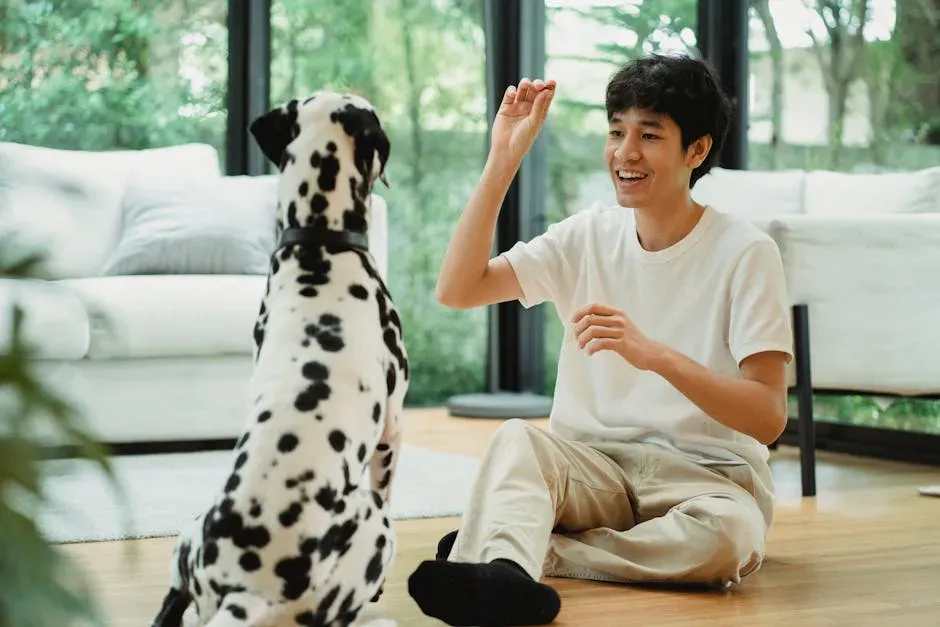
You have probably had moments where you say nothing specific, but your dog still knows you had a rough day. A softer or flatter voice, slower speech, or a tense edge seems to tell them something, and they respond by coming closer, dropping their ears, or gently leaning on you. Studies support what you feel in those moments: dogs are sensitive not only to the fact that you are talking, but also to how you are talking, especially your emotional tone. Dogs can distinguish between more positive and more negative vocal tones, and they tend to react differently, adjusting their body language and attention. That ability to read your emotional cues from your voice is another layer of specialization that wolves do not show to the same degree with human speech. You are not just background noise to your dog; you are a social partner whose feelings matter, and your voice is one of the main channels through which they track those feelings.
Why Environmental Sounds Still Matter – but Take Second Place

Of course, your dog does not ignore the rest of the world. A sudden bang, a squeaky toy, another dog barking outside – these sounds can instantly grab attention. In some cases, especially sudden or loud noises, they even override your voice for a moment. But when researchers look at patterns over time, you see that many everyday environmental sounds fade into the background faster than human speech does for dogs. Your casual conversation, your laughter, even a simple call from another room tends to pull your dog in and hold their attention longer than many neutral sounds around the house. Think of it like a priority list in their mind: dangerous or extremely surprising sounds come first, then human voices, and only after that the rest of the noise. With wolves, that hierarchy looks different; they tend to be more focused on environmental cues that matter for survival, while human speech rarely sits near the top of the list.
What This Means for How You Talk to Your Dog

Once you know that your dog is naturally tuned to your voice, you can use that to communicate more clearly and kindly. You do not have to rely only on sharp commands; your normal conversational tone, your rhythm, and your emotional coloring all carry information that your dog is already primed to notice. Consistent, calm, and warm speech can make training easier, reduce confusion, and build a stronger sense of safety for your dog. It also means you can worry less about sounding silly. That slightly higher, happier “dog voice” you slip into when you greet them actually plays into how their brain responds. They are predisposed to pick up on human vocal signals, so leaning into that with clear, friendly tones is not indulgent; it is effective. You are speaking directly to a trait shaped by thousands of years of living alongside people.
The Bigger Story: How Your Dog Became a Partner, Not Just a Pet
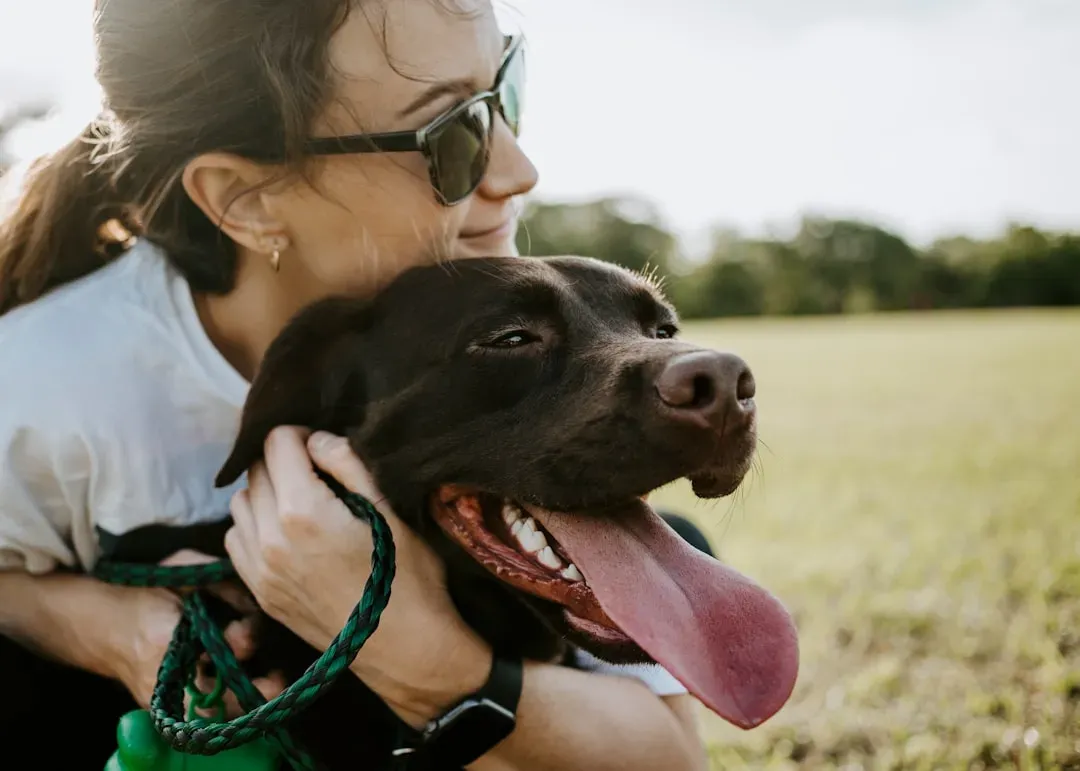
When you put all of this together, a bigger picture emerges. Dogs are not just tamed wolves; they are animals whose minds have been reshaped by a long partnership with humans. Their special preference for human voices, their ability to pick up on emotional tones, and their distinctive brain responses to speech all point to a deep evolutionary shift. They did not just learn a few tricks; they evolved to live in your world and to treat your signals as central. For you, that has a simple but powerful implication: when you talk to your dog, you are tapping into one of the core channels that domestication carved out over countless generations. Your voice is not background noise to them; it is a guide, a comfort, and sometimes a source of excitement or reassurance. Next time your dog’s head snaps up at the sound of your voice, even in a noisy room, you are seeing history in motion – proof that this bond runs deeper than training alone.
In the end, the difference between dogs and wolves is written in how they listen to you. Dogs show you, through their ears, eyes, and even their brains, that human voices have become something special to them, while wolves keep their attention more anchored in the wild world around them. That difference is the fingerprint of domestication, stamped into behavior and biology over thousands of years.
So when you catch yourself chatting away to your dog about your day, remember: they are not just tolerating it; they are built to care. The fact that they attend to your voice more than to many other sounds is not an accident – it is the legacy of a long, shared story between your species and theirs. Knowing that, how will you choose to talk to your dog the next time they look up at you, ears forward, waiting to hear what you say?