
Most people picture ancient history as a tidy staircase: Stone Age, then Bronze Age, then Rome, then everything else, each step arriving right on cue like a textbook diagram. Archaeologists believed that staircase too, right up until a trowel hit something that wasn’t supposed to exist yet.
That’s the pattern behind this list. Sophisticated cities show up in “primitive” eras. Temples appear before farming. Humans turn up on continents thousands of years before the accepted arrival date. These aren’t fringe theories or internet conspiracies – they’re peer-reviewed headaches that have quietly rewritten the opening chapters of human history. Here are 13 ruins that actually forced the clock backwards, and what that really means.
#13 – Çatalhöyük: The “Too-Early” City That Shouldn’t Exist
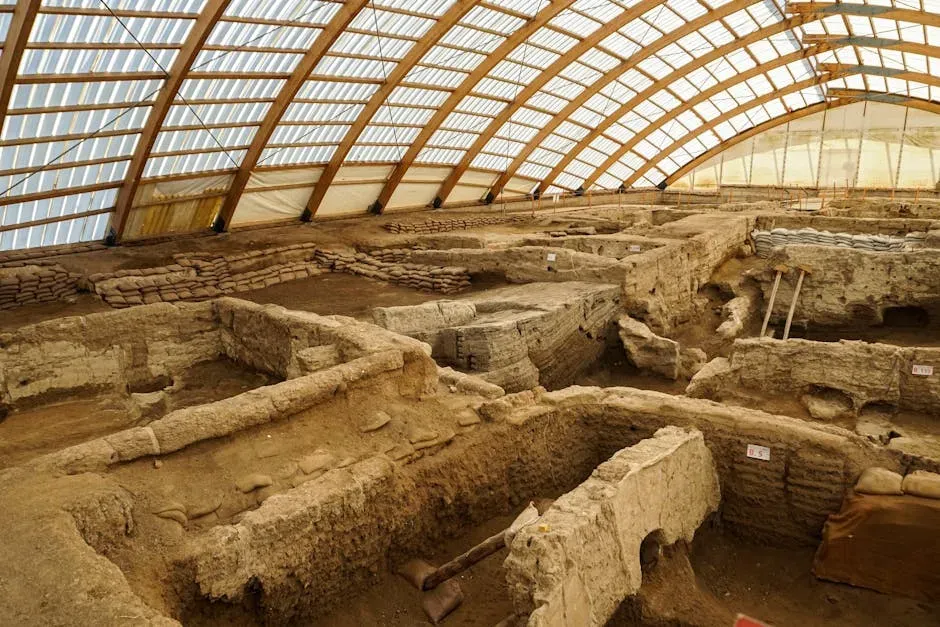
Archaeologists used to insist real cities only appeared around 3,500-3,000 BCE in Mesopotamia. Then Çatalhöyük in central Turkey showed up like a glitch in the system. This dense settlement dates to roughly 7,500-6,400 BCE, packed with mudbrick houses and rooftop streets, but with no obvious palaces, temples, or city walls. There were no streets at ground level at all – people climbed in and out through roof openings, moving across the town like ants crossing a hill.
The shocking part is what’s already there thousands of years early: wall paintings, bull skull shrines, and carefully arranged burials, all pointing to a complex belief system long before “official” civilization was supposed to begin. It forced archaeologists to drop the assumption that cities required kings, writing, or monumental stone. Now some researchers argue urban life evolved in multiple places, earlier and messier than the old Sumer-first story ever allowed.
Fast Facts
- Location: Konya Plain, central Turkey
- Occupied roughly 7,500–6,400 BCE
- No ground-level doors – residents entered through rooftop openings
- Features bull skull shrines, painted walls, and burials beneath house floors
#12 – Göbekli Tepe: The Temple Older Than Farming
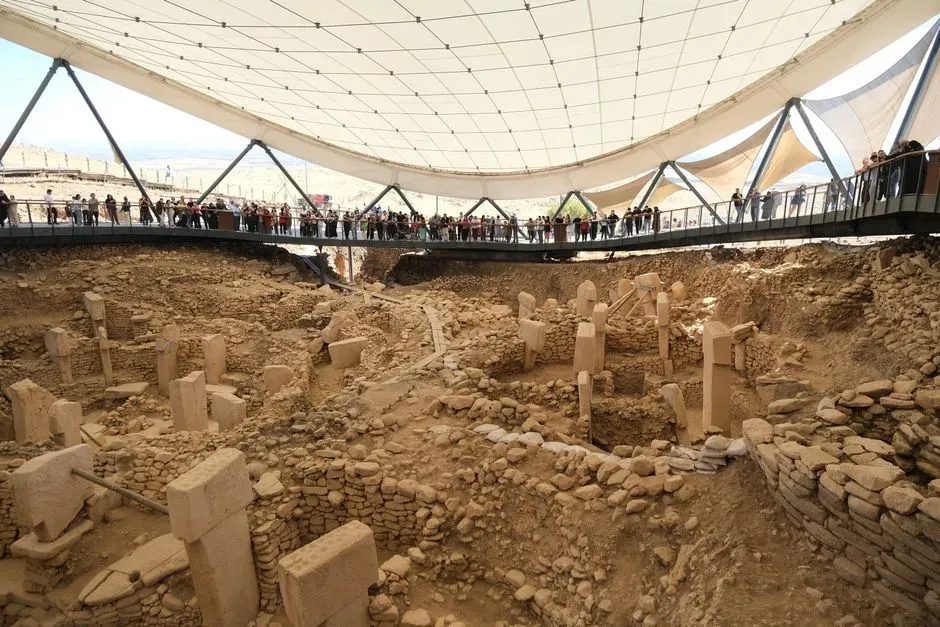
For decades, the accepted sequence was simple: humans farmed first, villages grew, and only later did organized religion appear. Göbekli Tepe in southeastern Turkey shredded that order on contact. Dating back roughly 9,600-8,000 BCE, the site is a series of massive circular enclosures built from T-shaped limestone pillars carved with animals and abstract symbols – some of those pillars weigh 10 to 20 tons.
The real gut-punch is that there’s no solid evidence of settled farming communities in the region at that age. Hunter-gatherers appear to have gathered here for large ritual events long before anyone planted a permanent crop, which flips the old model on its head: instead of religion growing out of cities, large-scale ritual may have pulled people together and pushed them toward farming in the first place.
First came the temple, then the city.
Klaus Schmidt
#11 – Jericho’s Neolithic Tower That Predates Cities
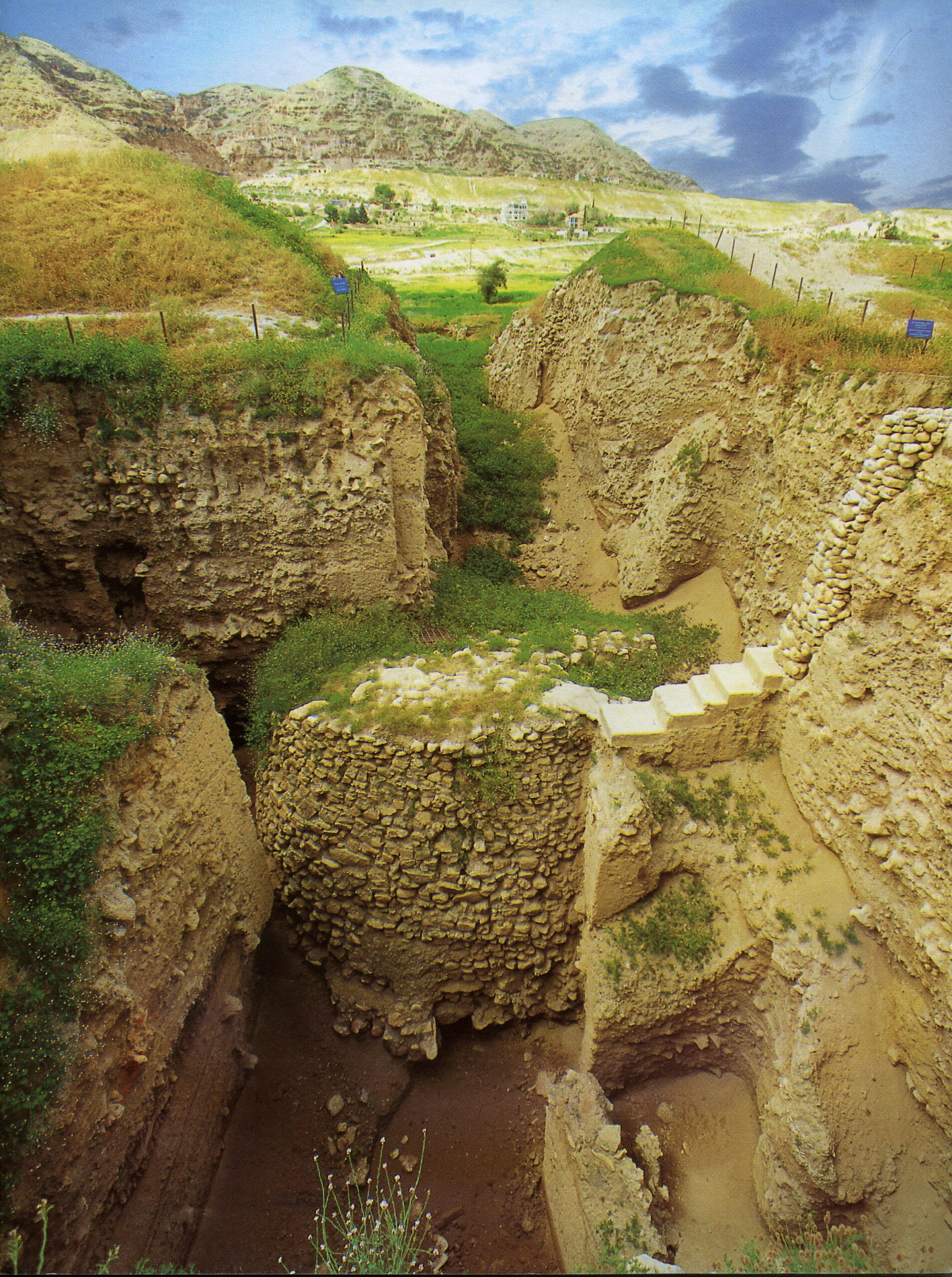
Most people know Jericho as the biblical town with falling walls, but the real shock buried beneath it has nothing to do with scripture. Deep under later layers, archaeologists found a massive stone tower and wall dating to about 8,000 BCE – long before anything resembling a city-state. The tower stands roughly 8 to 9 meters tall, complete with an internal staircase, built from shaped stone fitted without mortar and anchored to an early defensive wall.
Defensive architecture and monumental stonework were supposed to show up thousands of years later than this. The Jericho tower suggests organized labor, planning, and possibly social hierarchy already existed among Neolithic communities we once dismissed as “simple farmers.” Some researchers argue it was a flood barrier or a community symbol rather than a true fortress, but either way, it demands a level of early social organization nobody expected to find.
#10 – The Ness of Brodgar: Neolithic Orkney’s “Cathedral Complex”
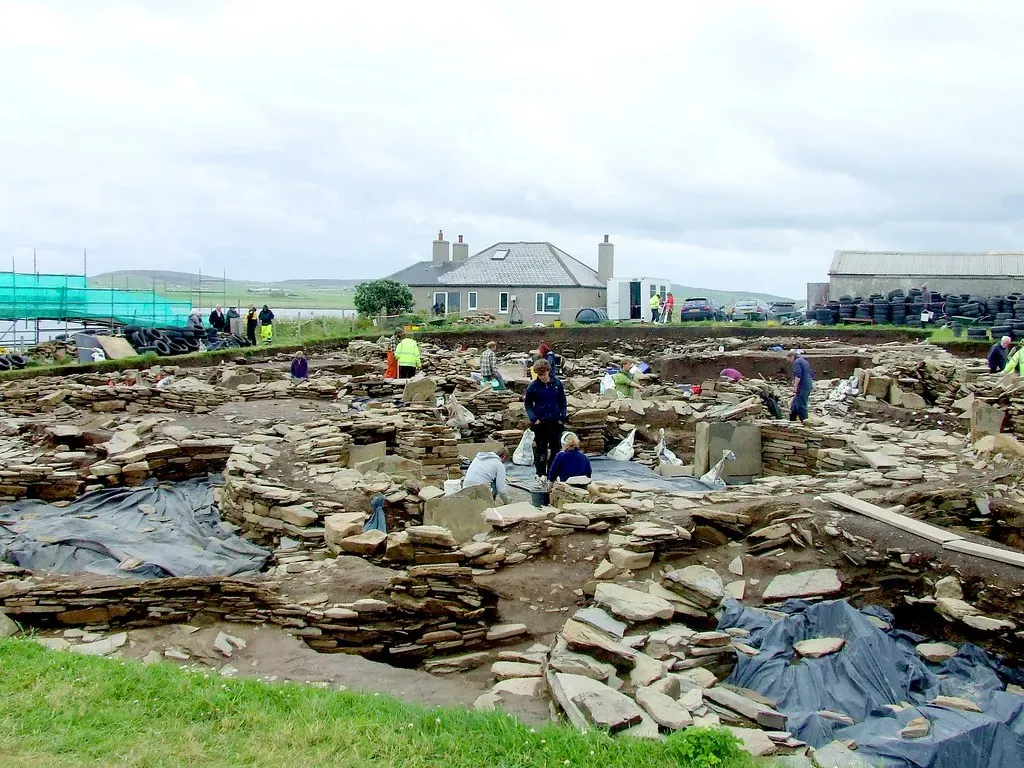
Ask someone where Europe’s earliest monumental stone architecture lives, and they’ll almost certainly say Stonehenge. Archaeologists in Scotland’s Orkney Islands now quietly argue that the Ness of Brodgar deserves top billing instead. Dated roughly 3,300-2,300 BCE, this complex predates or overlaps with Stonehenge and includes large decorated buildings, colored floors, and finely worked stone walls – all on a remote North Atlantic archipelago that history books treated as the middle of nowhere.
Orkney was long written off as a cultural backwater, but Ness of Brodgar looks like a ceremonial magnet that pulled in pilgrims, feasts, and shared rituals from across long distances. Some structures even seem to have been deliberately dismantled at the end of their use, hinting at closure rites nobody fully understands yet. This forced a rethink: megalithic innovation in Britain may have radiated outward from the “edge” islands, not just from the south, and much earlier than assumed.
#9 – Caral-Supe: The Pre-Incan Civilization Nobody Expected
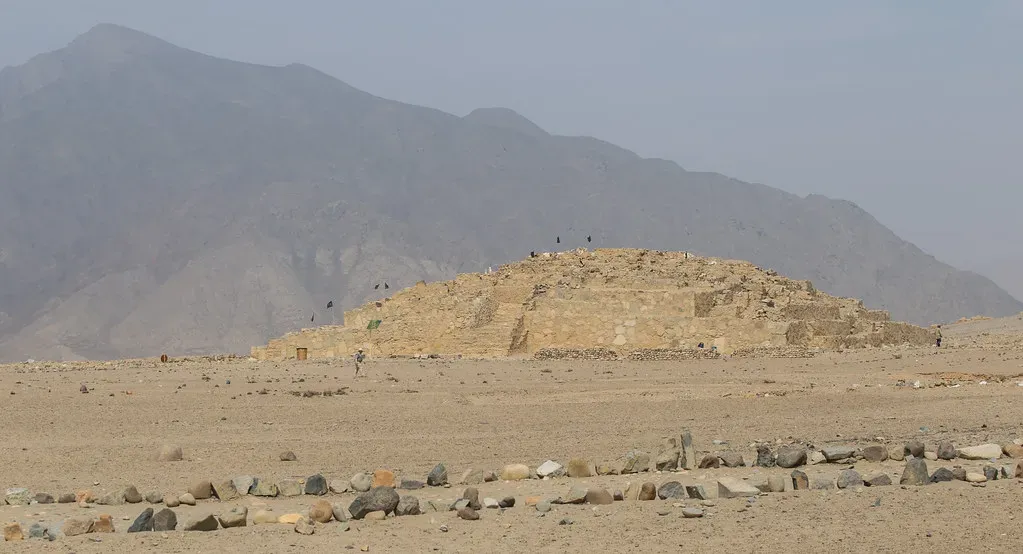
In Peru, the old narrative jumped straight from scattered early villages to the glory of the Inca, with a hazy, unexplained gap in between. The Caral-Supe sites on the Peruvian coast blew that gap wide open. Dating to around 3,000-1,800 BCE, Caral includes monumental platform mounds, sunken circular plazas, and planned architectural layouts, making it one of the oldest known urban centers anywhere in the Americas.
What stings for old textbooks is that Caral built pyramids and large-scale public architecture without obvious warfare or heavy fortifications. Trade, ritual, and possibly music seem to have driven it instead – archaeologists even found reed instruments among the ruins. This rewrote the American timeline: complex Andean society didn’t start with the Inca, or even the Moche, but stretches back far further, and it didn’t need farming surplus alone to get there.
#8 – Monte Verde: The Site That Broke “Clovis-First”
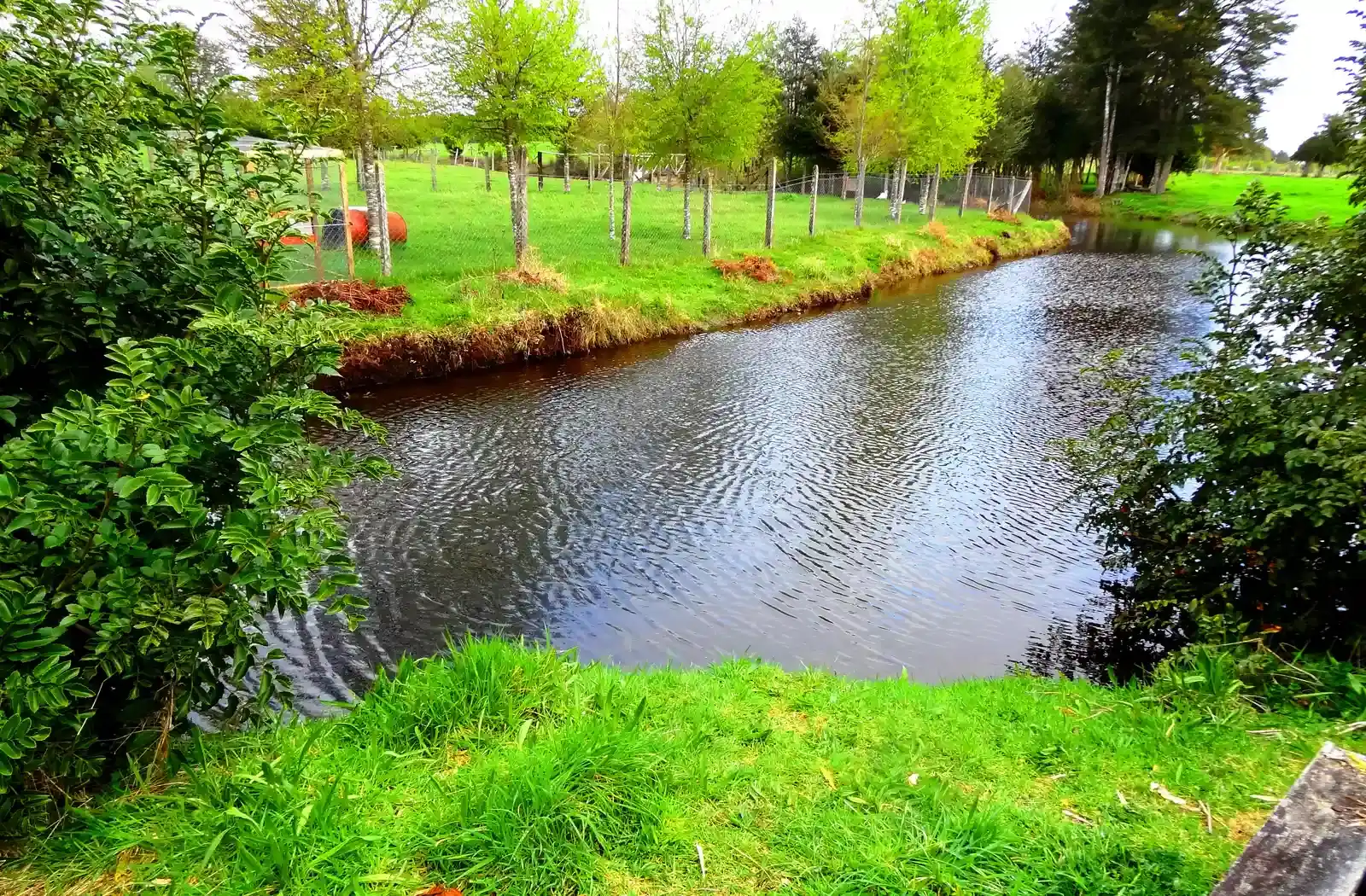
For most of the 20th century, U.S. archaeologists clung hard to “Clovis-first,” the idea that the earliest Americans arrived about 13,000 years ago, leaving distinctive spearpoints scattered across the continent. Chile’s Monte Verde site basically set that theory on fire. Radiocarbon dates show human occupation at least 14,500 years ago, with some evidence hinting it could be even older.
This wasn’t just a scatter of stray tools. Archaeologists uncovered preserved wooden structures, hearths, plant remains, and possible medicinal herbs, all locked in a waterlogged peat bog that kept the organic material intact. That points to a semi-permanent community, not a quick hunting stop. If people were in southern Chile that early, migration into the Americas started far sooner than believed, likely along coastal routes that left almost no other trace – and the “Clovis barrier” that dominated American archaeology for decades is simply gone.
Quick Compare
- Clovis-first model: humans arrive roughly 13,000 years ago via an interior corridor
- Monte Verde evidence: confirmed occupation at least 14,500 years ago
- Clovis-first toolkit: distinctive fluted spearpoints found across North America
- Monte Verde toolkit: wooden structures, hearths, and plant remains preserved in peat
#7 – Jebel Faya and the Early Arabian Crossing Nobody Predicted
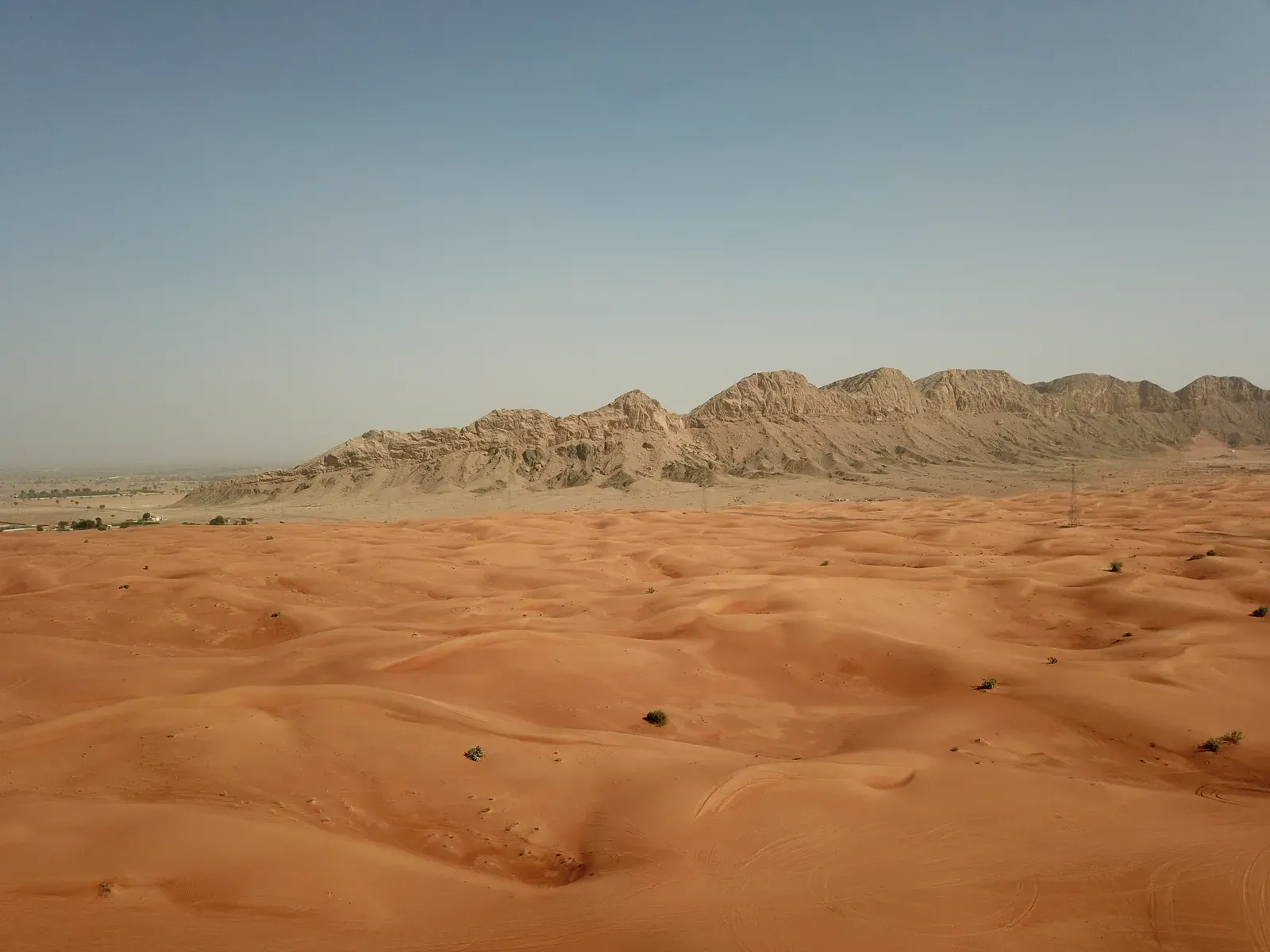
Most people still picture early Homo sapiens leaving Africa through a single “northern route” into the Levant around 60,000 to 70,000 years ago. The stone tools at Jebel Faya in the United Arab Emirates complicated that picture overnight. Some assemblages here have been dated to around 125,000 years ago, and their technology looks strikingly similar to tools being made in East Africa at the same time.
If those dates hold up – and this is where experts argue hardest – it means modern humans may have pushed into Arabia far earlier than believed, likely during wetter climate windows when the peninsula had lakes and grasslands instead of empty desert. That would support a “staggered exit” model, with multiple waves leaving Africa over a much longer stretch of time. Critics still debate the exact dating and whether these tools represent Homo sapiens at all, but even the cautious camp agrees: Arabia wasn’t an empty corridor, it was an active stage for human dispersal.
#6 – Madjedbebe: Australia’s Start Date Keeps Moving Back
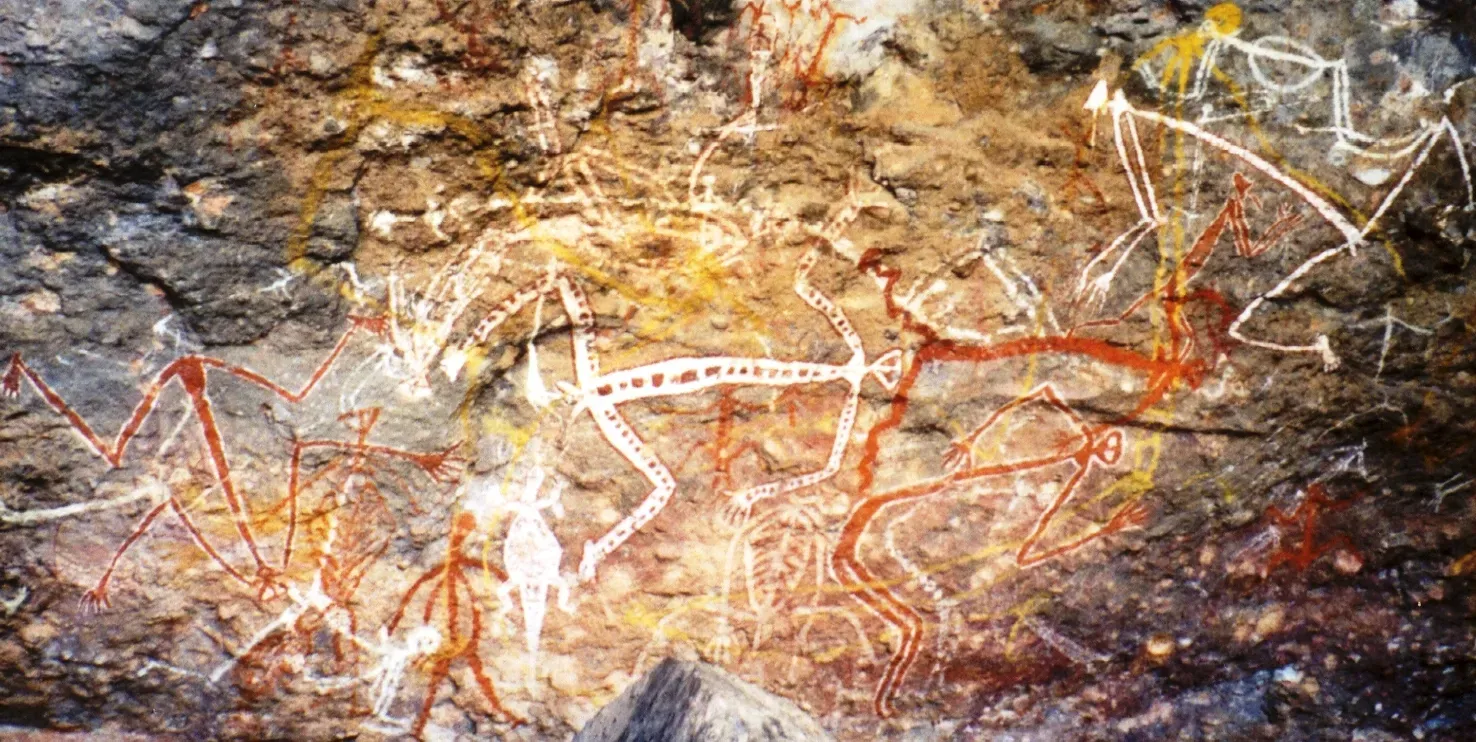
Ask a random person when humans reached Australia and they’ll probably say 40,000 years ago. The rocks at Madjedbebe, a rock shelter in northern Australia, keep refusing to agree. Recent excavations using improved dating techniques suggest occupation around 65,000 years ago, pushing back the arrival of humans in Sahul – the ancient combined landmass of Australia and New Guinea – far earlier than traditional estimates ever allowed.
The site holds stone tools, grinding stones, and pigment pieces suggesting symbolic behavior and real technological sophistication from the very start. If people were in northern Australia 65,000 years ago, they had to leave Africa, cross Asia, and master sea voyages far earlier than most models assumed. Some researchers still argue over the stratigraphy, but Australian archaeology keeps trending in one direction only: older.
#5 – Denisova Cave: Hybrid Humans in the Wrong Era
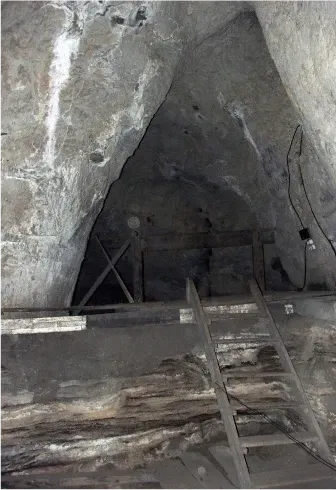
Denisova Cave in Siberia doesn’t look like much from the outside, but inside it quietly wrecked the simple “human evolution” charts everyone grew up with. DNA pulled from a tiny finger bone and a few teeth revealed a previously unknown group: the Denisovans, who interbred with both Neanderthals and modern humans. Sediments and remains suggest occupation stretching back hundreds of thousands of years, with overlapping use by different hominin groups over that span.
What pushed timelines back wasn’t just discovering a new name – it was realizing that modern human populations in Melanesia and parts of Asia still carry Denisovan DNA today. That means complex interbreeding continued long after “archaic” humans were supposedly fading into extinction. The cave even produced the remains of a direct Neanderthal-Denisovan hybrid individual, forcing scientists to abandon neat replacement models for something messier: a braided stream of populations mixing over an almost unimaginable stretch of time.
Worth Knowing
- Denisovans were identified from DNA in a single finger bone and a few teeth
- They interbred with both Neanderthals and modern humans
- Modern populations in Melanesia and parts of Asia still carry Denisovan DNA
- The cave yielded remains of a direct Neanderthal-Denisovan hybrid individual
#4 – Skhul and Qafzeh: Modern Humans Where They “Shouldn’t” Be
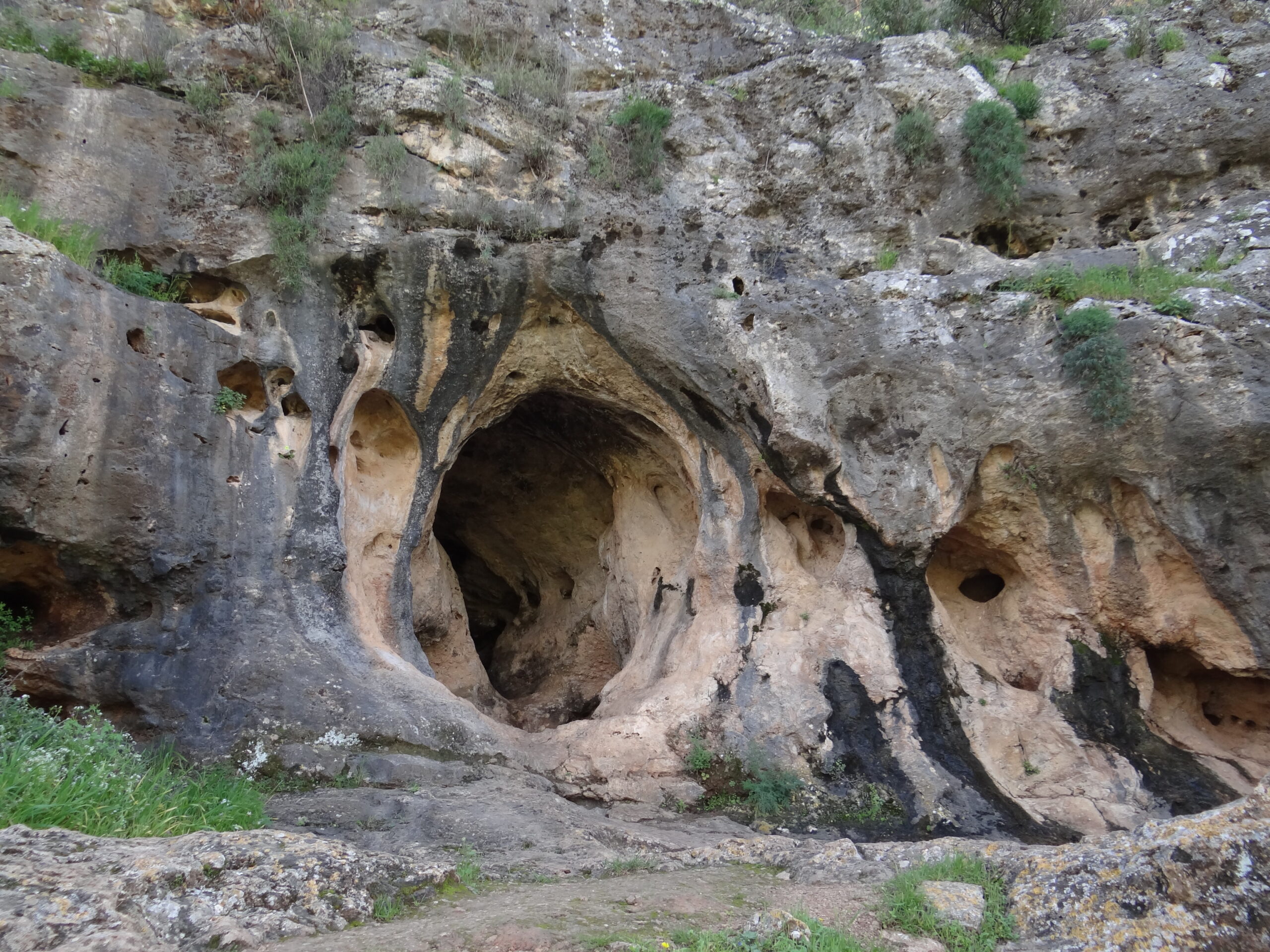
For decades, the consensus held that modern humans didn’t leave Africa in any lasting way until about 60,000 to 70,000 years ago. Then the Skhul and Qafzeh caves in Israel started forcing awkward footnotes into every textbook. These caves have produced Homo sapiens skeletons dated to roughly 90,000 to 120,000 years ago, some buried with deer antlers and red ochre arranged like deliberate grave goods.
That predates the supposed “big” out-of-Africa migration by tens of thousands of years. Most experts now read Skhul and Qafzeh as an earlier, possibly limited expansion that didn’t fully take hold or persist like the later wave did. But they still push the timeline of modern humans outside Africa back significantly, and they show that intentional burial and symbolic ritual existed early, turning a once-clean migration story into a series of repeated, half-successful experiments.
#3 – Lake Mungo and Australia’s Startlingly Ancient Burials
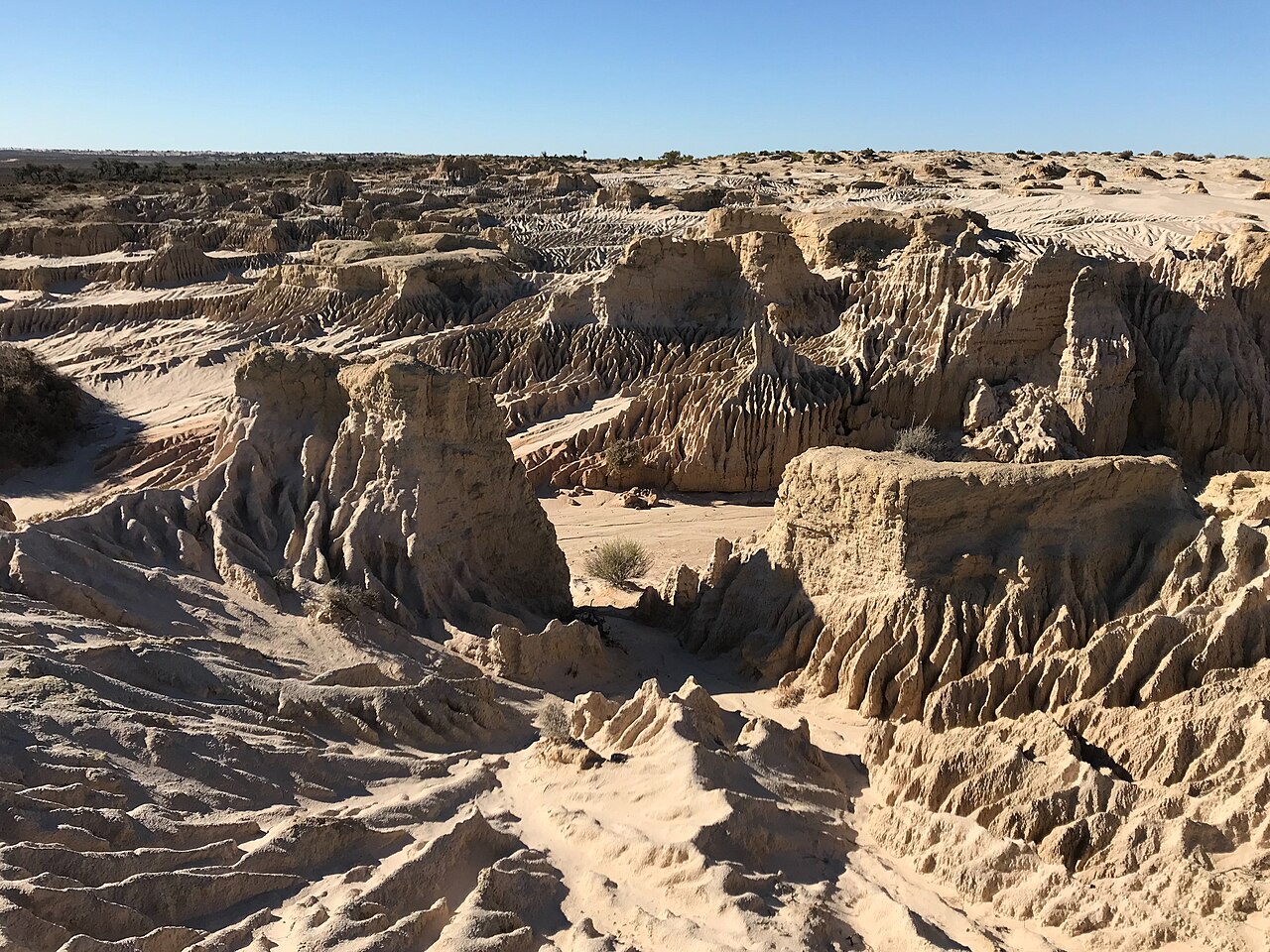
Australia’s Lake Mungo region sits in a dry, unremarkable basin that doesn’t look like much at first glance. But its ancient shoreline has produced some of the oldest known human remains with clear ritual treatment anywhere on Earth. One famous individual, known as “Mungo Lady,” was cremated, then had her bones crushed and burned a second time – an elaborate mortuary sequence that took real intention. Dates cluster around 40,000 to 42,000 years ago, with some early estimates pushing even older.
That matters because complex mortuary ritual and symbolic treatment of the dead this early in Australia challenges the old assumption that such behavior was confined to Eurasia. It implies fully modern cognition and rich cultural belief at the very edges of the Pleistocene world, in a place most models treated as an afterthought. The exact ages are still debated as dating methods improve, but nobody seriously disputes that people here, deep in the Ice Age, were already thinking like us.
#2 – Rujm el-Hiri: The Mysterious Stone Circles of the Golan
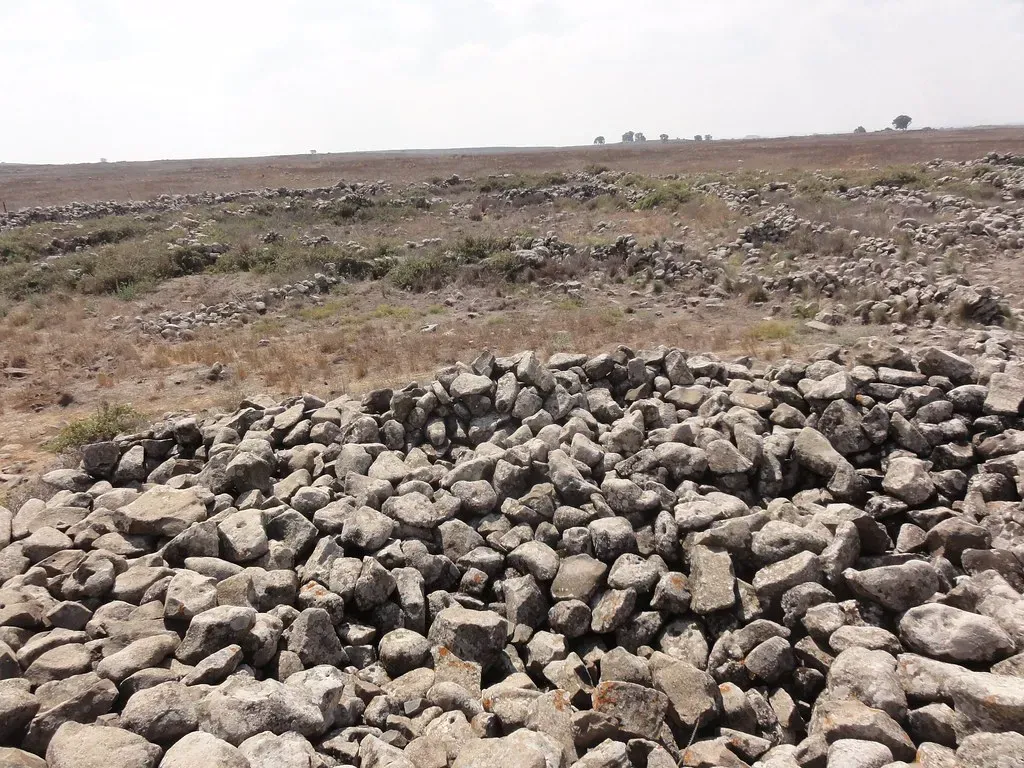
Most people point to Stonehenge as the iconic ancient stone circle, but the Golan Heights hides a much older and far stranger cousin: Rujm el-Hiri, also known as Gilgal Refaim. The structure is a set of concentric stone circles built around a central mound, made from tens of thousands of basalt rocks hauled and stacked by hand. Dates are debated, but many archaeologists place its construction in the early to mid-3rd millennium BCE, with some evidence suggesting even earlier origins.
What rattles timelines isn’t just its age, it’s the sophistication showing up in a region already crowded with early complex societies. Alignments hint at astronomical or calendrical purpose, and the sheer labor required suggests organized communities operating well outside the tidy Mesopotamia-Egypt story we’re usually taught. Some scholars are skeptical of the more dramatic age claims, and its exact function – tomb, observatory, ritual arena – remains genuinely contested. But its existence alone proves the Near East’s megalithic experiments were more varied, and possibly older, than the standard “pyramids and ziggurats” version of history admits.
Why It Stands Out
- Built from tens of thousands of hand-stacked basalt rocks
- Construction likely dates to the early-to-mid 3rd millennium BCE, with hints of earlier origins
- Possible astronomical or calendrical alignments built into the circles
- Its function – tomb, observatory, or ritual site – is still debated
#1 – The Cerutti Mastodon Site: The Claim Archaeologists Love to Argue About
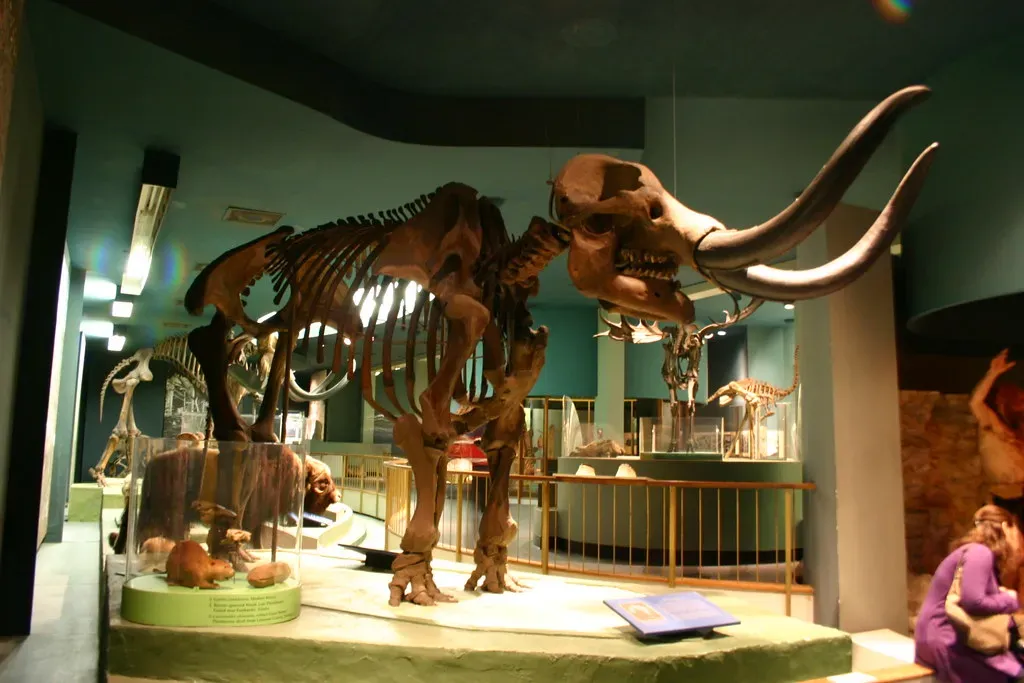
If you want a ruin that genuinely enrages archaeologists, look at the Cerutti Mastodon site in California. In 2017, researchers published claims that stone fractures and bone damage at this site indicate human activity around 130,000 years ago – more than 100,000 years earlier than the widely accepted peopling of the Americas. They argue the broken cobbles and shattered mastodon bones show patterns consistent with deliberate hammering and marrow extraction, not accidental damage.
Here’s where honesty matters more than excitement: most specialists remain unconvinced. Critics point out that heavy equipment, geological pressure, or plain natural breakage could explain the same damage, and there’s no clear tool kit or human bones to back the claim up. No independent site of comparable age has confirmed it either. Still, the Cerutti controversy matters because it forced archaeologists to re-examine what actually counts as evidence, and how tightly anyone should cling to a 15,000 to 20,000-year window. Even if Cerutti eventually gets rejected outright, it already cracked the door open to testing older possibilities nobody wanted to touch before.
At a Glance
- Location: San Diego, California
- Claimed date: roughly 130,000 years ago
- Evidence cited: fractured cobbles and broken mastodon bones
- Status: no confirmed tools, no human remains, and no comparable site found elsewhere
The Bottom Line
Across these 13 sites, one pattern keeps repeating: every time archaeologists think they’ve nailed down “the beginning” of something – cities, temples, migrations, ritual, seafaring – a ruin shows up that’s older, stranger, or more complex than the model allowed. Monte Verde and Göbekli Tepe are now widely accepted timeline-shifters. Cerutti still lives in the hot zone of open debate. But together, they’ve killed the comforting idea that history moves in tidy, linear steps.
My honest take: the sites that convince me most aren’t the flashiest ones, they’re the ones with boring, undeniable physical evidence – waterlogged wood at Monte Verde, DNA in a Siberian finger bone, tool kits buried under Australian sand. Cerutti is fascinating precisely because it isn’t proven yet, and that’s fine. Science is supposed to argue with itself. The uncomfortable truth is that our species has been experimenting with religion, technology, movement, and monument-building for far longer, and in far more places, than most textbooks still admit. So which of these ruins do you actually buy, which do you doubt, and what do you think is still waiting under the next unremarkable hill?