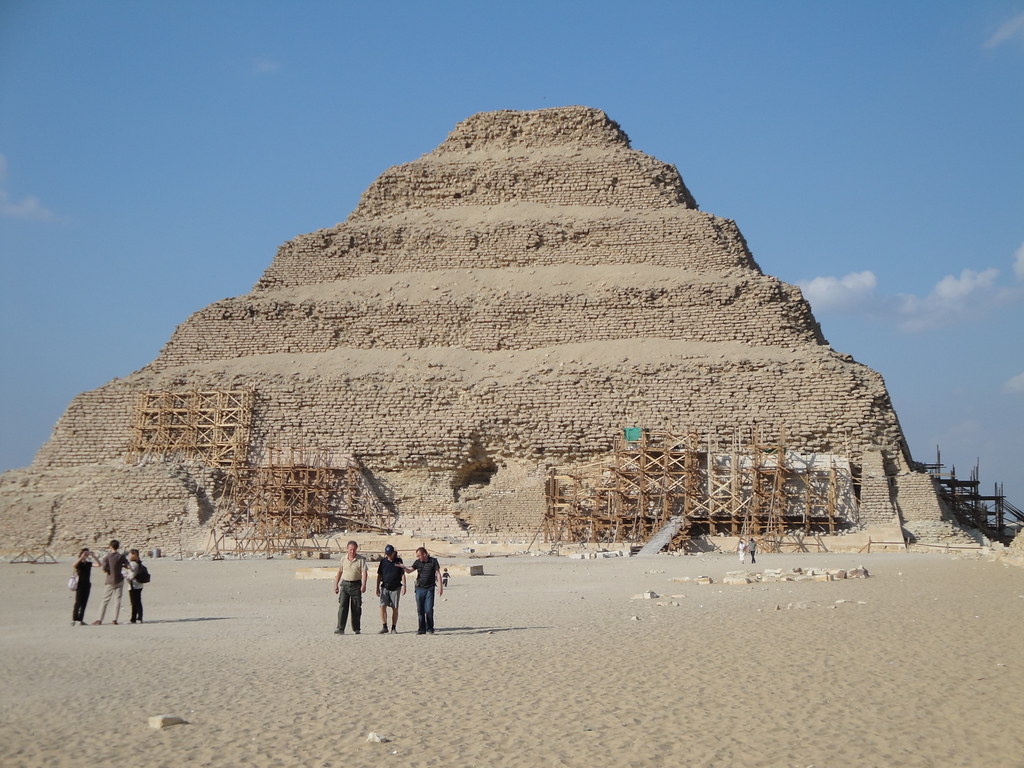

Most people assume history is a settled subject – dates memorized, textbooks printed, case closed. But archaeology and genetics keep quietly rewriting the past, and the changes aren’t small footnotes. They’re often complete reversals of what generations of students were told as fact.
From ancient temples that predate farming to a skeleton that proved women fought as Viking warriors, the twelve corrections below aren’t obscure academic arguments buried in some journal nobody reads. Once you see the evidence laid out, you start wondering what else made it into the textbooks without anyone bothering to check.
#12 – Marie Antoinette Never Said “Let Them Eat Cake”
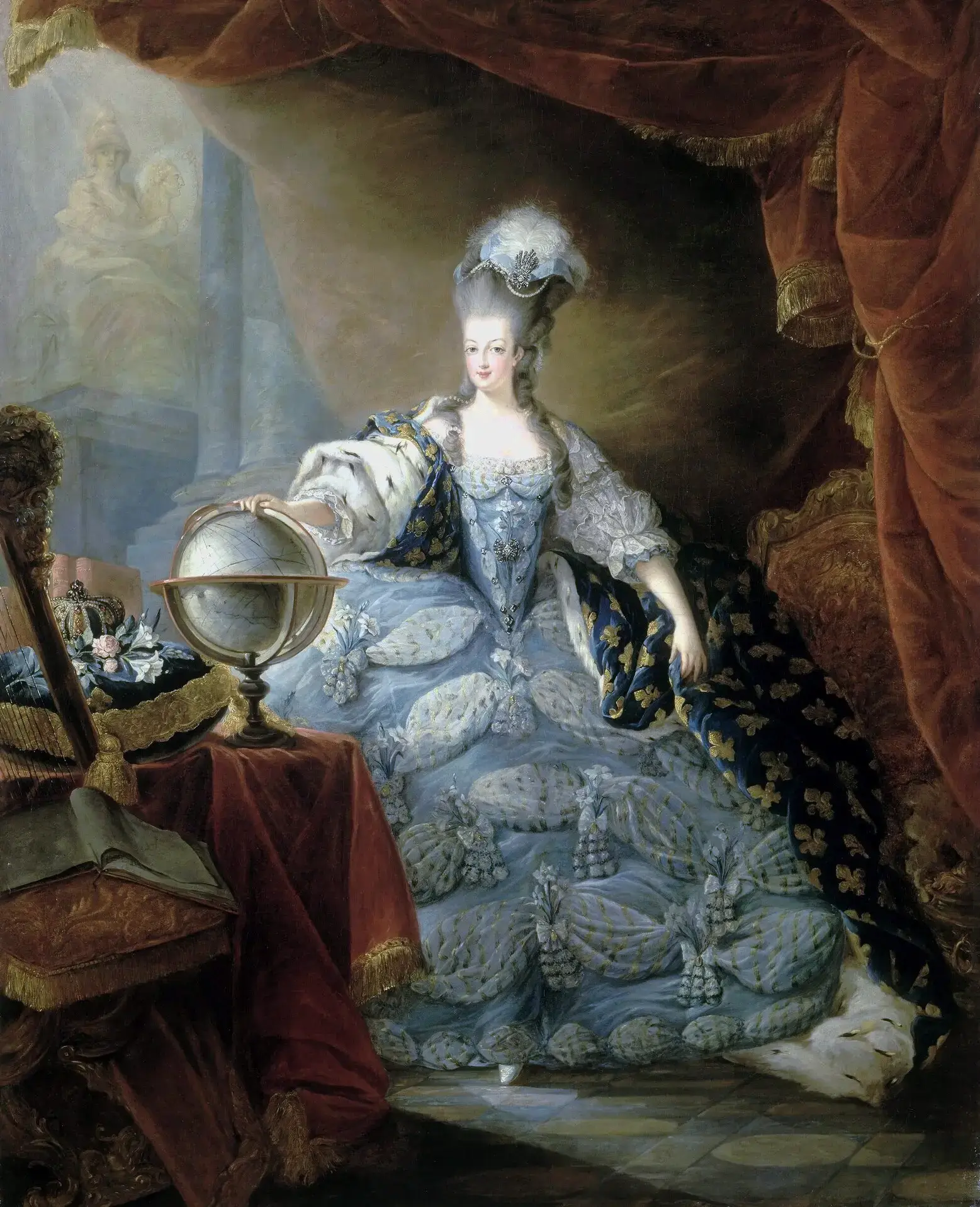
The most famous quote of the French Revolution was never actually spoken by the queen it’s blamed on.
Historians have never found a single contemporary source proving Marie Antoinette said “let them eat cake” (or its original French version, “qu’ils mangent de la brioche”). The phrase actually appears in the writings of philosopher Jean-Jacques Rousseau, published when Marie Antoinette was still a child in Austria – years before she ever set foot in France. It was likely a stock line already circulating in French society, later pinned onto the queen because it fit her reputation as out-of-touch royalty.
The quote was propaganda, not history – a convenient way to make an unpopular monarch look monstrous during a revolution that needed a villain. This kind of retroactive myth-making happens more than most people realize, and it’s exactly the same pattern behind our next entry, involving a general everyone assumes was short.
#11 – The Great Wall of China Isn’t Visible From Space

Generations of students were taught this “fact” like it was geography 101. It’s simply wrong.
The Great Wall is long, but it’s also narrow – often just a few meters wide – and made from materials that blend into the surrounding terrain. Multiple astronauts, including those aboard the Space Shuttle and the International Space Station, have confirmed it’s essentially invisible to the naked eye from low Earth orbit without magnification. Even Chinese astronaut Yang Liwei publicly admitted he couldn’t spot it during his 2003 spaceflight, which caused a minor uproar back home.
The myth actually predates spaceflight entirely – it was circulating in trivia books and even a 1932 Ripley’s cartoon decades before anyone left the atmosphere to check. Speaking of long-standing myths about famous historical figures, the next one involves height, not architecture.
#10 – Napoleon Wasn’t Actually Short
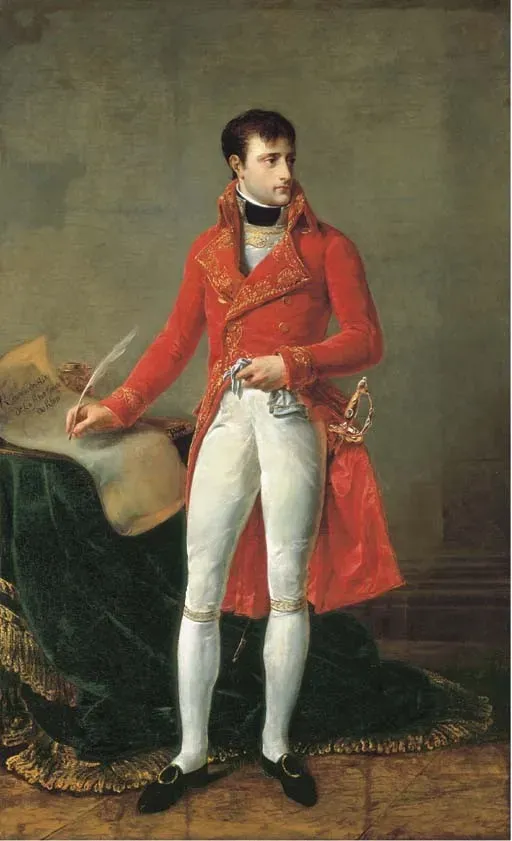
The “Napoleon complex” is built on a nickname that was never true in the first place.
Napoleon Bonaparte stood around 5’6″ or 5’7″ by most historical estimates – average or slightly above average height for a Frenchman of his era. The confusion largely stems from a measurement mix-up between French and English inches, plus British political cartoonists who deliberately drew him as a tiny, tantrum-throwing figure to mock his ego and power. His nickname “le petit corporal” was actually a term of affection from his own troops, not a literal description.
The short-Napoleon myth was essentially 19th-century political trolling that outlived the war itself. Height wasn’t the only thing propaganda distorted about a famous historical figure – ethnicity got rewritten too, and few examples are as dramatic as Egypt’s most famous queen.
#9 – Cleopatra Was Greek, Not Egyptian
Hollywood casting debates aside, the historical record on this one is fairly clear-cut.
Cleopatra VII descended from the Ptolemaic dynasty, a line of Macedonian Greek rulers installed in Egypt after Alexander the Great’s conquest in 332 BCE. The Ptolemies were famously insular, marrying almost exclusively within their own family line to preserve their Greek heritage and keep the throne within the dynasty. Cleopatra herself was raised speaking Greek, and historical accounts note she was reportedly the first Ptolemaic ruler to also learn the Egyptian language.
Fast Facts
- The Ptolemaic dynasty ruled Egypt for roughly 300 years, from 305 to 30 BCE
- It was founded by Ptolemy I Soter, a general who served under Alexander the Great
- Cleopatra VII was the last active pharaoh before Rome annexed Egypt
- She reportedly spoke several languages beyond Greek, a rarity among her predecessors
She ruled Egypt for over two decades without a documented drop of ethnic Egyptian ancestry in her direct line. Her legacy as a brilliant political strategist, though, is often overshadowed by another ancient achievement that historians almost entirely missed for two thousand years.
#8 – The Antikythera Mechanism Was an Ancient Computer
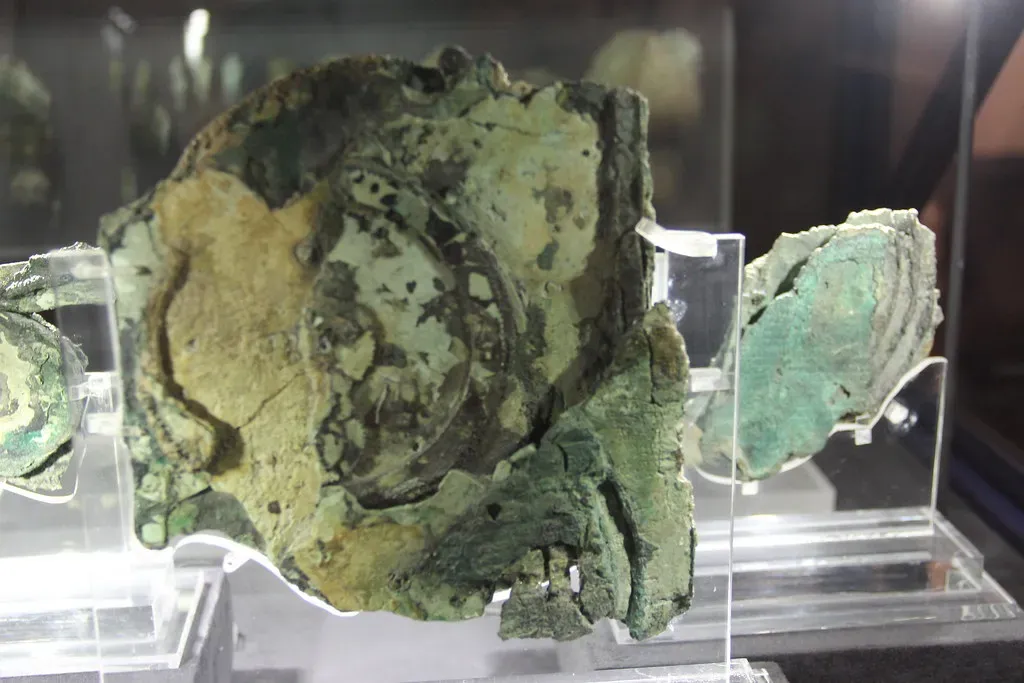
A corroded lump of bronze pulled from a Roman-era shipwreck turned out to be centuries ahead of its time.
Discovered by sponge divers off a Greek island in 1901, the Antikythera Mechanism sat in a museum for decades before researchers realized its true purpose. Using X-ray and CT imaging, scientists eventually identified over 30 interlocking bronze gears capable of tracking the movements of the sun, moon, and five known planets, as well as predicting eclipses years in advance. Nothing else with this level of mechanical complexity appears in the historical record for over a thousand years afterward.
At a Glance
- Recovered in 1901 from a shipwreck near the island of Antikythera, Greece
- Believed to date to around 100 BCE, making it over 2,000 years old
- Contains at least 30 surviving interlocking bronze gears
- Could track the sun, moon, and five known planets, and predict eclipses
- No device of comparable complexity resurfaces in the historical record for another 1,000+ years
Ancient Greek engineers had built a functioning analog computer while most of the ancient world was still doing astronomy with the naked eye. Just as this device forced historians to rethink ancient technology, one 20th-century scientist forced them to rethink who actually deserves credit for one of biology’s biggest breakthroughs.
#7 – Rosalind Franklin’s Data Cracked the DNA Code
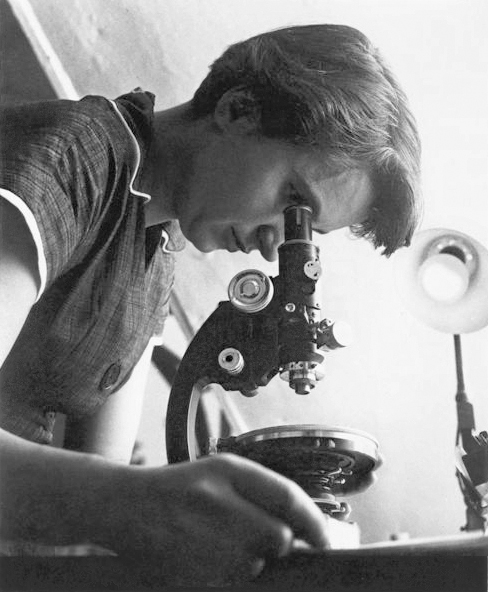
For decades, textbooks credited two men with discovering the structure of DNA. The full story is more complicated, and more overdue for correction.
Chemist Rosalind Franklin produced the X-ray diffraction images – most famously “Photo 51” – that revealed DNA’s helical structure with striking clarity. James Watson and Francis Crick used her unpublished data, obtained without her direct permission through a colleague, to help build their famous double-helix model. Franklin died in 1958 of ovarian cancer, four years before Watson, Crick, and Maurice Wilkins received the Nobel Prize for the discovery; Nobel rules don’t allow posthumous awards, so she was never even eligible.
Her critical contribution went largely uncredited in her own lifetime, and only decades of scientific and historical pushback restored her name to the story. Correcting the record on science is one thing – correcting an entire era’s reputation for supposed ignorance is another, and nowhere is that more obvious than the Middle Ages.
#6 – Medieval Europeans Never Believed the Earth Was Flat
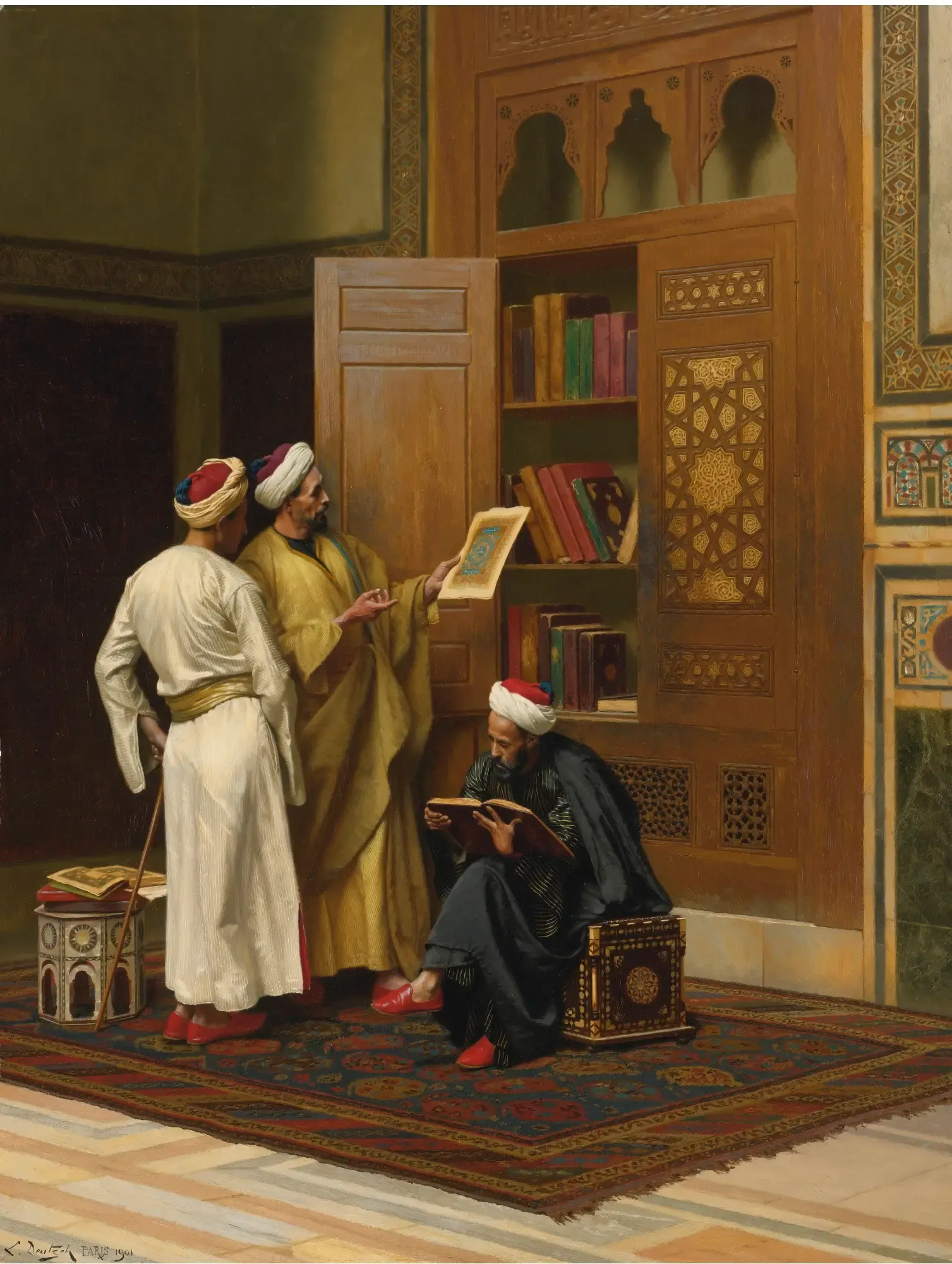
This might be the single most persistent history myth still taught informally today, and it’s almost entirely fabricated.
Educated Europeans throughout the medieval period accepted Earth’s roundness as basic, uncontroversial fact. Scholars like the Venerable Bede were writing about the Earth’s roundness – and even calculating its circumference – centuries before Columbus ever set sail.
There was scarcely a Christian scholar of the Middle Ages who did not acknowledge Earth’s sphericity and even know its approximate circumference.
David Lindberg and Ronald Numbers, historians of science
The myth itself is surprisingly recent. Historian Jeffrey Burton Russell, who wrote a book on the subject, stated that no one before the 1830s believed medieval people thought the Earth was flat. The confusion traces largely to a fictionalized 1828 biography of Columbus, and Russell argued the myth flourished especially between 1870 and 1920, during Darwinian-era conflicts between science and religion.
A 19th-century novelist accidentally rewrote a thousand years of intellectual history, and the myth stuck around long enough to shape how Egypt’s pyramid builders got mischaracterized too.
#5 – The Great Pyramid Wasn’t Built By Slaves

The image of whip-driven slave gangs dragging stone blocks under the desert sun is one of history’s most cinematic – and most inaccurate – legends.
Excavations near the Giza plateau have uncovered an entire settlement built for pyramid workers, complete with bakeries, breweries, and workshops. The discovery of tombs belonging to workers and artisans further supports the idea of paid labor, and some of these tombs sit remarkably close to the pyramids themselves – an honor that would never have been extended to enslaved laborers. As Egypt’s former antiquities chief Zahi Hawass put it, “Slaves would not have prepared their tombs for eternity, as kings and queens did.”
Worth Knowing
- A dedicated workers’ village near Giza included bakeries, breweries, and workshops
- Laborer tombs found close to the pyramids suggest honored status, not enslavement
- Herodotus’s account of slave labor was written centuries after the pyramids were built
- Most Egyptologists now describe the builders as paid, organized laborers rather than slaves
The slave narrative traces back to a single ancient source. The Greek historian Herodotus once described the pyramid builders as slaves, creating what Egyptologists say is a myth later propagated by Hollywood films. A two-thousand-year-old secondhand travel account outlasted the actual archaeology by millennia. If Egyptian labor history needed a rewrite, so did the story of who actually reached the Americas first – and it wasn’t who most people were taught.
#4 – Humans Reached the Americas Long Before “Clovis First”
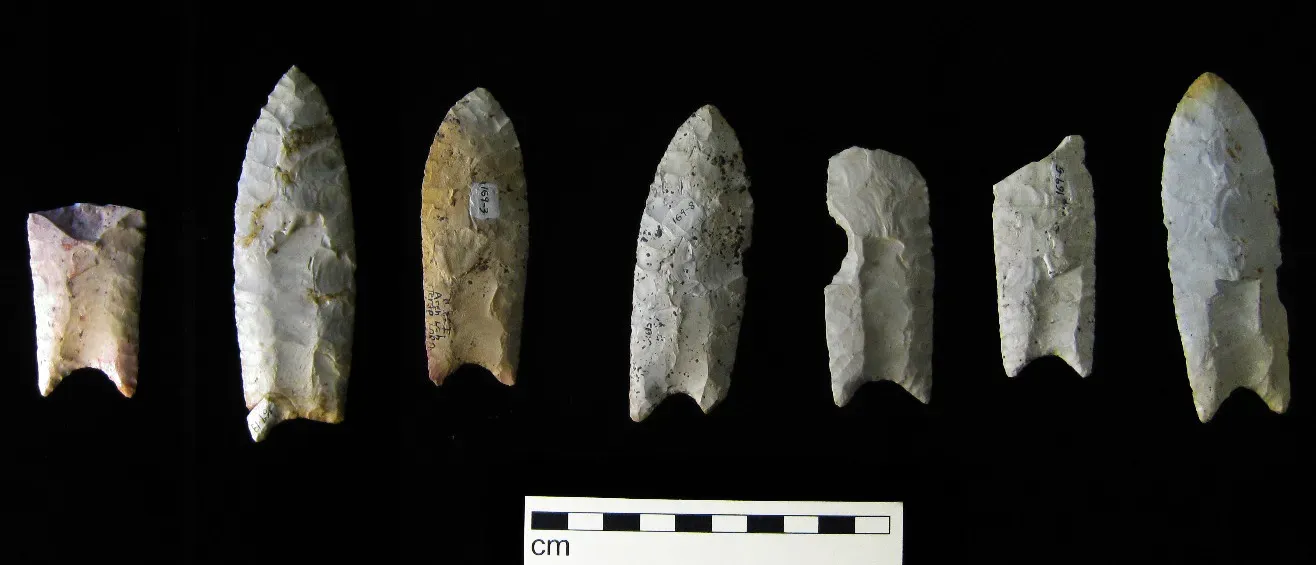
For most of the 20th century, the “Clovis First” theory was treated as settled science. It has since collapsed under its own evidence.
The theory held that a single group known as the Clovis culture, crossing from Asia via a Bering land bridge around 13,000 years ago, were the first humans in the Americas. That idea began cracking with discoveries like Chile’s Monte Verde site, which dated human presence back 14,500 years. Then came the Paisley Caves findings in Oregon, where researchers analyzing ancient DNA concluded that the Clovis First debate had ended entirely.
Lead researcher Eske Willerslev didn’t mince words either, stating, “Our investigations constitute the final blow to the Clovis First theory… Culturally, biologically and chronologically, the theory is no longer viable.” An entire continent’s founding story got pushed back by at least a thousand years, and it turns out humans weren’t the only ones arriving in North America earlier than history books claimed – Europeans got there sooner too.
#3 – Vikings Beat Columbus to North America by Centuries
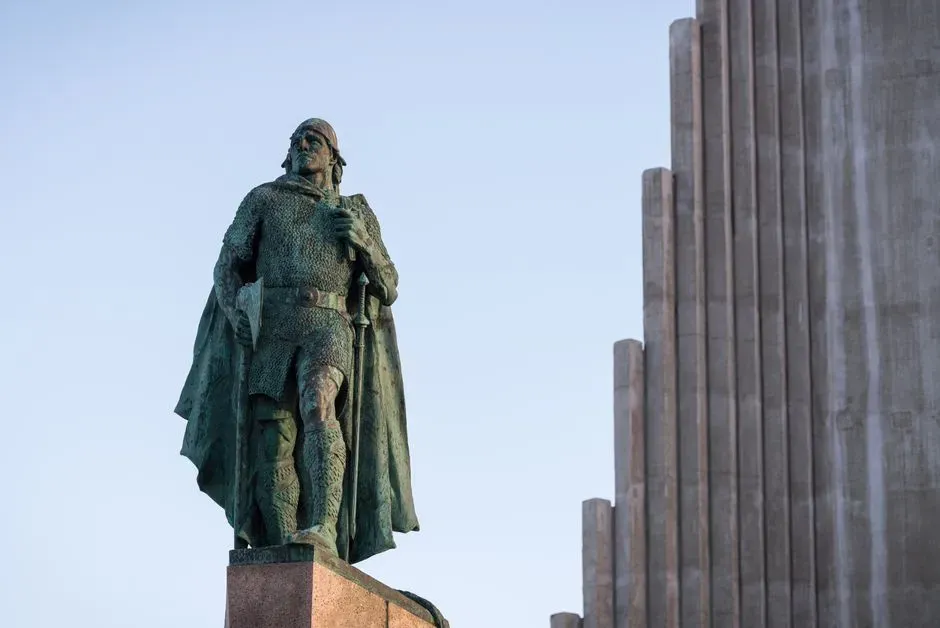
Christopher Columbus never actually set foot on the North American mainland, and he definitely wasn’t the first European to reach it.
Norse explorers, led by figures like Leif Erikson, established a settlement at L’Anse aux Meadows in present-day Newfoundland around the year 1000 CE – nearly 500 years before Columbus’s 1492 voyage. Archaeological excavations there uncovered Norse-style building foundations, iron tools, and a forge, confirming what Icelandic sagas had claimed for centuries. Unlike Columbus, the Vikings weren’t even looking for a “New World” – they were following trade and exploration routes already established through Greenland and Iceland.
Columbus wasn’t discovering an unknown hemisphere; he was arriving centuries late to a continent Europeans had already visited and Indigenous peoples had inhabited for thousands of years. The Vikings, it turns out, keep forcing historians to rewrite assumptions – and their most stunning correction wasn’t about geography at all, but about who was actually allowed to be a warrior.
#2 – Göbekli Tepe Proves Temples Came Before Farms
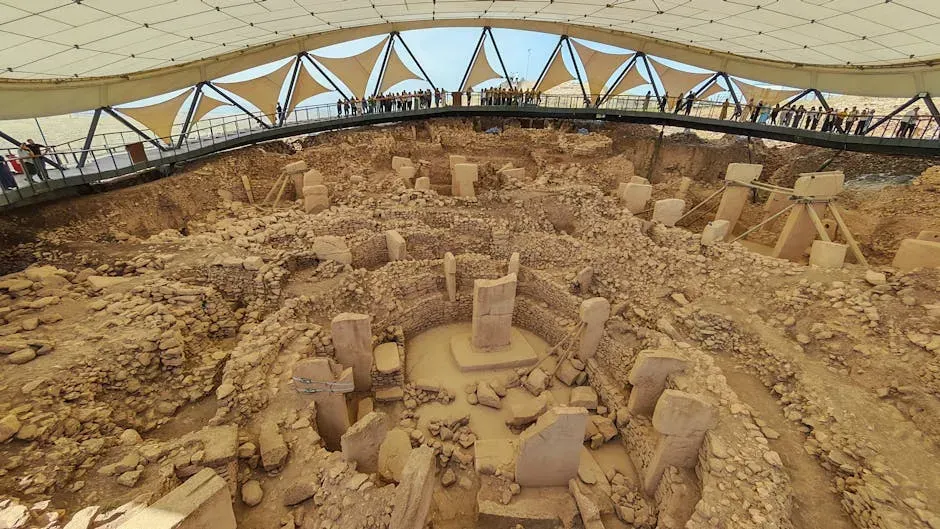
For decades, the standard model of human civilization was simple: agriculture came first, then villages, then religion and monuments as a kind of cultural bonus round. A 12,000-year-old hillside in Turkey flipped that sequence completely.
Göbekli Tepe, excavated starting in 1995, features massive carved stone pillars arranged in circular enclosures – built by hunter-gatherers who had not yet domesticated plants or animals. For most of the twentieth century, the accepted sequence ran agriculture, then settlement, then ritual, then monuments. Göbekli Tepe showed the opposite: monumental ritual architecture was already being built around 9600 BCE, predating Stonehenge by over 6,000 years and the advent of farming by several millennia.
Quick Compare
- Göbekli Tepe’s monumental construction begins: around 9600 BCE
- Widespread farming takes hold in the region: thousands of years later
- Stonehenge construction begins: around 3000 BCE
- Gap between Göbekli Tepe and Stonehenge: more than 6,000 years
Religion and ritual may have built civilization, not the other way around. But even Göbekli Tepe’s reversal of the historical timeline doesn’t hit quite as hard as the discovery that shattered one of the most gendered assumptions in Viking history.
#1 – A Female Skeleton Rewrote the Viking Warrior Myth
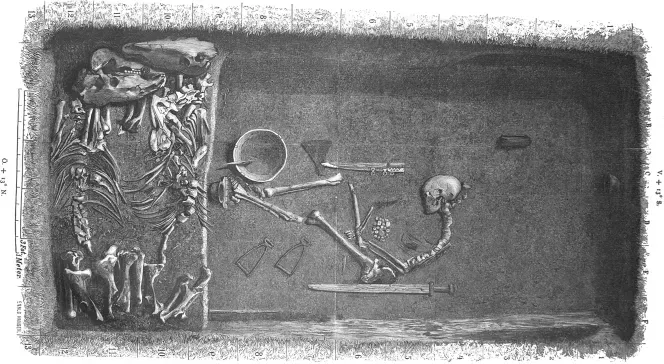
For over a century, one particular grave in Sweden was treated as the textbook definition of a Viking warrior. It took DNA testing to prove the textbooks had been wrong the entire time.
The grave, known as Bj 581 and excavated in 1878 near Birka, Sweden, contained a sword, axe, spear, armor-piercing arrows, a battle knife, and two sacrificed horses. Because the remains were found alongside such weaponry, archaeologists assumed it was a warrior’s grave – and therefore a man’s. That assumption held for nearly 140 years, despite an osteo-archaeologist noting back in 1975 that the bones had thin, slim forearms suggesting a female skeleton. It wasn’t until 2017 that genetic testing delivered undeniable proof: the individual carried two X chromosomes and no Y chromosome.
The bigger revelation wasn’t just her sex – it was what the discovery exposed about historical bias itself. As the study’s authors put it, male biological sex had not only been conflated with a man’s gendered identity, but warriorhood itself had been presumed to be an exclusively masculine pursuit.
It was held up before as kind of the ‘ideal’ Viking male warrior grave… [The new study] goes to the heart of archaeological interpretation: that we’ve always mapped on our idea of what gender roles were.
Davide Zori, archaeologist
One grave, one skeleton, and one DNA test dismantled a century of assumptions about gender and power in Viking society – proof that the biggest historical corrections aren’t always about dates or locations, but about who we assumed got to hold the sword.
The Bottom Line
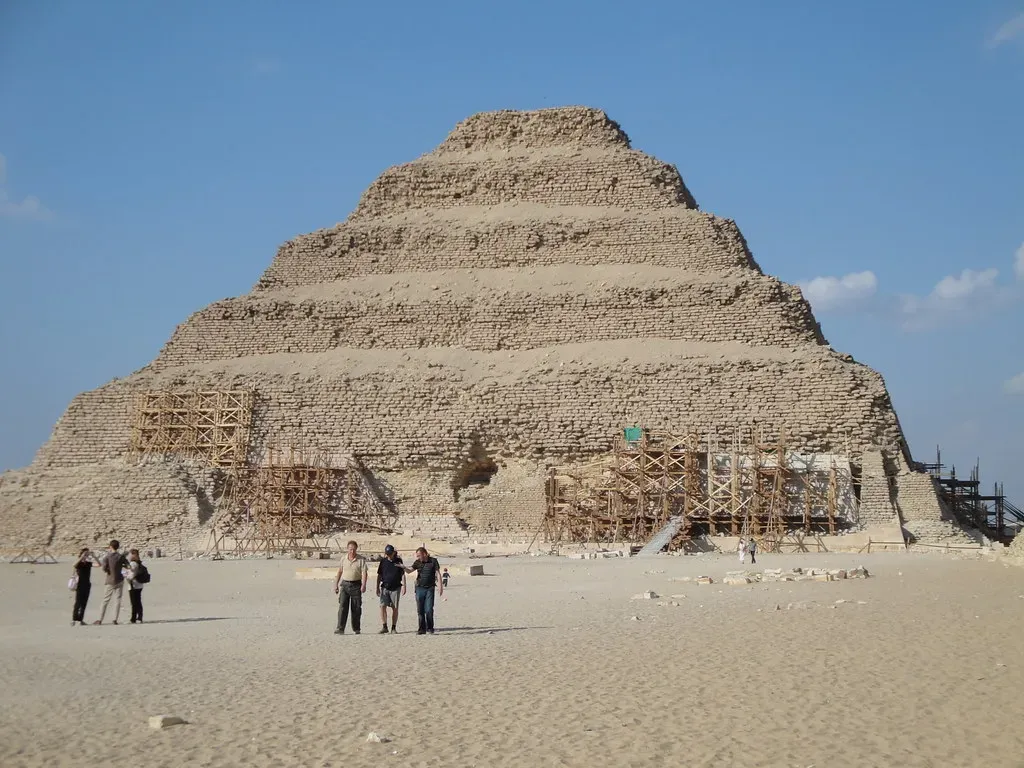
If these twelve findings prove anything, it’s that history isn’t a finished manuscript. It’s a working draft that keeps getting corrected as better evidence surfaces.
The most shocking pattern isn’t any single discovery; it’s how often the “settled” version of events turned out to be secondhand rumor, political propaganda, or plain old bias dressed up as fact. Herodotus never dug a single stone at Giza. A 19th-century novelist never studied medieval astronomy. And the historians who dismissed a weapon-filled grave as symbolic rather than real were guessing based on assumptions, not bones.
The uncomfortable truth is that a lot of “history” was really just repetition – the same unverified claim copied from textbook to textbook until nobody thought to question it anymore. Which of these corrections surprised you the most, and what’s a “historical fact” you were taught that you’re now questioning? Drop it in the comments.