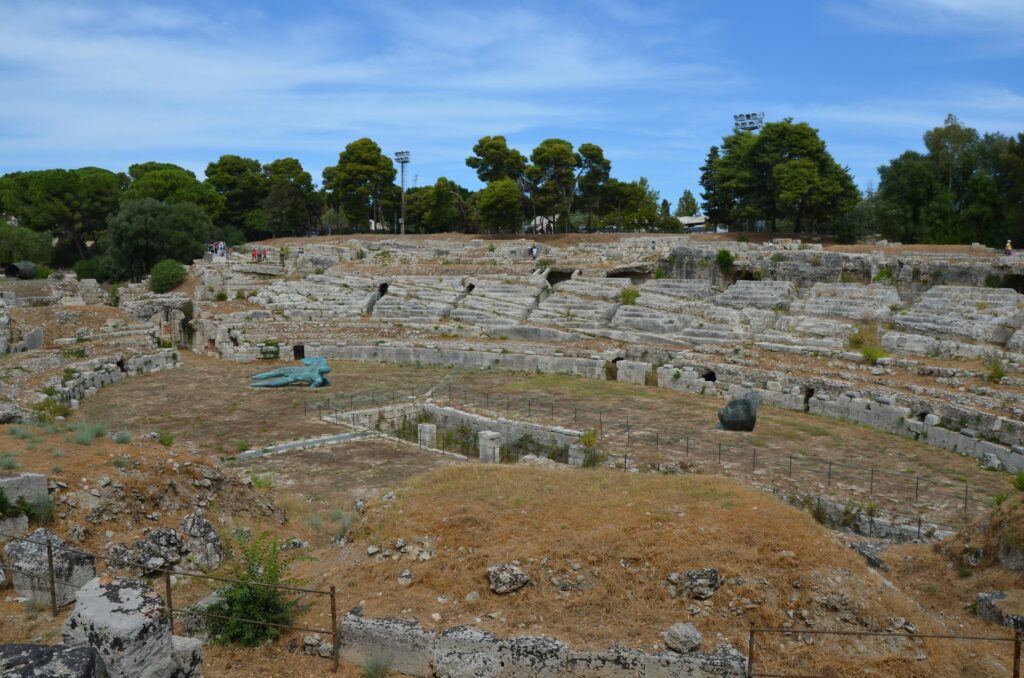

Somewhere in a lab right now, a fresh radiocarbon reading is quietly demolishing a date that’s been printed in textbooks for fifty years. It happens more often than most people realize. A site gets excavated, a plaque gets bolted to a fence, tourists read it and move on – and then, years later, a new dating method or a deeper trench proves the plaque was wrong by centuries, sometimes by tens of thousands of years.
This isn’t fringe theory or ancient-aliens nonsense. It’s mainstream archaeology, published in peer-reviewed journals, sometimes fought over bitterly by the very scientists who dug the sites up. Twelve of the most convincing cases are below, ranked from surprising to genuinely reality-bending – and the last one is still an open wound in the field.
#12 – Newgrange, Ireland: The Tomb That Beat Egypt to the Punch
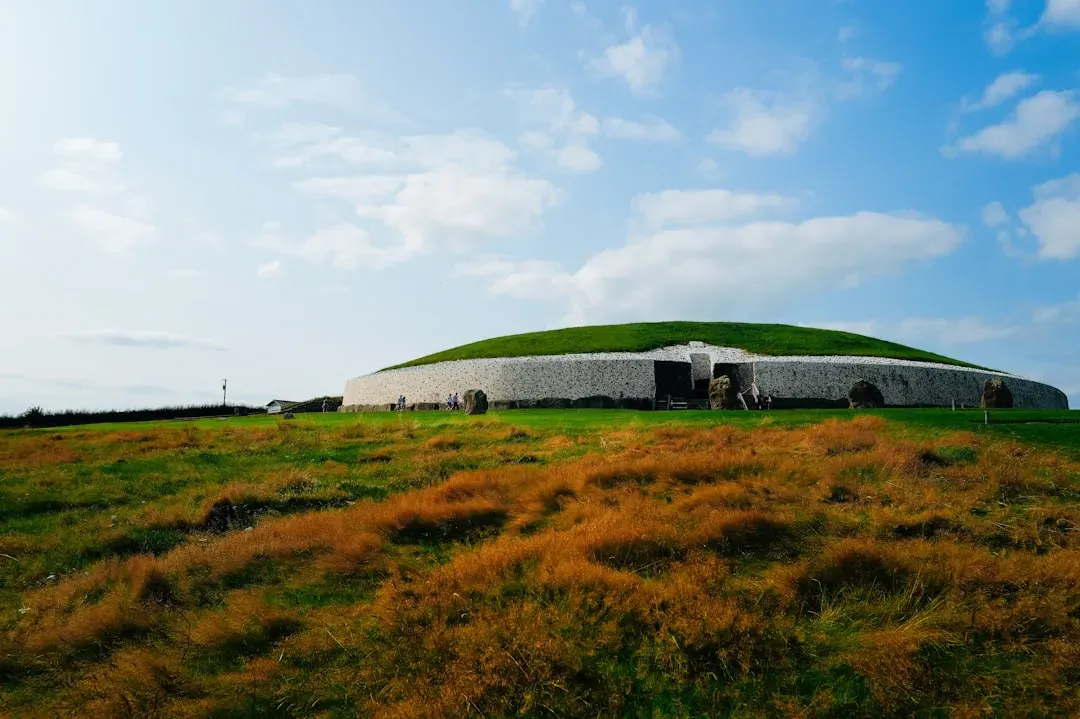
Most tourists walk into Newgrange assuming it’s some medieval curiosity tucked into the Irish countryside. It isn’t even close.
This massive passage tomb went up around 3200 BCE – roughly 500 years before Stonehenge’s stone circle and about 600 years before the Great Pyramid of Giza broke ground. Its winter solstice light box still floods the inner chamber with sunlight every December 21st, a calendar trick modern engineers still study. Here’s the part that stops people cold: the builders had no metal tools, no wheel, and no writing system, yet they nailed an astronomical alignment that still works flawlessly five thousand years later.
Quick Compare
- Newgrange: raised around 3200 BCE
- Stonehenge’s stone circle: erected roughly 500 years later
- Great Pyramid of Giza: broke ground about 600 years after Newgrange
#11 – The Ġgantija Temples, Malta: Older Than the Wheel Itself
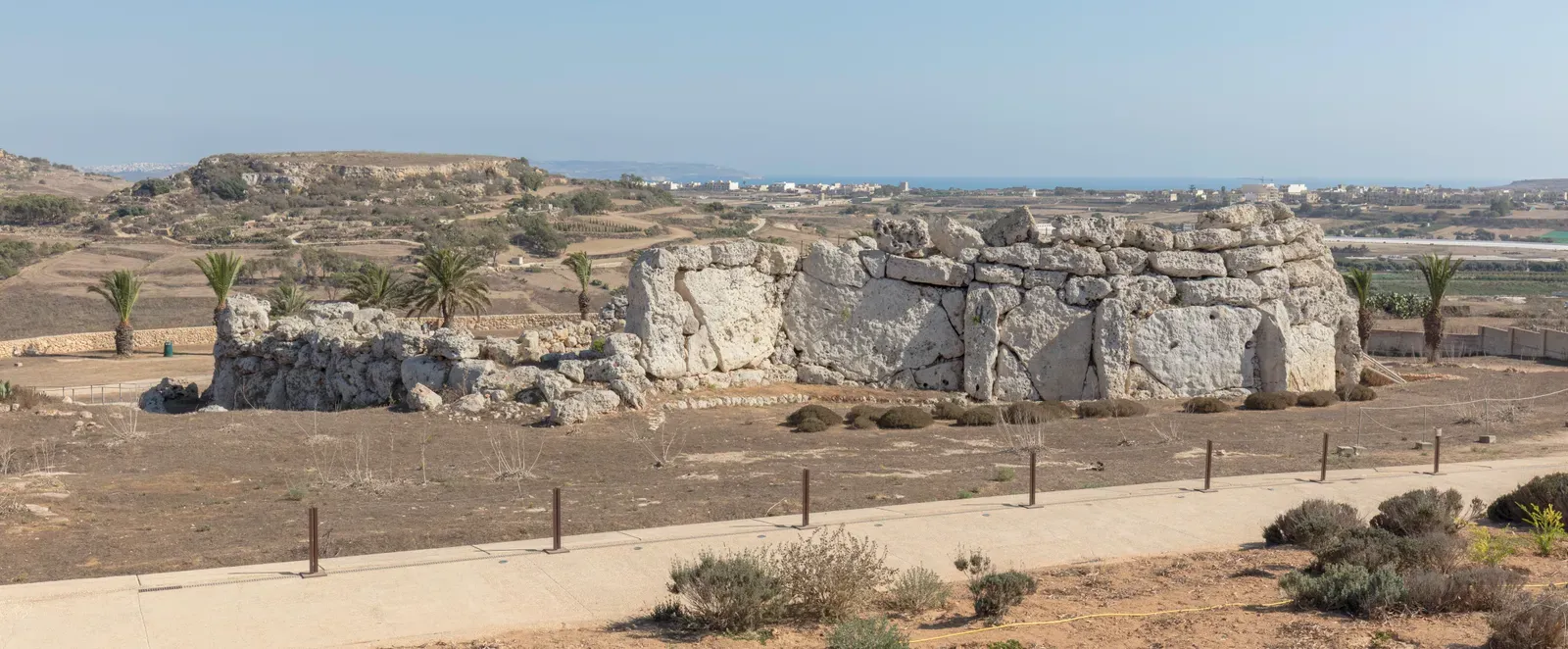
Most travelers rank Malta as a beach destination. Plenty of archaeologists now argue its temples are the most underrated prehistoric site in Europe.
Ġgantija was raised somewhere between 3600 and 3200 BCE, making it one of the oldest freestanding stone structures on Earth – older than Stonehenge, older than the pyramids, built centuries before bronze tools existed anywhere in the Mediterranean. Local legend once blamed the massive limestone slabs on actual giants, which is a fair guess considering their size. What really unsettles researchers is what came after: this megalithic culture built temple complexes across an entire archipelago and then seems to have vanished almost without a trace, with no clear successor civilization ever identified.
#10 – Çatalhöyük, Turkey: The City With No Streets
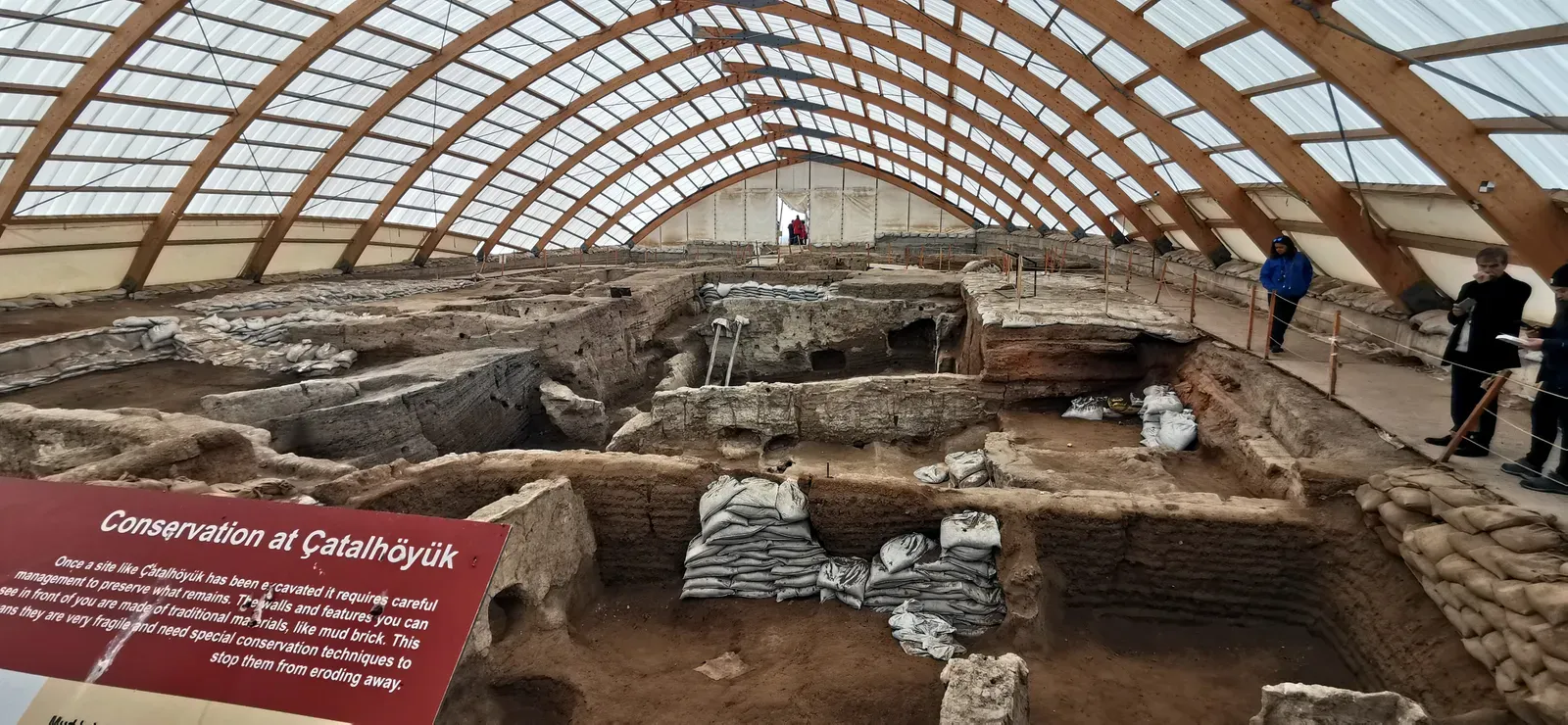
Most people picture the first cities as neat grids with roads and marketplaces. Çatalhöyük throws that assumption straight out the window.
Occupied from roughly 7100 BCE, this densely packed proto-city in central Turkey crammed thousands of people into mudbrick homes with no streets separating them at all. Residents climbed in through holes in the roof, walking across rooftops like a Stone Age parkour course just to get home. And here’s the detail that keeps archaeologists arguing: there’s no clear evidence of centralized leadership, temples, or ruling elites – meaning this proto-urban settlement ran on a surprisingly flat social structure that shouldn’t have worked at that size, but apparently did.
#9 – Jericho (Tell es-Sultan), Palestine: A Wall Before Writing Existed
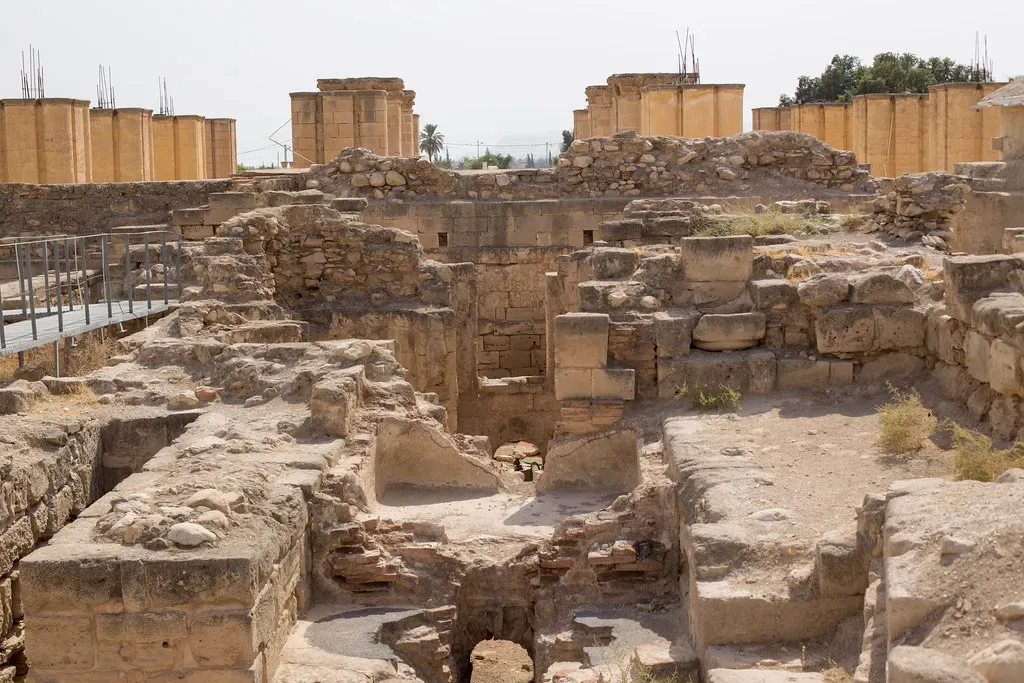
Most people know Jericho from the Bible, but the archaeology underneath the legend is stranger than the story ever let on.
Excavations uncovered a cultural history stretching back over 10,000 years, with the earliest remains tied to the Natufian culture between the tenth and eighth millennia BC. By roughly 8000 BCE, the settlement had grown to 40,000 square meters and was ringed by a stone wall 3.6 meters high and 1.8 meters thick at the base. In 2023, the United Nations formally recognized Tell es-Sultan as the “oldest fortified city in the world,” confirming what excavators had suspected for decades – organized defensive engineering existed thousands of years before anyone could write down why they needed it.
#8 – Nabta Playa, Egypt: The Calendar Older Than the Pharaohs
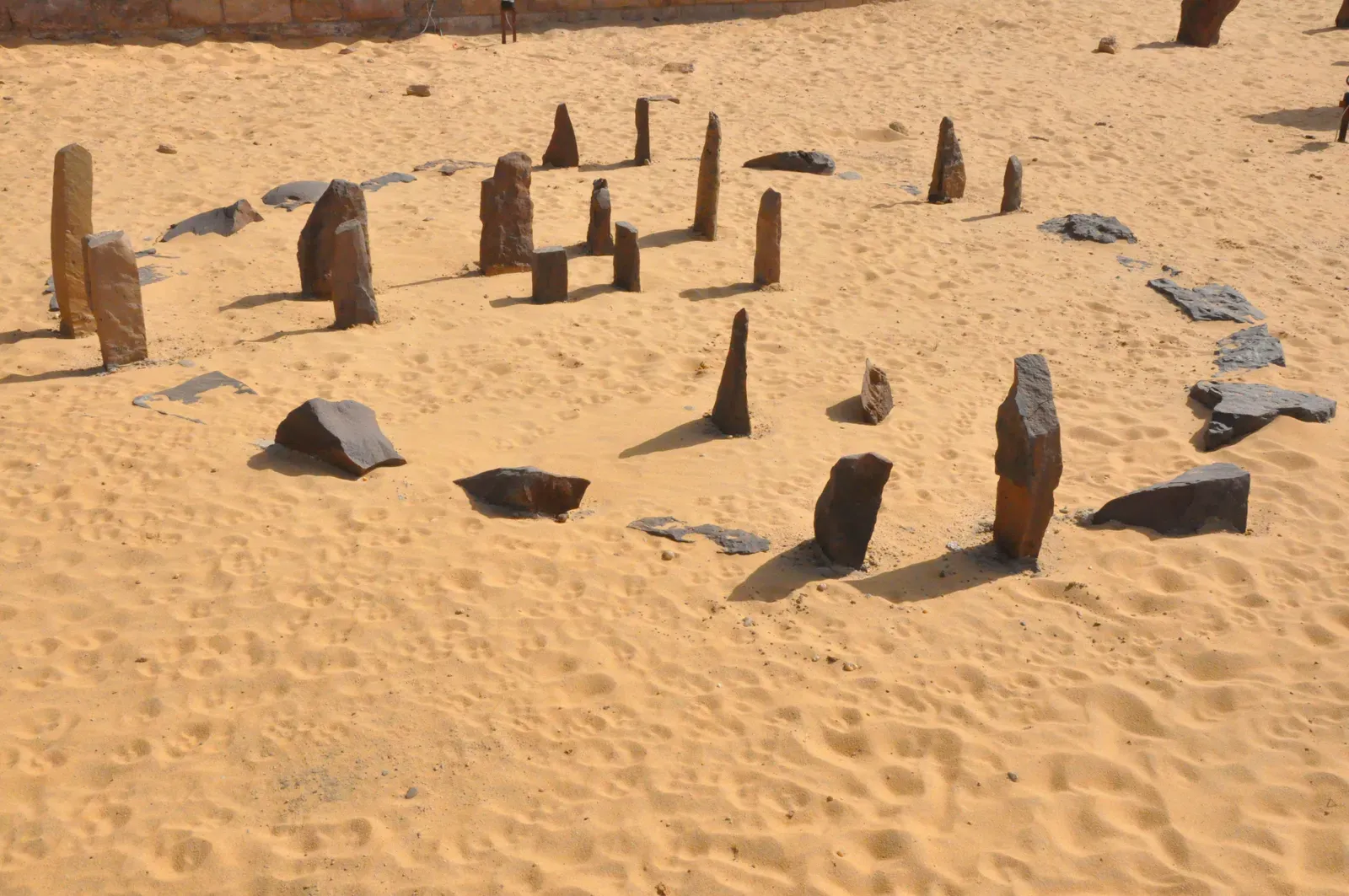
Most people assume Stonehenge invented the idea of astronomical stone circles. Egypt beat Britain to it by thousands of years.
Nabta Playa holds what may be among the world’s earliest known archeoastronomical devices – alignments that may have tracked certain stars, plus a “calendar circle” pointing toward the summer solstice sunrise, dated to the 5th millennium BC. That makes it roughly contemporary with the Goseck circle in Germany and the Mnajdra temple in Malta. The twist nobody expects: this sophisticated stargazing setup was built by nomadic cattle herders in the middle of what is now a barren desert. Not everyone buys the precision – some researchers argue the stone spacing is “a bit too wide” for accurate calendar readings – but the sheer ambition still rewrites what we thought nomadic people were capable of.
Worth Knowing
- Its calendar circle dates to the 5th millennium BC
- Roughly contemporary with Germany’s Goseck circle and Malta’s Mnajdra temple
- Built by nomadic cattle herders, not a settled farming society
- Some researchers dispute the stone spacing as too wide for precise readings
#7 – Göbekli Tepe, Turkey: The Site That Broke the Textbook Order
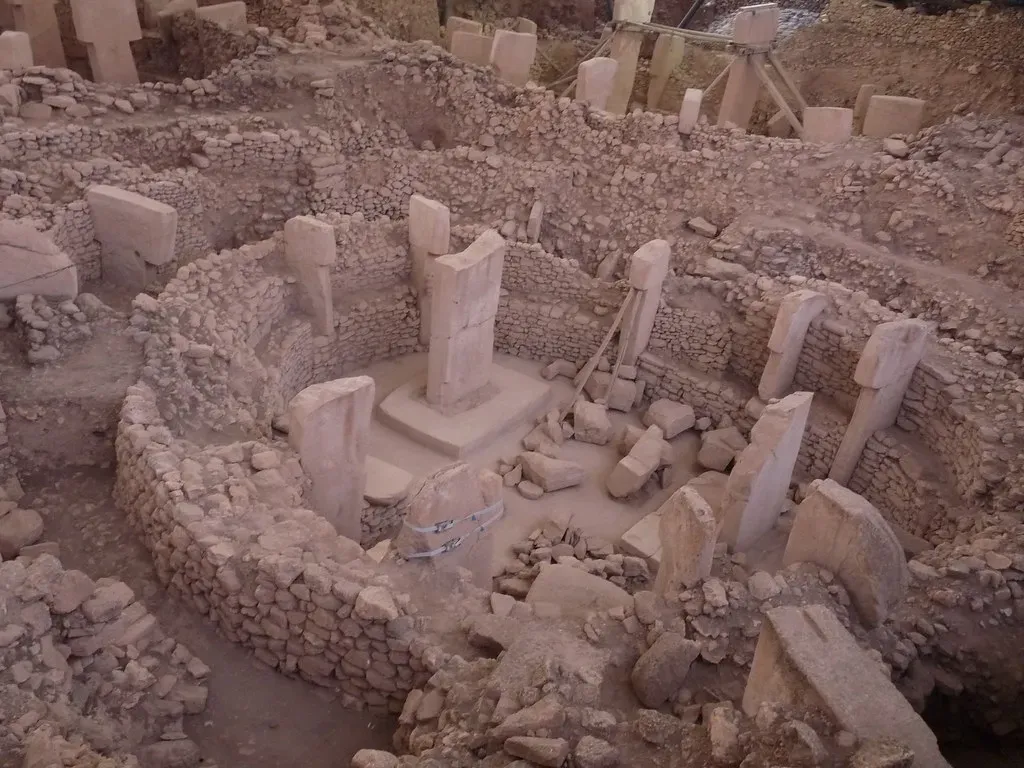
Most archaeology students are taught a simple rule: farming comes first, monuments come second. Göbekli Tepe proved that rule backward.
Massive carved stones roughly 11,000 years old were shaped and arranged by people who hadn’t yet developed metal tools or even pottery, with the megaliths predating Stonehenge by some 6,000 years. Radiocarbon dating from the largest enclosure pushed the earliest activity back to 9530 BCE. The site was raised by hunter-gatherers who hadn’t invented farming yet, flipping the long-assumed “agriculture first, temples later” order completely on its head – and archaeologists have only excavated an estimated 5% of the complex’s twenty known enclosures.
First came the temple, then the city.
Klaus Schmidt, lead excavator of Göbekli Tepe
#6 – Theopetra Cave, Greece: The Wall Older Than the Ice Sheets
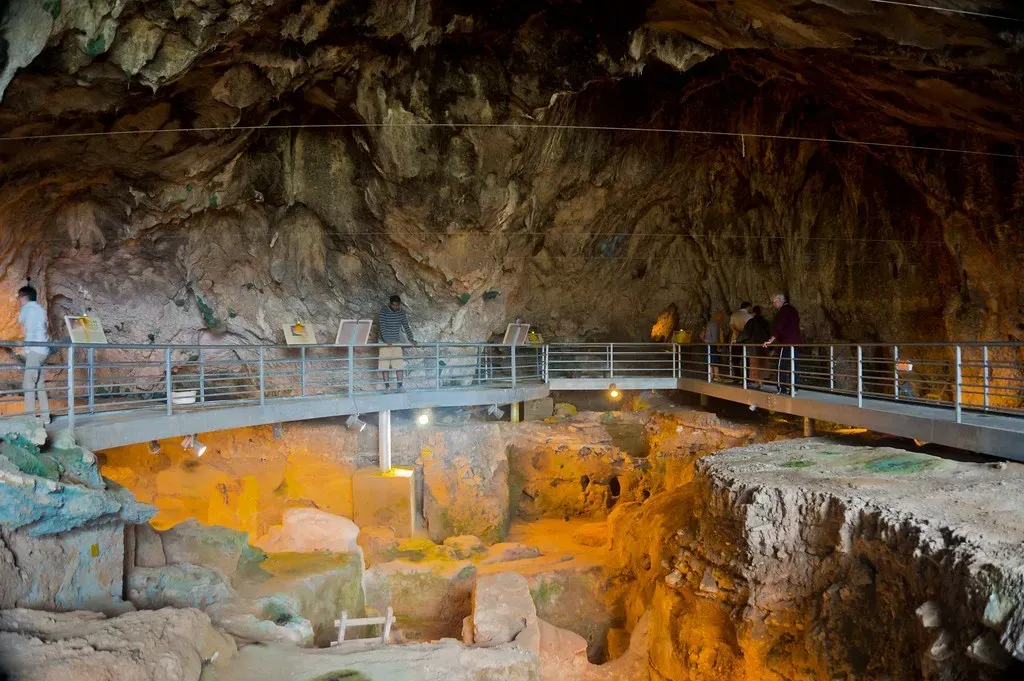
Most “oldest structure” lists point straight to the pyramids. The actual oldest known human construction is a modest stone wall tucked inside a Greek cave, and it’s shockingly older than anything on this list.
Archaeologists say a wall uncovered deep inside Theopetra Cave, made of carefully selected stones bonded with clay mortar, dates back roughly 23,000 years to the last Ice Age. The cave’s occupation record stretches even further, showing nearly continuous human presence for some 130,000 years. This wasn’t a temple, a tomb, or a monument meant to impress anyone – it was a windbreak, built by Paleolithic people simply trying to survive the coldest stretch of the Ice Age. Sometimes the oldest architecture in the world is also the humblest.
#5 – Monte Verde, Chile: The Site That Broke the “First Americans” Rule
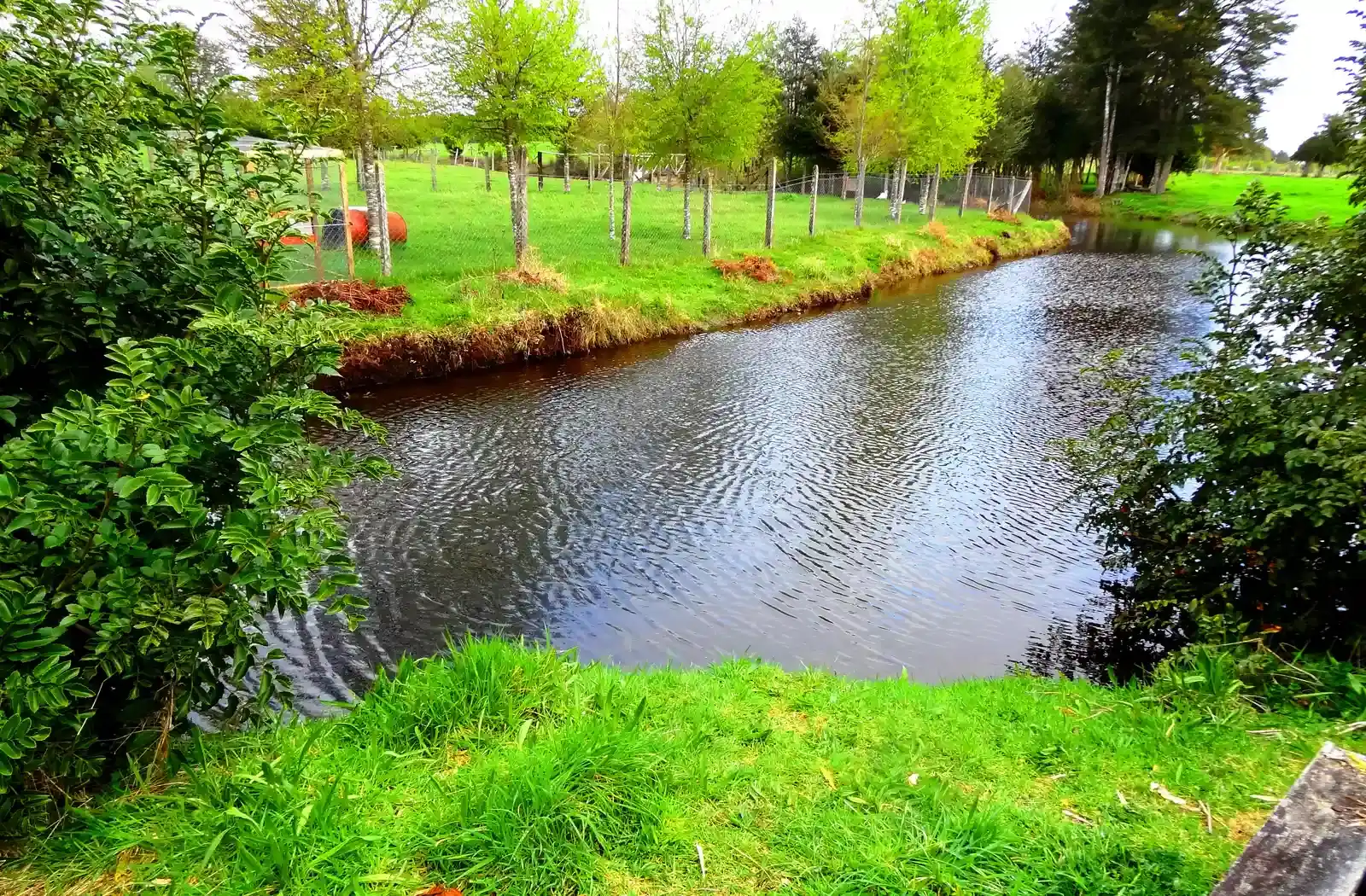
For decades, textbooks insisted no human set foot in the Americas before the Clovis culture crossed from Siberia around 13,000 years ago. Monte Verde blew that timeline apart.
Excavations in southern Chile uncovered stone tools, wooden stakes, and preserved plant remains dated to roughly 14,500 years old – over a thousand years before Clovis hunters were supposed to have even arrived. Preservation was so exceptional that researchers found traces of wooden structures and even chewed plant fibers, an eerily personal glimpse into a settlement most scholars insisted couldn’t exist yet. The “Clovis-first” model dominated American archaeology for most of the 20th century, and Monte Verde is one of the sites that finally forced the field to abandon it entirely.
#4 – Madjedbebe, Australia: Pushing Human History Back 25,000 Years in One Study
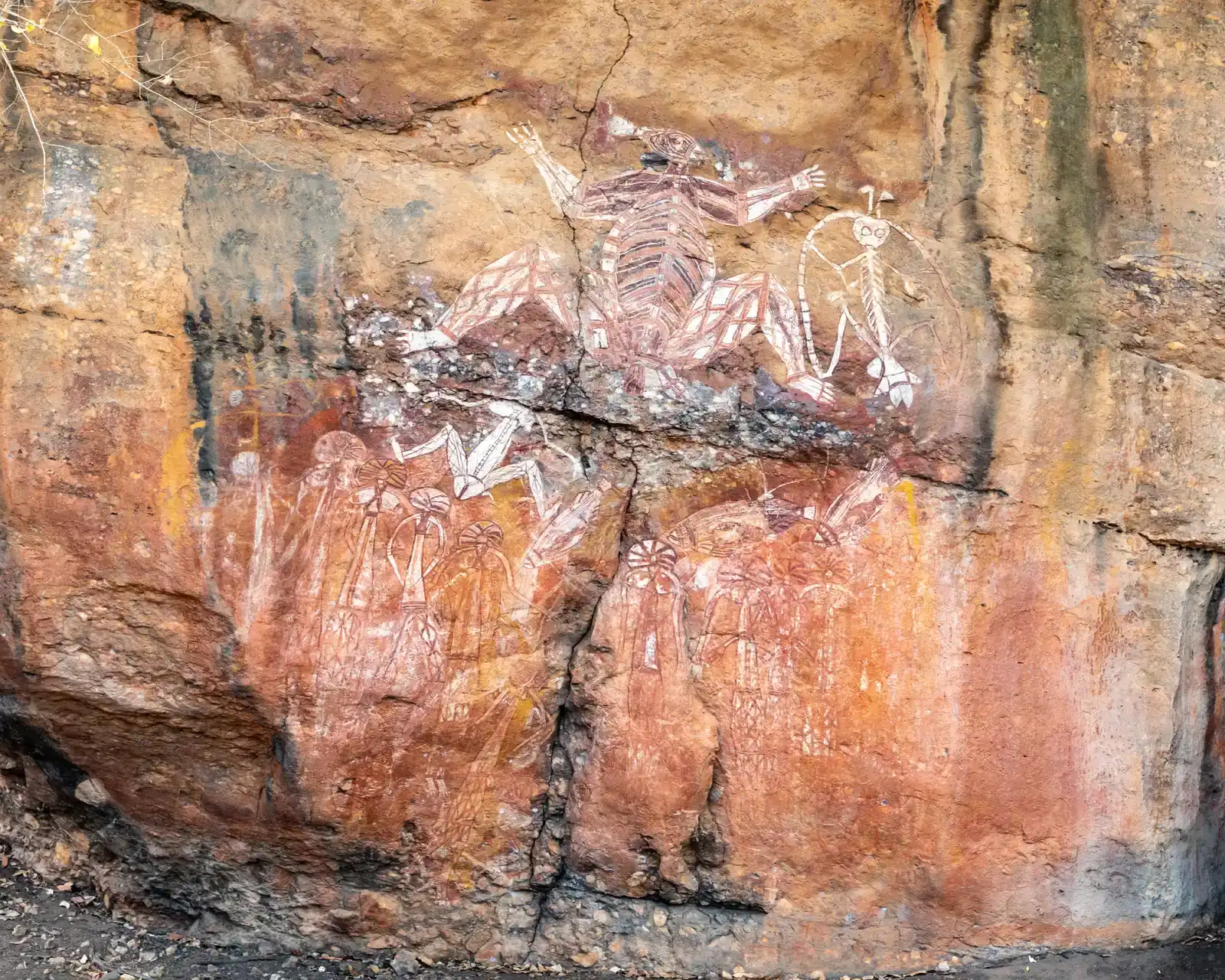
Most people don’t realize Australia holds one of the single biggest age revisions in modern archaeology, and it happened almost overnight.
A rock shelter called Madjedbebe in the Northern Territory was long estimated at 40,000 to 50,000 years of occupation. A major re-excavation using advanced dating techniques pushed that number back to roughly 65,000 years, instantly making it one of the earliest confirmed sites of modern human presence outside Africa. The revised date means humans reached Australia by boat tens of thousands of years earlier than most migration models assumed was even possible, and researchers are still untangling what that means for the broader “Out of Africa” story.
At a Glance
- Location: rock shelter in Australia’s Northern Territory
- Old estimate: 40,000 to 50,000 years of occupation
- Revised estimate: roughly 65,000 years, using advanced dating techniques
- Significance: one of the earliest confirmed sites of modern humans outside Africa
#3 – Blombos Cave, South Africa: The Doodle That Rewrote the Origin of Art

Most people assume human creativity started with cave paintings in France around 17,000 years ago. South Africa quietly proved that assumption wrong by tens of thousands of years.
Inside Blombos Cave, researchers found pieces of ochre engraved with deliberate cross-hatched patterns, dated to roughly 73,000 years old, alongside shell beads believed to be even older. These weren’t accidental scratches – the patterns were repeated and intentional, meeting the criteria researchers use to define symbolic behavior. That pushes the origin of abstract, symbolic thinking in Homo sapiens back tens of thousands of years earlier than scientists assumed just a generation ago, meaning early humans were thinking in symbols long before anyone picked up a paintbrush in a European cave.
#2 – The Great Sphinx, Egypt: The Redating Egyptologists Refuse to Accept

Most visitors assume the Sphinx’s age is settled science. It’s actually one of the most bitter, unresolved disputes in modern archaeology.
In 1991, geologist Robert Schoch redated the monument to somewhere between 10,000 and 5,000 BC, pointing to water erosion marks on the Sphinx enclosure walls and seismic data around its base. His argument: the erosion came from Nile floods between 15,000 and 10,000 BC, thousands of years before the pyramids existed. Mainstream Egyptology has pushed back hard – Dr. Zahi Hawass insists the Sphinx dates to Khafre’s reign around 2500 BCE, and argues geologists lack the archaeological context to read the evidence correctly. Critics also note something inconvenient for Schoch’s theory: no trace of a civilization capable of carving the Sphinx has ever surfaced from that much earlier era in Egypt.
Quick Compare
- Robert Schoch: dates the Sphinx to 10,000-5,000 BC based on water erosion patterns
- Zahi Hawass: dates it to roughly 2500 BCE, tied to Pharaoh Khafre’s reign
- Missing piece: no trace of a civilization capable of carving it has surfaced from Schoch’s proposed earlier era
#1 – Gunung Padang, Indonesia: The Pyramid Claim That Split the Scientific Community
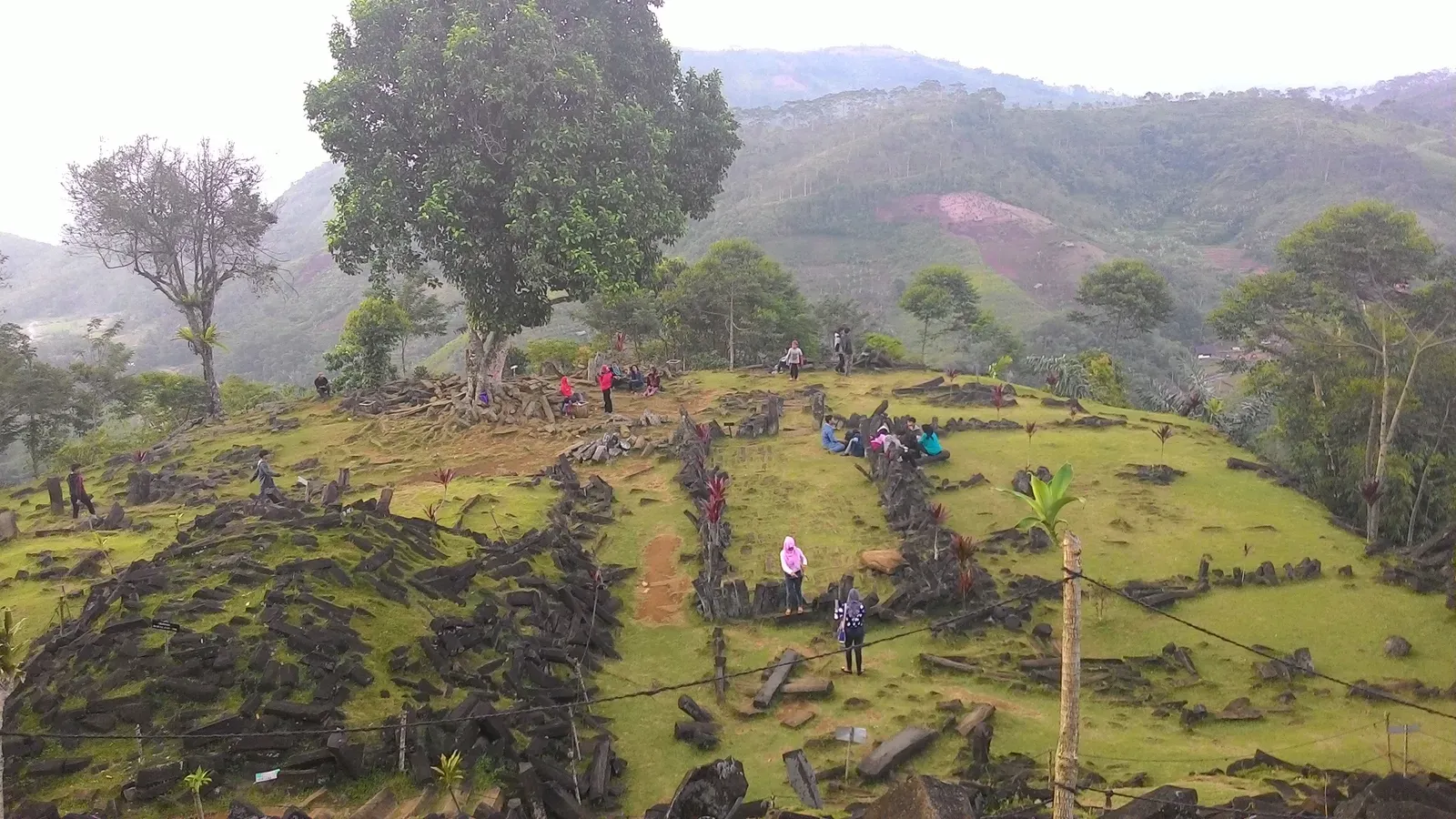
Most people have never heard of this Indonesian hillside, but it triggered one of the most explosive archaeology controversies of the last decade.
A 2023 paper claimed the megalithic site was built as a pyramid as early as 25,000 years ago – which would make it older than the world’s oldest known pyramid, Djoser’s, built around 2630 BCE. The claim exploded across headlines worldwide before critics tore it apart; one archaeologist compared it to dating soil under the Eiffel Tower and concluding the tower itself was that old, since the samples showed no actual evidence of human activity. The backlash got severe enough that the journal retracted the paper, notably over the objection of the study’s own authors, and the lead researcher is still defending the site today, insisting the case is open rather than closed. This fight over “how old is too old” is nowhere near finished.
The Bottom Line
Here’s the uncomfortable truth: archaeology isn’t a fixed timeline, it’s a constantly revised rough draft. Sites like Göbekli Tepe, Theopetra Cave, and Madjedbebe prove that legitimate science keeps pushing human achievement further back than anyone predicted, no myths required.
But Gunung Padang and the Sphinx erosion debate prove something else entirely: “far older than recorded” headlines often collapse the moment peer review actually happens. My honest take? The real story was never about a lost super-civilization waiting to be discovered. It’s that we keep underestimating ordinary ancient people, and then keep getting proven wrong by better dating tools. Which site on this list do you think deserves more attention? Drop your pick in the comments.