
If you have ever had the eerie feeling that a crow was staring straight through you, you probably were not imagining it. American crows do not just notice us; research shows they remember our faces, share that knowledge with their flock, and even pass it down to their young. That means your reputation with your neighborhood crows might be a kind of long‑running family story in their world.
This sounds like something out of a spooky folktale, but it is grounded in real, repeatable science. Over the last couple of decades, field biologists and urban ecologists have been quietly uncovering how crows recognize human faces, react differently to people who treated them badly, and teach the next generation who is friend, who is neutral, and who is trouble. Once you see how it works, it is hard to look at those black silhouettes on the power lines the same way again.
The Surprising Science Behind Crow–Human Recognition
Here is the startling part: controlled field experiments have demonstrated that wild American crows can remember and react to specific human faces for years after a single bad encounter. Researchers used realistic masks to standardize faces, treating birds harshly while wearing one mask and acting neutral while wearing another. Long after the initial capture events, crows would still scold and mob the “dangerous” mask, while ignoring or tolerating the “safe” one.
What makes this impressive is not just recognition in the moment, but the durability and spread of that memory. Crows that were never captured eventually joined in the harassment of the dangerous face, hinting that the information had somehow moved beyond simple personal experience. That is where things start to intersect with learning, culture, and teaching, not just reflexive fear.
How Crows Learn to Spot Dangerous Humans
At first glance, it is tempting to assume that every crow learns the hard way: a frightening encounter, a trap, or a thrown rock, and the bird simply avoids that person forever. In reality, careful studies suggest something more complex is happening. Juvenile crows that were never directly captured will still participate in alarm calls and mobbing when the “wrong” human appears, even when researchers carefully stage new interactions years later.
This pattern points to social learning, where young birds pick up cues from older, more experienced individuals. They do not need their own traumatic story; they just need to pay attention when their parents or flock mates suddenly explode into alarm at a passing face. Over time, that face becomes linked in their minds with danger, the way a child might learn to fear a hot stove without ever being burned.
Parents, Fledglings, and the Family Classroom
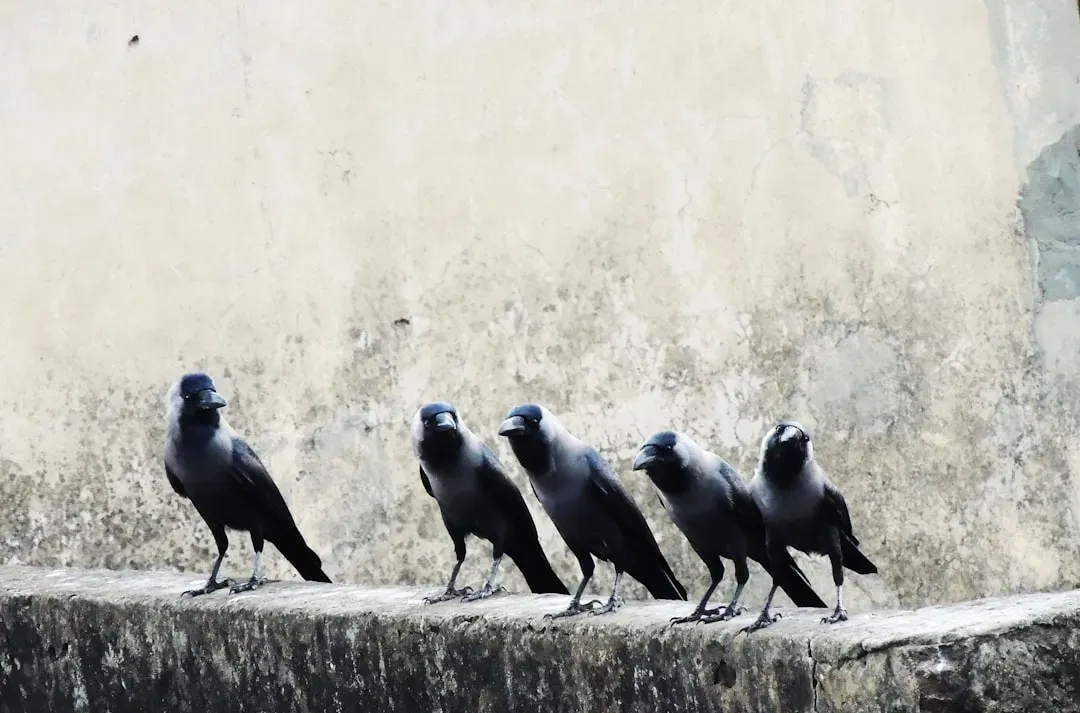
American crows are not solo parents that abandon their young after a brief nest phase. They live in tight‑knit family groups, with parents, older siblings, and sometimes extended relatives all helping to raise fledglings. That extended childhood creates a long window for teaching and learning, including lessons about which humans to watch closely and which ones can be safely ignored.
When a known dangerous human appears near a territory, adults often erupt into loud scolding calls, aerial chases, and group mobbing. Fledglings watch all of this from nearby branches, begging for food one moment and studying alarm behavior the next. Over the weeks and months that follow, they start to copy those reactions, building a mental database of “faces to remember,” taught not in a classroom but in midair during noisy, chaotic family dramas.
Face Memory: What Crows Actually Notice About Us
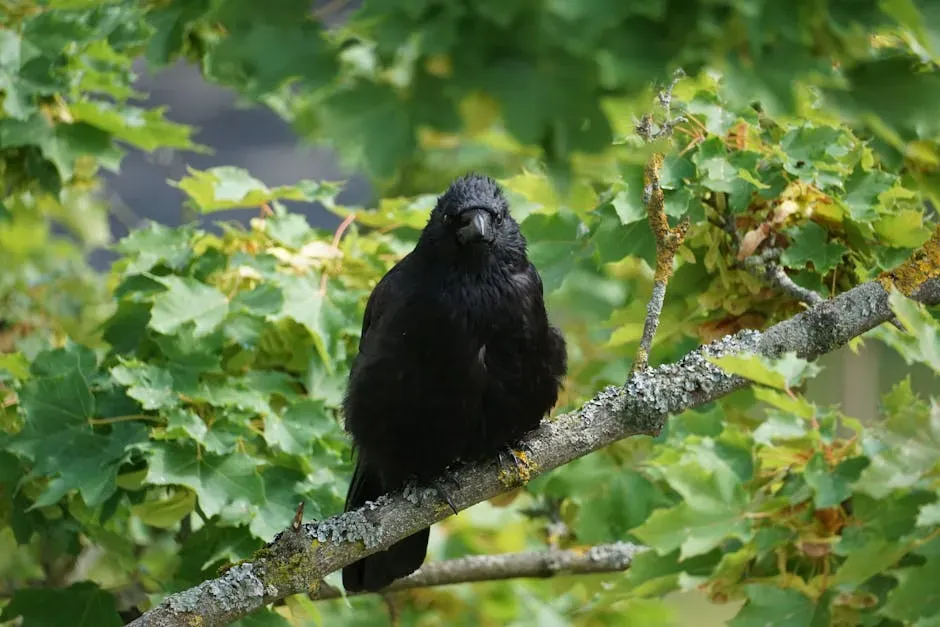
Crows do not care about our clothing brands or our shoe style; those are too changeable to rely on. Experimental work using masks strongly suggests that the birds are paying attention to stable facial features and maybe body shape and posture. When the same mask was worn with different outfits, or even years later, the birds still responded to the face itself as either threatening or neutral.
This is not the simple kind of recognition you see in many animals that respond to a broad category like “large predator” or “snake shape.” It looks more like the way we distinguish individual people. A given human is not just a generic danger; they are that particular person who once trapped a crow, or that person who regularly tosses peanuts. To a crow, the difference between your face and your neighbor’s can literally be a life‑and‑death distinction.
Alarm Calls and Social Learning in the Flock
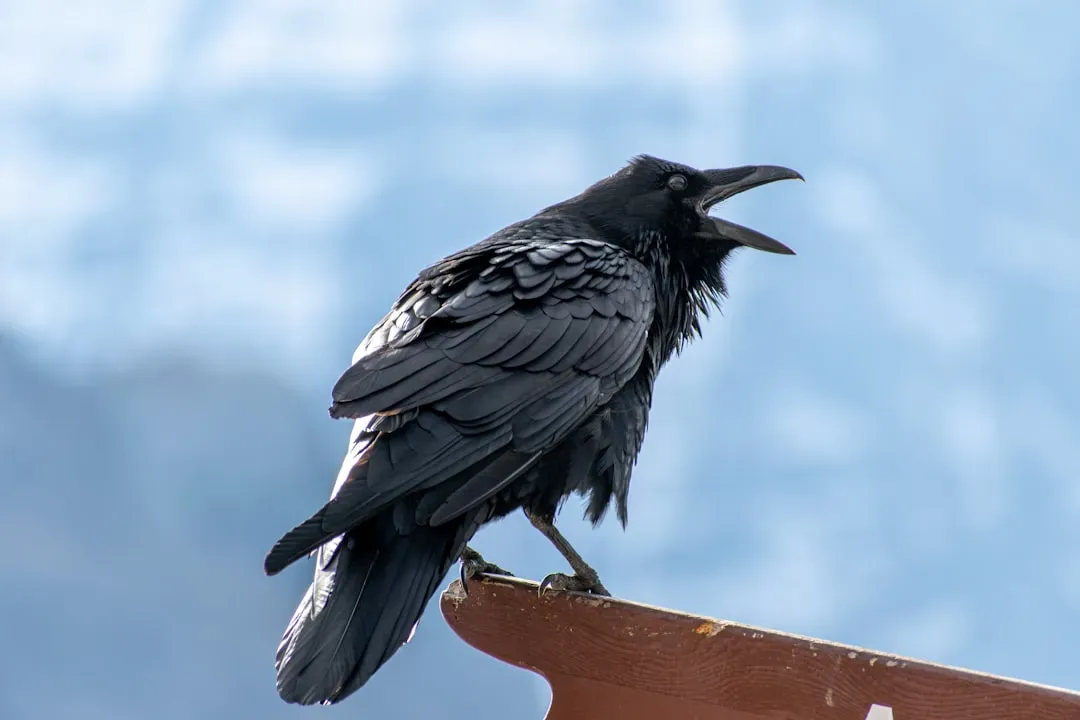
Crows are vocal storytellers. When a dangerous human arrives, they do not just slip away quietly; they often shout about it, drawing in other crows with a barrage of sharp alarm calls. Those calls act like a siren and a headline at the same time: something is wrong, and everyone nearby needs to see who or what it is.
Younger birds and naïve adults can then watch the behavior of experienced individuals. They see who is being scolded, who is chased from the territory, and which human is allowed to walk past without drama. Over repeated encounters, that shared response sculpts a kind of collective memory about local humans, a social map that is bigger than any one crow’s personal experience.
Culture in Birds: Is This Crow “Gossip”?
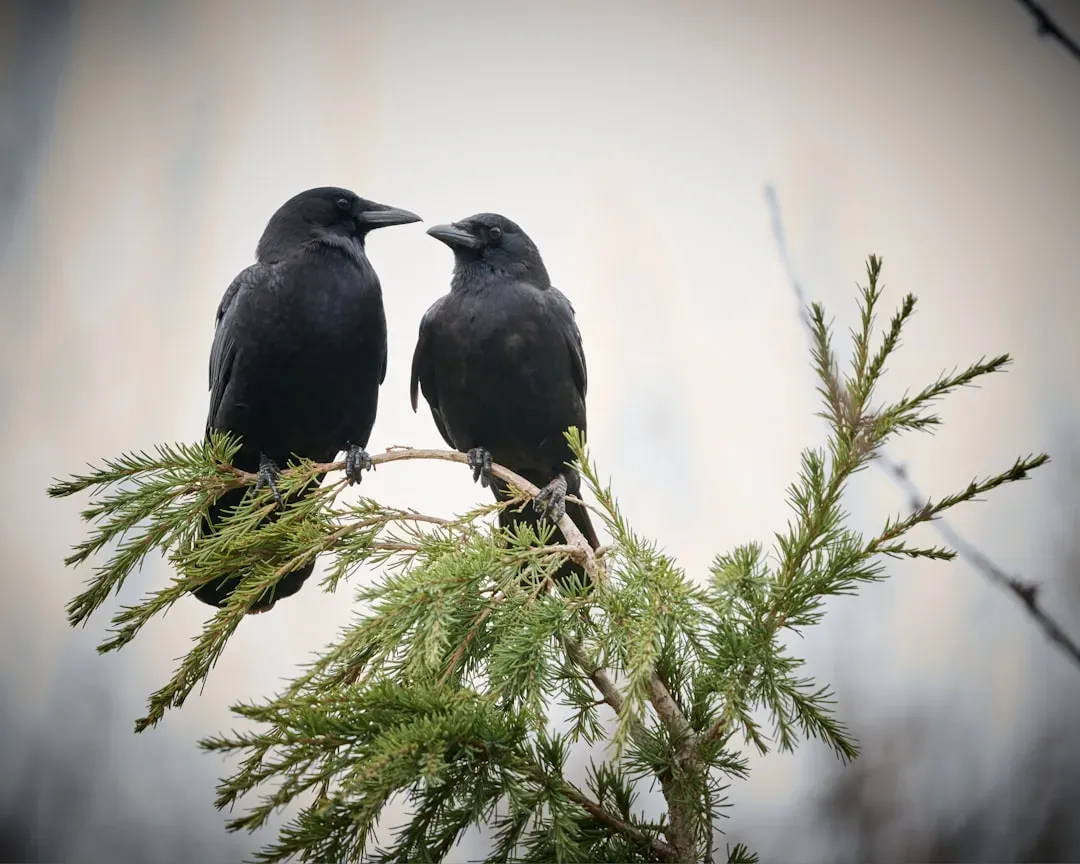
Biologists use the term culture for behaviors that are learned socially and passed along within a group, rather than controlled entirely by genes. By that definition, the way American crows treat different human faces starts to look a lot like a cultural practice. One community of crows might consider a particular park worker dangerous, while another group across town never learned that lesson and treats the same person as ordinary background scenery.
It is not hard to imagine this as a form of crow gossip, even if the mechanisms are more about behavior than language. An adult gets harassed by a specific person, sounds the alarm, and other local crows join in and remember the event. Young birds are effectively raised inside that ongoing conversation, inheriting their neighborhood’s shared opinions about which humans deserve suspicion before they have ever had to make the call themselves.
Humans do something remarkably similar. Most of us learn early on which streets our parents did not like, which relatives to be careful around, or which types of strangers to avoid. Even when our own experiences are neutral, the stories and reactions of others shape our expectations and behavior. In that sense, the cultural learning of crows is not some alien oddity but a bird‑sized version of a very familiar human pattern.
Why Urban Life Makes These Skills Even Sharper
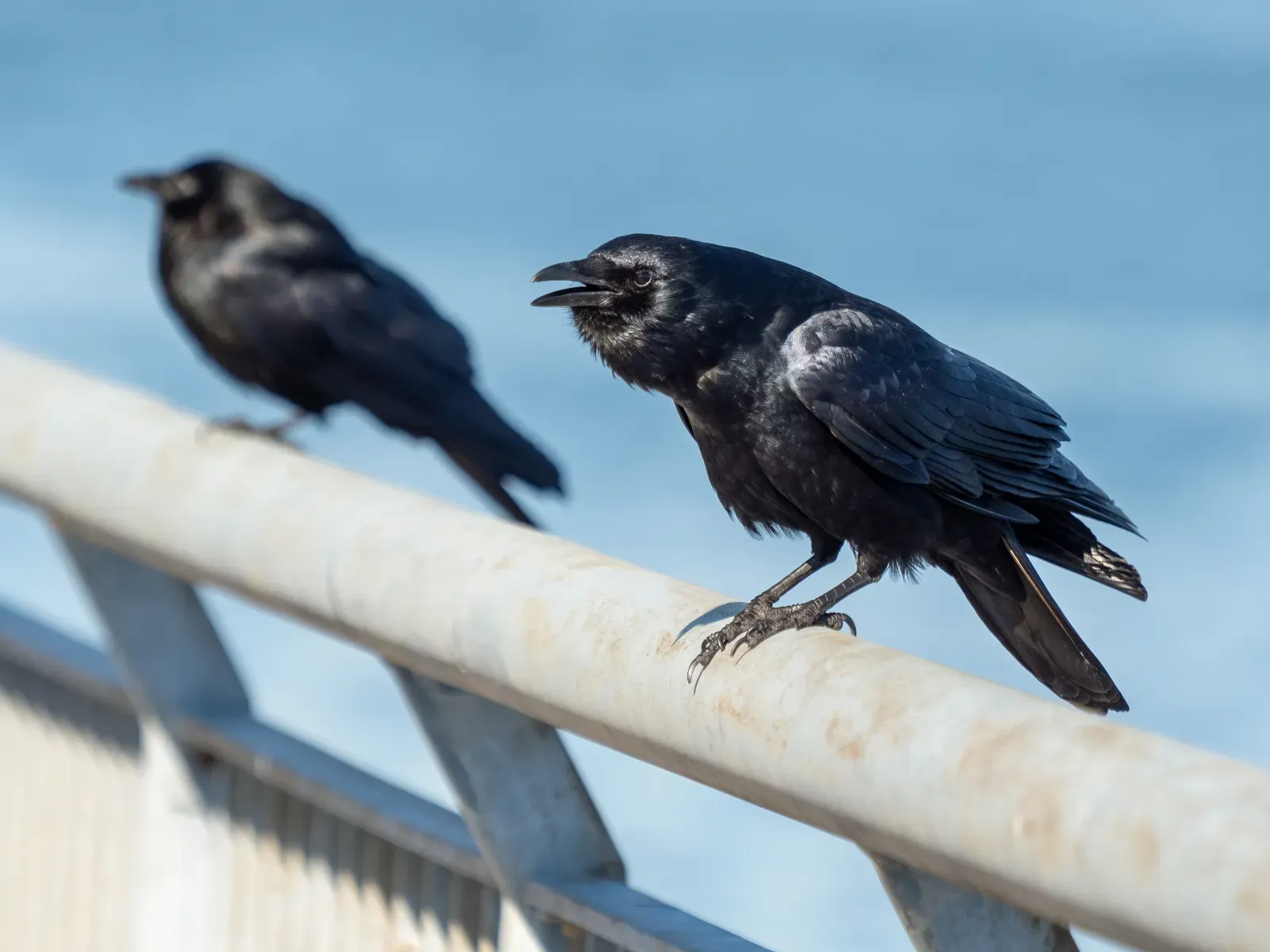
Crows have followed humans into cities, thriving on our waste, our lawns, and our power lines. Urban environments expose them to a huge variety of human behaviors: joggers, dog‑walkers, landscapers, kids with slingshots, retirees with birdseed. In such a crowded, noisy setting, fine‑grained recognition of who is safe and who is risky confers a real survival advantage.
In rural areas, simply avoiding all humans might be a workable rule. In cities and suburbs, that kind of across‑the‑board fear would mean constantly fleeing and missing opportunities to forage. A crow that can distinguish between the groundskeeper who occasionally harasses them and the neighbor who always puts food out is better fed and less stressed. That pressure likely sharpens their tendency to categorize individual people, and to make sure fledglings absorb those distinctions quickly.
How Far Does the Knowledge Spread? Generations and Beyond
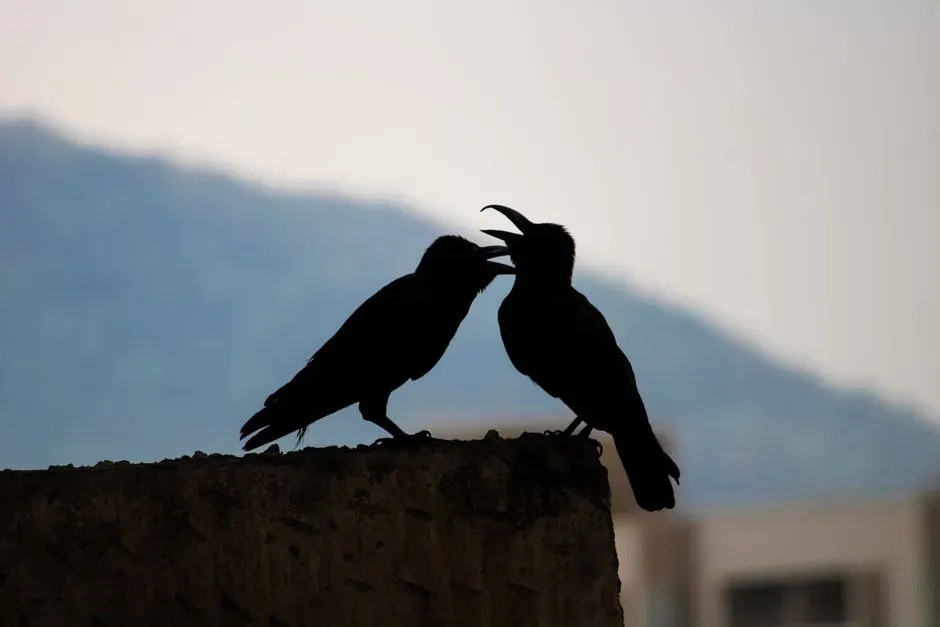
Long‑term monitoring suggests that crow responses to a “dangerous” human face can persist in local populations for many years. New birds that enter the area, either by growing up there or moving in from outside, adopt the local attitude surprisingly quickly. That endurance is one of the reasons many scientists argue this is not just individual learning, but a tradition that can last across generations.
If you have lived in the same neighborhood for a long time and have repeatedly harassed crows, there is a real chance you have become a kind of urban legend to them, a walking warning story retold each breeding season. On the flip side, a person who regularly offers food and behaves calmly may become categorized as a positive presence. In both cases, young crows do not need to reinvent the wheel; they inherit a ready‑made list of reputations.
What This Says About Intelligence and Emotion in Crows
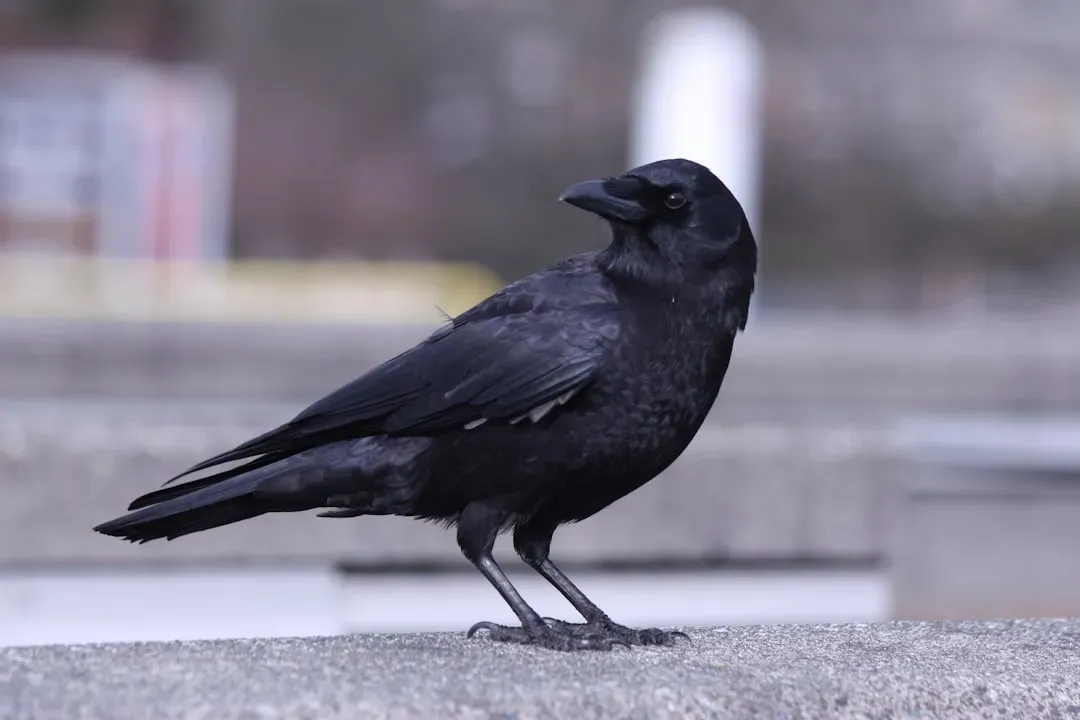
It is fashionable to talk about “bird brains” as if they are simple, but corvids like American crows keep breaking that stereotype. Recognizing individual humans, remembering them for years, updating those memories, and teaching that information to offspring and neighbors all point to a flexible, high‑capacity mind. Their brains are physically small but densely packed with neurons, wired very differently from ours yet reaching surprisingly similar cognitive outcomes.
There is also a strong case that crows experience at least basic emotional states connected to these memories, such as fear, wariness, and possibly something like social trust. Anyone who has watched a crow visibly bristle at the sight of a known threat, then relax when a familiar, food‑bearing human appears, has seen the behavioral side of those internal states. To me, it feels less like we are looking at “instinct machines” and more like we are dealing with another kind of person, one that happens to have feathers and a sharp beak.
How Your Own Behavior Shapes the Neighborhood Crows
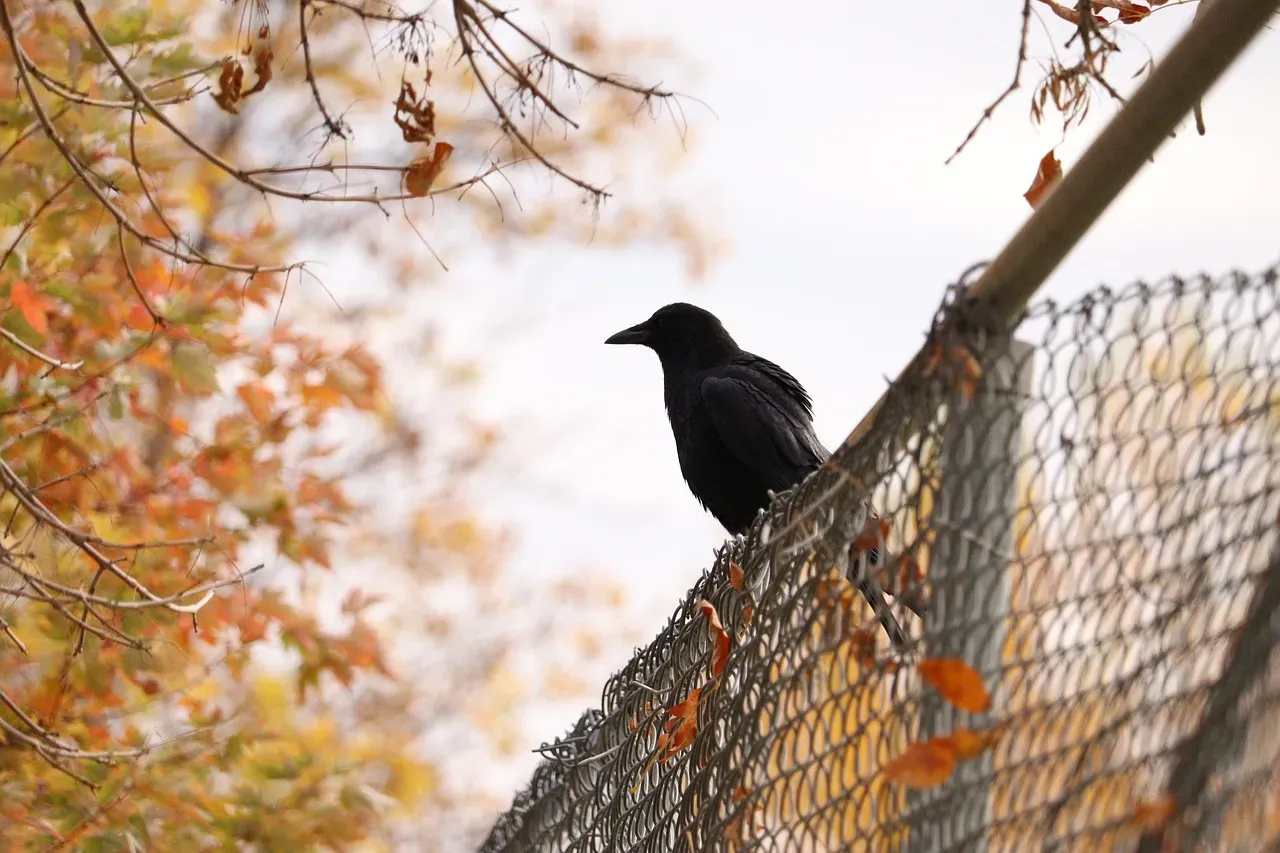
The practical takeaway is simple: your actions toward crows today can echo for years in how they and their offspring treat you tomorrow. If you throw things at them, disturb their nests, or chase them off aggressively, you are likely to be filed under “dangerous face,” and that label may stick around long after you have forgotten the incident yourself. You may even find that future generations of crows react negatively the moment you step outside.
On the other hand, people who consistently behave calmly, respect nest sites, and occasionally offer food often find that local crows become noticeably less fearful and more curious. Over time, you can almost feel a relationship forming: they approach more closely, call when you arrive, and watch you with the same sharp interest you feel toward them. It is not domestication, and it is not guaranteed, but it is a real, two‑way history that shapes both sides’ behavior.
Conclusion: Crows Are Watching, and That Should Change How We See Them
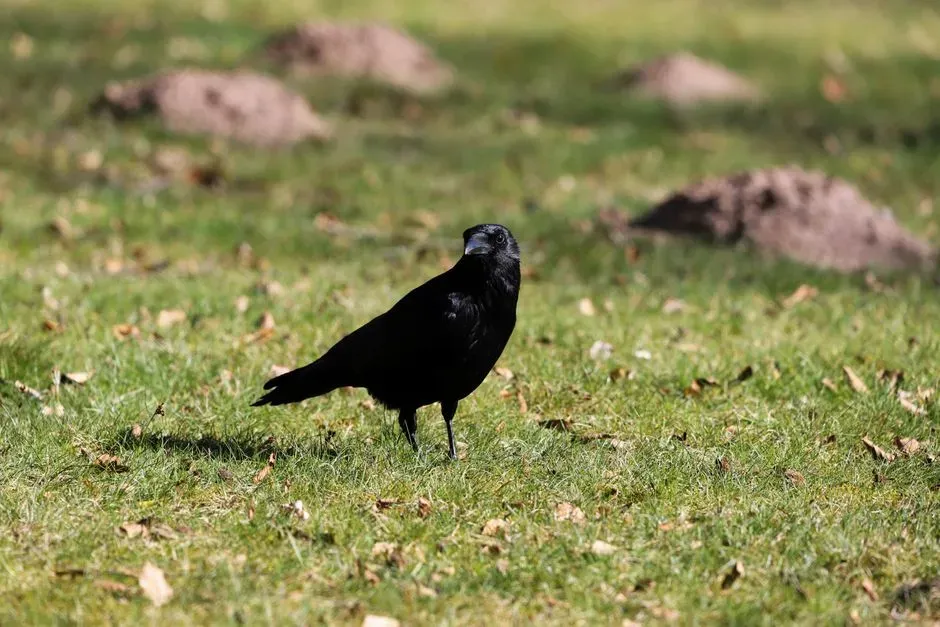
To me, the most striking thing about all this research is not the spooky idea that crows are judging us; it is the realization that we have been living alongside a fiercely observant, family‑oriented, culturally learning species and mostly treating it like moving background scenery. American crows do not just react blindly to danger; they remember specific humans, discuss them through alarm behavior, and effectively warn their kids about us. That makes our sidewalks and parking lots a lot more like shared territory between intelligent neighbors than many people want to admit.
I think we should take that seriously. If another animal can recognize your face, recall what you did years ago, and teach its young to avoid or trust you based on that history, the ethical bar for how we treat it has to go up. You do not have to love birds to accept that a species capable of this kind of social memory and teaching deserves more than casual cruelty and indifference. Next time a crow fixes you with that sideways stare, it might be silently filing you under friend, foe, or question mark – and the real question is, which category do you think you have earned?