
You probably already have mountains, deserts, and maybe a rainforest on your photography bucket list. But wetlands? Those soggy, mosquito-filled edges of the map that most people just fly over? If you skip them, you’re quietly walking past some of the richest wildlife stages on Earth. Wetlands compress life into small, photogenic spaces: open water, reeds, reflections, low mist, and animals that have nowhere to hide once the dry season squeezes them in. As a wildlife photographer, you live and die by light, behavior, and access. Wetlands give you all three at once. Water pulls animals into the open, soft dawn haze turns even a scruffy heron into a painting, and low, flat horizons let you work with silhouettes, backlight, and reflections in a way you simply cannot in dense forest. If you’re building a serious portfolio, these nine wetlands deserve a permanent place on your travel spreadsheet.
1. Okavango Delta, Botswana – An Oasis of Wildlife in the Desert
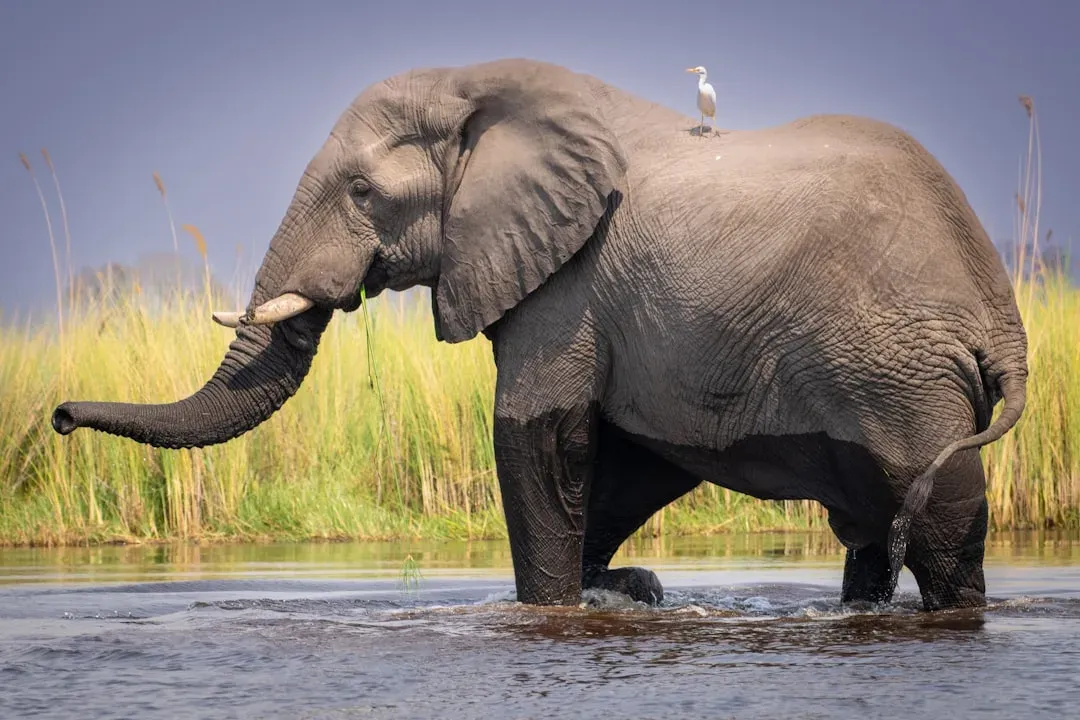
Imagine floating eye‑level with reeds while elephants wade past you and fish eagles scream overhead. That is what you walk into when you arrive in Botswana’s Okavango Delta, one of the world’s largest inland deltas and a wetland that spills into the middle of the Kalahari Desert instead of reaching the sea. Seasonal floods from the Angolan highlands transform dry plains into a vast mosaic of islands, channels, and lagoons, turning the whole system into an improbable blue‑green fan in the middle of an otherwise arid landscape. For your camera, the Okavango is about variety and density. In a single morning, you can shoot red lechwe splashing through mirror‑smooth shallows, hippos yawning at water level, and lions using papyrus as cover on tiny islands. Because the flood arrives in the local winter, you often work under clear, soft light with dry air and golden tones, perfect for long‑lens work and wide environmental portraits. Mokoro (dugout canoe) trips let you get down absurdly low, so your perspective is at waterline, which turns even a simple reed reflection into something that feels like fine art.
2. Pantanal, Brazil – Big Cats and Bigger Horizons
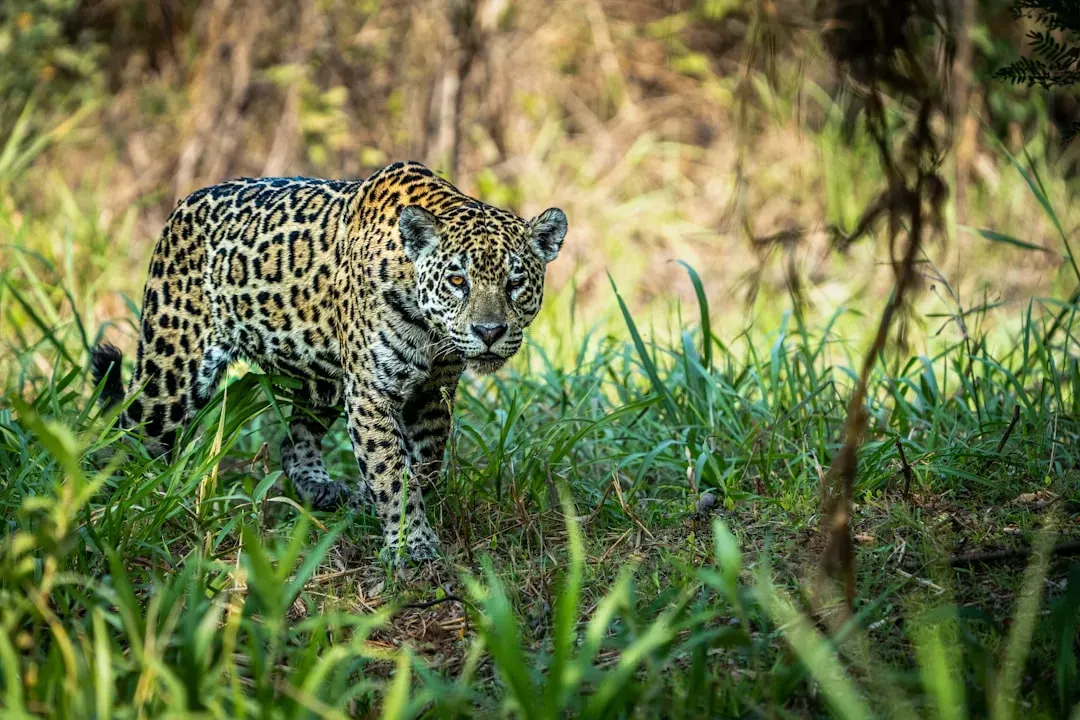
If you want a wetland that feels almost unfairly productive, you head to the Pantanal. Sprawling across Brazil and spilling into Bolivia and Paraguay, it’s widely recognized as the largest tropical wetland on the planet and covers an area many times larger than Florida’s Everglades. During the dry season, water contracts into rivers, oxbow lakes, and small pools, pulling wildlife in like a magnet and turning riverbanks into wildlife corridors. You come here for big mammals and birds that don’t just tolerate your presence but often let you get close enough to fill the frame. Jaguars along the river systems are the marquee stars, but you’ll also find giant otters, capybaras, caimans lined up like props, and a sky busy with macaws, storks, and herons. Boat‑based photography means you can track animals along open banks, shoot low over the water, and use reflections and backlight almost constantly. Bring plenty of memory cards and some patience for intense heat; the payoff is a highlight reel of behavior shots you’d struggle to match anywhere else.
3. Everglades, USA – Subtle Light and Surprising Encounters
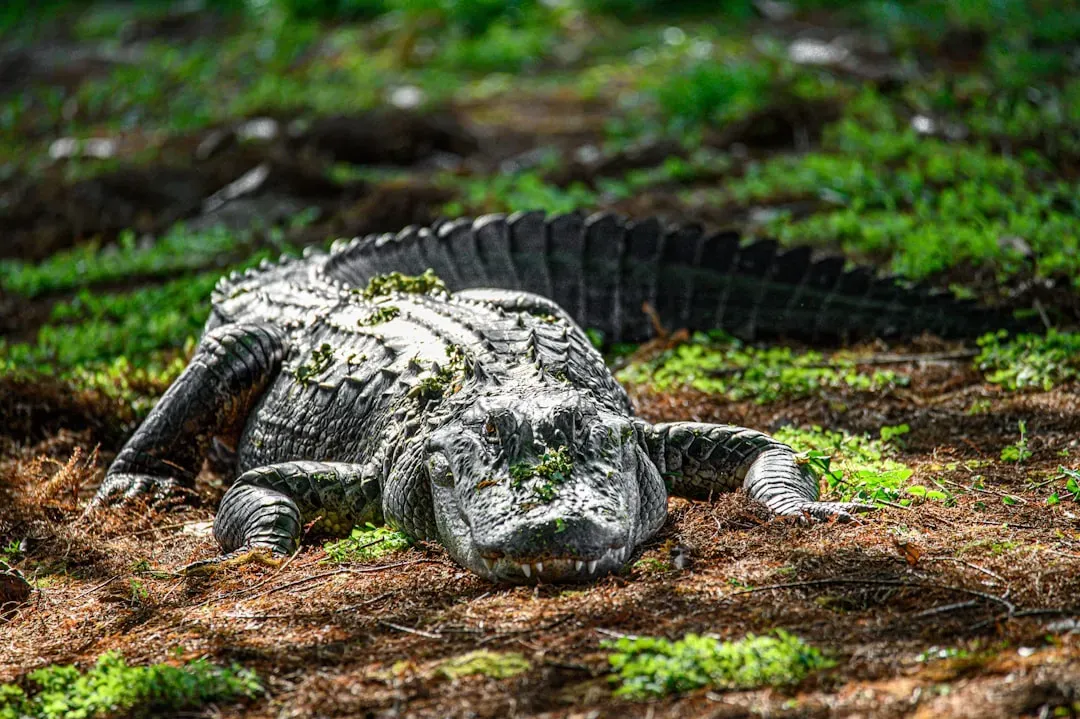
When you finally get to the Everglades in southern Florida, it may feel underwhelming for about five minutes. There are no towering cliffs or dramatic peaks, just a slow sheet of water sliding through sawgrass, dotted with hammocks of trees and tangled mangrove edges. Then you notice that every patch of open water has an alligator, every snag holds an egret or anhinga, and the sky keeps filling with silhouettes of herons and ibis heading somewhere in loose formation. For a wildlife photographer, the Everglades are all about intimacy and repetition in the best sense. You’re not chasing a single rare sighting; you’re working a landscape where birds and reptiles are so common that you can focus deeply on composition, timing, and light. In the dry season, water pulls birds into tight spaces, giving you chances to capture feeding frenzies, roosts, and interactions at close range from boardwalks, trails, and boats. Low winter sun and open horizons create dreamy golden‑hour conditions, and the flatness forces you to build images with layers of reeds, reflections, and sky rather than leaning on dramatic topography.
4. Sundarbans, India and Bangladesh – Where Forest Meets Tiger Territory
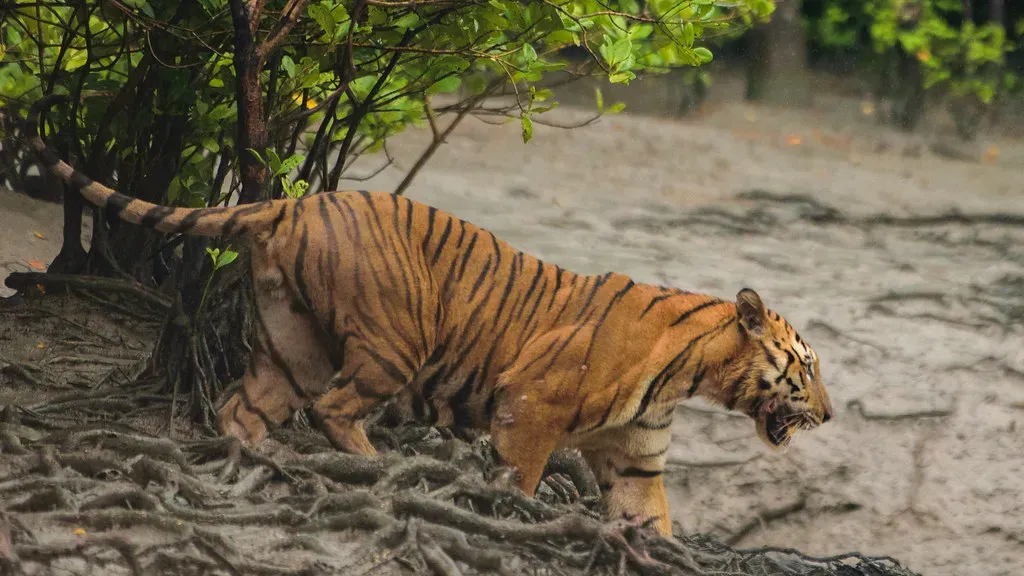
If you have a taste for mystery in your images, the Sundarbans will get under your skin. This enormous mangrove forest, shared by India and Bangladesh at the top of the Bay of Bengal, is the largest contiguous mangrove ecosystem on Earth. Here, trees grow with their roots in brackish water, tides reshape channels daily, and salt‑tolerant vegetation creates a strange, stark beauty that looks nothing like traditional rainforest or savanna. You probably come here with one dream in the back of your mind: a Bengal tiger moving through mangroves. You need to be honest with yourself – that image is difficult, and sightings can be infrequent and fleeting. But even if the big cat never steps into your viewfinder, you’re still working in a landscape loaded with crocodiles, spotted deer, macaques, and an extraordinary bird community, from kingfishers to raptors. The real magic for your portfolio may be the atmosphere: hazy mornings over tidal creeks, twisted mangrove roots mirrored in still water, and small boats navigating narrow channels. Those scenes carry a sense of edge and vulnerability that you simply cannot fake in post‑processing.
5. Danube Delta, Romania and Ukraine – A European Bird Highway
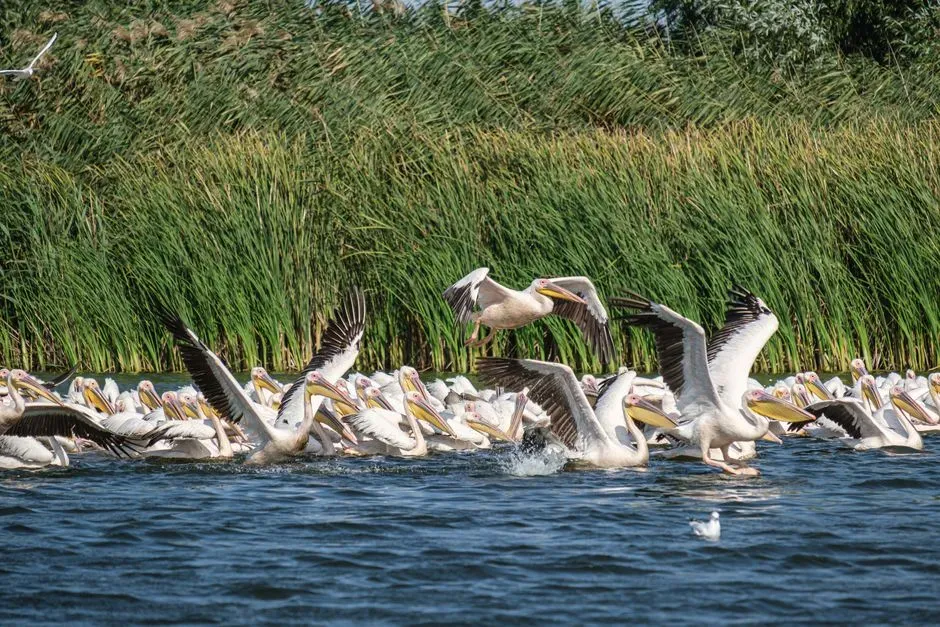
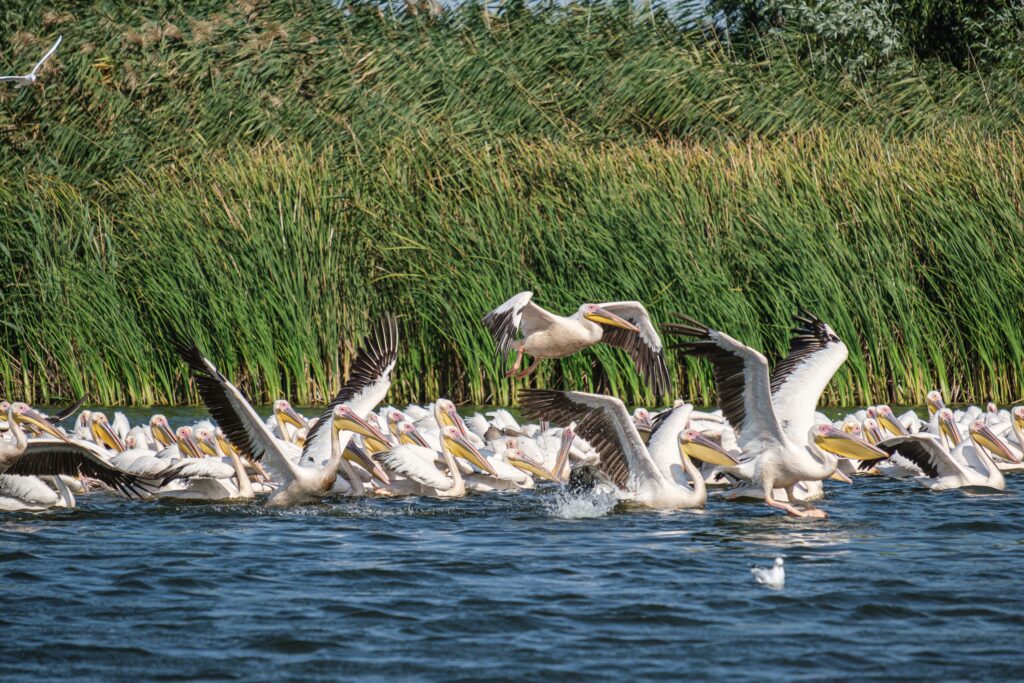
The Danube Delta, where one of Europe’s great rivers finally breaks into countless channels before reaching the Black Sea, gives you a rare thing on the continent: a relatively wild wetland on a truly grand scale. Reed beds stretch to the horizon, floating vegetation carpets lagoons, and traditional fishing villages sit on the edges like time capsules. It’s Europe’s second‑largest river delta, but for your camera, what matters is that it’s also one of the continent’s richest bird habitats. If you love birds in flight, this place feels like cheating. Pelicans cruise low over the water, cormorants and herons lift off constantly, and mixed flocks create chaotic, layered scenes you can shoot with both long and short lenses. Spring and autumn bring migrations that turn the sky into traffic, but even in summer you’ll find nesting colonies, fishing birds, and raptors working the edges of the reeds. Much of your work will be boat‑based, so you can experiment with panning over water, reflections at sunrise, and intimate close‑ups of birds grooming or interacting at rest on half‑submerged logs.
6. Kakadu National Park, Australia – Ancient Rock and Living Floodplains
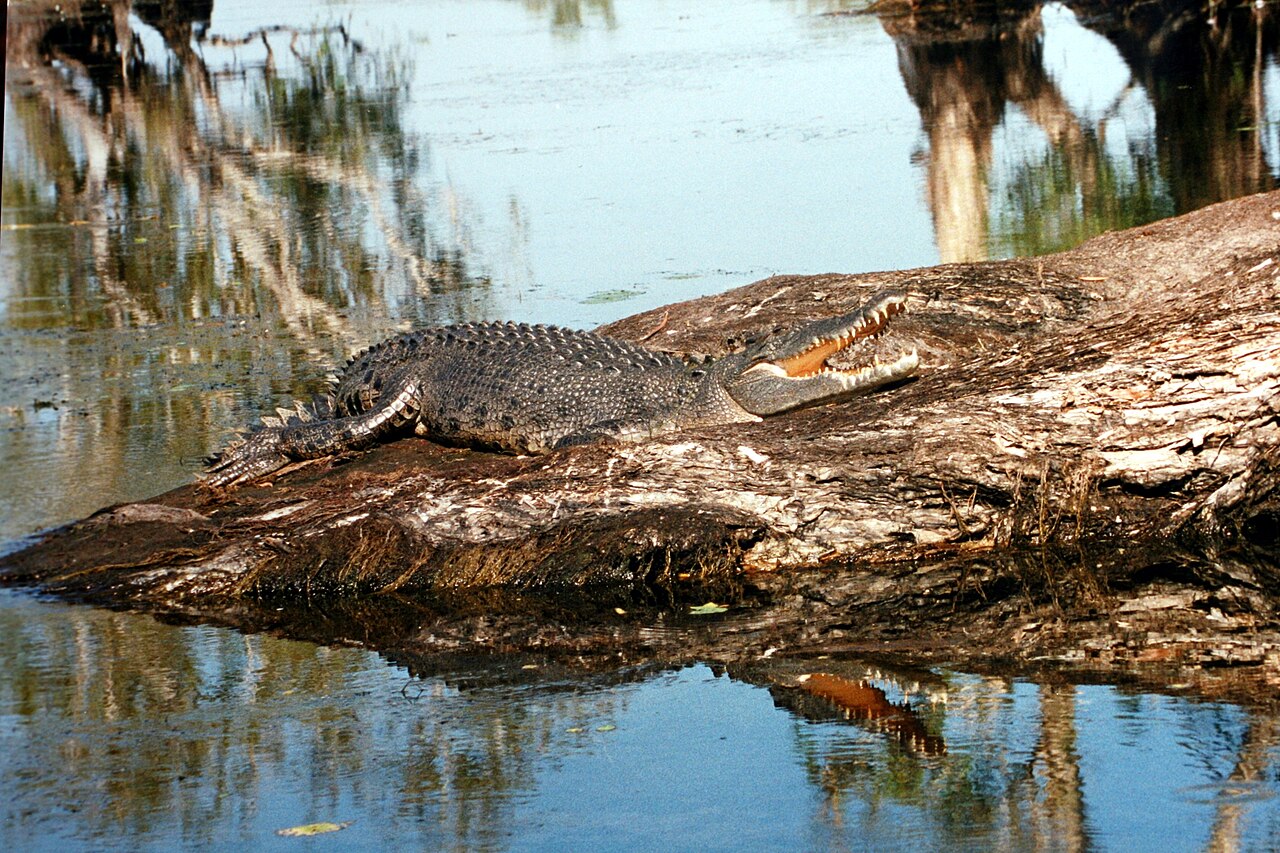
Kakadu in Australia’s Northern Territory gives you an unusual mix: sweeping wetlands backed by ancient sandstone escarpments. In the wet season, floodplains spread out like shallow lakes; in the dry, water retreats into billabongs and river channels, leaving behind green ribbons that pulse with life. You’re working in a landscape that’s not just rich in wildlife but also deeply layered with Indigenous culture and history, which you feel in rock art sites and place names. For wildlife photography, your days revolve around waterholes and floodplains where magpie geese, egrets, jacanas, and countless other birds gather in almost unbelievable numbers. Saltwater and freshwater crocodiles offer classic low‑angle shots, especially when the light skims across still water at dawn or dusk. What makes Kakadu special is the way you can place animals against impressive backdrops: a jabiru stork framed by a towering red cliff, or a crocodile cruising in front of glowing, stormy wet‑season skies. You leave with both intimate portraits and wide environmental shots that capture the scale and drama of northern Australia.
7. Wadden Sea, Netherlands–Germany–Denmark – Tides, Mudflats, and Migrant Clouds
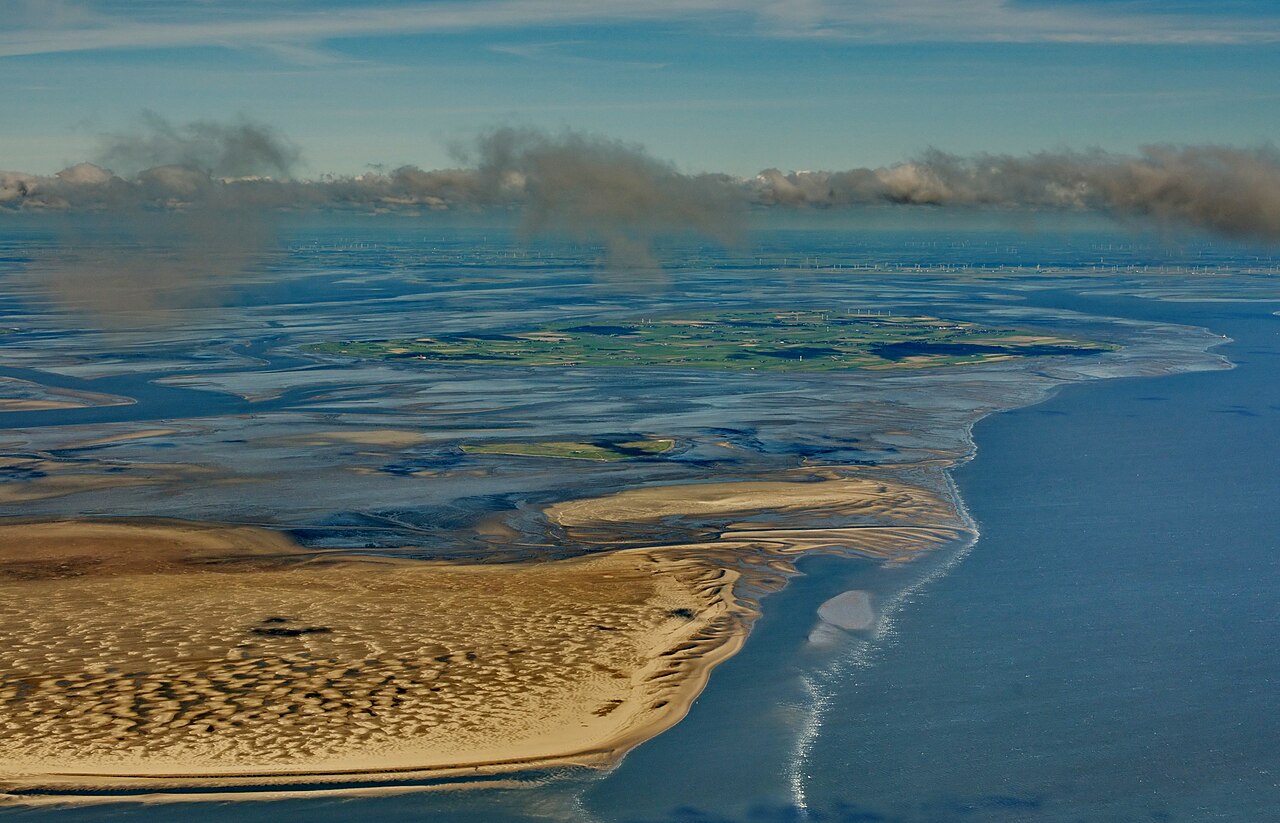
At first glance, the Wadden Sea along the North Sea coast of the Netherlands, Germany, and Denmark hardly looks like a classic wetland. You see huge mudflats, shallow channels, and salt marshes that flood and drain under some of the most extreme tidal swings in Europe. But if you’re even remotely interested in shorebirds and migration, this place should be on your short list. It’s a key stopover for millions of birds moving along the East Atlantic Flyway, turning certain weeks into biological traffic jams. From a photography perspective, the Wadden is about patterns and scale. You’re shooting flocks of waders that rise, twist, and settle like living smoke over shining mud, or geese moving in dense squadrons against pastel dawn skies. Low, raking light across wet flats creates strong textures and long shadows, and you can play with minimalist compositions where a single bird stands on a reflective surface that seems to merge with the horizon. It’s also one of the few wetlands where your tripod might sink not into soft peat or reeds but into fine, glimmering tidal mud that doubles as a mirror if you time the tide right.
8. Tonle Sap Lake and Flooded Forest, Cambodia – The Pulse of the Mekong
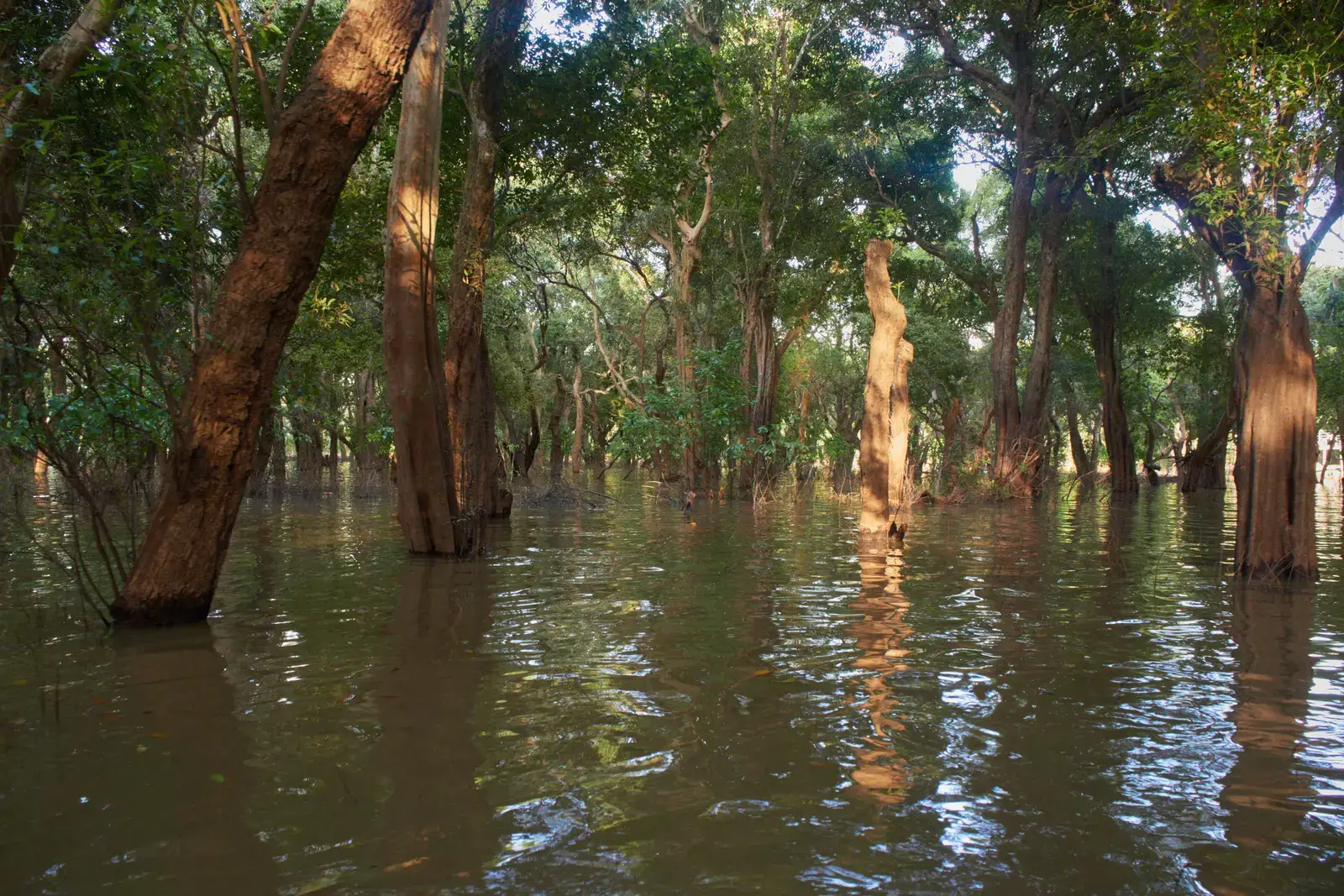
Tonle Sap, in the heart of Cambodia, doesn’t behave like a normal lake. During the monsoon, the Mekong River swells so much that it actually reverses the flow of the Tonle Sap River, forcing water back into the lake and causing it to expand dramatically in both area and depth. In the dry season, waters retreat, revealing floodplains and channels that connect floating villages, flooded forests, and open lake water in an ever‑changing mosaic. For you and your camera, that seasonal pulse creates distinctly different photographic opportunities depending on when you show up. In high water, you can move by boat through drowned forests, shooting cormorants, storks, and kingfishers perched in half‑submerged trees, while villages float in quiet coves with polished reflections. As the lake shrinks, fish and birds crowd into narrower spaces, giving you chances to capture feeding frenzies, dense mixed flocks, and human–wildlife interactions in one frame. It’s a rare chance to document a living system that rises and falls each year in a rhythm you can literally see in satellite images and feel under your feet.
9. Okefenokee Swamp, USA – Reflections, Reptiles, and Southern Mood
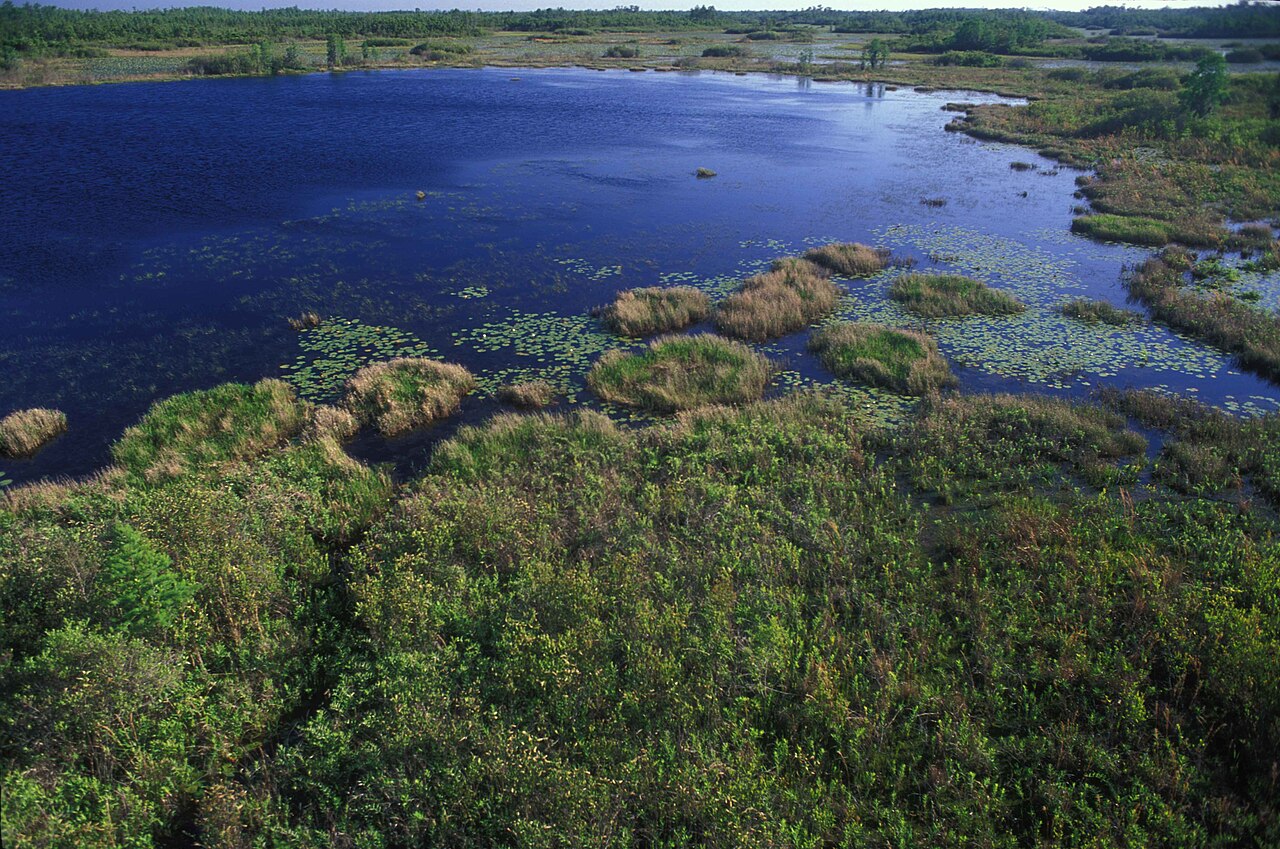
If you want a wetland that feels like a ready‑made movie set, the Okefenokee Swamp on the Georgia–Florida border delivers. Think dark, tannin‑stained water, cypress trees draped in Spanish moss, and alligators resting like carved statues on black, glassy channels. Unlike broad, open marshes, Okefenokee gives you narrow corridors and tangled vegetation that naturally frame your subjects and create strong leading lines. From a photography standpoint, the swamp is a masterclass in using mood. Early mornings often bring low fog over still water, turning simple silhouettes of herons, anhingas, or owls into moody, almost gothic images. Alligators invite close, low‑angle shots from stable boats, and you can play with reflections of moss and sky to build layered compositions. If you’re used to the wide‑open skies of savannas or deltas, working here will push you into more intimate, detail‑driven storytelling – scales, feathers, bark, and reflected light replacing sweeping horizons and massive flocks.
Conclusion – Let Water Redefine Your Wildlife Portfolio
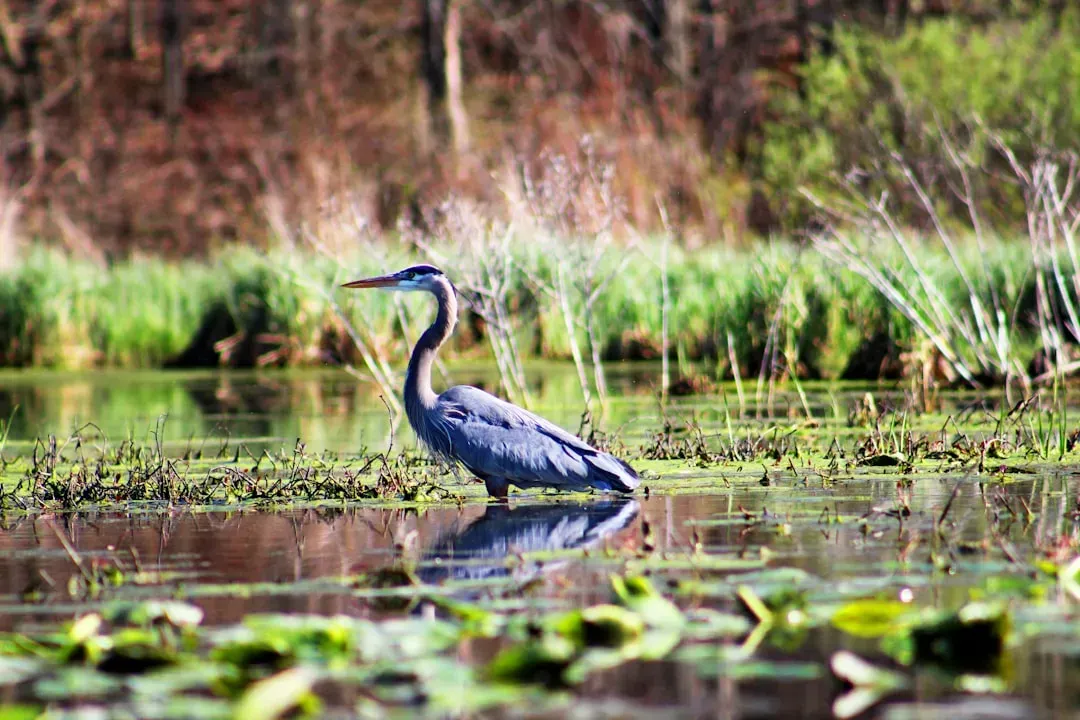
If you scroll through your own work, you might notice a pattern: lots of land, not much water. That’s normal, but it also means you’re leaving a huge amount of visual and ecological richness off the table. Wetlands are where life concentrates, where animals drop their guard because water is non‑negotiable, and where light and reflections give you tools most landscapes simply can’t match. From the big‑cat rivers of the Pantanal to the subtle sawgrass seas of the Everglades, each wetland on this list forces you to see differently and rewards patience with images that feel alive, layered, and slightly otherworldly. You don’t have to tick off all nine to level up your photography. Start with the wetland that feels most realistic for your budget and time, then build outward as you gain confidence working from boats, in humidity, and with ever‑changing water levels. Along the way, you’ll discover that some of your favorite images come not from postcard mountains, but from quiet, flooded edges of the world that most travelers never really notice. When you think about the next trip you plan, are you still going to avoid the swamps, or are you finally ready to lean into the water?