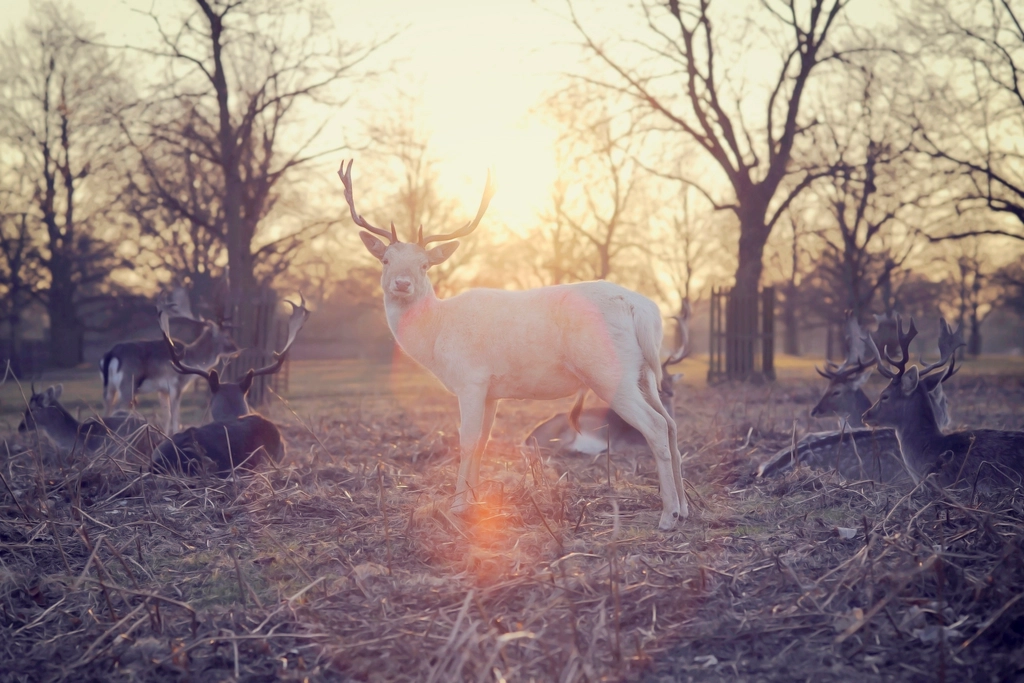

You probably do not expect a deer to be a cosmic messenger, but in the old Celtic world, the stag was exactly that. When a stag stepped across the edge of a forest or onto a battlefield in the stories, it was rarely just an animal wandering past – it usually meant the world was about to shift for whoever saw it. You can think of it like a living crossroads sign, pointing you toward a moment when old patterns fall away and something new demands to be born in their place. When you look closer at Celtic myths, carvings, and later medieval tales, you start to see the same pattern repeat: stags turn up at thresholds, in dreams, at the start of quests, or right before a major decision. The details of those stories are often tangled and incomplete, but the emotional core is surprisingly clear. If you were a Celt, meeting a stag in the right place and time meant the ordinary rules had just been suspended – and what you did next mattered a lot more than usual.
The Stag as a Living Threshold Between Worlds
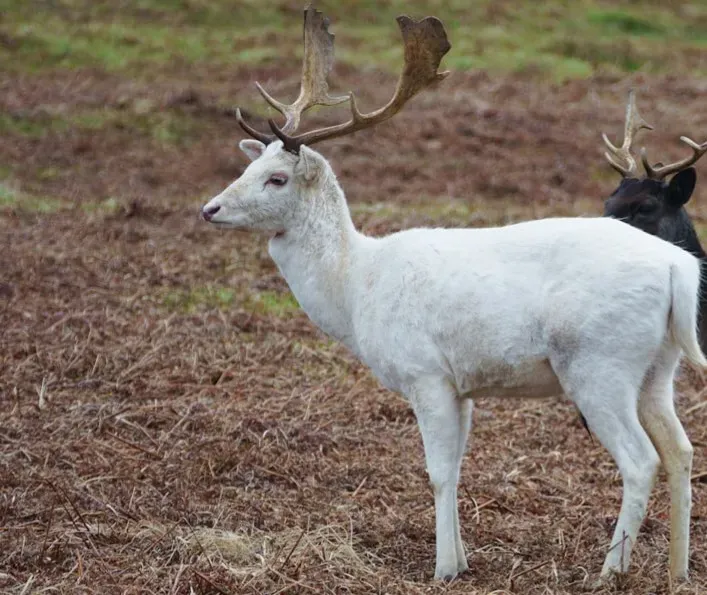
If you lived in an ancient Celtic community, you would have seen the forest edge as more than the line between trees and fields; you would have treated it as a border between your world and the Otherworld. The stag moved effortlessly across that line, grazing near your cattle one moment and disappearing into the deep woods the next, so you naturally saw it as a creature that could travel between realms. When it appeared out of nowhere on a misty path or a lonely hillside, you would have felt that the invisible world was suddenly very close. In Celtic stories, that sense of “in-between” is what gives the stag its power as a sign of change. It does not fully belong to your domesticated life or to untamed wilderness, but flickers between them like a flame in a doorway. When you encounter something that refuses to stay in one category, you feel unsettled and awake at the same time, and that is often when you start questioning old habits. In that moment, the stag becomes less a wild animal and more a reminder that you are always standing on some kind of threshold yourself.
The White Stag and the Call to a Different Future
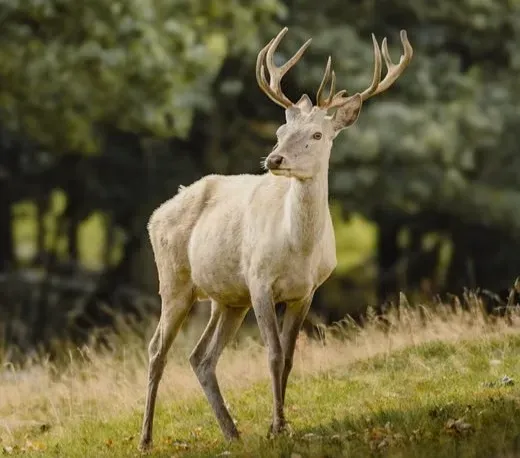
Across Celtic and later medieval tales, the white stag is the animal that will not leave you alone once you have seen it. You chase it, follow it, or simply watch it, and in doing so you find yourself pulled into unfamiliar territory – a strange forest, a hidden valley, or an Otherworldly realm where time works differently. If you imagine your own life, the white stag is a bit like that one chance encounter or strange opportunity that drags you out of your routine and forces you onto a new path. In Irish and Welsh traditions, a pale or white stag often signals that the boundary with the Otherworld has thinned, and whatever happens next will reshape your story in ways you cannot predict. You might end up meeting a supernatural figure, discovering a truth about yourself, or setting off on a quest you never planned to take. When you see it this way, the white stag becomes the embodiment of the moment you stop living the life you thought you were “supposed” to live, and start living the one that actually fits your deeper nature.
Cernunnos and the Antlers of Transformation
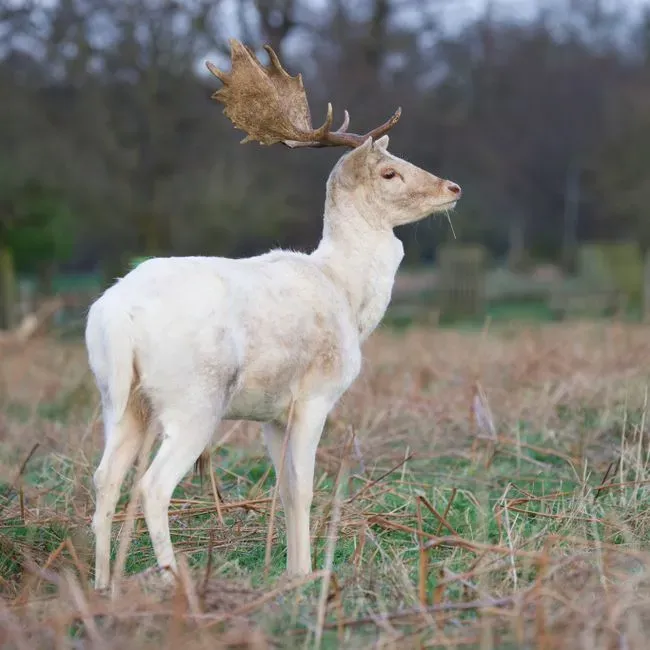
When you look at ancient stone carvings from Celtic regions of Europe, you repeatedly find a mysterious god with stag antlers, usually sitting cross‑legged and surrounded by animals. Scholars call him Cernunnos, and while almost nothing written about him survives, his antlers tell you a lot. Antlers fall and grow again each year, so to a Celtic viewer they naturally symbolized cycles of death and renewal, and by wearing them Cernunnos visually claimed power over those cycles. If you put yourself in the place of someone standing before one of those carved stones, the antlered god would have embodied the wild, uncontrollable forces of nature that still follow deep patterns. The stag at his side and the antlers on his head would have suggested that change is not random chaos but a repeating rhythm you can learn to move with. In that sense, every time you see a stag or antlers in Celtic art, you are being quietly reminded that losing one phase of life is also how you make room for the next antler‑rack to grow.
Hunting, Hospitality, and Sudden Reversals of Fortune
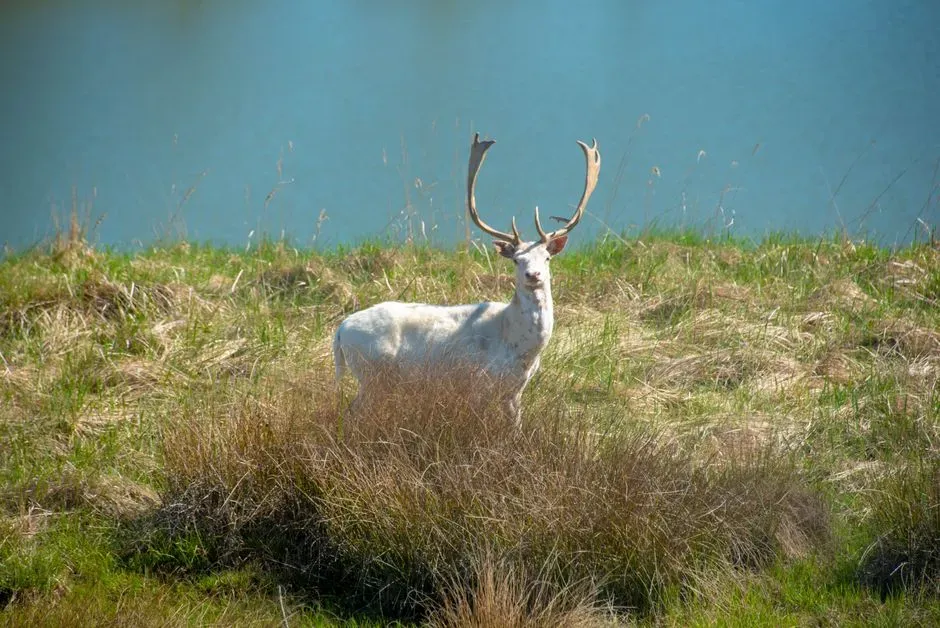
In hunting scenes from Celtic and early medieval traditions, you often find stags at the heart of stories where fortunes flip in an instant. A warrior might set out convinced he is the hunter, only to discover that by following a stag he has been led into enemy territory, sacred ground, or a place where a king or god is waiting for him. If you have ever chased an opportunity only to realize the situation was actually testing you, you already understand the emotional pattern these tales describe. Hospitality and taboo also wrap around the figure of the stag. In several Gaelic stories, when a stag approaches a hall or settlement, it forces the host to decide how generously and wisely to respond to guests, strangers, or even animals that disrupt the daily order. That kind of encounter can lead to sudden honor or sudden ruin, depending on how it is handled. For you, the deeper lesson is that the moments that feel like distractions or interruptions are often the very tests that flip your circumstances and push you into a new phase of life.
The Stag as a Guide to the Otherworld
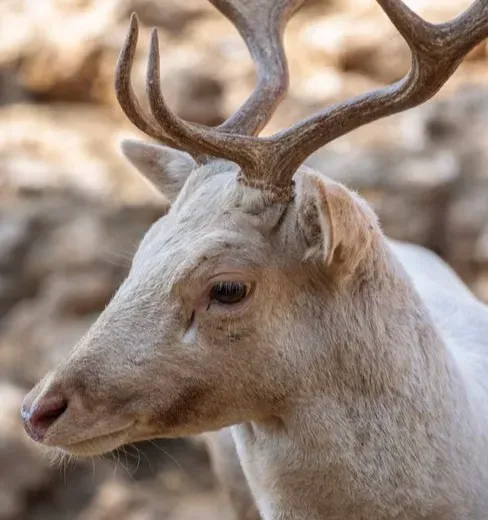
Many Celtic tales quietly assume that if you follow a stag long enough, you will eventually cross the border into the Otherworld, even if you do not realize when that crossing happens. You might start in familiar woods and end in a landscape that feels slightly too bright, too quiet, or strangely timeless, and only then suspect you have stepped into a different layer of reality. In a modern sense, that experience mirrors times when you drift into a new chapter of your life so gradually that you only realize later how far you have traveled from where you began. Because of this guiding role, the stag becomes a kind of spiritual navigator in Celtic belief. It does not speak or explain anything; it simply moves, and you decide whether to trust it. When you choose to follow, you are choosing to leave certainty behind for the sake of something you can sense but not fully see. That is the exact emotional moment so many of these stories highlight, and it is also the moment in your own life when you quietly accept that growth requires walking into the woods without a perfect map.
Seasons, Antlers, and the Rhythm of Change
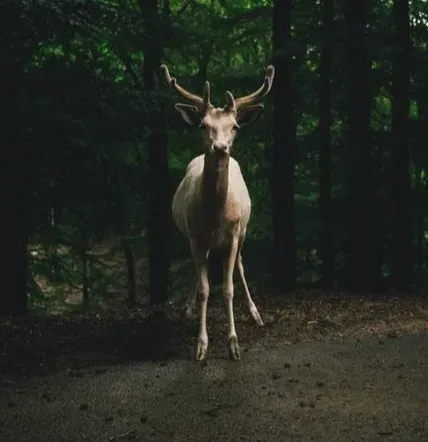
If you pay attention to real stags through the year, you notice their lives are a physical calendar of change: antlers grow, fights for dominance happen, antlers fall, and the cycle begins again. Ancient Celtic observers watched that same pattern and naturally read it as a lesson about the seasons of human life. You grow in power, reach a peak, shed what you no longer need, and then begin a new cycle with different strengths. When you link this to old solar and seasonal symbolism, the stag starts to stand for the turning of the year itself, especially around times when light and dark are in tension. Meeting a stag at dawn, dusk, or at festival times that marked seasonal boundaries would have felt especially charged in that context. For you, that imagery can work as a reminder that big changes in your life tend to cluster around those inner turning points – the emotional solstices and equinoxes when your old identity stops fitting and a new one is just beginning to take shape.
How You Can Work With the Stag Symbol Today
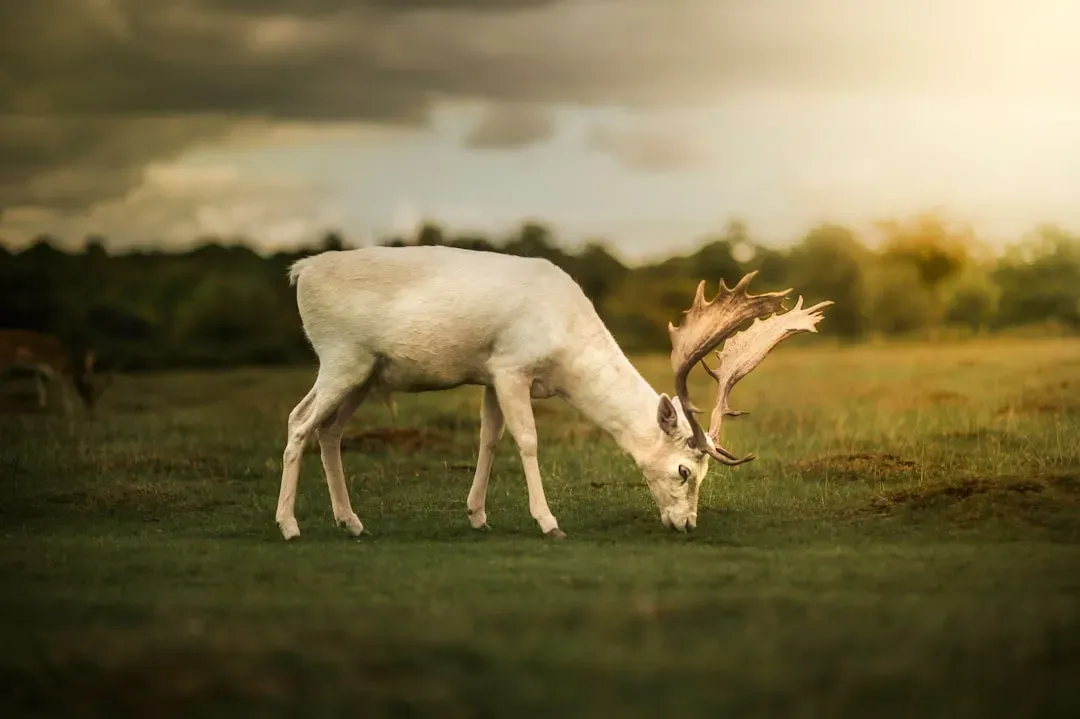
Even though you probably are not living in an Iron Age hillfort, you can still use the old Celtic way of seeing the stag as a tool for navigating your own changes. You might treat the image of a stag or a set of antlers as a personal signal that you are standing at a threshold, whether that is starting a new career, leaving a relationship, or moving to a different place. By consciously tying that symbol to moments when you choose courage over comfort, you make it a kind of inner banner for your own transformations. You can also bring the stag into everyday life in quieter ways: a small carving on your desk, a pendant, a sketch in your journal, or even just paying attention when deer cross your path on a walk. The point is not to force a supernatural meaning onto every encounter, but to let the symbol nudge you to ask one simple question: what is trying to change in me right now, and am I willing to follow it into the unknown?
Conclusion: When the Stag Steps Out of the Trees
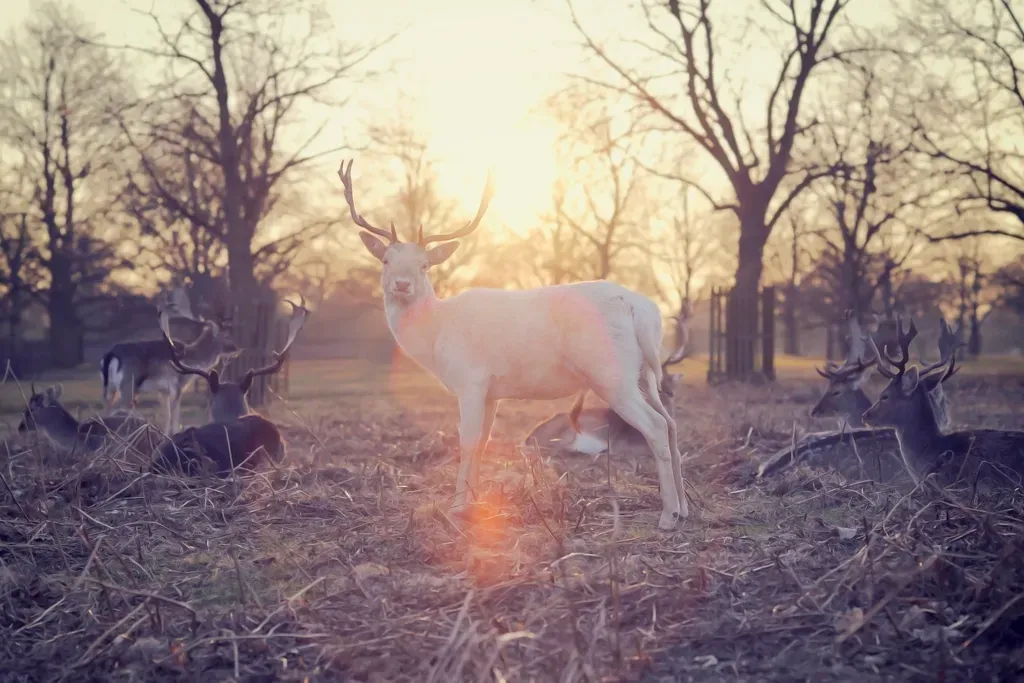
When you look across Celtic beliefs and the later stories they influenced, one thread stays surprisingly consistent: the stag walks in just before something important shifts. It might herald a journey to the Otherworld, a reversal of fortune, a test of character, or the slow turning of your own inner seasons, but it almost never leaves your life untouched. In that way, the stag becomes less of a distant mythological creature and more of a mirror for those moments when you feel the ground moving under your feet. If you choose to adopt this symbol, every time you picture a stag stepping out of the trees, you can take it as an invitation to meet change with clarity instead of fear. You are being reminded that crossing thresholds is part of your nature, just as shedding and regrowing antlers is part of the stag’s. So the next time life presents you with an unexpected path, you might quietly ask yourself: is this my white stag, and am I ready to follow where it leads?