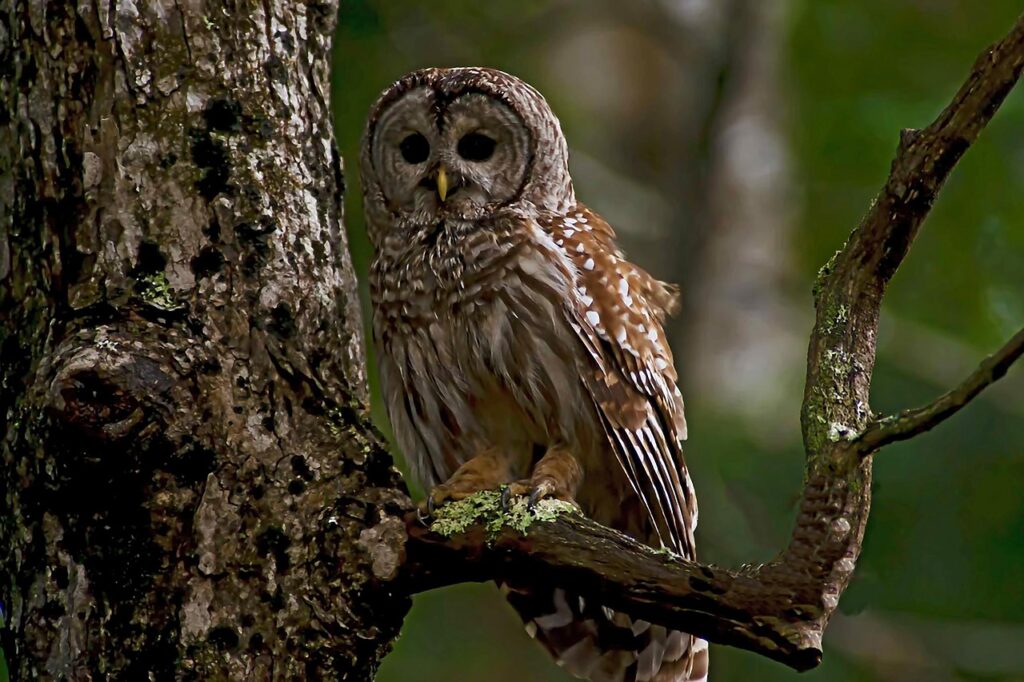

You know that electric stillness the woods get at dusk, when the air cools and every sound suddenly matters? That’s the moment when forest roads turn into owl country. If you’ve ever driven a dirt track under tall trees, headlights sweeping over mossy trunks, and felt like something was silently watching you, you’re probably right. Along the right roads, you’re not just passing through the forest; you’re slipping into the night shift of an entire ecosystem. On these quiet stretches, you can listen for soft hoots, look for pale shapes crossing the road, and read the forest like a storybook: white splashes on bark, pellets at the base of a tree, or a silhouette on a snag. Below are twelve real-world forest roads and backcountry routes across North America where you stand a strong chance of meeting an owl – if you move slowly, stay respectful, and let the dark do its work.
1. Aufderheide Scenic Byway, Oregon (Forest Road 19)
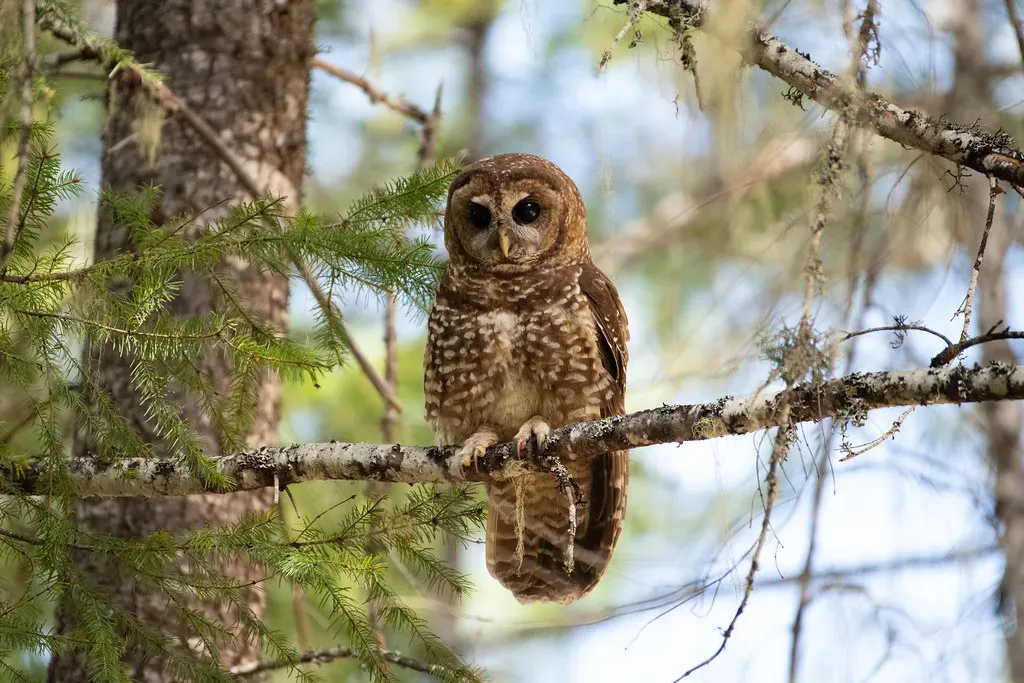
If you want your first serious owl road to feel like a movie set, Aufderheide Scenic Byway delivers. This narrow Forest Service road winds between the McKenzie and Willamette River corridors through deep, old conifer forest – classic habitat for Northern Spotted Owls and other forest species. You drive under a tunnel of Douglas-fir and hemlock, with side trails like the Delta Old-Growth Trail leading into cathedral-like groves where older forest specialists thrive. For owls, you’re really playing the long game here: you’re not spotlighting or chasing them, you’re putting yourself where they already live and letting chance work in your favor. At dusk, park at one of the pullouts near old-growth stands, turn off the engine, and just listen. You may hear soft, four-note hoots of a spotted owl deeper in the woods, or the heavier call of a Great Horned Owl farther out toward openings. Come in late spring or early summer, bring a red-filtered headlamp, and keep your presence low-key – no playback, no loud talking, just patience and ears wide open.
2. Hells Canyon Forest Road 39, Northeast Oregon
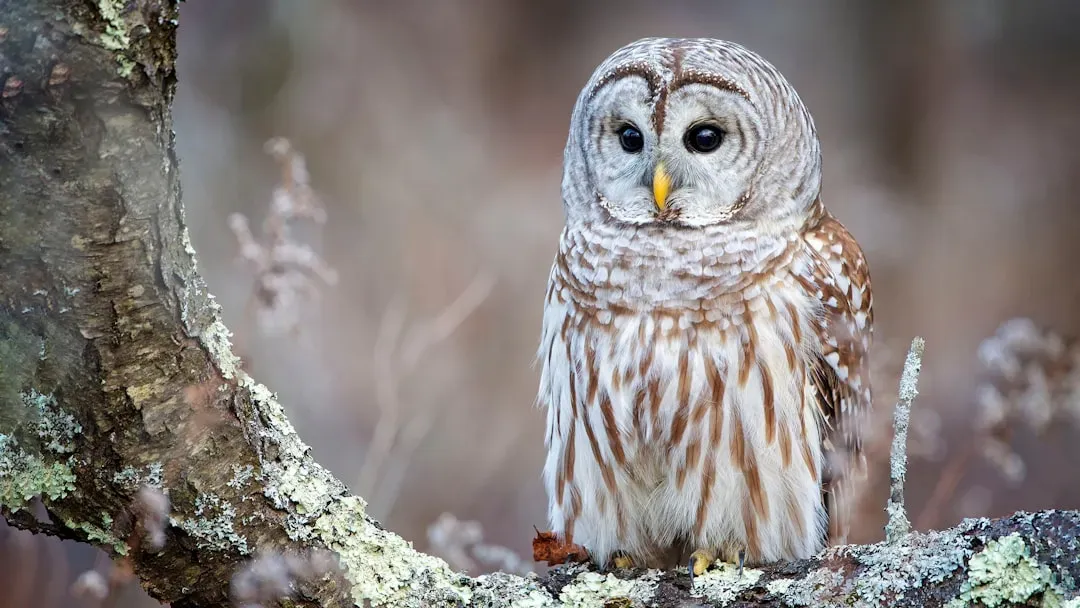
Forest Road 39, part of the Hells Canyon Scenic Byway loop, feels like someone designed it specifically for people who like lonely mountain roads and secretive wildlife. It connects remote ridges and drainages on the Wallowa–Whitman National Forest, with long stretches of mixed conifer and breaks where meadows and canyons open up. Those transitions between dense cover and semi-open space are prime owl hunting grounds, especially for Great Horned and Barred Owls. You can work this road like a slow-motion patrol. Pick a calm evening, start a couple of hours before full dark, and roll with your windows down at walking speed where it’s safe. Stop at wide pullouts that overlook forest edges or creek bottoms. Turn off the car, stand outside for ten or fifteen minutes, and just tune in: distant hoots, the chitter of flying squirrels, or crows losing their minds at a hidden predator. When snow is gone but before full leaf-out, you’ll have the best combination of access and visibility, and you can scan bare branches for shapes you’d never notice in summer.
3. Lost River State Forest Backroads, Minnesota
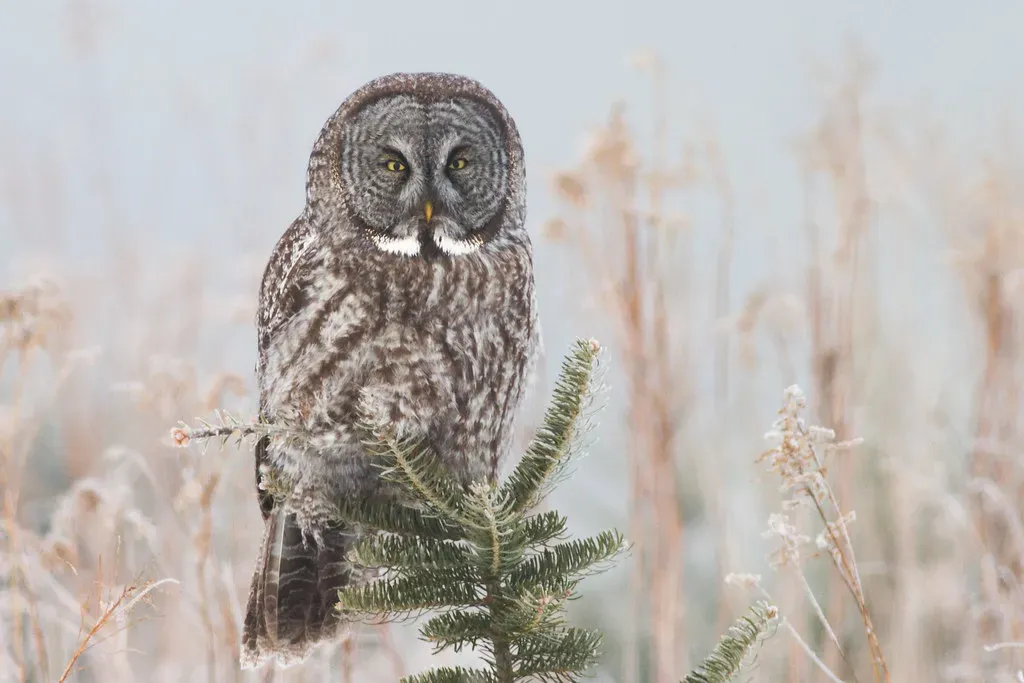
Up in northern Minnesota, the gravel roads lacing through Lost River State Forest are the sort of places where winter feels like an extra-long twilight. This forest is known among birders for hosting boreal specialties like Great Gray Owl, Northern Hawk Owl, and Northern Saw-whet Owl, along with other cold-loving birds. The landscape is a patchwork of spruce, tamarack, low bogs, and mixed forest that suits big, ghostly owls just fine. You work these roads differently depending on the season. In winter, you can slowly drive the main gravel spines and side roads at first light or near dusk, watching fencelines, treetops, and roadside snags for a hefty gray form that looks too big to be a crow. When days are shorter, you essentially get prime owl hours without staying out late. In the shoulder seasons, you may rely more on sound than sight, stepping out at quiet junctions to listen for the monotonous tooting of a Northern Saw-whet Owl or the deep, leisurely hoots of a Great Gray resonating through the timber like a distant drum.
4. Boreas Pass Road (FR 404), Colorado
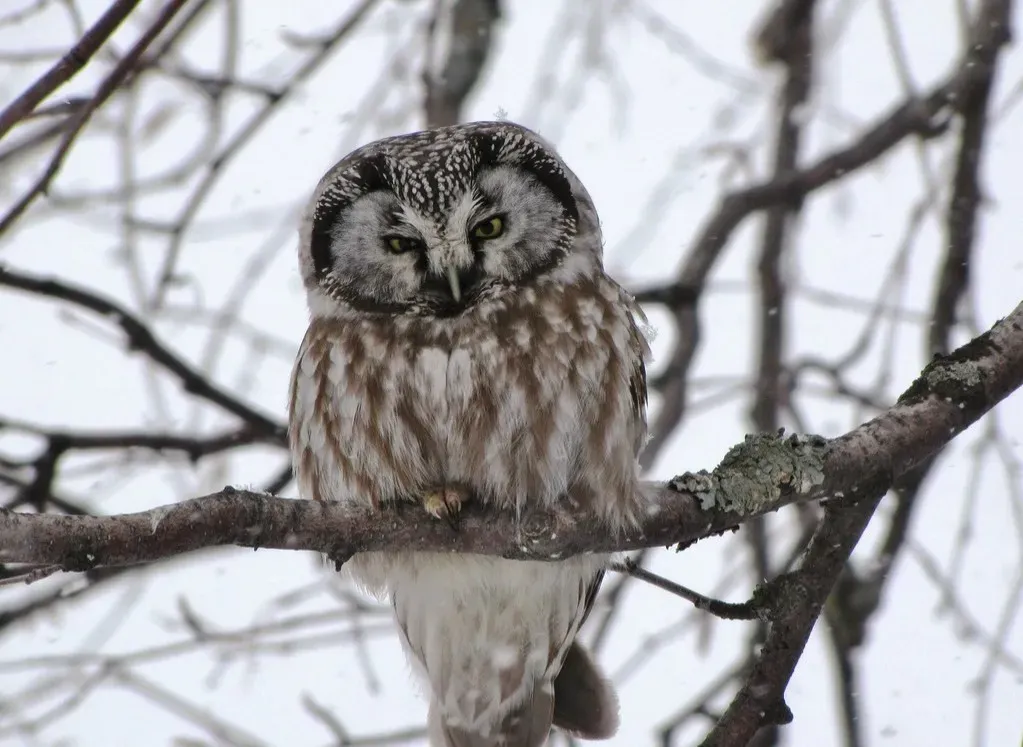
Boreas Pass Road is the sort of high-country track where you can smell the cold even in August. This Forest Road, climbing out of the Breckenridge area, passes through montane and subalpine forest – lodgepole pine, spruce, and fir – habitat that’s been flagged by birders as one of the better spots near Denver to look for Boreal Owl. It’s not an easy bird anywhere, but if you’re going to search from a road, this is one of the few places where the odds are not laughably low. Your strategy here starts with safety and altitude. The road is graded but can be rough and seasonally closed, so you want to check conditions and avoid sketchy weather. In mid to late summer, arrive at a campground or pullout along the upper sections just before sunset and plan to stay put. Once it’s dark, you can walk short stretches of road with a headlamp pointed mostly at your feet, listening for the repetitive, hollow toots of a Boreal Owl somewhere in the black timber. If you do hear one, resist the urge to push in close; just knowing you’re sharing the ridge with a nocturnal hunter in that thin air is an experience in itself.
5. Cameron Pass Corridor, Colorado
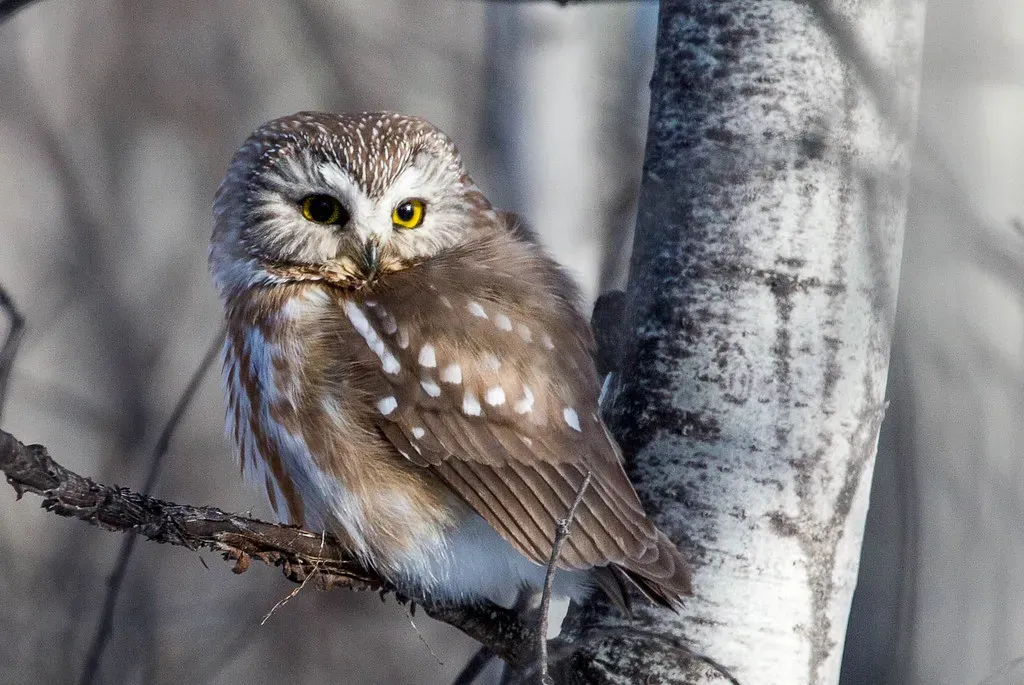
The paved highway to Cameron Pass in northern Colorado doesn’t sound like a “quiet forest road” at first, but once you step away from the main traffic and onto the side pullouts and forest access spurs, it absolutely becomes one. The pass area is known to local birders for high-country species, and Northern Saw-whet Owls are among the regular, if elusive, residents. Forests here are thick with spruce and fir, broken up by riparian strips and avalanche paths. You can treat the pass as your base and explore the smaller access roads at dusk, especially those that lead into denser stands with little underbrush. Watch traffic, park completely off the pavement, and then let the ambient soundscape settle around you. On still nights, you might pick up the soft ticking notes of a Saw-whet or the deeper hoots of a Great Horned Owl across a clearing. Snow banks and moonlight can make silhouettes pop against the trees in late winter, so you may spot an owl perched above a plowed turnout, looking for rodents tunneling under the crust.
6. Cimarron–Owl Creek Pass Road, Colorado
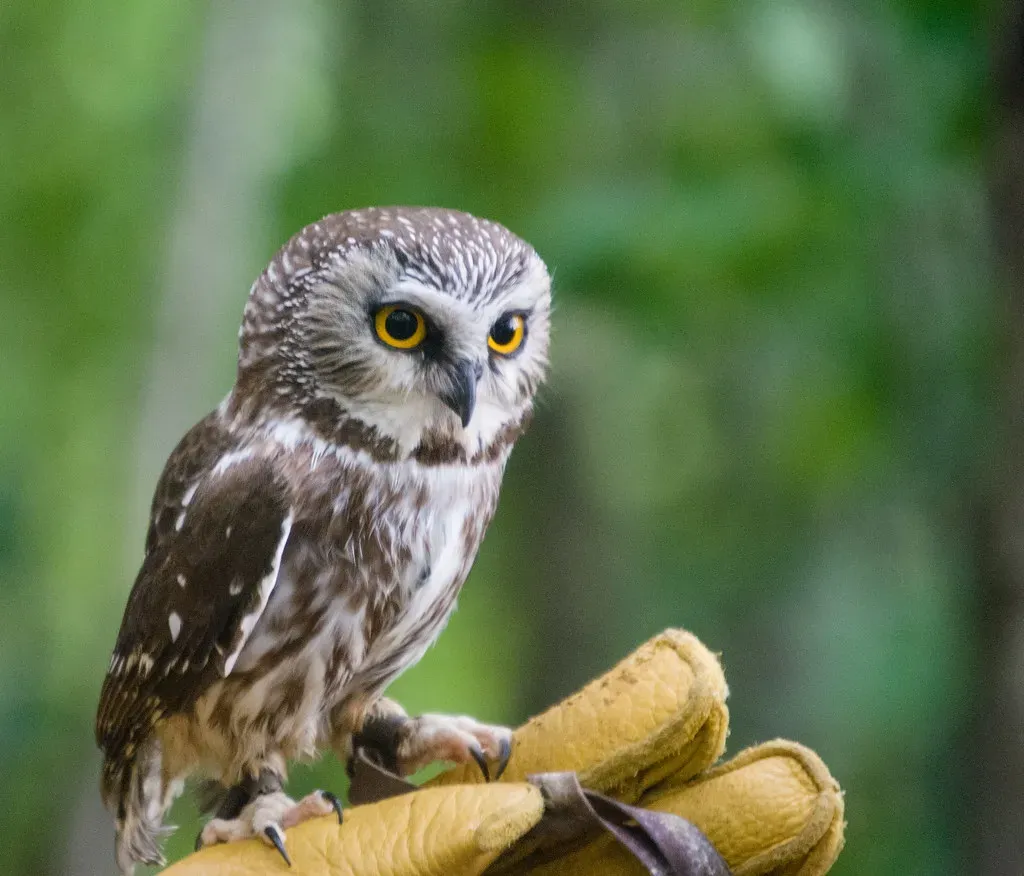
The drive over Owl Creek Pass from the Cimarron Valley into the Uncompahgre National Forest feels like it was named for exactly what you’re looking for. This mostly easy dirt road, climbing into thick forest and then easing back down toward Ridgway, slices through ideal habitat for several western owl species. You get long stretches of spruce and fir, interspersed with aspen stands and open meadows where prey is easier to catch. Your best bet here is to turn a scenic drive into an overnight stakeout. Arrive in the late afternoon, pick a legal pullout or dispersed camping spot among the trees, and let the evening unfold naturally. At dusk, you may hear Great Horned or possibly Northern Saw-whet calling along the forested slopes. Use your ears more than your eyes – sound travels far here, and the road gives you a linear reference to triangulate where the calls are coming from. In fall, when aspen leaves turn gold and traffic thins out after color season, the forest can grow wonderfully quiet, and the first low hoot will feel like a secret being whispered to you.
7. Burrell’s Ford Road (Forest Road 708), South Carolina
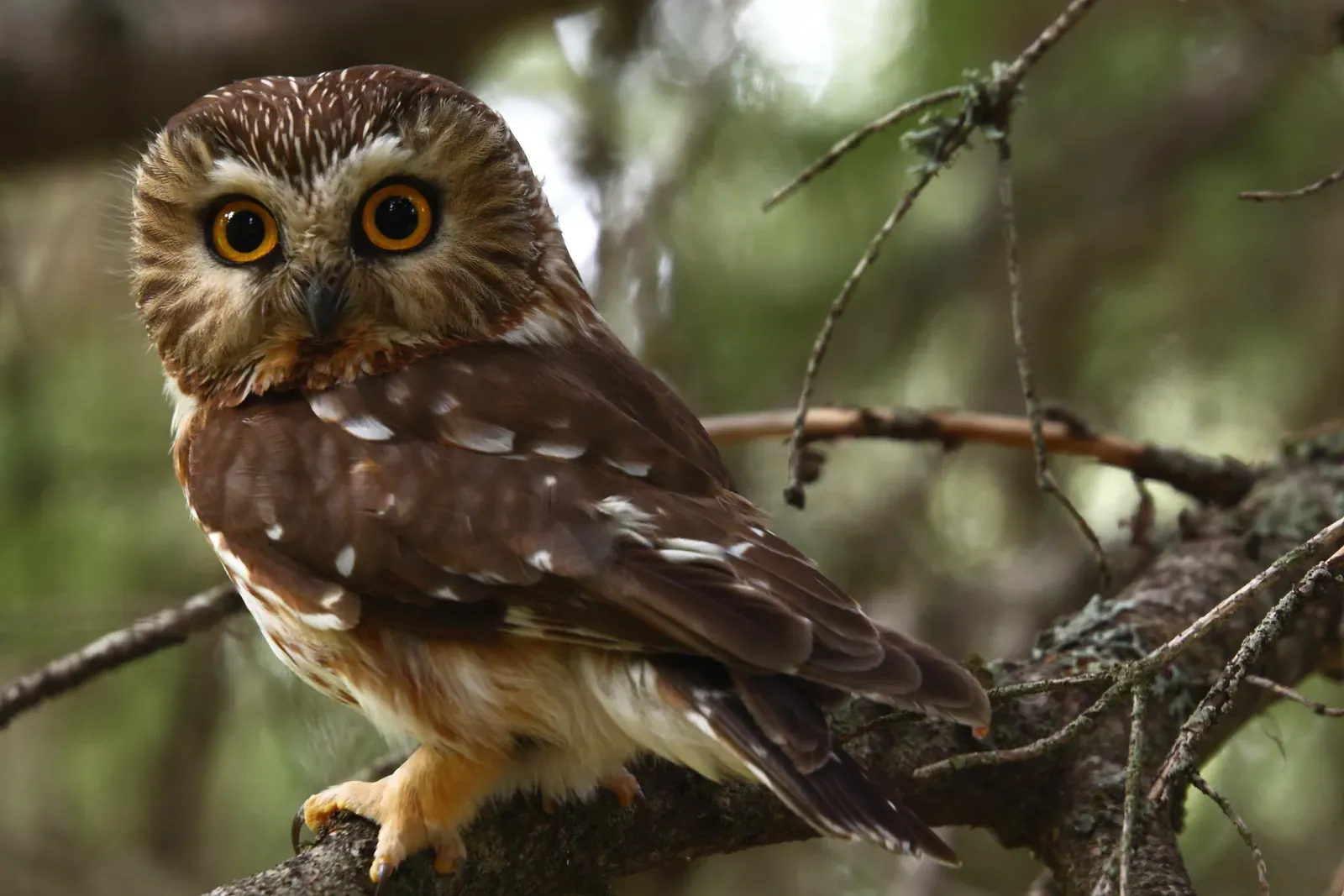
Down in the southern Appalachians, Burrell’s Ford Road in the Sumter National Forest is a surprisingly reliable place to connect with one of the continent’s tiniest owls. This gravel Forest Road leads to the Chattooga River and passes through cool, moist hardwood and mixed forests that host a rich bird community. Among them, Northern Saw-whet Owl has become something of a calling card for the area, and this site is often cited as the best place in South Carolina to find the species. You’ll want to drive in well before dark, scope out wide pullouts, and then park and walk short segments at twilight. As the forest quiets, you may hear a repeating, metronome-like toot of a Saw-whet somewhere along the slopes or close to the road corridor. When that happens, stay on the road, avoid using bright white light, and let the owl come to you if it chooses. Meanwhile, listen for Barred Owls duetting with their distinctive, rolling calls deeper in the hollows. The contrast between the tiny, high-pitched Saw-whet and the booming Barred Owl gives you a masterclass in how varied owl soundscapes can be along a single forest road.
8. Chequamegon–Nicolet Forest Roads, Wisconsin
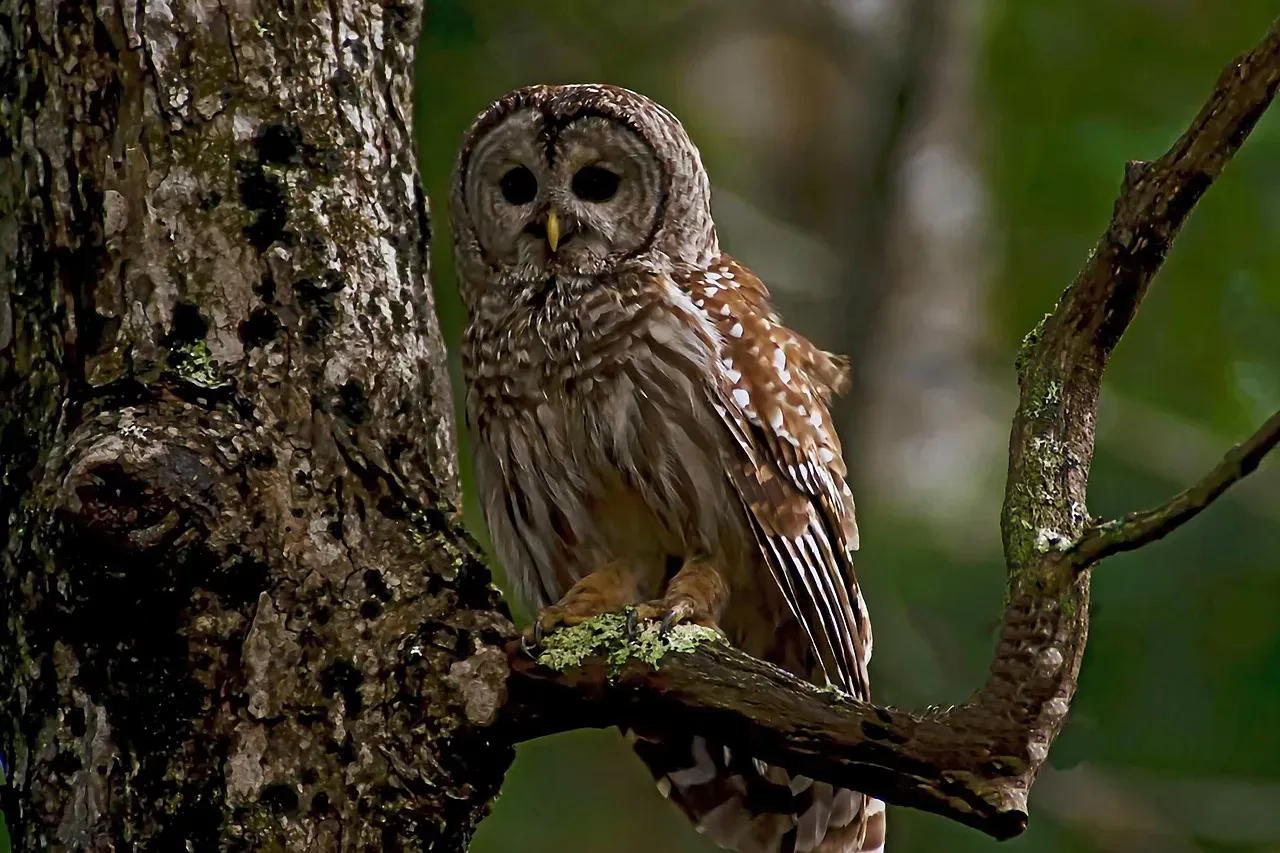
Northern Wisconsin’s Chequamegon–Nicolet National Forest is crisscrossed with low-traffic forest roads that might look nondescript by day, but after dark they become prime owl territory. This big forest supports species like Barred Owl, Great Horned Owl, and in some winters, more northern visitors. With a mix of older hardwood stands, conifers, wetlands, and clearings, you get a buffet of roosting and hunting options that owls love. You can build your own evening route by linking longer gravel roads with smaller spurs, always making sure you can turn around easily and never blocking gates. Drive slowly with windows cracked and stop whenever you cross a wetland or a creek under heavy canopy – those transition zones are magnets for both prey and predators. Scan roadside trees with a dim, warm light and look for large, rounded shapes that are too bulky to be songbirds. Over time, you’ll start to notice small giveaways: whitewash on a favorite perch, a mound of pellets under a particular tree, or a repeated call from the same bend in the road night after night.
9. Owl Mountain Approach Roads, Northeast Washington
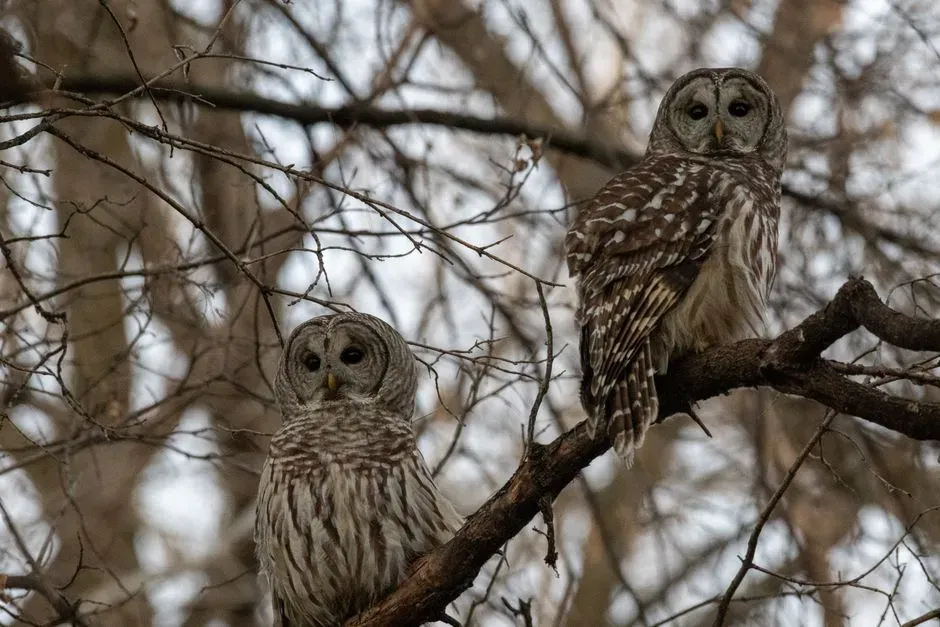
The forest roads leading to the Owl Mountain trailhead in northeast Washington are not glamorous – often rutted, sometimes brushy, and definitely not for low-clearance sedans. But that roughness is part of why they stay so quiet. You’re deep in a less-visited part of the Kettle River Range, surrounded by coniferous forest that feels far from everyday life, and that sense of remoteness is exactly what many owl species prefer. Here, your owl-watching starts even before you reach any trail. As you navigate Forest Road 150 and then the smaller spur roads, plan short stops at safe turnouts just before sunset. Step out, listen across the slopes, and watch the treetops where forest edges meet old burns or open patches. Great Horned and Barred Owls are realistic goals, and in the right conditions you might also hear smaller species tucked into denser thickets. Because this area is remote and signage minimal, you want to come prepared: good maps, full tank, and a mindset that treats every owl sound as a bonus on top of getting yourself in and out safely.
10. Fish and Owl Canyons Access Road, Utah
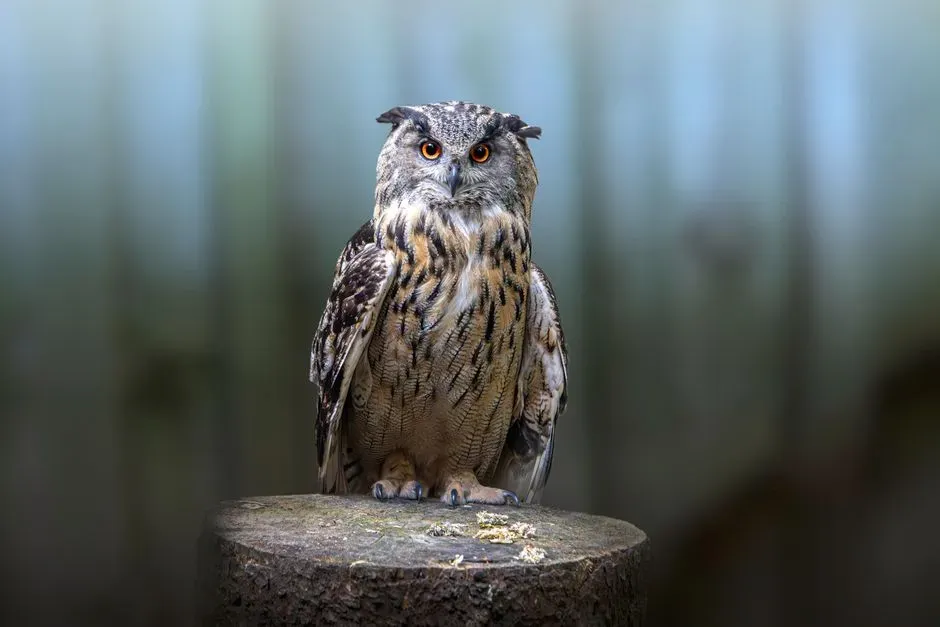
In southeast Utah, the dirt road leading to Fish and Owl Canyons feels more like a desert approach than a classic forest drive, but don’t let that fool you. This BLM track winds across pinyon-juniper woodland and canyon country, with enough tree cover and rocky alcoves to support a surprising mix of nocturnal birds, including owls adapted to drier habitats. As you near the parking area for the canyon trailheads, the surroundings get quieter and the sky opens into a dark bowl. Here, your owl search leans on edges and echoes instead of dense evergreen stands. At dusk, find a pullout near a cluster of taller pinyon or along the rim where the ground drops toward the canyons. Turn off your vehicle, let your eyes adjust, and listen for short, barking calls or deeper hoots bouncing off the rock walls. Even if you do not identify every sound, you’ll feel how different owl country can be outside the stereotypical “dark north woods.” Just remember that this is a fragile desert environment: stay on established roads and pullouts, avoid trampling biological soil crust, and keep lights and noise to a bare minimum.
11. Somerville Mine Country Roads, Indiana
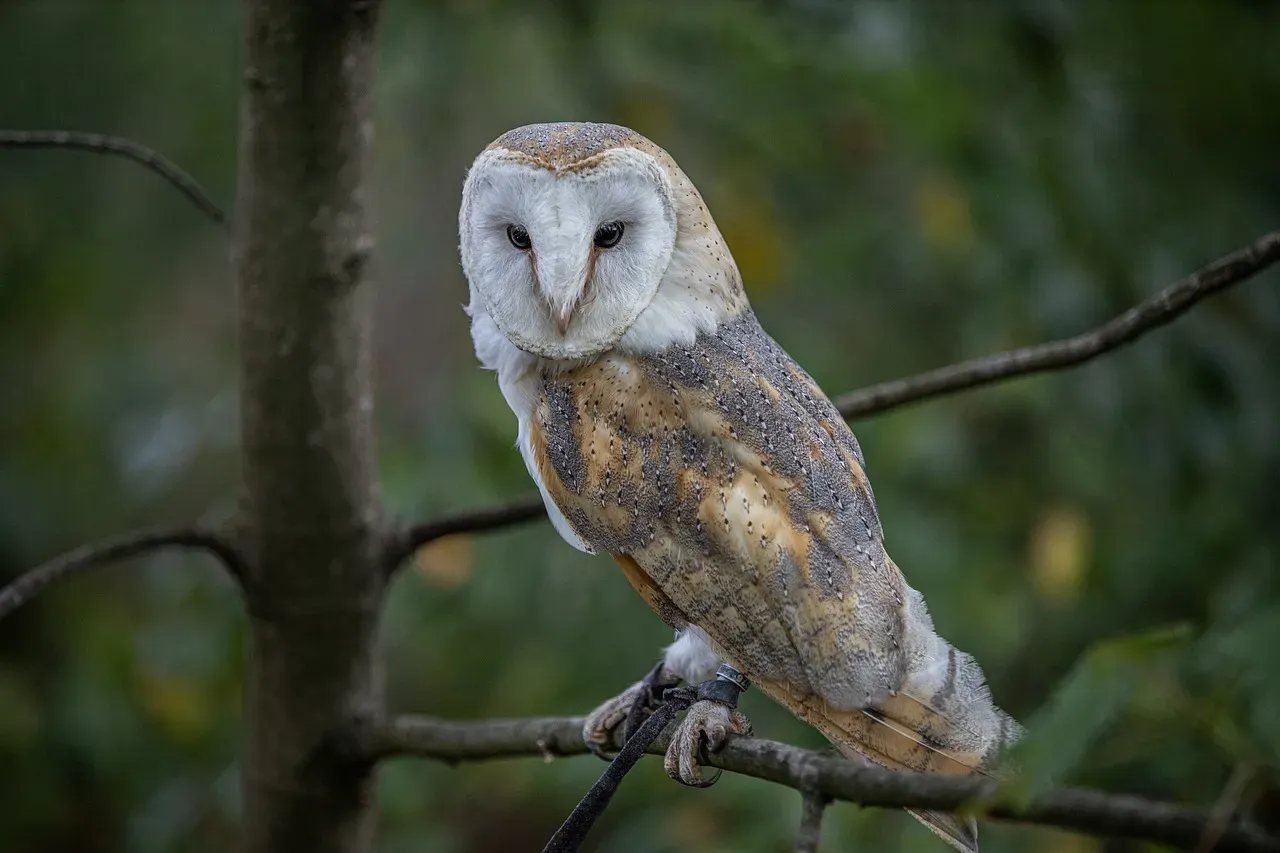
The network of public country roads around the Somerville Mine area in Indiana might not look like classic forest owl habitat at first glance, but they give you a front-row seat to a landscape that raptors and owls use heavily in winter. Old mine lands, woodlots, shelterbelts, and mixed agricultural fields attract a variety of birds of prey, and owls are part of that cast, especially during the colder months when rodents concentrate along edges. You can treat these roads as a slow-motion driving loop, sticking to public rights-of-way and pulling well off the pavement whenever you stop to scan. In late afternoon and early evening, watch tree lines, fence posts, and the edges of small woodlots for a bulky silhouette or a pale shape that looks out of place. Barn Owls, Short-eared Owls, and Great Horned Owls have all been recorded in similar reclaimed landscapes across the Midwest. Pack binoculars, a thermos, and a healthy dose of patience, and you may find that a plain gravel road beside an old mine turns into one of your most memorable owl encounters.
12. General Forest Service Roads Near Old-Growth Stands
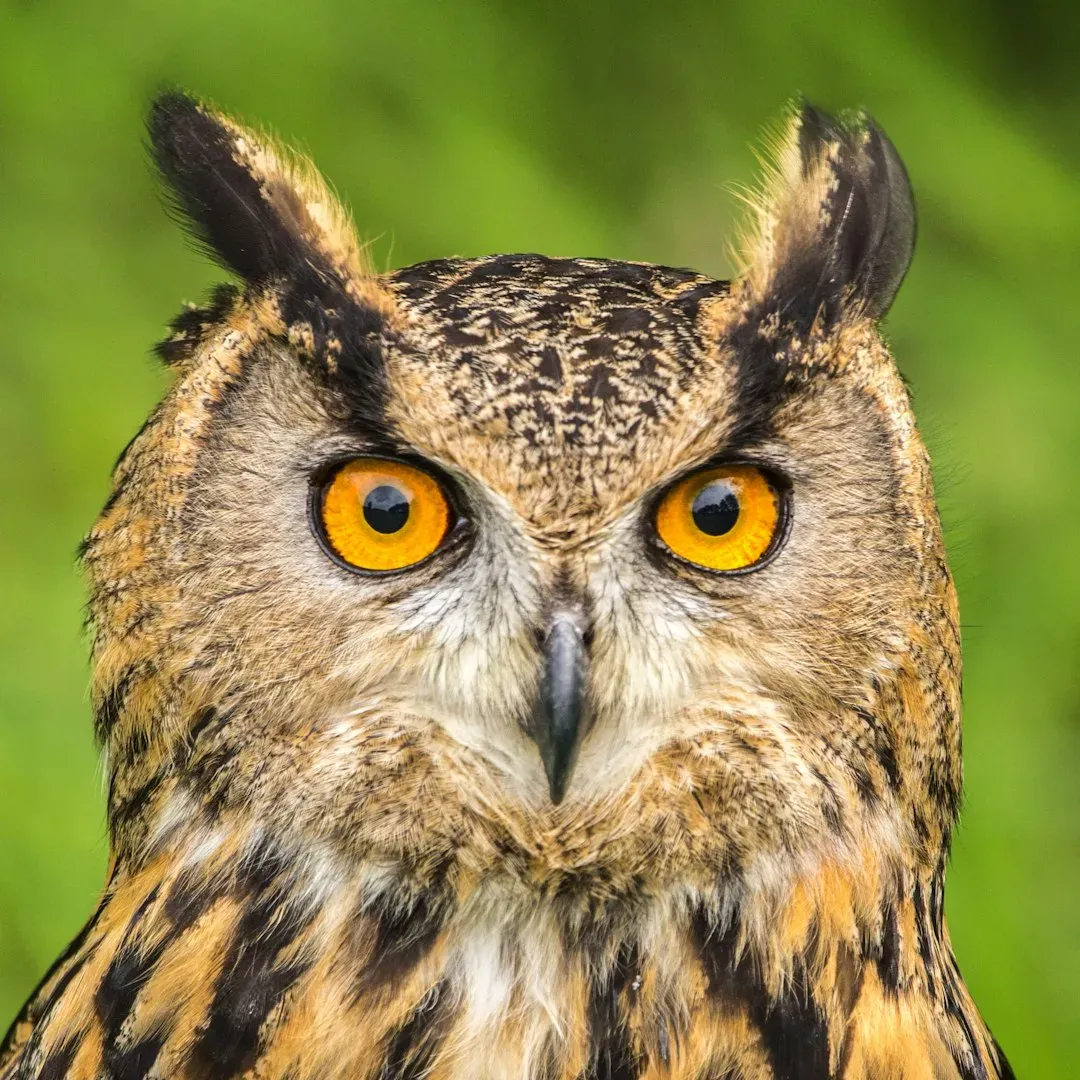
Finally, you have one “choose-your-own-adventure” category: the countless quiet Forest Service roads near pockets of older forest all over the United States. Research on species like the Northern and California Spotted Owls has consistently tied them to late-successional and old-growth stands with big trees, multi-layered canopies, and relatively undisturbed interiors. Many of these areas are crisscrossed by low-use roads that, when driven respectfully, become ideal listening corridors for nocturnal surveys and casual owl watching. To use this in your favor, you start with maps and local knowledge rather than a specific road name. Look up national forests near you, then check for old-growth or “late-successional reserve” designations, wildlife emphasis areas, or research natural areas. From there, identify spur roads that skirt or pass through those zones and plan an evening drive with frequent, quiet stops. You can adapt professional survey techniques in a gentle way: choose a series of listening points roughly a quarter mile apart, turn off your engine at each, and spend ten minutes just listening. Over time, you’ll get to know which old-growth pockets hold Barred Owls, which edges favor Great Horned, and where Saw-whets tick away in the dark like distant machinery.
Conclusion: Let the Road Teach You How to Listen
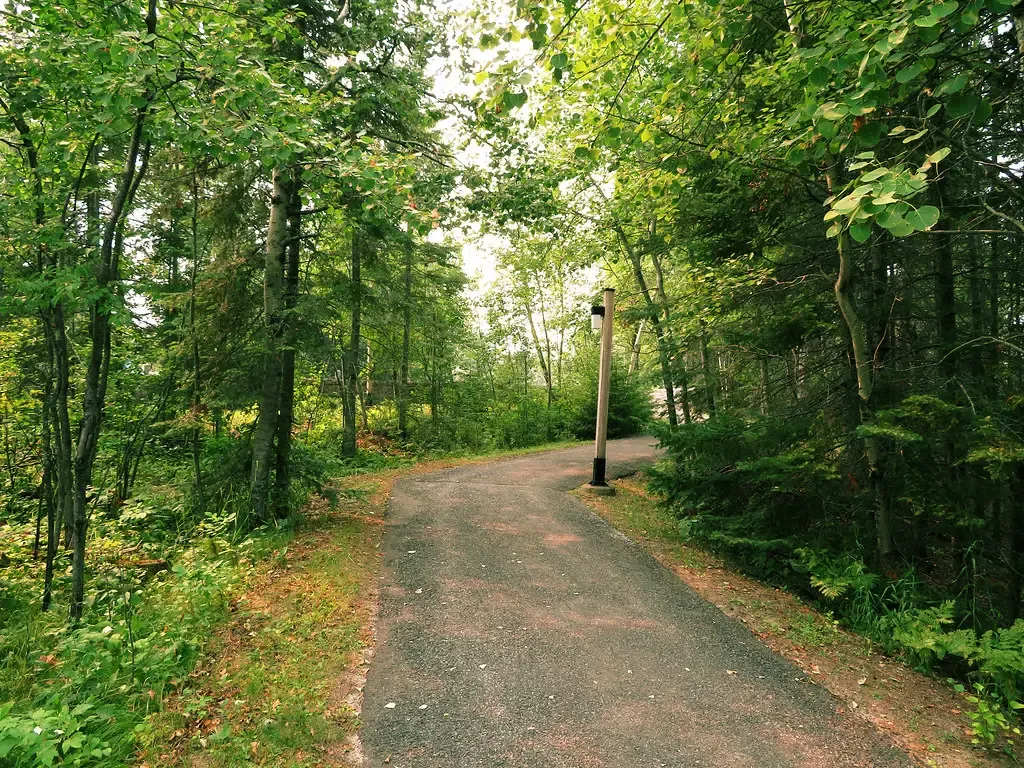
By the time you’ve explored even a couple of these roads, you’ll notice something shifting in how you move through the world. You stop blasting music at night, start rolling down windows just to hear the forest breathe, and your eyes automatically scan that one snag or fence post every time you pass. The owls might still feel rare, but they will also start to feel real – part of the same lived landscape as your commute, your weekend hikes, and your late-night drives. The truth is, there’s no single magic forest road where owls line up on branches waiting for you. What you really gain from places like Aufderheide, Lost River, or a nameless spur near an old-growth stand is the habit of paying attention. You learn to read white stains on bark, recognize the rhythm of a hoot, and accept that sometimes the best sighting is just knowing something wild is out there in the dark, doing its work whether you see it or not. Next time you turn down a quiet forest road at dusk, are you just driving, or are you ready to listen?