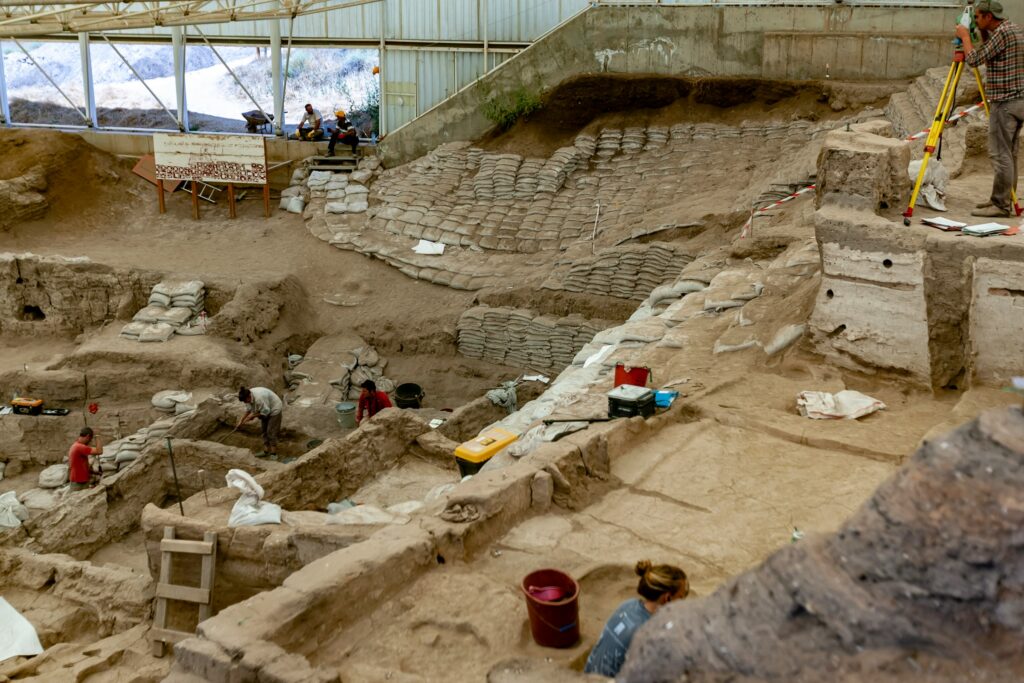

There’s something quietly thrilling about an object pulled out of the ground that refuses to explain itself. We like to think science has an answer for everything, yet some discoveries just sit there, staring back at us, shrugging at our theories. These are the things that keep archaeologists awake at night and make the rest of us wonder how much of our past we still don’t really understand.
What follows is a tour of ten discoveries that bend the edges of what we thought we knew about human history. Some of them probably have very ordinary explanations hiding behind the fog of time, and others genuinely seem to point to lost chapters in our story. Either way, they all have one thing in common: once you know about them, it’s very hard to stop thinking about them.
1. Göbekli Tepe: The Temple That Should Not Exist
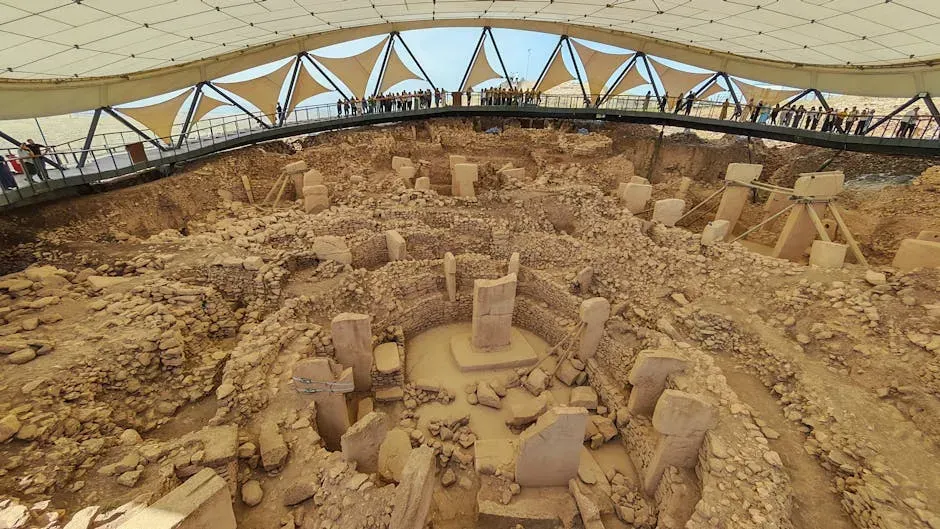
On a dusty hill in southeastern Turkey sits Göbekli Tepe, a site so old it laughs in the face of the usual timeline of civilization. Massive T-shaped stone pillars, some weighing many tons, are carved with foxes, birds, scorpions and abstract symbols, and yet the whole complex dates back to long before pottery, metal tools, or even settled farming communities were thought to exist. For decades, the story was simple: first agriculture, then villages, then temples and organized religion. Göbekli Tepe flips that script upside down.
What makes it even stranger is that the site appears to have been deliberately buried by the people who built it, as if they wanted to hide it or put it to rest. No one knows exactly what rituals took place there, or why hunter-gatherer groups would invest so much labor into monumental stone architecture. To me, Göbekli Tepe feels like a reminder that our ancestors were not “primitive” minds waiting to be upgraded by farming; they were already symbolic, spiritual, social beings trying to make sense of a wild world, and they did it in stone on a scale we still struggle to explain.
2. The Nazca Lines: Messages on a Desert Canvas
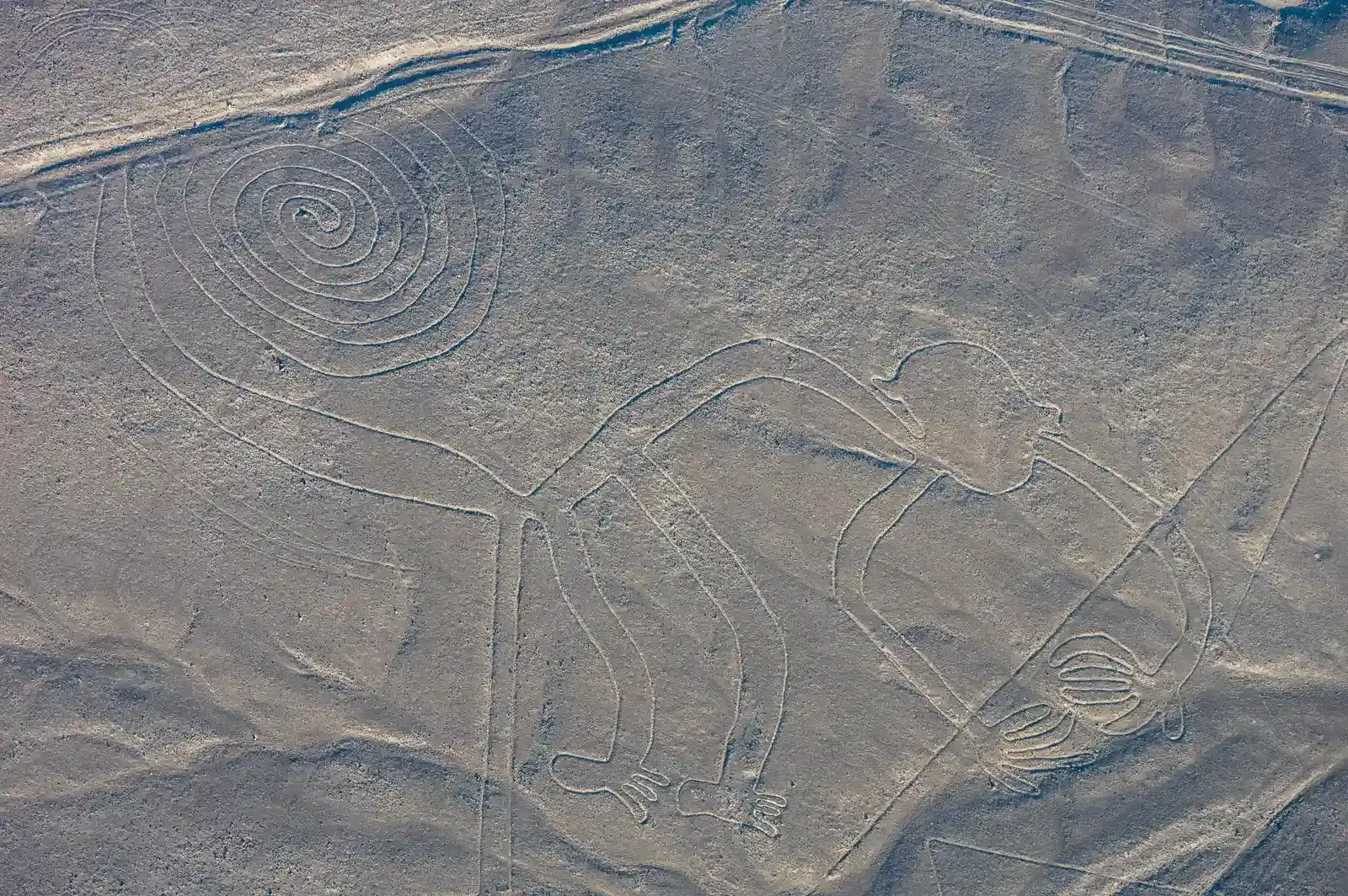
High above the deserts of southern Peru, countless lines, trapezoids, spirals and animal figures stretch across the ground like an enormous sketchbook. From the air, you can pick out hummingbirds, spiders, monkeys, and long perfectly straight lines that run for kilometers across the landscape. On the ground, though, you can be walking right through one without realizing it. This is one of the enduring puzzles: the Nazca people made these designs centuries before any known flying technology. So who were the real audience – humans, gods, ancestors?
Most researchers lean toward ritual and astronomical explanations, suggesting the lines may have marked sacred paths, seasonal events, or water-related ceremonies in an unforgiving environment. But the truth is messy; some shapes seem symbolic, others geometric, a few perhaps align with celestial events, and still others might have been for processions. The popular alien theories are flashy but unnecessary. Human beings have always loved making giant statements – cathedrals, skyscrapers, highway interchanges – and the Nazca Lines feel like the desert version of that urge, only written on a scale that forces us to step back, literally, to see it.
3. The Antikythera Mechanism: An Ancient Greek “Computer”
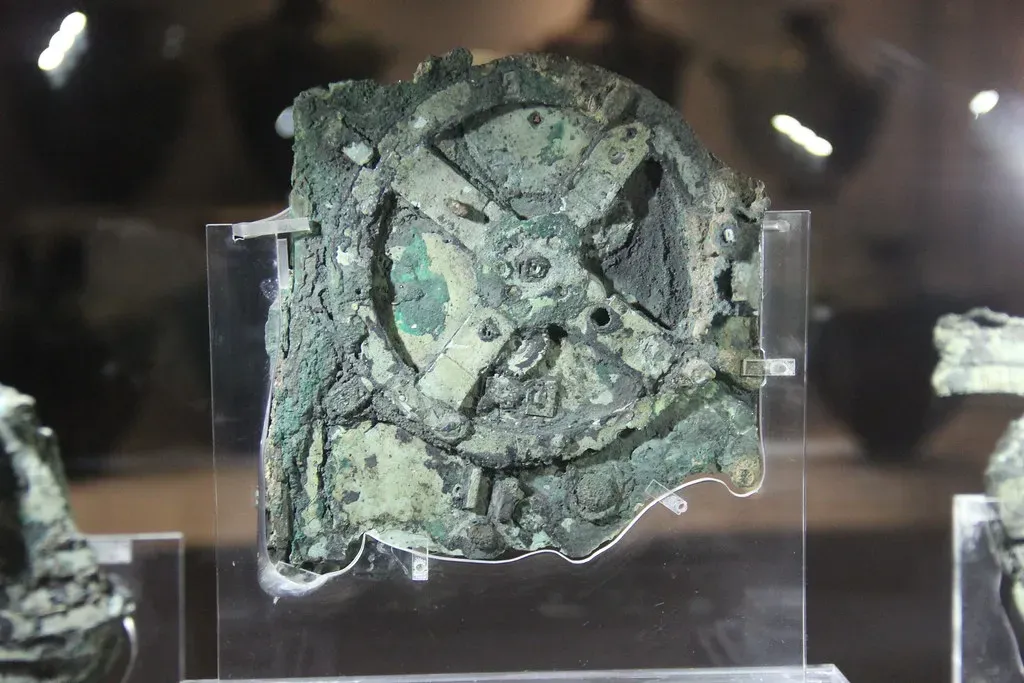
When divers pulled a corroded bronze lump from a shipwreck off the Greek island of Antikythera in the early twentieth century, no one realized they were holding a machine that would upend our sense of ancient technology. Once cleaned and scanned, the fragments revealed a dense cluster of interlocking gears and inscriptions – an analog device that could predict eclipses, track the movements of the sun, moon, and some planets, and perhaps mark athletic games and calendars. It dates to roughly two thousand years ago, yet its complexity feels more at home in a clockmaker’s shop from the late Middle Ages.
What makes the Antikythera Mechanism so mysterious is not just what it could do, but the fact that it seems to stand almost alone in the archaeological record. If the Greeks could build such a sophisticated gear-driven calculator, where are all the simpler prototypes, the mass-market versions, the beginner models made by apprentices? We have hints that there were others, but only this device survives in usable fragments. It suggests that ancient science and engineering may have had peaks we barely glimpse, with knowledge lost and rediscovered like waves hitting the same shore over centuries.
4. The Pyramids of Giza: Precision in Stone
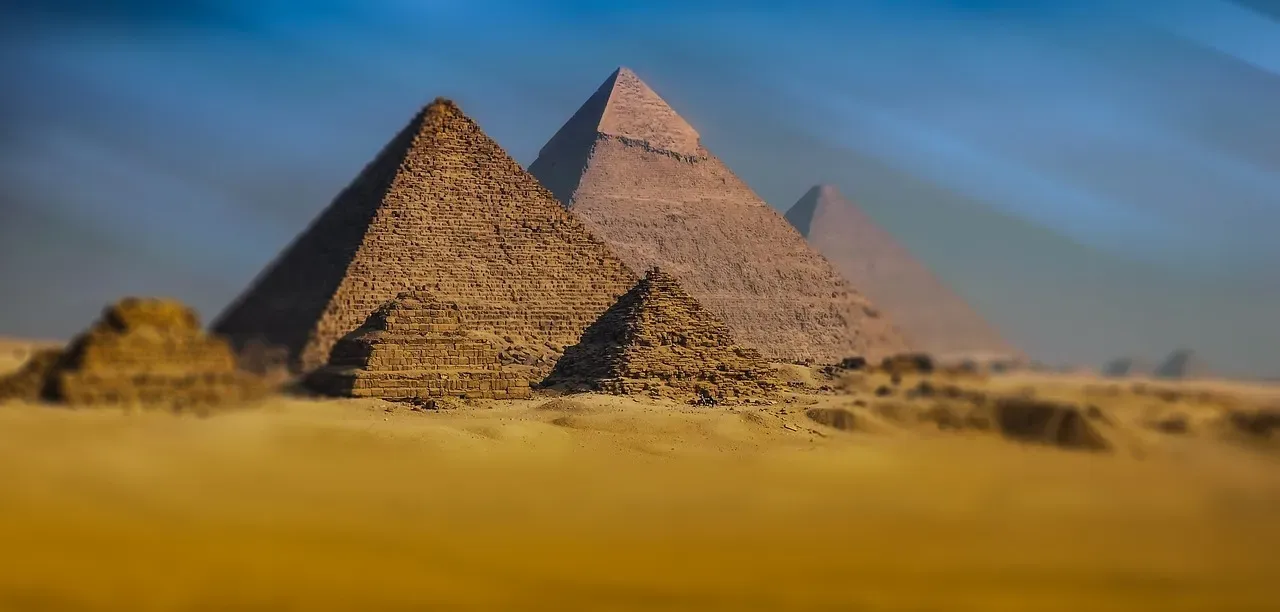
The Great Pyramid of Giza has almost become too familiar, which is a shame, because the more you look at it, the weirder it gets. Built over four thousand years ago, it originally stood with gleaming casing stones and still shows astonishing accuracy in its alignment to the cardinal directions. Each block weighs as much as a small car, and there are millions of them, all fitted together with stunning precision using copper tools, stone hammers, and human labor. We know, roughly, how it could have been done; the mystery is how a Bronze Age state managed that level of organization, logistics, and consistency.
Inside, the pyramid’s narrow passages, relieving chambers, and strange “air shafts” add another layer of intrigue. Some of the voids and corridors have only recently been detected by modern scanning techniques, raising the possibility that we still do not fully understand its internal design. I don’t buy the idea of extraterrestrial architects, but I do think the pyramids show a kind of obsessive, state-backed engineering that is both impressive and unsettling. It proves that a society without iron, wheels for heavy transport, or modern math can nevertheless move mountains if enough people are compelled – or inspired – to do so.
5. The Voynich Manuscript: A Book in a Lost Language
![5. The Voynich Manuscript: A Book in a Lost Language (Beinecke Rare Book & Manuscript Library, Yale University ([1])., Public domain)](https://nvmwebsites-budwg5g9avh3epea.z03.azurefd.net/dws/ce90ff544c81b02d4f3ba7a88e571e56.webp)
At first glance, the Voynich Manuscript looks like a quirky medieval herbal booklet filled with plants, zodiac diagrams, and bathing women, all painted in soft greens and browns. But the text that curls around these images has resisted every attempt at translation for over a century. Written in an unknown script with consistent grammar-like patterns, it behaves like a real language but matches none that we know. Codebreakers, linguists, and hobbyists have all taken a crack at it, and yet no widely accepted solution has emerged.
There are three broad possibilities, and each is fascinating in its own way. Either it is a genuine text in a now-lost or heavily disguised language; a clever cipher encoding a known language; or an elaborate hoax created by someone with a lot of time and a twisted sense of humor. Personally, I find the “hoax” explanation less satisfying the more I look at the manuscript’s internal structure. It seems too coherent, too rule-driven. The idea that there might be a fully fleshed-out worldview and body of knowledge trapped in a book we simply cannot read yet is both maddening and oddly comforting – proof that mystery can still survive in the age of machine translation.
6. The Baghdad “Battery”: Misunderstood Technology?
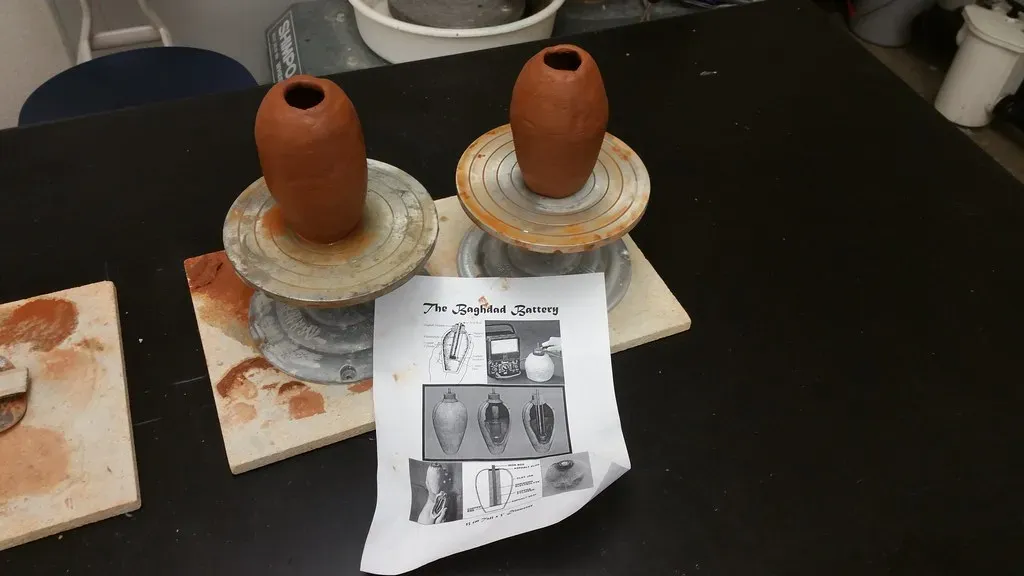
Among the artifacts found near modern-day Baghdad in Iraq is a small clay jar containing a copper cylinder and an iron rod, separated by bitumen. When filled with an acidic liquid like vinegar or wine, replicas can produce a tiny electric current. This has led to the popular label of “Baghdad Battery,” along with wild claims about ancient electricity lighting cities or powering advanced tools. The actual context is much murkier, and many archaeologists think “battery” is a stretch, or at least only part of the picture.
Some argue that if the jar was ever used as a primitive galvanic cell, it might have been for electroplating or ritual demonstrations rather than anything approaching modern electrical systems. Others suggest it was simply a storage vessel or scroll holder, and that the “battery” function is a coincidence of materials and shape. I think the real mystery is about our tendency to project modern tech obsessions backward in time. We are so wired into electricity as a symbol of progress that we desperately want this little jar to prove that someone, somewhere, cracked the same magic long before us, even if the evidence is paper-thin.
7. The Moai of Easter Island: Moving Giants Across a Tiny World
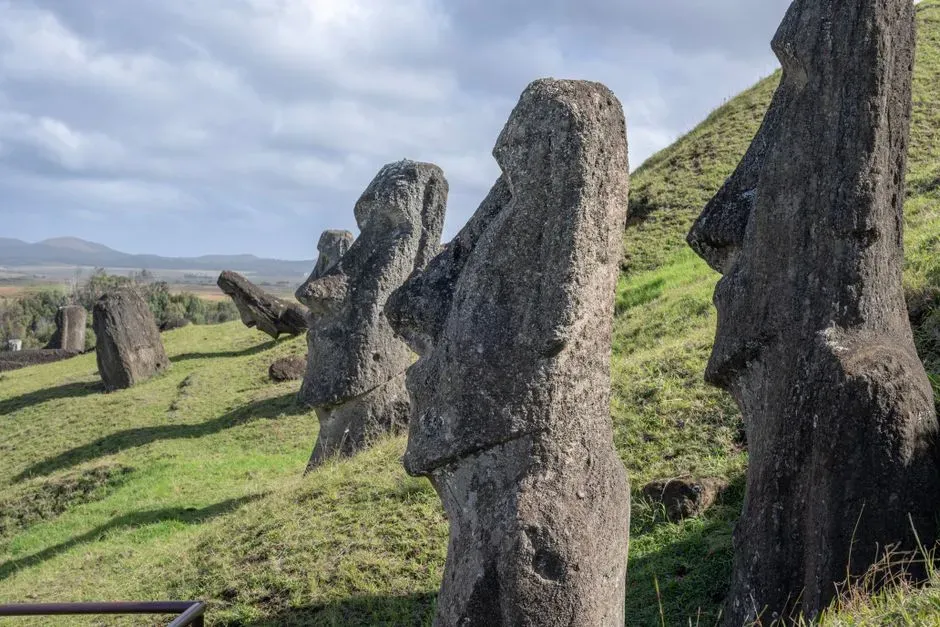
Scattered across Rapa Nui (Easter Island) are hundreds of massive stone statues with elongated faces and solemn expressions, some standing on ceremonial platforms, others abandoned mid-carving at the quarry. Carved from volcanic tuff, many of these moai weigh many tons and were moved several kilometers across rough terrain. The island is isolated, with limited resources and a fragile environment, which makes the scale of the statue-building project almost surreal. Why invest so much energy in something that brings no obvious survival advantage?
Experiments have shown that with coordinated teams and clever techniques, small groups can “walk” a replica statue upright by rocking it side to side, like guiding an enormous refrigerator across a room. That demystifies the basic logistics, but not the deeper question of motivation. To me, the moai look like physical manifestations of memory and status – a small community trying to inscribe its ancestors into the landscape so they would never be forgotten. The tragic twist is that the very act of carving and moving these giants may have contributed to ecological stress, turning a cultural dream into a long-term burden on the island’s limited resources.
8. The Indus Valley Script: A Civilization Without a Voice
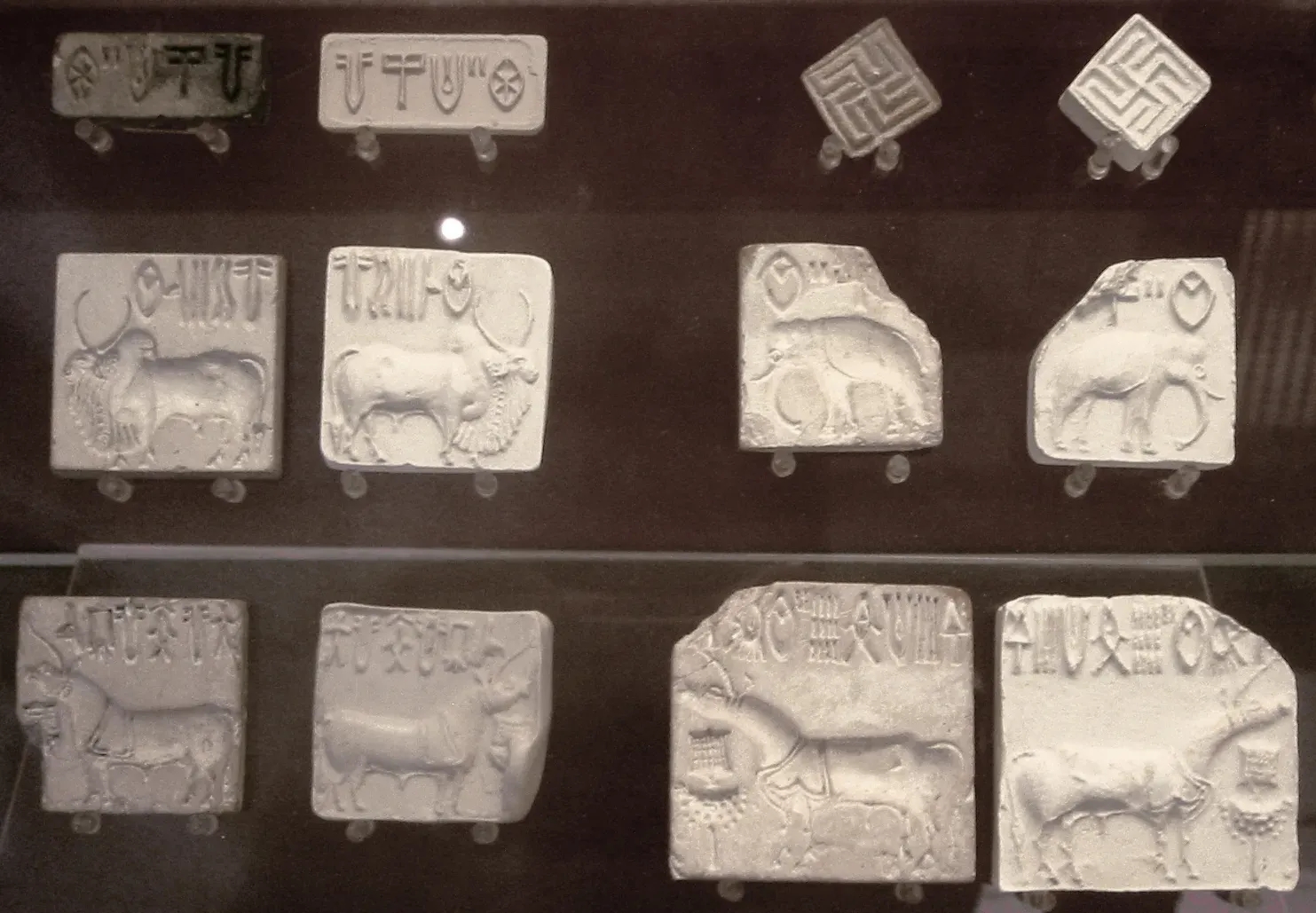
More than four thousand years ago, the cities of the Indus Valley – places like Harappa and Mohenjo-daro – had planned streets, drainage systems, standardized weights, and long-distance trade. We know they were organized, technologically capable, and connected to neighboring cultures. What we do not have is any readable written record from them. Small seals and tablets show short inscriptions in a script that has never been conclusively deciphered, leaving their language, myths, political structure, and everyday worries almost completely in the dark.
Debates still rage about whether the script encodes a full language or a more limited set of signs, and proposed readings range from early Dravidian to unrelated possibilities. Without a bilingual “Rosetta Stone,” every claim is on thin ice. The unsettling part is that this was not some tiny outpost; this was a major urban civilization whose inner voice we simply cannot hear. It feels like watching a silent film of a bustling city where you can see people laughing, arguing, trading, and praying, but every word has been erased. If anything deserves the label “mysterious,” it is a whole culture that left behind streets and sewers but almost no explanations.
9. The Piri Reis Map: Fragments of Lost Geography
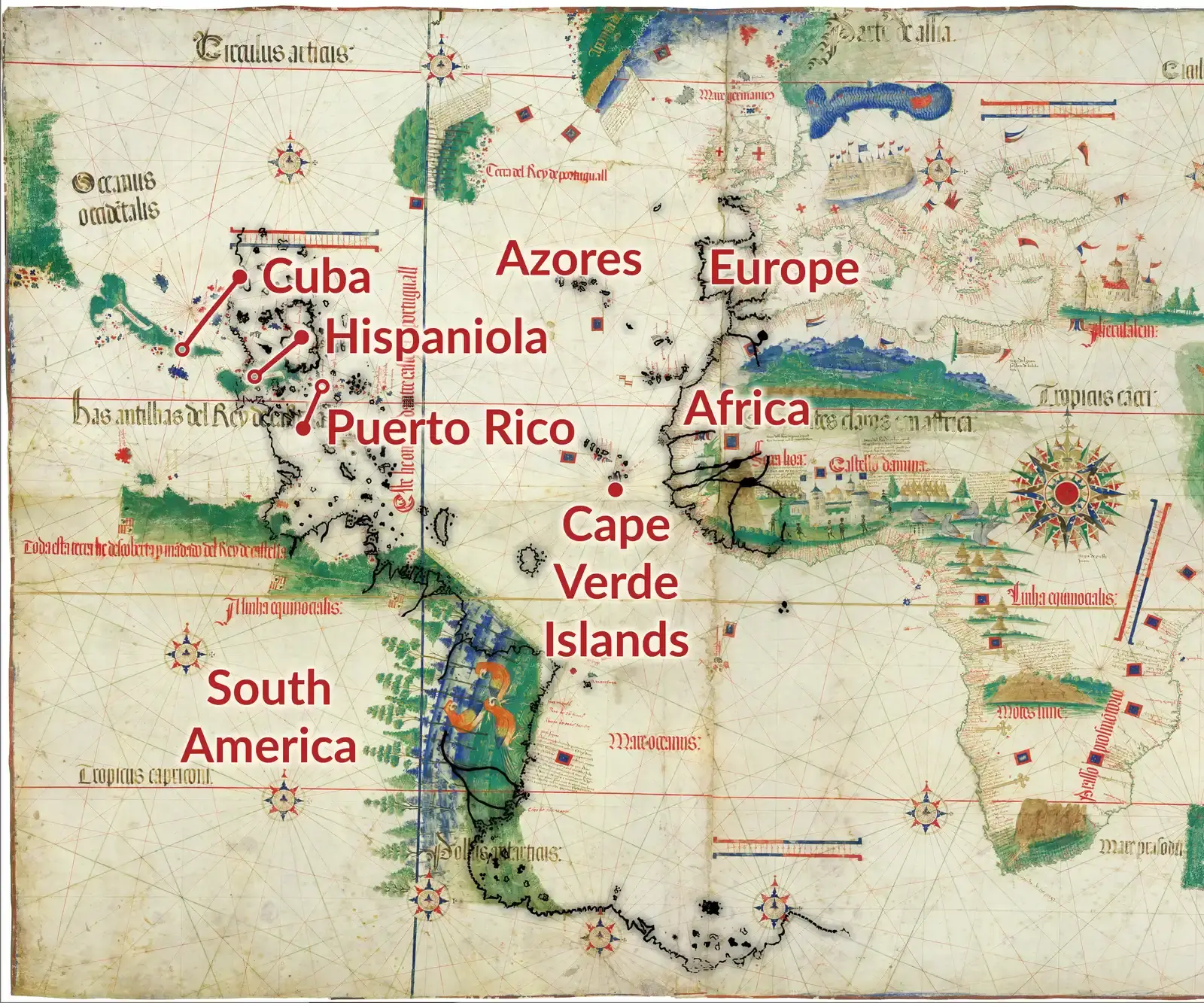
Drawn in the early sixteenth century by an Ottoman admiral, the Piri Reis map is famous for including surprisingly detailed coastlines of parts of the Americas at a time when European exploration was still in its earlier phases. What makes it especially intriguing is that its creator explicitly noted that he used a collection of older charts and documents as sources. That raises the tantalizing possibility that some of these underlying maps preserved geographic knowledge from less-documented voyages or traditions.
Sensational claims that the map shows Antarctica ice-free or proves global exploration thousands of years earlier are not supported by careful analysis, but there remains an authentic puzzle in how accurate some sections are given the tools of the time. To me, the Piri Reis map is less about aliens or ancient super-civilizations and more about how fragile and patchy our record of discovery really is. We tend to see history as a smooth line, but this map feels like a collage built from lost and partial sources, a reminder that our ancestors may have sailed farther and mapped more than the surviving chronicles admit.
10. The Yonaguni Structures: Natural Rock or Sunken City?
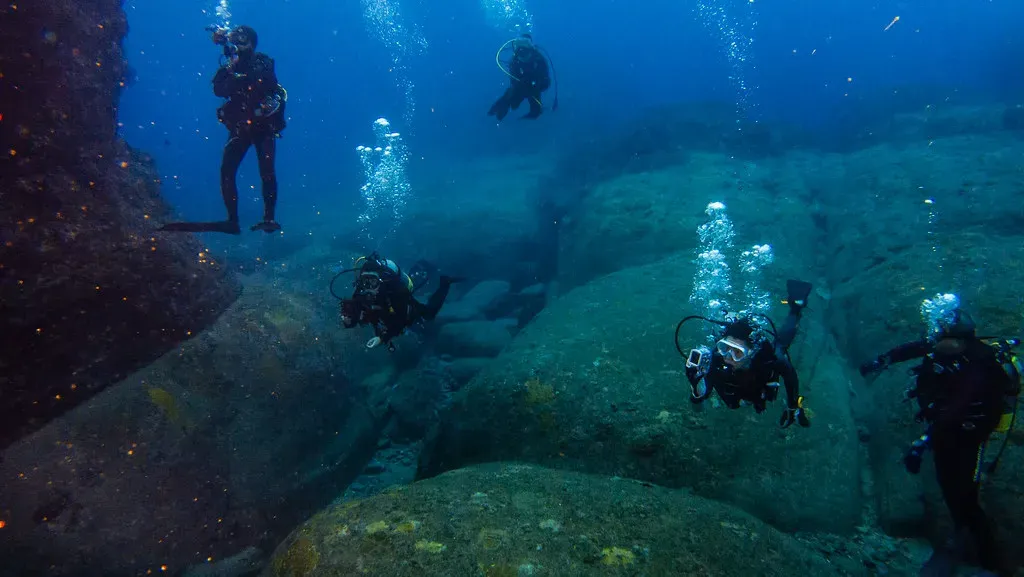
Off the coast of Yonaguni, a Japanese island, divers have explored stepped, terrace-like stone formations that some interpret as the remains of a submerged city. The structures include flat platforms, straight edges, and right angles that look uncannily architectural in underwater photographs and videos. Proponents argue that these are remnants of a lost prehistoric culture that built stone monuments before sea levels rose and swallowed them, suggesting an advanced yet forgotten society in East Asia’s deep past.
Geologists, however, point out that natural processes can produce surprisingly regular shapes, especially in layered rock that fractures along joint lines. It is entirely possible that what looks like a sunken temple is actually a beautifully coincidental combination of geology and human imagination. Personally, I like that the Yonaguni debate sits right on the line between wishful thinking and scientific caution. It forces us to confront how badly we sometimes want there to be hidden chapters in our story, and how careful we have to be not to turn every strange rock into a lost Atlantis just because it would make a better movie.
Conclusion: Why These Mysteries Matter More Than the Answers
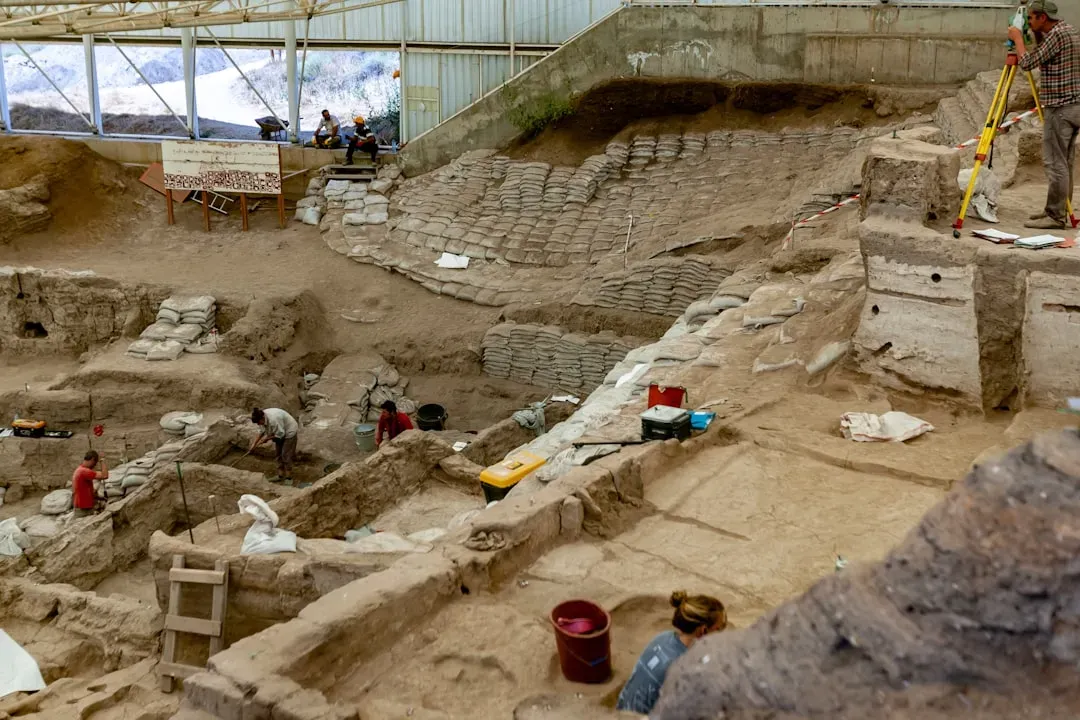
When you line up these discoveries – temples older than farming, maps stitched from lost sources, scripts that refuse to speak – the pattern that emerges is not evidence of secret world orders or hyper-advanced lost continents. Instead, you see something more grounded but, in my view, even more awe-inspiring: generation after generation of humans pushing the limits of what they could build, understand, and imagine, often in ways that do not fit neatly into our tidy timelines. The real shock is not that the past hides a few unsolved puzzles, but that we keep underestimating just how ingenious and strange ordinary people can be when faced with harsh environments, limited tools, and big questions.
I think we cling to these archaeological mysteries because they offer a rare kind of humility in an age that often pretends everything can be Googled, modeled, or simulated. Knowing that there are books we cannot read, monuments we cannot fully explain, and decisions we can only guess at keeps a small door open for wonder. Maybe the most important takeaway is not a specific answer, but a mindset: if we can be this wrong – or this incomplete – about our own past, what else in our present are we oversimplifying without realizing it? Did you expect the ground beneath your feet to be hiding quite this many open questions?