
You probably grew up with a simple story: dinosaurs ruled the planet in unstoppable herds until a rogue asteroid showed up one day and wiped them out in an instant. Lately, though, the story has gotten messier, stranger, and a lot more interesting. As new fossil data and advanced statistical models roll in, you’re starting to see a picture where some dinosaur groups may already have been struggling long before the sky fell. That doesn’t mean the asteroid gets off the hook. It absolutely delivered the knockout punch. But when you look closer, you find hints that certain lineages were already on the ropes, while others seemed to be doing just fine. Once you step into that gray zone between “booming” and “doomed,” your neat childhood narrative breaks down and a new question appears: did the asteroid kill dinosaurs at their peak, or did it finish a decline that had already begun?
You Are Not Looking at One Dinosaur Story, but Several
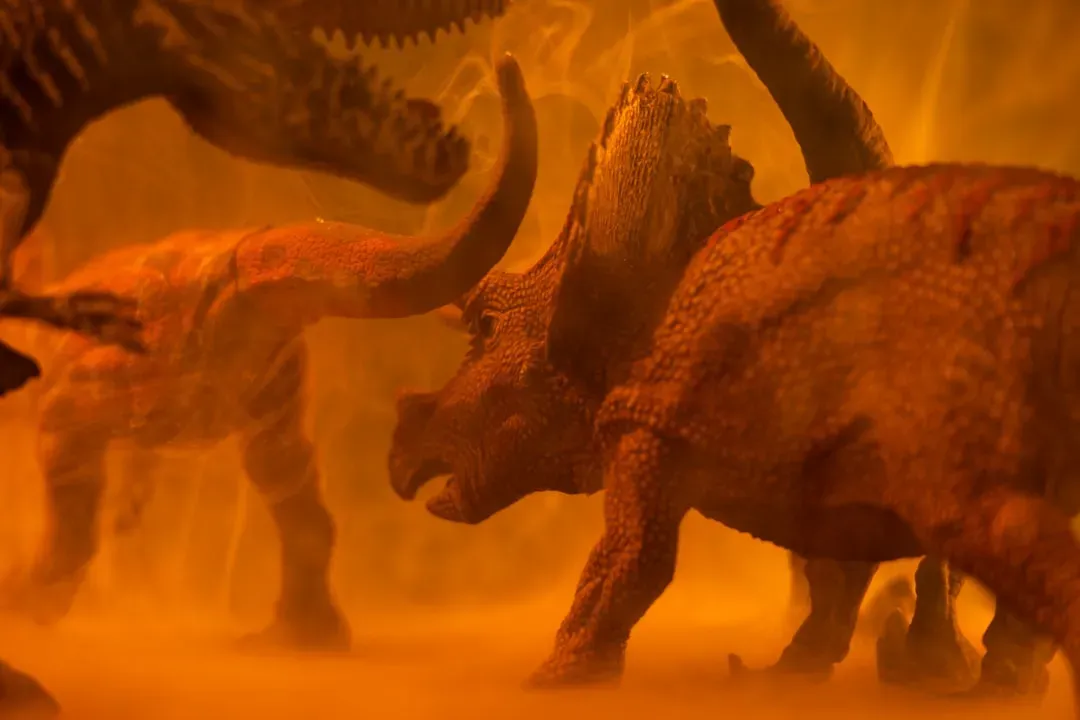
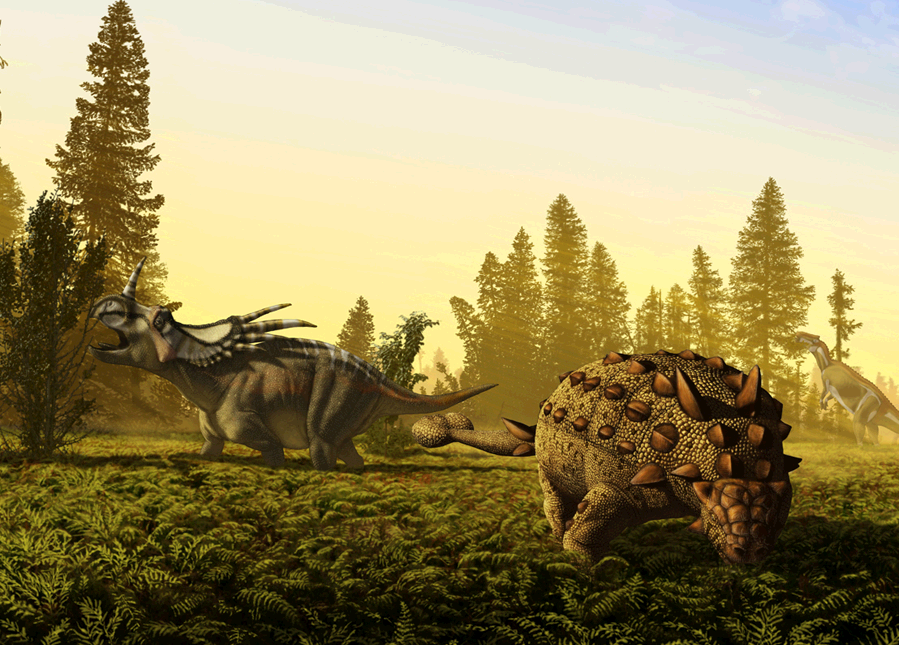
When you hear “dinosaurs were in decline,” it sounds like a single, sweeping verdict, as if every dinosaur on Earth was fading out together. That’s not what the evidence actually shows. When researchers dig into the data, you see a patchwork: some groups seem to lose diversity or evolutionary “spark,” while others remain strong and varied right up to the end of the Cretaceous. You can picture it like a crowded forest: a few tree species are getting thinner and weaker, even as others are sprouting new branches everywhere. Studies that track changes in dinosaur body forms over time have suggested that some big, plant‑eating “bulk feeders” – especially horned dinosaurs and duck‑billed dinosaurs in parts of North America – show signs of declining variety in the last several million years before the impact. At the same time, other carnivorous and smaller herbivorous lineages do not show the same clear weakening, reminding you that there wasn’t a single, uniform trajectory for every dinosaur clade.
New Statistical Tools Hint at a Slow-Motion Downturn
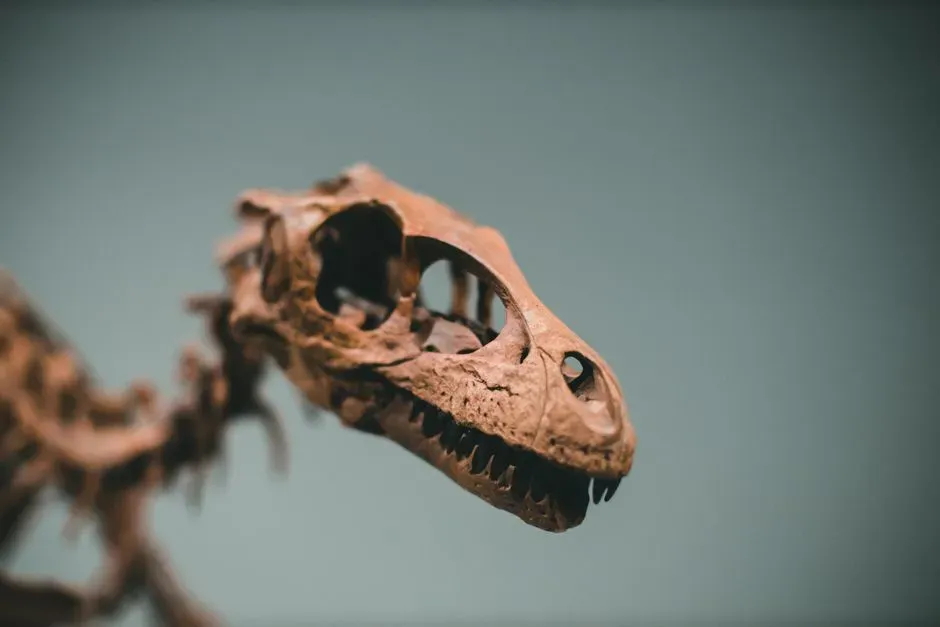
If you really want to know whether dinosaurs were already in trouble, you can’t just count species and call it a day; the fossil record is too patchy and biased for that. Instead, paleontologists now use models that estimate how often new species appear versus how often old ones vanish over deep time. When you feed large dinosaur family trees into these models, you get a sense of whether extinction started outpacing speciation well before the asteroid struck. Some of those analyses have suggested exactly that: a long, slow decline in net diversification for several major dinosaur groups tens of millions of years before the Cretaceous–Paleogene boundary. In plainer terms, you see fewer new dinosaur species being added while old ones keep dropping off, so overall evolutionary “momentum” weakens. That does not mean dinosaurs were already gone or even rare at the end – the fossil record shows they were still globally widespread – but it hints that their ability to rebound from big shocks might already have been eroding.
Why Giant Plant-Eaters Might Have Been Especially Vulnerable
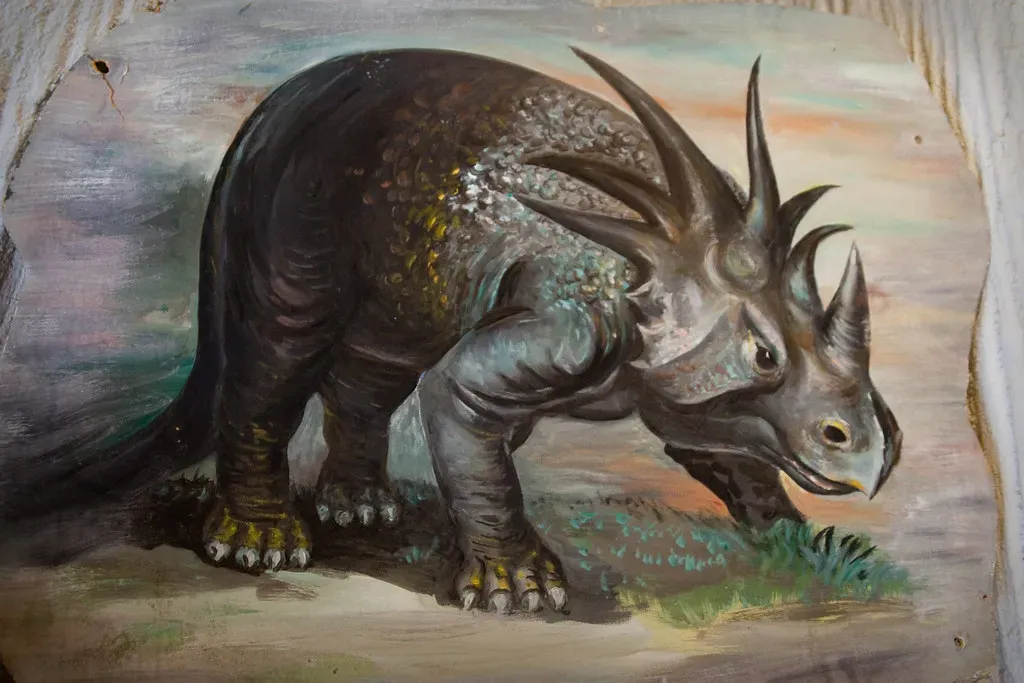
If you follow where some of the strongest decline signals point, you keep running into the huge plant‑eating dinosaurs that dominated Late Cretaceous ecosystems: hadrosaurids (duck‑bills) and ceratopsids (horned dinosaurs). In some regions, these animals appear to lose both species diversity and variety in body forms toward the end of the Cretaceous, even as they still remain ecologically important. That suggests their underlying evolutionary health may have been weakening, even if they still looked impressive on the landscape. You can think of this as losing the “bench strength” of a sports team. On the field, the star players are still scoring points, but there are fewer promising rookies coming up behind them. If climate shifts, vegetation changes, or new competitors appear, a group with fewer experimental new species and body plans has less flexibility to adapt. Some researchers argue that the loss of these big, bulk‑feeding herbivores or their diversity could have already started reshaping food webs, making ecosystems more brittle and easier to topple when the asteroid finally arrived.
Earth Was Already Changing Under Their Feet
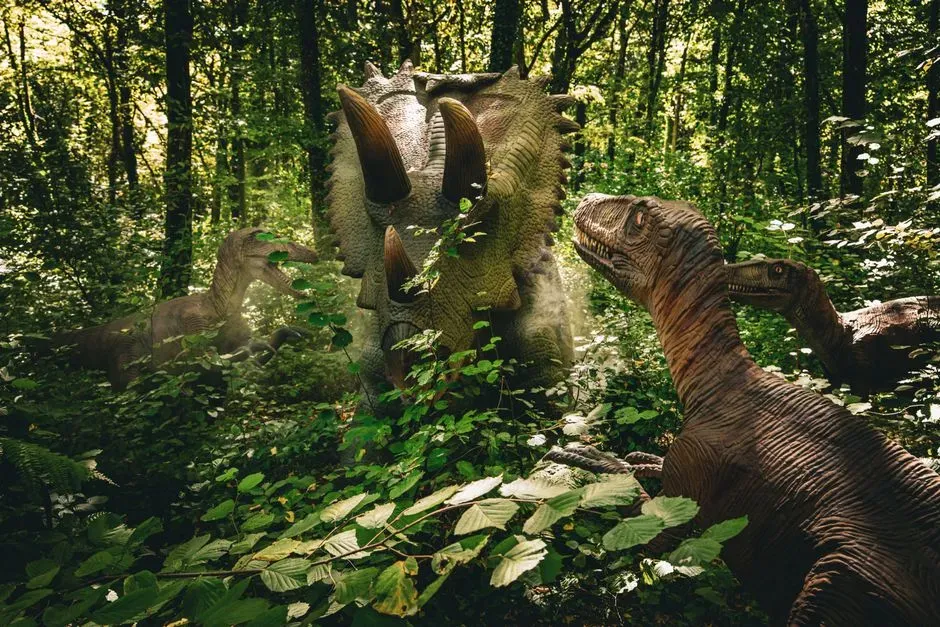
Even if you set the asteroid aside for a moment, the Late Cretaceous was not a calm backdrop. Continental plates were still shuffling, opening oceans and raising mountain ranges, which changed habitats and migration routes. Sea levels rose and fell, shifting coastlines and drowning or exposing huge swaths of land. On top of that, long‑term climate trends and pulses of volcanic activity were altering temperatures, atmospheres, and ecosystems in fits and starts. For dinosaurs, that environment meant you were playing a constantly changing game. A species tuned to one climate or landscape could suddenly find itself mismatched to new conditions. When you combine these environmental pressures with evidence of slowing speciation in some groups, you get a scenario where certain dinosaurs might already have been experiencing stress, losing evolutionary ground, or seeing their ranges fragmented – all before any asteroid appears in the story.
Other Studies Push Back: Dinosaurs Still Looked Strong
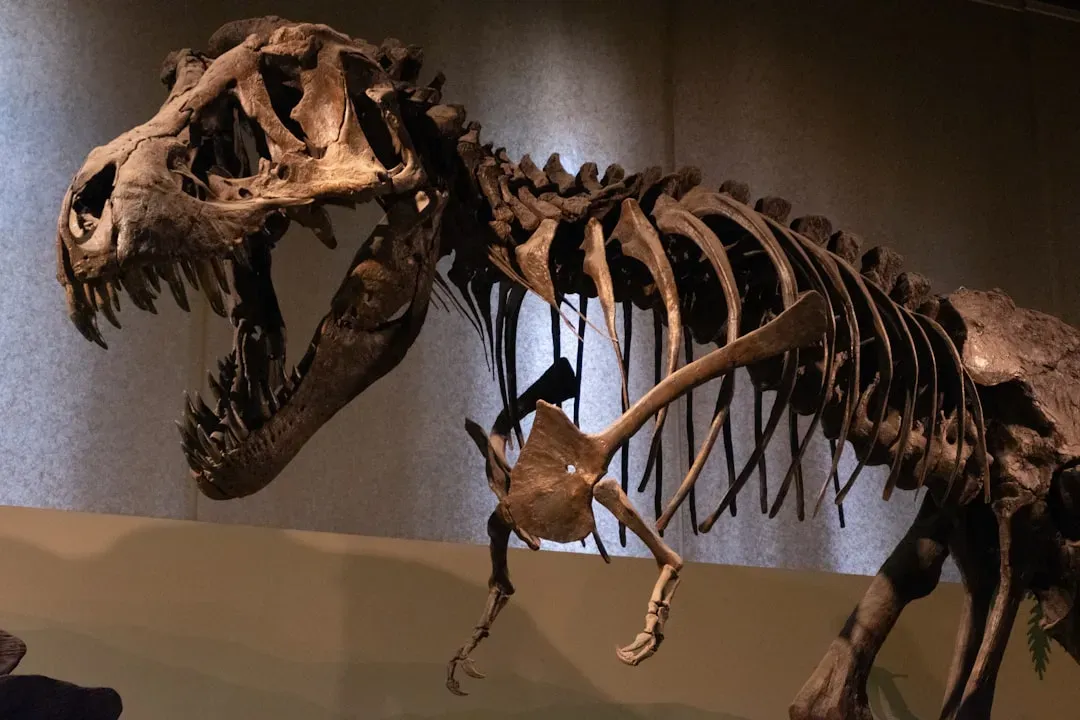
Here’s where it gets interesting for you as a skeptic: not every study agrees that dinosaurs were clearly declining. Some more recent analyses, especially those that try to correct for how unevenly fossils are preserved and sampled around the world, find little evidence for a global, long‑term downturn. Instead, they suggest that in many regions and groups, dinosaur diversity was stable or even healthy right up to the final moments of the Cretaceous. On top of that, new fossil discoveries keep showing richly diverse dinosaur communities almost on the eve of the impact. Sites in places like New Mexico and the famous Hell Creek Formation in North America preserve a surprisingly wide range of dinosaurs living within a few hundred thousand years of the extinction – a geological blink. Those finds support the idea that, at least in some areas, dinosaurs were still thriving, not limping to their end. When you put this next to the decline studies, you see why paleontologists say the jury is still very much out.
The Asteroid Still Looks Like the Decisive Killer
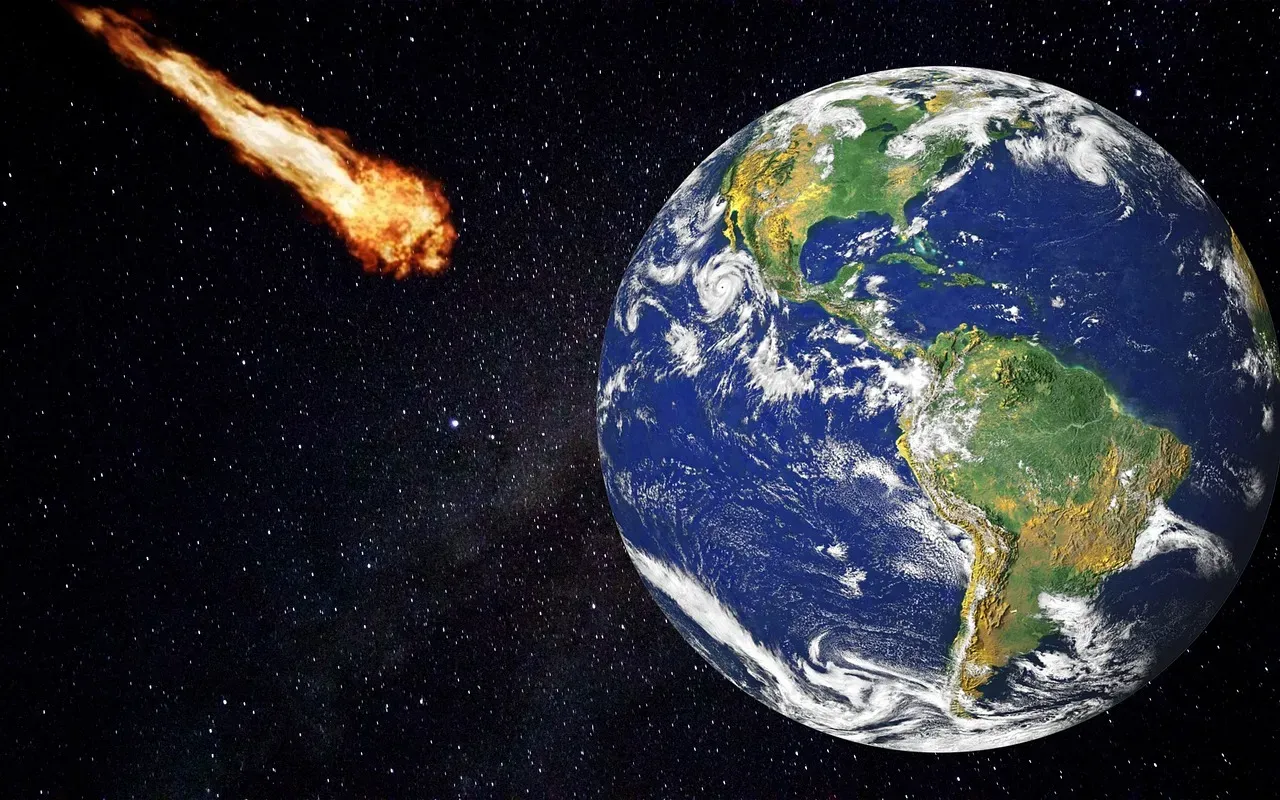
Whatever you believe about pre‑impact trends, the evidence for the asteroid’s catastrophic effect is overwhelming. The Chicxulub impact blasted a crater more than a hundred miles wide, hurled vast amounts of rock and sulfur into the atmosphere, lit global wildfires, and plunged the planet into a rapid, deadly climate swing. In the rocks, non‑avian dinosaur fossils vanish abruptly above the boundary layer, while many other groups – from ammonites in the sea to certain reptiles and plants – also crash. If some dinosaur lineages were already in decline, that does not replace the asteroid; it simply changes how you picture the knockout. Instead of a healthy heavyweight being felled in one blow, you might be looking at a champion with a few hidden injuries whose resilience was already compromised. In that scenario, the impact becomes not just a crisis, but the final shove that an already stressed system could not survive, while more adaptable or less vulnerable lineages, like early birds and small mammals, squeezed through.
Why This Debate Matters for You Today
You might wonder why it matters whether dinosaurs were slowly declining or cut off in their prime when the end result is the same: they vanished and mammals – eventually including you – took over. The reason it matters is that this debate teaches you how mass extinctions actually work. Are they mostly about single, dreadful accidents, or are they usually the climax of long, simmering vulnerabilities and environmental pressures? The dinosaur story seems to be pointing you toward a “both‑and” answer. There are hints of prior stress and decline in some groups, but also strong evidence that many dinosaur ecosystems were still rich and varied when the asteroid hit. That mix pushes you to think of extinctions as the product of intersecting forces: background change, ecological shifts, and then sudden shocks layered on top. When you look at modern biodiversity under climate change, habitat loss, and pollution, the dinosaur debate stops being ancient trivia and starts to look disturbingly familiar.
How You Might Reimagine the Final Days of the Dinosaurs
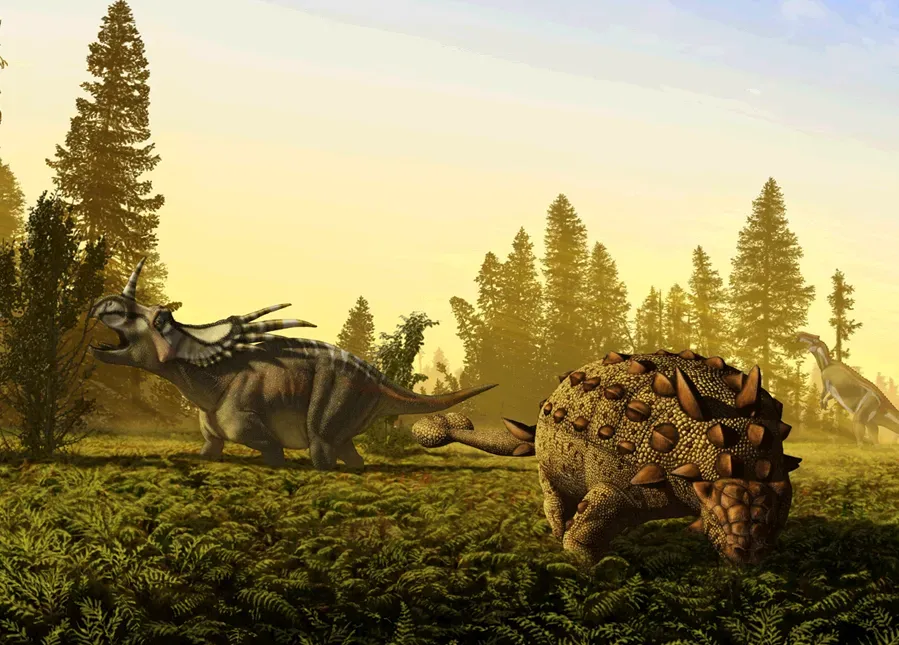
Once you absorb all this, the end of the dinosaurs stops being a single dramatic moment and turns into a slow‑burn thriller with a brutal finale. In your mind, you can picture some lineages already losing ground over millions of years as environments shift and continents drift, even while others flourish in new niches. To a casual observer on the ground back then, everything might still have seemed normal: herds of herbivores roaming, apex predators hunting, forests echoing with calls. Then the asteroid arrives – the one variable no dinosaur could possibly prepare for. Whether you think those animals were already on a slow downward slope or at the height of their powers, the impact slams the door shut on their world. Maybe that is the most haunting part for you today: recognizing that a thriving, powerful system can disappear almost overnight when long‑term pressures and sudden catastrophe collide. Knowing that, how do you look at your own planet’s trajectory and not feel a shiver? In the end, you are left with a question rather than a simple answer: were the dinosaurs victims of terrible timing, or of a slow unraveling that made them fragile when disaster struck – and what does that make you think about the resilience of life now?