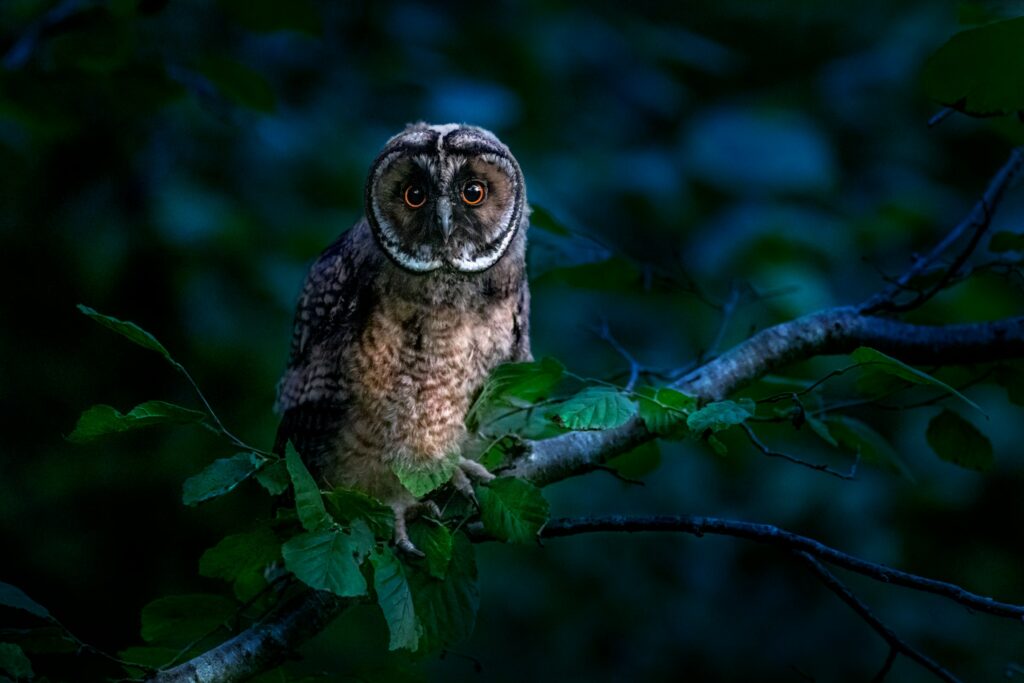

You’re lying in bed, the world finally quiet, when you hear it: that soft, eerie hoot cutting through the dark. Then another, from a different corner of the night. It feels like the sky itself is talking to you. In many cultures, owl calls have been wrapped in mystery, superstition, and symbolism. But when you peel back the myths, those sounds are also wild, practical messages passing between birds that share your neighborhood.
When owls call from different directions, you’re basically overhearing midnight conversations and territorial negotiations that have been going on for thousands of years. Their voices can mark hunting grounds, attract mates, warn rivals, or simply help a pair stay in touch. Once you understand a bit about why and how they call, the night around your home starts to feel less spooky and more like a living, breathing community you’re finally learning to understand.
The First Thing You Should Know: Owls Are Talking, Not Haunting
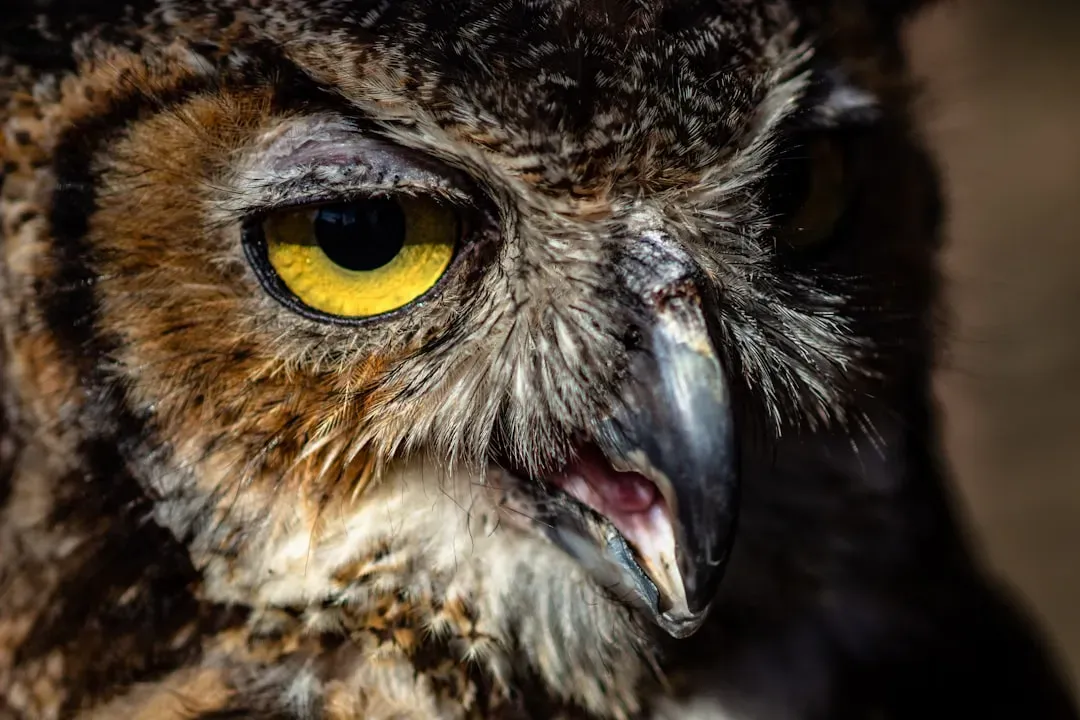
When you hear owls calling around you at night, your imagination might jump straight to omens or signs. That’s normal, because stories about owls as messengers of fate have been told for generations. But if you strip away the folklore, you’re really just listening in on birds communicating about very practical things: food, space, and family.
An owl calling is usually doing one of a few things: declaring territory, trying to attract or maintain a mate, keeping contact with a partner, or reacting to a disturbance. So when those calls come from different directions, you’re not in the middle of a supernatural event. You’re standing in the middle of a sound map of who lives where, who owns what, and who’s checking in with whom in the nighttime world around you.
When the Call Comes From One Side: You’re Hearing a Territory Line
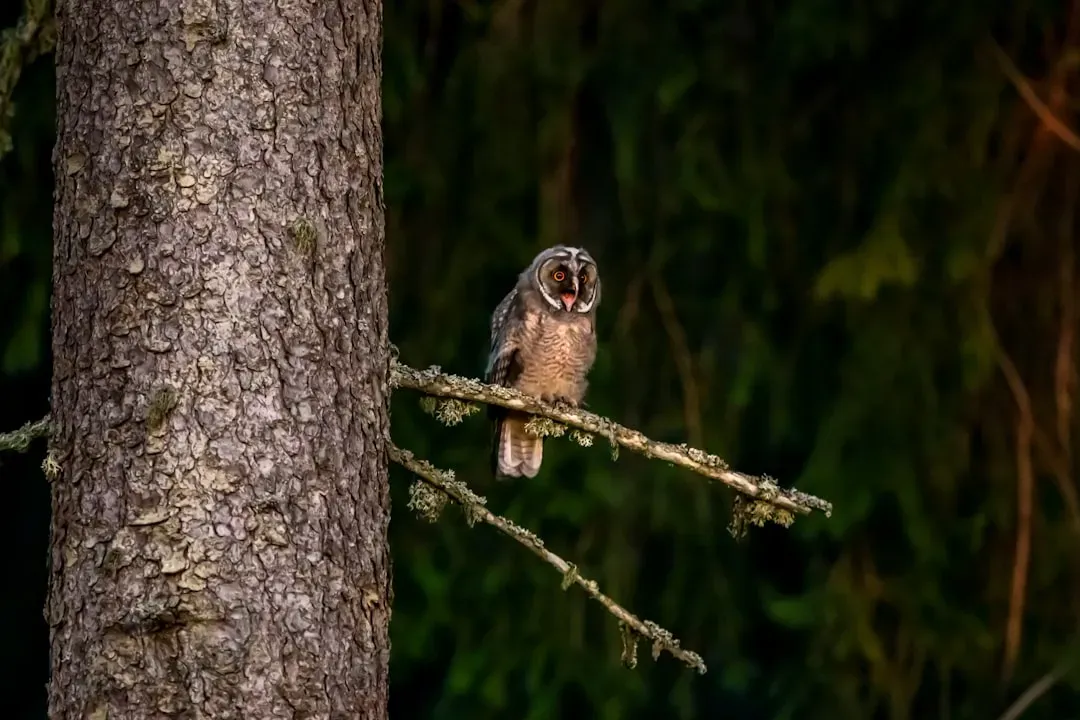
If you tend to hear an owl always calling from roughly the same direction, you’re probably standing near the edge of that bird’s territory. Owls are strongly territorial, especially during breeding season, and they use their voices the way you use a fence line or a “no trespassing” sign. A consistent call from one patch of woods often means, in owl language, “This area is taken.”
You might notice those calls are more frequent in late winter or early spring, when many species are pairing up and nesting. At that time, a single bird may call repeatedly from a favorite perch, almost like a lighthouse flashing over and over. When you hear that from one direction, you’re literally mapping where that owl feels at home, even if you never see it in the daylight.
Calls From Opposite Directions: Possible Neighbors or a Mated Pair
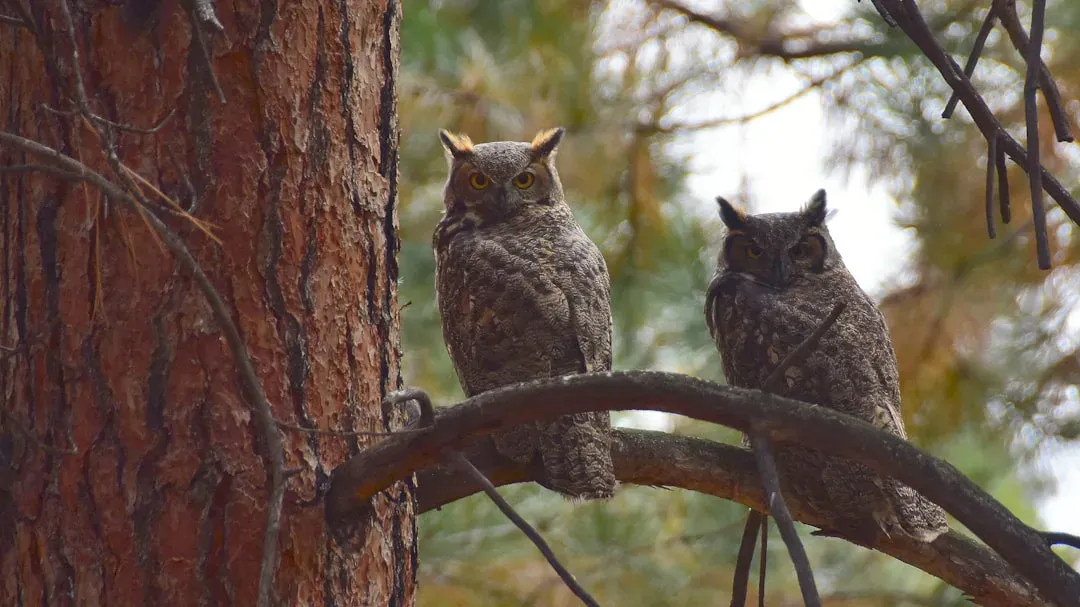
If you’re hearing two owls calling back and forth from different directions, you could be listening to neighbors drawing a line between their territories. One bird calls from one side, the other answers from another side, each making it clear where they stand. It can sound tense and a bit dramatic, but it’s often just routine boundary talk rather than a full-blown fight.
Sometimes, though, you’re hearing a mated pair instead. In that case, one call may be slightly higher or softer, often the female, and the other lower and deeper, often the male. They may be perched in different trees, calling to keep track of each other as they hunt or move around their shared territory. If the rhythm feels more like a gentle back-and-forth than a challenge, you might be eavesdropping on a pair keeping their bond strong in the dark.
When Calls Surround You: A Whole Landscape Comes Into Focus
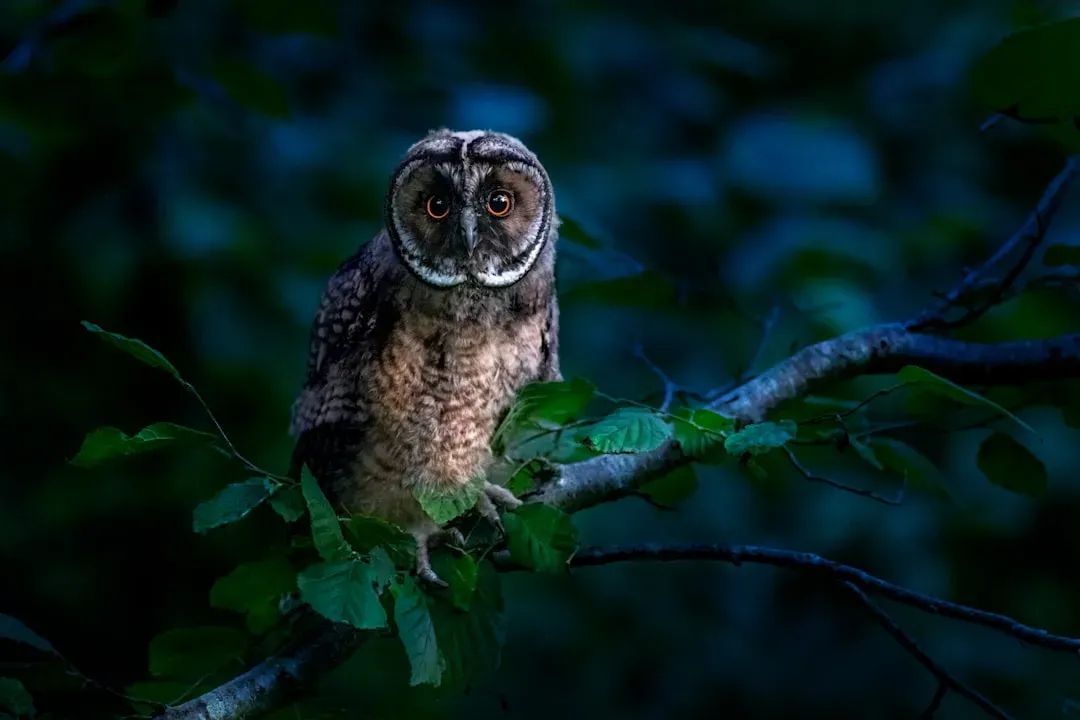
On rare nights, you might feel like you’re in the center of a circle of hoots, with calls echoing from several directions. That can mean you live in especially good owl habitat, where multiple territories bump against each other near your home. You could have one pair in a nearby woodlot, another further off along a creek, and maybe a third closer to open fields.
Instead of thinking of it as a spooky chorus, you can picture a patchwork quilt of territories stitched together across your local landscape. Each set of calls marks an invisible boundary. You’re just lucky enough to be standing in the overlap where you can hear several “voices” at once, like being in the center of a darkened stadium while different sections cheer from all sides.
How Distance and Direction Change What You Hear
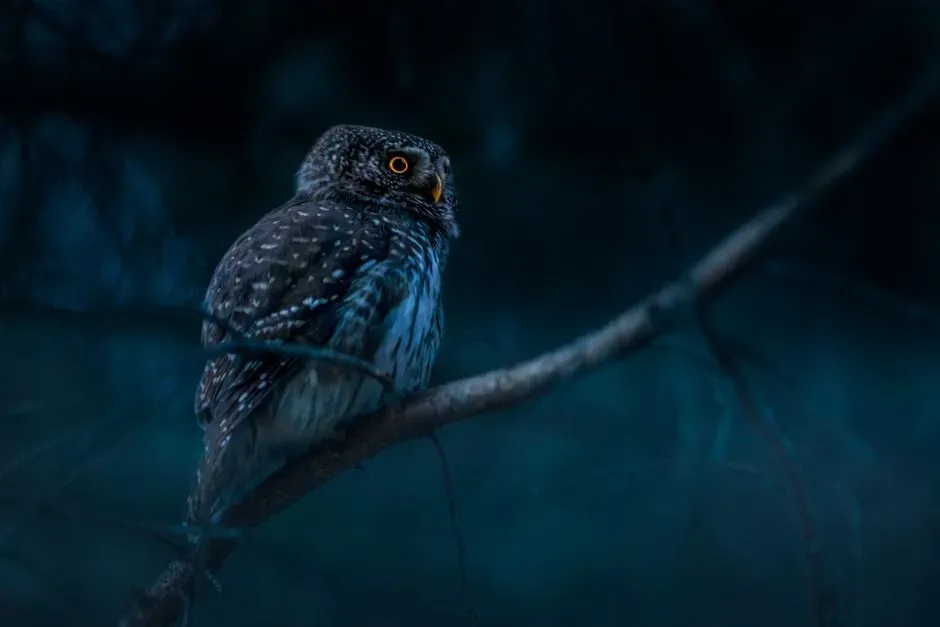
Sound at night plays tricks on you. An owl that sounds far away might actually be just beyond the tree line, while another that feels right overhead could be perched surprisingly distant, its call carried cleanly through cool, calm air. When calls come from different directions, part of what you’re noticing is how the landscape bends and bounces sound around you.
Dense trees, buildings, and hills will muffle or reflect hoots, making one direction seem quieter or more echoey. Open fields, water, or clear corridors can make a bird’s call ring out much louder than you’d expect. When you pay attention over multiple nights, you start to learn how your own local geography shapes what you hear, turning the night into a kind of acoustic map you can slowly decode.
Myths, Omens, and What You Should Actually Take From Owl Calls
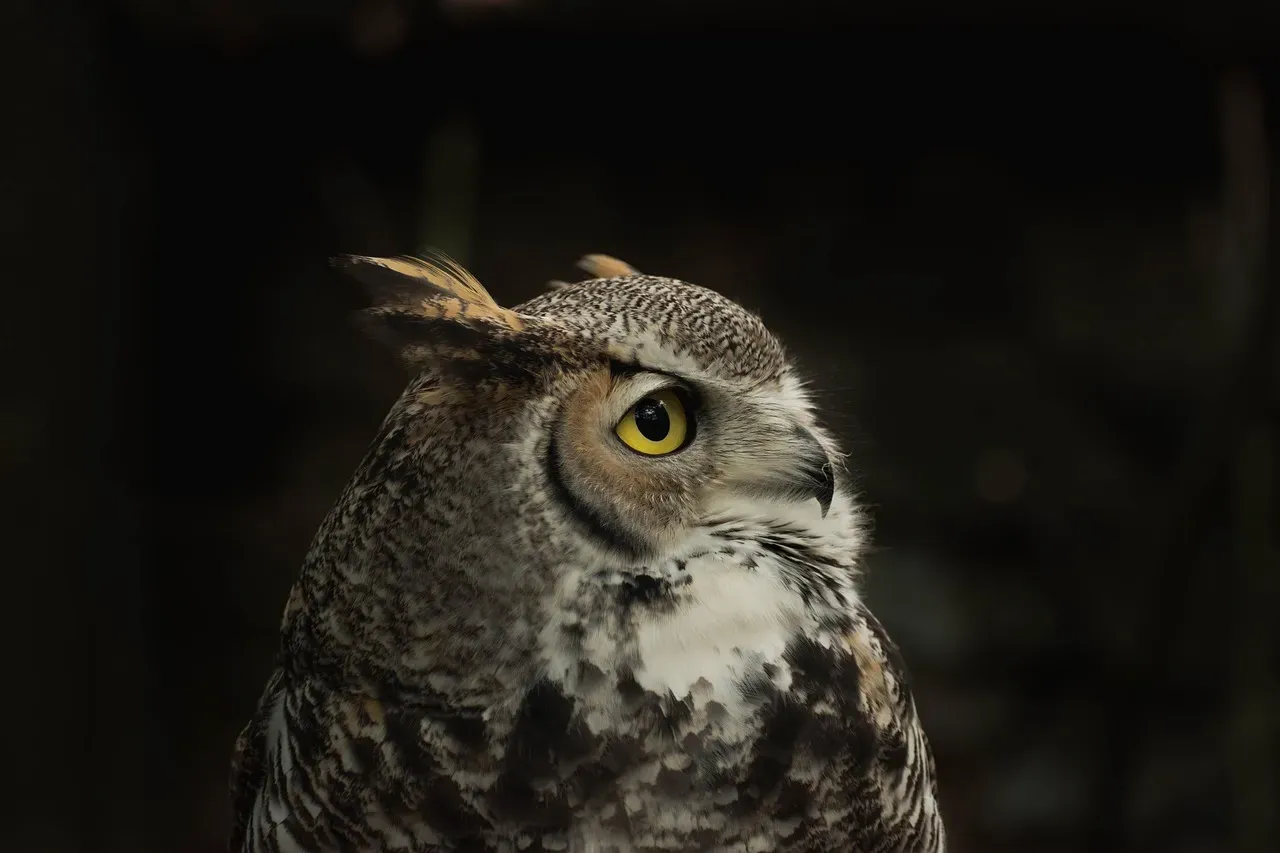
You might have heard that an owl calling near your house is a sign of bad luck, or that a call from a certain side means something about your future. Those stories can be fascinating, and they’re part of cultural traditions in many places, but they don’t match what scientists actually see in nature. Owls are responding to prey, habitat, breeding cycles, and the presence of other owls, not predicting events in your life.
If you want a meaning you can honestly rely on, you can think of an owl’s call as a sign of a relatively healthy ecosystem nearby. It usually means there is enough suitable habitat, enough prey like mice or small mammals, and enough safety for a top nighttime predator to carve out a territory. Instead of worrying about omens, you can take their voices as a reminder that you’re sharing your surroundings with something wild and wonderfully adapted to the dark.
How You Can Listen More Closely and Learn Your Local Owls
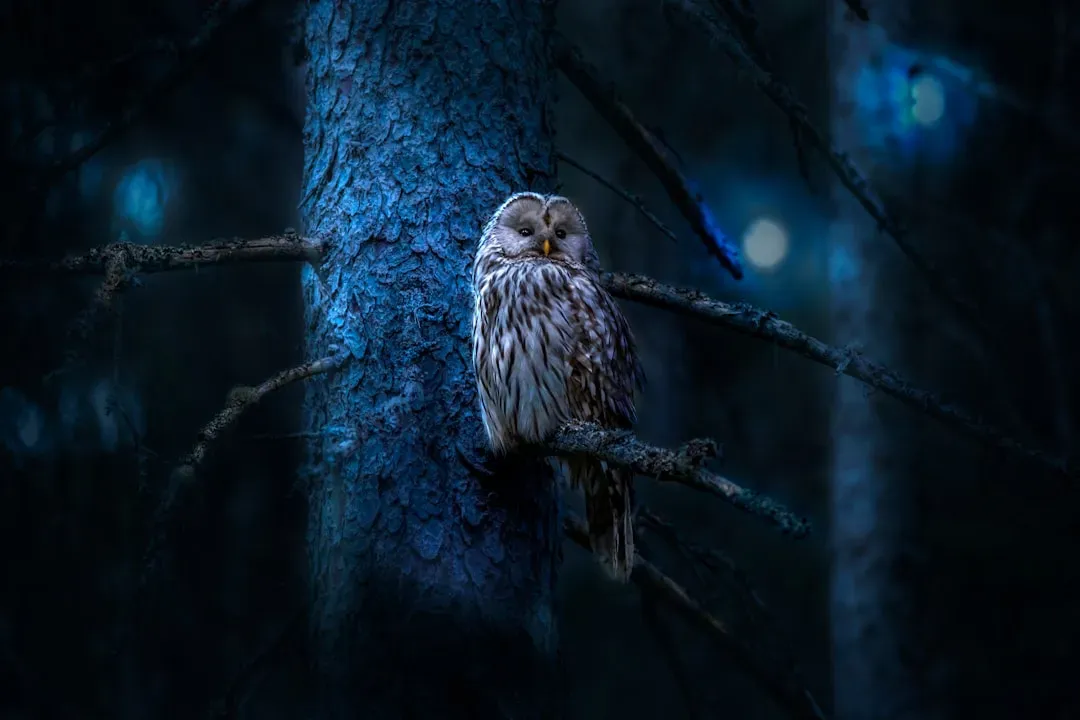
The next time you hear owls calling from different directions, you can treat it like a small personal field study. Step outside for a few minutes, turn off any loud music or machines, and simply stand still. Notice which side the first call comes from, then wait quietly for an answer. Over time, you’ll start to recognize patterns: one bird always to the north, another to the west, or a pair that seems to move together.
You can even keep a simple notebook or phone note where you jot down dates, times, and the directions of calls. After a few weeks or months, you might see that certain calls cluster in particular seasons, or that one “voice” appears only in winter, suggesting a seasonal visitor rather than a year-round resident. Instead of being a passive listener, you become someone who knows your local owls like neighbors you can identify by their voices alone.
What About Your Safety, Pets, and Everyday Life?
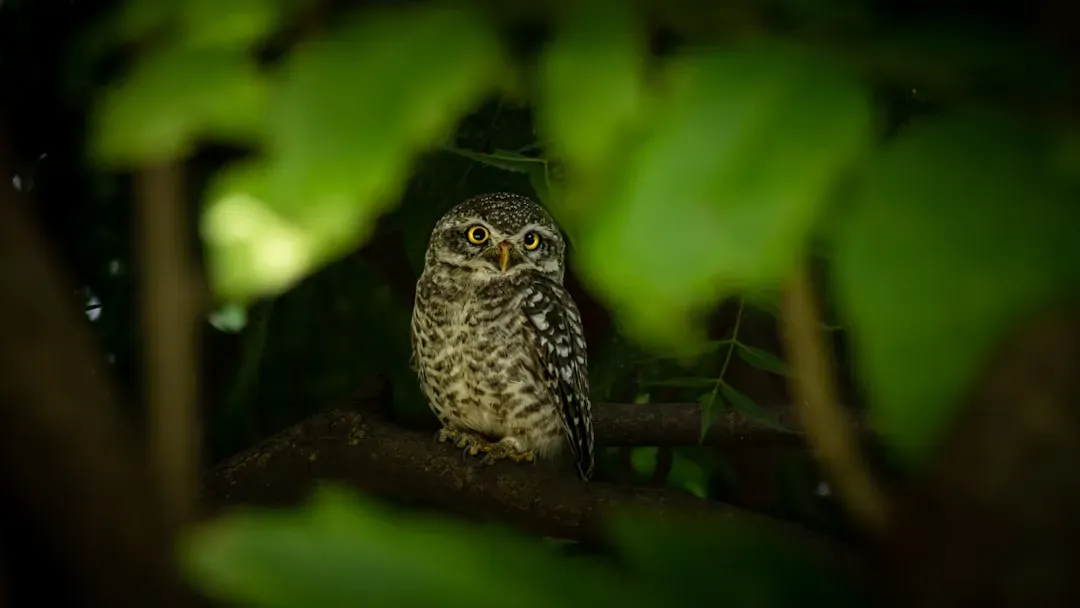
Hearing owls all around you at night can raise practical questions too, especially if you have small pets or young kids. For most people, owls are not a direct threat. They focus mainly on wild prey like rodents, small mammals, and sometimes other birds. Small pets, especially toy-sized dogs or outdoor cats, can be vulnerable in rare cases, but that risk is usually low if you supervise them at night and avoid leaving them outside unattended in areas with large owls.
The bigger impact owls have on your life is invisible but actually beneficial: by hunting rodents, they can help keep local mouse and rat populations in check. So when you hear calls from multiple directions, you might be listening to a free, natural pest control team at work. With basic common sense around pets and outdoor lights, you can coexist peacefully with these nighttime hunters while actually gaining from their presence.
Conclusion: Turning Eerie Night Sounds Into Familiar Voices
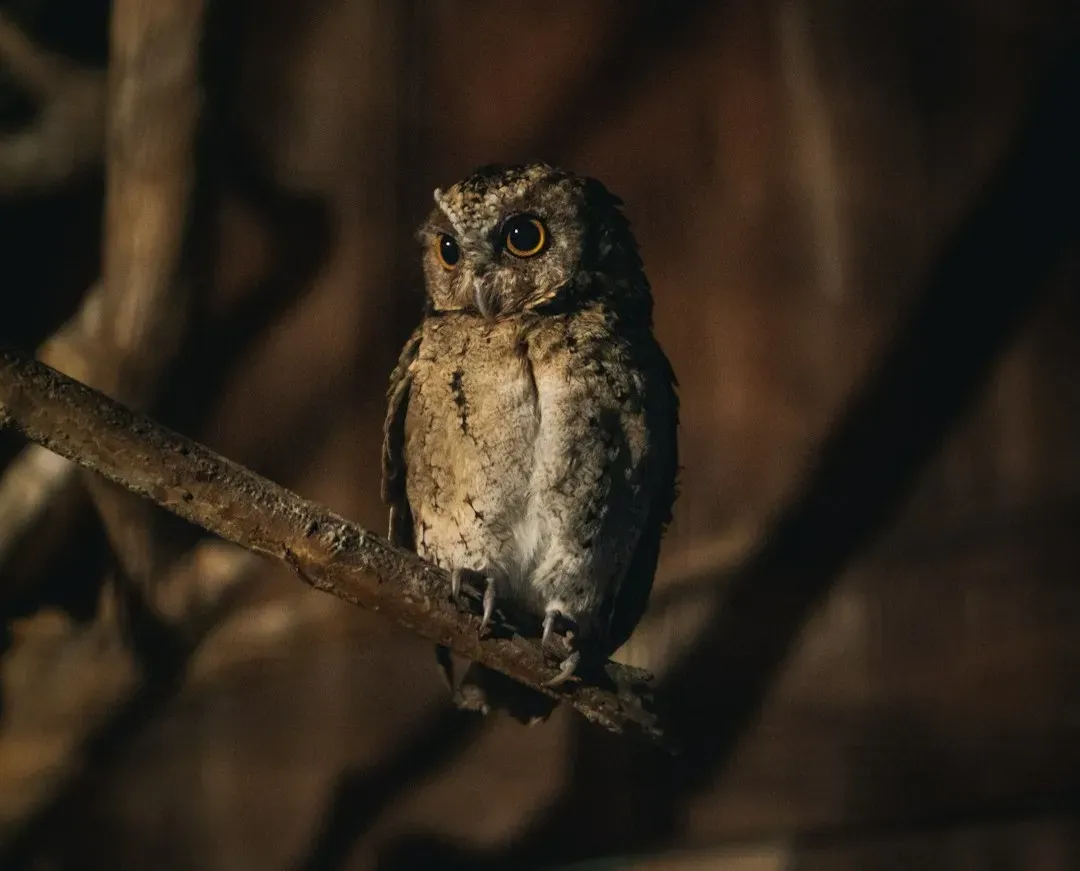
When you understand what’s really going on, the sound of owls calling from different directions stops feeling like a mysterious warning and starts feeling like a conversation you’re finally able to interpret. You hear territories being drawn, pairs checking in with each other, and a whole nocturnal community quietly going about its business while you sleep. The direction of each call gives you clues about who lives where, how healthy your local environment is, and how the landscape around you is stitched together after dark.
The next time those hoots rise up around your home, you can step outside, take a breath, and listen with a little more confidence and a lot more curiosity. Instead of asking what fate is trying to tell you, you can ask a more grounded question: what are these birds saying to each other, right now, in the dark sky I share with them? And once you start hearing the night that way, does it feel just a little less spooky and a lot more alive?