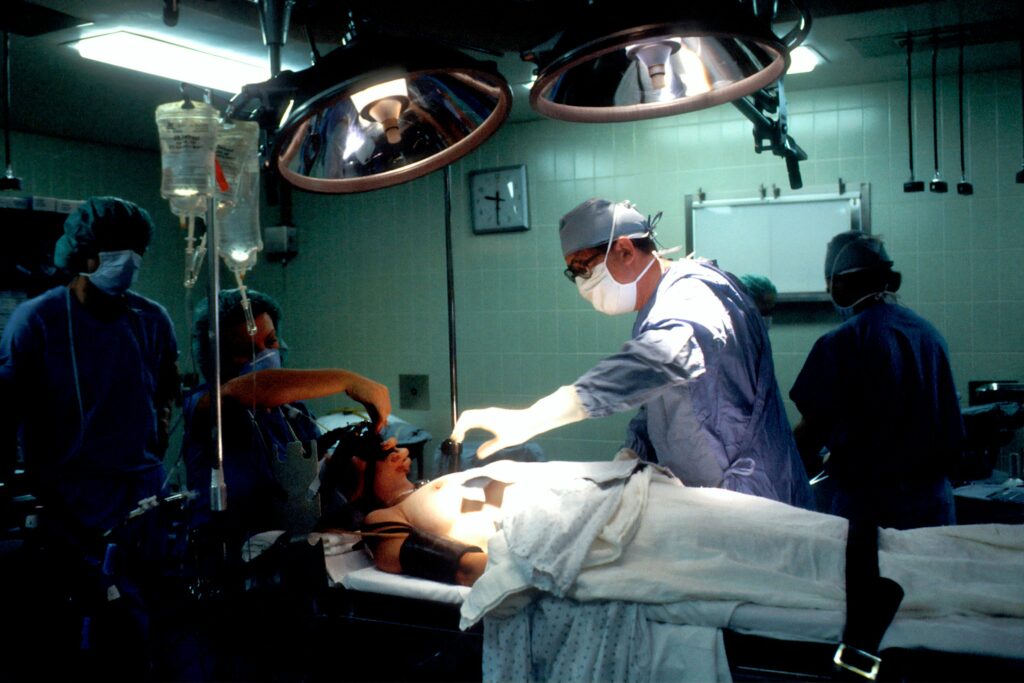

Imagine lying on an operating table, apparently unconscious, your muscles completely paralyzed, your eyes closed, your brain seemingly shut off from the world – yet you can hear every word the surgical team is saying. You understand them. You remember some of it later. But in that moment, you cannot move, speak, or even blink to let anyone know you are still there. That sounds like a horror movie setup, but it is exactly what some patients report after full general anaesthesia.
The idea that anaesthesia is not always a perfect “off switch” for consciousness is both scientifically fascinating and deeply unsettling. Over the last several years, researchers have been digging into subtle forms of intraoperative awareness, and the picture they are painting is more nuanced than many of us were led to believe. Anaesthesia is incredibly safe overall, but the possibility that some patients retain hidden awareness – especially of conversations in the operating room – forces us to rethink what it really means to be “out cold.”
When “Unconscious” Is Not Completely Unconscious
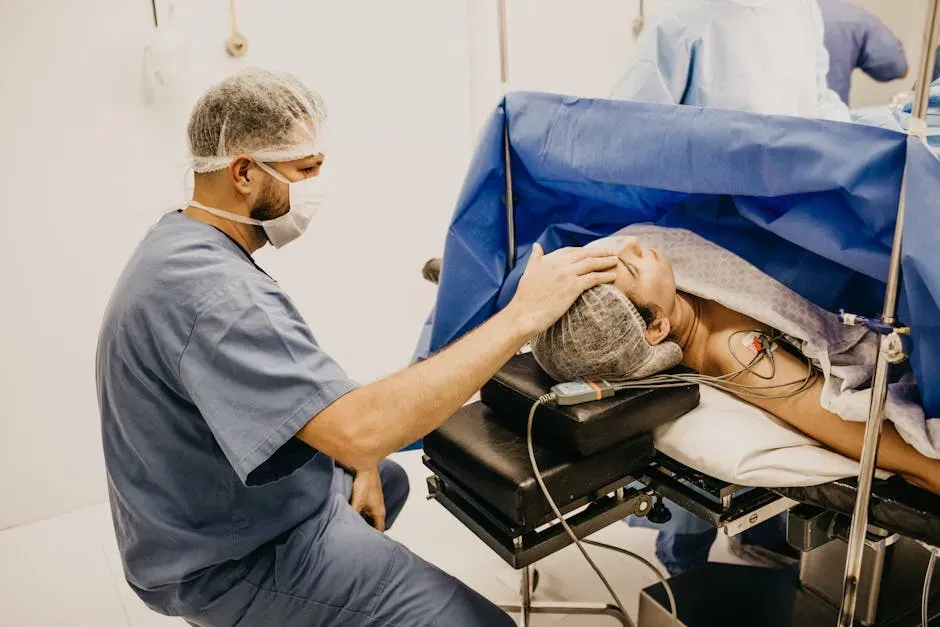
We tend to treat general anaesthesia as a binary: you are either awake or you are under. In reality, brain activity under anaesthesia lives on a spectrum, and a small fraction of patients seem to sit in a strange in‑between zone. To everyone in the room, they look deeply asleep: no eye opening, no purposeful movement, nothing that would raise suspicion. Internally, though, their brains may still be processing sounds, voices, and even meaning.
Some patients later report that they could hear staff talking, could follow parts of a conversation, or felt that time was passing – but they had no way to move or signal distress. Others do not form clear, story‑like memories but show signs afterward that their brains “registered” what was said, for example by responding differently to words they heard in surgery. That gap between outward silence and inner awareness is at the heart of why this phenomenon is so haunting.
The Science of Anaesthesia Awareness: More Than Just Waking Up Mid‑Surgery
Classic anaesthesia awareness, the kind people fear from medical dramas, usually involves explicit recall: patients later remember pain, pressure, or specific moments during surgery. Thankfully, that type of experience appears to be quite rare when modern drugs and monitoring are used. What researchers are now more interested in is a subtler form of awareness, where patients may have no vivid narrative memory but still retain some level of perception during the procedure.
In experiments, scientists have used techniques like playing words or sounds to anaesthetized patients and then testing memory or brain responses afterward. Sometimes, even when patients have no conscious recollection, they respond differently to words they were exposed to under anaesthesia than to new ones. It is as if a quiet part of the mind stayed “online” long enough to register what was said, storing it just below the threshold of full awareness.
Hearing Without Control: How the Brain Can Listen While the Body Is Frozen
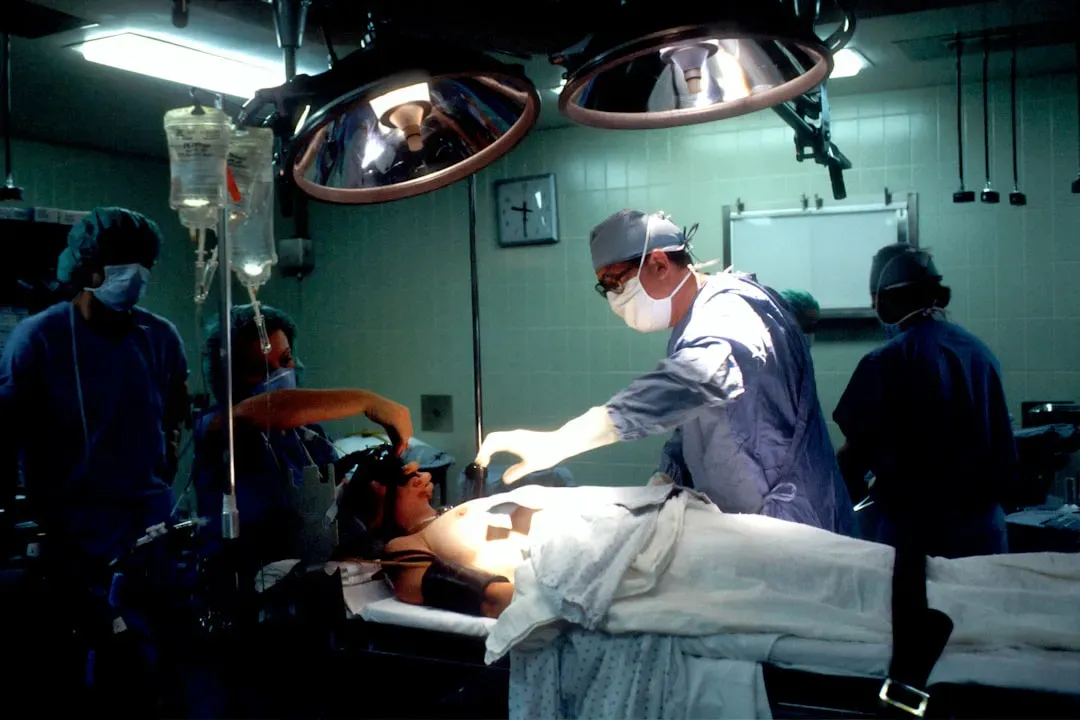
One of the strangest aspects of this phenomenon is the split between hearing and control. Under general anaesthesia, patients are often given drugs that paralyze muscles to make intubation and surgery safer. This paralysis affects the body, not the mind. If the anaesthetic depth is not perfectly matched to the individual, you can theoretically have a patient whose muscles are completely unable to move while parts of their brain are still capable of processing speech and emotion.
Think of it like putting a phone on mute while the call is still active. The line is open, sound keeps coming through, but the other side cannot hear you. In the operating room, that “mute button” is neuromuscular blockade. The surgical team sees a still, silent patient and reasonably assumes unconsciousness. Meanwhile, if the anaesthetic dose is just barely enough or the patient is unusually resistant, the auditory system may remain partly responsive. That combination – active ears, frozen body – is exactly what makes these cases so distressing.
What Patients Report Afterward: Memories, Fragments, and Feelings
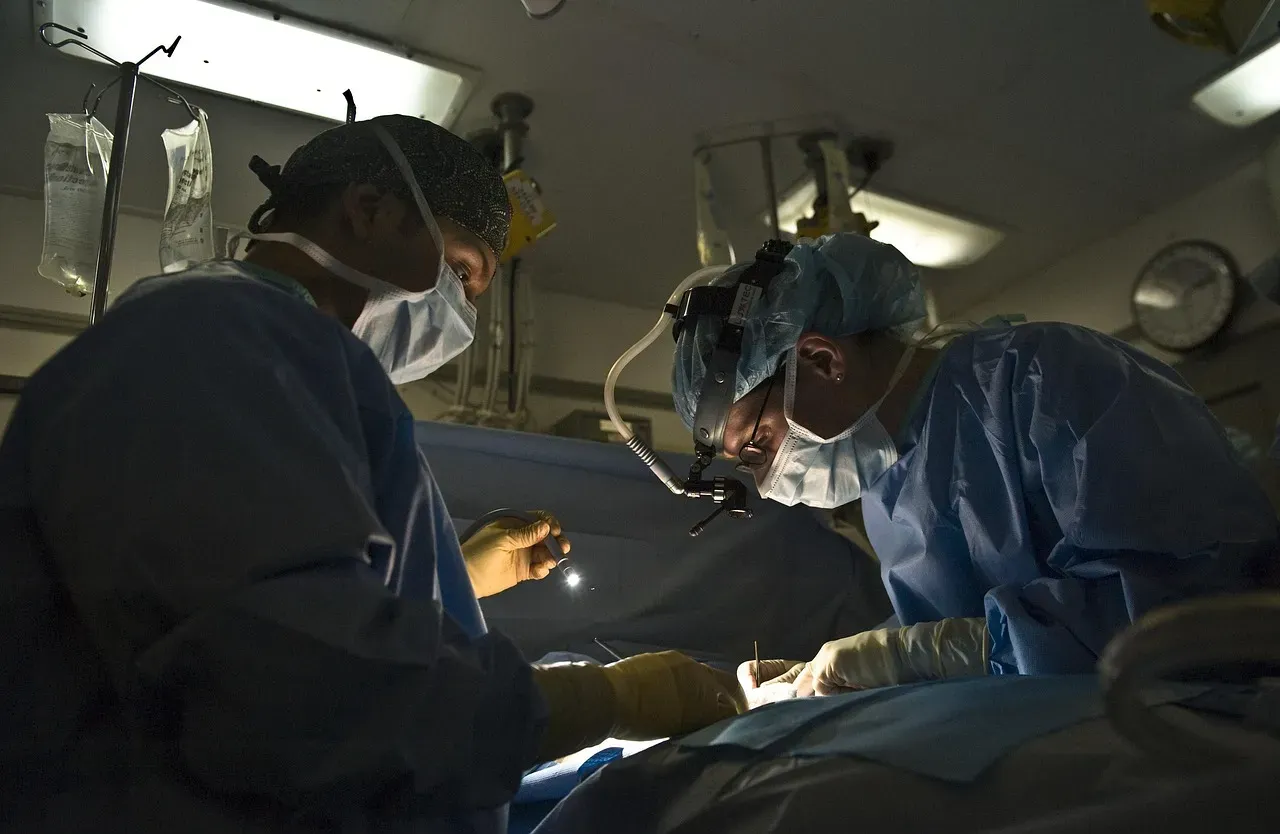
Not everyone who has residual awareness under anaesthesia can sit down later and recount a clear, detailed story. In fact, straightforward memories of surgery are relatively uncommon in modern practice. More often, people describe hazy impressions: a sense of voices in the background, awareness of someone saying their name, or a feeling that the team was talking about them in a way they did not like. Others simply remember fear, helplessness, or a crushing sense of being trapped, even if they cannot pinpoint exact words.
These experiences can range from mildly unsettling to deeply traumatic. Some patients shrug them off as weird dreams and move on. Others develop anxiety about medical care, avoid future procedures, or replay those remembered conversations in their minds for years. Because these memories can be fragmented and hard to describe, people sometimes doubt themselves or feel that no one will believe them. That psychological uncertainty can be as damaging as the event itself.
Why This Matters Ethically: The Operating Room as a Moral Space
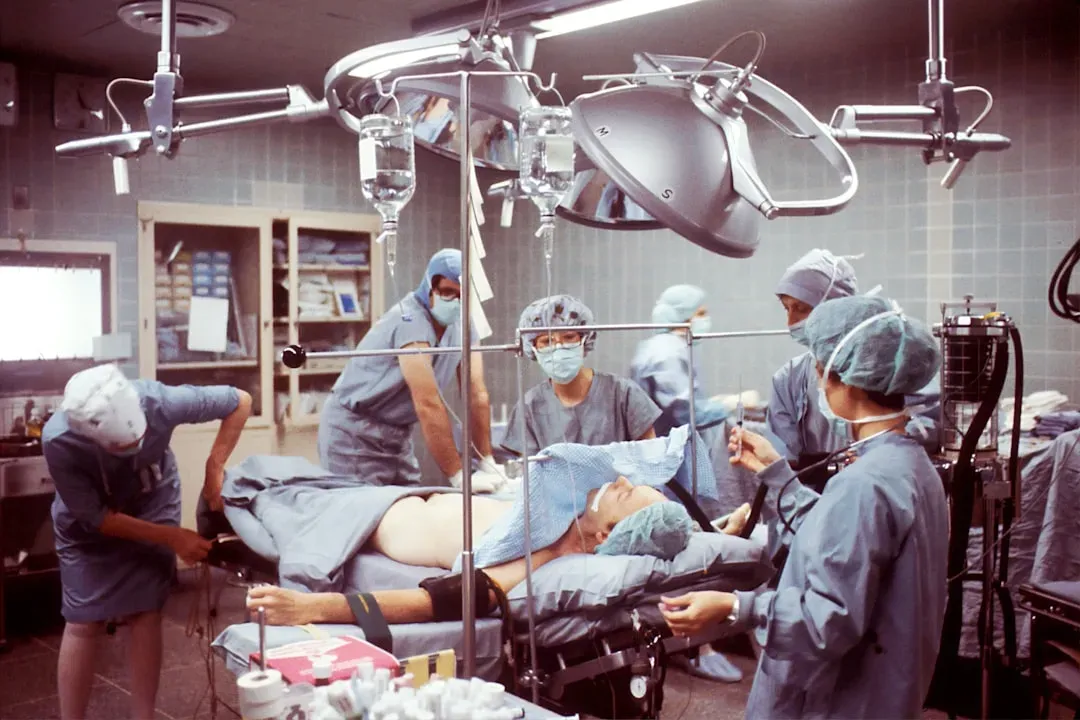
If there is even a small chance that a patient under full general anaesthesia might be listening, the ethical stakes of what gets said in the operating room jump dramatically. For decades, clinical culture has tended to treat anaesthetized patients as “not there” in any meaningful sense. Jokes, blunt comments, or harsh judgments about the patient’s body, lifestyle, or prognosis have sometimes been seen as harmless because the person is presumed to be unconscious. That assumption can no longer stand unchallenged.
At a basic moral level, it is hard to defend the idea that it is acceptable to speak carelessly about someone simply because they cannot answer back. The possibility of covert awareness underlines something that should have been obvious all along: patients deserve respect whether or not they appear to be awake. When you realize that a patient may later remember your words without context, every offhand remark carries more weight. The operating room is not a private backstage area; it is a space where trust should be protected, not casually gambled with.
How Anaesthesiologists Are Trying to Detect and Prevent Hidden Awareness
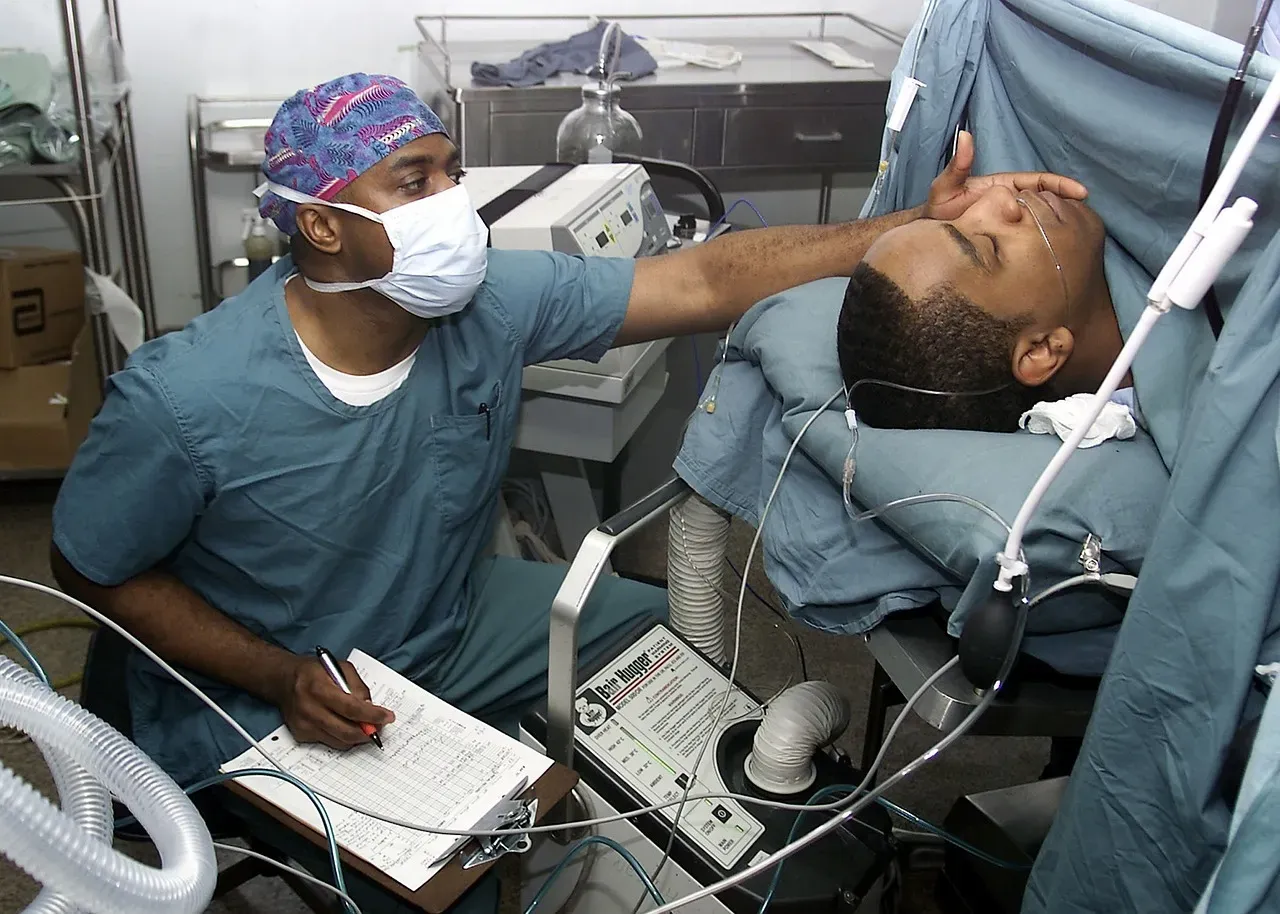
Knowing that some patients can retain awareness, even rarely, has pushed anaesthesiologists to refine how they monitor consciousness. Traditional vital signs like blood pressure and heart rate provide clues but are not foolproof. In response, various brain‑monitoring devices have been developed that analyze electrical activity and generate a rough “depth of anaesthesia” score. These tools are not perfect, but they offer an extra lens through which to catch patients who might be drifting too close to wakefulness.
Prevention also comes down to tailoring drugs to the individual, taking into account factors like age, weight, medical history, and previous anaesthesia experiences. Some practitioners make a point of explaining the risk of awareness, however small, to high‑risk patients and adjusting plans accordingly. To me, the most promising shift is a cultural one: anaesthesia teams who treat intraoperative awareness not as a remote theoretical curiosity, but as a real, human problem they are actively trying to eliminate.
Talking About Patients Like They Might Be Listening – Because They Might Be
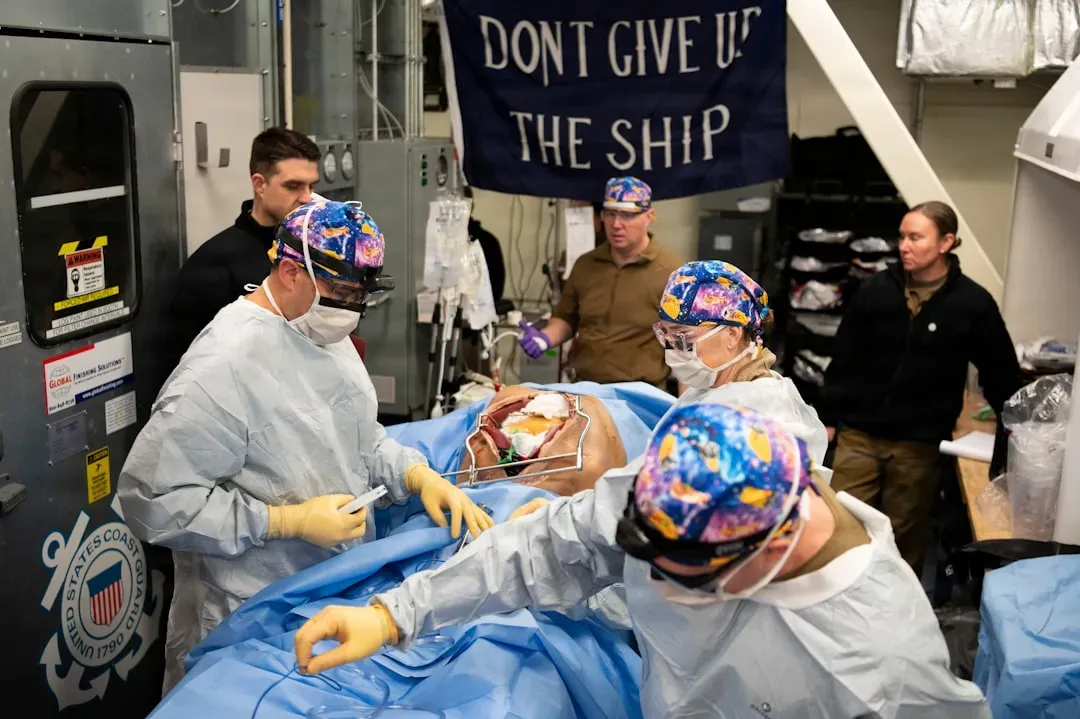
One simple, powerful response to this research is to change how we talk in front of an anaesthetized patient. Many clinicians already behave as if the patient could hear every word, avoiding dark humor, body shaming, or fatalistic comments. Others are still catching up. From where I sit, the evidence that some patients retain awareness – plus the sheer uncertainty about who might be affected – should tip the balance firmly toward caution and kindness.
There is also a strange upside: if we assume patients can hear us, we can use that for good. Some teams intentionally speak reassuringly during induction and emergence, telling the patient they are safe, that things are going well, that the surgery is proceeding as planned. If a fragment of that gets through to a partially aware brain, it might soften fear rather than amplify it. In a setting where so much is out of the patient’s control, gentle, respectful language is one of the few things that costs nothing and can only help.
Conclusion: Consciousness Under the Knife – And Why We Should Care
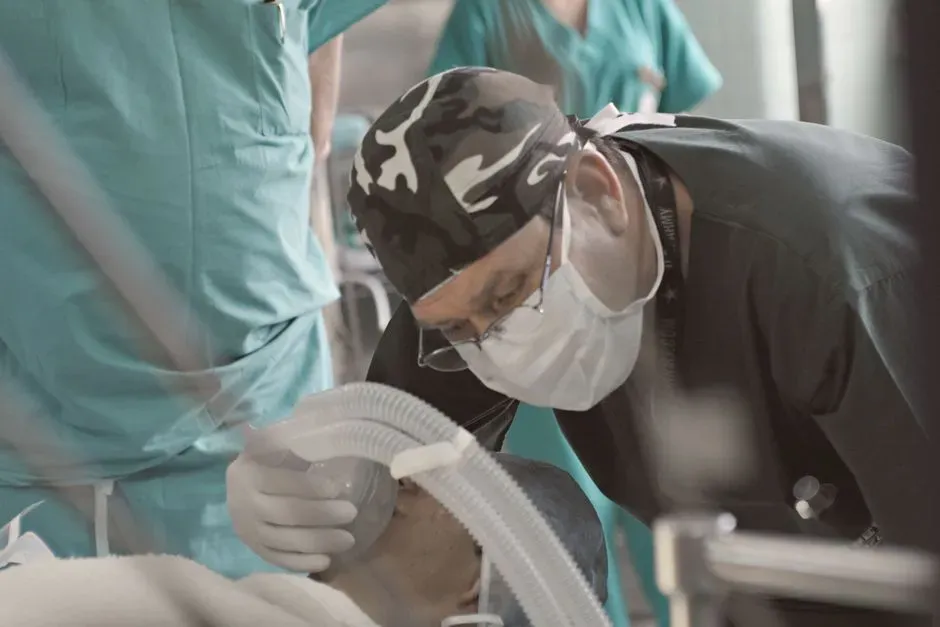
The idea that a person under full general anaesthesia might quietly track everything being said in the room, with zero ability to signal their awareness, is honestly chilling. But the answer is not to panic or to mistrust anaesthesia, which saves immense numbers of lives and relieves unimaginable suffering. The answer is to let this research sharpen our sense of responsibility: to recognize that consciousness is not a simple on‑off switch and to act as if the patient’s mind is always worthy of respect, even when we assume it is offline.
In my view, the most important takeaway is not just that awareness can happen, but that it should change how we behave. Anaesthesia providers should keep pushing for better monitoring and more personalized care, and everyone in the operating room should talk as if the patient could wake up tomorrow remembering their words. If you were the one on the table – unable to move, yet quietly listening – how would you want the story to sound when you finally opened your eyes?