
Some ghosts don’t haunt old houses; they haunt maps of the natural world. When you realize how many animals vanished in just the last few centuries, mostly because of human choices, it feels less like distant history and more like a crime scene we’re still standing in. These extinctions are not just sad stories about “what once was” – they are warnings about how fast we can erase entire branches of life when appetite, ignorance, and industry line up.
What makes this even more unsettling is how familiar many of these patterns sound today: overhunting, habitat destruction, invasive species, climate shifts that we helped accelerate. You’ll probably recognize pieces of these stories in modern headlines – which is exactly why they matter. As you read through these ten lost species, ask yourself a tough question: are we learning from these ghosts, or just creating new ones?
1. Dodo (Raphus cucullatus)
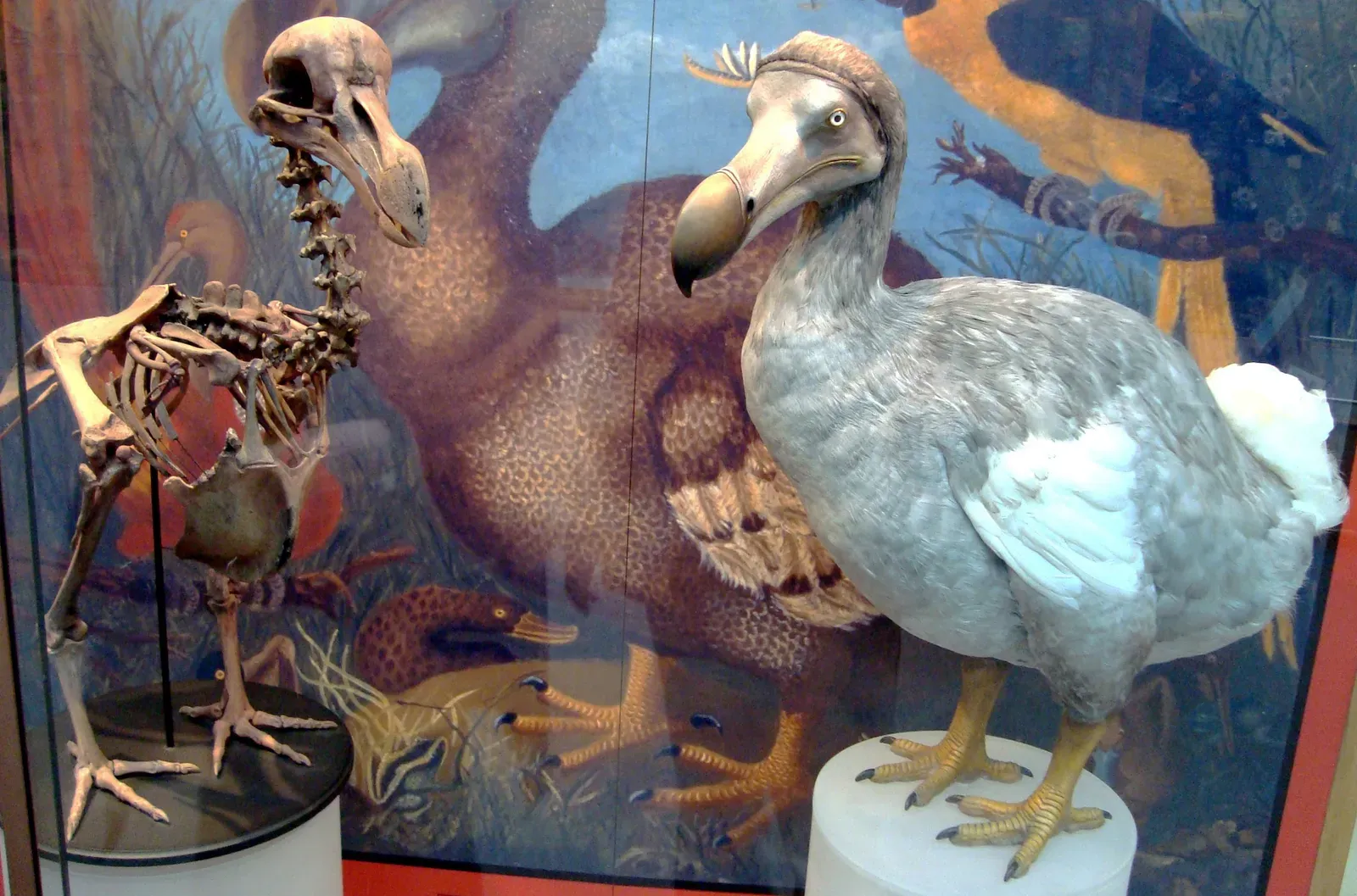
The dodo has become a cultural shorthand for extinction, but its real story is more brutal and less cartoonish. This flightless bird lived only on Mauritius, an island in the Indian Ocean, and it evolved without natural fear of large predators. When European sailors arrived in the late sixteenth century, they brought hunting, pigs, rats, and monkeys – and the dodo was simply not ready for that kind of sudden chaos.
Humans hunted the dodo for meat, but the bigger damage came from the animals we introduced. Rats and pigs raided their ground nests, destroying eggs faster than the birds could replace them. Within roughly a century of first contact, the species was gone. The dodo did not disappear because it was “stupid”; it disappeared because an entire ecosystem was turned upside down in a geological blink, and the bird never had a chance to adapt.
2. Passenger Pigeon (Ectopistes migratorius)
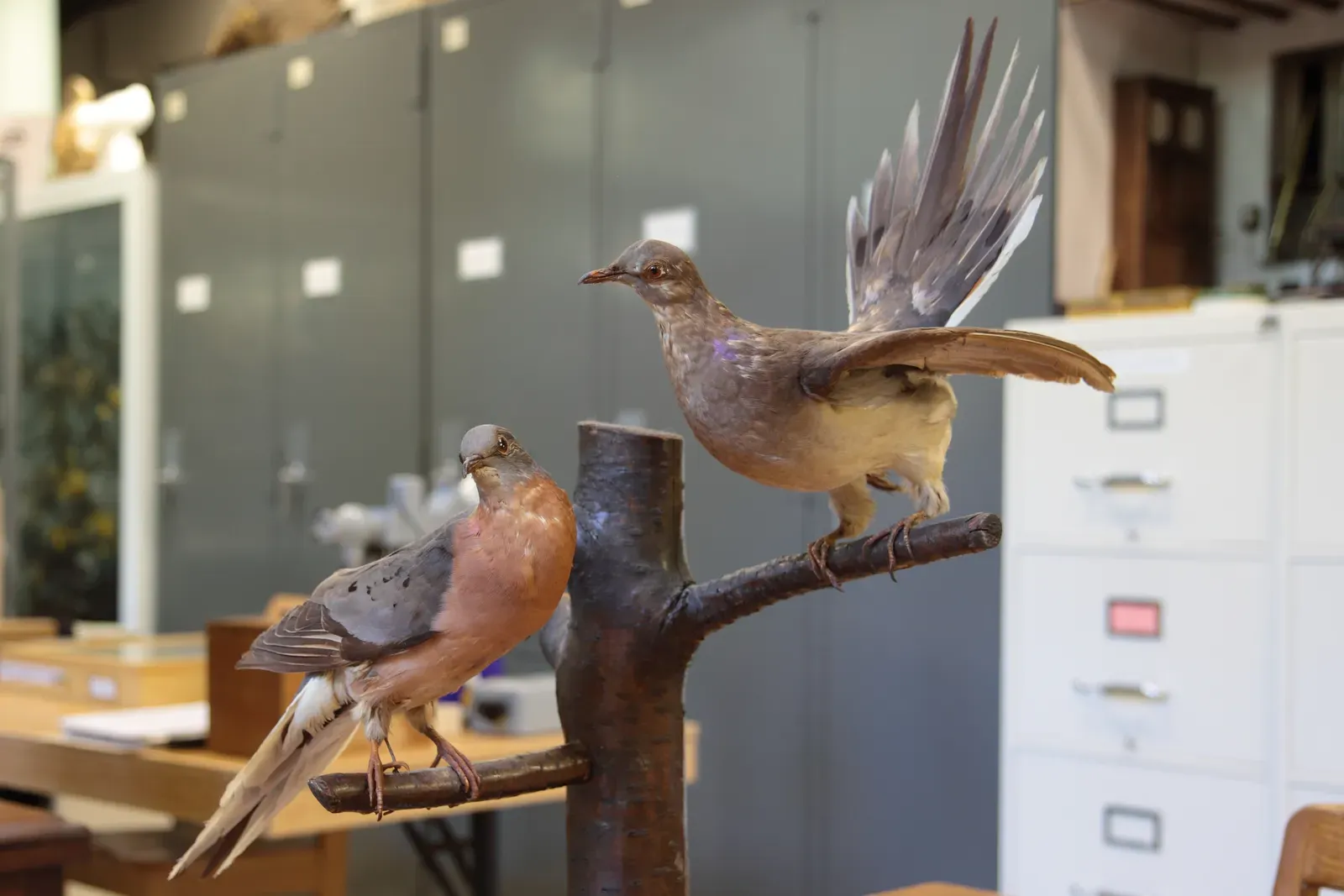
It is hard to imagine now, but passenger pigeons once filled North American skies in flocks so dense they could darken the daylight. We are not talking about a few million birds; estimates suggest their numbers reached into the billions, making them one of the most abundant bird species on Earth. That scale is exactly why people wrongly assumed they could never run out.
Industrial hunting and habitat loss proved that assumption catastrophically wrong. Railroads and telegraphs turned passenger pigeon hunting into a coordinated, commercial massacre, with birds slaughtered for cheap meat and shipped to cities. At the same time, forests were cleared on a massive scale, stripping away their nesting grounds. By the early twentieth century, the last known passenger pigeon, named Martha, died in captivity, leaving behind a chilling reminder: “too many to count” can turn into “none left at all” faster than anyone expects.
3. Great Auk (Pinguinus impennis)
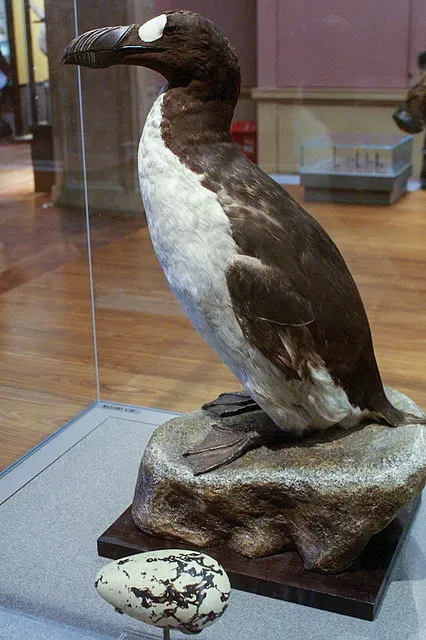
The great auk was the northern hemisphere’s answer to the penguin: a large, flightless seabird with a sleek black-and-white body, perfectly built for cold Atlantic waters. It nested on remote rocky islands in the North Atlantic, from Canada to Iceland and beyond. For centuries, people hunted great auks for meat, oil, and especially for their feathers, which were used to stuff mattresses and clothing.
Because they could not fly and were crowded together during breeding season, the birds were devastatingly easy to kill in huge numbers. As populations crashed, demand for their eggs and skins as curiosities surged, especially from museums and collectors. The last confirmed great auks were killed by hunters in the mid-nineteenth century on a small island off Iceland. Their final moments were not just tragic; they were deliberate proof that human curiosity can be as lethal as human hunger.
4. Steller’s Sea Cow (Hydrodamalis gigas)
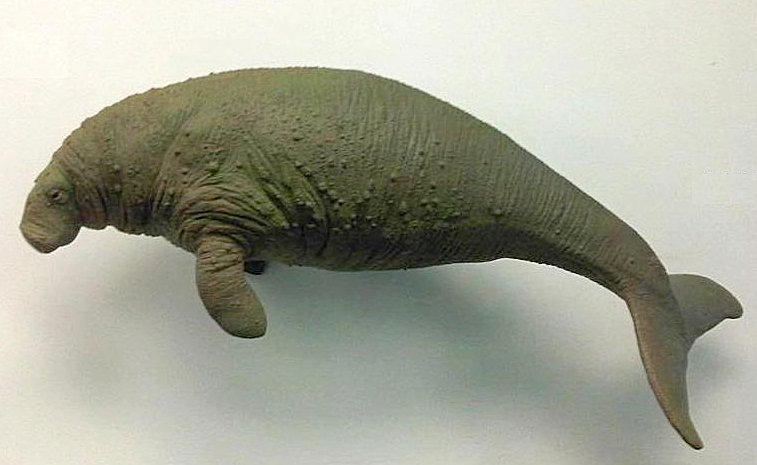
Steller’s sea cow was a giant, gentle marine mammal related to modern manatees and dugongs, but far larger – estimates suggest they could reach lengths similar to a small bus. They lived in cold, kelp-rich waters around the Commander Islands in the Bering Sea. When European explorers encountered them in the eighteenth century, they immediately saw a slow-moving mountain of meat and fat in a harsh, resource-scarce environment.
Hunters slaughtered these animals relentlessly for food and their thick hides, which were useful for making boat coverings and other gear. They had no fear of humans and could not dive deeply, which made them absurdly easy targets. Within just a few decades of their scientific description, Steller’s sea cows disappeared completely. Their story is one of the most extreme examples of how quickly a slow-breeding, specialized species can be erased once humans discover it and decide it is useful.
5. Tasmanian Tiger / Thylacine (Thylacinus cynocephalus)
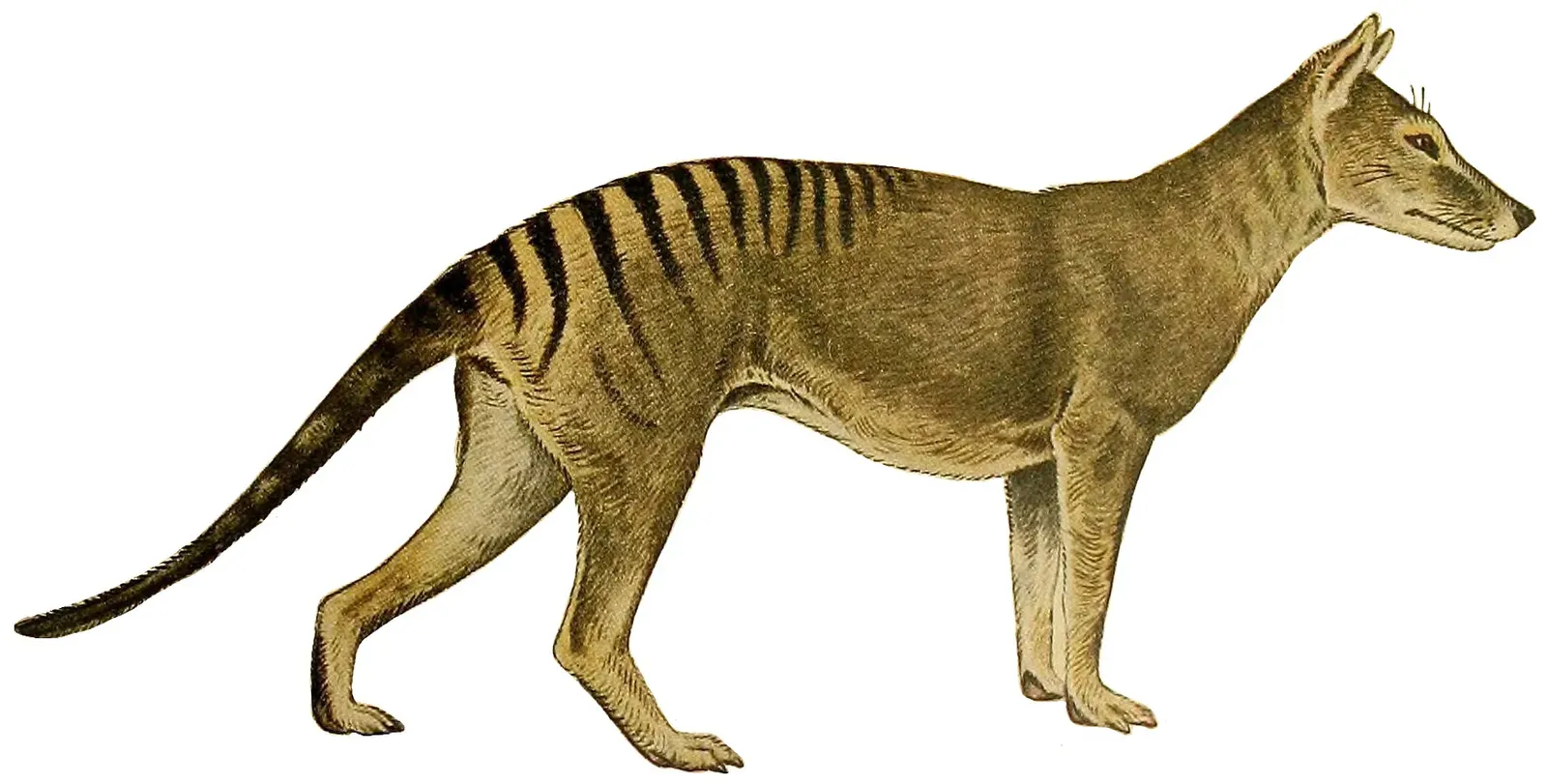
The thylacine, often called the Tasmanian tiger because of the stripes on its back, was a carnivorous marsupial that once roamed mainland Australia, Tasmania, and New Guinea. By the time Europeans settled in Tasmania in large numbers, thylacines were already restricted mainly to that island. They were shy, nocturnal, and highly adapted predators, with a strange, dog-like body and a powerful jaw that made them look almost mythical.
Instead of being respected as a unique apex predator, they were branded as livestock killers and targeted with bounties. Governments and farmers encouraged widespread hunting, trapping, and poisoning. Habitat loss and introduced diseases may have added further pressure. The last known thylacine died in a zoo in the 1930s, and grainy footage of that animal pacing in captivity has become one of the most haunting pieces of wildlife film ever recorded. In my view, the thylacine is one of the clearest cases where policy, prejudice, and paranoia killed off a species we still do not fully understand.
6. Caribbean Monk Seal (Neomonachus tropicalis)
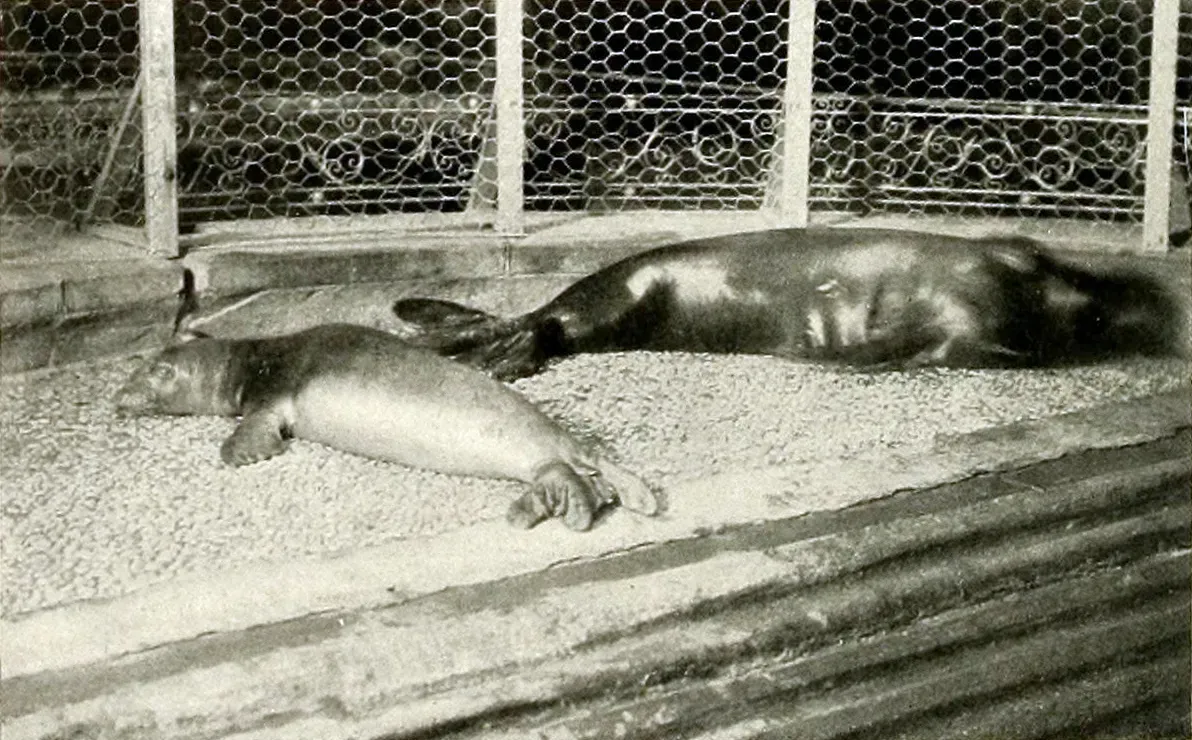
The Caribbean monk seal once inhabited the warm waters and sandy beaches of the Caribbean and Gulf of Mexico. Early sailors and colonists described large groups resting on shore, unbothered by human presence. That calm temperament turned out to be a fatal weakness once commercial exploitation ramped up.
Hunters targeted these seals for their blubber, which was rendered into oil, and their meat, which fed crews and settlements. As coastal development and fishing pressure increased, their food sources shrank and breeding areas were disturbed or destroyed. By the mid-twentieth century, no confirmed sightings remained, and the species was officially declared extinct decades later. Their disappearance is a stark reminder that even warm, tropical seas can hide a history of silence and loss beneath the surface.
7. Pyrenean Ibex (Capra pyrenaica pyrenaica)
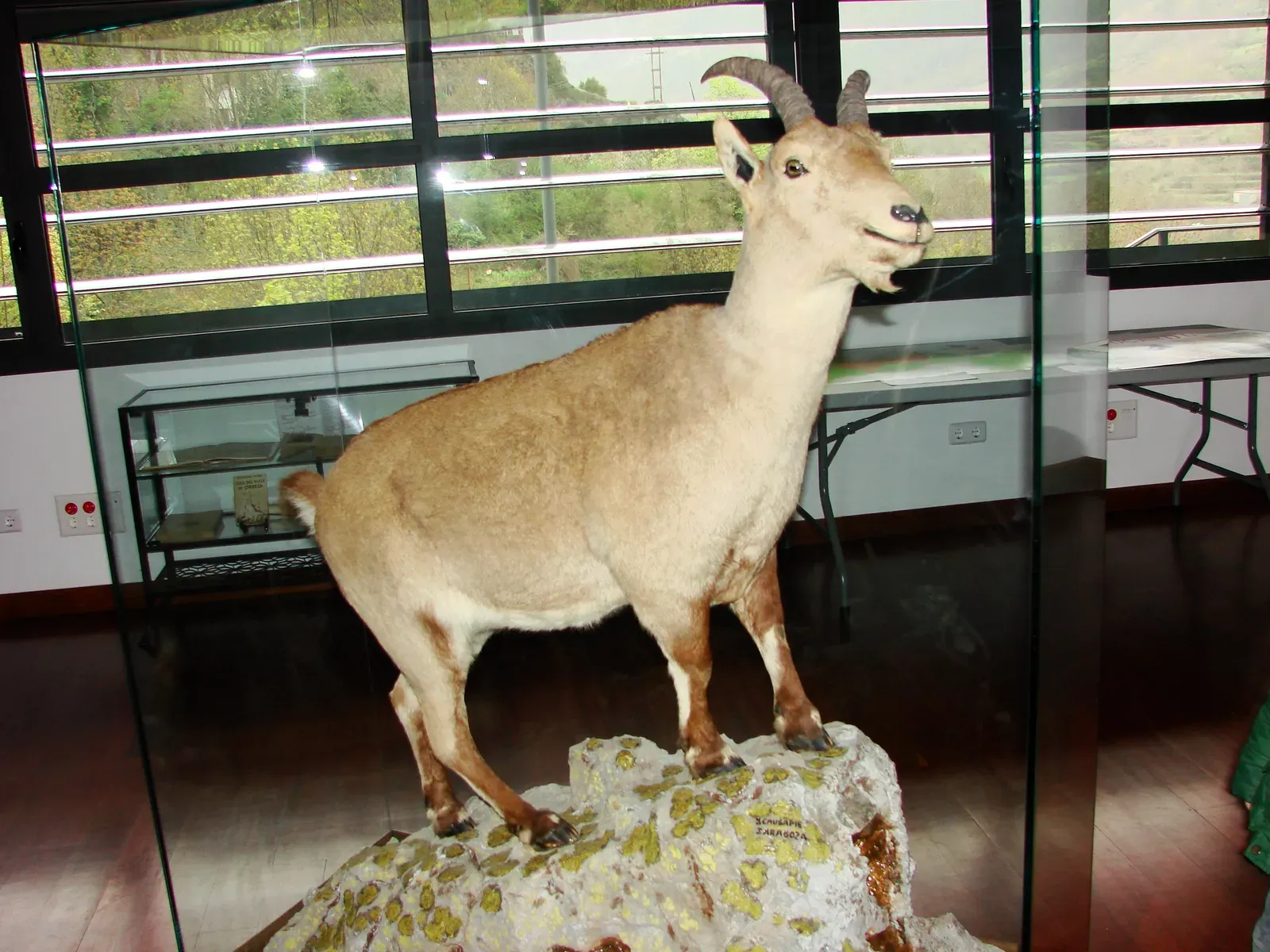
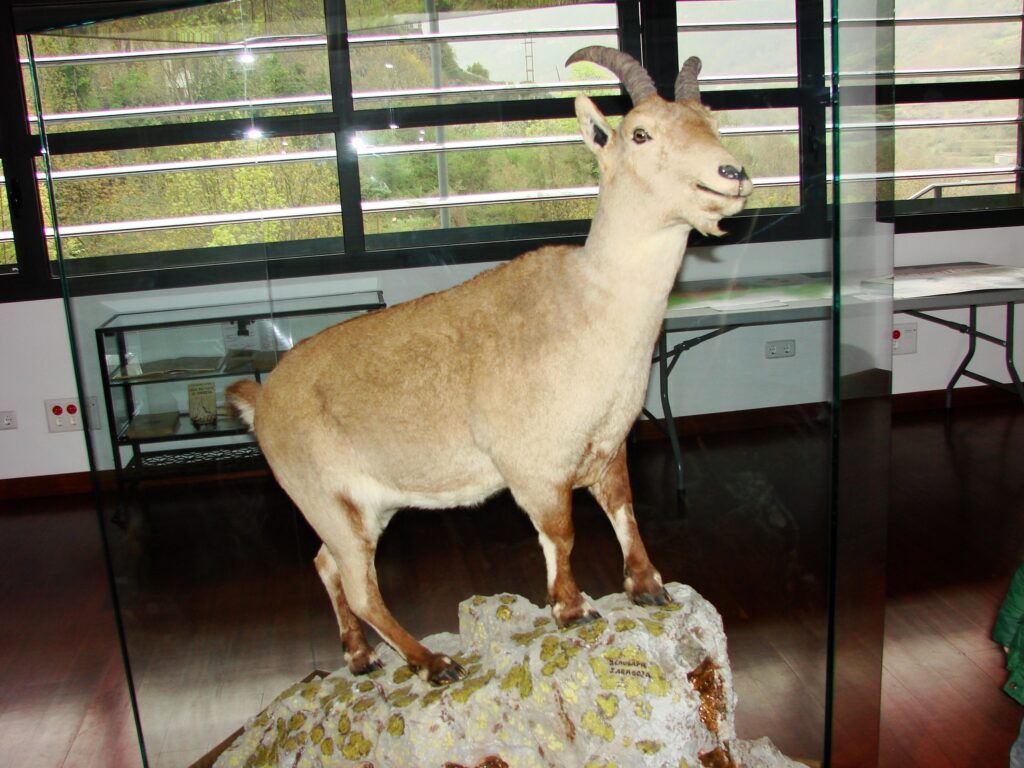
The Pyrenean ibex was a wild goat subspecies that lived in the rugged mountains between Spain and France. It was built for cliffs and crags, with powerful legs and impressive backward-curving horns. For centuries, it shared those mountains with shepherds and hunters, but modern firearms and increasing human pressure began to chip away at its numbers.
Overhunting, competition with livestock, habitat changes, and possibly disease all contributed to its steady decline. By the late twentieth century, only a handful remained. The last known individual, a female, was found dead in the year 2000, crushed by a falling tree. Scientists later attempted to bring the Pyrenean ibex back through cloning using preserved genetic material, resulting in a single cloned kid that died shortly after birth. This strange postscript makes the ibex both an emblem of extinction and a symbol of how far we will go to try to undo what we have done.
8. Quagga (Equus quagga quagga)
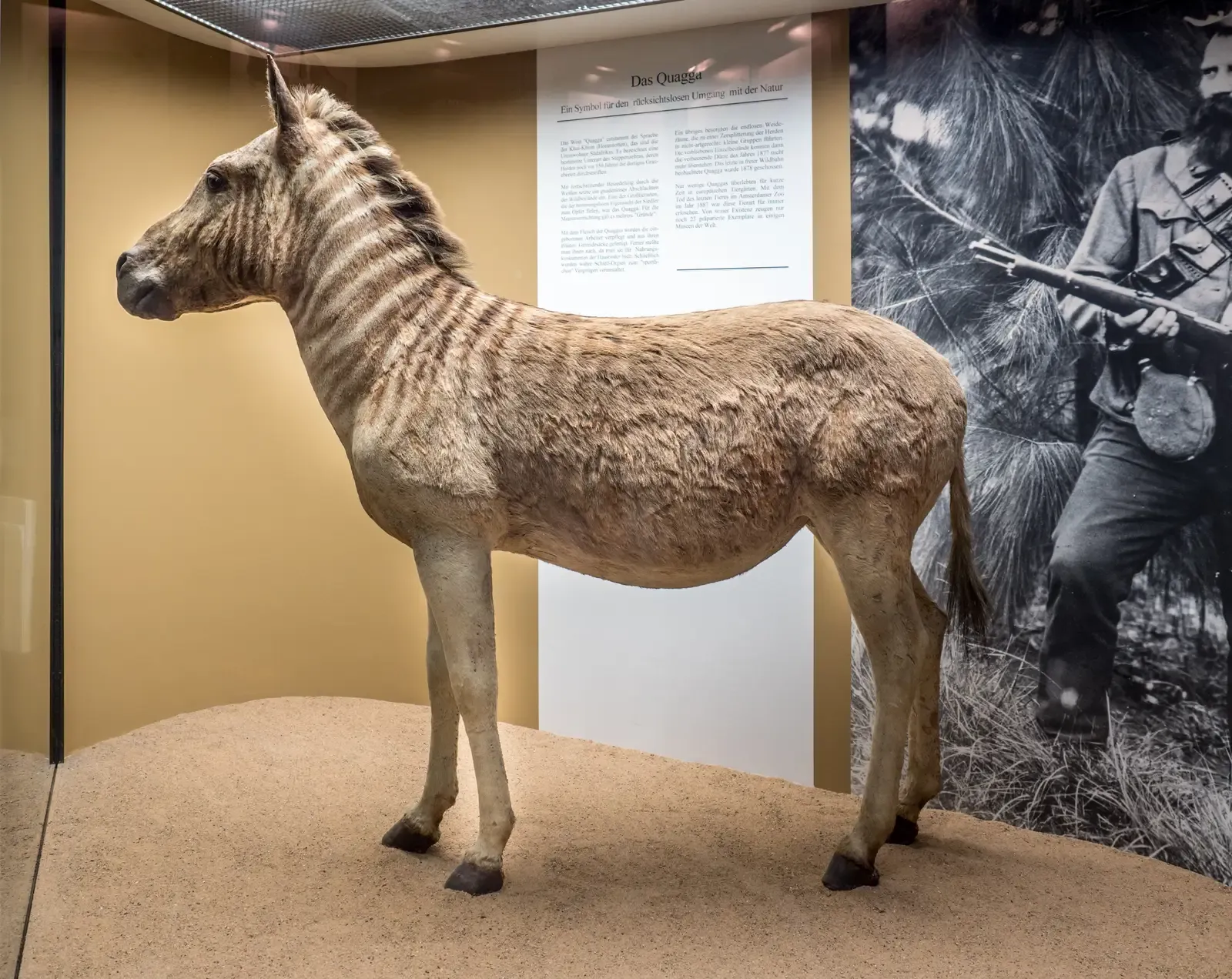
The quagga looked like a half-finished zebra: striped on the front of its body and head, fading into a plain brownish rear. It roamed the grasslands of South Africa, where it was once common and unremarkable to local people. European settlers, however, saw it as competition for grazing with their livestock and as a source of meat and hides.
Quaggas were shot in large numbers, both for local use and for commercial trade, and their habitat was transformed by agriculture and ranching. By the late nineteenth century, the last known quagga died in a zoo, at a time when many people still did not realize it represented a disappearing form. Today, genetic studies show it was a subspecies of the plains zebra, and selective breeding projects aim to recreate animals with a similar appearance. Still, those efforts can never truly restore the population, behaviors, and unique ecological role of the wild quaggas that once thundered across the plains.
9. Pinta Island Tortoise (Chelonoidis abingdonii)
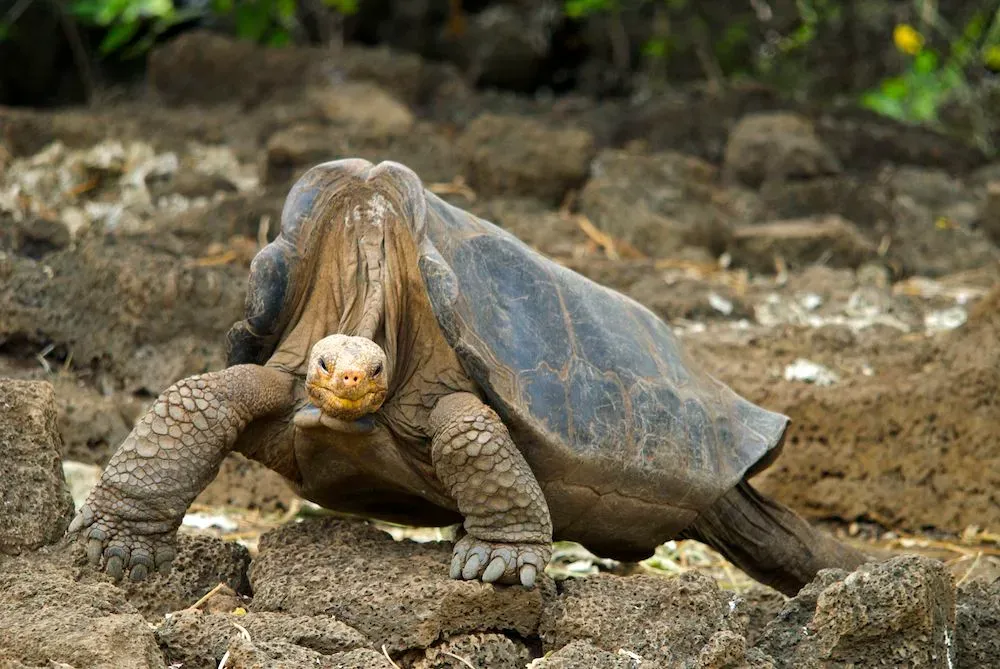
The Pinta Island tortoise was one of several giant tortoise species native to the Galápagos Islands. These tortoises evolved in isolation, with slow lives and slow reproductive rates that worked just fine in a relatively stable environment. When humans began visiting and eventually settling the islands, that stability collapsed.
Sailors took tortoises as live food supplies, storing them on ships because they could survive for long periods without water or food. Later, goats were introduced to Pinta Island, where they multiplied explosively and destroyed much of the native vegetation the tortoises relied on. For decades, one male, famously known to the world as the last of his kind, lived under human care while conservationists searched for a mate. None was found, and when he died in the early twenty-first century, a unique lineage that had survived for hundreds of thousands of years ended quietly with a single heartbeat.
10. Moa (Family Dinornithidae)
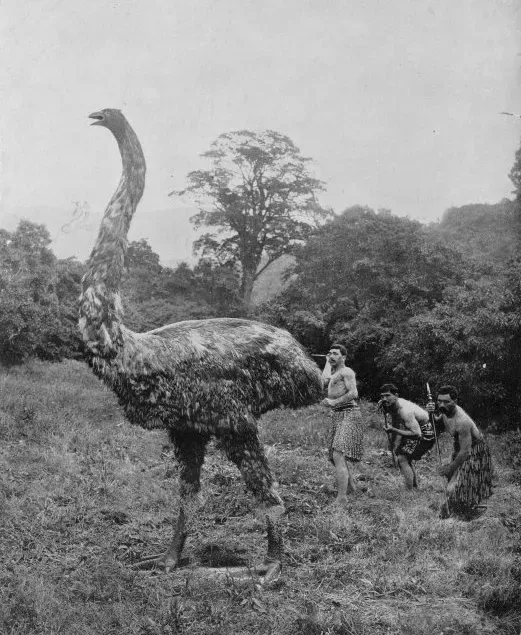
The moas were giant, flightless birds native to New Zealand, with several species ranging from roughly turkey-sized to truly massive animals taller than most humans. Before humans arrived, they had no mammalian predators; their main enemy was a huge eagle that hunted them. That ancient balance fractured once people reached New Zealand with new weapons, new fire regimes, and a very different way of using the land.
Within a few centuries of human settlement, moas were hunted heavily for meat, bones, and feathers, while large areas of forest were burned or cleared. Their slow reproduction and ground-based lifestyle made them painfully vulnerable to this sudden pressure. By historical standards, their extinction was lightning-fast, wiping out an entire family of birds that had been evolving in isolation for millions of years. Every moa bone in a museum is a reminder of how quickly a seemingly timeless natural world can be emptied out when human needs and short-term thinking take over.
Conclusion: What These Lost Species Say About Us
Looking across these ten stories, it is tempting to shrug and say, “That was then, people did not know any better.” I do not buy that. Even in earlier centuries, there were voices warning that endless killing and habitat destruction would have consequences; they were just ignored because profit, fear, and convenience shouted louder. The truth is uncomfortable: most of these extinctions were not accidents, they were choices, repeated over and over until there was nothing left to choose.
We live in a time when we understand ecology, genetics, and climate in far more detail than any previous generation, and yet we are still pushing countless species toward the same cliff. To me, the most honest way to honor the dodo, the thylacine, the passenger pigeon, and all the others is to treat their stories as a verdict, not just a eulogy. They prove what humans are capable of destroying; the open question is whether we are willing to be just as relentless about protecting what remains. When future generations look back at our era, will they see a turning point, or simply a longer list of ghosts?