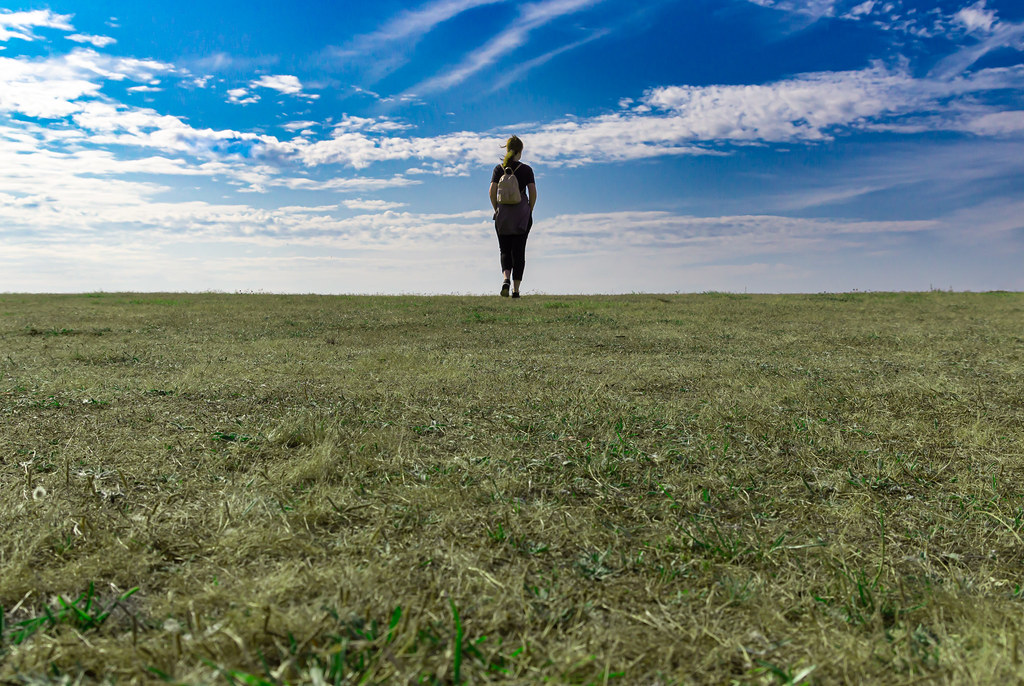

Have you ever stepped out of a car feeling weighed down by life, only to return from a long walk across fields or along a coastline feeling strangely weightless, as if someone quietly took a backpack of invisible bricks off your shoulders? People describe it in all sorts of ways: feeling taller, clearer, softer, or just less “pressed.” It can feel almost magical, but it is not magic at all. Underneath that lightness is a very physical shift in your body’s chemistry that your brain reads as permission to stop bracing for impact.
Psychology and neuroscience are increasingly pointing to a simple but powerful idea: when you spend time moving in open, safe-feeling spaces, your body dials down its threat chemistry. Stress hormones drop, muscles unclench, and the nervous system stops scanning for danger quite so aggressively. Your brain then interprets this drop in internal alarm signals as a green light: it no longer needs you to move through the world with urgency. That experience of ease is not “all in your head” in the dismissive sense – it is literally in your head and your body, in a coordinated way.
From “On Guard” to “You Can Stand Down”: What Threat Chemistry Really Is
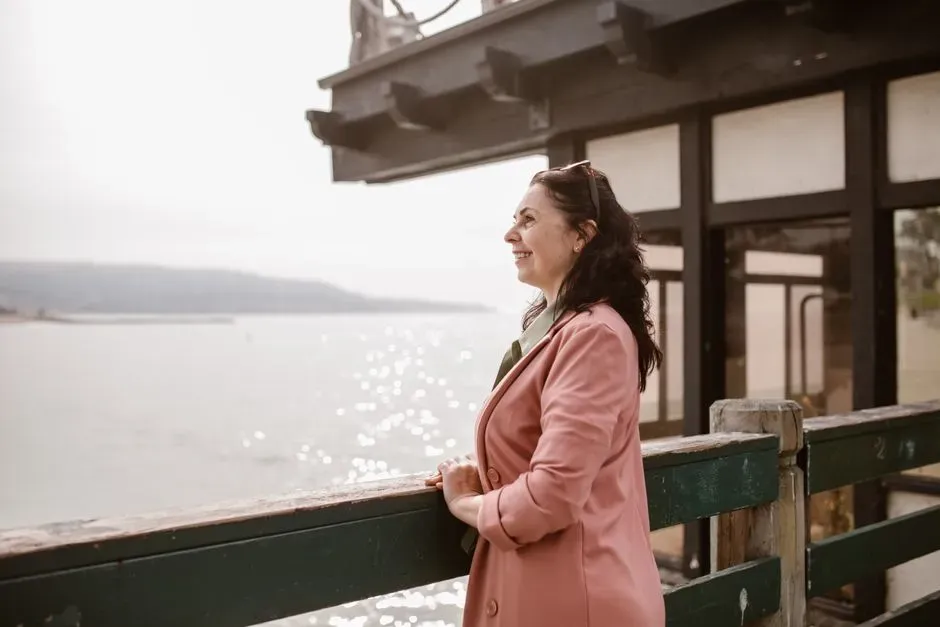
When we talk about “threat chemistry,” we are really talking about the cocktail of hormones and neurotransmitters that prepare your body to deal with danger. Cortisol, adrenaline, noradrenaline, and related systems like the sympathetic nervous system all work together to get you ready to fight, flee, or freeze. Your heart rate rises, breathing becomes shallow, digestion slows, muscles tense, and your attention narrows. It is an incredible survival system when there is a real emergency.
The problem is that modern life keeps that system half-activated far more than it needs to be. Email notifications, traffic, financial stress, social pressure, and constant digital noise all teach your body to stay slightly braced, as if something might go wrong any second. You may not feel fully panicked, but you are also not fully at rest. So when you finally do something that meaningfully lowers that threat chemistry, the contrast is dramatic – and your brain experiences that contrast as physical and emotional relief.
Why Open Landscapes Feel Safer Than Crowded Rooms
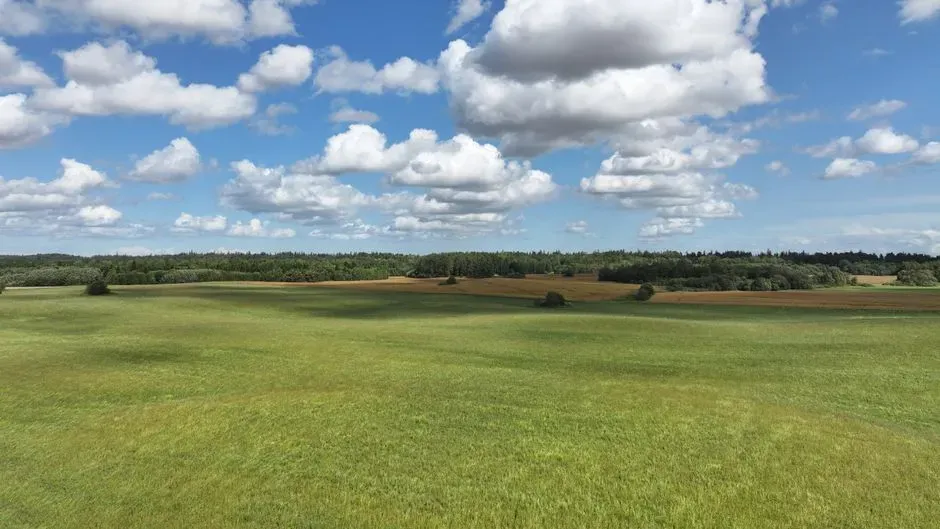
Humans evolved in environments where seeing what was around you mattered. In an open field, on a beach, or on a hilltop, you can scan the horizon and quickly determine if anything is approaching. Your visual system can relax because there are fewer hidden surprises, unlike in crowded, cluttered, or enclosed spaces full of sharp edges, noise, and constant movement. That sense of visual openness quietly signals to your nervous system that immediate threats are less likely.
Psychologically, open landscapes communicate something like: there is room for you here, you are not boxed in, and nothing is closing in on you. That feeling of space is not just metaphorical; it changes how your attention is distributed. Instead of hyper-focusing on potential dangers in a narrow field, your mind can broaden, wander, and soften its grip. This wider, more panoramic attention is closely linked with a calmer body state and a reduced sense of urgency.
The Role of Movement: Why Walking Works Better Than Just Sitting Outside
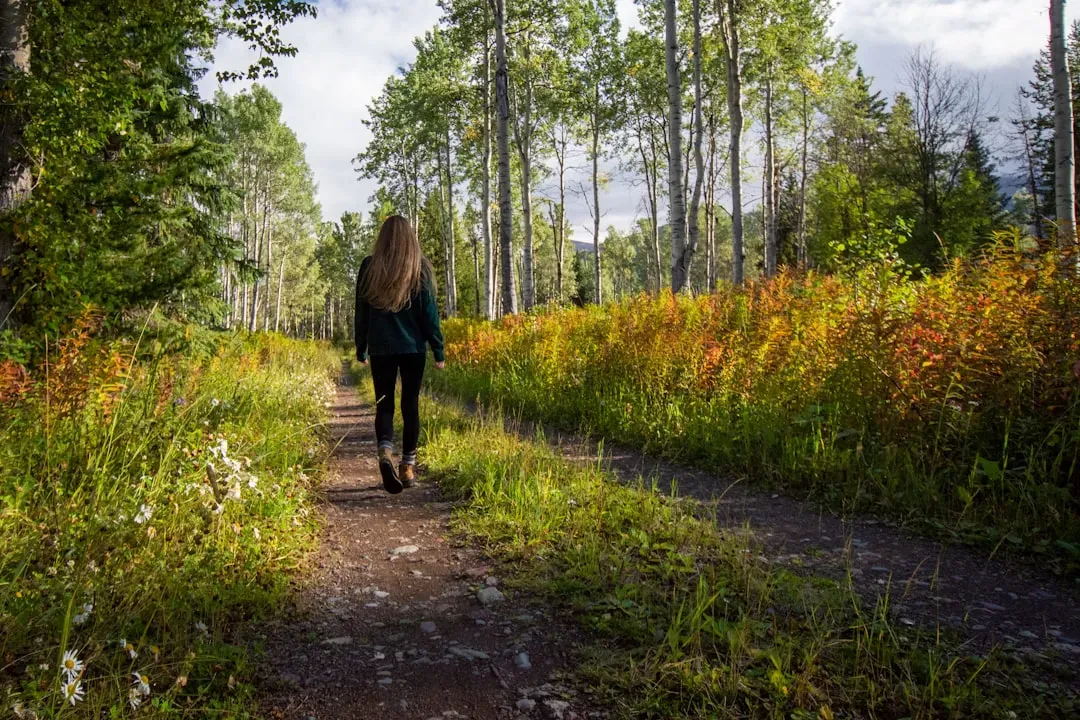
Sitting on a bench in a park can feel good, but walking through a landscape often hits differently. Movement gives your body an outlet for the residual charge that stress leaves behind. Your muscles contract and release rhythmically, your breathing deepens and finds a natural pace, and your cardiovascular system gets to do something besides respond to anxiety spikes. It is like letting an overloaded electrical circuit finally discharge in a controlled way.
On top of that, the repetitive, predictable act of walking is soothing to the brain. Step after step, your nervous system receives the message: things are stable, nothing bad is happening, we are progressing forward. That steady feedback loop gradually convinces your body that it can reduce its threat chemistry. Over the course of a long walk, this can accumulate into a significant shift, which you then feel as lightness, clarity, or simple relief.
How the Brain Reads Chemical Signals as “Urgency” or “Permission”
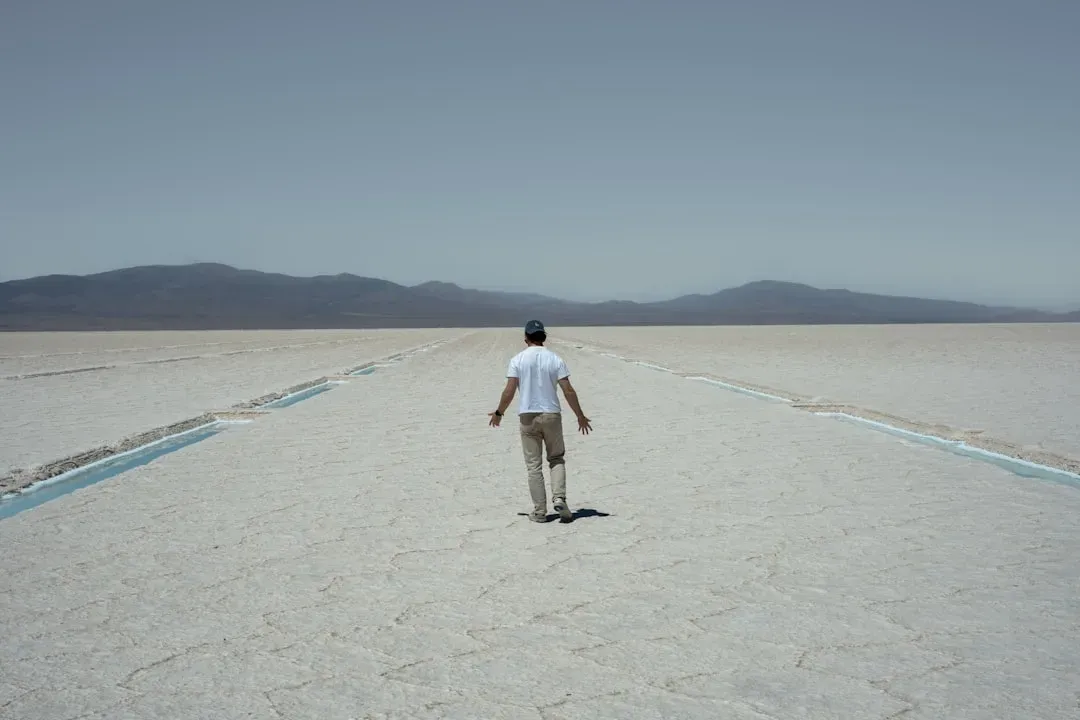
Your brain is constantly listening to your body. It tracks hormone levels, heart rate, muscle tension, breathing patterns, and even gut activity, then uses that information to generate a story about how you are doing. When stress chemistry is high, the message your brain builds is: something is wrong, speed up, fix it, do more. That shows up as impatience, restlessness, irritability, or the sense that you are always behind, even if nothing concrete is chasing you.
When a long walk in a calm, open space lowers those stress signals, the story changes. Suddenly, your brain is getting quieter input: slower heart rate, easier breathing, fewer muscle contractions, more relaxed facial expressions. It interprets that new data as permission: permission to slow down, to think more broadly, to feel without rushing to act. Subjectively, this permission feels like heaviness lifting, like you can finally take your hands off the steering wheel of your life for a moment without crashing.
Why “Feeling Lighter” Is Not Just in Your Imagination
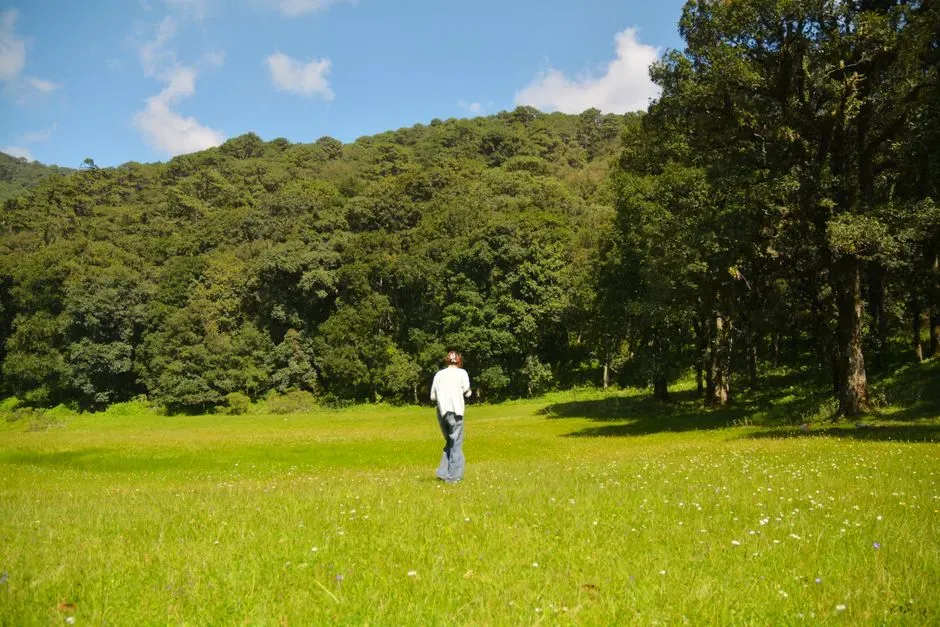
Describing emotional or mental states using physical language is incredibly common. People say they feel weighed down by responsibility, crushed by pressure, or burdened by worry. When the nervous system relaxes, those metaphors often flip: you feel like you are walking on air, like a load has been taken off, or like you can breathe again. It is tempting to dismiss that as poetic language, but there is more to it than that. Physical and psychological load are deeply intertwined.
Stress chemistry literally changes how heavy your body feels to move. When you are tense, every step lands harder, muscles resist motion, and your body conserves energy like a system on high alert. Once those stress levels drop, movement becomes more efficient and fluid, and the same body can feel dramatically different. So when people say they feel physically lighter after walking in open landscapes, they are often giving a surprisingly accurate, everyday description of an internal physiological shift.
The Visual Brain: Big Skies, Wide Horizons, and a Softer Nervous System

What you see is a direct line into how you feel, even when you do not notice it consciously. Narrow corridors, low ceilings, harsh artificial lighting, and rapidly changing images on screens all encourage your brain to stay in a focused, scanning mode. It is the visual equivalent of holding your breath. In contrast, big skies, distant horizons, gentle colors, and repeating natural patterns invite your attention to soften and widen.
This wider, more panoramic mode of vision is often associated with a calmer physiological state. Your eyes are no longer searching for trouble around every corner; they are taking in the scene as a whole. That shift reduces the micro-signals of threat your brain is processing moment by moment. Paired with walking, the visual rhythm of passing trees, fields, or waves becomes almost like a moving meditation, giving your nervous system more and more reasons to stand down from high alert.
Nature as a Subtle Safety Signal, Not a Magical Cure
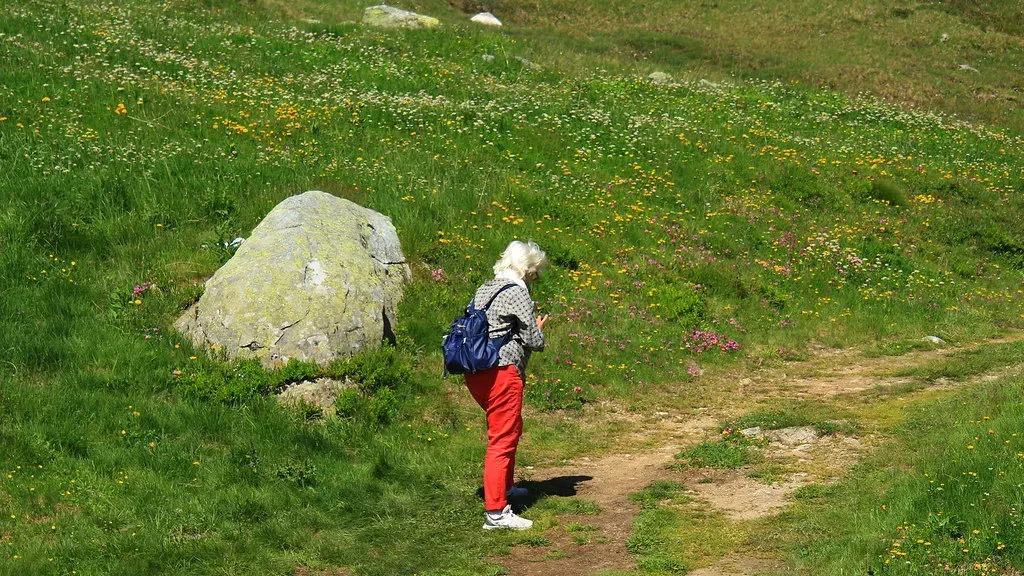
It is easy to romanticize nature as some kind of mystical cure-all, but the truth is both more grounded and, in a way, more impressive. Open landscapes act as a collection of subtle safety signals for your brain and body: fewer loud noises, more predictable patterns, softer light, gentler social demands, and more space. Each of these signals might be small on its own, but together they add up to a convincing argument that you are not currently in danger.
That does not mean everyone will have the same reaction. Some people carry trauma, phobias, or cultural associations that make certain outdoor settings feel unsafe or uncomfortable. Others might feel exposed in wide-open spaces but relaxed in a quiet, enclosed garden. The principle is not that nature is automatically healing, but that your nervous system is constantly asking one question – am I safe enough right now? – and the right kind of landscape can meaningfully tip the answer toward yes.
Chronic Stress, Modern Life, and Why the Contrast Feels So Extreme
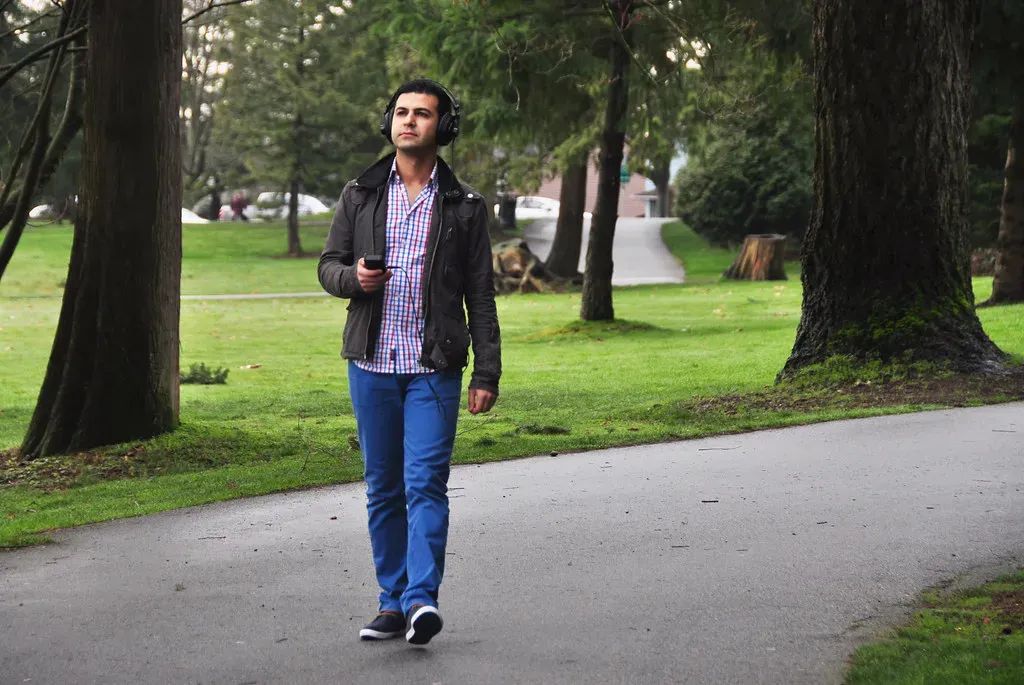
If you lived your whole life in a calm environment, a walk through a meadow might feel nice but unremarkable. In a world where many people feel under pressure from waking up to going to bed, the difference is amplified. Chronic stress leaves your threat chemistry simmering in the background for months or years. Your body forgets what “off-duty” even feels like, so any strong experience of downregulation shows up as striking and memorable.
That is part of why people come back from a hike or a long beach walk saying they feel like a new person. They are not discovering a new self; they are temporarily meeting the version of themselves that is not drenched in urgency. In my own life, the moments I have felt most like myself often came an hour into a walk, somewhere quiet and wide open, when I realized I was no longer mentally rehearsing my to-do list. That gap between everyday tension and actual calm is what makes the lightness so noticeable.
How to Turn Walk-Induced Lightness into a Regular Ritual
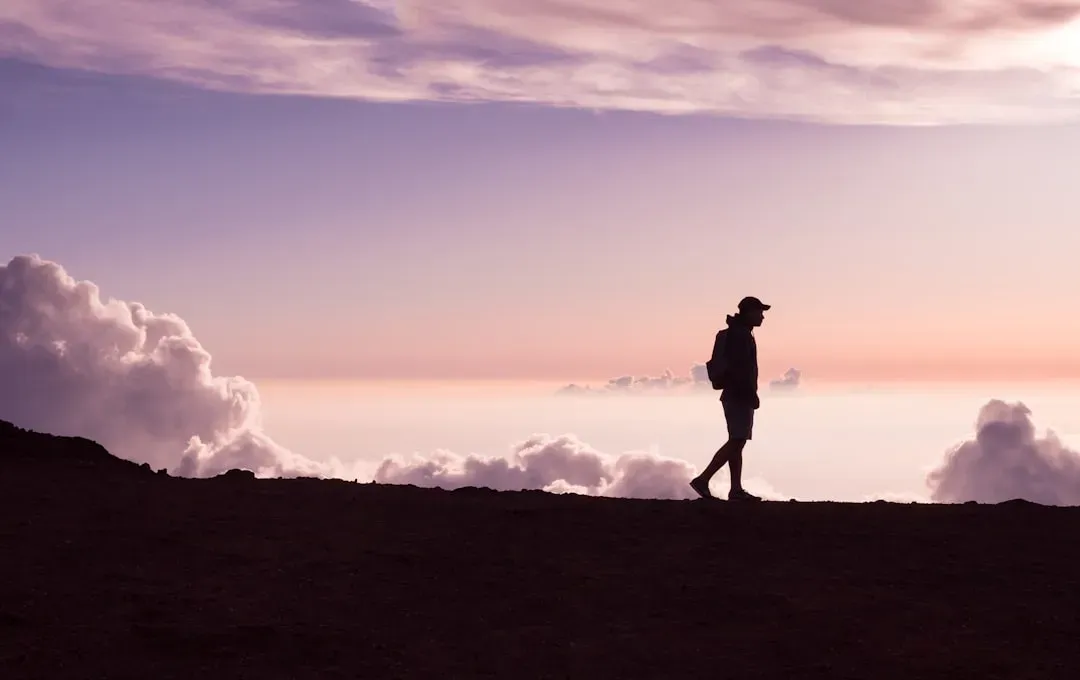
Knowing why long walks in open landscapes help is valuable, but it is even more powerful when you turn that knowledge into a habit. You do not need epic mountain ranges or dramatic coastlines to benefit. A nearby park with a long loop, a riverside path, a spacious suburban street with big trees, or even a large cemetery or campus can provide enough openness and continuity for your nervous system to respond. The key is unhurried walking, a sense of visual space, and enough time for the chemistry to actually shift.
One practical approach is to treat these walks not as luxury extras but as maintenance for your nervous system, the same way you might brush your teeth or charge your phone. Aim for a stretch that is long enough for your mind to stop spinning – often at least twenty to thirty minutes – and leave your phone on silent or in your pocket. You are not out there to achieve anything; you are out there to quietly teach your body that it is allowed to exist without urgency, at least for a while.
Conclusion: Lightness as a Quiet Rebellion Against Constant Urgency
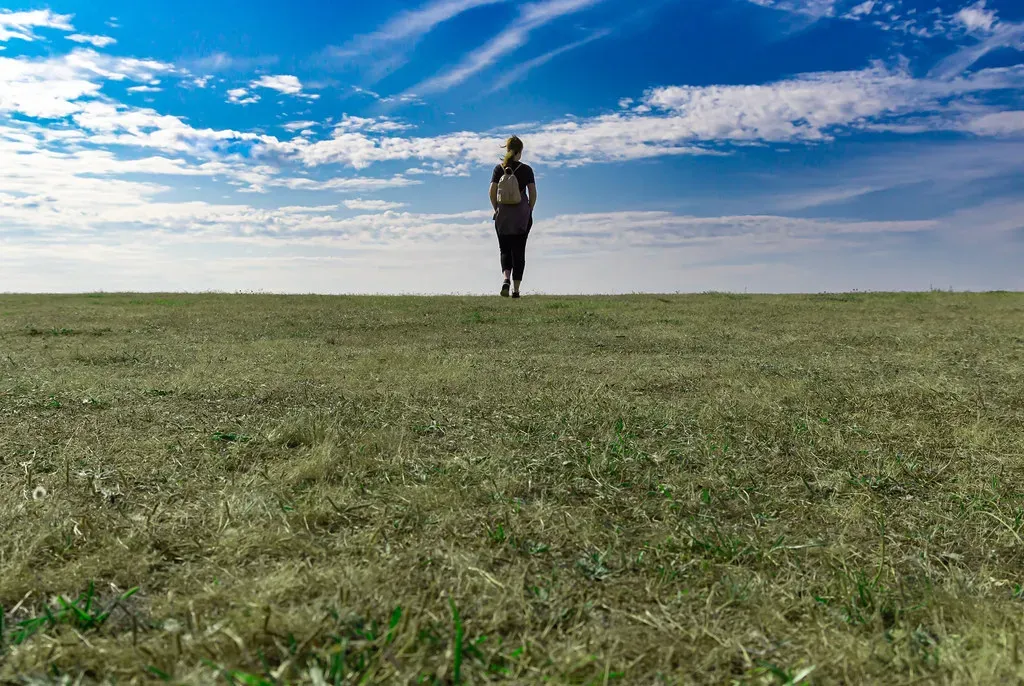
The feeling of being physically lighter after a long walk in open landscapes is not a sentimental illusion; it is your body telling you that the internal sirens have finally dimmed. Threat chemistry has eased, muscles have unclenched, and your brain has updated its assessment from “hurry, something might be wrong” to “for this moment, you are safe enough.” In a culture that treats constant urgency as normal and even admirable, that shift is quietly radical. It is you, for a brief time, stepping outside of the story that you must always be rushing to justify your existence.
My own bias is clear: I think we radically underestimate how starved we are for experiences that tell our nervous systems they can stand down. Therapy, medication, and self-help have their important place, but there is something disarmingly honest about simply walking under a big sky until your body remembers its own baseline. Maybe the most subversive thing you can do in a rushed world is to regularly give yourself that permission to exist without urgency – and to trust that this lightness is not escapism, but a glimpse of how you were meant to feel more often. When was the last time you let yourself walk long enough to actually notice that shift?