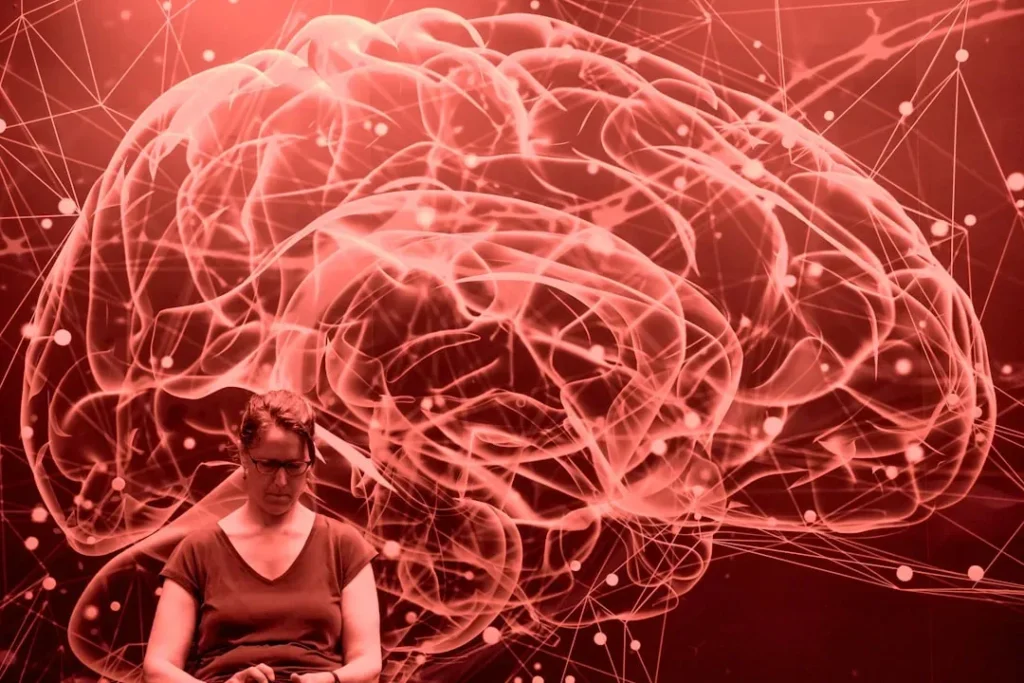

Imagine someone snatches your phone for a day. You still have your brain, your memories, your personality – but suddenly you cannot remember half your appointments, cannot navigate your city, and struggle to recall key facts you normally “know” in seconds. It does not just feel like losing a tool. It feels a little like losing a piece of yourself.
The extended mind hypothesis takes that feeling seriously. It argues that your mind is not locked inside your skull. Instead, your thoughts leak out into your notebook, your calendar app, your browser tabs, your whiteboard, even the arrangement of objects on your desk. In a very real sense, those things are not just aids to thinking – they are part of the thinking.
What the Extended Mind Hypothesis Actually Says

The extended mind hypothesis is a theory in philosophy of mind and cognitive science that claims some parts of our environment can literally count as parts of our mind when they play the right kind of role. Instead of drawing a hard line at the skin, it asks a more provocative question: what is doing the cognitive work? If a notebook or a phone is integrated into your problem-solving the way memory or perception is, the theory says it should qualify as part of your cognitive system.
This does not mean every object you touch becomes part of you. The claim is narrower and more careful. The extended mind view focuses on tools and external structures that are reliably available, automatically used, and tightly coupled to your inner processes. When those conditions are met, the border between “me” and “my tools” becomes surprisingly blurry – and that blur has huge consequences for how we understand attention, memory, and even personal identity.
From Brain in a Vat to Brain in a World
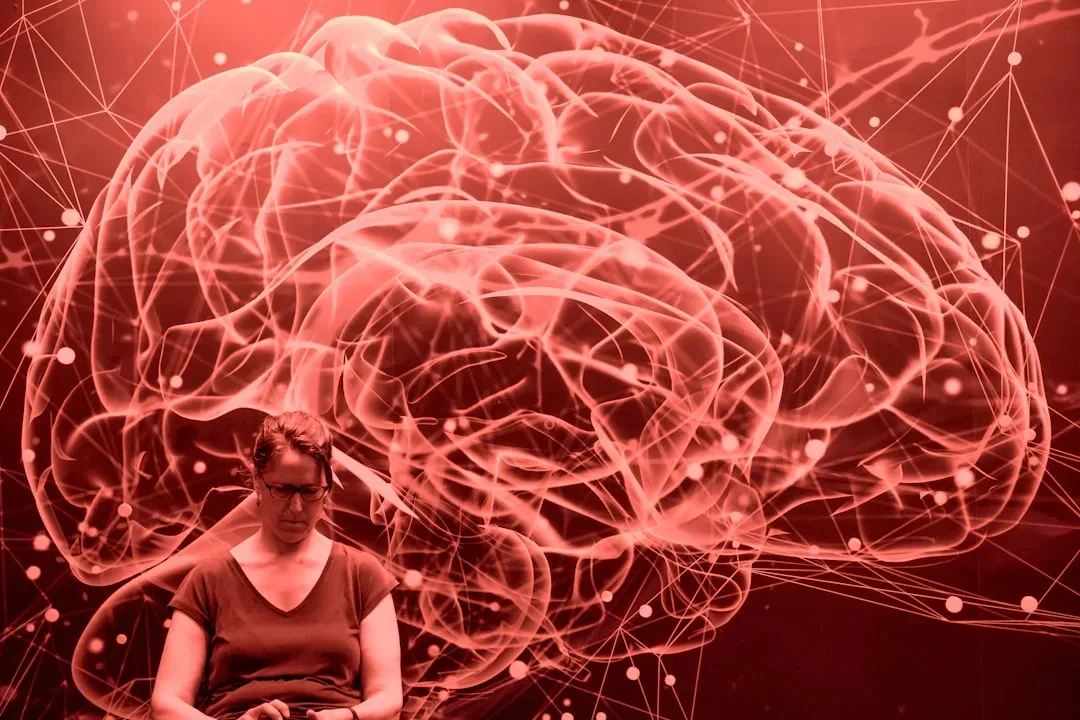
For a long time, modern science treated the mind almost like software running on the brain alone, sealed off from the world. Classic thought experiments imagined a brain in a vat, floating in a tank but still supposedly capable of having a mind if it was fed the right signals. The extended mind hypothesis flips that story and suggests that a brain without its usual tools, habits, and surroundings might not be the same mind at all.
In real life, we never find brains in isolation. We find people with smartphones, sticky notes on fridges, shared Google Docs, cluttered offices, and routines that use the environment as a support structure. Cognitive scientists sometimes talk about “distributed cognition” to capture this: thinking is spread out across brain, body, and world. The extended mind view is one sharp and controversial way of saying that the “world” part is not just background scenery – it is part of the machinery.
Your Phone as a Second Brain
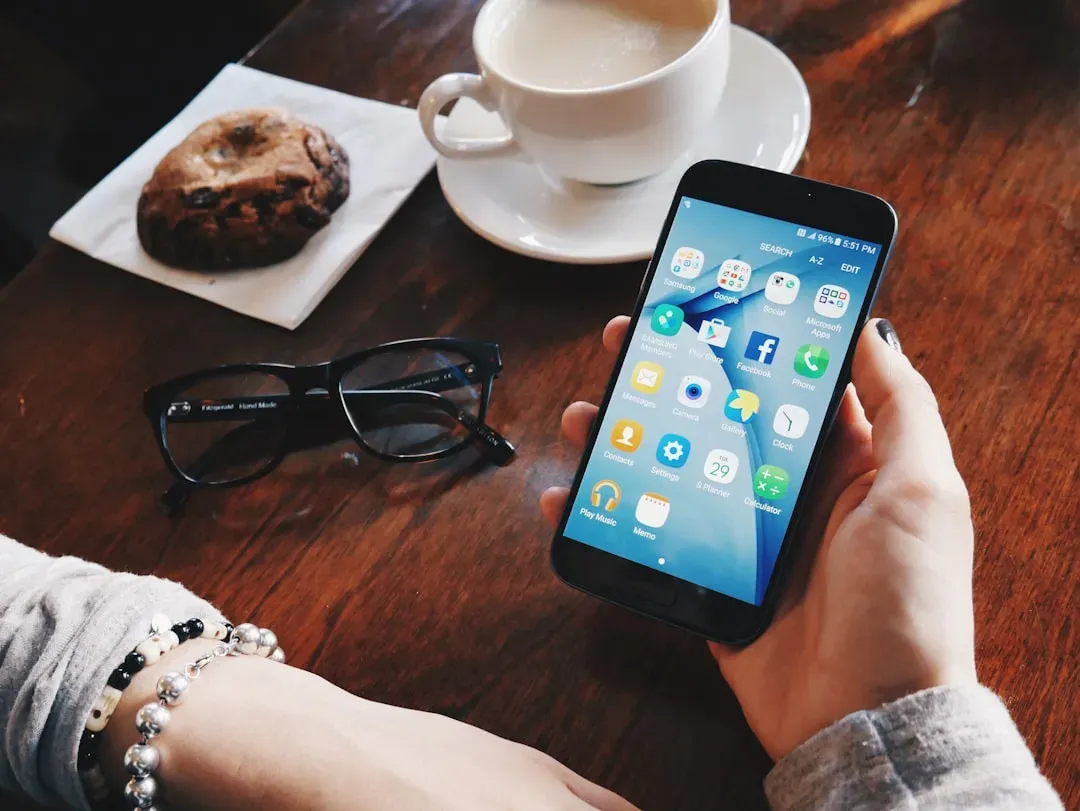
Think about what your phone already knows for you. It remembers your contacts, your schedule, your passwords (hopefully in a secure way), your routes, your grocery list, your bookmarked ideas, your photos as visual memory. If you suddenly had to internalize all of that in raw biological memory, your daily life would become far more exhausting. In practice, you do not even try. You lean on the device so completely that certain tasks feel impossible without it.
From the extended mind perspective, this is not just convenience. When you automatically reach for your phone to recall an address or check a task list, you are engaging in a single cognitive loop that spans your neurons and your screen. Over time, your brain learns to offload certain operations, just like a company outsourcing a department. The mental habit is so ingrained that when your battery dies, it does not feel like losing a tool – it feels a bit like having a gap in your memory.
Notes, Lists, and Diagrams as External Memory

Long before smartphones, people used diaries, maps, and lists to extend their minds. Writing is one of the most powerful cognitive technologies humans ever invented. A notebook captures details your working memory would drop in seconds. A to-do list lets you stop rehearsing your obligations in your head, freeing up mental space for more creative or complex tasks. In daily life, the boundary between “what I remember” and “what I wrote down” is constantly negotiated.
Diagrams, mind maps, and scratch work do even more. When you sketch a network of ideas on paper, you are creating a physical scaffold that lets your brain spot patterns it would struggle to juggle internally. The page becomes part of the thinking process, not just a record of finished thoughts. Many people notice that their ideas change once they start writing them out – that is the extended mind in action, with ink and paper acting like extra cognitive hardware bolted on to your biological brain.
The Hidden Intelligence of Your Environment
It is not only high-tech gadgets or formal notes that extend your mind; the plain layout of your space matters too. A messy desk might look chaotic but often encodes a personal logic – you know that a certain stack of papers on the left is “ongoing” while the pile on the right is “archive.” Moving something into a different spot can be a subtle decision to shift its priority in your thoughts. The room quietly mirrors your internal state and, in turn, shapes it.
Designers and psychologists talk about “cognitive offloading,” where we put reminders and structure into the environment instead of carrying everything in our heads. Setting a glass of water on your nightstand so you will remember to hydrate in the morning is a tiny example. Color-coding files, placing gym clothes by the door, using open browser tabs as a to-think-about list – these are all ways of turning space itself into a thinking partner that nudges you in certain directions without conscious effort.
Is This Really Part of Your Mind or Just a Tool?

Critics of the extended mind hypothesis worry that it stretches the idea of “mind” too far. After all, if any tool you use counts as part of your cognition, where does it stop? Is a calculator your mind? Is a library? Is the entire internet? The challenge is to draw a principled line so the idea does not become so broad that it loses meaning. Serious defenders of the theory accept this and try to specify strict conditions for when extension really happens.
One way to think about it is to ask how automatically and reliably something is integrated into your behavior. A search engine you use once a year is probably just a tool. But the password manager you consult every single day, without effort, might function more like a memory module. The theory is controversial in academic circles, and not everyone agrees it is literally correct. Even so, it shines a useful light on something we all experience: certain external structures feel stitched into our mental life much more deeply than others.
How Technology Is Rewiring the Boundaries of Self

In my own life, I have felt this most clearly when I switch devices. Moving from one phone ecosystem to another always feels like a minor identity crisis: different apps, different gestures, different default reminders. It is not just “new tech”; the way I think and remember subtly changes. That personal shock lines up with what researchers worry about and celebrate at the same time: technology is constantly redrawing where the mind ends and the world begins.
As artificial intelligence, wearables, and augmented reality become more common, the coupling between our brains and our devices is getting tighter. Smartwatches buzz on our wrists, digital voice assistants answer before we finish a thought, and AI systems can summarize documents faster than we can skim them. Whether or not you buy the extended mind label, it is hard to deny that these systems are beginning to function like extra layers of perception and memory. The philosophical question sneaks in: when you rely on them seamlessly, are they still just tools, or have they become part of who you are?
Practical Ways to Design Your Extended Mind
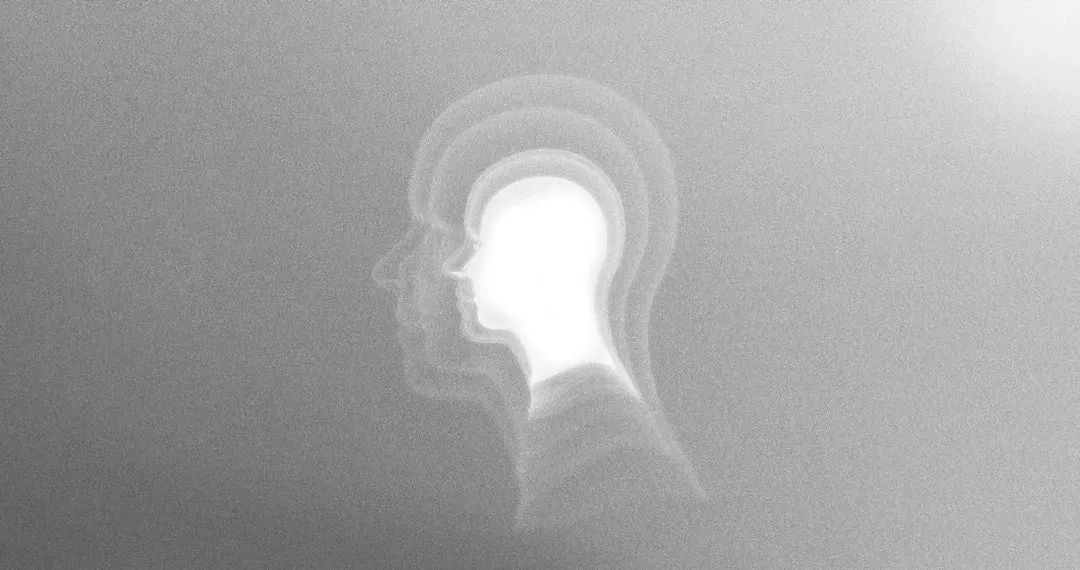
Regardless of where you land in the debate, you can treat the extended mind idea as a design challenge: if your mind already spills into your environment, why not shape that environment deliberately? You can build a note-taking system that actually reflects how you think, not just how an app designer imagines productivity. You can structure your phone’s home screen so the first things you see pull you toward long-term goals instead of cheap distractions.
Simple habits make a real difference. Use checklists for recurring tasks so your brain is free for exceptions and creativity. Keep a capture system – a small notebook, an app, even voice memos – so no idea relies only on memory to survive. Arrange your workspace so that what you want to do more of is visible and easy and what you want to avoid is hidden and inconvenient. If you accept that your attention, memory, and decisions are co-produced by brain plus world, then tweaking the world becomes a powerful way to upgrade how you think.
Why the Extended Mind Changes How We See Responsibility and Identity
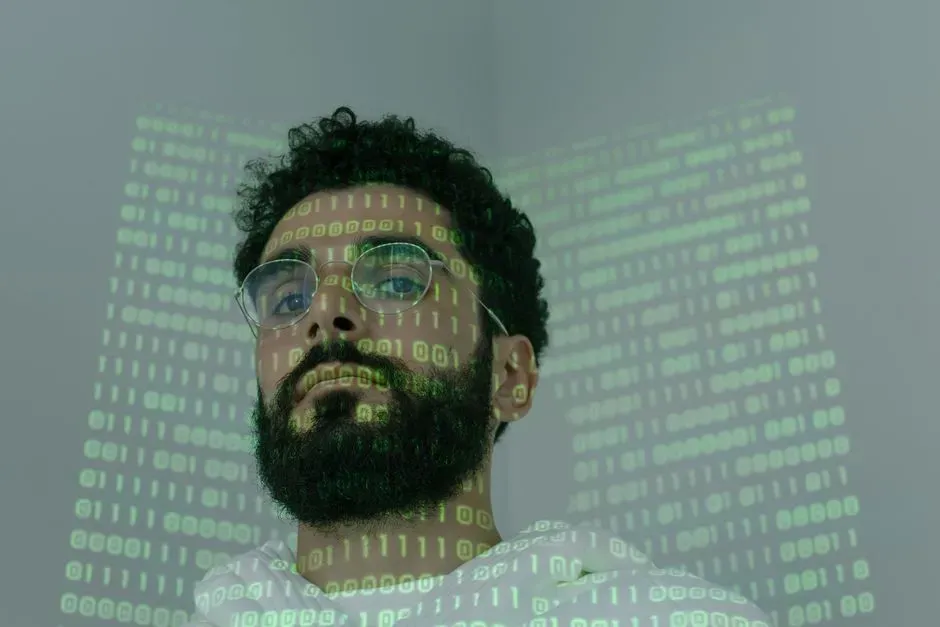
Seeing your mind as extended has unsettling implications. If your notes, apps, and feeds are part of the machinery of your thinking, then whoever designs or controls those things has real influence over your mental life. It is not just a matter of “screen time” anymore but of whose values and priorities are baked into the external parts of your cognitive system. That makes questions about privacy, design ethics, and platform power feel a lot more intimate.
It also nudges us to rethink personal identity. If you delete all your notes, wipe your photos, and shut down your accounts, are you still fully you? In one sense, of course you are. In another sense, major pieces of how you remember and plan have just vanished. I find it helpful to see the self not as a sealed box but as a pattern that weaves together brain, body, habits, and tools over time. Under that view, curating your digital and physical environment is not a shallow aesthetic choice – it is part of how you build and protect who you are.
Conclusion: Your Mind Is Not Where You Think It Is

The extended mind hypothesis is bold, and I think it is mostly right in spirit even if the details are still debated. Treating phones, notes, and environments as parts of our thinking system is not about being poetic; it is about honestly describing how modern cognition actually works. When we pretend the mind stops at the skull, we overlook the very real ways our tools shape our memory, our attention, our decisions, and our sense of self. In a world thick with smart devices and digital trails, that blind spot is no longer harmless.
My own view is unapologetically opinionated: if you do not actively design your extended mind, someone else will design it for you, usually in service of their goals, not yours. Accepting that your cognition spills out into your phone, your notes, and your surroundings is not disempowering; it is a chance to reclaim control. You are not just a brain using tools – you are a living system co-creating itself with everything it touches. The only real question is whether you will shape that system on purpose or let it happen by accident.