
Most people assume every priceless ancient object eventually ends up under glass in some grand museum hall, labeled and lit and roped off from the crowds. That assumption is wrong. Right now, sealed in vaults, buried under two thousand years of volcanic ash, hidden in Cold War secrecy, or simply too legally radioactive to touch, sit some of history’s most valuable relics – and no institution has ever dared to publicly display them.
Some are locked away by law. Some by fear of what opening them might destroy. Some because nobody can even agree who actually owns them. Here’s what archaeologists, conservators, and legal historians actually say about the ancient treasures the public has never been allowed to see – and the closer you look, the stranger the reasons get.
#12 – Baghdad’s Missing Mesopotamian Treasures
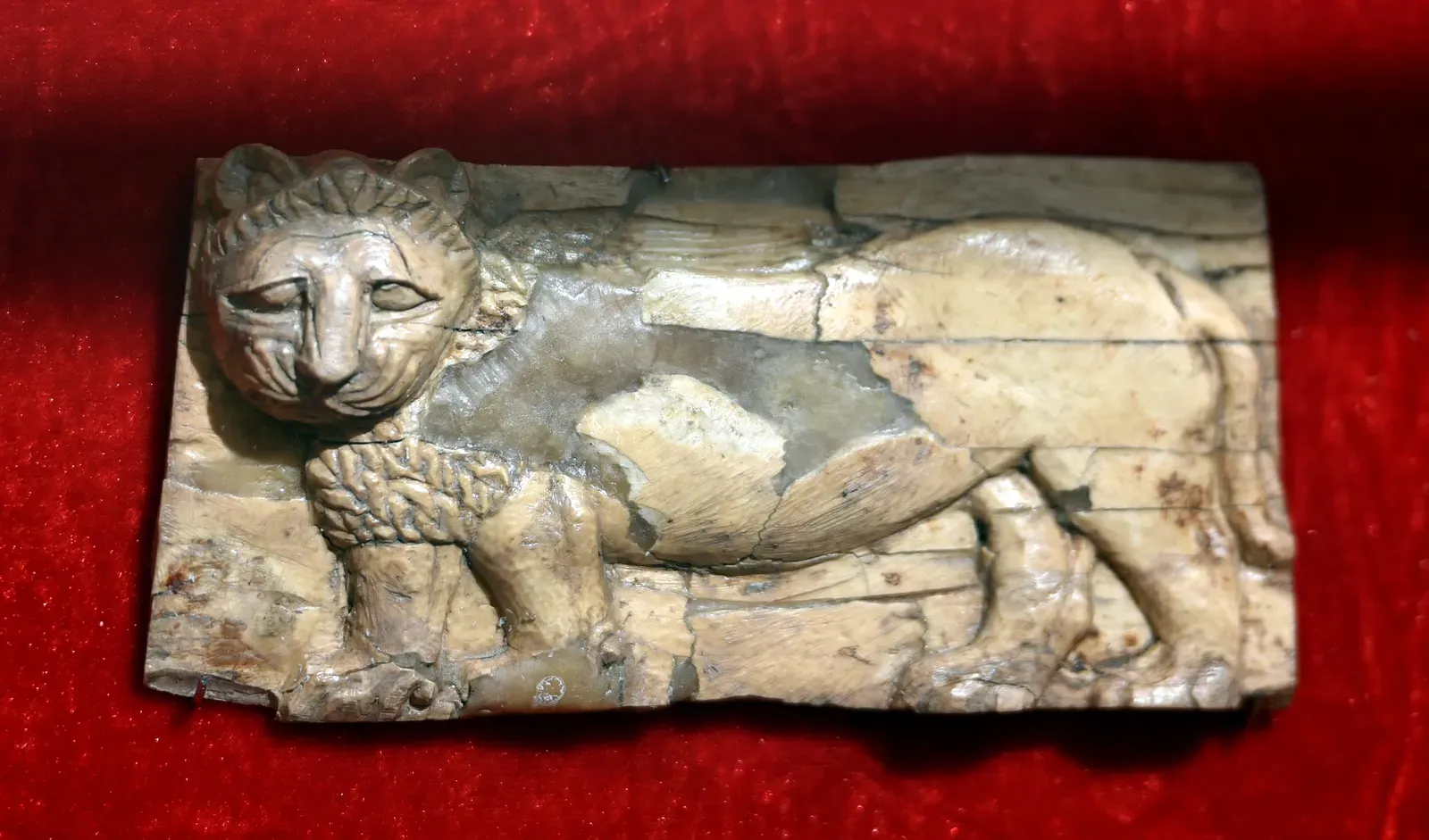
When American forces closed in on Baghdad in April 2003, staff at the National Museum of Iraq scrambled to hide whatever they could before fleeing the building. Two days later, on April 10, looters broke through the doors, and for the next 36 hours the museum was stripped bare while the rest of the world watched the invasion unfold on television instead.
Staff had already smuggled thousands of items into hiding, but it wasn’t enough. Roughly 7,000 pieces have since been recovered through raids, amnesty programs, and international police work, yet more than 8,000 objects – some older than the pyramids – remain missing to this day. Most researchers believe many are quietly sitting in private collections right now, admired by no one but the people who bought them off the black market.
Fast Facts
- The museum was stripped bare over roughly 36 hours starting April 10, 2003.
- An estimated 15,000 objects vanished in total.
- About 7,000 pieces have been recovered through raids and amnesty programs.
- More than 8,000 objects – some older than the pyramids – are still missing.
#11 – Hitler’s Missing Art Loot
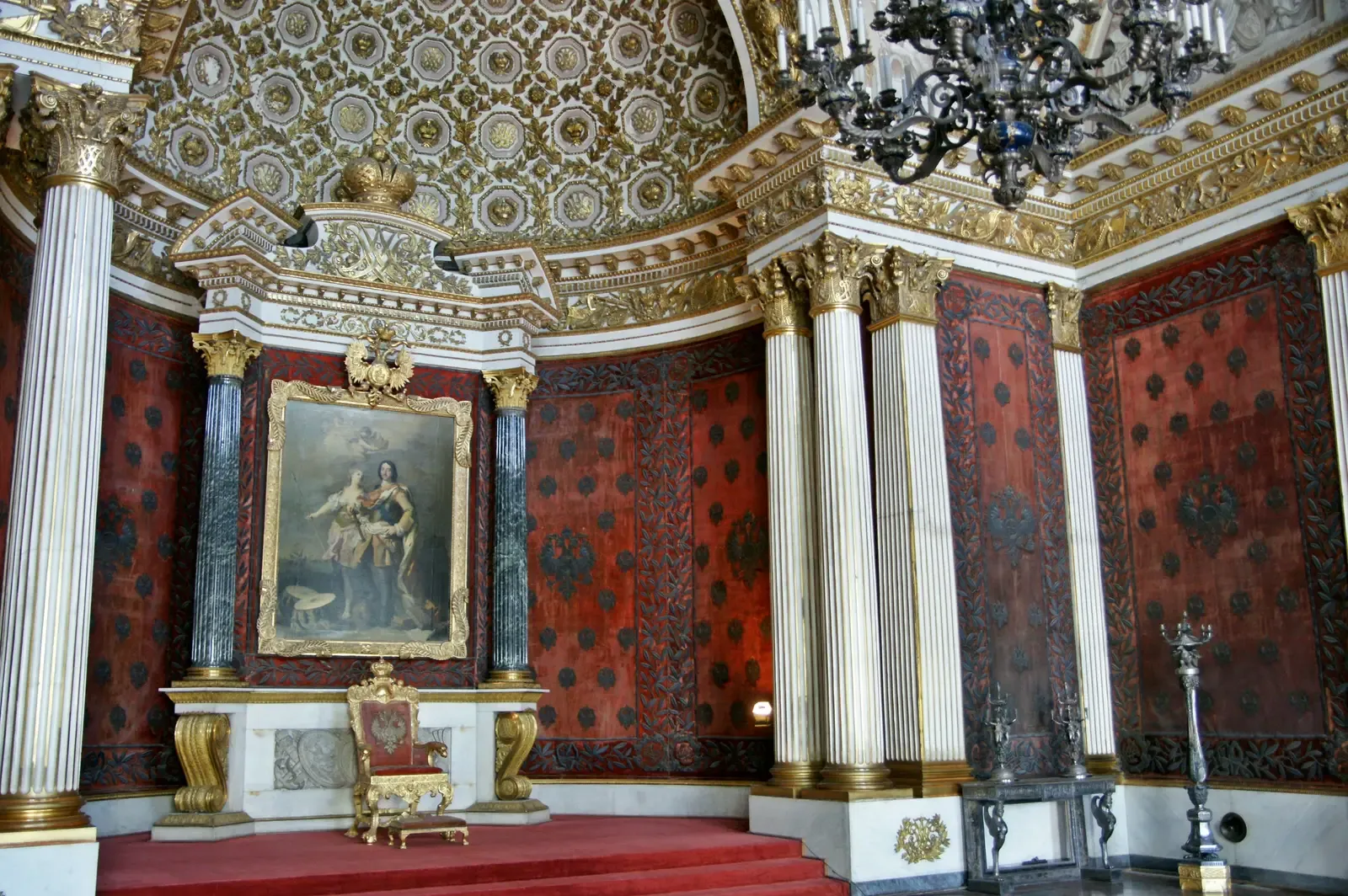
As World War II collapsed into its final chaotic months, an enormous stash of art looted from German museums was secretly shipped east to the Hermitage in Leningrad. Soviet officials didn’t just keep it hidden from the world – they reportedly kept much of it secret from their own museum leadership for decades, burying the collection so deep in bureaucracy that insiders themselves claimed not to know it existed.
The Hermitage didn’t unveil these so-called “Hidden Treasures” until 1994, nearly fifty years after the guns fell silent. Even today, ownership disputes tangle up dozens of works pulled from private Jewish collections, church treasuries, and small German museums, meaning plenty of it is still scattered across black markets and private vaults rather than gallery walls. Governments still file new claims every single year.
#10 – The Amber Room’s Lost Original
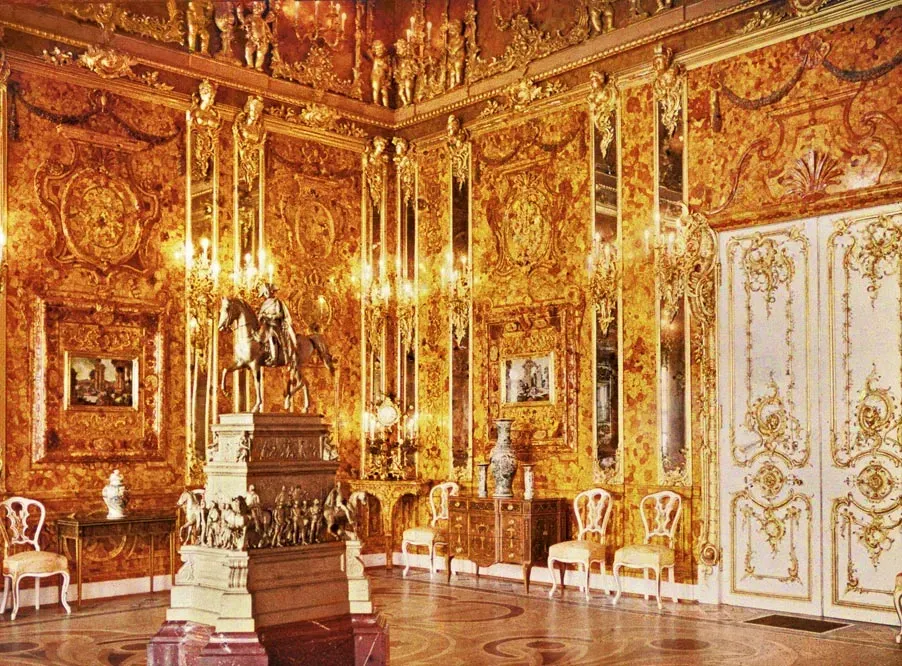
Built for Prussian royalty and later gifted to Russia, the Amber Room was one of the most extravagant interiors ever constructed – an entire chamber paneled in gold-backed amber and gilded mirrors. German forces dismantled it panel by panel during their occupation of Leningrad and shipped it west. It was last documented sitting in Königsberg Castle before Allied bombing and the collapsing war effort swallowed its trail entirely.
No museum on Earth has ever displayed the original panels, because nobody has ever definitively found them. Russian craftsmen eventually built a stunning full-scale reconstruction using old photographs, unveiled decades later – gorgeous, but not the real thing. Treasure hunters, historians, and amateur explorers still crawl through old mine shafts and bunkers today, chasing a room that vanished along with an army.
#9 – The Crystal Skulls Museums Refuse to Call Ancient
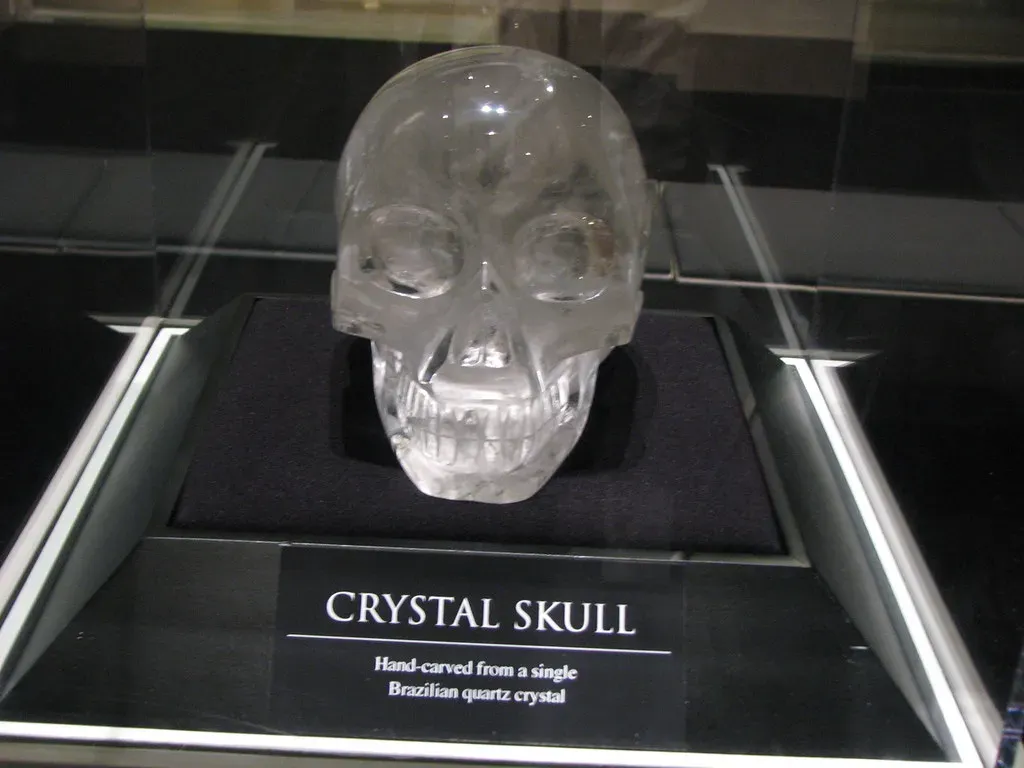
For over a hundred years, crystal skulls carried a seductive myth: ancient Aztec or Maya artifacts, carved by hand with impossible precision, several of them ending up in the collections of the British Museum and the Smithsonian. Their eerie, glassy perfection fueled decades of speculation about lost civilizations and forgotten technology.
Then modern electron microscopy quietly ruined the fantasy. The tool marks matched 19th-century rotary equipment, not ancient hand-carving – meaning someone likely produced these “ancient” relics with Victorian-era machinery. No serious museum will display a crystal skull as authentic pre-Columbian work anymore; they’re kept instead as cautionary tales about how easily the antiquities trade can fool even the experts.
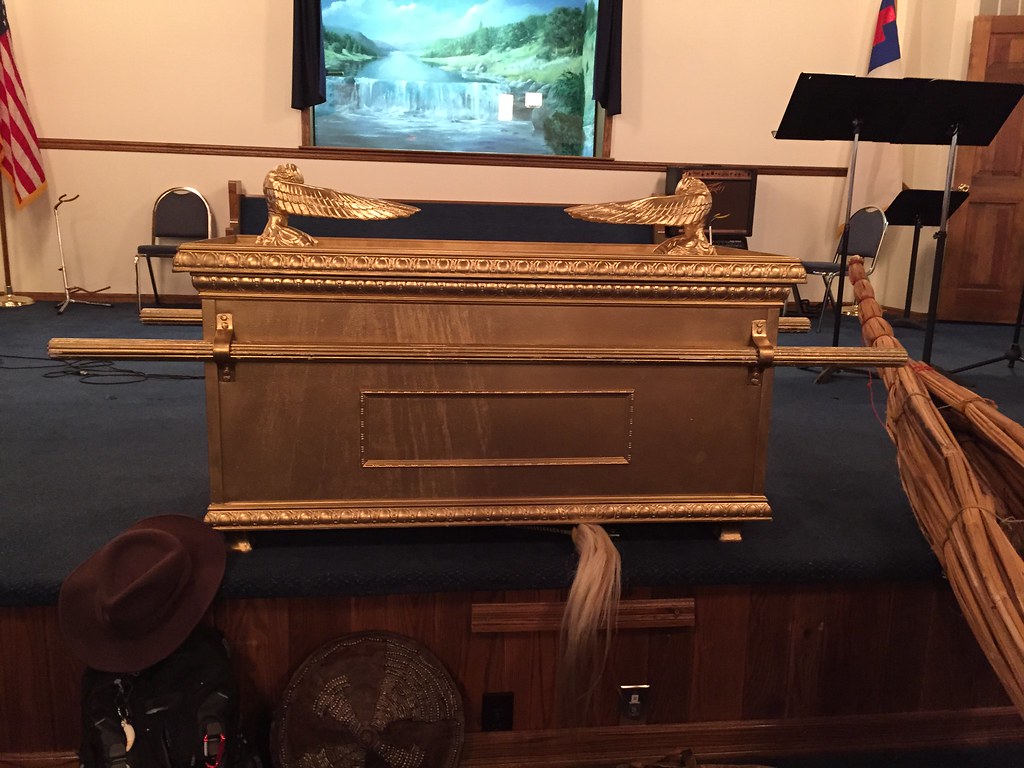
#8 – The Ark of the Covenant No Museum Has Ever Held
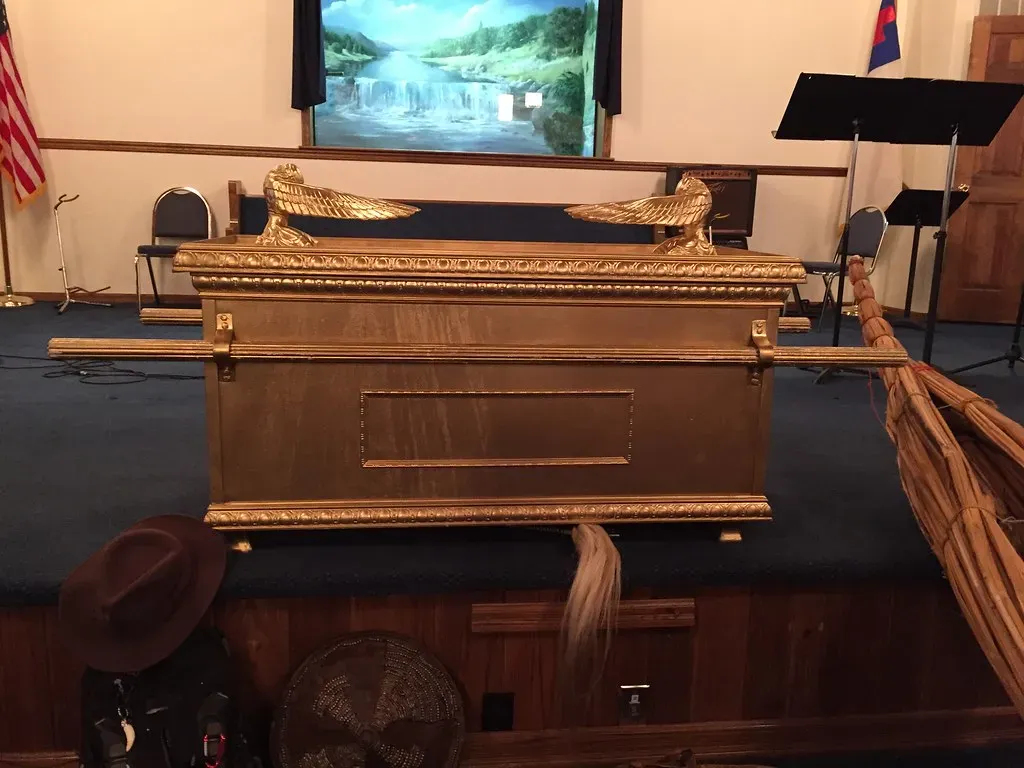
Described in the Hebrew Bible as a gold-covered wooden chest carried by the Israelites, the Ark supposedly vanished from the historical record sometime after the First Temple period. Theories about its location range from Ethiopia’s Church of Our Lady Mary of Zion to a hidden chamber somewhere beneath Jerusalem’s Temple Mount.
Not a single verified physical trace has ever been produced, despite centuries of expeditions, biblical scholarship, and outright treasure hunts. Ethiopian tradition holds that guardians have protected the actual Ark for generations and refuse to let anyone, including scholars, lay eyes on it. Whether myth or misplaced history, it remains the ultimate museum piece that has simply never existed in any collection anyone can verify.
#7 – The Dead Sea Scroll Fragments Still Locked Away
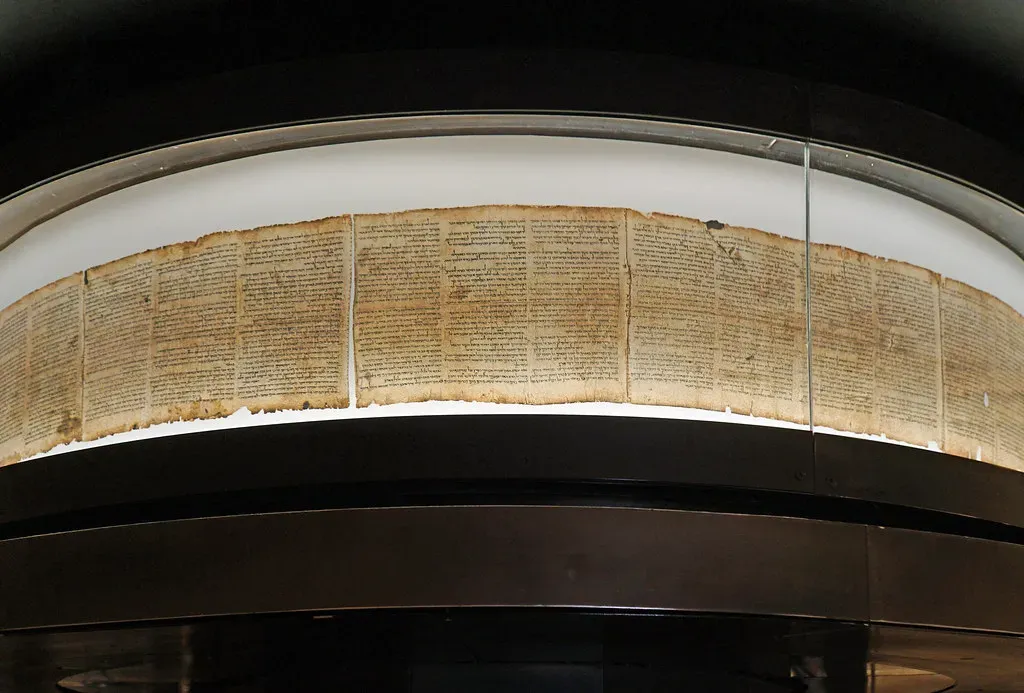
The original Dead Sea Scrolls, discovered in Qumran caves starting in 1947, transformed biblical scholarship overnight. But thousands of smaller fragments were split among institutions, private dealers, and collectors over the decades, and many never received public exhibition at all. Some fragments purchased for prestigious American collections were later exposed as modern forgeries after physical testing finally caught up with them.
One major museum quietly removed its entire “Dead Sea Scroll fragment” collection from display after independent analysis found none were authentic. Meanwhile, genuine fragments still sit in restricted archives in Jordan and Israel, considered too fragile or too legally contested for public exhibition. Scholars argue that scattering this material across private hands has made reconstructing the full ancient text nearly impossible.
#6 – The Benin Bronzes Trapped in Storage
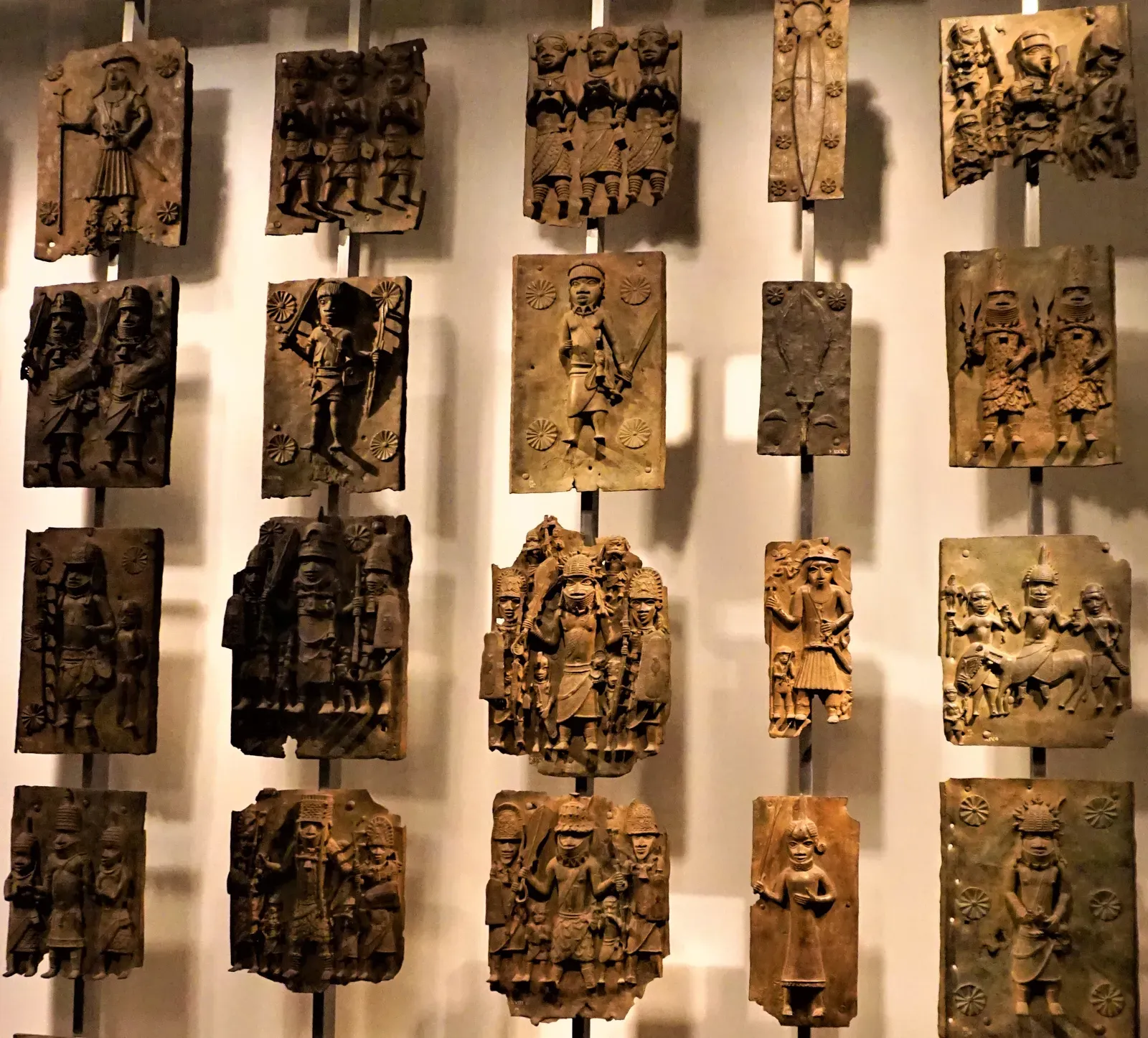
British colonial forces seized thousands of bronze plaques, ivory carvings, and royal artifacts from the Kingdom of Benin during a punitive expedition in 1897, scattering them across European and American institutions. Many were sold off individually to private collectors and university archives, where they simply disappeared from public view for generations.
Some institutions have publicly admitted they don’t even know the exact number of Benin Bronzes sitting uncatalogued in their storage rooms. Restitution agreements with Nigeria have accelerated in recent years, but legal wrangling over rightful ownership means many pieces remain in limbo – neither displayed by their current holders nor yet returned home. Some of Africa’s finest surviving royal art has spent longer in crates than it ever spent on a throne room wall.
Worth Knowing
- Thousands of bronzes, ivories, and royal artifacts were seized during the 1897 expedition.
- Many pieces were sold to private collectors and universities, vanishing from view for generations.
- Some museums admit they still don’t know how many Bronzes sit uncatalogued in storage.
- Restitution talks with Nigeria have sped up, but legal disputes keep many pieces in limbo.
#5 – The Sevso Silver That Sat in a Vault for Decades
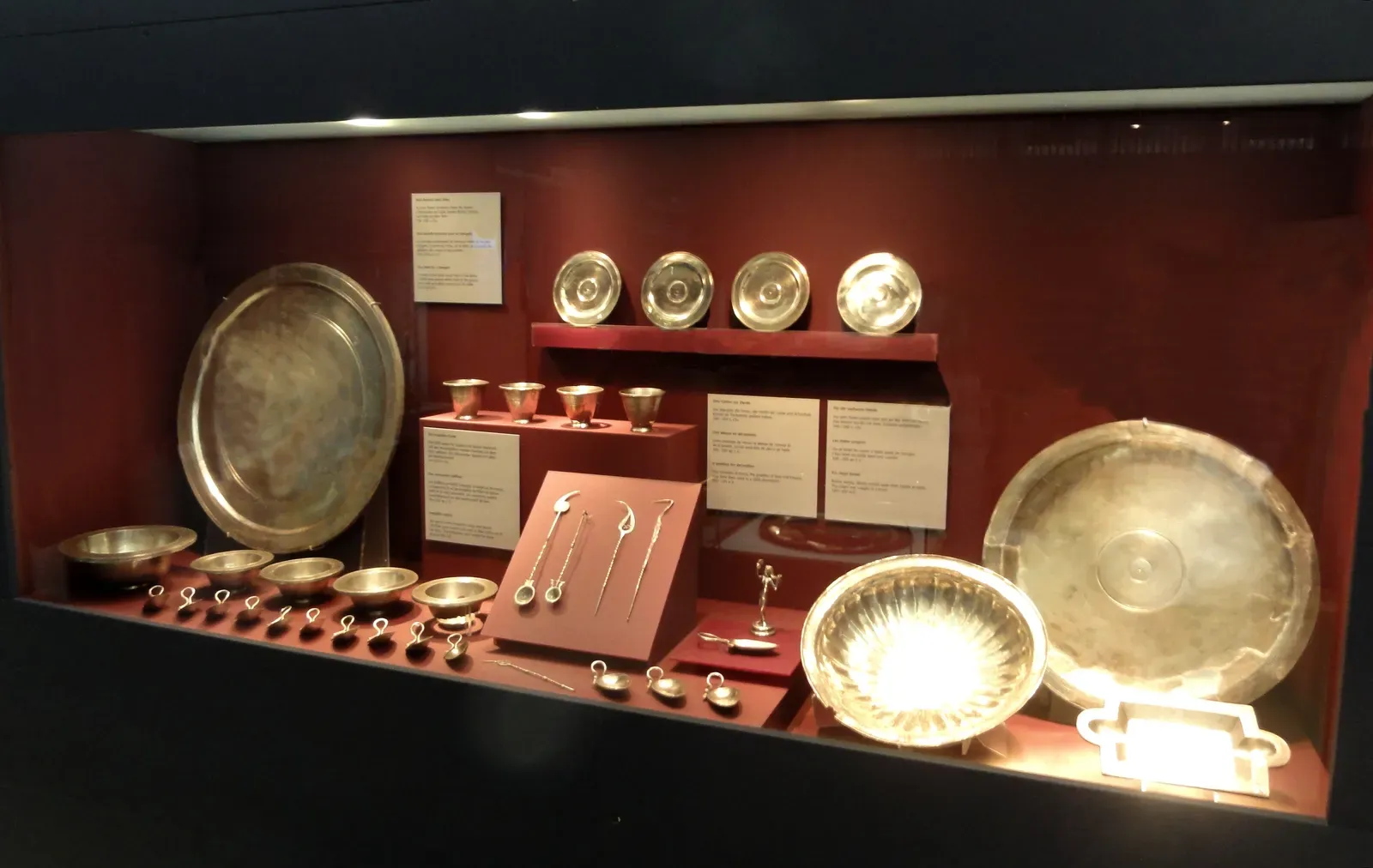
The Sevso Treasure, a hoard of the finest late Roman silverware ever discovered, resurfaced for auction in 1990 – and immediately triggered competing ownership claims from Lebanon, Hungary, Croatia, and the former Yugoslavia. With no resolution in sight, all fifteen pieces were locked in a London vault, completely off-limits to the public, while lawyers argued for years over who it actually belonged to.
A New York court ultimately ruled that no single claimant could prove ownership, leaving the treasure in legal purgatory for years. Hungary finally purchased pieces of the collection in 2014 and 2017, allowing the public to see them at last – but only after roughly a quarter-century where the finest surviving Roman silver on Earth sat unseen in a bank vault, admired by lawyers instead of visitors.
#4 – The Trojan Gold the Soviets Hid for 50 Years
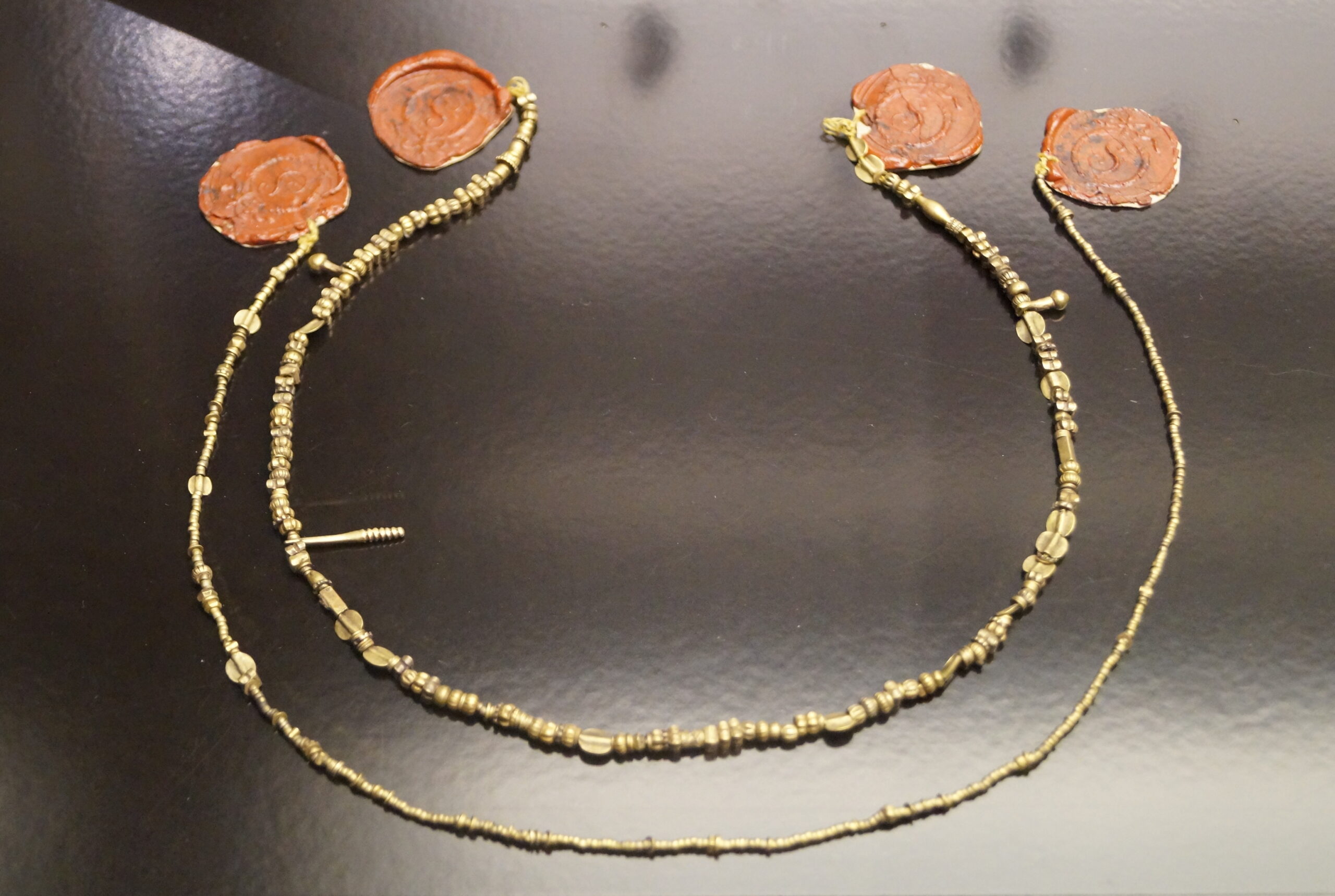
Heinrich Schliemann’s 1873 excavation at Hisarlik unearthed what he dramatically dubbed “Priam’s Treasure” – a hoard of gold jewelry, ceremonial axes, and ornaments tied to the legendary city of Troy. The collection went to Berlin’s Pergamon Museum, then vanished entirely when Soviet forces seized it from a Berlin bunker at the end of World War II.
The Soviet Union officially denied possessing the treasure until 1993 – nearly fifty years after quietly stashing it away. It took a Culture Ministry insider named Grigory Kozlov leaking archive information to the U.S. press before officials finally admitted the gold was in Russia and staged a public exhibition. Germany and Turkey both still argue the gold should never have stayed hidden in Moscow at all.
Quick Compare
- Hitler’s looted art: hidden about 49 years before the Hermitage’s 1994 reveal.
- Priam’s Treasure: hidden roughly 48 years before Russia admitted possession in 1993.
- Sevso Silver: locked in a vault for about 24 years amid ownership disputes.
- Amber Room original: missing for more than 80 years and still not found.
#3 – Sunken Treasure Fleets Loaded With Ancient Gold
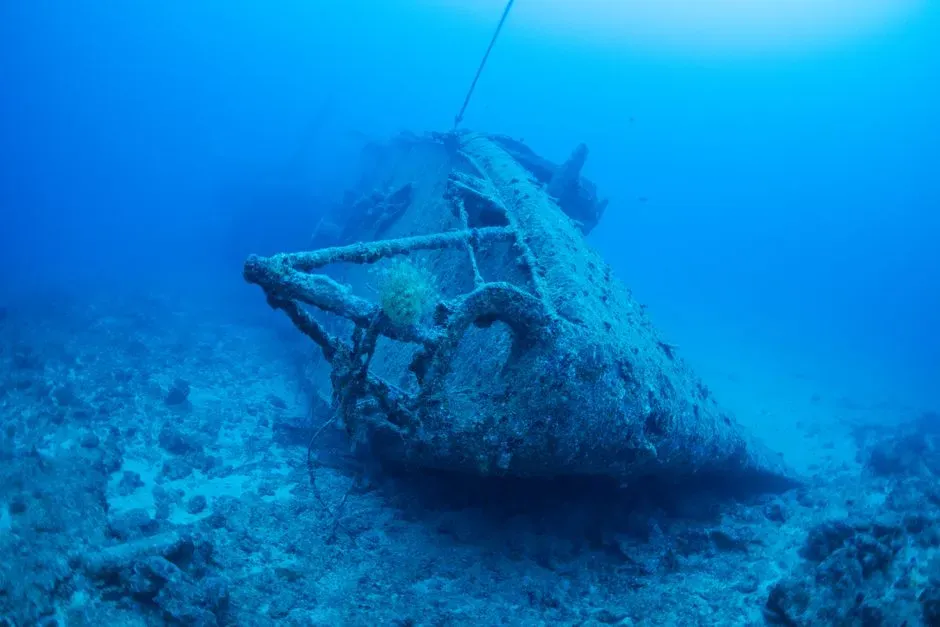
Spanish treasure galleons regularly transported plundered Inca and Aztec gold and silver back to Europe throughout the 1500s and 1600s, most of it melted down into anonymous bars and coins along the way. Hurricanes, piracy, and naval warfare sank dozens of these ships along Caribbean and Atlantic shipping routes, dragging irreplaceable pre-Columbian metalwork straight to the seabed before it could reach a European court, let alone a museum case.
Most of this sunken treasure has never been recovered at all, and what has been salvaged is often so heavily melted and reformed by Spanish mints that the original indigenous craftsmanship is unrecognizable. Legal battles between salvage companies and the Spanish government over shipwreck finds continue into the present day, meaning even recovered pieces often sit in litigation rather than display cases.
#2 – The 600+ Herculaneum Scrolls No One Has Ever Opened
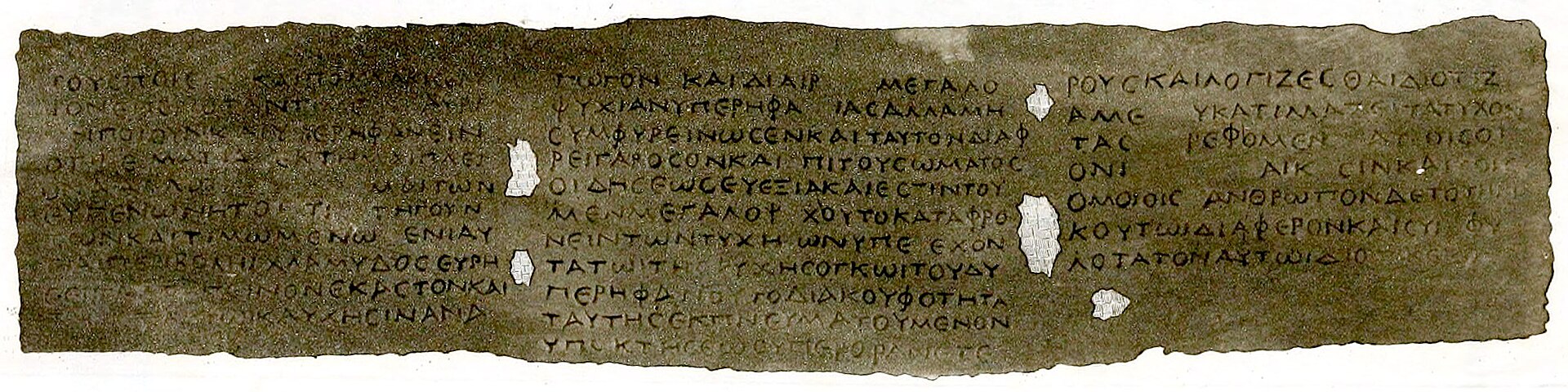
When Mount Vesuvius buried the Roman town of Herculaneum in 79 AD, it carbonized an extraordinary private library believed to have belonged to a Roman statesman – possibly Lucius Calpurnius Piso Caesoninus, the father-in-law of Julius Caesar. Hundreds of scrolls were unearthed in the 1750s, and early attempts to physically unroll them destroyed many instantly, turning priceless texts to dust in the hands of the people trying to save them.
More than 800 inventoried scrolls and fragments remain rolled up and unread to this day, too fragile for any conventional handling. Only recently has AI-powered X-ray scanning, developed through the Vesuvius Challenge, allowed researchers to virtually unroll and read a scroll from beginning to end without ever physically opening it – the first Herculaneum scroll recovered in full since the eruption. Hundreds more still wait in the dark for their turn.
At a Glance
- Herculaneum was buried by Mount Vesuvius in 79 AD, carbonizing an entire private library.
- More than 800 scrolls and fragments remain rolled up and unread today.
- The Vesuvius Challenge uses AI-powered X-ray scanning to virtually unroll scrolls.
- One scroll has now been read in full without physically opening it – a first since the eruption.
#1 – The Sealed Tomb of China’s First Emperor
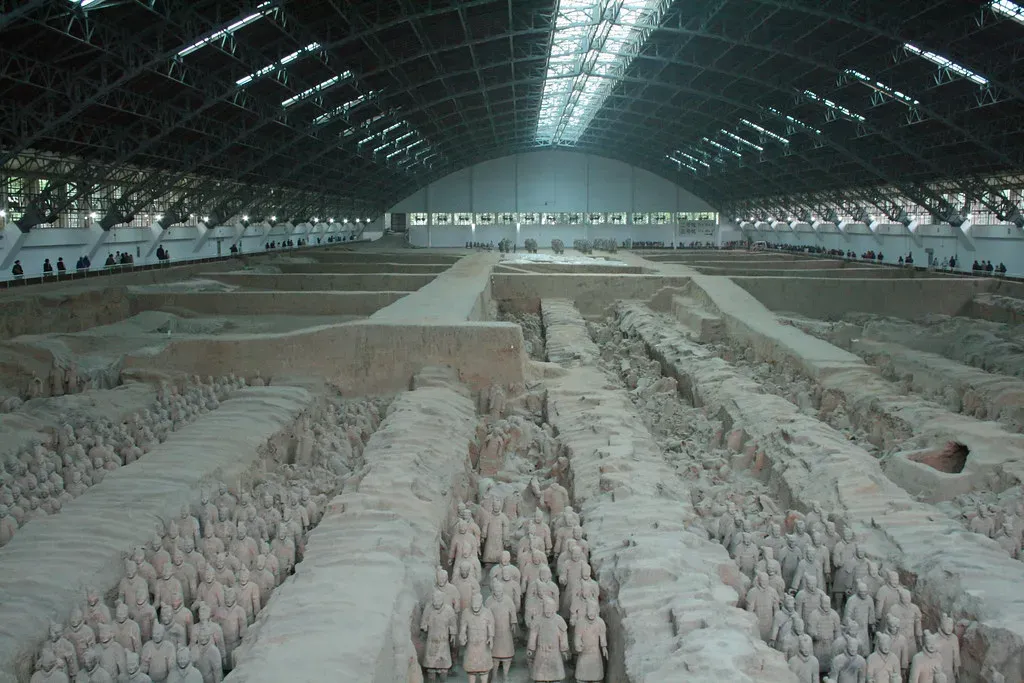
When farmers discovered the Terracotta Army in 1974 near Xi’an, it triggered one of the greatest archaeological finds in history. But the eight thousand terracotta soldiers were only ever meant as guardians – the actual burial chamber of Emperor Qin Shi Huang, roughly a mile away, has never been touched. It remains sealed more than 2,200 years later, leaving researchers to wonder what truly lies within.
Modern science is now confirming details ancient historians wrote down over two thousand years ago. A study published in Scientific Reports found localized mercury concentrations in the air above the mausoleum well above the regional background, offering the first atmospheric evidence that the legendary rivers of mercury described by ancient chroniclers might genuinely exist underground. Archaeologists overseeing the site have been blunt about why it stays closed.
We have no current plan to open the chambers… we have no mature technologies and effective measures to protect the relics.
Qingbo Duan, archaeologist who led the mausoleum excavations from 1998 to 2008
The Bottom Line
The honest truth is that “lost to history” doesn’t always mean destroyed – sometimes it just means too dangerous, too disputed, or too fragile to show anyone. From a mercury-flooded imperial tomb to carbonized scrolls that took AI to finally read, the biggest obstacle isn’t always looting or war. Sometimes it’s simple physics, sometimes it’s stubborn legal ownership battles, and sometimes it’s outright government secrecy that lasts half a century.
We’d argue museums and governments alike should be far more transparent about what’s sitting in restricted storage instead of quietly filing it away and hoping nobody asks. History belongs to more than the handful of people holding the keys. Which of these hidden relics do you think the public deserves to finally see? Drop your take in the comments.